

ProductPRODUCT
Featured products
Contact Us
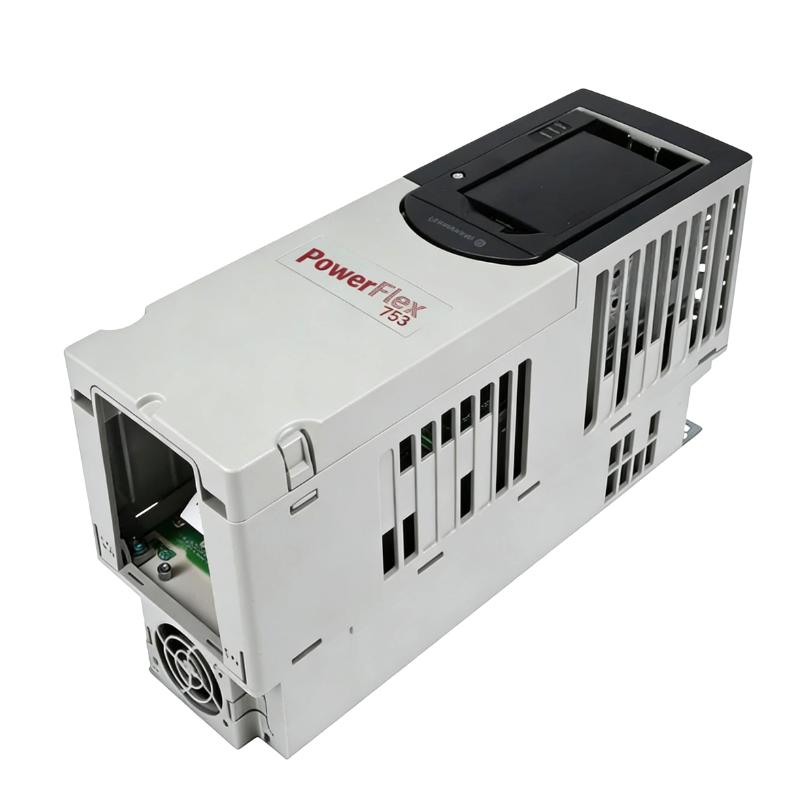
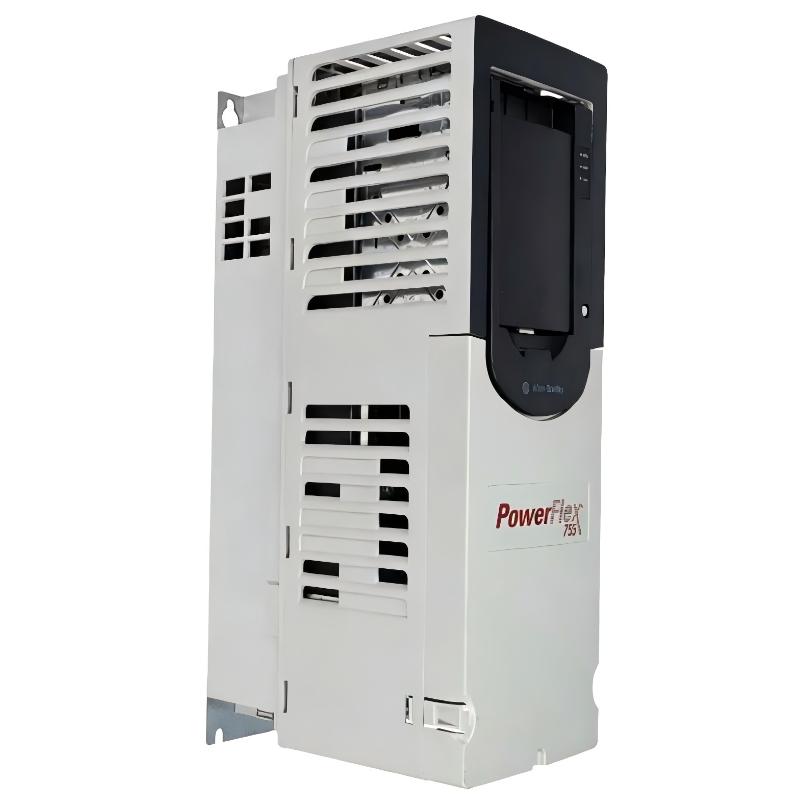
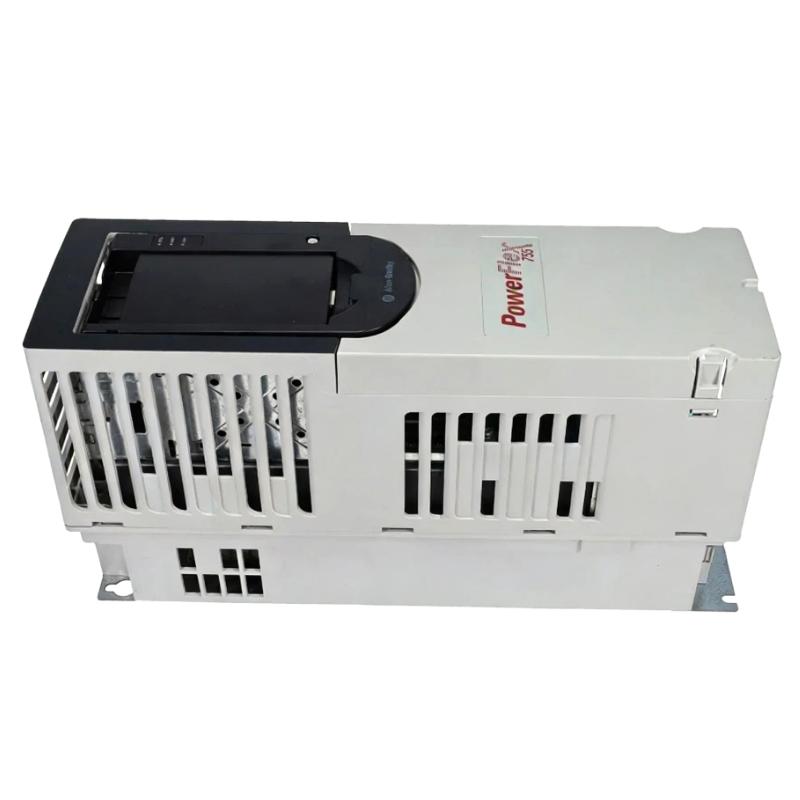
- Allen Bradley
- 20P41AD010RA0NNN
- PowerFlex AC Drive
- USA
- 300–400 × 500–700 × 300–400 mm
- 50kg
- Xiamen, China
- New & In Stock
- T/T, PayPal, Western Union
- 1 Year
- 1-3 Working Days
- DHL, UPS, TNT, FedEx and EMS.
- 24-Hour Service
- COO
- 76
Our advantage

Global Logistics
We have a 10-year logistics and express cooperation agreement, so our products can be shipped to any place in the world.

Brand new and original
Our products are imported in bulk from the place of origin. Because of the cooperative relationship, our products are all original and 100% new.

24-hour service
We provide 7*24 hours service to our customers. We will be there whenever you need us.

Price advantage
All our products are priced very favorably because we have our own warehouse and supply.
| Company Information | |||
| [email protected] | |||
| Mobile | +8615980777398 | ||
| +8615980777398 | |||
| 15980777398 |
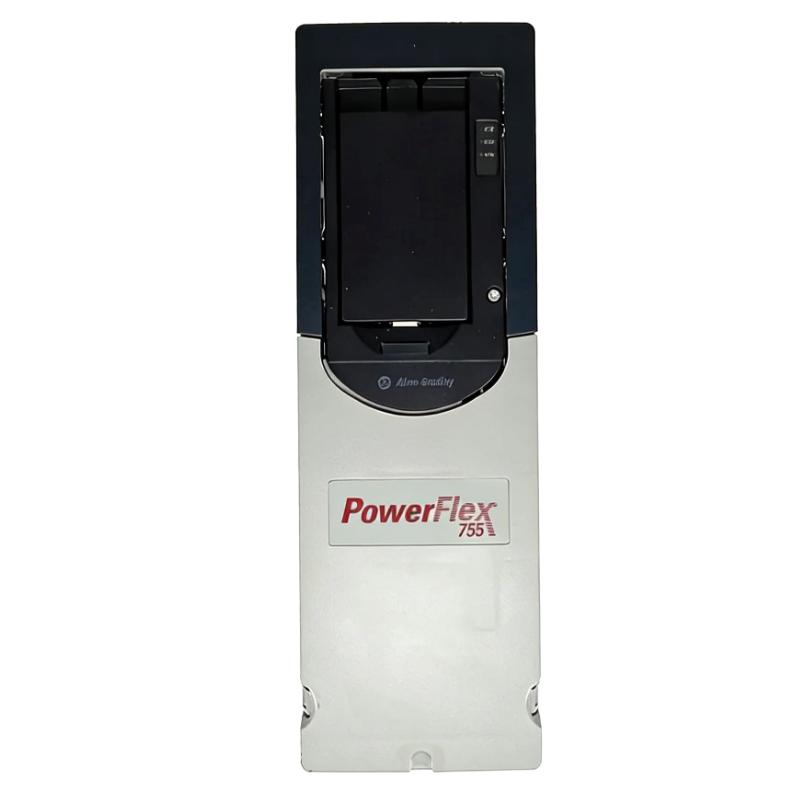
20P41AD010RA0NNN — Detailed Product Information, Technical Parameters, Applications and Related Models
The 20P41AD010RA0NNN is an industrial DC drive designed for controlled operation of DC motors in industrial machinery and process equipment.
The product belongs to the PowerFlex 755 DC drive family and is intended for applications where accurate motor speed regulation, controlled acceleration and deceleration, torque management, and integration with an industrial control system are required.
Because the complete catalog number contains configuration characters, the exact electrical options and mechanical arrangement should be verified against the nameplate of the actual unit before using the information for a replacement, cabinet design, or purchasing decision.
1. Basic Product Information
| Item | Product Information |
|---|---|
| Model | 20P41AD010RA0NNN |
| Brand | Allen-Bradley |
| Product Family | PowerFlex |
| Product Series | PowerFlex 755 DC |
| Product Type | Industrial DC Drive |
| Drive Technology | Adjustable DC motor drive |
| Main Application | DC motor speed and torque control |
| Typical Supply | Three-phase AC input |
| Motor Type | Separately excited / shunt-wound DC motor applications |
| Control | Digital motor control |
| Speed Regulation | Programmable |
| Torque Regulation | Supported |
| Acceleration Control | Programmable |
| Deceleration Control | Programmable |
| Motor Protection | Integrated functions |
| Diagnostics | Integrated |
| Communication | Configuration dependent |
| Feedback | Configuration dependent |
| Installation | Industrial control cabinet |
| Cooling | Forced-air cooling |
| Mounting | Panel/cabinet mounting |
| Application Level | Industrial |
The 20P41AD010RA0NNN is fundamentally different from a standard AC frequency inverter.
An AC drive controls an AC motor by varying the frequency and voltage supplied to the motor.
A DC drive instead regulates the electrical conditions supplied to a DC motor, allowing the motor’s speed and torque to be controlled according to the requirements of the machine.
2. Brand and Product Series
| Category | Information |
|---|---|
| Brand | Allen-Bradley |
| Product Family | PowerFlex |
| Product Series | PowerFlex 755 DC |
| Product Type | DC Drive |
| Primary Function | DC motor control |
| Industrial Classification | Adjustable-speed DC drive |
| Typical Installation | Electrical control cabinet |
| Typical Applications | Machinery, material handling and process equipment |
The PowerFlex 755 DC family is intended for industrial applications in which an existing or newly designed DC motor system requires controlled speed and torque.
It is particularly useful in machinery where maintaining stable motor speed is important.
The drive can receive a speed or process command, compare it with the motor’s actual operating condition and adjust the motor output accordingly.
This makes it suitable for machines in which motor performance directly affects production quality.
3. Product Introduction
The 20P41AD010RA0NNN is an industrial adjustable-speed DC drive designed to provide controlled electrical power to a DC motor.
DC motors have historically been widely used in industrial applications because of their strong torque characteristics and straightforward speed-control behavior.
Although modern industrial equipment increasingly uses AC motors, many existing production lines still rely on DC motors.
Replacing an entire DC motor system with a new AC motor and drive can require considerable mechanical and electrical modification.
A DC drive provides an alternative approach by allowing the existing DC motor and mechanical system to remain in operation.
The drive can regulate motor speed, acceleration, deceleration and torque while maintaining compatibility with the machine’s existing DC motor architecture.
4. Main Technical Characteristics
| Parameter | Description |
|---|---|
| Model | 20P41AD010RA0NNN |
| Product Series | PowerFlex 755 DC |
| Drive Type | Digital DC drive |
| Motor Type | Industrial DC motor |
| Input | Three-phase AC |
| Output | Controlled DC motor power |
| Speed Control | Yes |
| Torque Control | Yes |
| Armature Control | Yes |
| Field Control | Configuration dependent |
| Acceleration | Programmable |
| Deceleration | Programmable |
| Speed Feedback | Available depending on configuration |
| Encoder Feedback | Configuration dependent |
| Digital Control | Yes |
| Motor Protection | Yes |
| Fault Monitoring | Yes |
| Diagnostic Functions | Yes |
| Communication | Configuration dependent |
| Industrial Networking | Configuration dependent |
| Local Control | Available depending on configuration |
| Remote Control | Available depending on configuration |
| Cabinet Mounting | Yes |
| Cooling | Forced air |
| Industrial Duty | Yes |
5. Electrical Operating Principle
The drive receives electrical power from the industrial AC supply.
The internal power-conversion section converts and controls the electrical energy supplied to the DC motor.
The output is regulated according to the commanded operating condition.
The basic operating relationship can be represented as:
AC Supply → DC Drive → Controlled DC Output → DC Motor → Mechanical Load
The drive therefore becomes the electrical interface between the factory power system and the motor.
By controlling the motor’s electrical input, the drive can influence:
- Motor speed.
- Motor torque.
- Acceleration.
- Deceleration.
- Direction of rotation.
- Operating stability.
- Response to load changes.
6. Speed Control
Speed control is one of the most important functions of the 20P41AD010RA0NNN.
The machine may require different operating speeds during different stages of production.
Instead of using mechanical speed-changing equipment, the drive can regulate the motor electronically.
Typical speed-control applications include:
- Conveyor systems.
- Web-processing machinery.
- Rollers.
- Winders.
- Unwinders.
- Printing machinery.
- Material-handling equipment.
- Industrial processing lines.
- Machine tools.
- Production machinery.
Accurate speed control can be particularly important in applications where production speed affects product dimensions, tension or surface quality.
7. Torque Control
DC motors are well known for their useful torque characteristics.
The drive can control the motor’s electrical operating conditions to achieve the torque required by the machine.
Torque control becomes particularly important when the mechanical load changes during operation.
For example, a winding machine may experience a changing material diameter.
As the diameter changes, the machine’s torque and speed requirements can also change.
A suitable drive configuration can respond to these changes while maintaining the required operating condition.
8. Acceleration Control
A direct full-speed motor start can generate considerable mechanical stress.
The drive allows acceleration to be controlled.
Instead of immediately applying the complete operating command, the motor can be brought up to speed according to a programmed acceleration profile.
This can reduce mechanical shock on:
- Shafts.
- Couplings.
- Gearboxes.
- Belts.
- Chains.
- Rollers.
- Conveyors.
- Mechanical transmission systems.
Controlled acceleration is particularly useful for machines with large rotating inertia.
9. Deceleration Control
The drive can also regulate the motor’s stopping process.
A controlled deceleration profile can reduce sudden mechanical forces.
This can be useful in:
- Conveyor systems.
- Winders.
- Unwinders.
- Rollers.
- Processing machinery.
- Material-handling systems.
- Production lines.
If the machine requires extremely rapid stopping, the braking arrangement must be evaluated as part of the complete drive system.
10. Field Control
A DC motor normally includes an armature circuit and a field circuit.
The field influences the magnetic conditions of the motor.
Depending on the motor and drive configuration, the drive can provide appropriate field-control functions.
Field weakening may also be used in suitable applications to obtain a wider operating-speed range.
However, field-weakening operation must be designed according to the motor’s rated characteristics.
The motor manufacturer’s field-current and speed limits should always be respected.
11. Armature Control
Armature voltage and current are important parameters in DC motor operation.
The drive regulates the armature power delivered to the motor.
This provides the foundation for controlled motor operation.
Correct armature voltage and current settings are essential during commissioning.
Incorrect settings can result in poor motor performance, overheating or unwanted drive trips.
12. Feedback and Speed Regulation
Some industrial applications require feedback from the motor.
Feedback can provide information about actual motor speed.
The drive can then compare the actual speed with the commanded speed.
For example:
Speed Command → Drive → Motor → Feedback → Drive
This closed-loop relationship can improve speed regulation where process accuracy is important.
Feedback requirements depend on the application and the selected configuration.
Typical feedback devices can include tachometers or encoder-based systems.
13. Motor Protection
The drive provides protection and monitoring functions intended to help protect the motor and drive system.
Typical protection functions may include:
- Overcurrent monitoring.
- Overvoltage monitoring.
- Undervoltage monitoring.
- Motor overload protection.
- Thermal monitoring.
- Field-related monitoring.
- Feedback fault monitoring.
- Drive fault detection.
- Communication fault monitoring.
These functions can help prevent continued operation under abnormal conditions.
Correct motor data and application parameters are essential for proper protection.
14. Diagnostic Functions
Industrial maintenance personnel need clear information when a machine stops unexpectedly.
The drive can provide diagnostic information associated with its operating condition.
Depending on the configuration, useful information can include:
| Diagnostic Information | Maintenance Purpose |
|---|---|
| Drive Status | Determines current operating state |
| Motor Current | Indicates electrical loading |
| Speed Reference | Shows requested speed |
| Actual Speed | Shows motor operating speed |
| Alarm Information | Identifies warning conditions |
| Fault Information | Helps determine cause of shutdown |
| Feedback Status | Checks speed-feedback operation |
| Thermal Information | Helps evaluate heating conditions |
| Communication Status | Checks control-system communication |
This can reduce troubleshooting time.
15. Communication and Automation Integration
The drive can be incorporated into an industrial automation system when the appropriate communication and control options are installed.
A typical architecture can be represented as:
Controller → Industrial Network / I/O → DC Drive → DC Motor → Machine
The controller may provide:
- Start commands.
- Stop commands.
- Speed references.
- Direction commands.
- Process setpoints.
The drive can return:
- Actual speed.
- Motor current.
- Drive status.
- Alarm information.
- Fault information.
This type of integration is useful in automated production lines.
16. Main Advantages
16.1 Accurate Speed Control
The drive can regulate the motor speed according to the machine’s requirements.
This is particularly useful for production equipment where speed consistency directly affects product quality.
16.2 Strong DC Motor Control
The drive is specifically designed for DC motor applications.
It can therefore be used in machinery where the DC motor remains an important part of the mechanical system.
16.3 Controlled Acceleration
Programmable acceleration can reduce mechanical shock.
This can extend the service life of mechanical components when properly configured.
16.4 Controlled Deceleration
Controlled stopping can reduce mechanical stress and improve machine handling.
16.5 Torque Regulation
The drive can provide torque-related control for applications where load variation is significant.
16.6 Feedback Capability
Applications requiring high-quality speed regulation can use appropriate feedback arrangements.
16.7 Industrial Diagnostics
Drive status and fault information can help maintenance personnel troubleshoot equipment more efficiently.
16.8 Automation Integration
The drive can form part of a larger automated machine-control system.
16.9 Useful for Existing DC Machinery
One of the most practical advantages is the ability to maintain an existing DC motor architecture.
A plant may have many DC motors that are mechanically integrated into established production equipment.
Installing a suitable DC drive can allow the machine to continue operating without a complete motor-system redesign.
17. Typical Applications
| Application | Suitability | Main Reason |
|---|---|---|
| Conveyor | High | Adjustable speed and controlled starting |
| Winder | Very High | Speed and torque control |
| Unwinder | Very High | Tension and speed management |
| Roller | Very High | Stable speed regulation |
| Printing Machinery | High | Process-speed control |
| Web Processing | Very High | Speed and tension requirements |
| Material Handling | High | Controlled acceleration |
| Machine Tools | High | Speed control |
| Industrial Processing | High | Adjustable motor operation |
| Production Line | High | Automation integration |
| Existing DC Machinery | Very High | Direct DC motor compatibility |
18. Winder Application
Winders are one of the more demanding applications for controlled DC motor systems.
As material is wound onto a roll, the roll diameter changes.
The required motor speed and torque may therefore change throughout the process.
A suitable DC drive can provide the necessary speed and torque regulation.
Typical applications include:
- Paper processing.
- Film production.
- Metal processing.
- Cable production.
- Textile machinery.
- Plastic film processing.
- Foil processing.
The ability to regulate motor speed and torque is particularly important for maintaining stable material tension.
19. Unwinder Application
Unwinders operate in the opposite direction.
Material is removed from a roll and fed into another machine.
The drive must allow the motor to operate according to the changing roll diameter and material requirements.
Stable speed and torque control can help maintain consistent material movement.
20. Web-Processing Equipment
Web-processing machinery handles continuous material such as:
- Paper.
- Plastic film.
- Foil.
- Textile.
- Sheet material.
The material must often travel at a stable speed.
Sudden changes in motor speed can affect tension and product quality.
The drive can therefore be an important part of the machine’s motion-control system.
21. Conveyor Application
For conveyors, the drive can provide:
- Adjustable speed.
- Controlled acceleration.
- Controlled deceleration.
- Forward/reverse operation where required.
- Motor protection.
- Diagnostic information.
A controlled start can reduce belt shock and mechanical stress.
22. Roller Application
Industrial rollers often need stable rotational speed.
The motor speed may directly determine:
- Production speed.
- Material throughput.
- Surface processing rate.
- Product dimensions.
The drive provides the ability to adjust and maintain the required motor operating condition.
23. Printing Machinery
Printing systems can be sensitive to speed changes.
The drive can contribute to stable motor operation in applications involving:
- Printing rollers.
- Feed rollers.
- Material transport.
- Web handling.
- Processing rollers.
Speed regulation can help maintain consistent production conditions.
24. Material-Handling Machinery
Material-handling systems can involve substantial mechanical loads.
The drive’s controlled acceleration and deceleration can help reduce shock loading.
Typical equipment includes:
- Conveyors.
- Feeders.
- Rollers.
- Transfer equipment.
- Industrial transport machinery.
25. Dimensions and Weight
The exact dimensions and weight of 20P41AD010RA0NNN depend on the frame, installed options, cooling arrangement and final configuration.
For this reason, mechanical values should be treated as preliminary reference figures rather than final manufacturing dimensions.
| Mechanical Parameter | Approximate Reference |
|---|---|
| Model | 20P41AD010RA0NNN |
| Installation | Cabinet / panel mounted |
| Orientation | Vertical |
| Approximate Width | 300–400 mm |
| Approximate Height | 500–700 mm |
| Approximate Depth | 300–400 mm |
| Approximate Envelope | 300–400 × 500–700 × 300–400 mm |
| Approximate Weight | 30–50 kg |
| Weight Unit | kg |
| Cooling | Forced air |
| Cabinet Installation | Yes |
| Ventilation | Required |
| Maintenance Clearance | Required |
| Cable Routing Space | Required |
For a final cabinet design, the actual product drawing and nameplate information should take priority over these preliminary values.
26. Mechanical Installation Considerations
The drive should be mounted in a suitable industrial control enclosure.
The enclosure should provide adequate space for:
- Drive mounting.
- Power wiring.
- Motor wiring.
- Control wiring.
- Communication cables.
- Airflow.
- Maintenance.
- Inspection.
The drive should not be installed in a position that blocks its cooling-air path.
Adequate clearance should also be provided around ventilation openings.
27. Cooling Requirements
The drive produces heat during operation.
The amount of heat depends on:
- Motor load.
- Output current.
- Operating duty.
- Ambient temperature.
- Switching/control conditions.
- Installation arrangement.
A suitable cabinet ventilation system is therefore important.
If multiple drives are installed in one cabinet, the combined heat load should be considered.
28. Environmental Considerations
Before installing the drive, the following environmental factors should be evaluated:
| Environmental Factor | Consideration |
|---|---|
| Ambient Temperature | Must remain within permitted operating range |
| Humidity | Excessive condensation should be avoided |
| Dust | May affect cooling |
| Chemical Vapors | May damage electrical components |
| Vibration | Should be evaluated |
| Altitude | Can affect cooling performance |
| Airflow | Must remain adequate |
| Cabinet Protection | Should match the installation environment |
| Maintenance | Cooling passages should remain clean |
29. Five Same-Series or Closely Related Models
The following models are useful for comparison when selecting a DC drive from the same general PowerFlex 755 DC family.
| Model | Product Series | Approx. Current Class | Input Class | Approx. Dimensions | Weight (kg) | Typical Use |
|---|---|---|---|---|---|---|
| 20P41AD010RA0NNN | PowerFlex 755 DC | 10 A class | Industrial 3-phase AC | 300–400 × 500–700 × 300–400 mm | 30–50 | General DC motor control |
| 20P41AD015RA0NNN | PowerFlex 755 DC | 15 A class | Industrial 3-phase AC | 300–400 × 500–700 × 300–400 mm | 30–50 | Medium DC motor applications |
| 20P41AD022RA0NNN | PowerFlex 755 DC | 22 A class | Industrial 3-phase AC | 300–400 × 500–700 × 300–400 mm | 30–50 | Industrial machinery |
| 20P41AD030RA0NNN | PowerFlex 755 DC | 30 A class | Industrial 3-phase AC | 350–450 × 600–750 × 300–400 mm | 35–55 | Larger DC motors |
| 20P41AD043RA0NNN | PowerFlex 755 DC | 43 A class | Industrial 3-phase AC | 350–450 × 600–800 × 350–450 mm | 40–60 | Heavy industrial machinery |
The models above represent related rating positions and should not be regarded as direct drop-in replacements without checking the motor’s armature current, field requirements and complete configuration.
30. Same-Series Model Comparison
| Parameter | 20P41AD010RA0NNN | 20P41AD015RA0NNN | 20P41AD022RA0NNN | 20P41AD030RA0NNN | 20P41AD043RA0NNN |
|---|---|---|---|---|---|
| Product Family | PowerFlex | PowerFlex | PowerFlex | PowerFlex | PowerFlex |
| Series | 755 DC | 755 DC | 755 DC | 755 DC | 755 DC |
| Current Class | 10 A | 15 A | 22 A | 30 A | 43 A |
| Motor Type | DC | DC | DC | DC | DC |
| Speed Control | Yes | Yes | Yes | Yes | Yes |
| Torque Control | Yes | Yes | Yes | Yes | Yes |
| Feedback | Configuration dependent | Configuration dependent | Configuration dependent | Configuration dependent | Configuration dependent |
| Approx. Width | 300–400 mm | 300–400 mm | 300–400 mm | 350–450 mm | 350–450 mm |
| Approx. Height | 500–700 mm | 500–700 mm | 500–700 mm | 600–750 mm | 600–800 mm |
| Approx. Depth | 300–400 mm | 300–400 mm | 300–400 mm | 300–400 mm | 350–450 mm |
| Approx. Weight | 30–50 kg | 30–50 kg | 30–50 kg | 35–55 kg | 40–60 kg |
31. Five Related Models from the Same Brand
For a broader product comparison, the following models cover different industrial drive requirements.
| Model | Product Series | Drive Type | Voltage Class | Approx. Rating | Approx. Dimensions | Weight (kg) |
|---|---|---|---|---|---|---|
| 20P41AD010RA0NNN | PowerFlex 755 DC | DC Drive | Industrial AC input | 10 A class | 300–400 × 500–700 × 300–400 mm | 30–50 |
| 20P41AD030RA0NNN | PowerFlex 755 DC | DC Drive | Industrial AC input | 30 A class | 350–450 × 600–750 × 300–400 mm | 35–55 |
| 20P41AD043RA0NNN | PowerFlex 755 DC | DC Drive | Industrial AC input | 43 A class | 350–450 × 600–800 × 350–450 mm | 40–60 |
| 20G1AND361JN0NNNNN | PowerFlex 755 | AC Drive | 480 V class | 361-class | 400–500 × 700–900 × 350–450 mm | 70–100 |
| 20G1AND248JN0NNNNN | PowerFlex 755 | AC Drive | 480 V class | 248-class | 350–450 × 600–800 × 300–400 mm | 55–80 |
The first three are useful when the application requires a DC motor drive.
The last two are AC-drive alternatives within the broader PowerFlex industrial-drive range and would normally require an AC motor or a different motor-control architecture.
32. DC Drive Versus AC Drive
| Feature | 20P41AD010RA0NNN | PowerFlex AC Drive |
|---|---|---|
| Motor Type | DC motor | AC motor |
| Output Type | Controlled DC | Variable-frequency AC |
| Speed Control | Yes | Yes |
| Torque Control | Yes | Yes |
| Existing DC Motor Compatibility | Excellent | Not directly applicable |
| Existing AC Motor Compatibility | Not applicable | Excellent |
| Typical Replacement Use | Existing DC systems | AC motor systems |
| Mechanical Conversion | Usually lower when retaining DC motor | May require motor replacement |
| Modern New Machine | Application dependent | Often preferred |
| Existing Production Line | Very useful | Requires system evaluation |
This distinction is important when choosing a replacement.
If an existing machine uses a DC motor, replacing the DC drive with an AC drive is not normally a simple electrical substitution.
The motor, gearbox, wiring, feedback system and machine-control logic may all need to be considered.
33. Main Advantages for Existing Equipment
One of the strongest reasons to select a DC drive is to preserve an existing machine architecture.
An established production line may contain:
- A DC motor.
- Existing mechanical transmission.
- Existing motor mounting.
- Existing feedback devices.
- Existing control wiring.
- Established machine software.
- Established maintenance procedures.
Replacing only the drive can sometimes be considerably less disruptive than converting the entire machine to an AC motor system.
This is especially relevant for older production equipment that remains mechanically sound but requires modernization of its drive electronics.
34. Modernization Applications
The product can be considered for modernization projects involving existing DC machinery.
Typical modernization goals include:
- Replacing an obsolete drive.
- Improving motor control.
- Improving diagnostics.
- Integrating the machine with a modern automation system.
- Improving maintenance capability.
- Maintaining an existing DC motor.
- Reducing unplanned downtime.
- Updating control interfaces.
The complete machine architecture should be reviewed before modernization.
35. Maintenance Considerations
Regular maintenance should include inspection of:
- Cooling airflow.
- Ventilation openings.
- Electrical connections.
- Motor cables.
- Grounding connections.
- Feedback wiring.
- Control wiring.
- Communication connections.
- Cabinet cleanliness.
- Alarm history.
- Fault history.
Dust and heat are common enemies of industrial electronic equipment.
Keeping the cabinet clean and maintaining proper airflow can contribute to reliable operation.
36. Recommended Selection Procedure
A practical selection process can be organized as follows.
Step 1 — Identify the Motor
Record:
- Motor voltage.
- Armature current.
- Motor power.
- Rated speed.
- Field current.
- Field voltage.
- Motor type.
Step 2 — Identify the Load
Determine whether the machine is:
- Constant torque.
- Variable torque.
- High inertia.
- Regenerative.
- Tension controlled.
- Speed sensitive.
Step 3 — Determine Feedback Requirements
Determine whether the machine requires:
- Open-loop speed control.
- Tachometer feedback.
- Encoder feedback.
- Closed-loop speed regulation.
Step 4 — Determine Braking Requirements
Check whether the machine needs:
- Normal controlled stopping.
- Fast stopping.
- Regenerative operation.
- Dynamic braking.
The braking solution must be designed according to the actual machine characteristics.
Step 5 — Confirm Control-System Requirements
Check:
- Digital inputs.
- Digital outputs.
- Analog inputs.
- Analog outputs.
- Communication network.
- Local control.
- Remote control.
Step 6 — Confirm Mechanical Installation
Check:
- Width.
- Height.
- Depth.
- Weight.
- Mounting arrangement.
- Cooling requirements.
- Cable entry.
- Maintenance access.
37. Product Advantages Summary
| Advantage | Description |
|---|---|
| DC Motor Compatibility | Designed for industrial DC motor applications |
| Speed Control | Provides adjustable motor speed |
| Torque Control | Supports controlled motor torque |
| Acceleration Control | Allows gradual motor startup |
| Deceleration Control | Allows controlled stopping |
| Feedback Capability | Suitable for applications requiring speed feedback |
| Diagnostics | Provides useful operating and fault information |
| Automation Integration | Can participate in industrial control systems |
| Modernization Potential | Useful for upgrading existing DC machinery |
| Industrial Construction | Designed for demanding industrial environments |
| Flexible Application | Suitable for conveyors, winders, rollers and process machinery |
38. Detailed Application Matrix
| Application | Speed Control | Torque Control | Feedback Value | Overall Suitability |
|---|---|---|---|---|
| Conveyor | High | Medium | Medium | ★★★★★ |
| Winder | Very High | Very High | Very High | ★★★★★ |
| Unwinder | Very High | Very High | Very High | ★★★★★ |
| Roller | Very High | High | High | ★★★★★ |
| Printing Machine | Very High | High | Very High | ★★★★★ |
| Web Processing | Very High | Very High | Very High | ★★★★★ |
| Material Handling | High | High | Medium | ★★★★★ |
| Machine Tool | High | High | High | ★★★★☆ |
| Industrial Processing | High | High | High | ★★★★★ |
| Simple Fixed-Speed Machine | Low | Low | Low | ★★☆☆☆ |
39. Technical Summary
| Category | Summary |
|---|---|
| Model | 20P41AD010RA0NNN |
| Brand | Allen-Bradley |
| Product Family | PowerFlex |
| Product Series | PowerFlex 755 DC |
| Drive Type | Digital industrial DC drive |
| Primary Motor | DC motor |
| Input | Industrial three-phase AC |
| Output | Controlled DC motor power |
| Speed Control | Yes |
| Torque Control | Yes |
| Armature Control | Yes |
| Field Control | Configuration dependent |
| Feedback | Configuration dependent |
| Diagnostics | Yes |
| Communication | Configuration dependent |
| Installation | Cabinet/panel |
| Cooling | Forced air |
| Approx. Width | 300–400 mm |
| Approx. Height | 500–700 mm |
| Approx. Depth | 300–400 mm |
| Approx. Weight | 30–50 kg |
| Main Applications | Winders, unwinders, rollers, conveyors, processing machinery |
| Main Advantage | Advanced control of industrial DC motors |
40. Final Assessment
The 20P41AD010RA0NNN is a specialized industrial DC drive intended for controlled operation of DC motors.
Its greatest value is found in applications where the existing DC motor and mechanical system need to be retained while obtaining modern digital drive control.
The product is suitable for machinery requiring stable speed regulation, controlled acceleration, controlled deceleration and torque management.
It is particularly well suited to applications such as winders, unwinders, rollers, conveyors, printing equipment, web-processing systems, material-handling equipment and industrial processing machinery.
The drive can also provide useful diagnostic information and can be integrated into a larger automation architecture when the required communication and control options are installed.
For modernization projects, the product can be attractive because it allows an existing DC motor system to remain in service rather than requiring an immediate conversion to an AC motor and AC drive.
The most important selection parameters are not simply the nominal drive model.
The motor’s armature voltage, armature current, field voltage, field current, rated speed, mechanical load, overload requirement, feedback arrangement, acceleration requirements and braking requirements should all be considered.
Mechanical installation is equally important.
For preliminary planning, a reference envelope of approximately 300–400 mm wide × 500–700 mm high × 300–400 mm deep, with an approximate weight of 30–50 kg, can be used.
These dimensions and weight are intended only for preliminary planning because the final physical characteristics can change according to the actual frame, options and configuration.
For final engineering, cabinet construction, transportation, lifting and installation, the exact physical data of the purchased 20P41AD010RA0NNN should be used.
Overall, the 20P41AD010RA0NNN can be regarded as a practical industrial solution for controlled DC motor operation, particularly where an established production machine still depends on DC motor technology and requires reliable speed, torque, protection, diagnostics and automation capabilities.