

ProductPRODUCT
Featured products
Contact Us
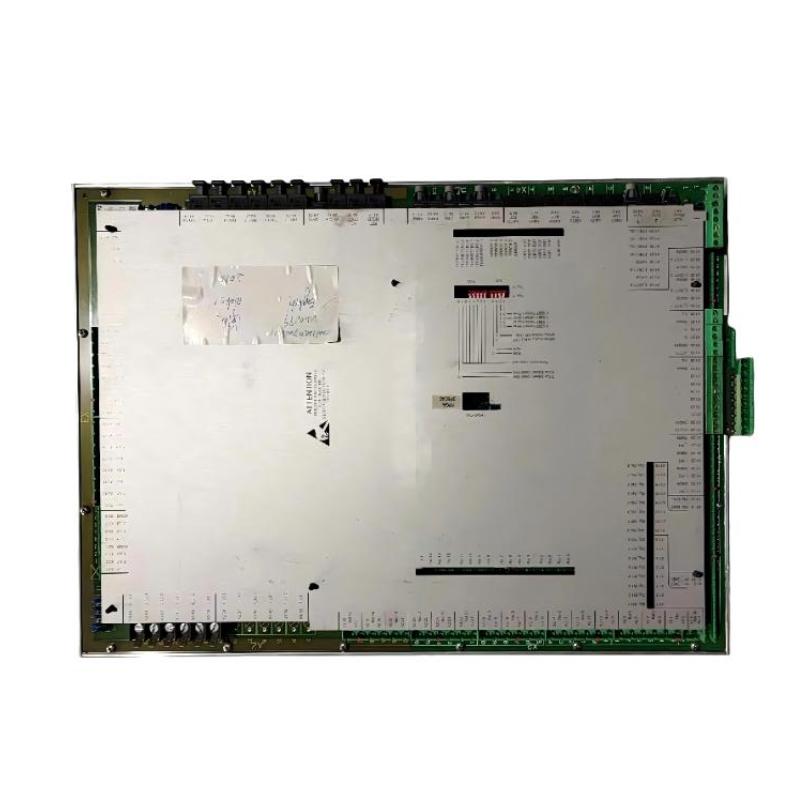
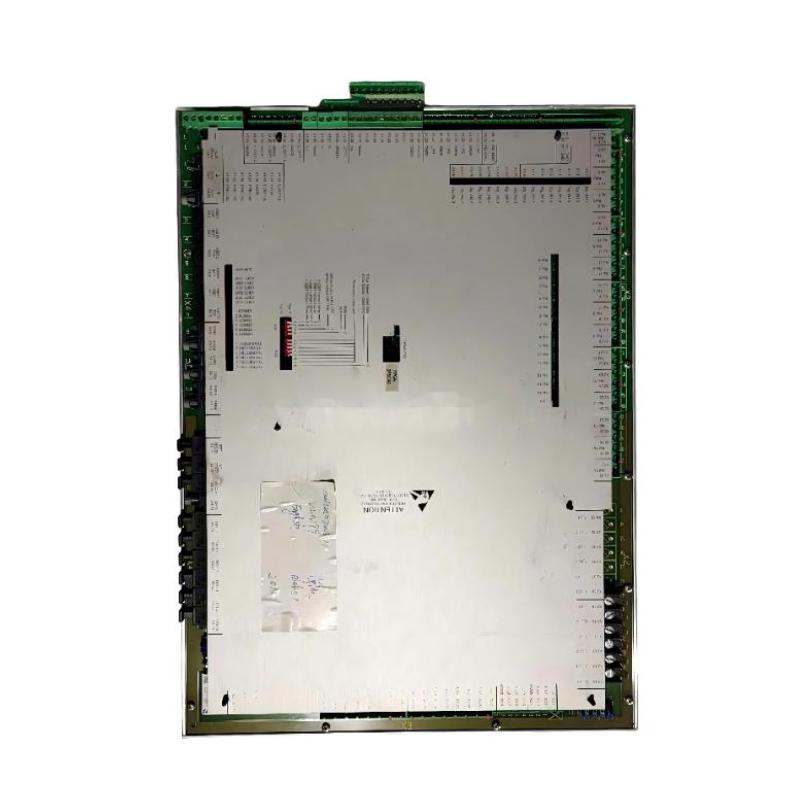
- Woodward
- CSC3HUWB
- Controller Module
- USA
- 200 x 150 x 75 mm
- 1.8 kg
- Xiamen, China
- New & In Stock
- T/T, PayPal, Western Union
- 1 Year
- 1-3 Working Days
- DHL, UPS, TNT, FedEx and EMS.
- 24-Hour Service
- COO
- 3
Our advantage

Global Logistics
We have a 10-year logistics and express cooperation agreement, so our products can be shipped to any place in the world.

Brand new and original
Our products are imported in bulk from the place of origin. Because of the cooperative relationship, our products are all original and 100% new.

24-hour service
We provide 7*24 hours service to our customers. We will be there whenever you need us.

Price advantage
All our products are priced very favorably because we have our own warehouse and supply.
| Company Information | |||
| [email protected] | |||
| Mobile | +8615980777398 | ||
| +8615980777398 | |||
| 15980777398 |
Product Overview
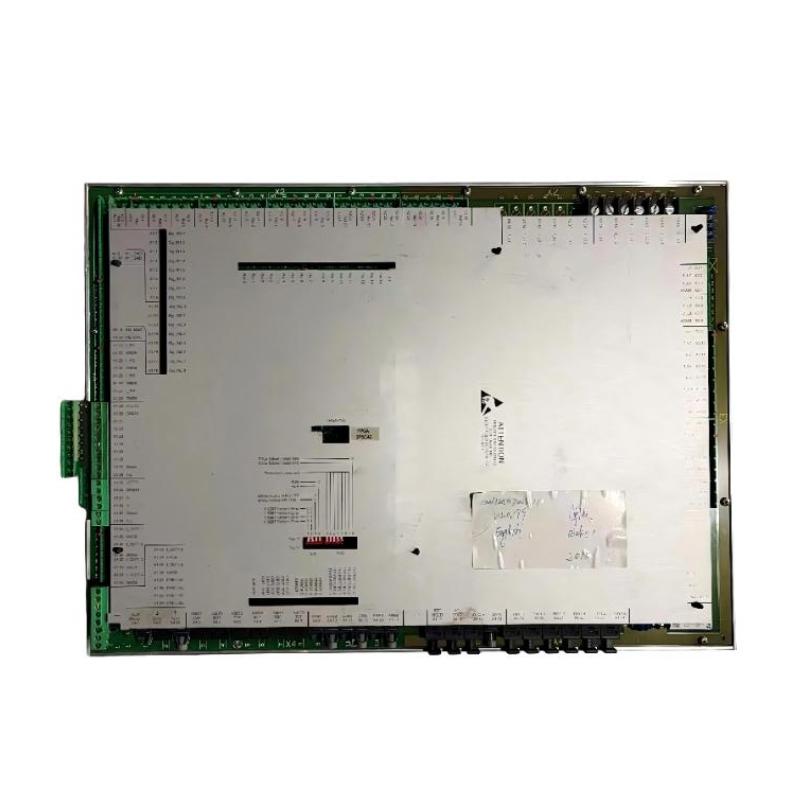
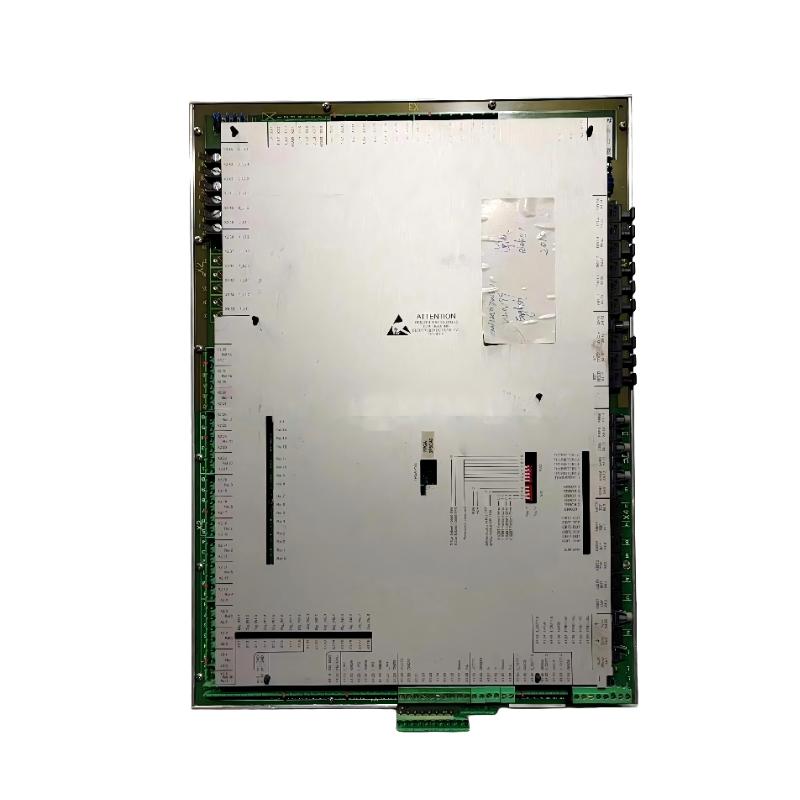
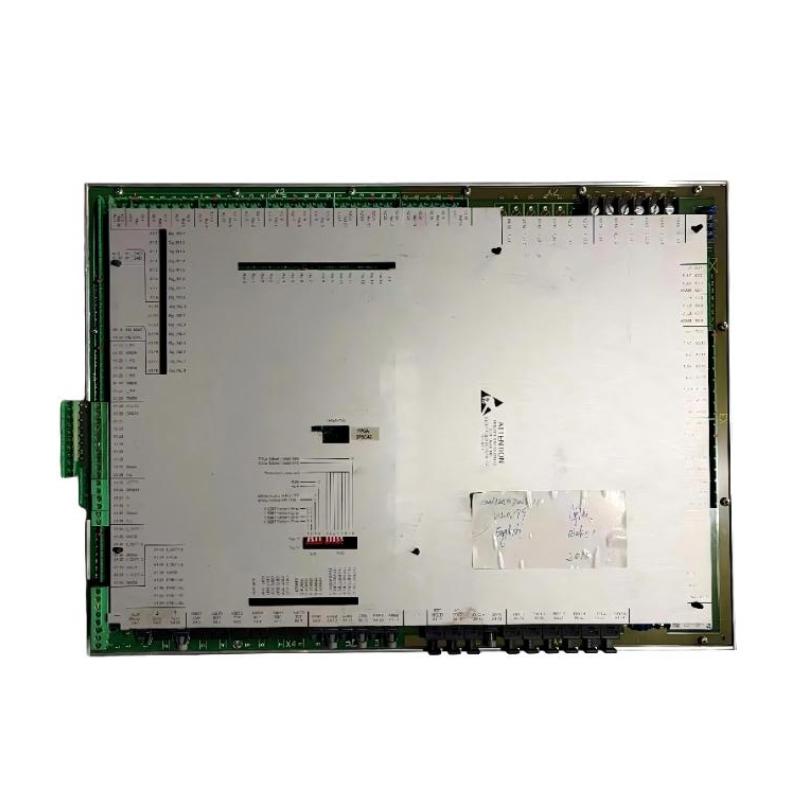
The Woodward CSC3HUWB Controller Module is an industrial control component used in specialized automation and equipment-control systems. Woodward develops control and protection technologies for applications involving engines, turbines, generators, and other industrial power equipment. Controller modules in these systems provide electronic control functions that help coordinate equipment operation and support reliable process management.
In industrial environments, a controller module typically receives information from connected sensors and other system devices, processes control logic, and coordinates outputs to external equipment. Depending on the system architecture, these functions may include monitoring operating conditions, executing control commands, managing interlocks, and exchanging information with other control components.
The CSC3HUWB is identified by its model number as a Woodward controller module. When used in an existing installation, it should be matched against the original equipment documentation and system configuration. The exact role of the module, its terminal assignments, firmware requirements, and supported communication interfaces should be confirmed before installation or replacement.
For maintenance teams, accurate model identification is particularly important. Controller modules that appear similar may have different hardware revisions, firmware configurations, or application-specific functions. Selecting the correct part helps reduce compatibility problems and unnecessary commissioning work.
This product listing provides the supplied physical specifications of 200 × 150 × 75 mm and 1.8 kg. These values should be checked against the actual unit before being used for panel design or shipping calculations.
Technical Specifications
| Parameter | Specification |
|---|---|
| Brand | Woodward |
| Model | CSC3HUWB |
| Product Type | Controller Module |
| Product Category | Industrial Control Equipment |
| Main Function | Electronic control and system coordination |
| Manufacturer | Woodward |
| Dimensions | 200 × 150 × 75 mm |
| Weight | 1.8 kg |
| Electrical Supply | Verify from the product nameplate and applicable documentation |
| Communication Interfaces | Verify according to the hardware revision |
| I/O Configuration | Verify from the module documentation |
| Firmware Requirements | Confirm against the installed control system |
| Mounting Method | Confirm from the physical unit and installation documentation |
| Application | Industrial equipment and automation control systems |
Important: Publicly available reseller descriptions contain conflicting technical information for the CSC3HUWB. Electrical ratings, I/O counts, communication protocols, operating temperature, and protection ratings should not be assumed without the manufacturer’s documentation or confirmation from the actual module.
Function and Working Principle
A controller module is generally responsible for processing control information and coordinating the operation of connected equipment. Its exact functions depend on the control platform, application software, and hardware configuration.
1. Signal Processing
Industrial control systems receive information from sensors, switches, transmitters, and other field devices. These signals describe the operating state of the equipment and the surrounding process.
A controller processes available information according to its configured logic. This allows the control system to evaluate operating conditions and determine whether an action is required.
For the CSC3HUWB, the supported signal types and electrical characteristics should be confirmed from the correct technical documentation before connecting field wiring.
2. Control Logic Execution
Control logic defines how equipment responds to operating conditions. Typical industrial control sequences include startup authorization, operating-state monitoring, shutdown conditions, and alarm handling.
A controller module may participate in these sequences by processing input information and coordinating the relevant outputs. The actual logic and responsibility of the CSC3HUWB must be determined from the control-system design in which it is installed.
3. Equipment Coordination
Industrial machines often contain several interacting components. A controller helps coordinate these components so that their operation follows the intended sequence.
For example, a control system may require auxiliary equipment to reach a specified operating state before a main machine is permitted to start. The controller can participate in evaluating these conditions when the required signals and logic are configured.
4. Operating Status and Diagnostics
Control systems commonly use diagnostic information to help operators and maintenance personnel identify abnormal conditions.
Depending on the installed platform, diagnostic information may be available through local indicators, an engineering interface, a supervisory system, or other connected devices. The diagnostic features supported by the CSC3HUWB should be checked against its actual hardware and software revision.
Role in Industrial Control Systems
The CSC3HUWB should be evaluated as part of a complete control architecture rather than as an isolated electronic component. Its suitability depends on the equipment it controls, the signals it exchanges, and the other devices connected to the same system.
Integration with Main Controllers
In some industrial architectures, specialized controller modules operate alongside a main controller or supervisory device. They may handle a dedicated control function while exchanging operating information with the wider system.
Before integrating the CSC3HUWB, engineers should establish whether it functions as a standalone controller, an application-specific module, or part of a larger Woodward control platform. This distinction affects wiring, configuration, and commissioning.
Sensor and Field-Device Connections
Sensors and field devices provide the information required for control decisions. These may include switches, transmitters, position sensors, and equipment-status contacts.
The electrical characteristics of each signal must match the controller’s supported inputs. Voltage levels, current ranges, polarity, isolation, grounding, and terminal assignments should be confirmed before wiring.
Output and Actuator Coordination
Industrial control systems may use controller outputs to coordinate relays, contactors, solenoids, actuators, or other devices.
The output capacity and electrical characteristics must be suitable for the connected load. Where necessary, properly rated interface relays or driver circuits should be used rather than connecting an unsupported load directly to a controller terminal.
Supervisory Monitoring
In larger installations, supervisory systems provide operators with an overview of equipment status, alarms, and process conditions.
A controller may exchange information with a supervisory system through the communication interfaces supported by its specific configuration. The CSC3HUWB’s actual communication capabilities should be verified before planning a network connection.
Industrial Applications
Woodward control products are used in industrial equipment and power-related applications. The specific application of the CSC3HUWB should be confirmed from the original equipment documentation before assigning it to a particular machine or control function.
1. Industrial Equipment Control
Industrial equipment often requires electronic control to coordinate startup, normal operation, and shutdown sequences. A controller module can form part of this architecture by processing operating information and supporting equipment-control functions.
2. Power Generation Systems
Power generation installations use control equipment to coordinate machinery and monitor operating conditions. Controller modules may be used within engine, generator, or auxiliary control architectures, depending on the specific product design.
For any power-generation application, the controller’s role must be confirmed against the generator or engine manufacturer’s wiring diagrams and parts documentation.
3. Engine and Turbine Control Systems
Engine and turbine installations require coordinated management of operating conditions, protective functions, and auxiliary equipment. Specialized controllers can form part of the wider control architecture.
The CSC3HUWB should only be assigned to an engine or turbine application when its model number and revision are confirmed as compatible with the original system.
4. Industrial Automation Equipment
Automated machinery uses controllers to process signals and coordinate equipment operation. A specialized controller module may support a dedicated function within a larger automation system.
Compatibility depends on the system’s electrical design, firmware, signal requirements, and control architecture.
5. Maintenance and Spare-Parts Replacement
Industrial facilities often maintain spare controller modules to reduce downtime when an installed component fails. An exact replacement can simplify maintenance when the original hardware and configuration are preserved.
Before ordering the CSC3HUWB, compare the model number, revision, connectors, physical layout, and available documentation with the installed unit.
Installation and System Integration
The installation of a controller module requires careful attention to the equipment’s electrical design and manufacturer’s instructions.
1. Verify the Exact Model
Check the product label and confirm that the module is identified as CSC3HUWB. Record any additional revision, serial number, hardware designation, or firmware information.
Do not rely on a similar model number or a supplier’s generic product description as proof of compatibility.
2. Confirm Electrical Requirements
Before applying power, verify the module’s supply voltage, polarity, current requirements, grounding arrangement, and permitted electrical conditions.
These details must come from the applicable Woodward documentation or the original equipment drawings. Applying an incorrect supply voltage can damage electronic components.
3. Inspect Connectors and Wiring
Inspect connectors, terminal blocks, cable assemblies, and mounting points for physical damage, corrosion, loose contacts, or contamination.
Check that each conductor is connected to the correct terminal. Use the original wiring diagram whenever possible, especially when replacing a controller in an established installation.
4. Check Mounting and Environmental Conditions
The supplied product dimensions are 200 × 150 × 75 mm. Confirm the actual mounting arrangement and required clearances before modifying a control cabinet.
The enclosure, ventilation, temperature, humidity, vibration, and contamination requirements should be taken from the correct product documentation. Do not assume a particular IP rating or environmental protection level based on the module’s product category.
5. Verify Firmware and Configuration
Some industrial controllers depend on specific firmware versions, configuration files, or application parameters. Before replacing an installed unit, determine whether the existing configuration can be transferred and whether the replacement hardware supports it.
Back up available configuration data before making changes. Any firmware update or parameter modification should follow the manufacturer’s procedures.
6. Perform Functional Testing
After installation, inspect the wiring and power connections before energizing the system.
Verify the controller’s startup behavior, available diagnostic indications, communication status, and interaction with connected equipment. Test the relevant operating sequences and protective interlocks before returning the machine to normal service.
Compatible System Components
The following table identifies common component categories that may be encountered in industrial controller installations. It does not establish that every item is directly compatible with the CSC3HUWB.
| Component | Typical Function | Integration Considerations |
|---|---|---|
| Main control system | Coordinates overall equipment operation | Confirm the CSC3HUWB’s role in the original architecture |
| Sensor and transmitter devices | Provide process and equipment information | Verify input signal type and electrical range |
| Interface relays | Isolate or switch external loads | Check coil voltage and contact ratings |
| Actuators and solenoids | Carry out mechanical control actions | Confirm output capacity and driver requirements |
| Power supply | Provides operating power | Verify the exact voltage, polarity, and current requirements |
| Communication equipment | Exchanges data between controllers and supervisory systems | Confirm supported protocols and physical interfaces |
| Control cabinet | Provides mounting and environmental protection | Verify dimensions, mounting, ventilation, and clearances |
| Engineering workstation | Supports configuration and diagnostics | Confirm software and firmware compatibility |
The final component selection should be based on the actual control-system drawings and manufacturer documentation.
Alternative Models and Replacement Considerations
Replacing a specialized controller requires more than comparing product names or physical dimensions. A suitable replacement must perform the same function and meet the electrical and software requirements of the original installation.
| Replacement Option | Considerations |
|---|---|
| Exact Woodward CSC3HUWB replacement | Preferred when the complete model and revision match the installed unit |
| Same model with a different hardware revision | Confirm firmware, configuration, connector, and application compatibility |
| Related Woodward controller | Requires confirmation of supported functions and system integration |
| Alternative industrial controller | May require control-logic changes, rewiring, software development, and recommissioning |
| Refurbished CSC3HUWB | Verify testing, repair history, hardware condition, and warranty terms |
Before approving a replacement, check:
- Complete model and hardware revision.
- Electrical supply and grounding requirements.
- Input and output signal characteristics.
- Connector types and terminal assignments.
- Communication interfaces and network configuration.
- Firmware and application compatibility.
- Mounting dimensions and mechanical arrangement.
- Required configuration files and parameter settings.
- Availability of manufacturer documentation and technical support.
A controller with a similar name or physical appearance should not be treated as a direct substitute without a compatibility review.
Key Advantages
Dedicated Control Function
A specialized controller module can provide a defined control role within an industrial equipment architecture, helping organize control tasks and equipment coordination.
Integration into Existing Systems
When the exact hardware and configuration are compatible, a replacement module can help preserve the existing control architecture and reduce the scope of maintenance work.
Support for Equipment Maintenance
Keeping correctly identified spare controller modules can help maintenance teams respond to equipment faults and reduce the time required to source replacement parts.
Modular Maintenance Approach
A modular control architecture can make it easier to inspect, replace, and troubleshoot individual components without automatically replacing the entire control system.
Application-Specific Configuration
The controller’s suitability depends on its intended application and the configuration established by the original equipment manufacturer. Correct matching helps maintain the designed operating behavior.
Technical FAQs
1. What is the Woodward CSC3HUWB?
The CSC3HUWB is identified as a Woodward controller module. Its exact control role and supported features should be confirmed using the original equipment documentation and the module’s hardware identification.
2. What is the product’s listed weight?
The supplied product-listing weight is 1.8 kg. Confirm the actual unit weight and whether packaging is included before calculating shipping costs.
3. What are the dimensions of the CSC3HUWB?
The supplied dimensions are 200 × 150 × 75 mm. Verify the physical dimensions and mounting arrangement against the actual module before designing an installation.
4. What supply voltage does the module require?
The supply voltage should be confirmed from the product nameplate and the applicable manufacturer documentation. Do not apply power based solely on specifications published by an unrelated reseller.
5. Which communication protocols does it support?
The supported communication interfaces have not been independently confirmed for this exact model. Check the hardware revision and original system documentation before connecting it to a network.
6. Can the CSC3HUWB be used in a generator control system?
It may be considered for an existing Woodward control installation when the original equipment documentation identifies it as a compatible component. Confirm its precise function before using it in a generator control application.
7. Can it directly replace another Woodward controller?
Not necessarily. Different controller models may have different electrical characteristics, I/O configurations, firmware requirements, and application functions. A model-by-model compatibility check is required.
8. What should be checked before purchasing?
Confirm the complete model number, hardware revision, physical condition, connectors, nameplate information, and available test records. For critical equipment, request functional testing and clear warranty terms.
9. Is configuration transfer required during replacement?
That depends on the control platform and the module’s role. Some installations require configuration files, parameter settings, or firmware compatibility checks before a replacement can operate correctly.
10. Why should the exact revision be checked?
Hardware revisions may differ in electrical design, connector arrangements, firmware support, or approved applications. Confirming the revision helps reduce the risk of installing an incompatible component.
Procurement and Maintenance Recommendations
When sourcing the Woodward CSC3HUWB, begin by checking the model number on the installed unit and comparing it with the replacement part. Record all available revision and identification information, and request photographs of the product label and connectors.
Because online product descriptions contain inconsistent specifications, buyers should request the applicable manufacturer documentation before relying on electrical ratings, I/O details, communication protocols, or environmental specifications.
For used or refurbished modules, check the physical condition of the circuit board, connectors, mounting points, and housing. Request available functional test information and confirm the supplier’s warranty and return policy.
During maintenance, protect the module from electrostatic discharge, moisture, dust, and incorrect wiring. Use suitable handling procedures when removing or installing electronic components. Keep a record of the original configuration and any changes made during commissioning.
For critical industrial applications, maintain an accurate spare-parts register that includes the complete model number, revision, installation location, and relevant configuration information. This helps maintenance teams identify the correct replacement and avoid unnecessary system downtime.
Conclusion
The Woodward CSC3HUWB Controller Module is an industrial control component intended for use within compatible equipment-control systems. Its value in a maintenance or replacement project depends on accurate identification, correct electrical integration, and compatibility with the original control architecture.
The supplied listing specifications are 200 × 150 × 75 mm and 1.8 kg. Since publicly available descriptions provide conflicting technical details, the module’s supply voltage, I/O configuration, communication interfaces, and environmental ratings should be verified using the correct manufacturer documentation before installation.
For industrial spare-parts procurement, checking the complete model and hardware revision is essential to selecting a suitable CSC3HUWB replacement and maintaining reliable equipment operation.