

ProductPRODUCT
Featured products
Contact Us
- Woodward
- 9907-186
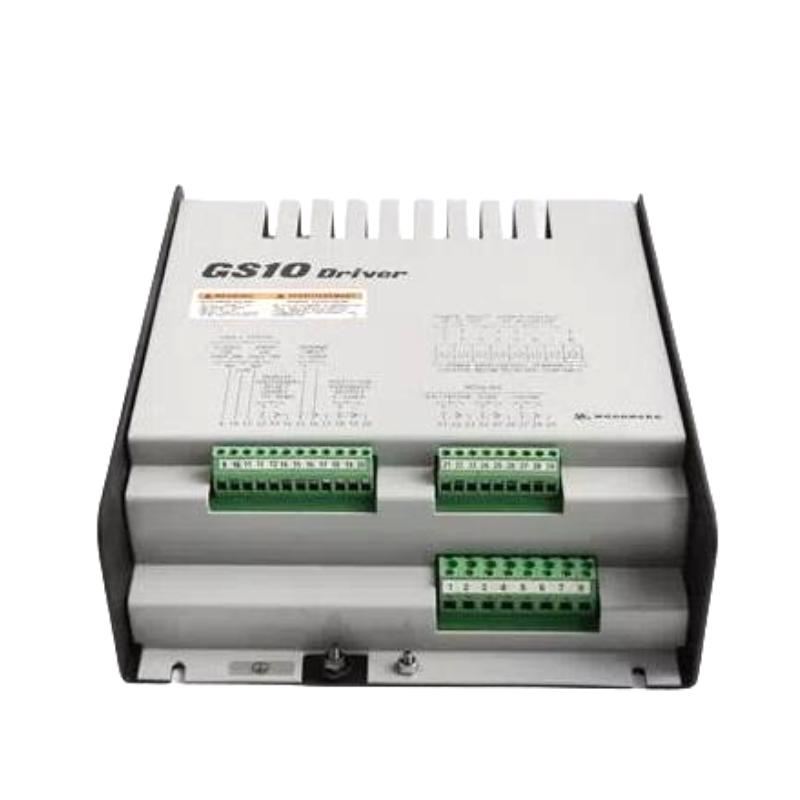
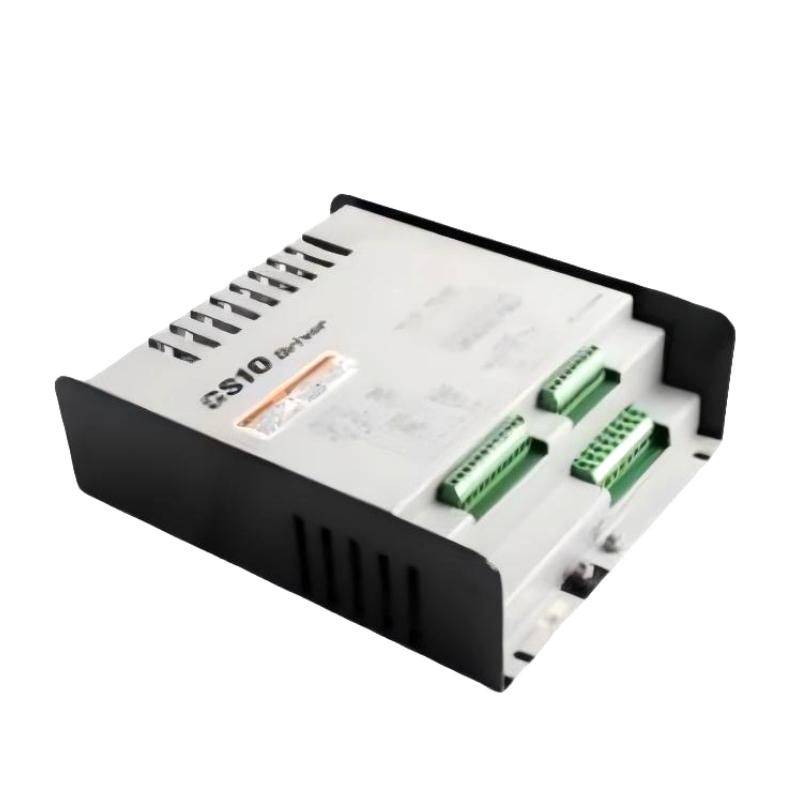
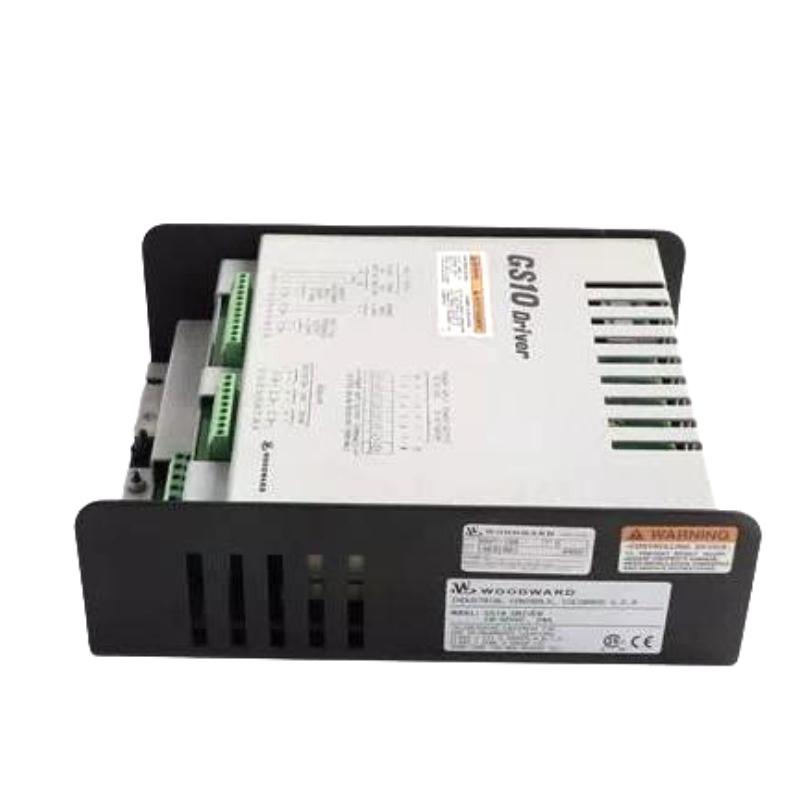
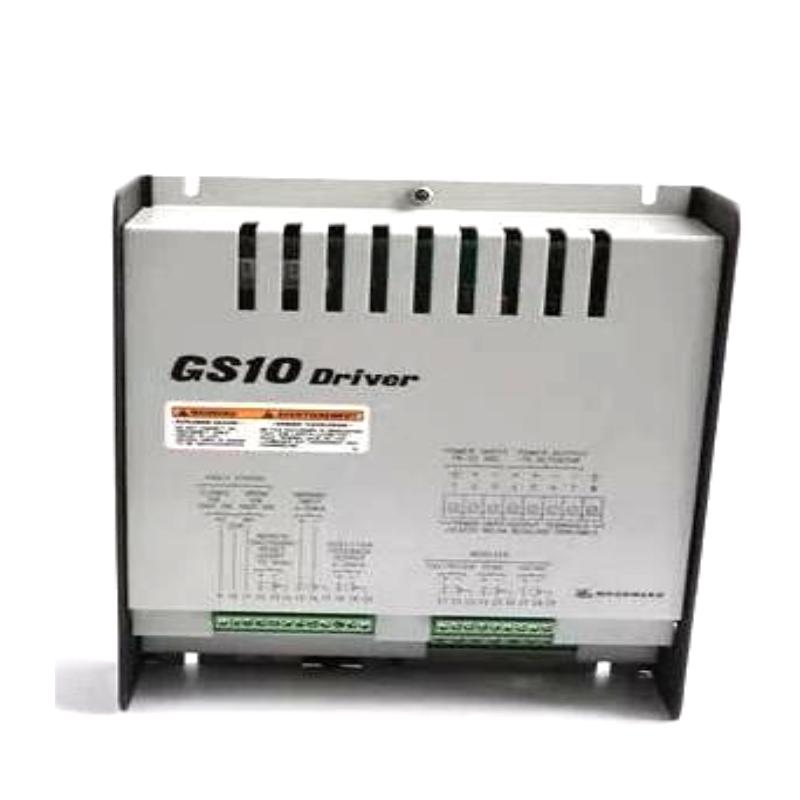
- GS10 Driver
- USA
- 177 × 120 × 50 mm
- 1.2 kg
- Xiamen, China
- New & In Stock
- T/T, PayPal, Western Union
- 1 Year
- 1-3 Working Days
- DHL, UPS, TNT, FedEx and EMS.
- 24-Hour Service
- COO
- 26
Our advantage

Global Logistics
We have a 10-year logistics and express cooperation agreement, so our products can be shipped to any place in the world.

Brand new and original
Our products are imported in bulk from the place of origin. Because of the cooperative relationship, our products are all original and 100% new.

24-hour service
We provide 7*24 hours service to our customers. We will be there whenever you need us.

Price advantage
All our products are priced very favorably because we have our own warehouse and supply.
| Company Information | |||
| [email protected] | |||
| Mobile | +8615980777398 | ||
| +8615980777398 | |||
| 15980777398 |
Product Overview
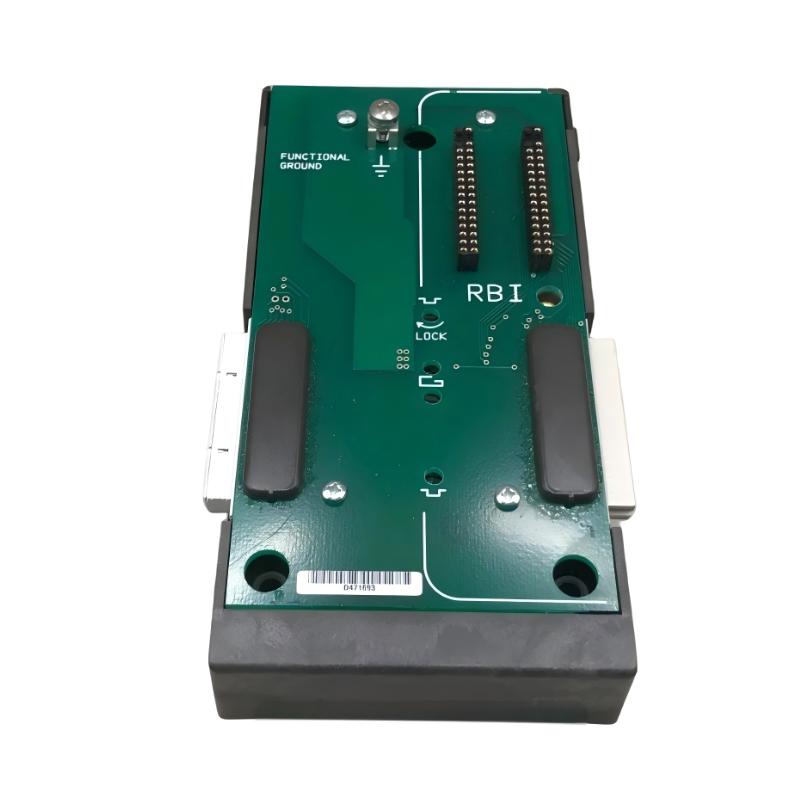
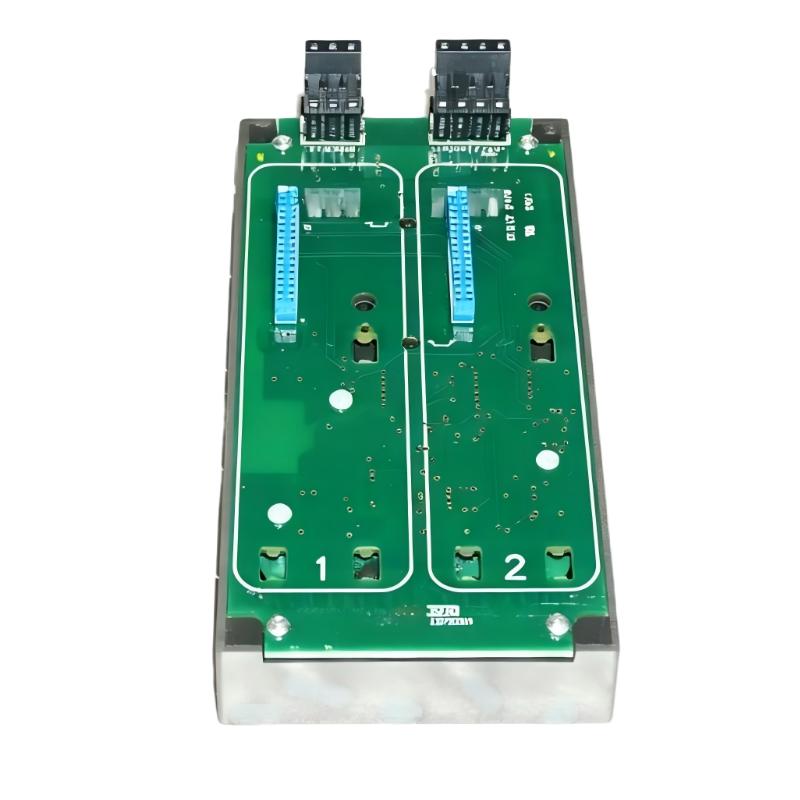
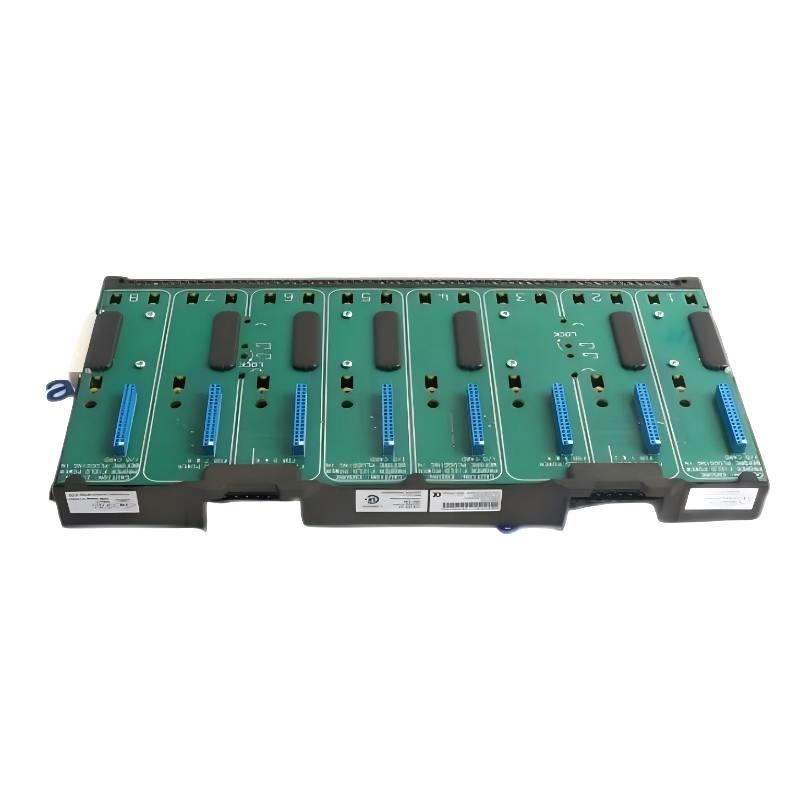
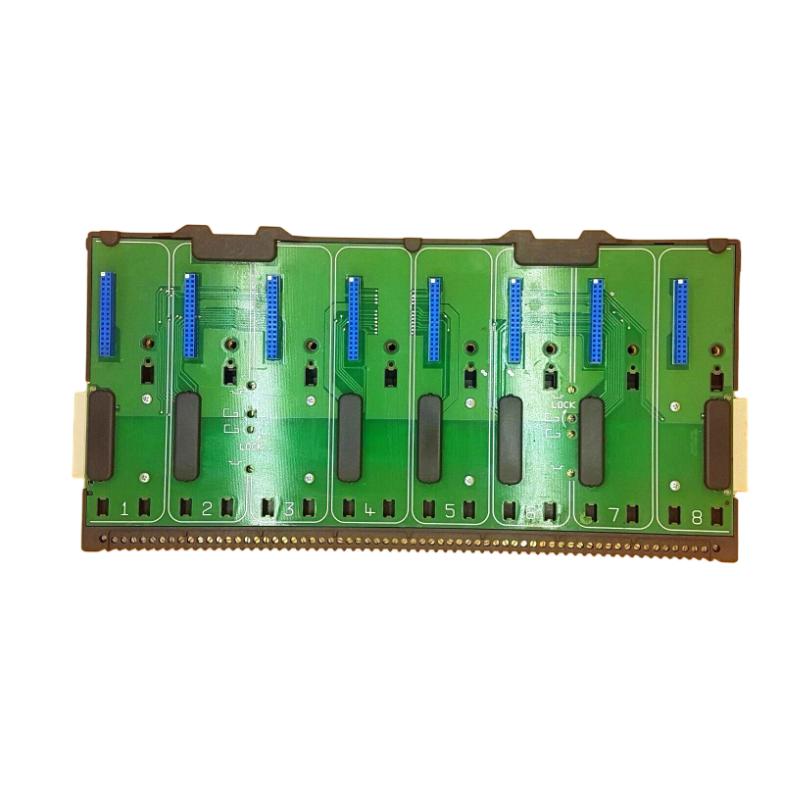
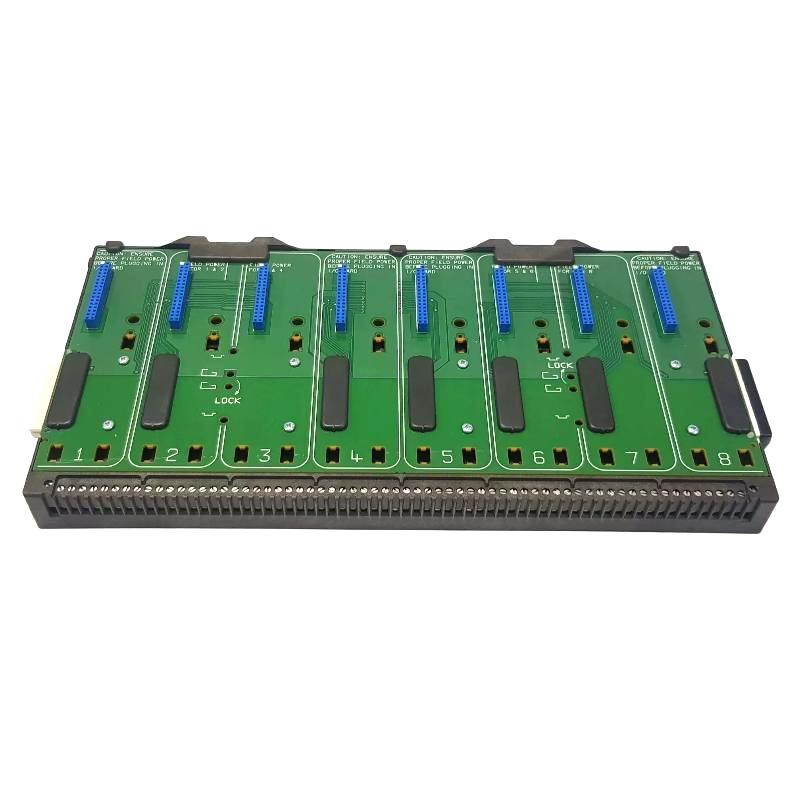
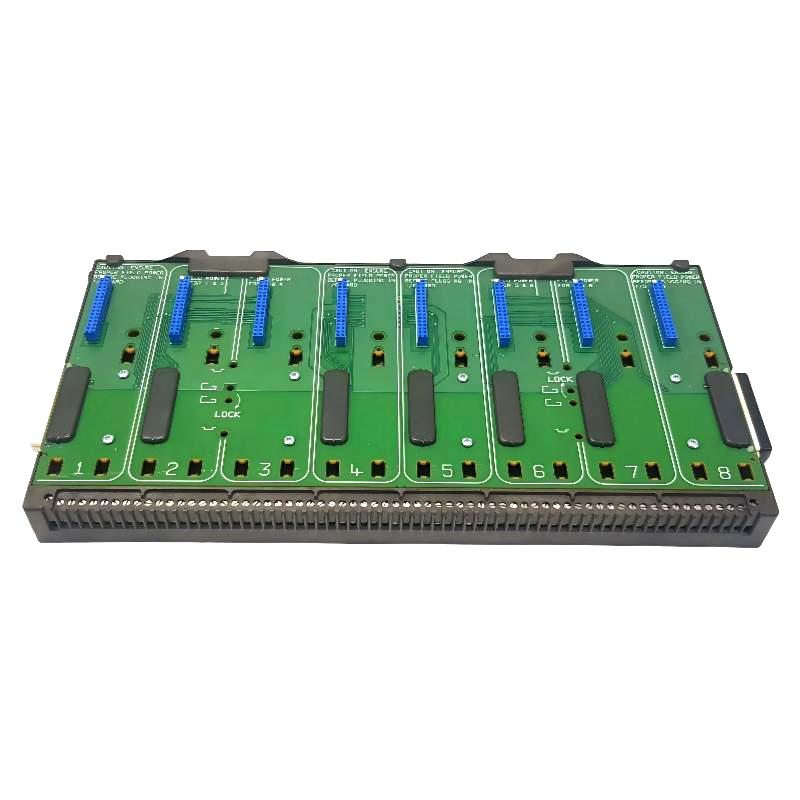
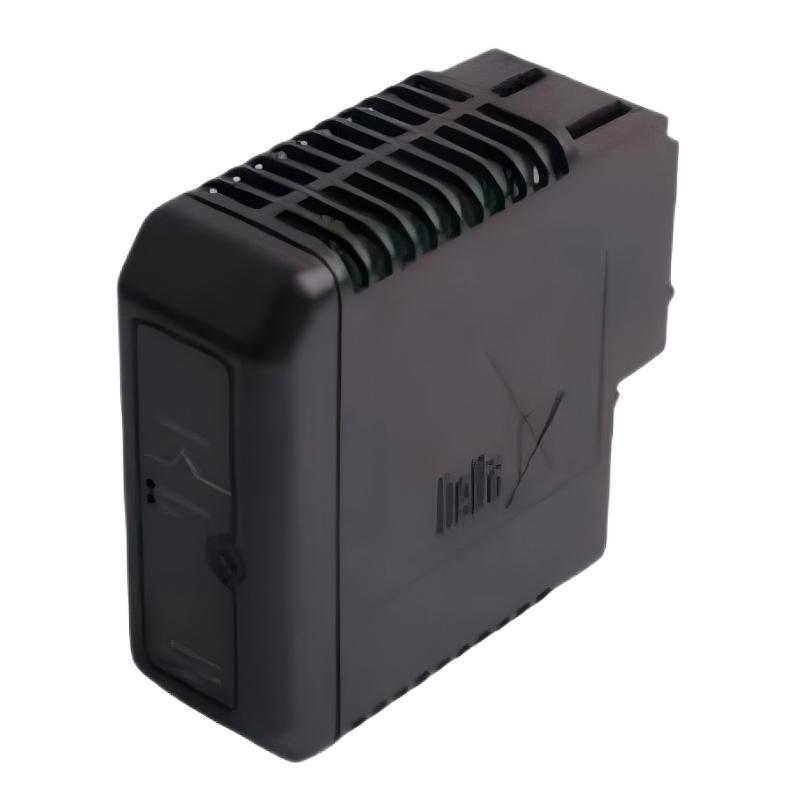
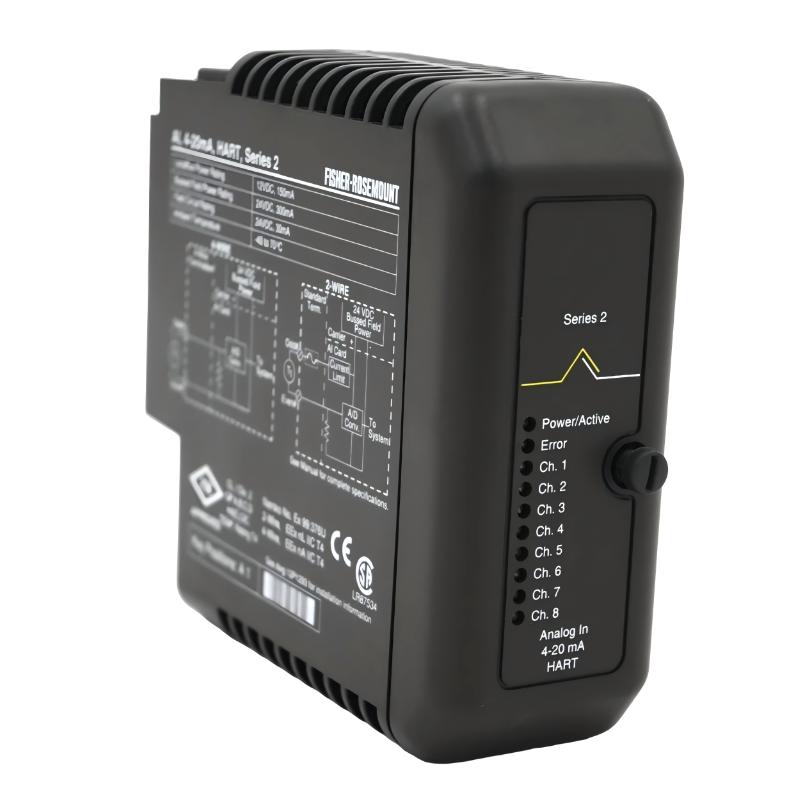
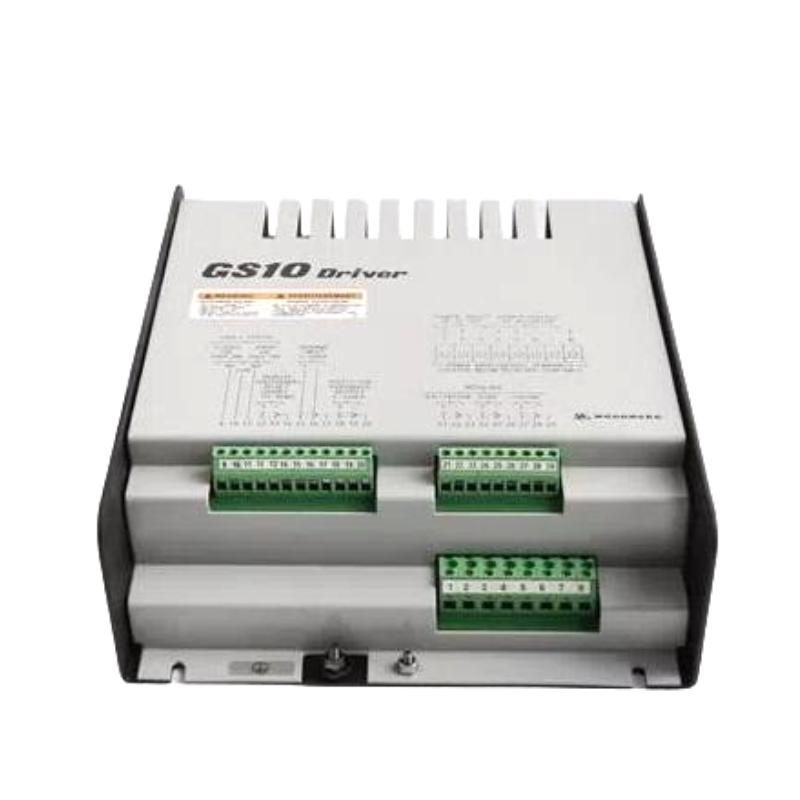
The Woodward 9907-186 GS10 Driver is an electronic driver associated with the GS10 actuator family and is used within industrial engine and turbine control systems where an electrical command must be converted into controlled actuator operation. It belongs to the actuation side of a governing system rather than the supervisory control layer.
In a typical installation, the driver receives a control signal from a governor or electronic control unit and regulates the actuator command accordingly. The connected actuator then positions a fuel, steam, or other prime-mover control mechanism. This arrangement allows the control system to translate speed, load, or process requirements into a physical change in the prime mover.
The 9907-186 is therefore normally considered as part of a complete control loop. The driver, actuator, governor, speed feedback, and mechanical control element must be evaluated together during replacement or troubleshooting. Incorrect driver selection or configuration can affect actuator response even when the upstream control system is operating normally.
Technical Specifications
| Parameter | Specification |
|---|---|
| Product Model | 9907-186 |
| Product Type | GS10 Driver |
| Product Family | Woodward GS10 |
| Series | GS10 |
| Component Category | Actuator Driver |
| System Role | Electronic Actuator Control |
| Control Function | Actuator Command Regulation |
| Input Function | Electronic Control Command |
| Output Function | Controlled Actuator Drive |
| Application | Engine and Turbine Governing |
| System Integration | Governor and Actuator Control System |
| Component Type | Electronic Driver |
| Installation | Industrial Prime-Mover Control System |
| Dimensions | 177 × 120 × 50 mm |
| Weight | 1.2 kg |
Product Features
- GS10 driver for industrial prime-mover control applications
- Interfaces an electronic control system with the associated actuator
- Supports controlled actuator movement within a governing system
- Used as part of an electronic engine or turbine control loop
- Receives commands from an associated governor or control unit
- Converts control commands into the required actuator drive response
- Suitable for applications where precise actuator response is required by the governing system
- Can be integrated into established Woodward control architectures
- Applicable to maintenance and replacement work on existing governing equipment
- Works as part of a complete control chain rather than as an independent governor
Working Principle
The 9907-186 operates between the electronic control system and the associated GS10 actuator. The upstream governor determines the required actuator position based on the operating condition of the prime mover. That command is passed to the driver, which regulates the electrical drive signal supplied to the actuator.
The actuator converts the driver’s electrical command into mechanical movement. This movement can then adjust the applicable fuel, steam, or other governing mechanism on the prime mover. As the prime mover responds, speed or other operating feedback is returned to the governing system, allowing the controller to determine whether additional actuator correction is required.
A simplified control sequence is:
Governor / Electronic Control → 9907-186 GS10 Driver → GS10 Actuator → Prime-Mover Control Element → Engine or Turbine → Operating Feedback → Governor
Because the driver sits directly in the actuation path, its electrical connections, configuration, and compatibility with the associated actuator are important during commissioning. A control signal that is correct at the governor output does not guarantee correct actuator operation if the driver or actuator interface is incorrectly matched.
Role in a Prime-Mover Actuation Control Architecture
The 9907-186 occupies the driver stage between the electronic governor and the actuator. It does not replace the governor’s control logic or the actuator’s mechanical function. Instead, it forms the electrical interface through which the governing command reaches the final mechanical control element.
| Control Architecture Layer | Function | Relationship to 9907-186 |
|---|---|---|
| Supervisory Control | Provides operating commands and plant-level monitoring | Supplies higher-level operating requirements |
| Governor / Electronic Control | Calculates required governing response | Sends actuator command |
| Driver Layer | Regulates the actuator drive signal | 9907-186 |
| Actuator Layer | Converts electrical command into mechanical movement | GS10 Actuator |
| Governing Mechanism | Controls fuel, steam, or other prime-mover input | Responds to actuator movement |
| Prime Mover | Produces mechanical power | Engine or turbine |
| Feedback Layer | Reports speed or operating condition | Supports closed-loop correction |
| Plant Equipment | Uses the prime-mover output | Generator, compressor, pump, or other driven equipment |
Industrial Applications
| Application | Typical Use |
|---|---|
| Engine Governing | Drives the associated actuator for controlled engine operation |
| Steam Turbine Systems | Supports electronic control of turbine governing actuators where applicable |
| Generator Sets | Forms part of the speed and load-control actuation chain |
| Mechanical Drive Systems | Supports prime-mover control for compressors and pumps |
| Compressor Packages | Provides actuator drive within an integrated governing system |
| Pumping Equipment | Supports controlled prime-mover response in industrial pumping systems |
| Power Generation | Used within electronic governing and actuator arrangements |
| Industrial Process Equipment | Integrates actuator control with the plant’s prime-mover control system |
Installation and Maintenance
- Verify the model identification — Confirm that the replacement driver is the specified Woodward 9907-186 and matches the existing GS10 control arrangement.
- Review system documentation — Check the applicable governor, actuator, wiring, and commissioning documentation before disconnecting the existing driver.
- Isolate the equipment — Shut down and isolate the associated engine or turbine according to the plant’s maintenance and energy-isolation procedures.
- Identify electrical connections — Mark or document the existing driver connections so that control and actuator wiring can be restored correctly.
- Inspect the replacement driver — Check the housing, terminals, mounting surfaces, and accessible electrical connections for visible damage or contamination.
- Inspect the surrounding control system — Check the governor, actuator wiring, terminal connections, and associated equipment for loose connections or obvious damage.
- Confirm mounting arrangement — Install the driver securely in the intended control-system location without placing mechanical stress on its electrical connections.
- Reconnect the wiring — Restore the documented control and actuator connections and verify that each connection corresponds to the applicable system documentation.
- Check actuator compatibility — Confirm that the connected GS10 actuator and driver arrangement are appropriate for the governing system before applying operating commands.
- Perform a controlled functional test — Test the actuator response under controlled conditions and verify that the commanded movement corresponds to the expected governing action.
- Monitor operating behavior — During commissioning, observe actuator response, prime-mover speed behavior, alarms, and other available diagnostics for abnormal operation.
- Document the replacement — Record the installed model, wiring verification, commissioning results, and any relevant configuration information for future maintenance.
Related Components
| Component | Function |
|---|---|
| Woodward GS10 Actuator | Converts the driver’s electrical command into mechanical actuator movement |
| Woodward Electronic Governor | Calculates the required governing command |
| Speed Sensor | Provides rotational-speed feedback to the governing system |
| Engine Control System | Coordinates prime-mover operating requirements |
| Turbine Control System | Provides electronic governing commands for applicable turbine systems |
| Fuel Control Mechanism | Adjusts the energy input to an engine according to actuator movement |
| Steam Governing Valve | Controls steam admission in applicable turbine systems |
| Generator | Converts prime-mover mechanical output into electrical power |
| Compressor or Pump | Uses mechanical output in industrial drive applications |
| Control Cabinet | Houses the electronic driver and associated control hardware |
Recommended Related Models
| Model | Product Type | Series / Family |
|---|---|---|
| Woodward GS10 Series | Actuator System | GS10 |
| Woodward ProAct Model II | Digital Speed Control | ProAct |
| Woodward 505E Series | Digital Governor | 505E |
| Woodward Electronic Governors | Governor and Control Hardware | Woodward Control Systems |
| Woodward Actuator Drivers | Electronic Actuator Interface | Woodward Actuation Systems |
Key Advantages
- Provides an electronic interface between the governing controller and actuator.
- Supports controlled actuator response within an engine or turbine governing system.
- Integrates the GS10 actuator into an electronic control loop.
- Suitable for established Woodward prime-mover control architectures.
- Useful for maintenance and replacement of actuator-driver hardware.
- Supports closed-loop governing through coordination with the upstream controller and operating feedback.
Technical FAQs
What is the function of the Woodward 9907-186?
The 9907-186 functions as an electronic driver for the GS10 actuator. It receives a command from the associated control system and regulates the actuator drive so that the actuator can produce the required mechanical movement.
Is the 9907-186 a governor?
No. The 9907-186 is a driver rather than the primary governing controller. The governor or electronic control system determines the required control action, while the driver provides the electrical interface to the actuator.
What should be checked when replacing a 9907-186?
The GS10 actuator, upstream governor, electrical wiring, mounting arrangement, and applicable control configuration should all be checked. The replacement should be treated as part of the complete actuator-control chain rather than as an isolated electronic component.
What can cause incorrect actuator response after driver replacement?
Incorrect wiring, an incompatible actuator arrangement, configuration differences, loose connections, or problems elsewhere in the governing system can affect actuator response. Troubleshooting should compare the commanded signal, driver behavior, actuator movement, and available operating feedback.