

ProductPRODUCT
Featured products
Contact Us
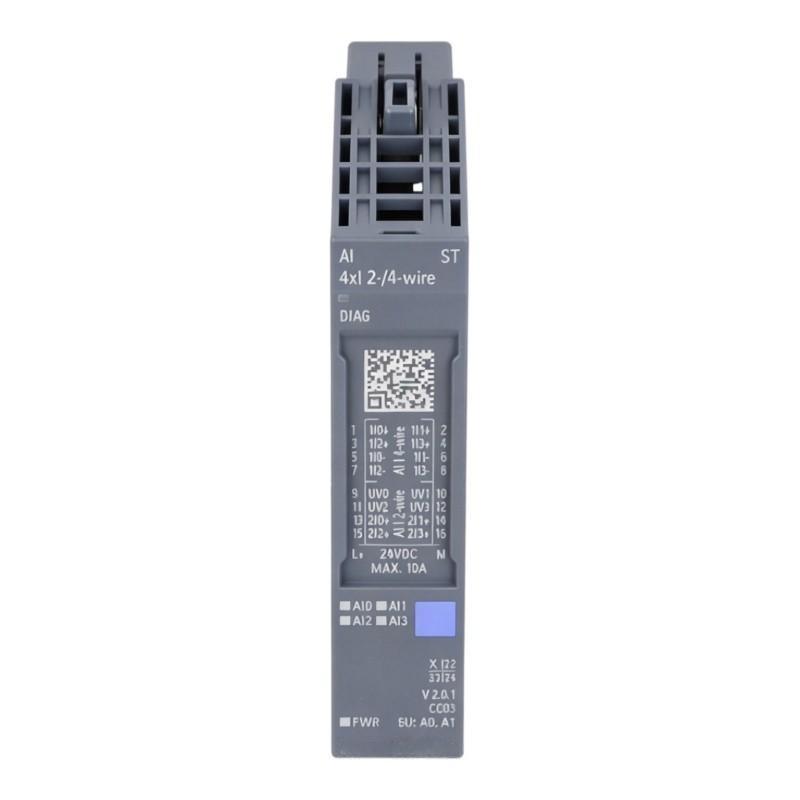
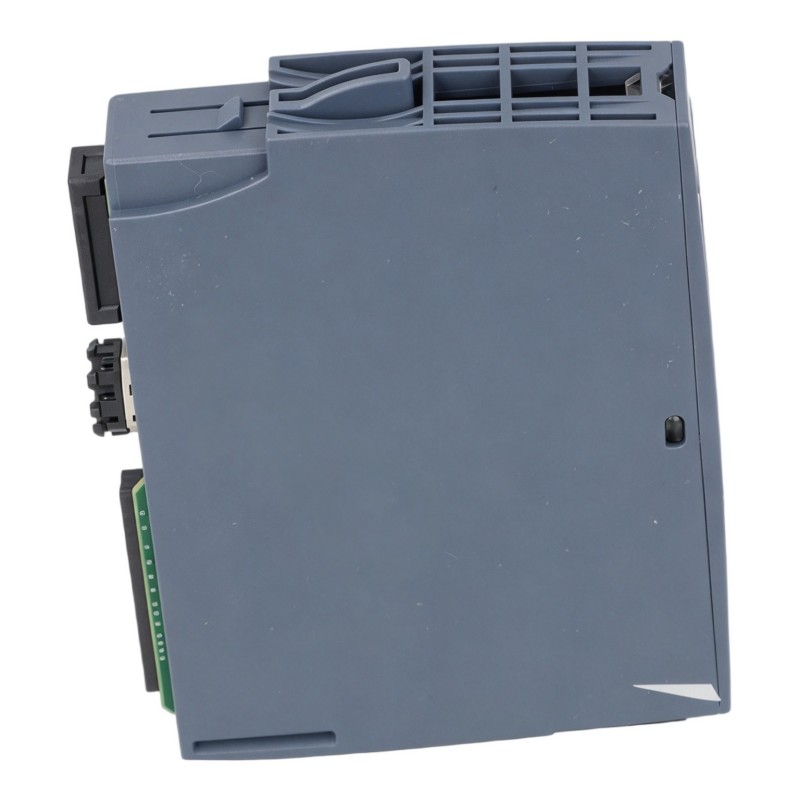
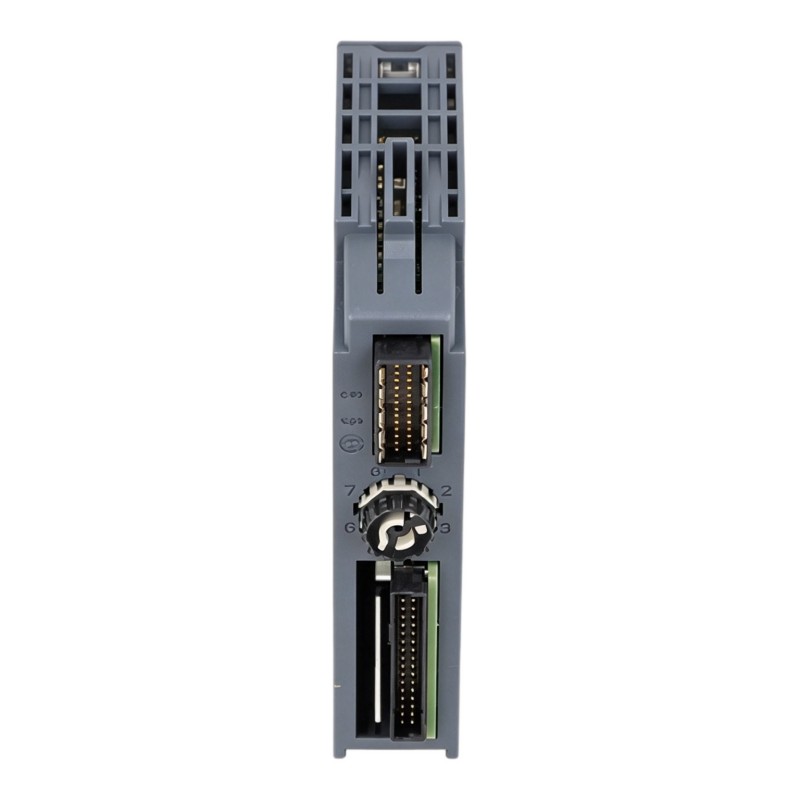
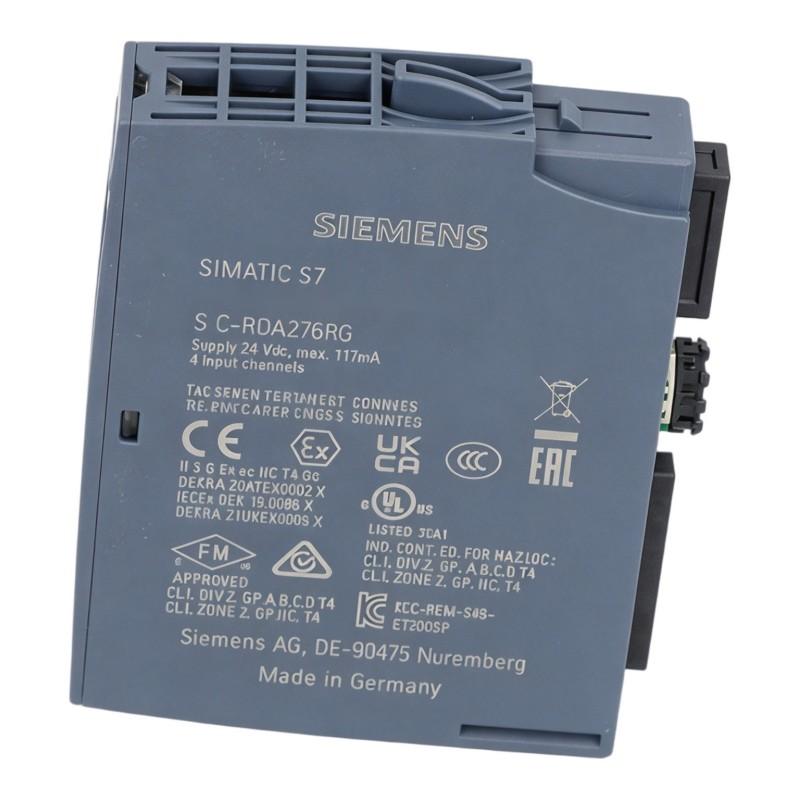
- Siemens
- 6AG2134-6GD01-1BA1
- Analog Input Module
- Germany
- 15 × 73 × 58 mm
- 0.042 kg
- Xiamen, China
- New & In Stock
- T/T, PayPal, Western Union
- 1 Year
- 1-3 Working Days
- DHL, UPS, TNT, FedEx and EMS.
- 24-Hour Service
- COO
- 2
Our advantage

Global Logistics
We have a 10-year logistics and express cooperation agreement, so our products can be shipped to any place in the world.

Brand new and original
Our products are imported in bulk from the place of origin. Because of the cooperative relationship, our products are all original and 100% new.

24-hour service
We provide 7*24 hours service to our customers. We will be there whenever you need us.

Price advantage
All our products are priced very favorably because we have our own warehouse and supply.
| Company Information | |||
| [email protected] | |||
| Mobile | +8615980777398 | ||
| +8615980777398 | |||
| 15980777398 |
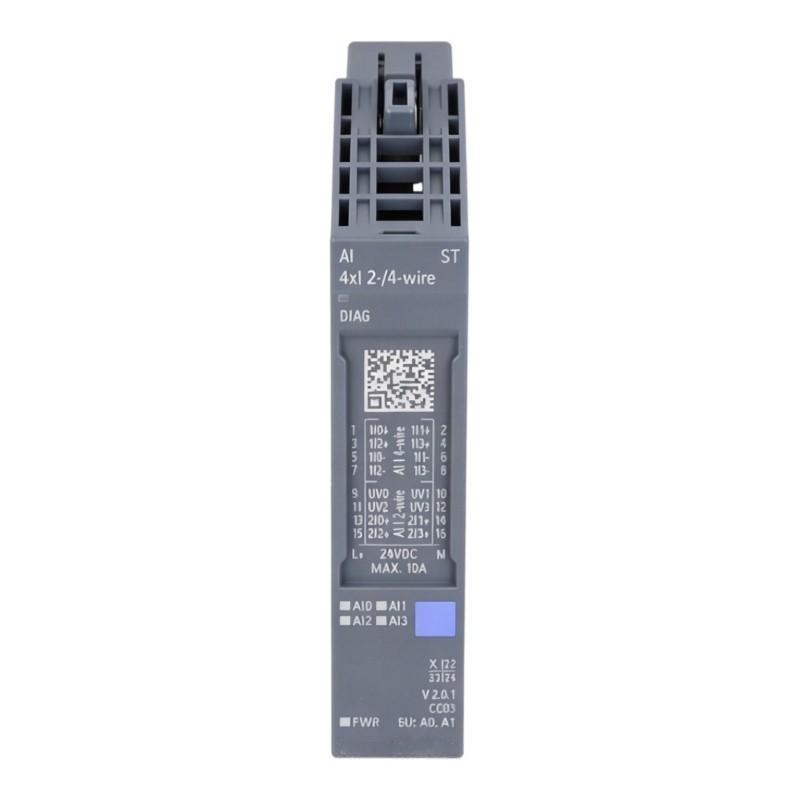
Product Overview
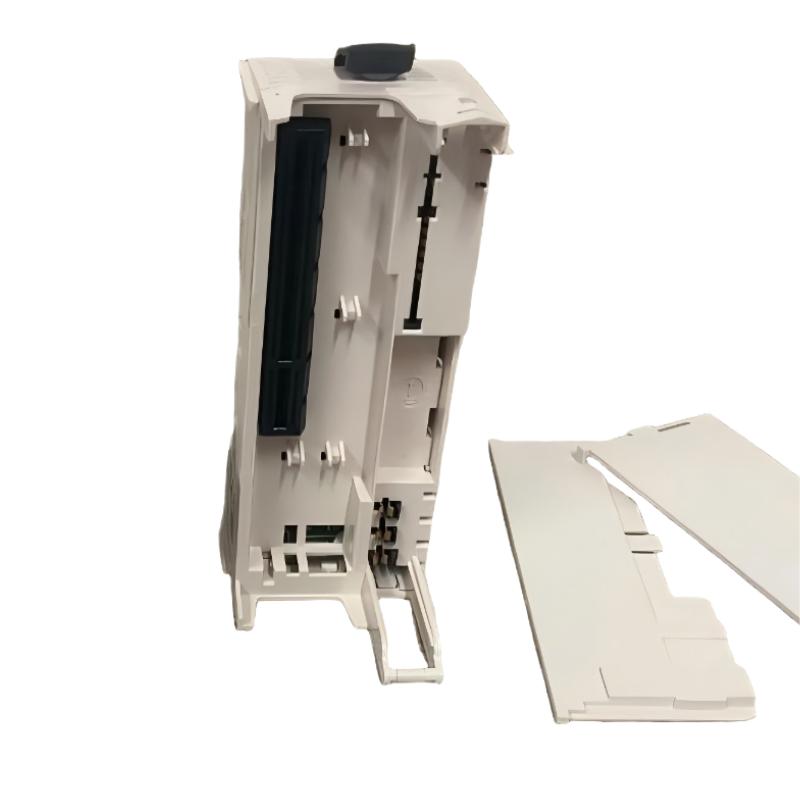
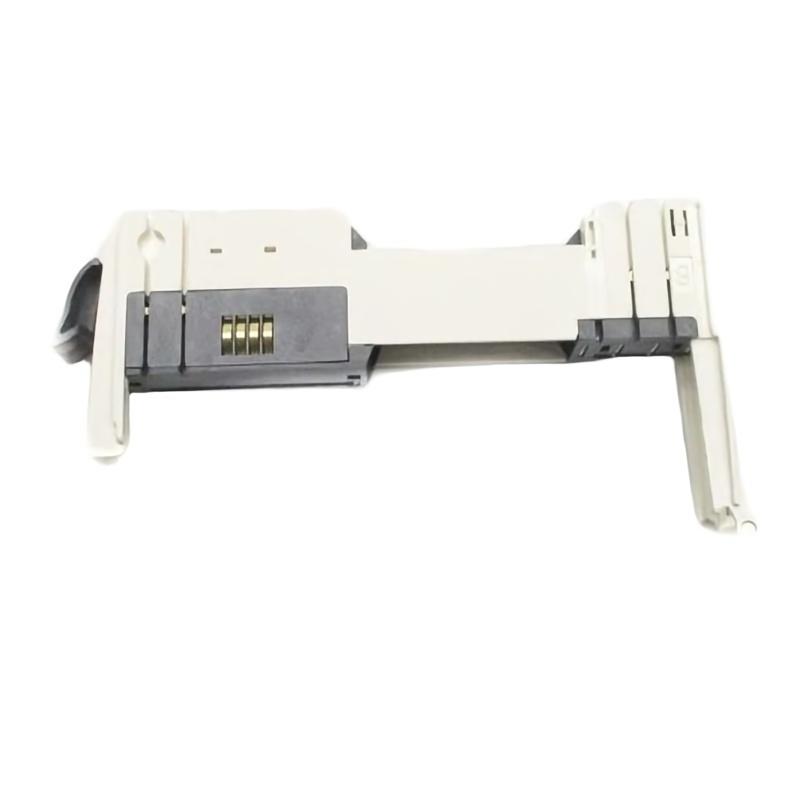
The Siemens 6AG2134-6GD01-1BA1 SIPLUS ET 200SP Analog Input Module is a distributed I/O component used to bring analog process signals into a PLC-based automation system. Installed in a compatible ET 200SP station, it provides an interface between field instrumentation and the controller, allowing measured process values to be used for monitoring, control, and process sequencing.
In a typical control cabinet, an analog input module receives signals from field instruments such as pressure transmitters, temperature measurement devices, flow instruments, and other sensors with compatible analog outputs. The controller uses the acquired values for tasks such as maintaining a process setpoint, monitoring equipment conditions, generating alarms, or adjusting an operating sequence.
The module belongs to the SIPLUS ET 200SP family, which is used in distributed automation installations. When selecting a replacement or planning an installation, technicians need to verify the complete order number, the signal type supported by the specific module, the wiring arrangement, and the compatibility of the selected base unit. The connected instrument’s output range and the PLC channel configuration must also match the intended measurement application.
For troubleshooting, the complete signal path should be considered rather than examining the module alone. Sensor power, field wiring, grounding, electrical interference, channel configuration, and the reported process value can all affect the quality of the measurement received by the controller.
Technical Specifications
| Parameter | Specification |
|---|---|
| Manufacturer | Siemens |
| Product Model | 6AG2134-6GD01-1BA1 |
| Product Family | SIPLUS ET 200SP |
| Product Type | Analog Input Module |
| Module Category | Distributed I/O |
| Signal Type | Analog Input |
| Primary Function | Acquisition of Analog Process Signals |
| Control System | Compatible PLC and ET 200SP I/O Station |
| System Integration | ET 200SP Automation Architecture |
| Installation Type | Distributed I/O Station |
| Field Interface | Compatible Analog Sensor or Transmitter Signals |
| Application | Process Measurement and Monitoring |
| Maintenance Approach | Signal Verification, Wiring Inspection, and Module Diagnostics |
| Dimensions | 15 × 73 × 58 mm |
| Weight | 0.042 kg |
Product Features
- Analog Signal Acquisition: Receives compatible analog signals from field instruments for use by the automation controller.
- Distributed I/O Integration: Operates as part of a compatible Siemens ET 200SP station connected to the wider control system.
- Process Measurement Interface: Supports the acquisition of field measurements used for monitoring and control, subject to the module’s supported signal specifications.
- Modular Installation: Fits into the appropriate ET 200SP station arrangement when the module and base unit are compatible.
- SIPLUS Product Identification: The complete order number distinguishes this component during spare-parts selection, equipment documentation, and replacement work.
- Controller-Based Processing: Makes acquired measurement information available to the control program through the configured I/O system.
- Channel-Level Troubleshooting: Supports systematic checks of sensor signals, field wiring, configuration, and module diagnostics when measurements appear incorrect.
- Maintenance Traceability: Provides a specific model reference for recording installed hardware and documenting service activities.
Working Principle
The Siemens 6AG2134-6GD01-1BA1 operates as the measurement input stage of a compatible ET 200SP distributed I/O station. Field instruments generate analog electrical signals corresponding to measured process conditions, while the PLC uses the acquired values to make control decisions.
The sensor or transmitter sends its output through the field wiring to the assigned input channel. The module processes the incoming signal according to its supported input characteristics and makes the resulting measurement information available to the controller through the ET 200SP station. The PLC program can then compare the value with configured limits or setpoints and determine whether an adjustment, alarm, or other control action is required.
For example, a pressure transmitter installed on a process line may send an analog measurement to the module. The controller reads the corresponding value and compares it with the required operating range. If the pressure changes, the program can adjust a control output or generate an alarm, depending on the process logic and the equipment connected to the system.
The primary measurement path is:
Field Sensor or Transmitter → 6AG2134-6GD01-1BA1 → ET 200SP Station → PLC → Control Logic or HMI
The resulting control action may operate through a separate output module or drive system. If the displayed value is incorrect or unstable, troubleshooting should include the instrument output, wiring condition, signal reference, channel configuration, and module diagnostics. The exact input ranges, signal types, resolution, and channel characteristics must be confirmed for the specific module before configuring the measurement.
Role in a Distributed I/O Control Architecture
The 6AG2134-6GD01-1BA1 occupies the input layer of a distributed automation system. It connects compatible analog field instruments to the ET 200SP station and makes measurement data available to the controller. The usefulness of that data depends on correct field wiring, suitable sensor signals, and consistent channel configuration.
| System Component | Function | Relationship to the Analog Input Module |
|---|---|---|
| Field Sensor or Transmitter | Measures a process variable and produces an electrical signal | Supplies the analog input signal |
| 6AG2134-6GD01-1BA1 | Acquires compatible analog measurements | Transfers measurement information into the I/O system |
| ET 200SP Base Unit | Provides module mounting and electrical connections | Supports the module’s installation and field wiring |
| ET 200SP Interface Module | Connects the distributed I/O station to the controller | Transfers station data to and from the automation system |
| PLC or Automation Controller | Executes the control program | Processes acquired values and determines control actions |
| HMI or Supervisory System | Displays process information and alarms | Presents measurement values made available by the controller |
| Output Module or Drive | Operates connected equipment according to control commands | Responds to decisions made using the measured values |
| Field Wiring | Carries the instrument signal to the I/O station | Affects signal integrity and measurement accuracy |
Industrial Applications
| Application Area | Typical Use | Relevance of the Analog Input Module |
|---|---|---|
| Process Automation | Acquiring analog measurements from process instruments | Makes field measurements available to the PLC |
| Pressure Monitoring | Reading compatible pressure transmitter signals | Supplies measurement data for limits, alarms, and control decisions |
| Temperature Monitoring | Acquiring analog signals from suitable temperature instrumentation | Supports temperature monitoring when the instrument signal matches the module input |
| Flow Measurement | Reading compatible flow transmitter outputs | Provides process values for monitoring and flow-related control logic |
| Water and Wastewater Systems | Collecting analog measurements from process instrumentation | Supports supervisory monitoring and automated process sequences |
| Packaging Machinery | Monitoring analog variables used by machine control | Supplies measurement data for configured machine functions |
| Production Equipment | Acquiring process or equipment measurements | Allows the controller to use analog values in operating logic |
| Industrial Control Cabinet Maintenance | Replacing or diagnosing distributed input modules | Provides a specific reference for maintenance and spare-parts records |
Installation and Maintenance
- Verify the module identification: Confirm that the installed component and replacement match Siemens order number 6AG2134-6GD01-1BA1.
- Check station compatibility: Verify that the module is supported by the installed ET 200SP station and its configured hardware arrangement.
- Inspect the base unit: Check the mounting position and electrical connection points for damage, contamination, or signs of overheating.
- Confirm the sensor signal type: Verify that the field instrument’s output signal is supported by the specific module before connecting it to an input channel.
- Check channel configuration: Ensure that the configured input type, measurement range, scaling, and channel settings match the connected instrument and application.
- Inspect field wiring: Examine the conductors, terminals, insulation, and cable routing for loose connections, damage, or potential interference problems.
- Verify instrument power: Confirm that any external power required by the sensor or transmitter is available and within the instrument’s specified operating conditions.
- Review grounding and shielding: Check the wiring arrangement and apply the grounding and shielding practices required by the installation to limit unwanted signal interference.
- Install the module correctly: Fit the module into the intended ET 200SP station position according to the applicable installation procedure, without forcing the connection.
- Check diagnostics and process values: Review the station’s diagnostic information and compare the reported input value with the expected signal or a suitable reference measurement.
- Perform functional testing: Test the measurement channel under approved operating conditions and confirm that the PLC receives a plausible value across the required operating range.
- Document maintenance results: Record the module order number, connected instrument, channel configuration, observed fault, corrective action, and test results in the equipment service history.
Related Components
| Component | Function | Relationship to the Module |
|---|---|---|
| Siemens ET 200SP Base Unit | Provides module mounting and electrical connections | Supports installation and field signal wiring |
| Siemens ET 200SP Interface Module | Connects the I/O station to the automation controller | Transfers acquired measurement data to the PLC |
| Siemens PLC | Executes the automation program | Uses analog input values for monitoring and control |
| Analog Pressure Transmitter | Measures pressure and generates an electrical output | Supplies pressure measurements when its output matches the module’s supported input |
| Analog Temperature Transmitter | Converts temperature measurements into a compatible electrical signal | Supplies temperature data to the input channel |
| Analog Flow Transmitter | Produces an electrical signal corresponding to flow | Supplies flow measurements for process monitoring |
| Shielded Instrument Cable | Carries the analog signal from the field device | Helps maintain signal integrity when installed correctly |
| HMI or Supervisory System | Displays measurement values, trends, and alarms | Presents process information obtained through the PLC |
Recommended Related Models
| Model or Product Category | Product Type | Relationship |
|---|---|---|
| Siemens 6AG2134-6GD01-1BA1 | SIPLUS ET 200SP Analog Input Module | Exact model reference for identification and replacement |
| Siemens SIPLUS ET 200SP Analog Input Modules | Distributed Analog Input Modules | Related category for acquiring field measurements |
| Siemens ET 200SP Analog Output Modules | Distributed Analog Output Modules | Complementary category for sending analog control signals to compatible field devices |
| Siemens ET 200SP Digital Input Modules | Distributed Digital Input Modules | Related category for acquiring discrete status signals |
| Siemens ET 200SP Digital Output Modules | Distributed Digital Output Modules | Related category for switching external control circuits |
| Siemens ET 200SP Interface Modules | Distributed I/O Interface Modules | Related station components for communication with the controller |
Key Advantages
- Connects compatible analog instruments to a distributed PLC control system.
- Makes field measurement values available for process monitoring and control logic.
- Integrates into a compatible Siemens ET 200SP station.
- Supports channel-level diagnosis of measurement and wiring problems.
- Provides a model-specific reference for replacement and maintenance records.
- Allows analog measurement functions to be organized within a modular I/O architecture.
Technical FAQs
What is the function of the Siemens 6AG2134-6GD01-1BA1?
It is a SIPLUS ET 200SP analog input module used to acquire compatible analog signals from field instruments and make measurement information available to the automation controller.
Which sensors or transmitters can be connected to this module?
The connected instrument must provide a signal type and range supported by the specific module. Check the module’s electrical specifications and the instrument’s output details before selecting the wiring arrangement or configuring the input channel.
What should be checked if an analog process value is incorrect?
Check the instrument’s actual output, field wiring, external instrument power, grounding and shielding, channel configuration, and station diagnostics. Also verify that the PLC scaling corresponds to the configured input range and the instrument’s engineering units.
Can this module directly control a valve or motor?
The analog input module acquires measurements; it does not directly provide the output command for a valve or motor. The PLC processes the measured values and, when required, sends commands through a compatible analog output module, digital output module, or drive system.