

ProductPRODUCT
Featured products
Contact Us
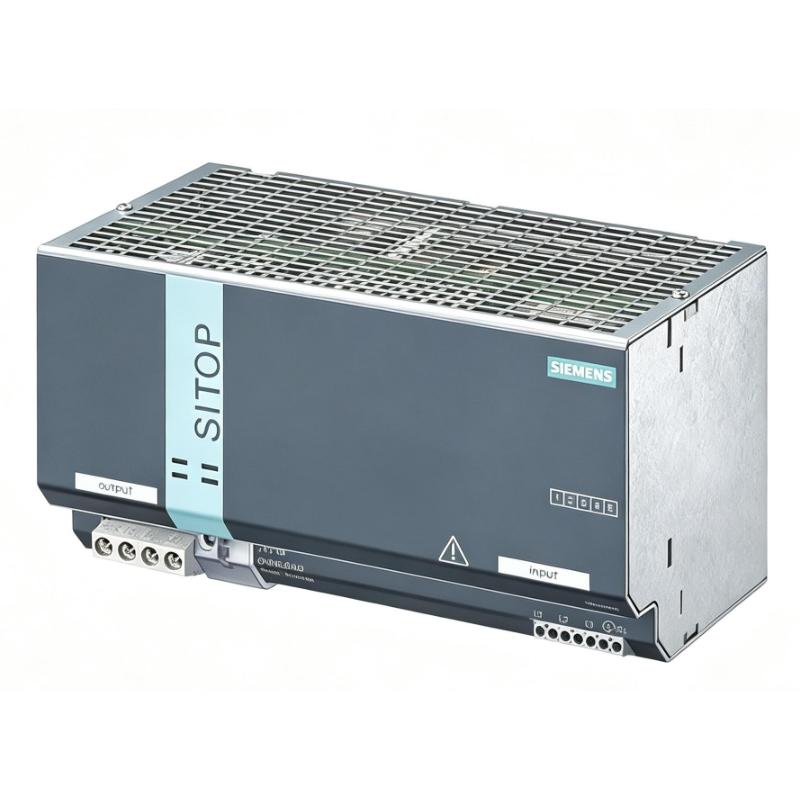
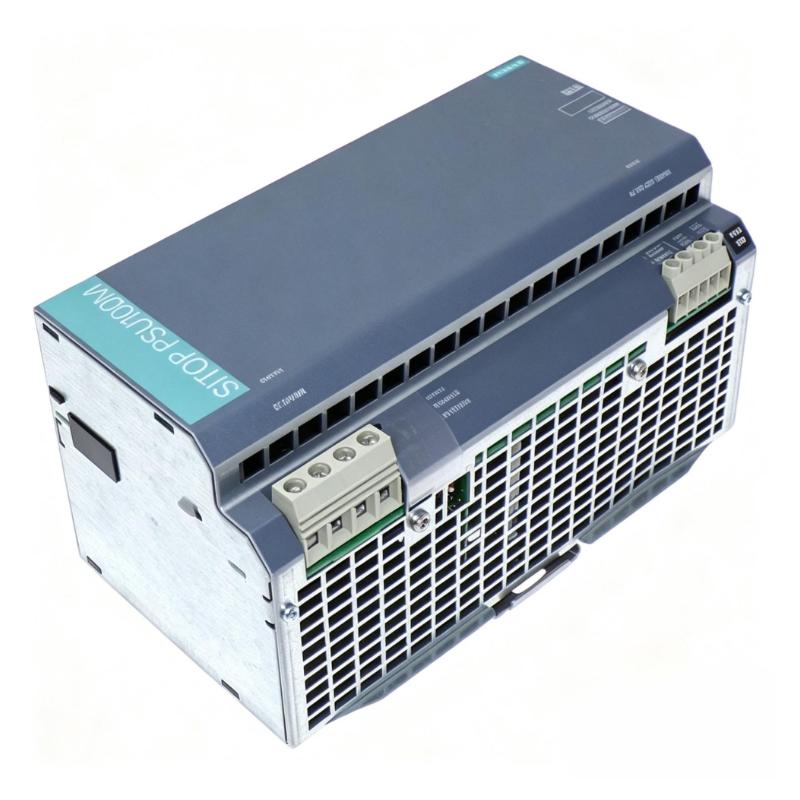
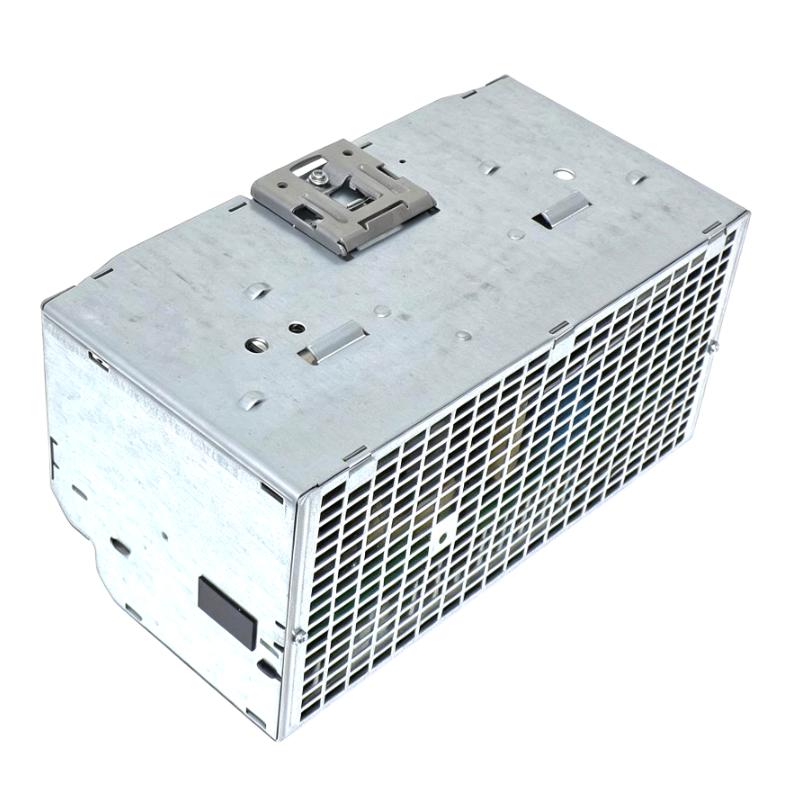
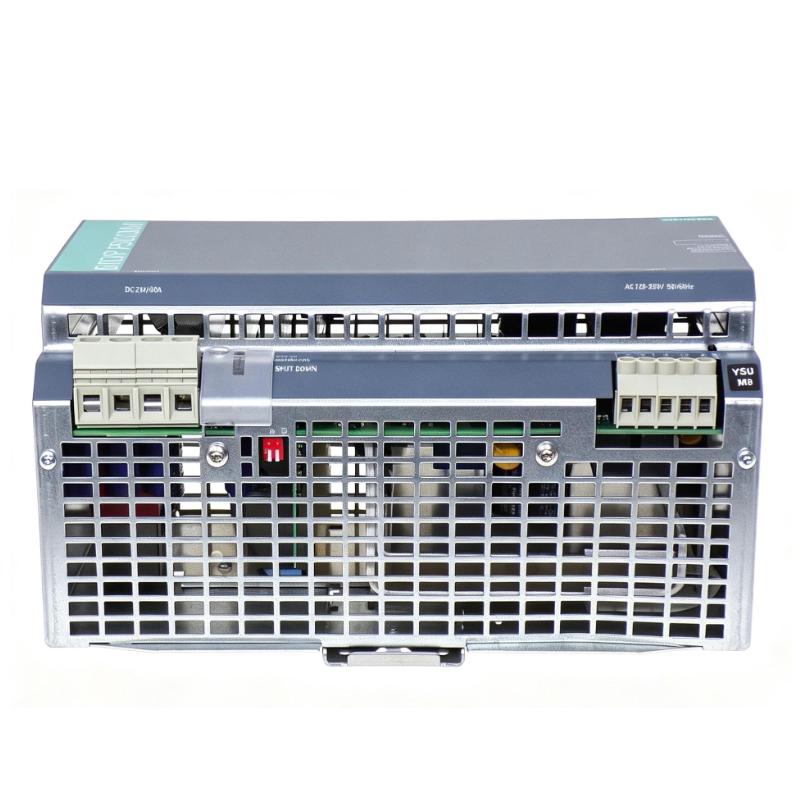
- Siemens
- 6AG1337-3BA00-4AA0
- Power Supply Module
- Germany
- 240 × 125 × 125 mm
- 3.428 kg
- Xiamen, China
- New & In Stock
- T/T, PayPal, Western Union
- 1 Year
- 1-3 Working Days
- DHL, UPS, TNT, FedEx and EMS.
- 24-Hour Service
- COO
- 52
Our advantage

Global Logistics
We have a 10-year logistics and express cooperation agreement, so our products can be shipped to any place in the world.

Brand new and original
Our products are imported in bulk from the place of origin. Because of the cooperative relationship, our products are all original and 100% new.

24-hour service
We provide 7*24 hours service to our customers. We will be there whenever you need us.

Price advantage
All our products are priced very favorably because we have our own warehouse and supply.
| Company Information | |||
| [email protected] | |||
| Mobile | +8615980777398 | ||
| +8615980777398 | |||
| 15980777398 |
Product Overview
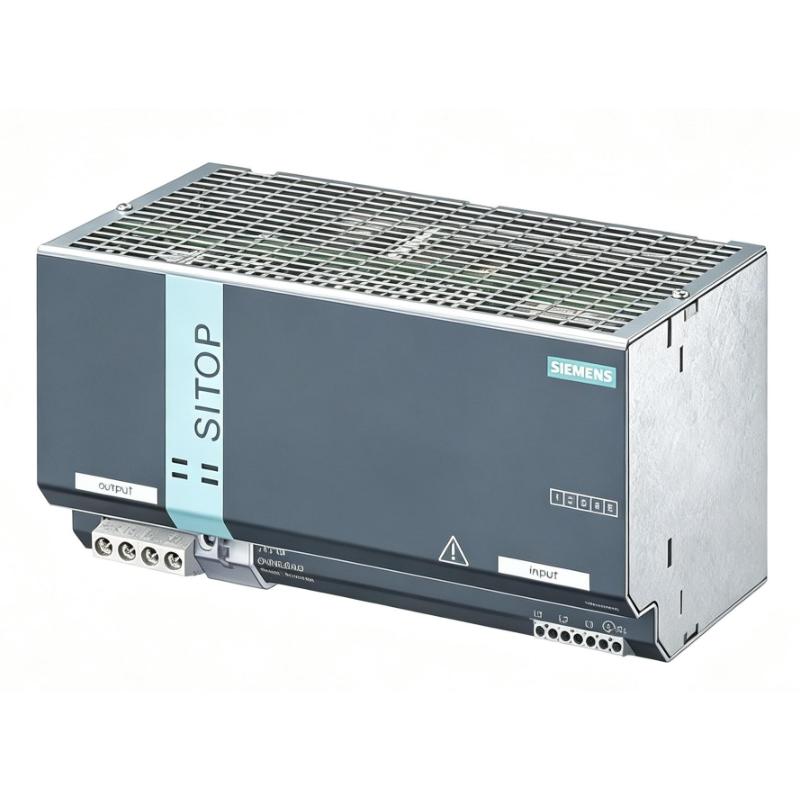
The Siemens 6AG1337-3BA00-4AA0 SIPLUS PS MODULAR 40A Power Supply Module is a high-capacity power supply component within the SIPLUS PS MODULAR family. It belongs to the power infrastructure of industrial automation systems and supplies electrical power for connected control and automation equipment.
Unlike PLC CPUs, analog modules, or communication cards, this unit does not process application logic or field signals. Its role sits further upstream in the control cabinet, where the available electrical power is converted, regulated, and distributed to downstream automation hardware.
The 40A designation makes this model particularly relevant to installations with comparatively substantial control-power requirements. It can be considered in automation cabinets where multiple loads share a centralized power architecture and where adequate supply capacity is required for stable operation.
For maintenance engineers, the 6AG1337-3BA00-4AA0 should be evaluated together with the connected load, distribution wiring, circuit protection, and cabinet environment. A power supply that appears functional under light load may still require investigation if voltage stability or capacity becomes an issue during normal equipment operation.
Technical Specifications
| Parameter | Specification |
|---|---|
| Manufacturer | Siemens |
| Model | 6AG1337-3BA00-4AA0 |
| Product Family | SIPLUS PS MODULAR |
| Product Type | 40A Power Supply Module |
| Rated Current | 40 A |
| Primary Function | Industrial Automation Power Supply |
| System Role | Control Power Supply and Distribution |
| Application | Industrial Automation / Control Cabinets |
| Dimensions | 240 × 125 × 125 mm |
| Weight | 3.428 kg |
Product Features
The 6AG1337-3BA00-4AA0 is intended for applications where a modular industrial power architecture requires a higher-capacity supply component.
Key characteristics include:
- Siemens SIPLUS PS MODULAR power supply module
- Model 6AG1337-3BA00-4AA0
- 40A power supply configuration
- Intended for industrial automation power systems
- Supports centralized control-power architectures
- Suitable for control cabinet installations
- Can supply multiple downstream automation loads
- Useful for PLC and industrial control infrastructure
- Suitable for maintenance and system expansion projects
- Designed for integration into a modular power-supply arrangement
When selecting a replacement, the available output capacity should be considered together with the actual load profile. Connected equipment, startup conditions, distribution losses, and future expansion can all influence power-system requirements.
Working Principle
The 6AG1337-3BA00-4AA0 operates as the power-conversion stage between the plant electrical source and the downstream automation loads.
A simplified arrangement is:
Incoming Power → SIPLUS PS MODULAR 40A → Control Power Distribution → Automation Equipment
The operating process can be understood as follows:
-
Electrical Input
The module receives power from the upstream electrical distribution system.
-
Power Conversion
Internal circuitry processes the incoming electrical energy into the required control-system output.
-
Output Regulation
The supply maintains controlled output conditions as the downstream electrical demand changes within the applicable operating range.
-
Load Distribution
The available control power is distributed to connected PLC, I/O, communication, interface, and other compatible automation equipment.
-
System Support
The resulting power enables downstream electronic modules to operate continuously as part of the control system.
A centralized power supply therefore affects more than one device. If the supply or its distribution network develops a problem, multiple automation components may show symptoms at approximately the same time.
Role in an Industrial Automation Power Architecture
The 6AG1337-3BA00-4AA0 occupies the central power-supply layer of the automation cabinet.
A typical architecture can be represented as:
Plant Electrical Source → Power Supply → Distribution Network → PLC / I/O / Communication → Field Devices
The 40A capacity makes the unit suitable for a power architecture with multiple downstream loads, provided the complete system requirements are compatible with the supply configuration.
For system designers, the power budget should be established before commissioning. The calculation should account for normal operating demand as well as foreseeable load changes. During maintenance, engineers can also use the distribution architecture to narrow down faults: simultaneous loss of several downstream devices often warrants inspection of the common supply path before individual modules are replaced.
Industrial Applications
| Application | Typical Use |
|---|---|
| PLC Control Cabinets | Supplying centralized control power |
| Factory Automation | Powering multiple automation loads |
| Process Control | Supporting control-system infrastructure |
| Production Lines | Supplying distributed electronic equipment |
| Machine Automation | Providing power to control hardware |
| Industrial Utilities | Supporting PLC and interface systems |
| Large Automation Cabinets | Centralized power distribution |
| System Expansion | Increasing available control-power capacity |
The actual application depends on the cabinet architecture, downstream load requirements, and associated power-distribution equipment.
Installation and Maintenance
Installation of a high-capacity power supply requires careful attention to the complete electrical path rather than only the module itself.
Recommended practices include:
- Confirm the complete part number 6AG1337-3BA00-4AA0.
- Verify the SIPLUS PS MODULAR configuration before replacement.
- Document the incoming and outgoing connections.
- Identify all downstream circuits supplied by the module.
- Isolate the electrical source before servicing.
- Check terminal tightness and wiring condition.
- Inspect cables for overheating or insulation deterioration.
- Verify associated circuit protection.
- Check the cabinet grounding arrangement.
- Review the connected load before commissioning.
- Confirm adequate ventilation around the power equipment.
- Restore wiring according to the documented configuration.
- Energize the system under controlled conditions.
- Monitor downstream equipment for abnormal resets or power-related alarms.
- Record operating observations after replacement.
If the supply repeatedly shuts down or downstream devices reset during periods of high demand, investigate the actual load profile, distribution wiring, protection devices, and environmental conditions instead of assuming that the connected PLC modules have failed.
Related Components
The 40A power supply normally forms part of a broader industrial electrical architecture.
| Component | Function |
|---|---|
| PLC CPU | Executes the automation program |
| I/O Modules | Interfaces with field signals |
| Communication Modules | Handles industrial data communication |
| Power Distribution | Routes control power to downstream loads |
| Circuit Protection | Protects electrical circuits |
| Terminal Blocks | Provides electrical connections |
| Control Cabinet | Houses power and automation equipment |
| Field Interface Devices | Connects control equipment with field circuits |
| Grounding System | Provides electrical reference and protection |
| Downstream DC Loads | Consume supplied control power |
A complete load and distribution assessment is useful when determining whether the power architecture can support additional automation hardware.
Recommended Related Models
| Model / Product Family | Product Type | Typical Application |
|---|---|---|
| Siemens 6AG1337-3BA00-4AA0 | SIPLUS PS MODULAR 40A Power Supply Module | High-capacity control power |
| Siemens SIPLUS PS MODULAR | Modular Power Supply Family | Industrial automation power |
| Siemens SIPLUS PS PSU200M | Power Supply Module | Control-system power |
| Siemens SIPLUS PS PSU100S | Power Supply Module | Automation cabinet power |
| Siemens SIPLUS S7-300 Modules | PLC / I/O Hardware | Industrial automation |
Key Advantages
- Siemens SIPLUS PS MODULAR power supply module.
- Model 6AG1337-3BA00-4AA0.
- 40A power-supply configuration.
- Suitable for higher-capacity automation power requirements.
- Supports centralized control-power architectures.
- Suitable for industrial control cabinets.
- Can support multiple downstream automation loads.
- Useful for system maintenance and expansion.
- Integrates into modular industrial power infrastructure.
Technical FAQs
When should a 40A power supply be considered for an automation cabinet?
It should be considered when the combined downstream electrical demand requires a higher-capacity control-power source. Engineers should evaluate the complete load profile rather than selecting the supply solely according to the number of connected modules.
Why can a power-supply problem cause several unrelated PLC alarms?
Multiple automation devices may share the same power-distribution path. If that common supply becomes unstable or unavailable, CPUs, I/O modules, communication hardware, and interface equipment can all report faults at nearly the same time.
What should be reviewed before expanding a cabinet powered by this module?
The existing load, additional equipment demand, distribution wiring, circuit protection, cabinet thermal conditions, and available power capacity should all be reviewed. Expansion should be evaluated at the system level rather than by considering the new module alone.
What is a useful maintenance check when the power supply operates normally at low load but faults during production?
Compare the supply behavior under normal production demand with the behavior during low-load operation. Engineers should then inspect the actual load profile, connections, protection devices, ventilation, and distribution network to determine whether the fault is related to load or installation conditions.