

ProductPRODUCT
Featured products

Contact Us
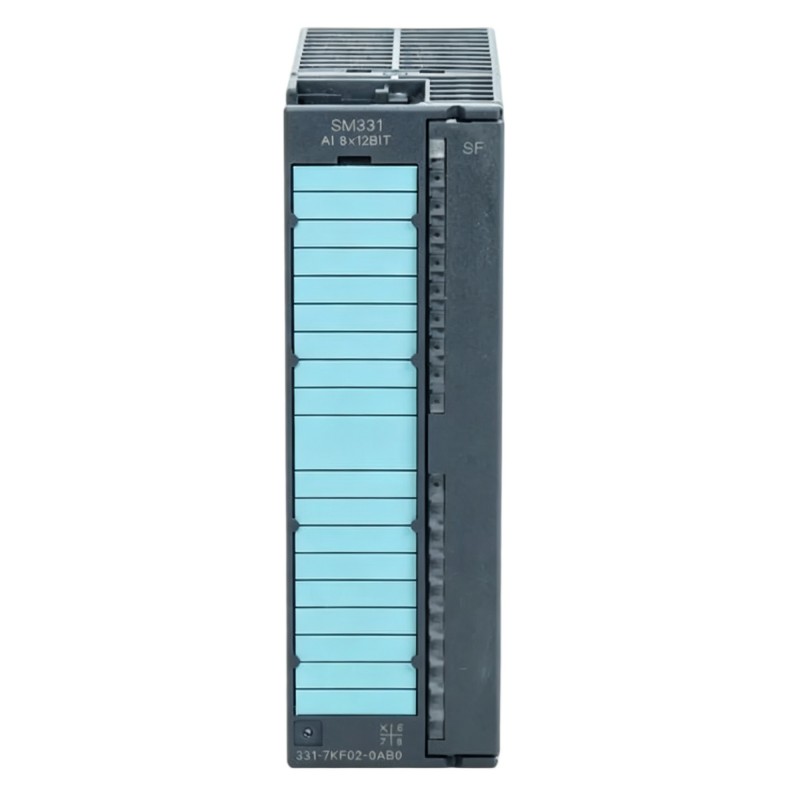
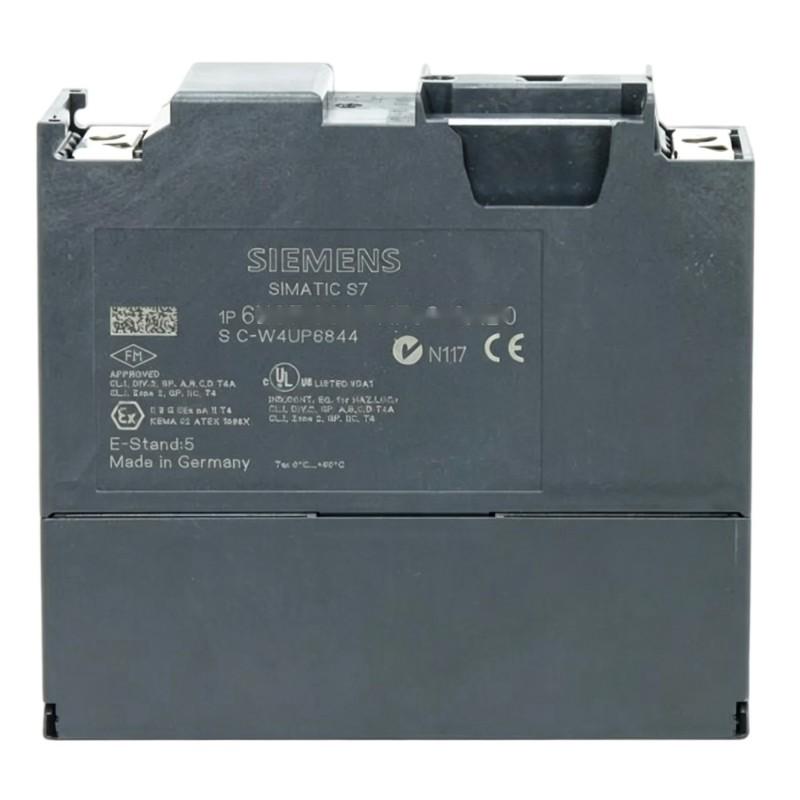
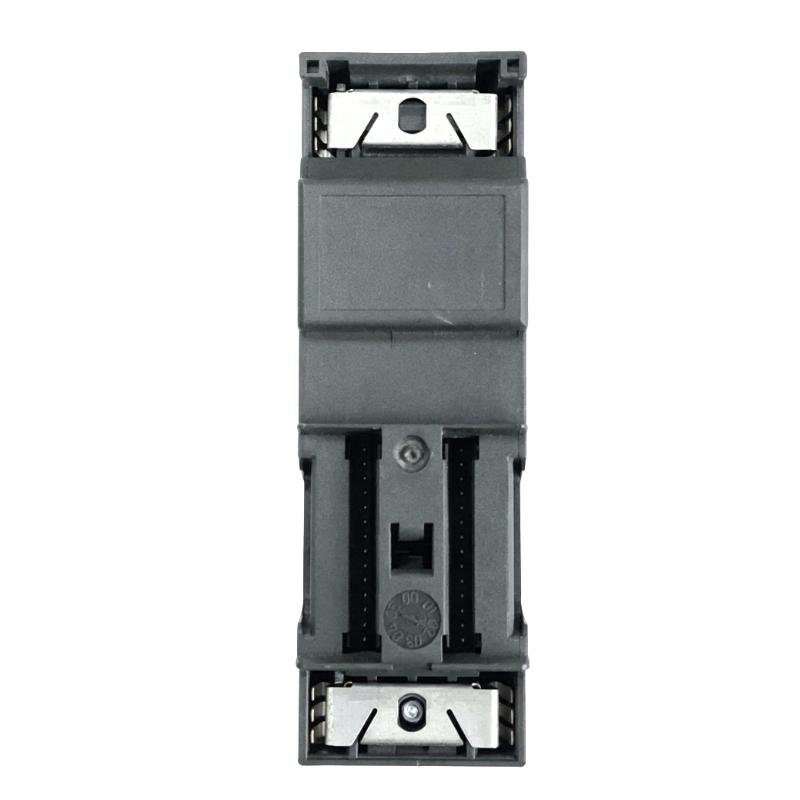
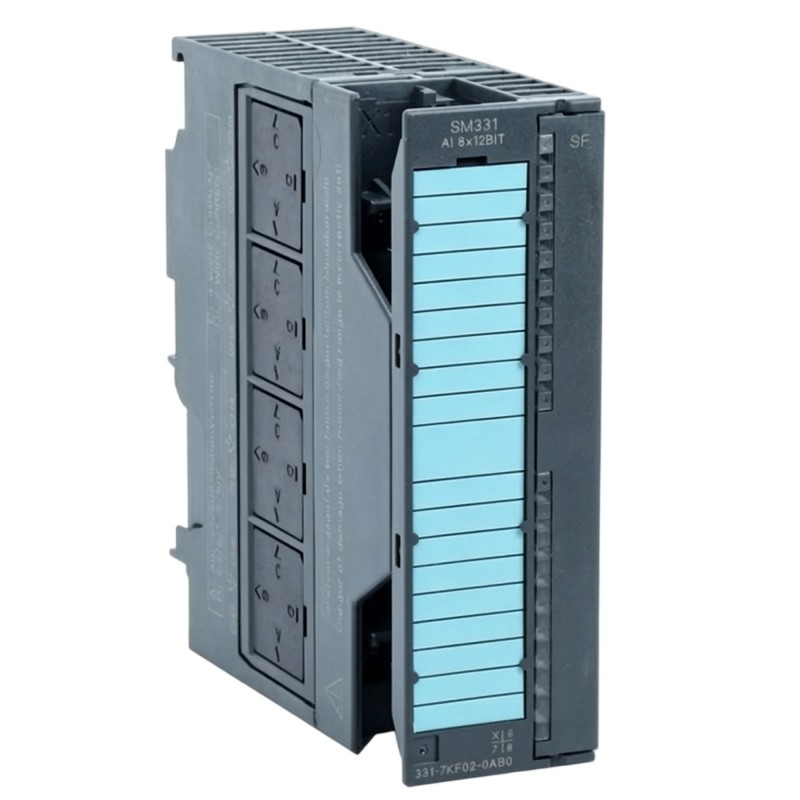
- Siemens
- 6AG1331-7KB02-2AB0
- Analog Input Module
- Germany
- 40 × 125 × 120 mm
- 0.25 kg
- Xiamen, China
- New & In Stock
- T/T, PayPal, Western Union
- 1 Year
- 1-3 Working Days
- DHL, UPS, TNT, FedEx and EMS.
- 24-Hour Service
- COO
- 69
Our advantage

Global Logistics
We have a 10-year logistics and express cooperation agreement, so our products can be shipped to any place in the world.

Brand new and original
Our products are imported in bulk from the place of origin. Because of the cooperative relationship, our products are all original and 100% new.

24-hour service
We provide 7*24 hours service to our customers. We will be there whenever you need us.

Price advantage
All our products are priced very favorably because we have our own warehouse and supply.
| Company Information | |||
| [email protected] | |||
| Mobile | +8615980777398 | ||
| +8615980777398 | |||
| 15980777398 |
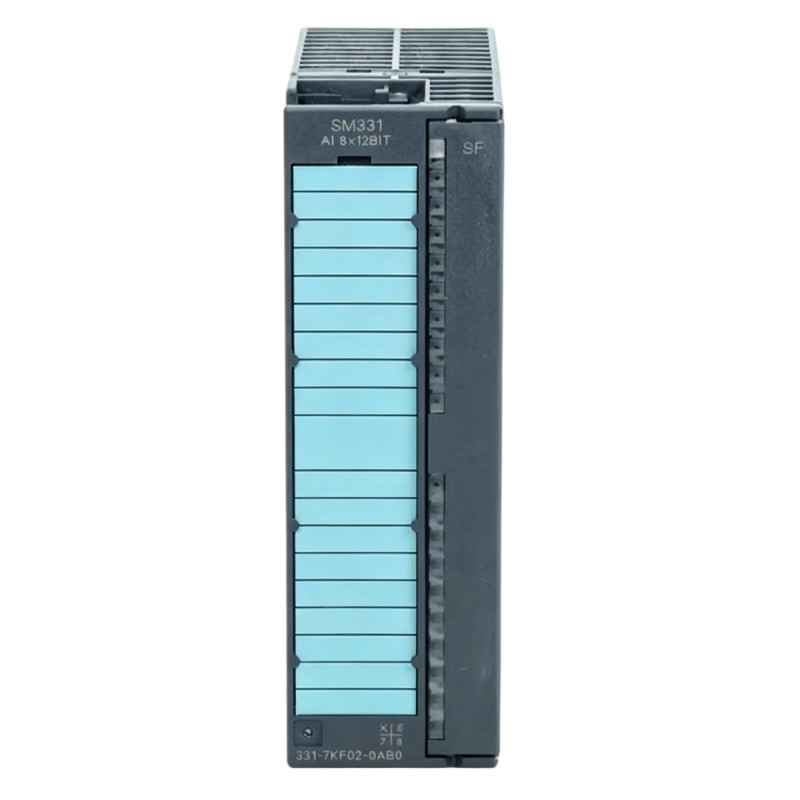
Product Overview
The Siemens 6AG1331-7KB02-2AB0 SIPLUS S7-300 Analog Input Module serves as an analog signal interface within a Siemens S7-300 automation system. It connects field-level measuring devices with the PLC, allowing continuously varying process information to be acquired and processed by the controller.
In a typical installation, transmitters or other measuring instruments generate analog electrical signals corresponding to physical process conditions. The module receives these signals and makes the measurement data available to the S7-300 control system for monitoring, alarming, calculation, data logging, or regulation.
As part of the SIPLUS S7-300 family, the module is suited to industrial installations where environmental conditions require an appropriate SIPLUS hardware configuration. It can also be useful when maintaining or expanding an established S7-300 control cabinet.
Technical Specifications
| Parameter | Specification |
|---|---|
| Manufacturer | Siemens |
| Model | 6AG1331-7KB02-2AB0 |
| Product Family | SIPLUS S7-300 |
| Product Type | Analog Input Module |
| Signal Type | Analog Input |
| System Platform | S7-300 |
| Application | Process Signal Acquisition |
| Dimensions | 40 × 125 × 120 mm |
| Weight | 0.25 kg |
Product Features
The 6AG1331-7KB02-2AB0 is intended for analog measurement acquisition in S7-300-based control systems.
Key characteristics include:
- Siemens SIPLUS S7-300 analog input module
- Interfaces field measuring equipment with the PLC
- Suitable for continuous process measurements
- Supports analog signal acquisition for automation applications
- Can be used for monitoring and control functions
- Integrates into S7-300 control architectures
- Suitable for industrial control cabinets
- Appropriate for demanding industrial environments
- Useful for system expansion and replacement projects
- Supports measurement data acquisition at the PLC level
Working Principle
The module converts the field measurement path into usable PLC process data.
A typical signal chain is:
Process Variable → Field Transmitter → 6AG1331-7KB02-2AB0 → S7-300 CPU → Control Program
A transmitter first detects a physical condition such as pressure, temperature, level, or flow and generates a corresponding analog electrical signal. The signal is then routed through the field wiring to the analog input module.
The module receives the signal and processes the input so that the S7-300 CPU can use the resulting measurement data. Within the PLC program, the value can be scaled into an engineering unit and then used for alarms, calculations, visualization, or closed-loop control.
This makes the module the link between the continuously changing physical process and the digital control logic running inside the PLC.
Role in an S7-300 Control Architecture
The 6AG1331-7KB02-2AB0 normally sits between field instrumentation and the PLC processing layer.
Field Instrumentation → Analog Input → S7-300 CPU → HMI / SCADA / Control Output
| System Layer | Typical Component | Function |
|---|---|---|
| Field Layer | Sensor / Transmitter | Measures process conditions |
| Input Layer | 6AG1331-7KB02-2AB0 | Acquires analog signals |
| Control Layer | S7-300 CPU | Processes measurement data |
| Operator Layer | HMI / SCADA | Displays and records process values |
| Output Layer | Analog / Digital Output | Controls downstream equipment |
This arrangement allows an S7-300 controller to work with actual process measurements instead of only discrete status signals.
Industrial Applications
The module can be applied wherever an S7-300 controller needs analog process information.
| Application | Typical Use |
|---|---|
| Process Automation | Monitoring process variables |
| Water Treatment | Level, flow, and instrumentation signals |
| Chemical Processing | Continuous process measurement |
| Manufacturing | Machine and production monitoring |
| Energy Systems | Equipment measurement and supervision |
| HVAC | Temperature and pressure monitoring |
| Industrial Utilities | Process instrumentation |
| Legacy S7-300 Systems | Analog I/O expansion or replacement |
The exact application depends on the field transmitter and the signal configuration used by the control system.
Installation and Maintenance
Analog signal circuits require careful installation because measurement quality can be affected by wiring, grounding, interference, and incorrect configuration.
For installation and maintenance, engineers should:
- Verify the complete module part number.
- Confirm the intended installation position.
- Check the connected transmitter specifications.
- Verify signal wiring before commissioning.
- Inspect terminal connections and field cables.
- Keep analog wiring away from high-power conductors where appropriate.
- Check shielding and grounding arrangements.
- Confirm the configured input parameters in the engineering software.
- Verify the raw PLC value during commissioning.
- Compare the PLC measurement with the actual field instrument output.
- Check scaling before using the value for process control.
When troubleshooting an abnormal measurement, the field transmitter, cable, terminal connections, module channel, and PLC configuration should be checked as one complete signal path.
Related Components
The module normally operates with several other components in an S7-300 automation system.
| Component | Function |
|---|---|
| S7-300 CPU | Executes the control program |
| Field Transmitter | Generates the process measurement signal |
| Signal Wiring | Transfers the analog signal |
| HMI | Displays process values |
| SCADA System | Supervises and records process data |
| Analog Output Module | Provides variable control signals |
| Digital I/O Modules | Handles discrete field signals |
| Communication Module | Exchanges data with other automation systems |
For closed-loop applications, the analog input can provide the feedback value while a corresponding output device regulates the process.
Recommended Related Models
| Model / Product Family | Product Type | Typical Application |
|---|---|---|
| Siemens 6AG1331-7KB02-2AB0 | SIPLUS S7-300 Analog Input Module | Analog signal acquisition |
| Siemens 6AG1331-1KF02-7AB0 | SIPLUS S7-300 Analog Input Module | Process measurement |
| Siemens 6AG1326-1BK02-2AB0 | SIPLUS S7-300 Fail-Safe Digital Input Module | Fail-safe input acquisition |
| Siemens 6AG1326-1RF01-4AB0 | SIPLUS S7-300 Fail-Safe Digital Input Module | Safety input applications |
| Siemens 6AG1326-2BF41-2AB0 | SIPLUS S7-300 Fail-Safe Digital Output Module | Safety output control |
The analog input models and fail-safe digital modules serve different purposes, so the selection should follow the signal type and control function required by the application.
Key Advantages
- Provides analog measurement acquisition for S7-300 systems
- Connects field transmitters with PLC processing
- Suitable for continuous process monitoring
- Supports measurement-based alarms and control functions
- Integrates into established S7-300 architectures
- Suitable for industrial process applications
- Useful for both replacement and system expansion
- SIPLUS platform suited to demanding industrial environments
Technical FAQs
What is the Siemens 6AG1331-7KB02-2AB0 used for in an S7-300 system?
The 6AG1331-7KB02-2AB0 is used to acquire analog process signals and make the corresponding measurement data available to the S7-300 PLC. It can be used as the input interface for compatible field transmitters and measuring instruments.
How does the 6AG1331-7KB02-2AB0 fit into an analog signal acquisition loop?
The module sits between the field transmitter and the S7-300 CPU. The transmitter generates the measurement signal, the analog input module acquires it, and the CPU processes the resulting value for monitoring, alarming, calculation, or control.
What should be checked when an S7-300 analog input value is incorrect?
Troubleshooting should cover the transmitter output, field wiring, terminal connections, input-channel configuration, grounding and shielding, and PLC scaling. Comparing the actual transmitter signal with the value received by the CPU is an effective way to locate the fault.
Why is signal scaling important when using a Siemens S7-300 analog input module?
The PLC receives an electrical measurement represented as a numerical value, while the automation program normally needs an engineering value such as pressure, temperature, flow, or level. Scaling establishes the relationship between the acquired input value and the corresponding process measurement.