

ProductPRODUCT
Featured products
Contact Us
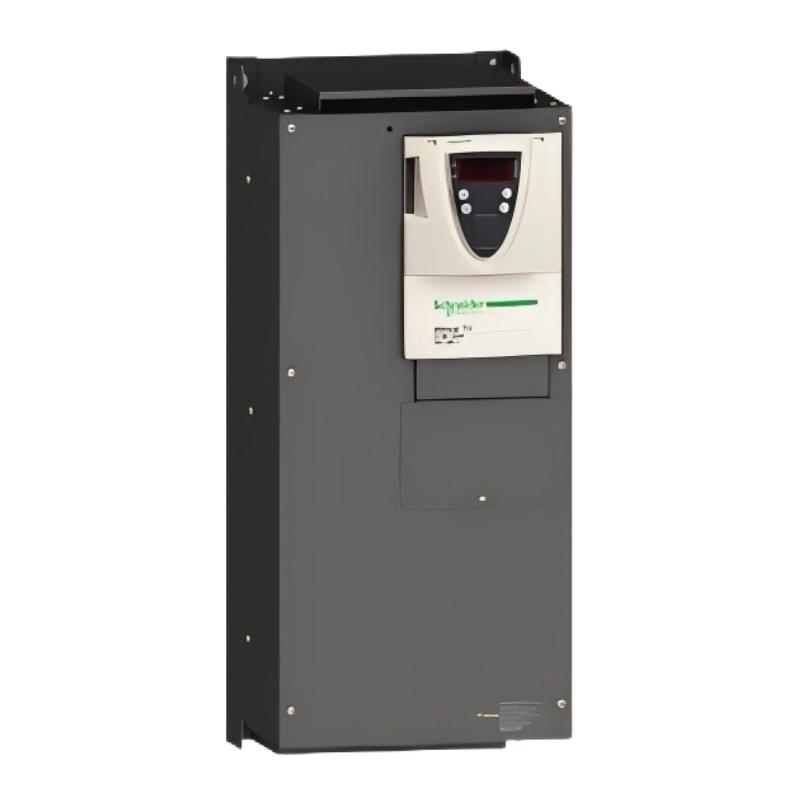
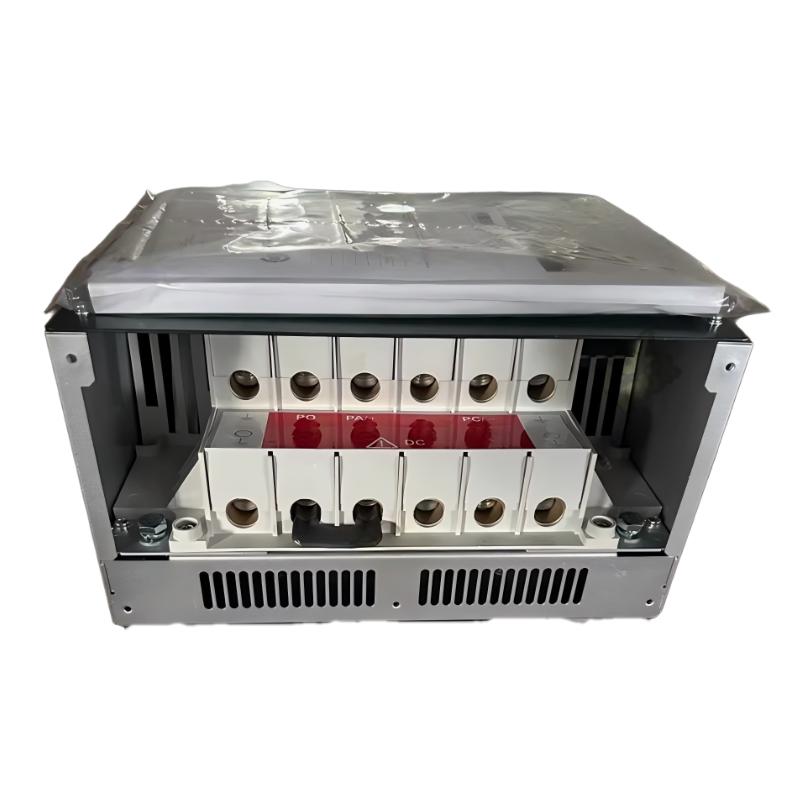
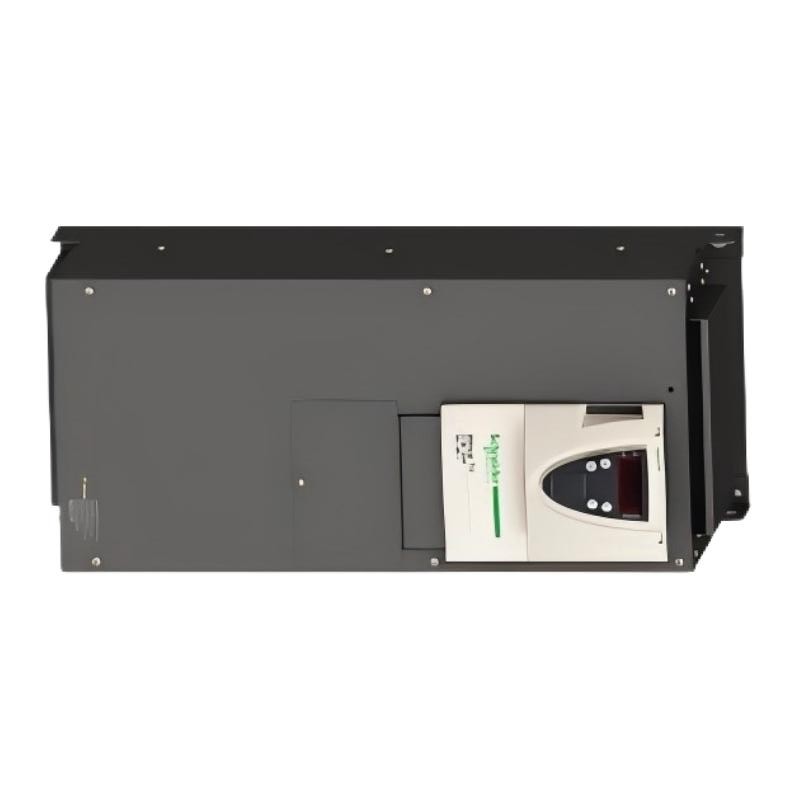
- Schneider
- ATV71HD55N4Z383
- Permanent Magnet Synchronous Motor
- France
- 630 x 290 x 320 mm
- 44 kg
- Xiamen, China
- New & In Stock
- T/T, PayPal, Western Union
- 1 Year
- 1-3 Working Days
- DHL, UPS, TNT, FedEx and EMS.
- 24-Hour Service
- COO
- 22
Our advantage

Global Logistics
We have a 10-year logistics and express cooperation agreement, so our products can be shipped to any place in the world.

Brand new and original
Our products are imported in bulk from the place of origin. Because of the cooperative relationship, our products are all original and 100% new.

24-hour service
We provide 7*24 hours service to our customers. We will be there whenever you need us.

Price advantage
All our products are priced very favorably because we have our own warehouse and supply.
| Company Information | |||
| [email protected] | |||
| Mobile | +8615980777398 | ||
| +8615980777398 | |||
| 15980777398 |
Product Overview
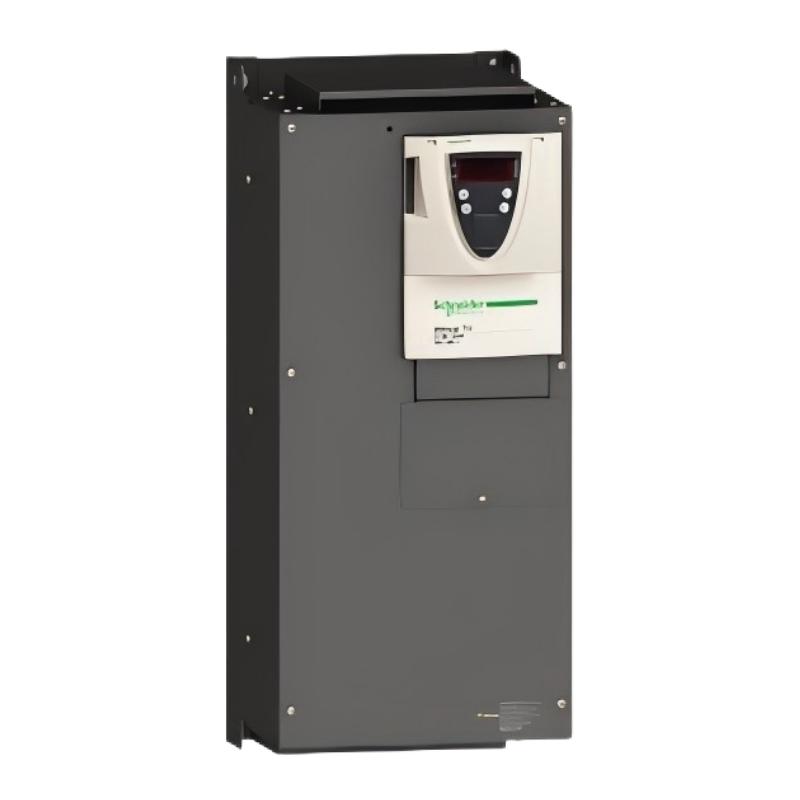
The Schneider ATV71HD55N4Z383 Permanent Magnet Synchronous Motor is an industrial motor-control product identified for applications requiring controlled speed, efficient operation, and integration into automated machinery. Permanent magnet synchronous motor technology is widely associated with applications where precise rotational control, stable operating characteristics, and efficient energy conversion are important.
The ATV71HD55N4Z383 is identified as a Permanent Magnet Synchronous Motor and is associated with Schneider Electric’s industrial motor-control product ecosystem. In an automated machine, a motor of this type can operate as the mechanical power source for equipment such as pumps, fans, conveyors, compressors, material-handling systems, and other rotating machinery.
The supplied physical specifications for this model are 630 × 290 × 320 mm, with a listed weight of 44 kg. These dimensions and weight should be considered when planning equipment installation, mounting, transportation, cable routing, ventilation, and maintenance access.
Because the model designation contains an ATV71 reference, the exact product identity and system configuration should be verified against the equipment nameplate and applicable Schneider Electric documentation before procurement or replacement. In particular, the electrical ratings, motor characteristics, drive compatibility, control method, feedback arrangement, and mechanical interface should not be inferred from the model designation alone.
Technical Specifications
| Parameter | Specification |
|---|---|
| Manufacturer | Schneider Electric |
| Model | ATV71HD55N4Z383 |
| Product Family | Altivar 71-related industrial motor-control equipment |
| Product Type | Permanent Magnet Synchronous Motor |
| Motor Technology | Permanent Magnet Synchronous Motor |
| Primary Function | Controlled mechanical power generation |
| Application | Industrial machinery and automated equipment |
| Dimensions | 630 × 290 × 320 mm |
| Weight | 44 kg |
| Installation | Industrial machinery / suitable mounting arrangement |
| Typical Applications | Pumps, fans, conveyors, compressors, material handling and rotating machinery |
The exact rated power, voltage, current, speed, torque, encoder or feedback configuration, shaft dimensions, protection rating, cooling arrangement, and environmental limits should be confirmed from the exact product documentation and nameplate.
What Is the Schneider ATV71HD55N4Z383?
The Schneider ATV71HD55N4Z383 is identified in this configuration as a Permanent Magnet Synchronous Motor.
A permanent magnet synchronous motor, commonly abbreviated as PMSM, uses permanent magnets in the rotor to establish a magnetic field. The stator produces a rotating magnetic field, and the rotor follows this field synchronously.
Unlike a conventional induction motor, the rotor magnetic field is created primarily by permanent magnets rather than induced rotor current.
A simplified operating structure is:
Electrical Power → Motor Control System → Stator Magnetic Field → Permanent-Magnet Rotor → Mechanical Output
In an industrial automation system, the motor is normally used together with suitable control electronics capable of managing its electrical and mechanical operating characteristics.
The complete application should therefore be considered as a coordinated system rather than as a motor operating independently.
Understanding Permanent Magnet Synchronous Motor Technology
A PMSM uses permanent magnets mounted within or on the rotor to generate a magnetic field.
When controlled electrical current is supplied to the stator windings, the stator creates a rotating magnetic field. The permanent-magnet rotor interacts with this field and rotates synchronously.
This operating principle can provide characteristics such as:
- High efficiency
- Stable synchronous operation
- Precise speed control when properly controlled
- High torque density
- Compact motor design
- Reduced rotor electrical losses
- Suitable performance for variable-speed applications
The actual performance of a PMSM depends on motor construction, control strategy, operating point, cooling method, mechanical load, and the associated drive system.
Main Functions
Mechanical Power Generation
The fundamental function of the motor is to convert electrical energy into mechanical rotation.
The mechanical output can be used to drive industrial equipment such as:
- Pumps
- Fans
- Conveyors
- Compressors
- Machine mechanisms
- Material-handling systems
- Process equipment
Synchronous Operation
A permanent magnet synchronous motor is designed to operate synchronously with the rotating magnetic field generated by the stator under appropriate control conditions.
This characteristic makes PMSM technology suitable for applications requiring predictable rotational behavior.
Variable-Speed Operation
When paired with an appropriate motor-control system, a PMSM can support variable-speed operation.
This allows the connected machine to operate at different speeds according to production or process requirements.
Torque Production
The interaction between the rotor permanent magnets and stator magnetic field produces electromagnetic torque.
The required torque depends on the mechanical load and operating condition.
Automated Machine Integration
The motor can become part of an automated machine in which a PLC, motion controller, or drive system determines the required motor operating condition.
Motor Control Architecture
A permanent magnet synchronous motor normally requires an appropriate control strategy to achieve stable operation.
A simplified industrial architecture is:
PLC / Motion Controller → Motor Drive → PMSM → Mechanical Load
The controller may determine:
- Required speed
- Acceleration
- Deceleration
- Direction
- Torque demand
- Operating mode
The associated motor-control equipment then generates the electrical conditions required by the motor.
For advanced applications, feedback may be used to improve speed and position control.
The exact feedback and control architecture should be verified for the installed ATV71HD55N4Z383 configuration.
Advantages of Permanent Magnet Motor Technology
High Efficiency Potential
Permanent magnets provide the rotor magnetic field without requiring the same type of rotor excitation associated with an induction motor.
This can reduce certain rotor losses and support efficient operation.
High Torque Density
PMSM designs can provide substantial torque from a relatively compact motor structure.
This can be useful where machine space is limited.
Precise Speed Regulation
When paired with a suitable controller and feedback system, permanent magnet synchronous motors can provide accurate speed regulation.
Smooth Operation
Appropriate motor-control algorithms can provide smooth acceleration, deceleration, and speed changes.
Suitable for Automated Machinery
PMSM technology is compatible with many modern automation architectures where motor speed and torque need to be coordinated with the machine sequence.
Industrial Applications
Pump Systems
PMSM technology can be used in suitable pump systems where energy efficiency and variable-speed operation are important.
The motor speed can be adjusted according to process demand when supported by the associated control system.
Industrial Fans
Fans can require different operating speeds depending on airflow or process conditions.
A controlled permanent magnet motor can provide adjustable operation for suitable fan applications.
Conveyors
Conveyor systems can use controlled motor operation to regulate material movement and coordinate different sections of a production line.
Compressors
Where the compressor design supports permanent magnet motor technology, the motor can provide controlled mechanical power for compression equipment.
Material Handling
Automated handling equipment can require accurate speed and torque control during acceleration, transport, positioning, and stopping.
Manufacturing Equipment
PMSM technology can be incorporated into machines requiring efficient and controlled rotary motion.
Process Machinery
Industrial process equipment can use controlled motor speed as part of broader flow, pressure, temperature, or production control strategies.
Role in Industrial Automation
The motor is one component within a larger industrial control architecture.
A typical system can be represented as:
Sensors → PLC / Controller → Drive → ATV71HD55N4Z383 → Mechanical Equipment
Sensors provide information about the process.
The PLC or controller evaluates the information and generates operating commands.
The motor-control equipment converts these commands into appropriate electrical control signals.
The ATV71HD55N4Z383 then provides the mechanical rotation required by the connected machine, according to the supplied product identification.
This architecture enables coordinated motor operation with:
- Process control
- Machine sequencing
- Speed regulation
- Torque management
- Production control
- Equipment monitoring
Installation Guidelines
Correct mechanical and electrical installation is essential for reliable motor operation.
Verify Product Identification
Before installation, confirm:
- Complete model number
- ATV71HD55N4Z383 identification
- Nameplate information
- Motor configuration
- Associated drive
- Feedback arrangement
- Mechanical mounting
- Shaft and coupling requirements
Because the model designation is associated with the Altivar 71 product family, the exact equipment identity should be verified before installation rather than assuming that all characteristics can be determined from the model number.
Mechanical Mounting
The supplied dimensions are:
630 × 290 × 320 mm
The listed weight is:
44 kg
The mounting structure must safely support the 44 kg assembly and any mechanical forces produced during operation.
Alignment
Correct alignment between the motor shaft and driven equipment is important.
Poor alignment can contribute to:
- Vibration
- Bearing loading
- Coupling wear
- Noise
- Mechanical stress
Cooling
The motor’s cooling requirements should be considered during installation.
The installation environment should provide sufficient space and airflow for the actual cooling arrangement.
Electrical Connection Considerations
Before connecting the motor, technicians should verify the complete motor-control system.
Important checks include:
- Motor power connections
- Protective earth
- Associated drive
- Motor cable
- Feedback wiring where applicable
- Connector condition
- Terminal tightness
- Cable routing
- Electrical protection
The exact connection arrangement should be taken from the applicable documentation for the specific motor and associated drive.
Motor Cable and EMC Considerations
When a permanent magnet synchronous motor is operated using electronic drive equipment, the motor cable becomes an important part of the overall electrical system.
Good installation practices include:
- Use suitable motor cable.
- Follow the applicable shielding requirements.
- Maintain appropriate grounding.
- Keep motor cables away from sensitive instrumentation wiring where practical.
- Avoid unnecessary parallel routing with low-level signal cables.
- Keep cable connections secure.
- Follow the associated drive’s EMC installation requirements.
EMC performance depends on the complete installation, including the drive, motor, cable, grounding, cabinet, and connected equipment.
Drive Compatibility and System Integration
A PMSM should be operated with control equipment that is specifically suitable for the motor’s electrical and feedback characteristics.
Before commissioning, engineers should verify:
- Motor type
- Motor nameplate data
- Drive compatibility
- Motor-control method
- Feedback requirements
- Rated operating conditions
- Acceleration and deceleration settings
- Speed limits
- Torque requirements
Incorrect motor identification or configuration can result in unstable operation, incorrect torque production, or drive faults.
Configuration and Commissioning
Step 1: Confirm Nameplate Data
Record all available motor nameplate information before entering parameters into the control system.
Step 2: Verify Motor Type
Confirm that the control system is configured for the appropriate Permanent Magnet Synchronous Motor technology.
Step 3: Verify Associated Drive
Confirm that the motor-control equipment is compatible with the motor.
Step 4: Check Wiring
Inspect power, grounding, feedback, and control connections.
Step 5: Verify Mechanical Load
Ensure that the connected machinery can rotate freely and does not impose abnormal mechanical resistance.
Step 6: Perform Initial Test
Initial operation should be performed at controlled conditions.
Check:
- Rotation direction
- Speed
- Current
- Torque response
- Vibration
- Noise
- Drive status
Step 7: Verify Automatic Operation
If the motor is integrated with a PLC or automated process, test the complete operating sequence before placing the machine into normal production.
Troubleshooting the ATV71HD55N4Z383
Motor Does Not Start
Possible causes include:
- Missing drive enable command
- Incorrect motor configuration
- Active drive fault
- Incorrect wiring
- External interlock
- Control-system problem
- Motor-control compatibility issue
The associated drive and control system should be checked before assuming the motor itself has failed.
Motor Rotates Incorrectly
Incorrect rotation can result from the control configuration or electrical connection arrangement.
The motor should be stopped and the applicable connection or control configuration verified.
Excessive Current
Possible causes include:
- Excessive mechanical load
- Incorrect motor parameters
- Mechanical obstruction
- Motor fault
- Incorrect control configuration
- Cable problems
The mechanical and electrical systems should be inspected together.
Excessive Vibration
Possible causes include:
- Shaft misalignment
- Coupling problems
- Bearing condition
- Mechanical imbalance
- Mounting problems
- Abnormal load
Vibration should not automatically be attributed to the electronic control system.
Motor Overheating
Check:
- Cooling arrangement
- Ambient temperature
- Motor loading
- Ventilation
- Mechanical load
- Electrical configuration
Continuous operation under unsuitable loading conditions can contribute to overheating.
Drive Faults During Motor Operation
If the associated drive repeatedly reports faults, review:
- Motor parameters
- Drive configuration
- Motor current
- Speed command
- Mechanical load
- Motor cable
- Feedback signals where applicable
- Power quality
Repeatedly resetting the system without identifying the underlying problem should be avoided.
Preventive Maintenance
Regular inspection helps maintain reliable operation.
Inspect Mechanical Connections
Check mounting hardware, coupling components, and shaft alignment.
Inspect Motor Cables
Look for damaged insulation, loose connections, excessive bending, or other physical problems.
Check Cooling
Keep cooling paths clean and ensure that the motor operates within its applicable environmental conditions.
Monitor Operating Trends
Changes in current, speed, vibration, temperature, or torque behavior can provide useful indications of developing mechanical or electrical problems.
Inspect Associated Drive
Because the motor depends on compatible control equipment, the associated drive should also be included in preventive maintenance.
Maintain Parameter Records
Document motor and drive configuration settings so that the system can be restored efficiently after maintenance.
Replacement Considerations
When sourcing a replacement for the Schneider ATV71HD55N4Z383 Permanent Magnet Synchronous Motor, the complete model identification should be verified.
Important details include:
- Full model number
- Product designation
- Nameplate data
- Motor technology
- Mechanical dimensions
- Mounting arrangement
- Shaft configuration
- Feedback arrangement
- Associated drive
- Application requirements
The listed dimensions are 630 × 290 × 320 mm, and the listed weight is 44 kg.
Because motor compatibility depends on both electrical and mechanical characteristics, physical dimensions alone are not sufficient to determine whether another motor is a suitable replacement.
Cabinet and Machine Space Planning
The listed 630 × 290 × 320 mm dimensions should be incorporated into the machine or equipment layout.
Although a motor is generally mounted within or adjacent to the machine rather than inside a conventional electrical cabinet, its physical envelope must still be considered during machine design.
Planning should include:
- Motor mounting area
- Cable entry
- Shaft and coupling space
- Maintenance access
- Cooling airflow
- Service clearance
- Mechanical alignment
- Associated drive location
The 44 kg listed weight should also be considered when selecting mounting structures and handling equipment.
Compatible System Components
A typical application may contain the following components:
| Component | Typical Function |
|---|---|
| ATV71HD55N4Z383 | Permanent magnet synchronous motor |
| Motor Drive | Provides controlled electrical power |
| PLC | Executes machine or process logic |
| Motion / Control System | Generates operating commands |
| HMI | Operator monitoring and control |
| Sensors | Provides process feedback |
| Encoder / Feedback Device | Provides speed or position feedback where required |
| Coupling | Transfers mechanical power |
| Gearbox | Adjusts speed and torque where required |
| Mechanical Load | Performs the required industrial process |
The exact combination depends on the application and motor-control architecture.
Related Schneider Electric Models
| Model | Product Type | General Role |
|---|---|---|
| ATV71HD37N4 | Variable Speed Drive | Industrial motor control |
| ATV71HD37N4Z | Variable Speed Drive | Industrial variable-speed applications |
| ATV71HD45N4 | Variable Speed Drive | Industrial motor control |
| ATV71HD45N4Z | Variable Speed Drive | Industrial variable-speed applications |
| ATV71HD55N4 | Variable Speed Drive | Industrial motor control |
| ATV71HD55N4Z | Variable Speed Drive | Industrial variable-speed applications |
| ATV71HD55N4Z383 | Permanent Magnet Synchronous Motor | Controlled industrial motor operation |
| ATV71HD75N4 | Variable Speed Drive | Higher-power industrial applications |
These products may appear within related Schneider Electric motor-control architectures, but they perform different functions. A variable speed drive and a motor should not be treated as interchangeable components.
Engineering Best Practices
Verify the Complete Motor and Drive Pair
A permanent magnet synchronous motor should be matched with appropriate control equipment.
Record Nameplate Information
Accurate motor data is important during commissioning and future replacement.
Maintain Mechanical Alignment
Correct alignment helps reduce vibration and mechanical stress.
Monitor Operating Conditions
Track important operating trends where the automation system supports such monitoring.
Keep Cables Organized
Correct motor and feedback cable routing can improve system reliability.
Inspect the Complete Machine
Motor problems can originate from the driven equipment, coupling, gearbox, bearings, or process load.
Use Correct Spare Parts
The complete ATV71HD55N4Z383 designation should be retained in maintenance and inventory records.
Key Advantages
- Permanent magnet synchronous motor technology
- Suitable for controlled industrial motor applications
- Potential for efficient electrical-to-mechanical energy conversion
- Suitable for variable-speed applications when paired with compatible control equipment
- Supports automated machinery integration
- Suitable for applications requiring controlled speed and torque
- Compact industrial equipment format relative to its listed specifications
- Listed dimensions of 630 × 290 × 320 mm
- Listed weight of 44 kg
- Compatible with broader industrial automation architectures when correctly configured
Technical FAQs
What is the Schneider ATV71HD55N4Z383?
The Schneider ATV71HD55N4Z383 is identified for this product configuration as a Permanent Magnet Synchronous Motor intended for controlled industrial motor applications.
What motor technology does it use?
The product is identified as a Permanent Magnet Synchronous Motor (PMSM).
What are the dimensions of the ATV71HD55N4Z383?
The listed dimensions are 630 × 290 × 320 mm.
How much does the ATV71HD55N4Z383 weigh?
The listed weight is 44 kg.
What is a permanent magnet synchronous motor?
A PMSM uses permanent magnets to establish the rotor magnetic field. The stator generates a rotating magnetic field, and the rotor operates synchronously with that field under suitable control conditions.
What applications can use a PMSM?
Suitable applications can include pumps, fans, conveyors, compressors, material-handling systems, production machinery, and other equipment requiring controlled rotary motion.
Does the motor require a compatible drive?
A permanent magnet synchronous motor normally requires suitable electronic control equipment capable of supporting its motor technology and electrical characteristics.
What should be checked before commissioning?
Technicians should verify motor nameplate information, motor type, associated drive compatibility, wiring, feedback requirements where applicable, mechanical load, acceleration settings, and operating limits.
What can cause excessive motor current?
Possible causes include excessive mechanical load, incorrect motor parameters, mechanical obstruction, motor problems, cable faults, or an unsuitable control configuration.
Can another ATV71 model replace the ATV71HD55N4Z383?
A different model should not automatically be considered a replacement. Electrical characteristics, mechanical dimensions, motor technology, feedback requirements, associated drive, and application requirements must be verified.
Conclusion
The Schneider ATV71HD55N4Z383 Permanent Magnet Synchronous Motor is identified as an industrial PMSM solution intended for controlled motor applications where speed, torque, efficiency, and integration with automation equipment are important considerations.
Permanent magnet synchronous motor technology uses permanent magnets to establish the rotor magnetic field and can provide efficient and controllable rotary operation when paired with suitable electronic motor-control equipment. This makes the technology applicable to a wide range of automated industrial machinery.
The supplied physical specifications for the ATV71HD55N4Z383 are 630 × 290 × 320 mm, with a listed weight of 44 kg. These dimensions and weight should be considered during machine layout, mounting, transportation, cable routing, cooling, and maintenance planning.
Because the ATV71HD55N4Z383 designation contains an Altivar 71 reference while the supplied product description identifies it as a Permanent Magnet Synchronous Motor, the exact product identity and associated system configuration should be verified from the equipment nameplate before procurement, installation, or replacement.
Correct motor-drive matching, accurate parameter configuration, proper mechanical alignment, reliable electrical connections, appropriate cooling, and systematic preventive maintenance are essential for dependable operation in industrial automation applications.