

ProductPRODUCT
Featured products
Contact Us
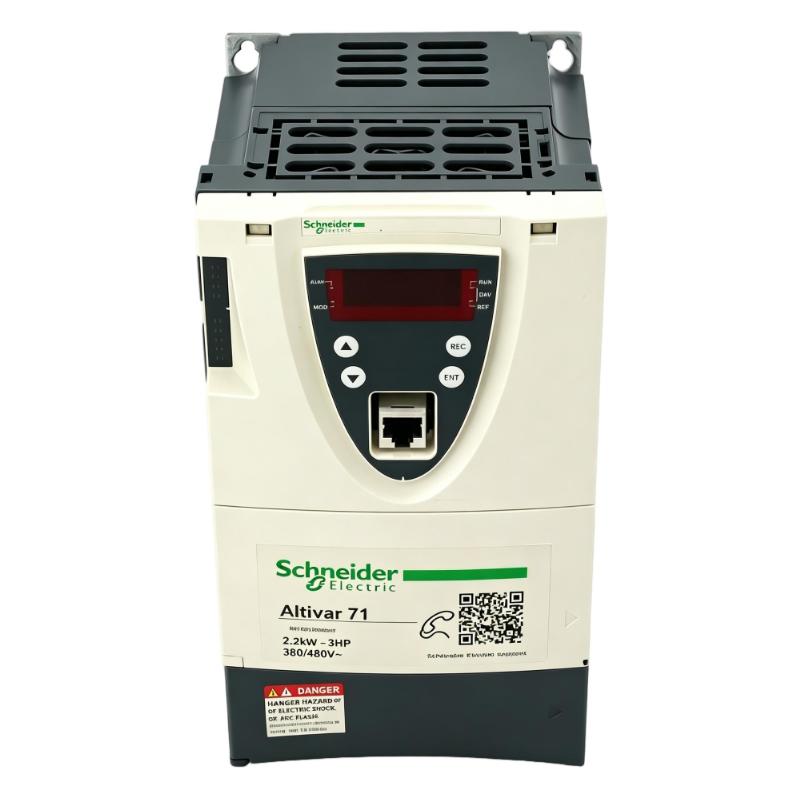
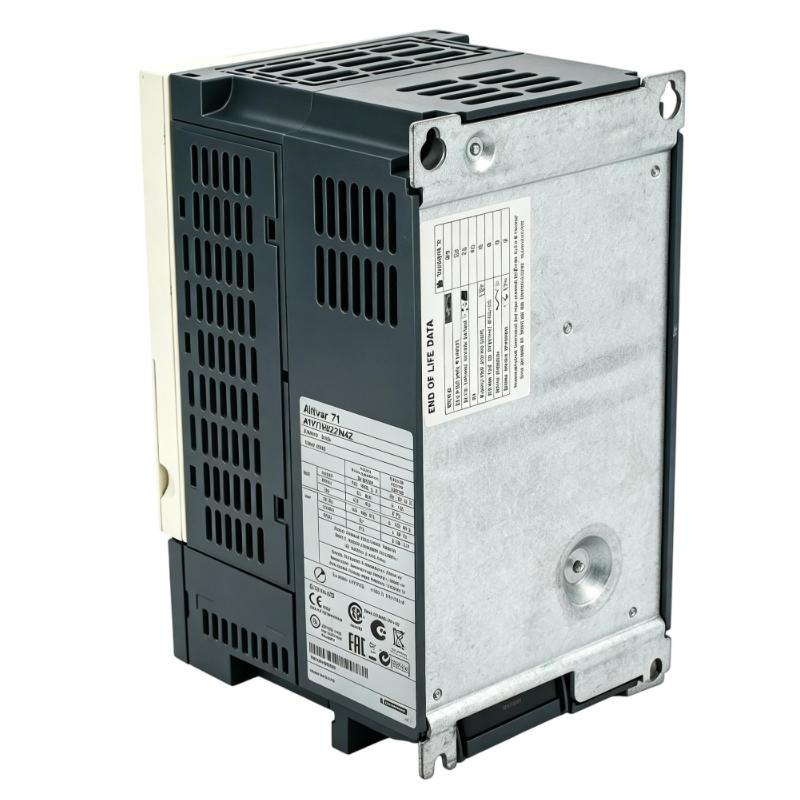
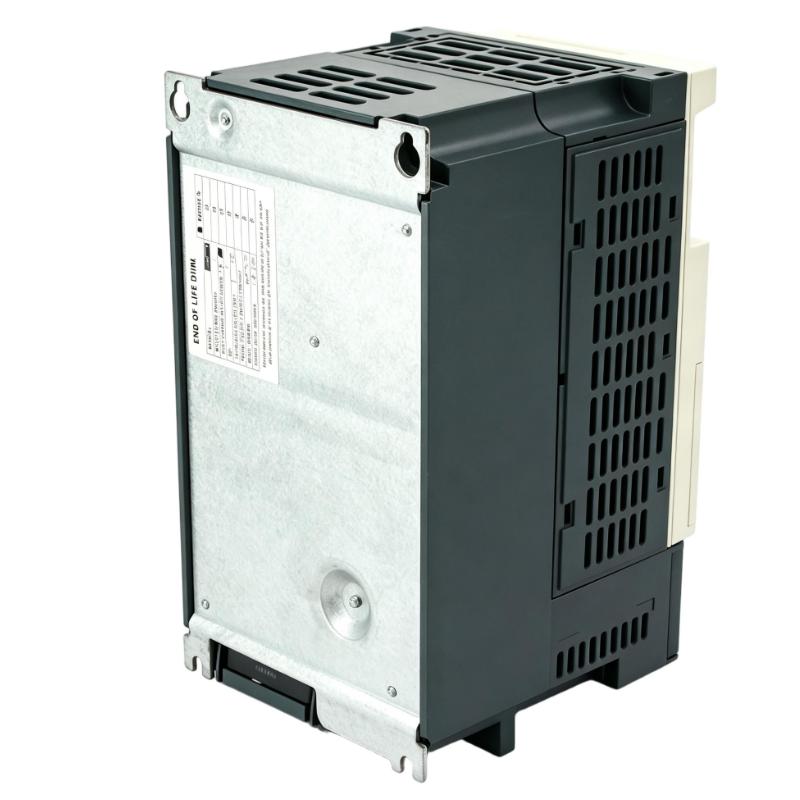
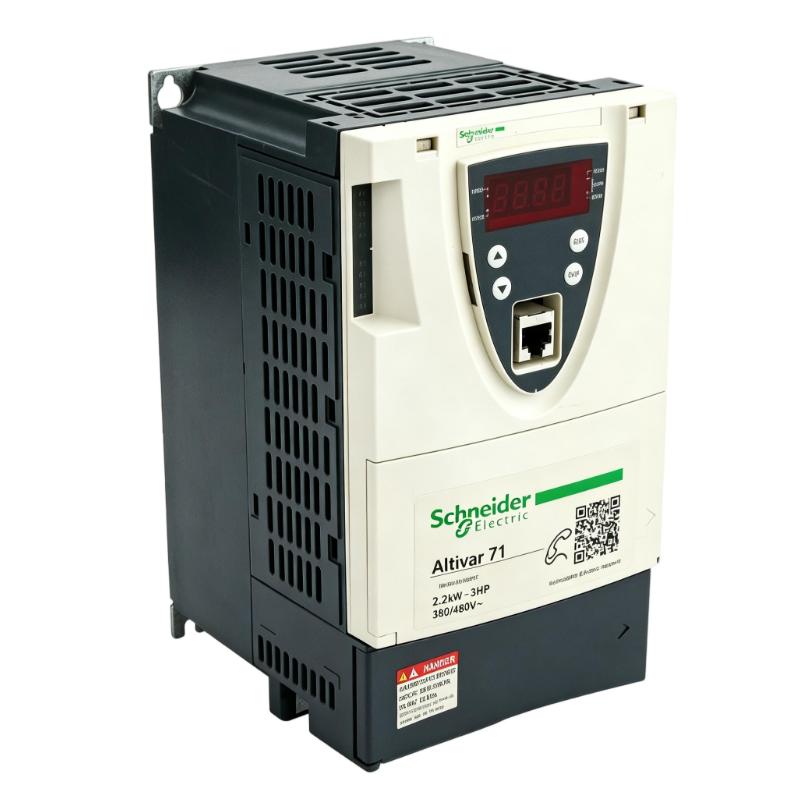
- Schneider
- ATV71HU22N4Z
- Variable Speed Drive
- France
- 230 x 175 x 130 mm
- 3 kg
- Xiamen, China
- New & In Stock
- T/T, PayPal, Western Union
- 1 Year
- 1-3 Working Days
- DHL, UPS, TNT, FedEx and EMS.
- 24-Hour Service
- COO
- 3
Our advantage

Global Logistics
We have a 10-year logistics and express cooperation agreement, so our products can be shipped to any place in the world.

Brand new and original
Our products are imported in bulk from the place of origin. Because of the cooperative relationship, our products are all original and 100% new.

24-hour service
We provide 7*24 hours service to our customers. We will be there whenever you need us.

Price advantage
All our products are priced very favorably because we have our own warehouse and supply.
| Company Information | |||
| [email protected] | |||
| Mobile | +8615980777398 | ||
| +8615980777398 | |||
| 15980777398 |
Product Overview
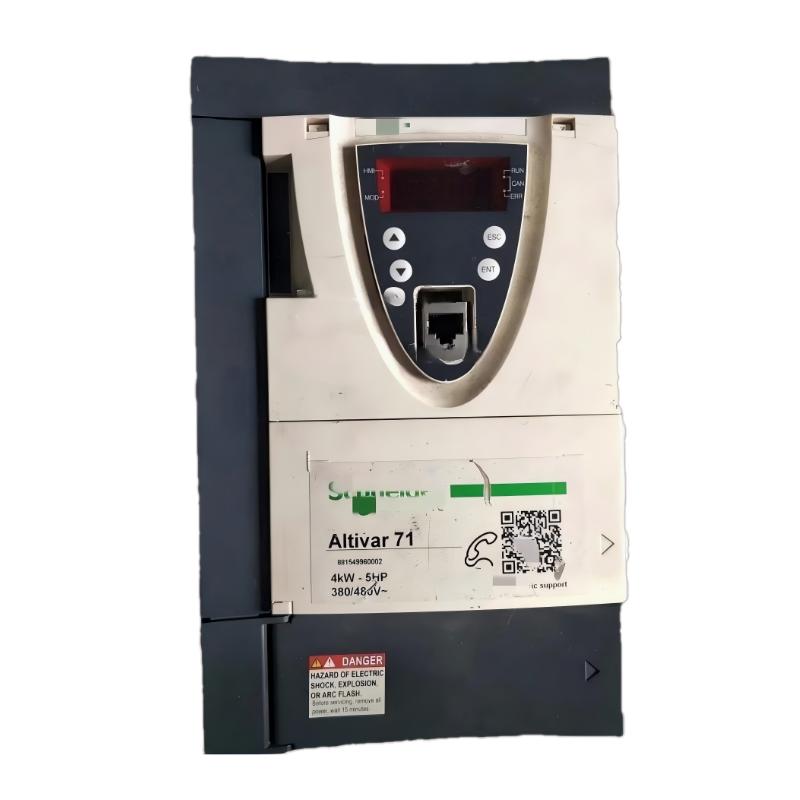
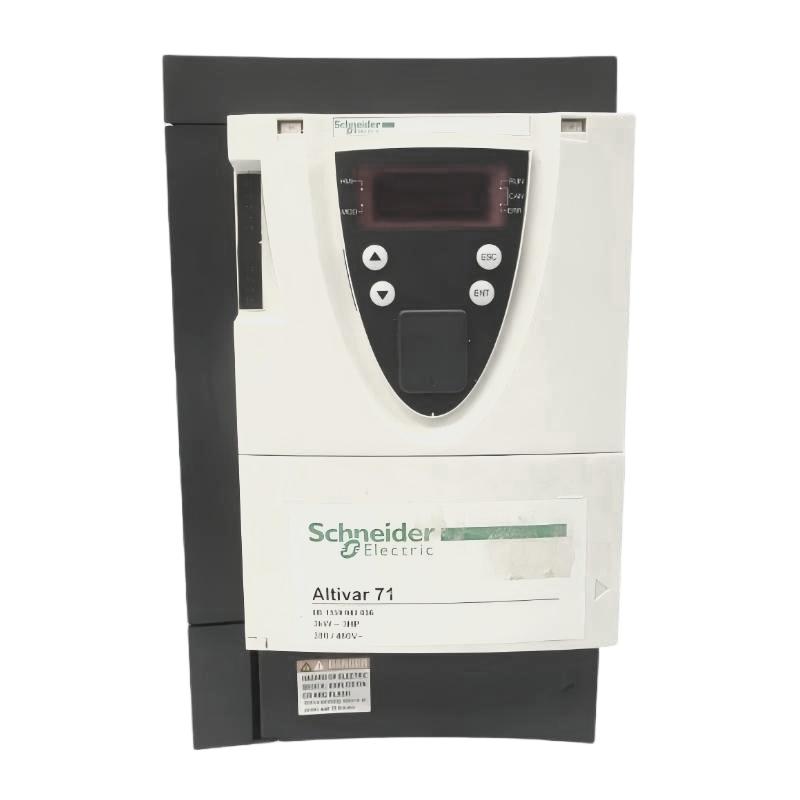
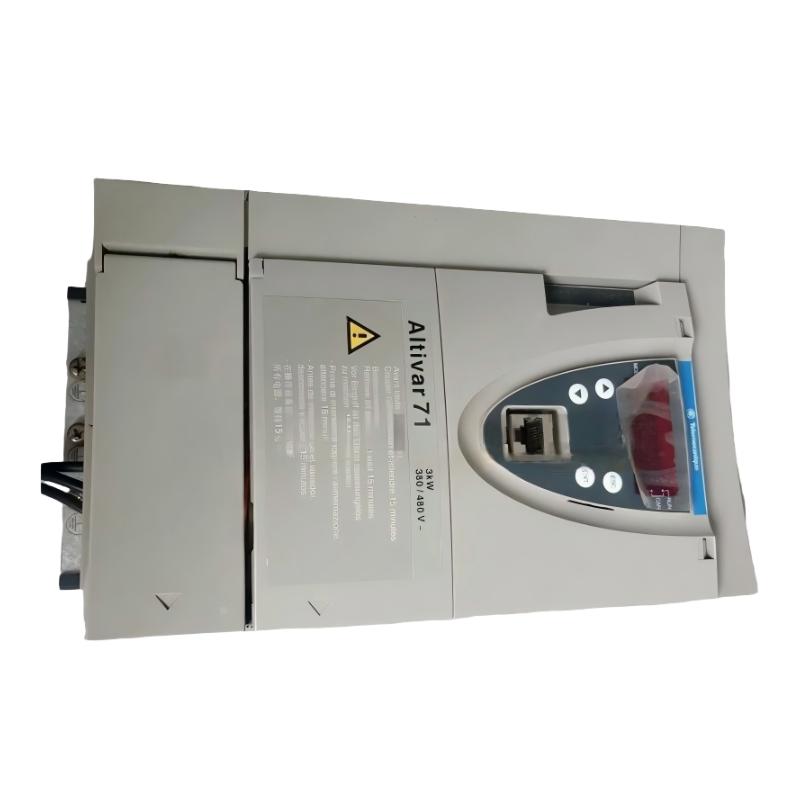
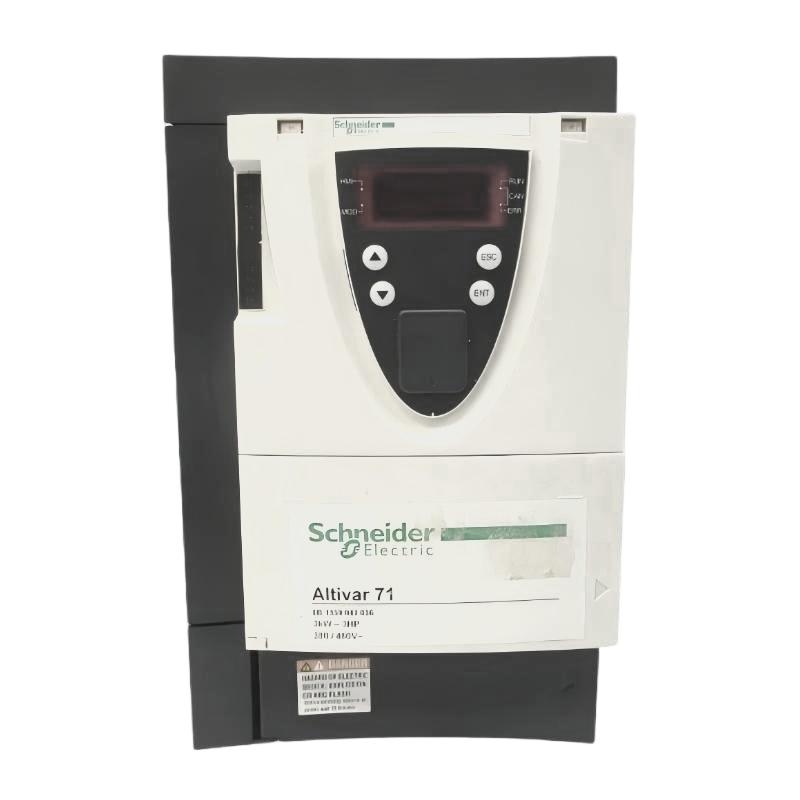
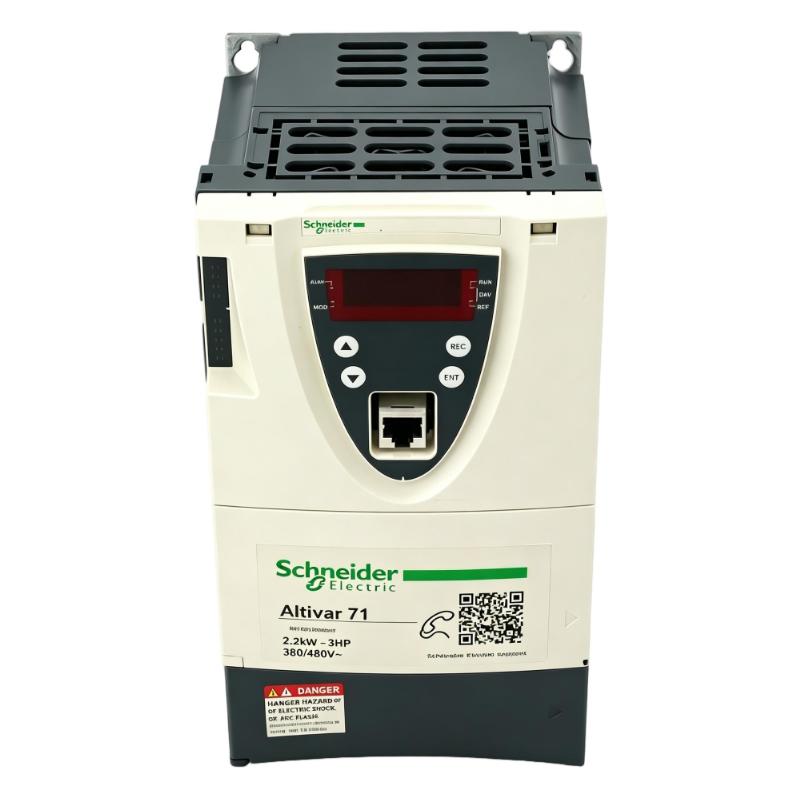
The Schneider ATV71HU22N4Z Variable Speed Drive is an industrial motor control device designed to regulate the speed and operating behavior of compatible three-phase AC motors. As part of Schneider Electric’s Altivar 71 series, the drive is intended for demanding industrial automation applications where controlled motor acceleration, deceleration, speed regulation, torque management, and process coordination are required.
The ATV71 series is associated with variable speed applications in machinery and industrial process equipment. A variable speed drive allows the motor to operate according to the actual requirements of the machine rather than running continuously at a fixed speed. This can improve process control, reduce mechanical stress, and provide greater flexibility during machine operation.
The Schneider ATV71HU22N4Z has a listed physical size of 230 × 175 × 130 mm and a weight of approximately 3 kg. Its compact construction makes it suitable for control cabinets and machine electrical enclosures where efficient use of installation space is important.
The drive can form part of a larger automation system containing PLC controllers, HMIs, sensors, contactors, circuit protection devices, motor protection components, and industrial communication equipment.
Technical Specifications
| Parameter | Specification |
|---|---|
| Manufacturer | Schneider Electric |
| Model | ATV71HU22N4Z |
| Product Series | Altivar 71 |
| Product Type | Variable Speed Drive |
| Drive Function | AC Motor Speed and Torque Control |
| Application | Industrial Motor Control and Automation |
| Dimensions | 230 × 175 × 130 mm |
| Weight | 3 kg |
| Installation | Electrical Control Cabinet / Industrial Machinery |
| Motor Type | Compatible Three-Phase AC Motors |
| Control Role | Variable Speed and Motor Operation Management |
| Typical Systems | Industrial Machinery, Process Equipment, Automated Production Systems |
Electrical ratings, motor current capacity, overload characteristics, control terminals, and other configuration-dependent values should be confirmed from the drive nameplate and the applicable Schneider Electric documentation for the exact hardware version.
What Is the Schneider ATV71HU22N4Z?
The ATV71HU22N4Z is a variable speed drive from Schneider Electric’s Altivar 71 family. Its primary purpose is to control the operation of an AC motor by regulating the electrical output supplied to the motor.
Instead of connecting an AC motor directly to a fixed-frequency power source, a variable speed drive can control motor operation according to the requirements of the application.
A simplified operating chain is:
AC Power Supply → ATV71HU22N4Z → AC Motor → Mechanical Equipment
Control commands may originate from:
PLC / HMI / Sensors → Drive Control Interface → ATV71HU22N4Z → Motor
This architecture allows motor speed and operating conditions to become part of an automated control strategy.
Variable Speed Drive Working Principle
A variable speed drive controls an AC motor by processing the incoming electrical power and generating a controlled output for the motor.
The general operating process includes several stages:
1. Power Input
The drive receives electrical power through the appropriate input circuit. External protection and switching equipment should be selected according to the complete installation design.
2. Power Conversion
The drive’s internal power electronics convert the incoming electrical energy into a controlled motor output.
3. Motor Control
The drive regulates motor operation according to configured parameters and external commands.
Depending on the application and selected control mode, the drive can be used to manage:
- Motor starting
- Motor stopping
- Acceleration
- Deceleration
- Speed regulation
- Torque behavior
- Direction control
- Operating limits
- Fault protection
4. Feedback and Monitoring
The drive can be integrated into an automation system where operating information is monitored by a PLC, HMI, or supervisory control system.
This provides operators and control engineers with greater visibility into motor operation.
Role in Industrial Automation
The ATV71HU22N4Z can act as an important link between the electrical power system and the machine control system.
In a conventional motor installation, the motor may operate primarily through contactors and fixed-speed control. With a variable speed drive, motor operation becomes programmable and can respond dynamically to process requirements.
For example:
Sensor → PLC → ATV71HU22N4Z → Motor → Machine
The PLC can determine the required operating condition while the drive manages the motor according to the received command.
This approach is useful for automated equipment where production speed, process timing, mechanical movement, or energy consumption needs to be controlled.
Industrial Applications
The Schneider ATV71HU22N4Z can be incorporated into a variety of industrial motor-control applications when its electrical rating and control characteristics match the equipment.
Conveyor Systems
Variable speed control can allow conveyor speed to be adjusted according to production requirements.
Material Handling
Automated material handling equipment may use drives to provide controlled acceleration and deceleration, helping reduce mechanical shock.
Fans and Blowers
Variable speed control can allow airflow-related equipment to operate according to changing process requirements.
Pumps
Motor speed can be adjusted to support changing flow requirements in suitable pumping systems.
Packaging Machinery
Packaging equipment often requires controlled motor movement and repeatable operating sequences. A drive can provide an adjustable motor-control interface for these applications.
Manufacturing Machinery
The ATV71 series can be integrated into automated machinery where controlled motor speed and coordinated operation are required.
Process Equipment
Industrial processing equipment may use variable speed drives to regulate mechanical equipment according to production conditions.
PLC and HMI Integration
A variable speed drive becomes more useful when integrated with the machine’s control architecture.
A typical system may include:
| System Component | Typical Function |
|---|---|
| PLC | Executes machine control logic |
| HMI | Provides operator commands and status information |
| ATV71HU22N4Z | Controls motor operation |
| Motor | Converts electrical power into mechanical motion |
| Sensors | Provide process feedback |
| Circuit Protection | Protects the electrical installation |
| Contactors / Switching Devices | Provides required isolation or switching |
| Industrial Network | Transfers control and diagnostic information |
The exact interface configuration depends on the application and installed accessories.
The PLC may provide commands such as:
- Start
- Stop
- Speed reference
- Direction
- Operating mode
- Reset
The HMI can provide operators with access to configured operating parameters, status information, alarms, and diagnostic information.
Installation Guidelines
Correct installation is essential for reliable operation of the ATV71HU22N4Z.
Verify the Drive Model
Before installation, confirm the complete identification:
ATV71HU22N4Z
Check the product label and installation documentation to ensure that the drive is appropriate for the intended motor and power system.
Cabinet Installation
The listed dimensions are:
230 × 175 × 130 mm
The drive should be installed in a suitable electrical enclosure with sufficient space for:
- Drive installation
- Power wiring
- Control wiring
- Ventilation
- Maintenance access
- Cable routing
The actual clearance requirements should follow the applicable installation documentation.
Environmental Conditions
The cabinet should protect the drive from excessive:
- Dust
- Moisture
- Condensation
- Heat
- Vibration
- Chemical contamination
Maintaining an appropriate operating environment helps protect electronic components and improves long-term reliability.
Power and Motor Wiring
The power circuit should be designed according to the drive’s applicable electrical ratings and the requirements of the motor.
A simplified arrangement is:
Incoming Power → Protection / Isolation → ATV71HU22N4Z → Motor
The motor cable should be routed separately from sensitive low-level control wiring where practical.
Proper cable routing can help reduce electromagnetic interference and improve the stability of control signals.
All electrical connections should be completed by qualified personnel with the equipment isolated from hazardous electrical energy.
Commissioning Procedure
A structured commissioning process can reduce startup problems.
Step 1: Confirm Installation
Check that the drive is securely mounted and that ventilation paths are unobstructed.
Step 2: Verify Wiring
Inspect power, motor, control, grounding, and communication wiring.
Step 3: Enter Motor Parameters
The motor nameplate information should be entered into the drive configuration where required.
Typical motor information may include parameters such as rated voltage, rated current, frequency, speed, and power.
Only values applicable to the specific motor should be entered.
Step 4: Configure Control Mode
Select the appropriate control arrangement for the machine.
The control method should match the motor and application requirements.
Step 5: Test the Motor
Perform an initial controlled test to verify:
- Motor rotation
- Acceleration
- Deceleration
- Speed reference
- Stop command
- Fault response
Step 6: Test External Control
If a PLC or HMI is connected, verify communication and command operation.
Step 7: Check Operating Conditions
After startup, monitor the drive and motor for abnormal noise, excessive heating, unexpected vibration, or repeated fault conditions.
Troubleshooting and Fault Diagnosis
Variable speed drive problems should be investigated as part of the complete drive-motor-machine system.
Drive Does Not Start
Possible causes include:
- Missing control command
- Incorrect control configuration
- Motor or drive fault
- Incorrect wiring
- External interlock active
- Emergency stop circuit active
- Incorrect parameter configuration
Check the drive status and control signals before replacing hardware.
Motor Does Not Rotate
If the drive appears operational but the motor does not rotate, inspect:
- Motor connections
- Output circuit
- Run command
- Speed reference
- Motor configuration
- Mechanical blockage
- External interlocks
Unexpected Motor Speed
Unexpected speed may be associated with an incorrect speed reference, parameter configuration, analog command, communication command, or PLC logic.
The commanded reference should be compared with the actual drive operating value.
Overheating
Excessive temperature may result from:
- Insufficient ventilation
- High ambient temperature
- Excessive motor load
- Blocked cooling airflow
- Incorrect cabinet design
- High operating duty
The complete thermal environment should be evaluated before replacing the drive.
Communication Problems
If the drive is integrated with a PLC or supervisory system, communication faults may result from:
- Incorrect network configuration
- Wiring problems
- Incorrect addressing
- Configuration mismatch
- Faulty communication hardware
- PLC configuration errors
Troubleshooting should begin by determining whether the problem is located in the drive, communication network, controller, or configuration.
Preventive Maintenance
Although variable speed drives generally require limited routine maintenance, regular inspection can reduce unexpected downtime.
Inspect Cooling Paths
Keep ventilation openings and cooling areas free from excessive dust and contamination.
Check Electrical Connections
Loose connections can generate heat and electrical instability. Connections should be inspected according to the maintenance schedule.
Inspect Motor Cables
Check motor cables for:
- Mechanical damage
- Insulation deterioration
- Loose connections
- Excessive bending
- Signs of overheating
Review Fault History
Repeated faults may indicate an underlying problem rather than an isolated drive event.
Fault history should therefore be reviewed as part of preventive maintenance.
Monitor Motor Behavior
Changes in motor noise, vibration, temperature, or acceleration characteristics can provide early indications of mechanical or electrical problems.
Replacement Considerations
When replacing a Schneider ATV71 drive, the complete model number should be checked carefully.
For the ATV71HU22N4Z, verify:
- Full model designation
- Electrical supply requirements
- Motor rating
- Motor current
- Control configuration
- Installed accessories
- Communication requirements
- Cabinet dimensions
- Wiring arrangement
- Parameter settings
The physical dimensions of the supplied model are:
230 × 175 × 130 mm
The listed weight is:
3 kg
A drive with similar dimensions should not automatically be considered a direct replacement. Electrical ratings, control functions, accessories, firmware compatibility, and application requirements must also be considered.
Physical Dimensions and Handling
The compact dimensions of the ATV71HU22N4Z are useful when planning electrical cabinet layouts.
Dimensions: 230 × 175 × 130 mm
Weight: 3 kg
When handling the drive during installation or replacement, avoid unnecessary mechanical impact and protect connectors, terminals, and electronic components from damage.
The cabinet mounting arrangement should provide sufficient mechanical support for the approximately 3 kg unit.
Compatible Automation Equipment
Depending on the installation, the ATV71HU22N4Z can form part of an automation architecture containing:
- Schneider Electric PLCs
- Industrial HMIs
- Motor control equipment
- Sensors
- Contactors
- Circuit breakers
- Overcurrent protection
- Safety circuits
- Industrial communication networks
- AC motors
- Machine control panels
- Supervisory monitoring systems
Compatibility should always be confirmed according to the exact drive configuration and application requirements.
Recommended Related Schneider Altivar Models
| Model | Product Family | General Application |
|---|---|---|
| ATV71 Series | Altivar 71 | Industrial variable speed motor control |
| ATV61 Series | Altivar 61 | Variable speed applications |
| ATV630 Series | Altivar Process | Process and utility applications |
| ATV650 Series | Altivar Process | Industrial process motor control |
| ATV930 Series | Altivar Process | Advanced industrial motor control |
These models belong to Schneider Electric variable speed drive families, but they should not be treated as direct replacements without checking electrical specifications and system compatibility.
Key Advantages
Controlled Motor Operation
The ATV71HU22N4Z provides a flexible method of controlling compatible AC motors.
Improved Process Flexibility
Adjustable motor operation allows machine processes to respond to changing production requirements.
Controlled Acceleration and Deceleration
Drive-based motor control can reduce abrupt starting and stopping behavior compared with simple fixed-speed switching.
Industrial Automation Integration
The drive can be incorporated into PLC, HMI, sensor, and machine-control architectures.
Compact Physical Design
With listed dimensions of 230 × 175 × 130 mm, the drive can be incorporated into appropriately designed control cabinets.
Manageable Installation Weight
At approximately 3 kg, the unit can be handled and installed as part of conventional industrial control-panel construction.
Technical FAQs
What is the Schneider ATV71HU22N4Z?
The Schneider ATV71HU22N4Z is a variable speed drive from the Altivar 71 family designed for controlled operation of compatible AC motors in industrial applications.
What is the main function of the ATV71HU22N4Z?
Its primary function is to regulate motor operation, including controlled starting, stopping, speed adjustment, and other drive-related operating functions.
What are the dimensions of the ATV71HU22N4Z?
The listed dimensions are 230 × 175 × 130 mm.
How much does the ATV71HU22N4Z weigh?
The listed weight is 3 kg.
Can the ATV71HU22N4Z be used with a PLC?
Yes, a variable speed drive such as the ATV71HU22N4Z can be incorporated into a PLC-based automation system when the required control interface and configuration are supported.
Can the drive control motor speed?
Yes. Variable speed control is the fundamental purpose of the drive, allowing compatible motor operation to be adjusted according to application requirements.
What should be checked before replacing an ATV71HU22N4Z?
The complete model number, motor requirements, electrical supply, control configuration, installed accessories, wiring, and automation-system requirements should all be checked before replacement.
Why is proper cabinet ventilation important?
Variable speed drives generate heat during operation. Appropriate cabinet ventilation and thermal management help maintain suitable operating conditions for the electronic components.
What can cause a motor-control fault?
Potential causes include incorrect parameters, wiring problems, motor problems, mechanical loading, external interlocks, control-command issues, or drive faults. Diagnosis should consider the complete motor-control system.
Conclusion
The Schneider ATV71HU22N4Z Variable Speed Drive is an industrial motor-control component designed to provide adjustable and controlled operation of compatible AC motors. As part of the Altivar 71 family, it can be integrated into automated machinery, process equipment, material-handling systems, conveyors, pumps, fans, packaging equipment, and other industrial applications where variable motor operation is required.
With listed dimensions of 230 × 175 × 130 mm and a weight of 3 kg, the ATV71HU22N4Z offers a compact form factor for suitable control-cabinet installations. Its integration with PLCs, HMIs, sensors, and other automation components can help create a coordinated motor-control architecture.
For installation or replacement, the complete ATV71HU22N4Z model designation should be verified together with the motor nameplate, electrical requirements, control configuration, accessories, and application conditions. Proper wiring, commissioning, thermal management, and preventive maintenance are essential for reliable long-term operation.