

ProductPRODUCT
Featured products
Contact Us
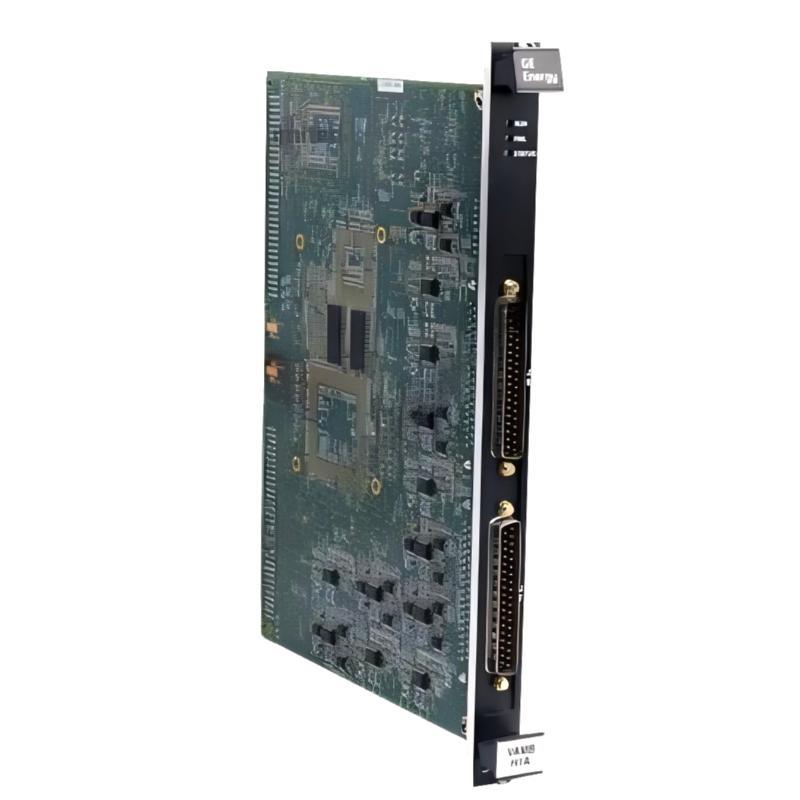
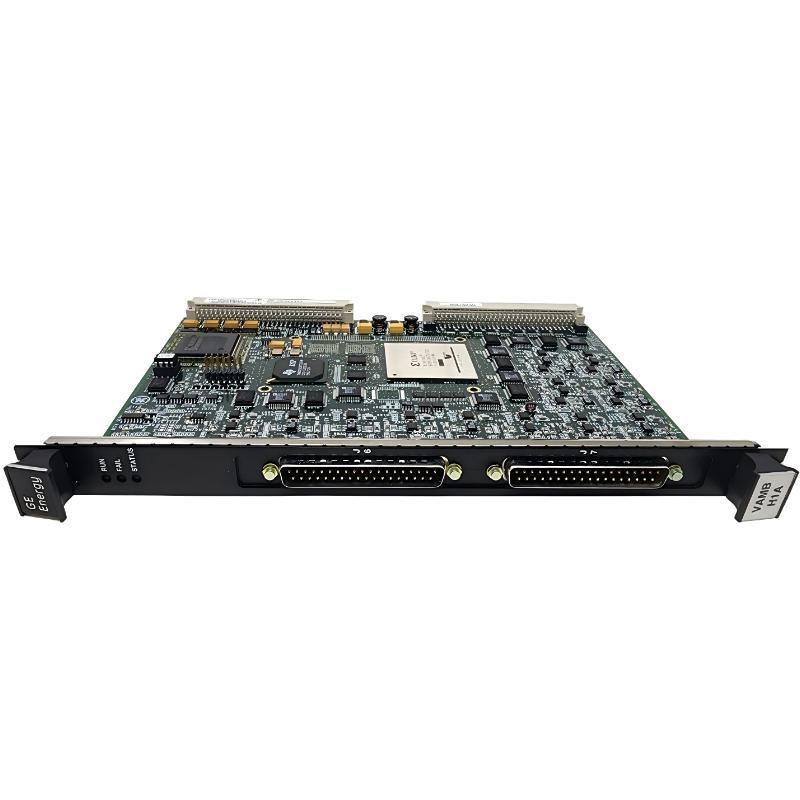
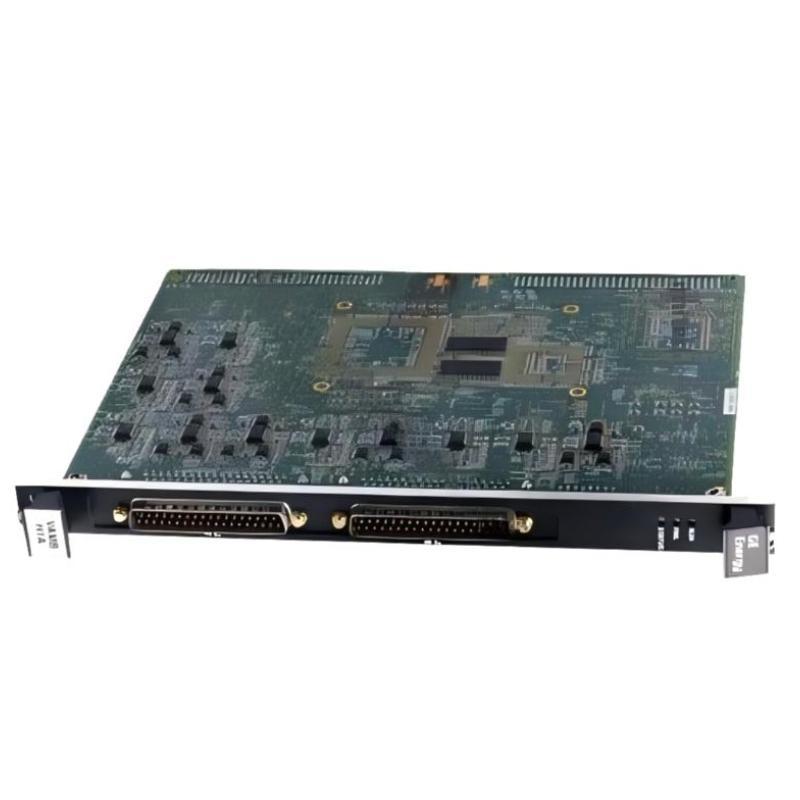
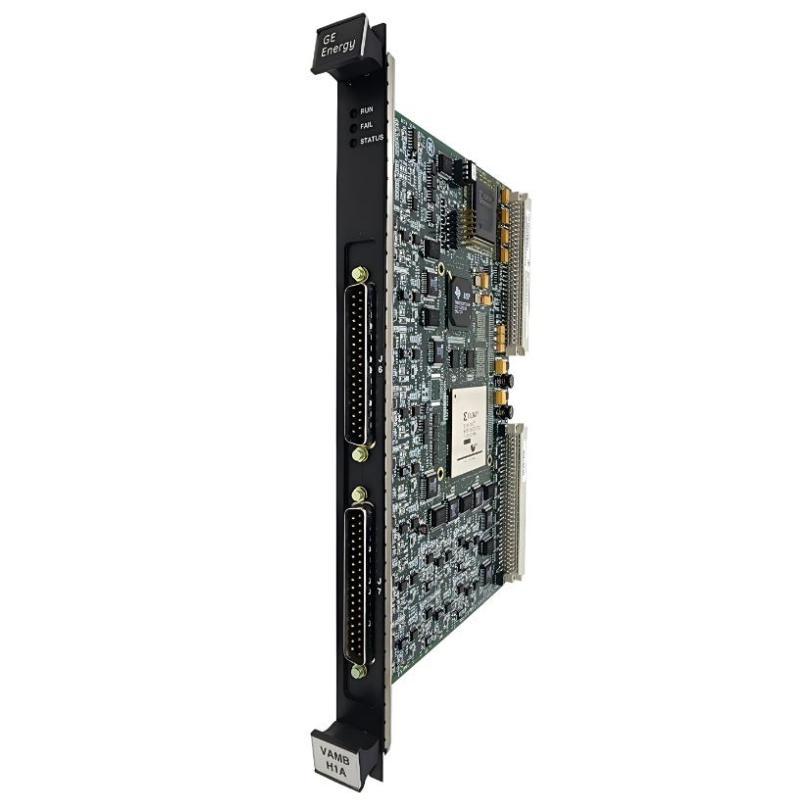
- GE
- IS215VAMBH1A
- Acoustic Monitoring Card Module
- USA
- 178 x 20 x 159 mm
- 0.45 kg
- Xiamen, China
- New & In Stock
- T/T, PayPal, Western Union
- 1 Year
- 1-3 Working Days
- DHL, UPS, TNT, FedEx and EMS.
- 24-Hour Service
- COO
- 3
Our advantage

Global Logistics
We have a 10-year logistics and express cooperation agreement, so our products can be shipped to any place in the world.

Brand new and original
Our products are imported in bulk from the place of origin. Because of the cooperative relationship, our products are all original and 100% new.

24-hour service
We provide 7*24 hours service to our customers. We will be there whenever you need us.

Price advantage
All our products are priced very favorably because we have our own warehouse and supply.
| Company Information | |||
| [email protected] | |||
| Mobile | +8615980777398 | ||
| +8615980777398 | |||
| 15980777398 |
Product Overview
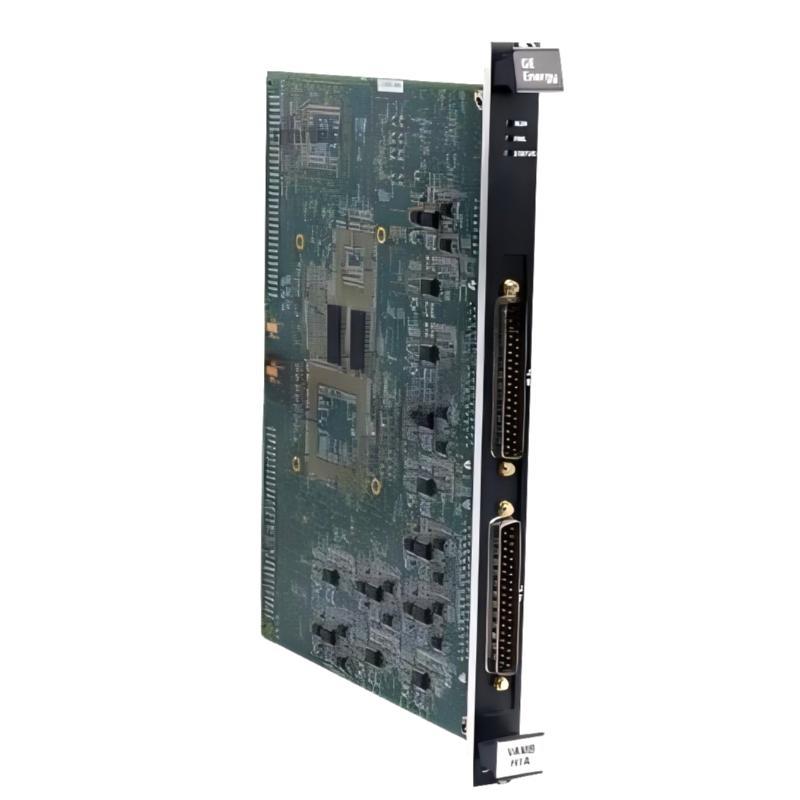
The GE IS215VAMBH1A Acoustic Monitoring Card Module is a specialized monitoring and signal-processing assembly designed for use within compatible GE industrial control and monitoring architectures. The module is intended for applications where acoustic or vibration-related information can provide useful insight into the operating condition of industrial equipment.
Acoustic monitoring is commonly used as part of condition-monitoring strategies for rotating machinery and other equipment that generates characteristic sound or high-frequency mechanical signals during operation. Changes in acoustic behavior can sometimes indicate developing mechanical abnormalities, operating-state changes, or other conditions that require further investigation.
The GE IS215VAMBH1A provides a dedicated hardware platform for incorporating acoustic monitoring into an industrial control environment. Rather than operating as an independent measurement instrument, the card is intended to function as part of a larger system containing sensors, signal-processing hardware, controllers, communication interfaces, and supervisory equipment.
The module has listed dimensions of 178 × 20 × 159 mm and a weight of approximately 0.45 kg. Its compact card format allows it to be integrated into compatible GE control-system hardware where space and modular installation are important considerations.
The exact sensor interfaces, signal characteristics, processing functions, communication features, and supported monitoring parameters depend on the host system and applicable hardware revision and should be confirmed before installation.
Technical Specifications
| Parameter | Specification |
|---|---|
| Manufacturer | General Electric (GE) |
| Model | IS215VAMBH1A |
| Product Type | Acoustic Monitoring Card Module |
| Product Family | GE IS215 Series |
| Primary Function | Acoustic signal monitoring and processing |
| Monitoring Type | Acoustic / condition monitoring |
| Application | Industrial Equipment Monitoring |
| Dimensions | 178 × 20 × 159 mm |
| Weight | 0.45 kg |
| Installation | Compatible GE industrial control equipment |
| System Role | Monitoring / Signal Processing |
| Typical Application | Machinery Condition Monitoring and Industrial Diagnostics |
Exact input specifications, sensor compatibility, signal ranges, sampling characteristics, communication interfaces, and electrical parameters should be verified against the applicable GE system configuration and hardware documentation.
What Is the GE IS215VAMBH1A?
The GE IS215VAMBH1A is an Acoustic Monitoring Card Module designed to support acoustic-related monitoring functions within compatible GE industrial control systems.
Industrial machinery can produce acoustic signatures that change when operating conditions change. A monitoring system can collect these signals and analyze them to help identify unusual behavior.
A simplified acoustic monitoring chain can be represented as:
Industrial Equipment → Acoustic Sensor → IS215VAMBH1A → Signal Processing → Controller / Monitoring System → Operator
The actual architecture can vary according to the application and associated GE control hardware.
The module’s purpose is therefore not simply to measure sound in an environmental sense. In industrial applications, acoustic information can be treated as a diagnostic signal that provides additional information about machinery operation.
Acoustic Monitoring Principle
Acoustic monitoring uses sound or high-frequency mechanical signals produced by equipment to identify changes in operating behavior.
Machines such as turbines, compressors, pumps, motors, generators, valves, and rotating assemblies can generate characteristic acoustic patterns.
When equipment conditions change, the acoustic signature may also change.
Possible causes include:
- Mechanical wear
- Friction
- Looseness
- Abnormal contact
- Flow-related changes
- Leakage
- Bearing-related conditions
- Changes in rotating machinery behavior
- Other abnormal operating conditions
Acoustic monitoring does not necessarily identify a specific failure by itself. Instead, it provides additional condition information that can be evaluated together with other measurements such as vibration, temperature, pressure, speed, and process variables.
Function and Working Principle
Acoustic Signal Acquisition
An acoustic monitoring system begins with a suitable sensor positioned to detect relevant sound or high-frequency mechanical signals.
The sensor transfers the detected signal toward the monitoring electronics.
The IS215VAMBH1A forms part of this measurement chain within a compatible GE control architecture.
Signal Conditioning
Raw acoustic signals may contain useful information together with background noise and unwanted disturbances.
The monitoring electronics can therefore require appropriate signal conditioning before the information is used by the control system.
Depending on the specific implementation, signal-conditioning processes can include filtering, amplification, isolation, or signal conversion.
The exact functions available from the IS215VAMBH1A should be verified against the applicable system configuration.
Signal Processing
Once the acoustic signal has been acquired and conditioned, the monitoring system can process the information to identify changes in signal characteristics.
Depending on the application, useful parameters may include:
- Signal amplitude
- Frequency characteristics
- Signal trends
- Changes from established operating patterns
- Abnormal acoustic events
The actual parameters and processing methods depend on the monitoring application.
Diagnostic Information
Processed acoustic information can contribute to a broader equipment-condition assessment.
For example, an abnormal acoustic trend may prompt maintenance personnel to investigate a machine more closely using additional diagnostic methods.
Role in Industrial Condition Monitoring
The IS215VAMBH1A can form part of a multi-parameter condition-monitoring system.
Modern industrial monitoring rarely depends on a single measurement.
A broader architecture may combine:
- Acoustic signals
- Vibration
- Temperature
- Pressure
- Speed
- Electrical measurements
- Process variables
- Equipment status
The acoustic monitoring card provides one additional information channel that can complement these measurements.
A simplified monitoring architecture is:
Sensors → Monitoring Cards → Controller → Diagnostic Logic → Alarm / Operator Interface
This approach can help maintenance teams identify changes in equipment behavior before they develop into more significant operational problems.
Industrial Applications
Turbine Monitoring
Turbines contain high-speed rotating components and complex mechanical systems. Acoustic monitoring can provide additional information about operating behavior when integrated with a suitable condition-monitoring architecture.
Compressor Monitoring
Compressors can produce characteristic acoustic signatures associated with their mechanical and process operating conditions.
Changes in acoustic behavior can be investigated together with pressure, temperature, vibration, and other available measurements.
Pump Systems
Pumps can develop mechanical or flow-related abnormalities that may alter their acoustic characteristics.
Acoustic information can therefore complement conventional pump monitoring.
Generator and Motor Equipment
Rotating electrical machinery can generate characteristic sound and mechanical signals.
Acoustic monitoring may be used as an additional condition indicator alongside vibration and electrical measurements.
Industrial Process Equipment
Valves, piping, rotating assemblies, and other process equipment can generate acoustic signals associated with operating conditions.
Monitoring these signals can contribute to broader equipment diagnostics.
Predictive Maintenance
Acoustic trends can be incorporated into predictive-maintenance programs where equipment behavior is monitored continuously over time.
Acoustic Monitoring Compared With Conventional Vibration Monitoring
Acoustic monitoring and vibration monitoring are related but provide different types of information.
| Monitoring Method | Typical Information |
|---|---|
| Acoustic Monitoring | Sound and high-frequency mechanical behavior |
| Vibration Monitoring | Mechanical vibration and dynamic behavior |
| Temperature Monitoring | Thermal condition |
| Pressure Monitoring | Process and mechanical pressure |
| Electrical Monitoring | Motor and electrical operating condition |
| Process Monitoring | Overall process performance |
Combining multiple measurement types can provide a more complete view of equipment condition.
The IS215VAMBH1A should therefore be considered as part of a broader monitoring strategy rather than a replacement for every other diagnostic measurement.
System Integration
The IS215VAMBH1A can be integrated into a larger GE industrial monitoring and control architecture.
Acoustic Sensors
The acoustic sensor detects the relevant sound or mechanical signal from the monitored equipment.
Monitoring Card
The IS215VAMBH1A provides the associated acoustic monitoring interface and processing role within the compatible system.
Controller
The controller can process monitoring information and coordinate alarms or other system responses according to the configured application.
Communication Hardware
Communication interfaces can transfer monitoring information to other system components where supported.
Operator Interface
An HMI or supervisory system can present monitoring information, trends, alarms, and diagnostic status.
Maintenance System
Condition-monitoring information can also contribute to maintenance planning and equipment diagnostics.
Installation Guidelines
Proper installation is important because acoustic measurements can be sensitive to sensor position, mechanical coupling, electrical noise, and environmental conditions.
Verify the Module
Before installation, confirm:
- IS215VAMBH1A model number
- Revision designation
- Board markings
- Connector configuration
- Host-system compatibility
- Installation position
Inspect the Module
Check the card for:
- Physical damage
- Connector damage
- Contamination
- Corrosion
- Signs of overheating
- Mechanical deformation
Verify Sensor Installation
The acoustic sensor should be installed according to the requirements of the monitoring application.
Sensor placement can significantly influence the quality and usefulness of acoustic measurements.
Check Cable Routing
Sensor cables should be routed appropriately and protected from unnecessary electrical interference, mechanical damage, and excessive bending.
Observe ESD Precautions
Appropriate ESD protection should be used when handling the electronic module.
Commissioning Procedure
After installation, the acoustic monitoring system should be commissioned systematically.
Step 1: Verify Mechanical Installation
Confirm that the module is correctly installed and secured.
Step 2: Check Sensor Connections
Verify sensor wiring, connectors, and cable routing.
Step 3: Confirm System Power
Check the associated control-system power arrangement.
Step 4: Verify Module Recognition
Confirm that the control system recognizes the installed monitoring module.
Step 5: Check Signal Acquisition
Verify that the acoustic sensor produces an appropriate signal.
Step 6: Establish a Normal Operating Baseline
Where applicable, record acoustic behavior under known normal equipment operating conditions.
Step 7: Check Diagnostics
Review system diagnostics for communication, configuration, or hardware faults.
Step 8: Test Monitoring Functions
Verify that monitoring information reaches the appropriate controller or operator interface.
Troubleshooting the GE IS215VAMBH1A
Acoustic monitoring faults should be investigated as a complete sensor-to-controller system.
No Acoustic Signal
Possible causes include:
- Sensor connection problems
- Damaged sensor cable
- Incorrect installation
- Module connection problems
- Power issues
- Sensor failure
- Module hardware problems
The sensor and wiring should be checked before replacing the monitoring card.
Excessive Signal Noise
A noisy acoustic signal may be caused by:
- Electrical interference
- Poor cable routing
- Mechanical vibration
- Unsuitable sensor installation
- Environmental noise
- Loose connections
- Signal-conditioning problems
The physical installation should be reviewed before concluding that the card is defective.
Unstable Monitoring Values
Unstable results can result from:
- Changing equipment operating conditions
- Sensor movement
- Mechanical vibration
- Electrical interference
- Loose connections
- Sensor degradation
- Monitoring configuration
Trend analysis can help distinguish equipment-related changes from measurement-system problems.
No Communication With Controller
If the monitoring card is not communicating with the associated control system, inspect:
- Board seating
- Connectors
- Backplane
- Communication path
- System configuration
- Controller status
- Associated hardware
Preventive Maintenance
Inspect Acoustic Sensors
Sensor condition should be checked periodically for physical damage, contamination, looseness, or degradation.
Inspect Sensor Cables
Check cables for cuts, excessive bending, connector damage, and mechanical wear.
Check Module Connections
Ensure that the monitoring card remains correctly seated and that connectors remain secure.
Monitor Long-Term Trends
Trend monitoring is particularly valuable for acoustic applications because gradual changes may provide useful information about equipment condition.
Maintain Environmental Conditions
Keep the control cabinet clean, dry, and appropriately ventilated.
Compare With Other Measurements
Acoustic information should be evaluated together with other available measurements whenever possible.
Replacement Considerations
When replacing the GE IS215VAMBH1A Acoustic Monitoring Card Module, technicians should verify the complete hardware identification.
Important information includes:
- Full model number
- Revision designation
- Board markings
- Connector arrangement
- Sensor interface
- Host-system compatibility
- Existing installation location
- Associated controller configuration
The listed physical dimensions are:
178 × 20 × 159 mm
The listed weight is:
0.45 kg
These values can assist with spare-parts inventory, packaging, transportation, and installation planning.
Physical dimensions alone, however, should not be used to establish functional compatibility.
Physical Dimensions and Handling
The IS215VAMBH1A has listed dimensions of 178 × 20 × 159 mm and a weight of approximately 0.45 kg.
Its compact card format makes it suitable for integration into compatible modular industrial control equipment.
During handling, technicians should avoid touching sensitive electronic components unnecessarily and should not apply excessive force to connectors.
The module should be protected against electrostatic discharge, moisture, dust, mechanical shock, and unsuitable storage conditions when kept as a spare.
Compatible System Components
The IS215VAMBH1A may operate as part of a broader industrial condition-monitoring architecture.
| System Component | Typical Function |
|---|---|
| IS215VAMBH1A | Acoustic monitoring and signal processing |
| Acoustic Sensor | Detects acoustic or high-frequency mechanical signals |
| Sensor Cable | Transfers measurement signals |
| GE Controller | Monitoring logic and system processing |
| I/O / Interface Hardware | System signal interfacing |
| Communication Hardware | Data exchange |
| HMI / Operator Station | Monitoring and alarm display |
| Engineering Workstation | Configuration and diagnostics |
| Maintenance System | Condition assessment and maintenance planning |
The exact combination of components depends on the host GE system and monitoring application.
Engineering Best Practices
Establish a Normal Baseline
Acoustic monitoring becomes more useful when normal operating behavior has been documented under known equipment conditions.
Use Consistent Sensor Installation
Changes in sensor location or mounting can affect measured signals. Consistent installation improves trend comparison.
Separate Electrical Noise From Mechanical Signals
Sensor cables should be routed appropriately to reduce unwanted electrical interference.
Compare Multiple Measurements
Acoustic information should be evaluated alongside vibration, temperature, pressure, speed, and other available measurements.
Investigate Trends Rather Than Single Events
A single unusual acoustic signal does not necessarily indicate a component failure. Long-term trends and operating context provide additional diagnostic information.
Verify the Exact Replacement
Always confirm the complete IS215VAMBH1A identification and system compatibility before replacement.
Recommended Related GE Models
| GE Model | Product Type | General Role |
|---|---|---|
| IS215UCVEM01A | UCVE Controller Module | Controller and system processing |
| IS215UCVEM10A | UCVE Controller Module | Controller and processing |
| IS215UCVGH1AC | VME Controller Single-Slot Board | Control-system processing |
| IS215UCVFH2A | Dual-Slot Controller Board | Industrial control processing |
| IS215REBFH1B | I/O Expansion Board | I/O expansion and interfacing |
| IS215PMVPH1A | I/O Module | Industrial signal interface |
| IS215UCCAM03 | Compact PCI Processor Board | Controller and processing |
These are related GE industrial control assemblies and should not be considered direct replacements for the IS215VAMBH1A without verifying the complete system architecture, hardware revision, interfaces, and application requirements.
Key Advantages
Dedicated Acoustic Monitoring
The IS215VAMBH1A provides a dedicated hardware platform for incorporating acoustic information into compatible industrial monitoring systems.
Condition-Monitoring Support
Acoustic data can contribute to machinery condition assessment and predictive-maintenance strategies.
Compact Card Format
With listed dimensions of 178 × 20 × 159 mm, the module provides a compact format for compatible control-system installations.
Complementary Diagnostic Information
Acoustic measurements can supplement conventional vibration, temperature, pressure, and electrical measurements.
Industrial System Integration
The module can operate as part of a larger architecture containing sensors, controllers, communication hardware, and operator interfaces.
Technical FAQs
What is the GE IS215VAMBH1A?
The GE IS215VAMBH1A is an Acoustic Monitoring Card Module designed for use within compatible GE industrial monitoring and control architectures.
What does the IS215VAMBH1A monitor?
It is associated with acoustic monitoring, allowing acoustic or related high-frequency mechanical signals to be incorporated into an industrial equipment monitoring system.
What are the dimensions of the IS215VAMBH1A?
The listed dimensions are 178 × 20 × 159 mm.
How much does the IS215VAMBH1A weigh?
The listed weight is approximately 0.45 kg.
Why is acoustic monitoring useful for industrial equipment?
Changes in acoustic behavior can provide additional information about machinery operating conditions and may help identify abnormal behavior when evaluated together with other diagnostic measurements.
Is acoustic monitoring the same as vibration monitoring?
No. Acoustic monitoring analyzes sound or acoustic-related signals, while vibration monitoring evaluates mechanical vibration. The two methods can complement each other.
What can cause an incorrect acoustic measurement?
Possible causes include sensor installation problems, damaged cables, electrical interference, mechanical noise, environmental conditions, loose connections, or problems within the monitoring electronics.
Can another GE monitoring card replace the IS215VAMBH1A?
A different GE card should not be assumed to be interchangeable. The complete part number, revision, sensor interface, host-system configuration, and application requirements should be verified.
What should be checked after replacing the module?
Verify module installation, sensor connections, signal acquisition, controller communication, system diagnostics, and normal operating baseline information before returning the monitoring system to normal service.
Conclusion
The GE IS215VAMBH1A Acoustic Monitoring Card Module is a specialized industrial monitoring assembly designed to incorporate acoustic information into compatible GE control and condition-monitoring architectures. By providing an interface for acoustic-related measurement and processing, the module can complement other diagnostic technologies used to assess the condition of industrial machinery.
With listed dimensions of 178 × 20 × 159 mm and a weight of 0.45 kg, the IS215VAMBH1A provides a compact card format suitable for compatible industrial control installations.
Reliable acoustic monitoring depends on more than the electronic card itself. Sensor selection, mounting position, cable routing, environmental conditions, signal quality, system configuration, and comparison with other equipment measurements all influence the usefulness of the monitoring data.
For industrial maintenance and condition-monitoring applications, accurate identification of the GE IS215VAMBH1A, proper sensor integration, systematic commissioning, and long-term trend analysis can help create a more reliable monitoring architecture for compatible GE industrial control systems.