

ProductPRODUCT
Featured products
Contact Us
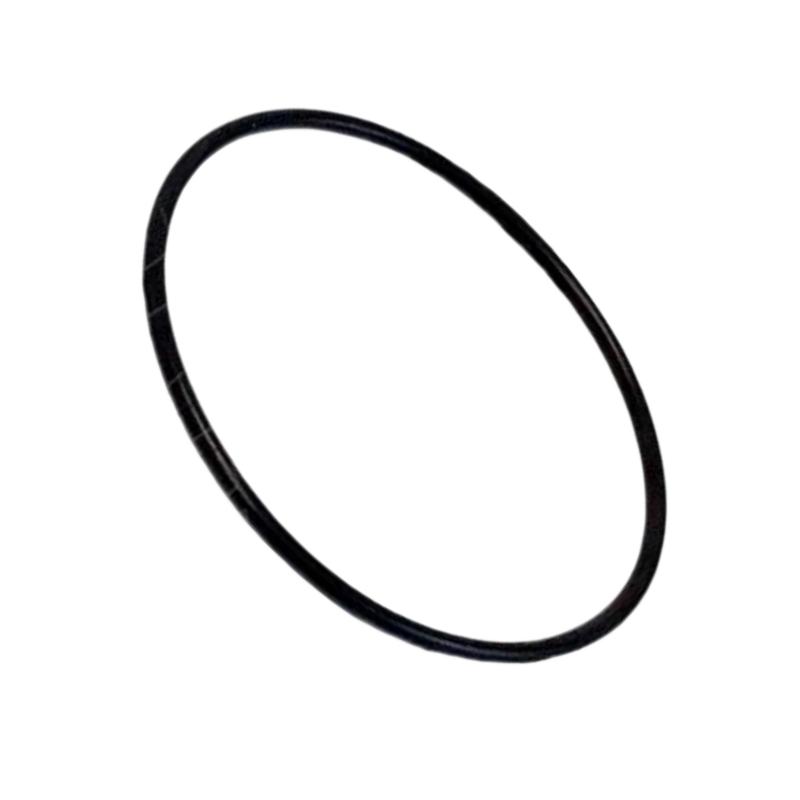
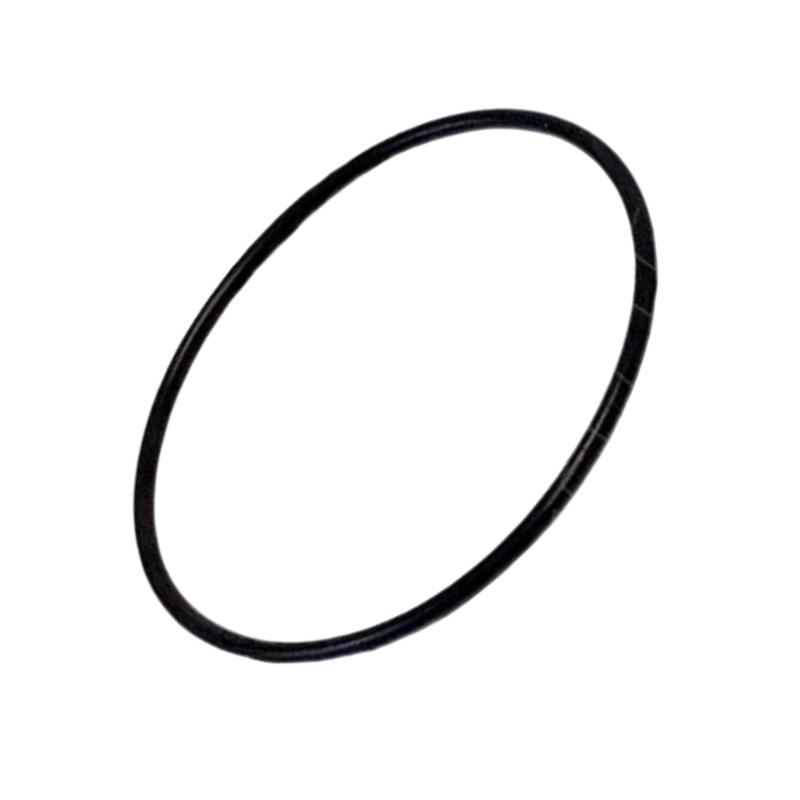
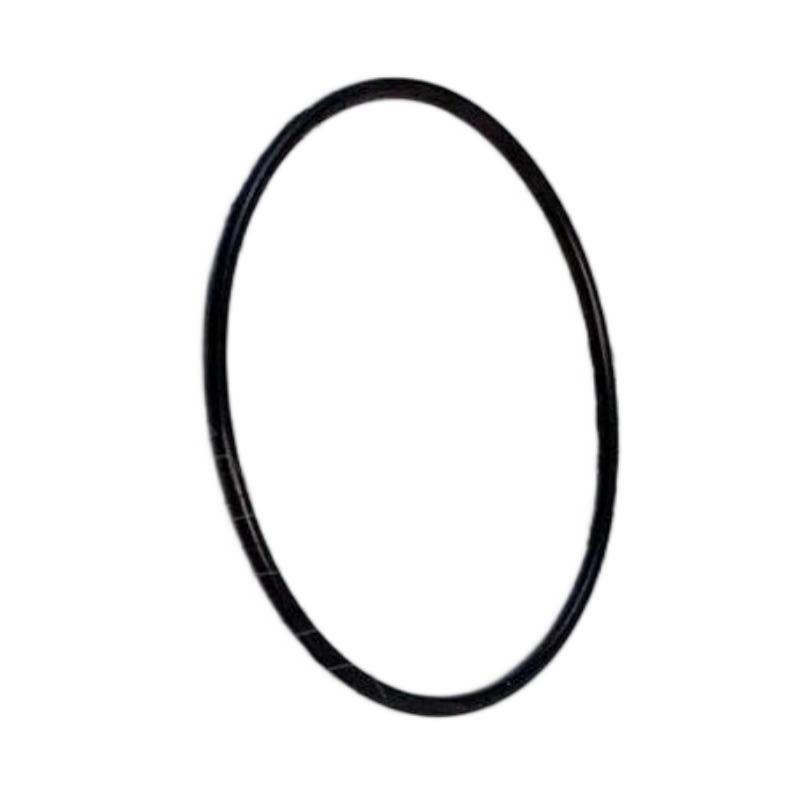
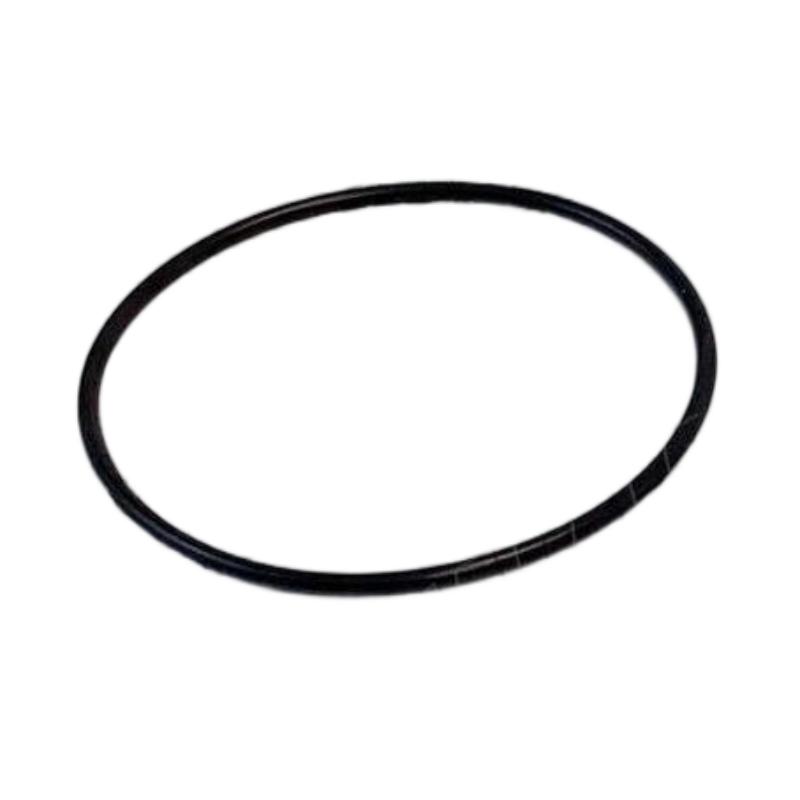
- Ingersoll Rand
- 47704446001 95023131
- O-Ring
- USA
- 126.67 mm
- 3 kg
- Xiamen, China
- New & In Stock
- T/T, PayPal, Western Union
- 1 Year
- 1-3 Working Days
- DHL, UPS, TNT, FedEx and EMS.
- 24-Hour Service
- COO
- 4
Our advantage

Global Logistics
We have a 10-year logistics and express cooperation agreement, so our products can be shipped to any place in the world.

Brand new and original
Our products are imported in bulk from the place of origin. Because of the cooperative relationship, our products are all original and 100% new.

24-hour service
We provide 7*24 hours service to our customers. We will be there whenever you need us.

Price advantage
All our products are priced very favorably because we have our own warehouse and supply.
| Company Information | |||
| [email protected] | |||
| Mobile | +8615980777398 | ||
| +8615980777398 | |||
| 15980777398 |
Product Overview
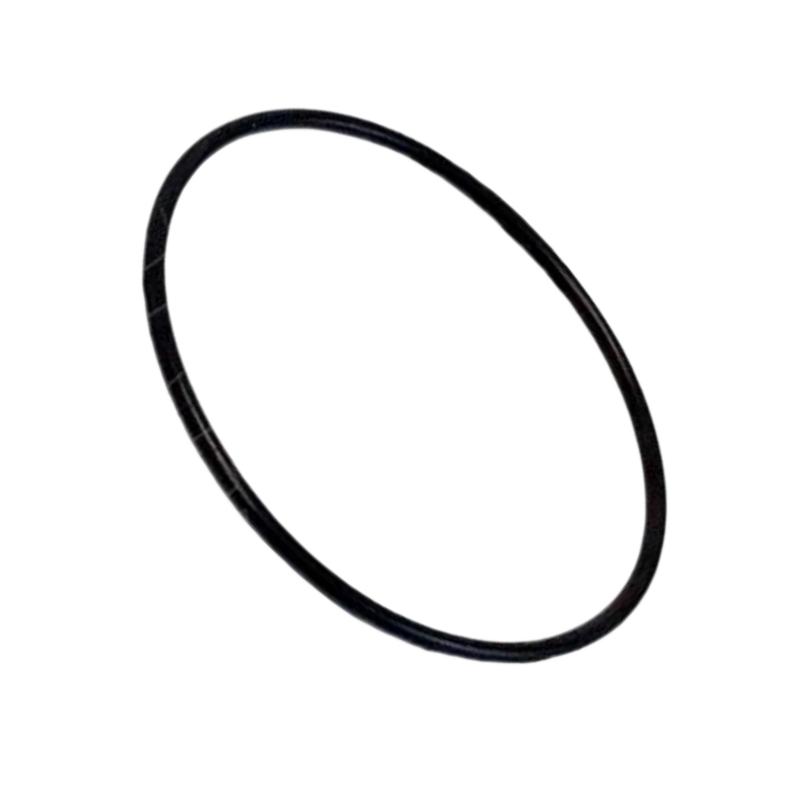
The Ingersoll Rand 47704446001 95023131 O-Ring is an industrial sealing component designed for use in compatible Ingersoll Rand compressor and equipment assemblies. O-rings provide a simple and effective method of creating a seal between mating components, helping prevent unwanted leakage of air, gas, oil, or other compatible media.
As a replacement sealing component, the O-ring is particularly important in compressor maintenance because even a relatively small sealing failure can result in leakage, pressure loss, contamination, or reduced equipment efficiency. Correct sizing and proper installation are therefore essential.
The Ingersoll Rand 47704446001 is associated with reference number 95023131. The supplied specification identifies an inside diameter of 126.67 mm and a shipping weight of 3 kg.
The inside diameter is an important dimensional parameter for confirming the suitability of the sealing ring. However, inside diameter alone should not be used to determine complete compatibility. The applicable cross-section, material, hardness, temperature range, pressure capability, media compatibility, groove dimensions, and equipment requirements should be verified before installation.
Technical Specifications
| Parameter | Specification |
|---|---|
| Manufacturer | Ingersoll Rand |
| Part Number | 47704446001 |
| Reference Number | 95023131 |
| Product Type | O-Ring |
| Primary Function | Static or dynamic sealing |
| Inside Diameter | 126.67 mm |
| Shipping Weight | 3 kg |
| Application | Compatible Ingersoll Rand industrial equipment |
| Installation | Equipment-specific sealing groove |
| Replacement Type | Maintenance / replacement seal |
The supplied 3 kg value is identified as shipping weight and should not be interpreted as the net weight of the O-ring itself.
Additional technical properties such as cross-sectional diameter, elastomer material, hardness, pressure rating, temperature range, and fluid compatibility should be confirmed against the applicable equipment specification.
What Is the Ingersoll Rand 47704446001 95023131 O-Ring?
The 47704446001 95023131 O-Ring is a circular sealing element intended to create a controlled seal between mating surfaces.
An O-ring normally sits inside a machined groove. When the mating components are assembled, the ring is compressed between the surfaces. This deformation allows the elastomeric sealing element to close the small clearance between the components.
A simplified sealing arrangement can be represented as:
Mating Component → O-Ring Groove → 95023131 O-Ring → Mating Component
When correctly sized and installed, the O-ring helps prevent the working medium from passing through the joint.
In compressor equipment, this function can be particularly important because systems may contain pressurized air, lubricating oil, or other process-related fluids.
O-Ring Working Principle
Groove Installation
The O-ring is installed into a specifically designed groove.
The groove determines how the sealing element is positioned and compressed after assembly.
The 126.67 mm inside diameter is one of the key dimensional characteristics supplied for this component.
Elastic Deformation
When the mating components are assembled, the O-ring is compressed.
This deformation allows the sealing material to maintain contact with the surrounding surfaces.
The resulting contact helps prevent fluid or gas from passing through the joint.
Pressure-Assisted Sealing
In many sealing arrangements, system pressure can further press the O-ring against the sealing surfaces.
The exact pressure behavior depends on the groove design, O-ring geometry, material, clearance, pressure, and application.
Static and Dynamic Applications
O-rings can be used in either static or dynamic sealing arrangements.
A static seal generally involves components that remain stationary relative to each other after assembly.
A dynamic seal involves relative movement between components.
The correct O-ring specification must therefore be selected according to the actual application.
Importance of O-Rings in Compressor Equipment
O-rings may be small components compared with major compressor assemblies, but their sealing function is critical.
A correctly installed seal can help:
- Prevent air leakage
- Prevent oil leakage
- Maintain system pressure
- Protect internal components
- Reduce contamination ingress
- Maintain equipment reliability
- Support efficient compressor operation
Conversely, an incorrectly sized, damaged, contaminated, or improperly installed O-ring can create leakage and maintenance problems.
For this reason, replacement seals should be treated as important maintenance components rather than generic rubber rings.
Industrial Applications
The Ingersoll Rand 47704446001 95023131 O-Ring is intended for compatible Ingersoll Rand equipment and should be matched to the applicable assembly before installation.
Potential industrial environments include:
- Industrial compressor systems
- Compressed-air equipment
- Manufacturing facilities
- Pneumatic systems
- Process-air systems
- Factory utility systems
- Industrial maintenance equipment
- Compressor service applications
The exact equipment compatibility should be confirmed using the complete part and equipment identification.
Installation and Replacement Guide
Correct installation is essential to prevent premature O-ring failure.
1. Verify the Part Number
Confirm the complete identification:
Ingersoll Rand 47704446001
Reference number:
95023131
Do not select a replacement solely because its inside diameter appears similar.
2. Shut Down the Equipment
Before replacing an O-ring, the associated equipment should be shut down according to the applicable maintenance procedure.
If the seal is installed in a pressurized system, the relevant section should be safely isolated and depressurized.
3. Remove the Existing Seal
Carefully remove the existing O-ring without damaging the sealing groove or mating surface.
Sharp tools should be avoided where they could scratch the groove.
4. Inspect the Groove
The sealing groove should be checked for:
- Scratches
- Burrs
- Corrosion
- Contamination
- Foreign material
- Mechanical damage
A damaged groove can cause leakage even when a new O-ring is installed.
5. Inspect the Mating Surfaces
The mating surfaces should be clean and free from debris.
Any damage around the sealing interface should be evaluated before installing the replacement.
6. Check the New O-Ring
Before installation, inspect the replacement seal for:
- Cuts
- Cracks
- Surface damage
- Deformation
- Contamination
- Incorrect dimensions
The supplied inside diameter is 126.67 mm.
7. Install Without Twisting
The O-ring should be placed correctly into its groove without twisting or excessive stretching.
A twisted O-ring may not seal correctly and can experience accelerated wear.
8. Complete Assembly
After the O-ring has been correctly positioned, assemble the mating components according to the equipment maintenance procedure.
Fasteners should be tightened according to the applicable equipment specifications rather than an assumed value.
O-Ring Lubrication Considerations
Some O-ring installations require a suitable lubricant to reduce friction during assembly.
However, the correct lubricant depends on the O-ring material and the working medium.
An incompatible lubricant can cause swelling, hardening, softening, or other forms of seal degradation.
Therefore, the lubricant should be compatible with:
- O-ring material
- Equipment design
- Working fluid
- Operating temperature
- Applicable maintenance requirements
If lubrication is not specified for the application, it should not be assumed that any general-purpose grease is suitable.
Common O-Ring Failure Modes
Leakage
The most common symptom of an O-ring problem is leakage.
Possible causes include:
- Damaged O-ring
- Incorrect dimensions
- Improper installation
- Twisted seal
- Damaged groove
- Surface contamination
- Excessive pressure
- Incompatible material
- Excessive temperature
Cracking
Cracking can occur when a sealing element has been exposed to unsuitable environmental or operating conditions.
Possible contributing factors include:
- Excessive temperature
- Material aging
- Chemical incompatibility
- Improper storage
- Mechanical damage
Flattening or Permanent Deformation
An O-ring can develop permanent deformation after prolonged compression or unsuitable operating conditions.
A deformed seal may no longer provide the required sealing contact.
Extrusion
Under certain pressure and clearance conditions, sealing material can be forced into a small gap between mating components.
The possibility of extrusion depends on the seal material, pressure, clearance, temperature, and groove design.
Twisting
A twisted O-ring may create an uneven sealing surface.
This can lead to localized leakage and accelerated wear.
Troubleshooting Guide
Leakage After Replacement
If leakage appears immediately after installation, inspect:
- O-ring seating
- Groove condition
- Mating surfaces
- Seal dimensions
- Assembly alignment
- Possible twisting
- Contamination
A new seal does not automatically eliminate a sealing problem if the mating components are damaged.
Leakage After Extended Operation
If the seal initially operates correctly but begins leaking later, possible causes include:
- Seal aging
- Temperature exposure
- Chemical attack
- Mechanical movement
- Pressure changes
- Surface damage
- Incorrect material selection
The operating environment should be evaluated.
Difficult Installation
If the O-ring cannot be installed without excessive force, verify the dimensions and groove configuration.
Forcing a seal into an unsuitable groove can permanently damage it.
Repeated O-Ring Failure
Repeated failures may indicate a larger equipment problem.
Potential causes include:
- Incorrect seal specification
- Excessive pressure
- Excessive temperature
- Shaft or component movement
- Damaged groove
- Surface roughness problems
- Chemical incompatibility
- Incorrect assembly procedure
Repeatedly replacing the O-ring without identifying the underlying cause may not solve the problem.
Maintenance Recommendations
Regular inspection is particularly important in equipment where sealing integrity affects pressure or fluid containment.
Inspect During Scheduled Maintenance
Whenever the relevant assembly is opened, inspect the sealing surfaces and O-ring condition.
Replace Damaged Seals
A visibly damaged seal should not be reused.
Keep Sealing Surfaces Clean
Dirt, metal particles, or other contamination can prevent the O-ring from sealing correctly.
Protect Spare O-Rings
Replacement seals should be protected from excessive heat, sunlight, chemicals, deformation, and contamination.
Avoid Unnecessary Reuse
An O-ring removed during maintenance may have experienced compression or deformation. Reusing it can increase the risk of leakage.
Storage and Handling
Correct storage can help preserve the condition of replacement sealing components.
Recommended practices include:
- Keep the O-ring in protective packaging until required.
- Store in a clean and dry environment.
- Protect from direct sunlight.
- Avoid excessive heat.
- Keep away from incompatible chemicals.
- Do not stretch the seal during storage.
- Avoid compressing the O-ring under heavy objects.
- Prevent contact with sharp edges.
- Inspect the seal before installation.
The supplied 3 kg shipping weight should be used for shipping and logistics planning rather than as the actual weight of the sealing element.
Replacement Considerations
When purchasing a replacement for the Ingersoll Rand 47704446001 95023131 O-Ring, the following information should be checked:
| Verification Item | Importance |
|---|---|
| Part Number | Confirms product identity |
| Reference Number | Provides an additional identification reference |
| Inside Diameter | 126.67 mm |
| Cross-Section | Must match the applicable groove |
| Material | Must be compatible with the operating environment |
| Hardness | Should suit the sealing application |
| Temperature Range | Must suit operating conditions |
| Pressure Conditions | Must suit the equipment |
| Fluid Compatibility | Must be confirmed |
| Groove Dimensions | Must match the original design |
The 126.67 mm inside diameter is an important supplied specification, but it is not sufficient by itself to establish full interchangeability.
Physical Dimension and Shipping Information
The supplied dimensional information for the 95023131 O-Ring is:
| Parameter | Value |
|---|---|
| Inside Diameter | 126.67 mm |
| Shipping Weight | 3 kg |
| Product Type | O-Ring |
| Part Number | 47704446001 |
| Reference Number | 95023131 |
Because the supplied weight is specifically identified as shipping weight, it should be used for packaging, transportation, and logistics calculations rather than representing the net product weight.
Compatible Equipment Considerations
The O-ring should be installed only in a compatible Ingersoll Rand assembly.
When identifying the correct replacement, maintenance personnel should verify:
- Compressor or equipment model
- Assembly location
- Original seal identification
- Part number
- Reference number
- Groove dimensions
- Working medium
- Pressure conditions
- Temperature conditions
- Maintenance documentation
This is particularly important because O-rings that appear physically similar may have different materials, cross-sections, or operating characteristics.
Engineering Best Practices
Verify the Complete Seal Specification
Do not select a replacement based only on inside diameter.
Protect the Groove
Avoid scratching or deforming the sealing groove during removal.
Keep Components Clean
Contamination between the O-ring and sealing surface can create leakage paths.
Avoid Twisting
Install the O-ring evenly and ensure that it is correctly seated.
Inspect Before Assembly
A damaged replacement seal should not be installed.
Replace During Appropriate Maintenance
When the assembly is opened and the applicable procedure specifies seal replacement, installing a new seal can help reduce the risk of reassembly leakage.
Record Replacement Information
Maintenance teams can benefit from recording the date, equipment location, part number, and observed seal condition for future troubleshooting.
Key Advantages
The Ingersoll Rand 47704446001 95023131 O-Ring provides a dedicated sealing solution for compatible industrial equipment.
Key benefits include:
- Supports reliable sealing between mating components
- Helps prevent air or fluid leakage
- Supports pressure retention
- Compact sealing design
- Supplied inside diameter of 126.67 mm
- Identified by part number 47704446001
- Identified by reference number 95023131
- Suitable for planned equipment maintenance and seal replacement
Technical FAQs
What is the Ingersoll Rand 47704446001?
The 47704446001 is an Ingersoll Rand O-ring associated with reference number 95023131.
What is the reference number?
The reference number is 95023131.
What is the inside diameter of the O-ring?
The supplied inside diameter is 126.67 mm.
What is the shipping weight?
The supplied shipping weight is 3 kg. This should not be interpreted as the actual net weight of the O-ring.
What is the function of an O-ring?
An O-ring provides a seal between mating components, helping prevent the unwanted passage of air, gas, oil, or other compatible fluids.
Can the O-ring be selected using only the 126.67 mm inside diameter?
No. Cross-section, material, hardness, groove dimensions, operating pressure, temperature, and fluid compatibility must also be considered.
What causes an O-ring to leak?
Common causes include incorrect sizing, twisting, cuts, surface damage, contamination, improper installation, excessive pressure, unsuitable temperature, and material incompatibility.
Should a used O-ring be reused?
In many maintenance applications, replacing the seal when the assembly is opened is preferable to relying on a previously compressed or deformed O-ring. The applicable equipment maintenance procedure should be followed.
How should the O-ring be stored?
It should be stored in a clean, dry environment away from excessive heat, direct sunlight, chemicals, deformation, and mechanical damage.
Why is the sealing groove important?
The groove determines how the O-ring is positioned and compressed. A damaged or incorrectly dimensioned groove can cause leakage even when the O-ring itself is new.
Conclusion
The Ingersoll Rand 47704446001 95023131 O-Ring is an industrial sealing component intended for use in compatible Ingersoll Rand equipment. Its primary function is to create a reliable seal between mating components and help prevent unwanted leakage of air, gas, oil, or other compatible media.
The component is identified by part number 47704446001 and reference number 95023131, with a supplied inside diameter of 126.67 mm. The supplied shipping weight is 3 kg, which should be treated as a logistics value rather than the net weight of the O-ring.
For replacement applications, the complete seal specification should be verified before installation. In addition to the supplied inside diameter, technicians should confirm the applicable cross-section, material, groove dimensions, operating pressure, temperature, and media compatibility.
Careful removal, clean sealing surfaces, correct groove installation, proper positioning, and appropriate maintenance practices are essential for achieving reliable sealing performance and reducing the risk of premature leakage.