

ProductPRODUCT
Featured products
Contact Us
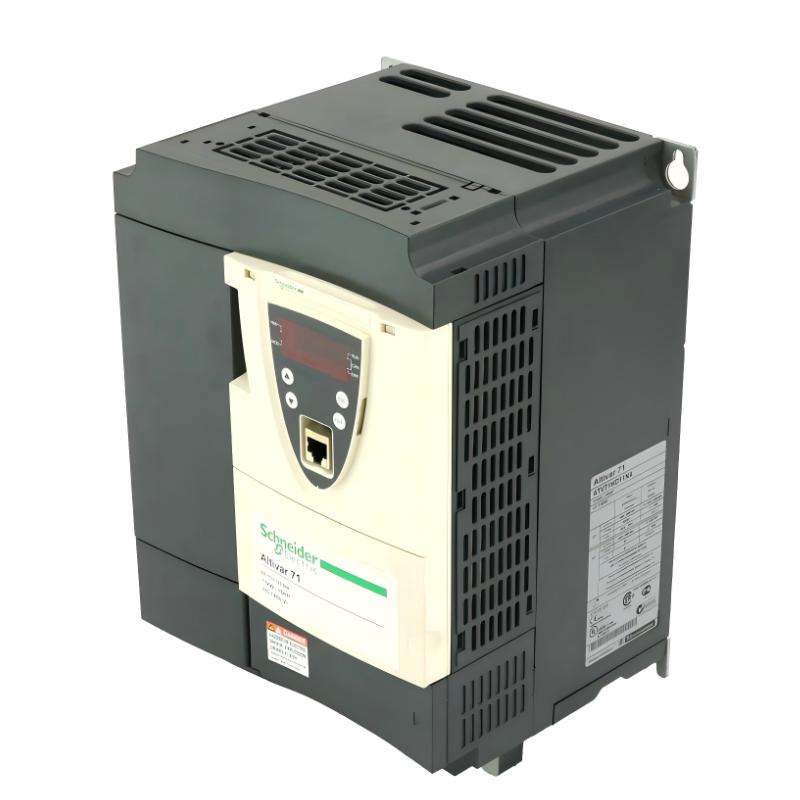
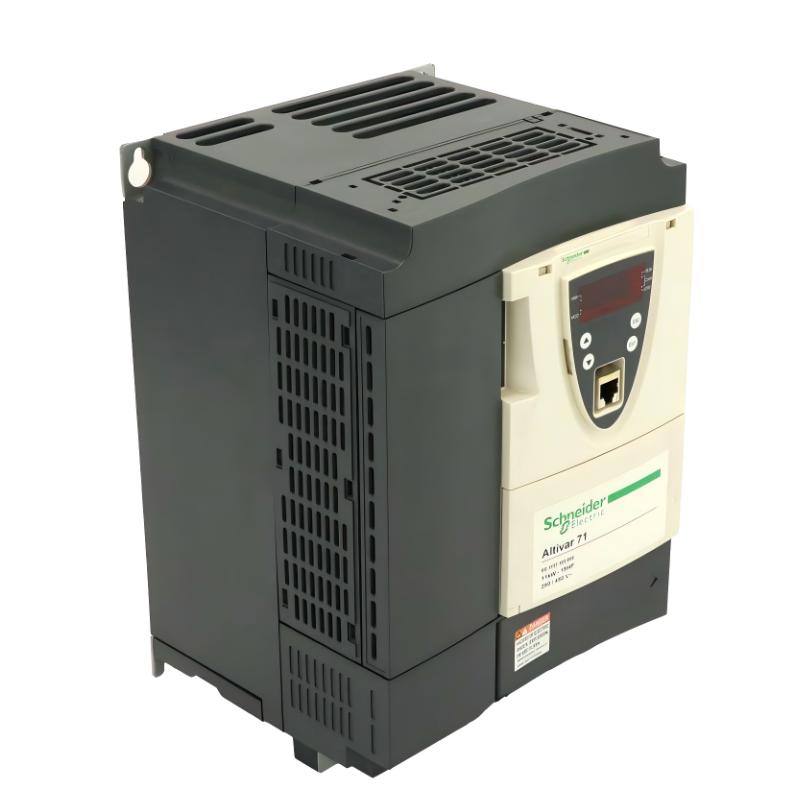
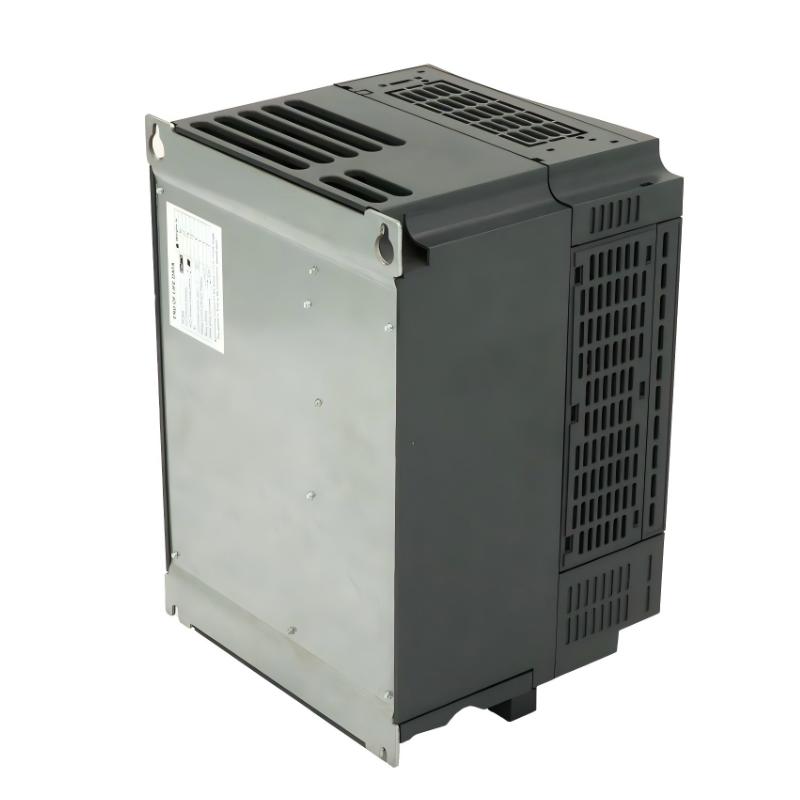
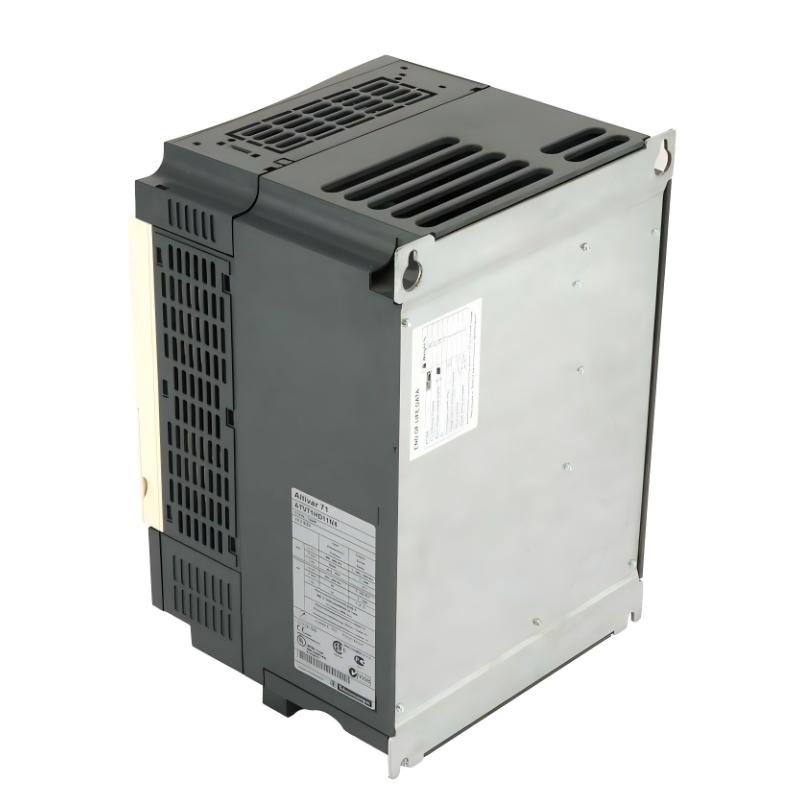
- Schneider
- ATV71HD11N4
- Variable Speed Drive
- France
- 295 × 210 × 213 mm
- 8 kg
- Xiamen, China
- New & In Stock
- T/T, PayPal, Western Union
- 1 Year
- 1-3 Working Days
- DHL, UPS, TNT, FedEx and EMS.
- 24-Hour Service
- COO
- 3
Our advantage

Global Logistics
We have a 10-year logistics and express cooperation agreement, so our products can be shipped to any place in the world.

Brand new and original
Our products are imported in bulk from the place of origin. Because of the cooperative relationship, our products are all original and 100% new.

24-hour service
We provide 7*24 hours service to our customers. We will be there whenever you need us.

Price advantage
All our products are priced very favorably because we have our own warehouse and supply.
| Company Information | |||
| [email protected] | |||
| Mobile | +8615980777398 | ||
| +8615980777398 | |||
| 15980777398 |
Product Overview
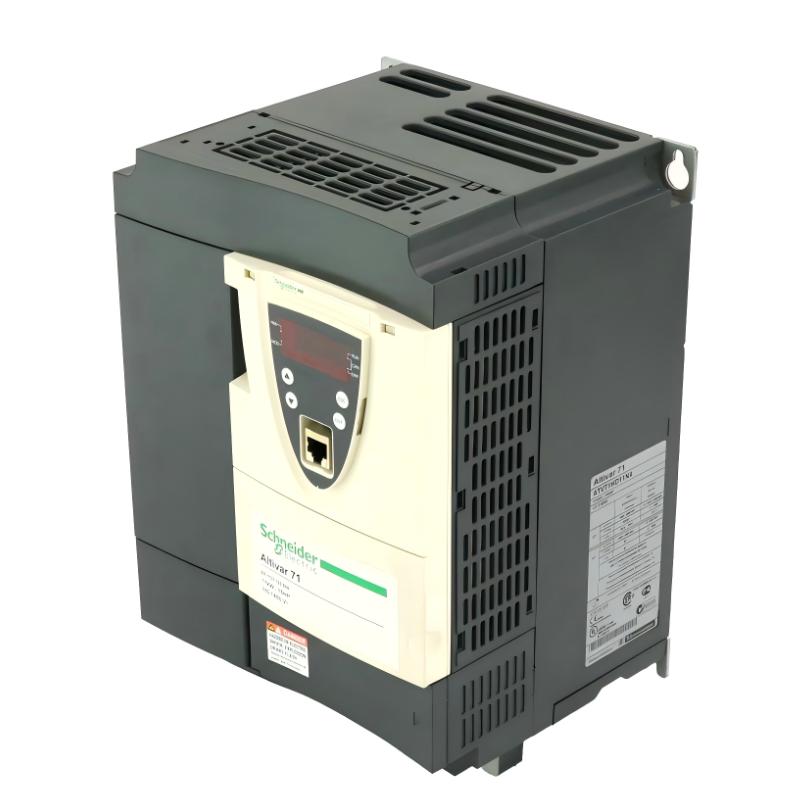
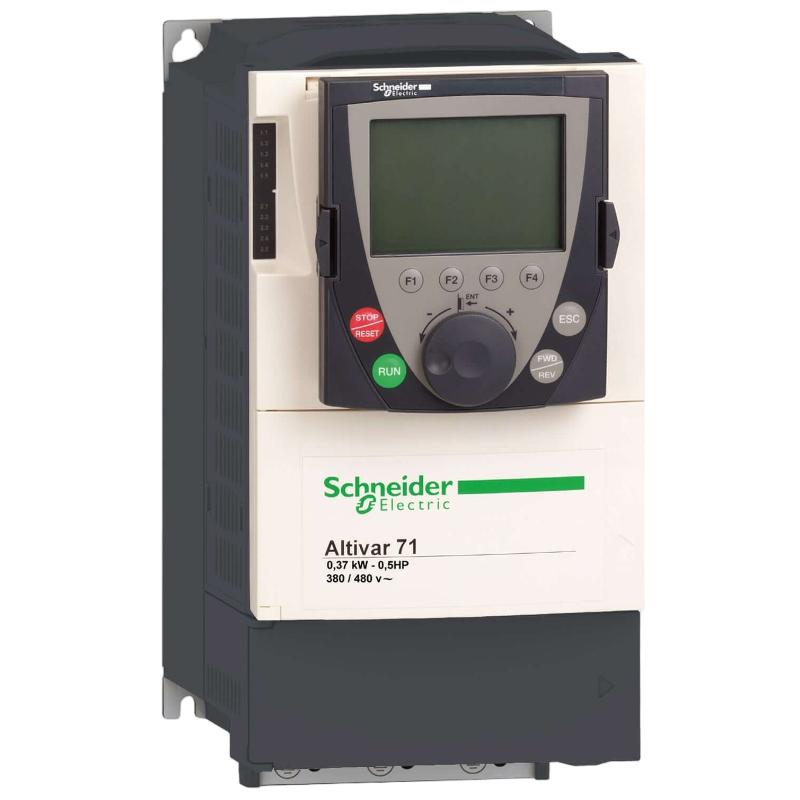
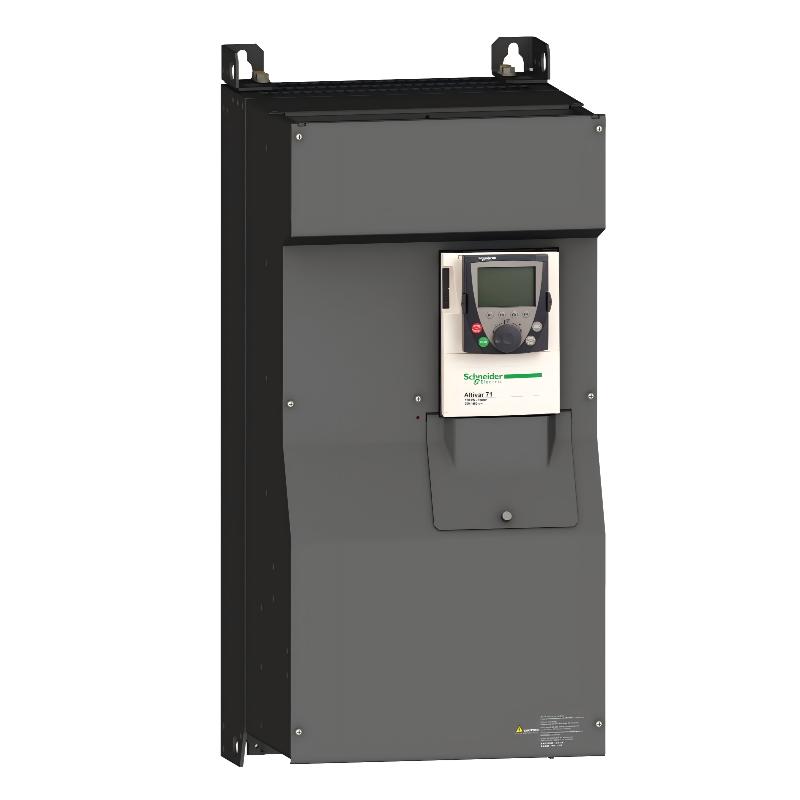
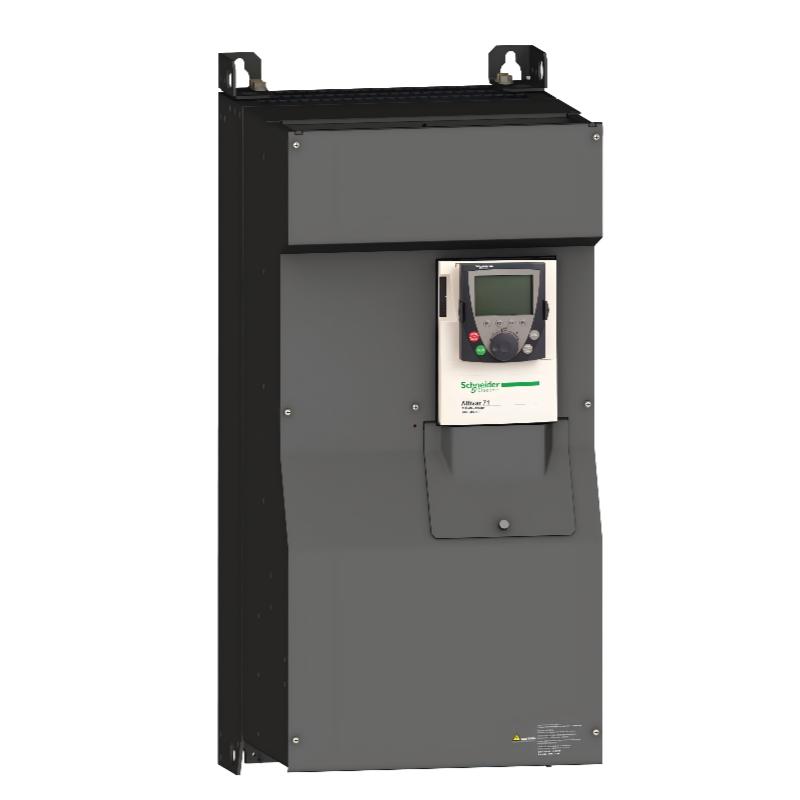
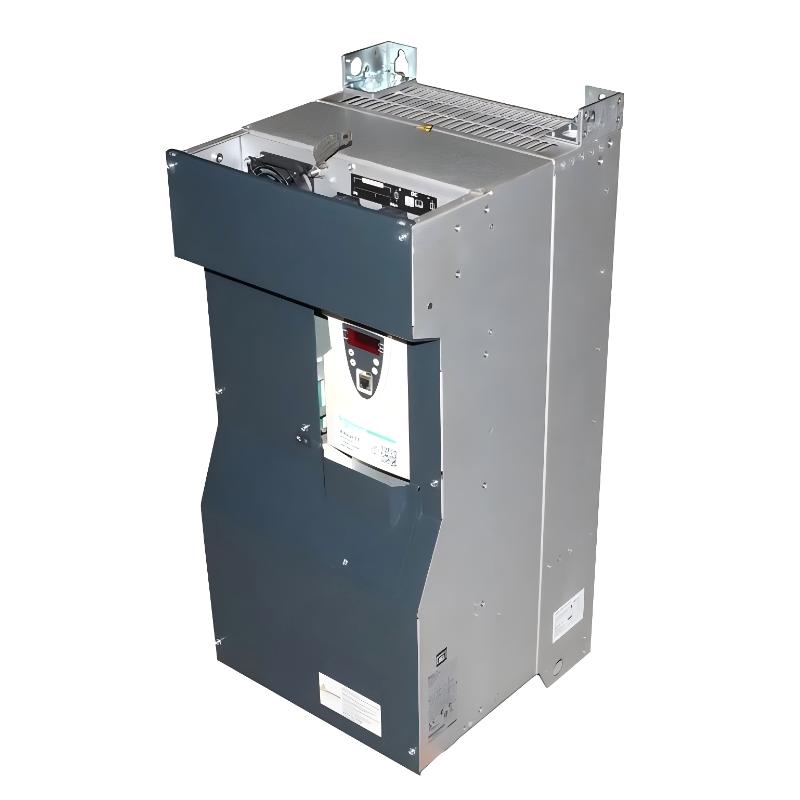
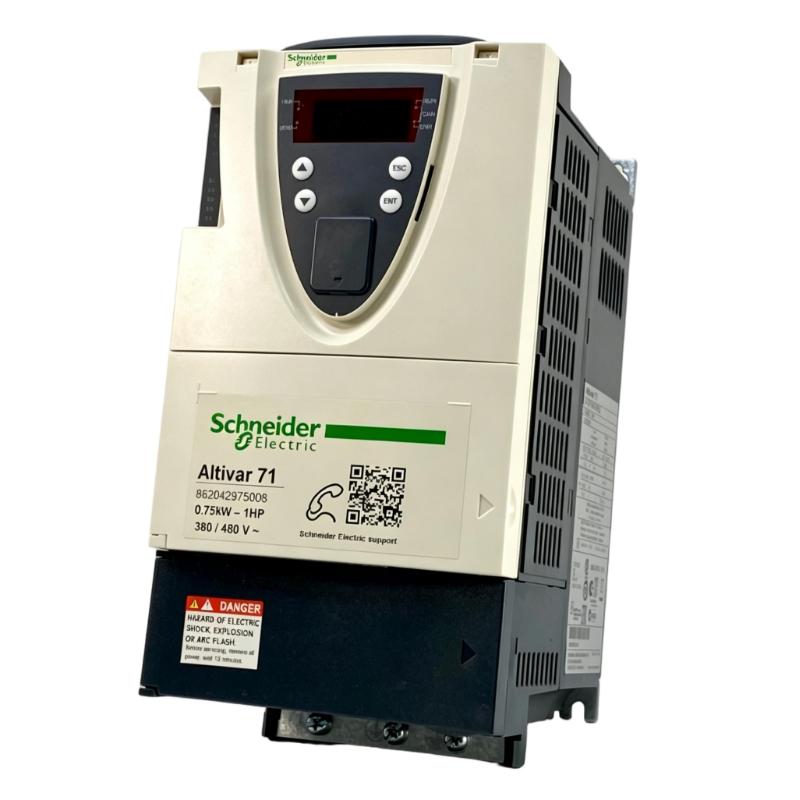
The Schneider ATV71HD11N4 Variable Speed Drive is an industrial motor control device from the Schneider Electric Altivar 71 series, developed for applications that require reliable variable-frequency control of three-phase AC motors. The drive provides an electronic interface between the electrical supply and the motor, allowing operating speed, acceleration, deceleration, and other motor-control characteristics to be managed according to machine requirements.
The Altivar 71 family is designed for demanding industrial automation applications where a conventional contactor or fixed-speed motor starter cannot provide sufficient control flexibility. By adjusting the frequency and voltage supplied to the motor, the ATV71HD11N4 can support controlled starting, adjustable running speed, smooth stopping, and coordinated motor operation.
With supplied dimensions of 295 × 210 × 213 mm and a weight of 8 kg, the ATV71HD11N4 has a relatively compact form factor compared with larger Altivar 71 units. This makes it suitable for machine cabinets and industrial control panels where installation space must be managed efficiently.
The drive can be incorporated into automated systems involving PLCs, HMIs, SCADA platforms, sensors, process controllers, and industrial communication equipment. This allows motor operation to be coordinated with the wider production sequence instead of being controlled independently.
Technical Specifications
| Parameter | Specification |
|---|---|
| Manufacturer | Schneider Electric |
| Model | ATV71HD11N4 |
| Product Series | Altivar 71 |
| Product Type | Variable Speed Drive / Variable Frequency Drive |
| Application | Industrial AC Motor Control |
| Motor Type | Three-Phase AC Motor |
| Primary Function | Adjustable-frequency motor control |
| Control Functions | Speed, acceleration, deceleration and torque management |
| Dimensions (H × W × D) | 295 × 210 × 213 mm |
| Weight | 8 kg |
| Installation | Industrial cabinet / control panel |
| Typical Applications | Conveyors, pumps, fans, compressors and process machinery |
| Automation Integration | PLC, HMI, SCADA and industrial control systems |
Exact rated current, motor power, input voltage, overload capability, output frequency range, and other electrical parameters should be confirmed against the actual ATV71HD11N4 nameplate and applicable configuration.
What Is the Schneider ATV71HD11N4?
The ATV71HD11N4 is a Schneider Electric Altivar 71 Variable Speed Drive designed to regulate the operation of industrial AC motors.
A basic fixed-speed motor installation generally connects the motor to a fixed electrical supply. This approach is not ideal when the machine needs different operating speeds or controlled acceleration and stopping.
The ATV71HD11N4 provides a variable-frequency interface:
AC Power → ATV71HD11N4 → Three-Phase AC Motor → Machine
The drive can receive commands from a higher-level automation system:
PLC / Controller → ATV71HD11N4 → Motor
This makes the drive an important link between electrical power, automation logic, motor operation, and mechanical equipment.
ATV71HD11N4 Working Principle
The ATV71HD11N4 controls motor operation through electronic power conversion.
AC Supply
Electrical power is supplied to the drive through suitable protective and isolation equipment.
Power Conversion
The drive’s internal power electronics process the incoming electrical energy and create a controlled output.
Variable Frequency
The inverter generates an adjustable-frequency output waveform. Motor operating speed is related to the frequency applied to the motor.
Motor Regulation
The drive applies the selected motor-control strategy to regulate speed and torque according to the configured parameters.
Mechanical Operation
The motor converts the electrical output into mechanical power for the connected machine.
This process enables the motor to operate at different speeds instead of being restricted to a single fixed-speed operating point.
Motor Speed Control
Speed control is one of the most important functions of a variable speed drive.
Industrial machines frequently need different speeds during different stages of operation. For example, a conveyor may run slowly during loading and increase speed during normal production. A pump may need to adjust its output according to process demand, while a fan may require continuous airflow regulation.
The ATV71HD11N4 can support application strategies involving:
- Adjustable speed
- Controlled acceleration
- Controlled deceleration
- Speed reference control
- Torque management
- Start/stop control
- Motor protection
- Process synchronization
- Drive status monitoring
- Fault management
The actual control behavior depends on motor characteristics, application requirements, and programmed drive parameters.
Role in Industrial Automation
The ATV71HD11N4 can operate as the motor-control layer of an industrial automation system.
A typical architecture is:
Sensors → PLC → ATV71HD11N4 → Motor → Machine
The PLC evaluates process conditions and determines the appropriate motor command. The drive then converts that command into controlled electrical output for the motor.
This arrangement can provide:
- Automated speed control
- Repeatable acceleration
- Controlled stopping
- Process synchronization
- Motor status monitoring
- Alarm handling
- Centralized control
The drive therefore contributes not only to motor operation but also to the overall automation strategy.
Industrial Applications
Conveyor Systems
Conveyors often require controlled acceleration and adjustable operating speeds.
The ATV71HD11N4 can be integrated into conveyor-control systems where motor speed must be coordinated with other machines.
Pumps
Variable speed control allows pump operation to be adjusted according to process demand. This can help avoid unnecessary full-speed operation in suitable applications.
Industrial Fans
Fan speed can be adjusted according to ventilation or process requirements.
Compressors
Controlled motor operation can be useful in compressor systems where motor starting and operating conditions must be coordinated with the process.
Material Handling
Material-handling machinery can use variable speed operation to improve coordination between different stages of a production or transportation system.
Process Machinery
Many industrial machines require controlled motor speed to maintain consistent production conditions. The ATV71HD11N4 can be incorporated into these systems where its electrical and application ratings are appropriate.
General Machine Automation
The drive can also be considered for machine systems involving rotating equipment, auxiliary motors, and automated production equipment.
PLC Integration
A PLC can act as the central controller while the ATV71HD11N4 performs motor-speed regulation.
A typical operating sequence is:
- PLC checks machine permissives.
- Safety and interlock conditions are verified.
- PLC issues a motor start command.
- Speed reference is supplied to the drive.
- ATV71HD11N4 accelerates the motor according to its configured ramp.
- Motor reaches the desired operating speed.
- Drive status is monitored by the PLC.
- Speed reference changes according to process requirements.
- PLC issues a stop command when the operation is complete.
- Drive performs the configured stopping sequence.
This architecture makes the drive suitable for automated machine sequences.
HMI and SCADA Integration
An HMI provides operators with a convenient interface for controlling and monitoring the motor system.
Depending on the system architecture, an HMI may display:
- Motor running status
- Drive status
- Speed reference
- Operating speed
- Alarm information
- Fault information
- Start/stop commands
- Maintenance information
For larger installations, the same information can be integrated into a SCADA system.
SCADA monitoring can help operators identify drive-related problems while observing the overall process.
Installation Guidelines
The supplied dimensions of the ATV71HD11N4 are 295 × 210 × 213 mm, with a weight of 8 kg.
Before installation, engineers should verify:
- Cabinet dimensions
- Mounting arrangement
- Ventilation
- Electrical clearance
- Cable-entry positions
- Grounding
- Maintenance access
- Ambient conditions
- Power-system requirements
The 8 kg weight makes the drive easier to handle than larger Altivar 71 units, but the mounting structure must still be suitable for the equipment and installation environment.
The drive should be installed in a clean, appropriately ventilated industrial enclosure where required.
Cabinet Installation and Thermal Management
Although the ATV71HD11N4 is compact, thermal management remains important.
Ventilation
Cooling airflow should not be blocked by cable bundles or adjacent equipment.
Cabinet Arrangement
Heat-producing components should be positioned so that their thermal output does not unnecessarily increase the temperature around sensitive control equipment.
Ambient Conditions
The cabinet should maintain an environment suitable for the drive’s specified operating conditions.
Maintenance Clearance
Technicians should have sufficient access to power terminals, control wiring, connectors, and cooling components.
A well-designed cabinet improves reliability and reduces the risk of thermal faults.
Power and Motor Wiring
Electrical installation should be completed by qualified personnel.
The general power path is:
Three-Phase Supply → Protective Equipment → ATV71HD11N4 → AC Motor
Before energization, verify:
- Input power wiring
- Grounding
- Protective devices
- Motor connections
- Motor cable condition
- Control wiring
- Communication wiring
- Safety circuits
- Cable routing
The motor cable should be appropriately selected for the motor, installation method, current requirements, cable length, and environmental conditions.
Incorrect connections can result in drive faults, motor damage, excessive electrical noise, or unsafe operation.
EMC and Cable Routing
Variable speed drives use switching power electronics and can introduce electromagnetic interference into nearby equipment if installation practices are poor.
Recommended engineering practices include:
- Separate power and control cables where practical.
- Keep communication cables away from high-power conductors.
- Use suitable shielded cables where required.
- Maintain effective grounding.
- Minimize unnecessary parallel cable runs.
- Follow appropriate cable-shield termination practices.
- Consider EMC filters or other measures when required.
Good EMC design is especially important when the ATV71HD11N4 is installed near PLCs, analog instrumentation, communication equipment, or sensitive measurement devices.
Motor Configuration
Correct motor configuration is essential for reliable operation.
Motor information should be taken directly from the motor nameplate.
Depending on the application, configuration may include:
- Motor power
- Motor voltage
- Motor current
- Motor frequency
- Motor speed
- Acceleration time
- Deceleration time
- Minimum speed
- Maximum speed
- Control mode
- Speed reference
- Stop behavior
- Fault response
Incorrect motor parameters may cause unstable operation, excessive current, poor acceleration, or motor overheating.
Commissioning Procedure
A structured commissioning process helps ensure safe and predictable operation.
1. Inspect the Drive
Check the ATV71HD11N4 for physical damage, contamination, loose components, or installation problems.
2. Verify Model Identification
Confirm that the installed unit is the correct ATV71HD11N4.
3. Check Electrical Wiring
Verify power, motor, control, grounding, communication, and safety connections.
4. Enter Motor Data
Configure the drive using the motor’s actual nameplate information.
5. Check Control Commands
Verify start, stop, direction, speed reference, and machine interlocks.
6. Perform Initial Run
Start the motor under controlled conditions and confirm the direction of rotation.
7. Test Acceleration
Verify that the motor accelerates smoothly without abnormal current or mechanical behavior.
8. Test Normal Operation
Run the machine at its intended operating point and observe drive and motor behavior.
9. Verify Fault Handling
Check that the automation system correctly recognizes relevant drive alarms and fault conditions.
10. Document the Configuration
Record important parameters and commissioning results for future maintenance.
Troubleshooting the ATV71HD11N4
When troubleshooting the ATV71HD11N4, the drive, motor, electrical supply, control system, and mechanical load should be considered together.
Drive Does Not Start
Check:
- Incoming power
- Drive status
- Start command
- Stop/interlock conditions
- Speed reference
- Active fault
- Motor wiring
- PLC logic
A missing PLC command can look like a drive failure.
Motor Does Not Reach the Required Speed
Possible causes include:
- Incorrect speed reference
- Mechanical overload
- Incorrect motor parameters
- Current limitation
- Incorrect acceleration configuration
- Motor problems
- Machine resistance
Check both electrical and mechanical conditions.
Motor Trips During Acceleration
Investigate:
- Excessive load
- Incorrect motor data
- Acceleration ramp
- Motor cable
- Motor insulation
- Mechanical resistance
- Drive fault history
Drive Overheats
Inspect:
- Cabinet temperature
- Ventilation
- Cooling airflow
- Fan condition
- Dust accumulation
- Cabinet arrangement
- Ambient conditions
Repeated overheating should be investigated before returning the equipment to continuous service.
Motor Operation Is Unstable
Potential causes include:
- Incorrect drive configuration
- Changing mechanical load
- Motor problems
- Control-reference instability
- Wiring issues
- Mechanical resonance
The fault should be evaluated under actual operating conditions.
Preventive Maintenance
Preventive maintenance can help extend the operating life of the ATV71HD11N4 and reduce unexpected downtime.
Visual Inspection
Inspect for contamination, discoloration, loose wiring, damaged components, or signs of overheating.
Cooling Inspection
Keep ventilation paths clean and unobstructed.
Electrical Connections
Check electrical connections according to the applicable maintenance procedure.
Fault History
Review repeated alarms and trips rather than simply resetting them.
Motor and Machine
Inspect the motor, bearings, coupling, gearbox, and driven equipment as part of the overall maintenance program.
Cabinet Environment
Control dust, moisture, excessive heat, and vibration around the drive installation.
Replacement and Spare-Part Planning
When replacing an ATV71HD11N4, technicians should verify the complete model designation.
Important information includes:
- Full model number
- Altivar product family
- Hardware revision
- Motor characteristics
- Application requirements
- Installed options
- Communication architecture
- Control configuration
A replacement should not be selected only because its external dimensions appear similar.
The supplied dimensions of 295 × 210 × 213 mm and weight of 8 kg should also be considered when checking cabinet space, transportation, and installation requirements.
Compatible System Components
The ATV71HD11N4 can be incorporated into a larger motor-control system containing:
| Component | Typical Function |
|---|---|
| PLC | Machine control and sequencing |
| HMI | Operator interface |
| SCADA | Supervisory monitoring |
| AC Motor | Mechanical power generation |
| Circuit Breaker | Electrical isolation and protection |
| Motor Protection Equipment | Motor protection |
| EMC Filter | Electromagnetic compatibility |
| Line Reactor | Power-system interface |
| Braking Equipment | Controlled stopping where required |
| Feedback Device | Speed or position feedback where applicable |
| Industrial Network | Drive communication |
| Sensors | Process and machine feedback |
The exact combination depends on the application and system design.
Recommended Related Schneider Electric Models
| Model | Product Family | General Application |
|---|---|---|
| ATV71H075N4 | Altivar 71 | Compact industrial motor control |
| ATV71H075N4Z | Altivar 71 | Variable speed applications |
| ATV71HD11N4 | Altivar 71 | Industrial AC motor control |
| ATV71HC11N4 | Altivar 71 | Higher-power industrial motor control |
| ATV71HC13N4 | Altivar 71 | High-power transmission and industrial applications |
| ATV71HC16N4 | Altivar 71 | High-power industrial drive applications |
| ATV630 Series | Altivar Process | Process-oriented motor control |
| ATV650 Series | Altivar Process | Industrial process and infrastructure applications |
Related models should be evaluated according to motor rating, electrical characteristics, control functions, application requirements, enclosure design, and installed options. A related Altivar model should not automatically be treated as a direct replacement.
Engineering Best Practices
Match Drive and Motor
The drive should be correctly matched to the motor’s electrical characteristics and operating requirements.
Understand the Load
The machine’s torque and inertia characteristics affect acceleration, deceleration, and operating performance.
Use Correct Motor Data
Motor nameplate information should be used when configuring the drive.
Maintain Good EMC Practice
Power, control, feedback, and communication cables should be routed appropriately.
Provide Adequate Cooling
Even compact drives require suitable ventilation and cabinet thermal management.
Protect the Electrical System
Appropriate upstream protection and isolation should be provided according to the electrical design.
Document Parameters
Record final drive settings after commissioning. This information can significantly reduce downtime during future maintenance.
Physical Dimensions and Weight
The supplied physical specifications for the Schneider ATV71HD11N4 are:
- Height: 295 mm
- Width: 210 mm
- Depth: 213 mm
- Weight: 8 kg
These dimensions are useful when planning:
- Electrical cabinet layout
- Mounting arrangements
- Cable routing
- Maintenance access
- Equipment transportation
- Replacement procedures
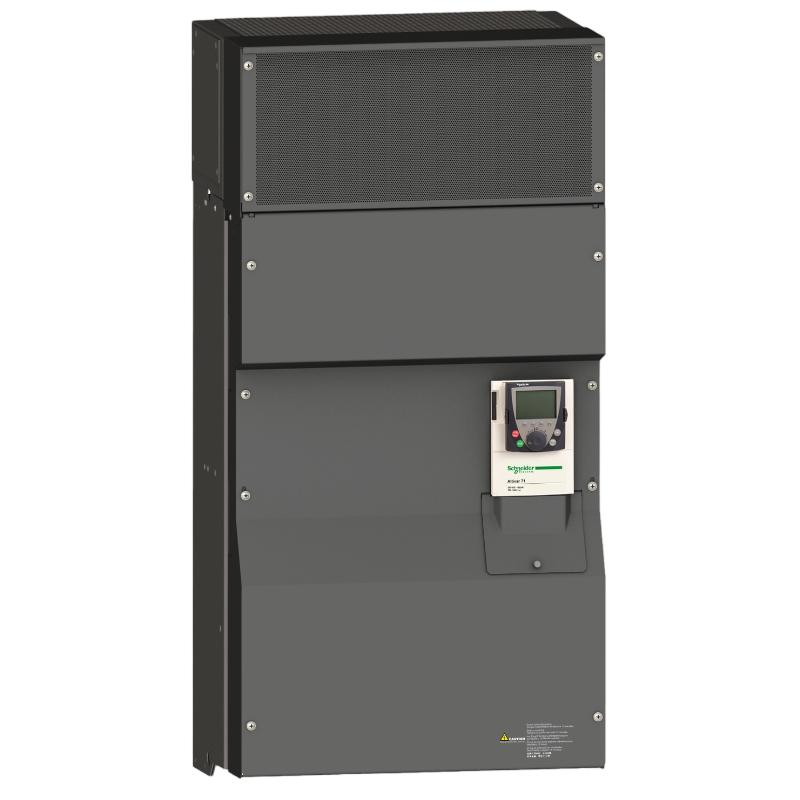
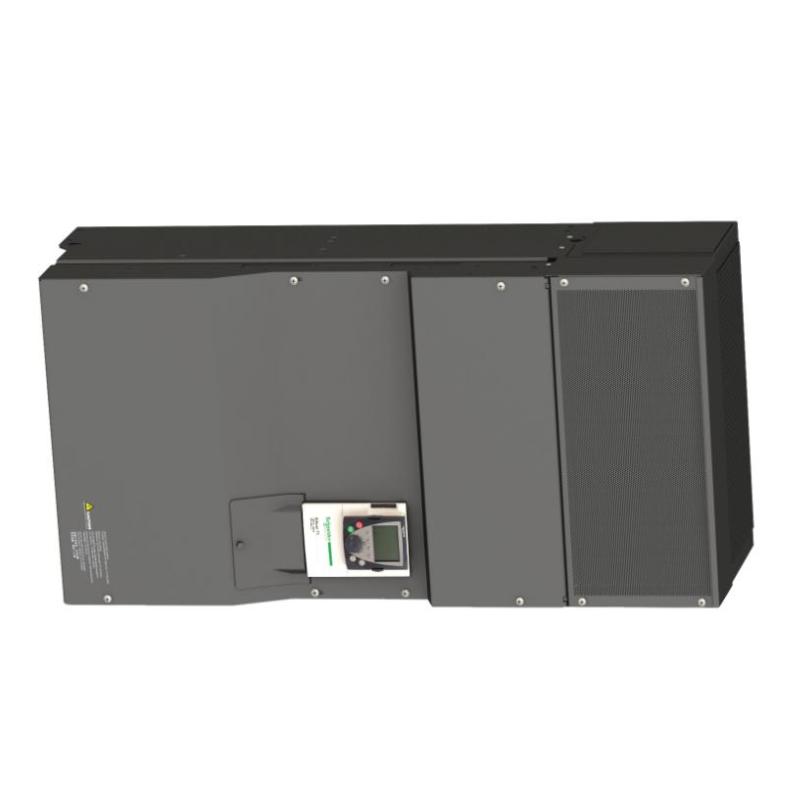
Compared with larger Altivar 71 high-power units, the compact 295 × 210 × 213 mm enclosure allows the ATV71HD11N4 to be considered for applications where cabinet space is limited.
Key Advantages
Compact Industrial Design
The 295 × 210 × 213 mm form factor allows the drive to fit into many industrial control-panel arrangements where space efficiency is important.
Adjustable Motor Speed
Variable-frequency operation allows the motor to operate according to machine requirements rather than being limited to a fixed speed.
Controlled Acceleration and Deceleration
Adjustable ramp functions can reduce mechanical shock during motor starting and stopping.
Industrial Automation Integration
The ATV71HD11N4 can be integrated into PLC, HMI, SCADA, and industrial communication architectures.
Flexible Application Range
It can be used in suitable conveyor, pump, fan, compressor, material-handling, and process-machine applications.
Maintenance Support
Drive status and diagnostic information can assist maintenance personnel during troubleshooting.
Practical Replacement Size
The relatively compact physical dimensions and 8 kg weight simplify handling compared with larger Altivar 71 drive units.
Technical FAQs
What is the Schneider ATV71HD11N4?
The Schneider ATV71HD11N4 is an Altivar 71 Variable Speed Drive designed for industrial control of three-phase AC motors.
What is the main purpose of the ATV71HD11N4?
Its main purpose is to regulate motor speed and support controlled acceleration, deceleration, and other application-specific motor-control functions.
What are the dimensions of the ATV71HD11N4?
The supplied dimensions are 295 × 210 × 213 mm.
How much does the ATV71HD11N4 weigh?
The supplied weight is 8 kg.
Can the ATV71HD11N4 be integrated with a PLC?
Yes. The drive can be incorporated into PLC-based control systems where the controller provides motor commands and process logic.
Is the ATV71HD11N4 suitable for conveyor applications?
It can be used for suitable conveyor applications where adjustable motor speed and controlled acceleration are required, provided the drive and motor are correctly selected for the load.
Can the drive be used with pumps and fans?
Variable speed drives are commonly used for pump and fan applications because motor speed can be adjusted according to process requirements.
Why is correct motor configuration important?
Incorrect motor parameters can result in poor speed regulation, excessive current, unstable operation, or motor overheating.
What should be checked before replacing the ATV71HD11N4?
Verify the complete model number, electrical rating, motor characteristics, installed options, control configuration, communication requirements, and physical installation requirements.
What can cause an ATV71HD11N4 fault?
Possible causes include power-supply problems, incorrect configuration, excessive mechanical load, motor faults, wiring problems, overheating, communication issues, or abnormal operating conditions.
Conclusion
The Schneider ATV71HD11N4 Variable Speed Drive is a compact industrial motor-control solution belonging to the Altivar 71 family. It provides variable-frequency control for suitable three-phase AC motor applications and can support adjustable speed, controlled acceleration, controlled deceleration, torque management, and integration with industrial automation systems.
With supplied dimensions of 295 × 210 × 213 mm and a weight of 8 kg, the ATV71HD11N4 offers a practical physical format for industrial control cabinets and machine automation systems. Its relatively compact size simplifies equipment handling while still providing the functionality expected from an industrial Altivar 71 drive.
The drive can be applied to suitable conveyors, pumps, fans, compressors, material-handling equipment, and process machinery. Integration with PLCs, HMIs, SCADA systems, sensors, and other automation components can further improve coordinated machine operation.
For installation, commissioning, troubleshooting, and replacement, the complete ATV71HD11N4 model identification should always be verified. Correct motor data, suitable electrical protection, appropriate cable routing, effective thermal management, and application-specific configuration are essential for dependable long-term operation.