

ProductPRODUCT
Featured products
Contact Us
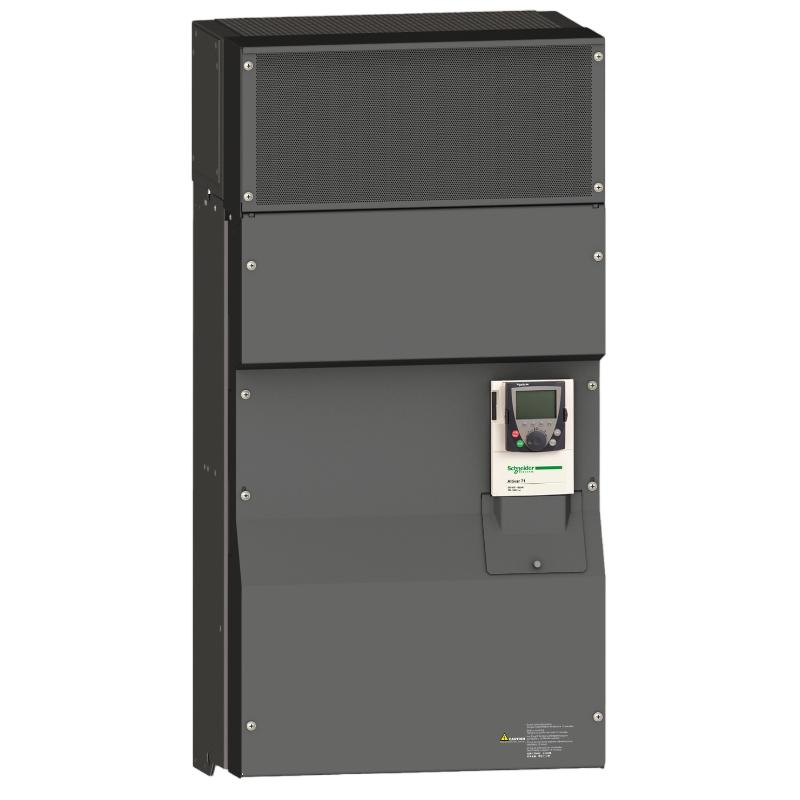
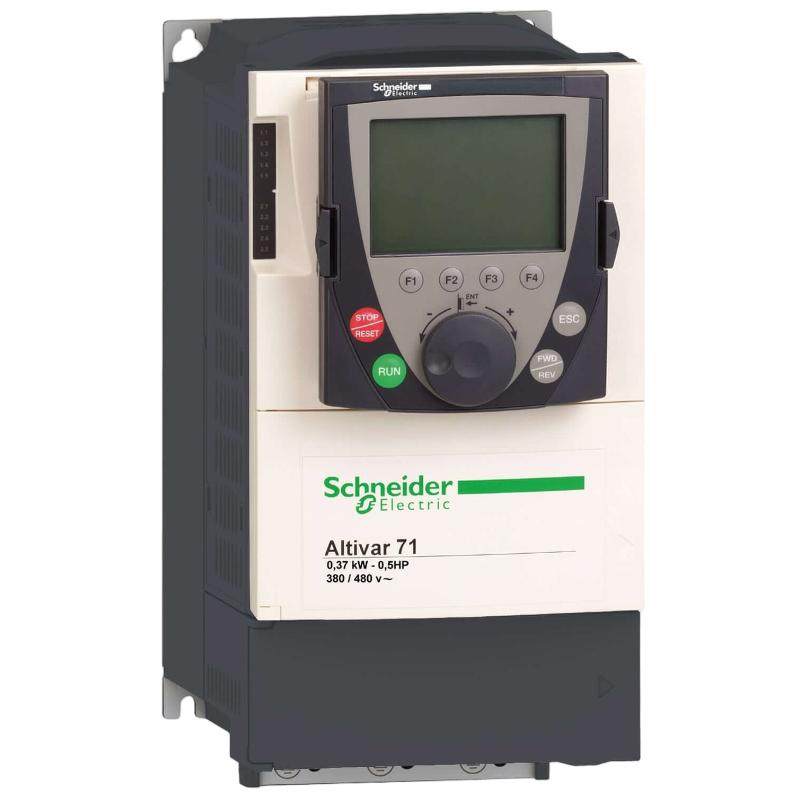
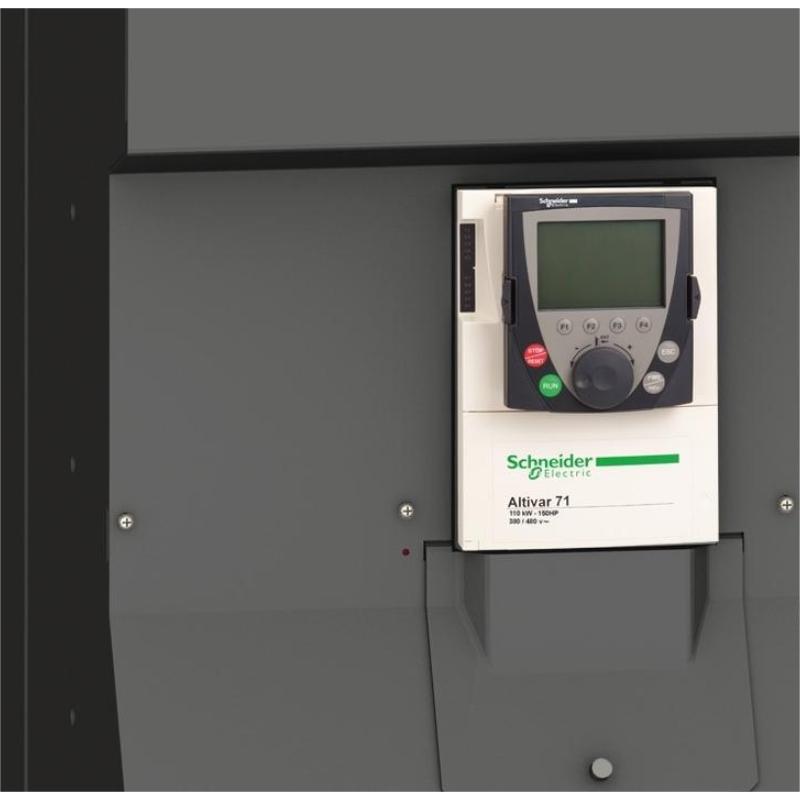
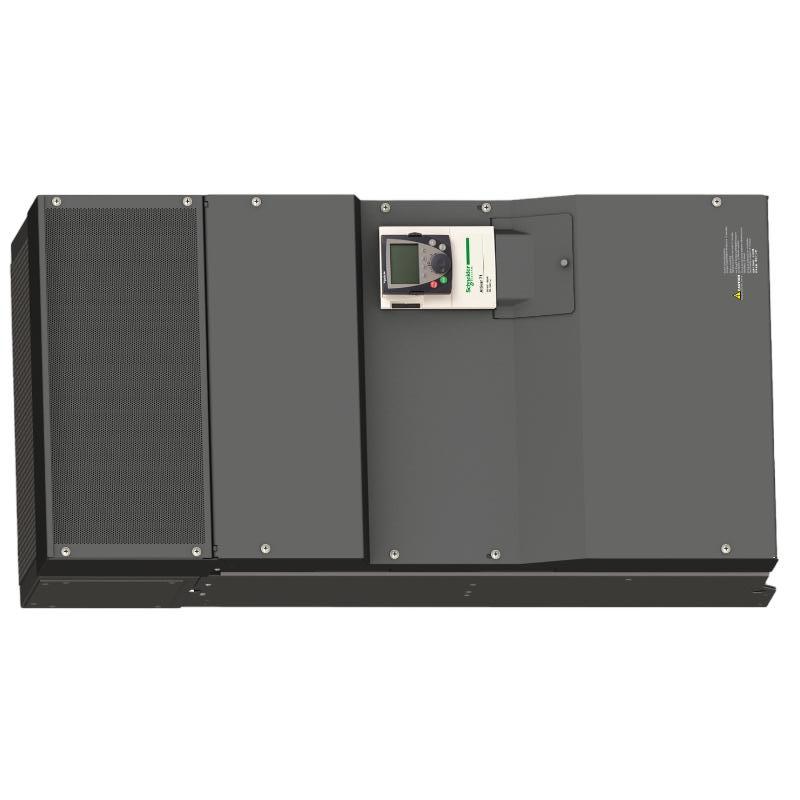
- Schneider
- ATV71HC28N4
- Variable Speed Drive
- France
- 1190 x 377 x 595 mm
- 207 kg
- Xiamen, China
- New & In Stock
- T/T, PayPal, Western Union
- 1 Year
- 1-3 Working Days
- DHL, UPS, TNT, FedEx and EMS.
- 24-Hour Service
- COO
- 2
Our advantage

Global Logistics
We have a 10-year logistics and express cooperation agreement, so our products can be shipped to any place in the world.

Brand new and original
Our products are imported in bulk from the place of origin. Because of the cooperative relationship, our products are all original and 100% new.

24-hour service
We provide 7*24 hours service to our customers. We will be there whenever you need us.

Price advantage
All our products are priced very favorably because we have our own warehouse and supply.
| Company Information | |||
| [email protected] | |||
| Mobile | +8615980777398 | ||
| +8615980777398 | |||
| 15980777398 |
Product Overview
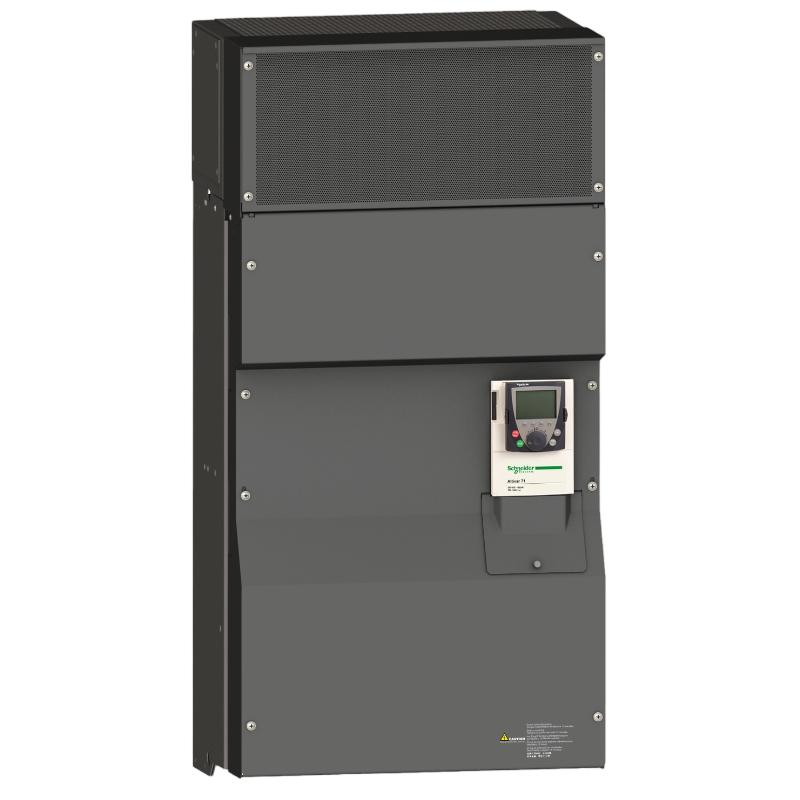
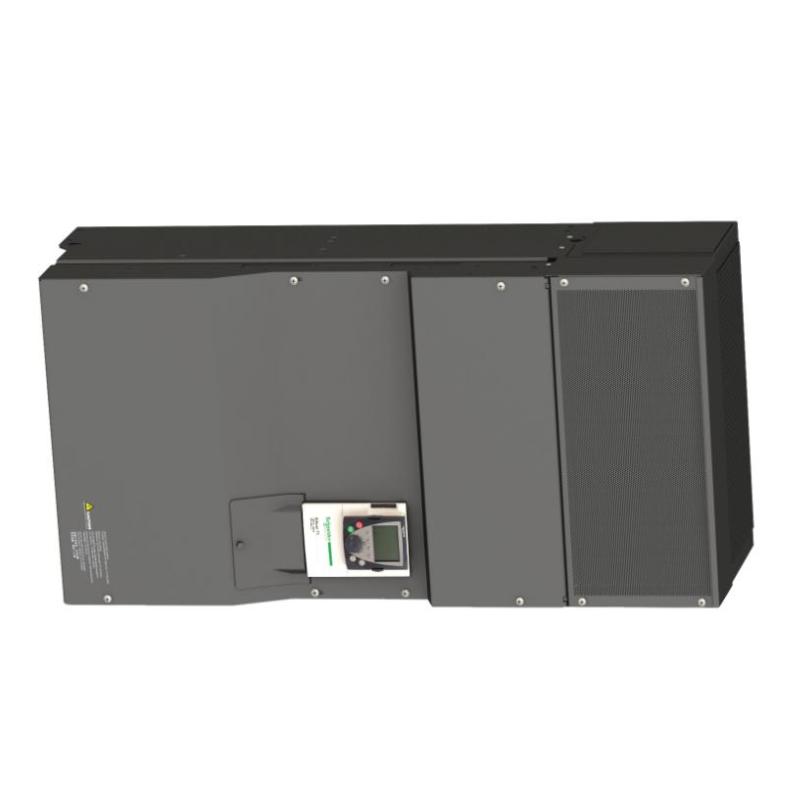
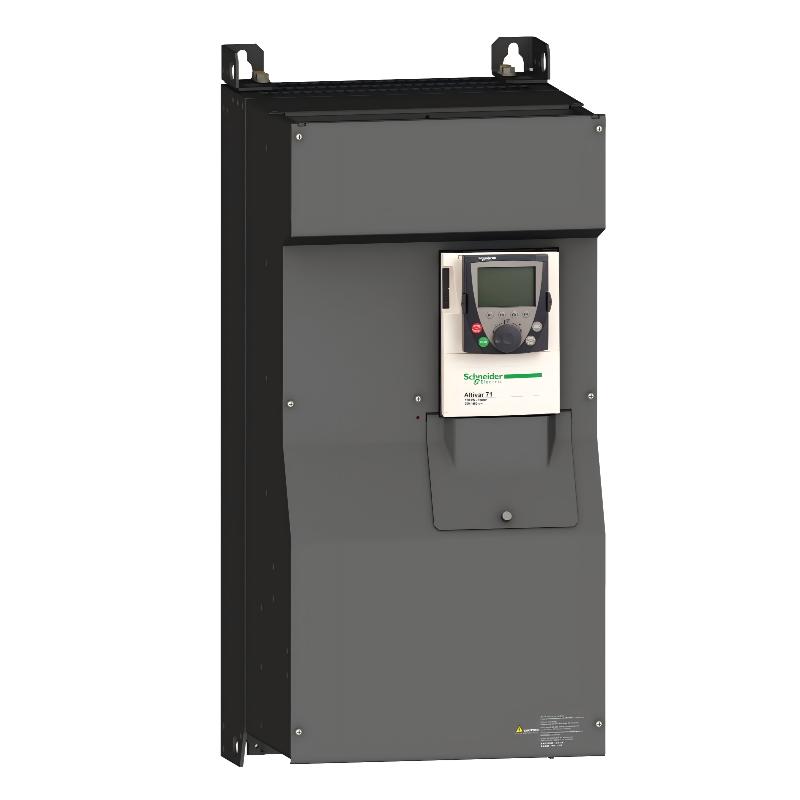
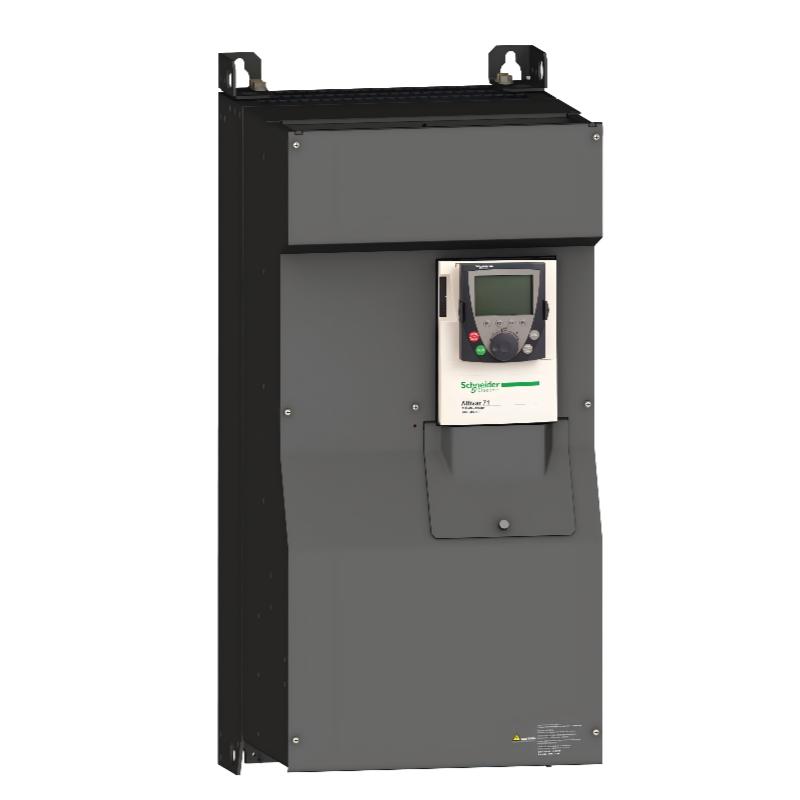
The Schneider ATV71HC28N4 Variable Speed Drive is a high-power motor control solution from the Altivar 71 series, designed for demanding industrial applications where accurate speed regulation, controlled acceleration, torque management, and reliable motor operation are required. As an industrial variable frequency drive (VFD), the ATV71HC28N4 converts incoming electrical power into a controlled variable-frequency output for three-phase AC motors.
The ATV71 platform is widely associated with applications requiring more advanced motor control than a basic speed controller can provide. Depending on the machine and control architecture, an Altivar 71 drive can be incorporated into material handling equipment, lifting systems, conveyors, pumps, fans, compressors, process machinery, and other industrial equipment requiring controlled motor speed and torque.
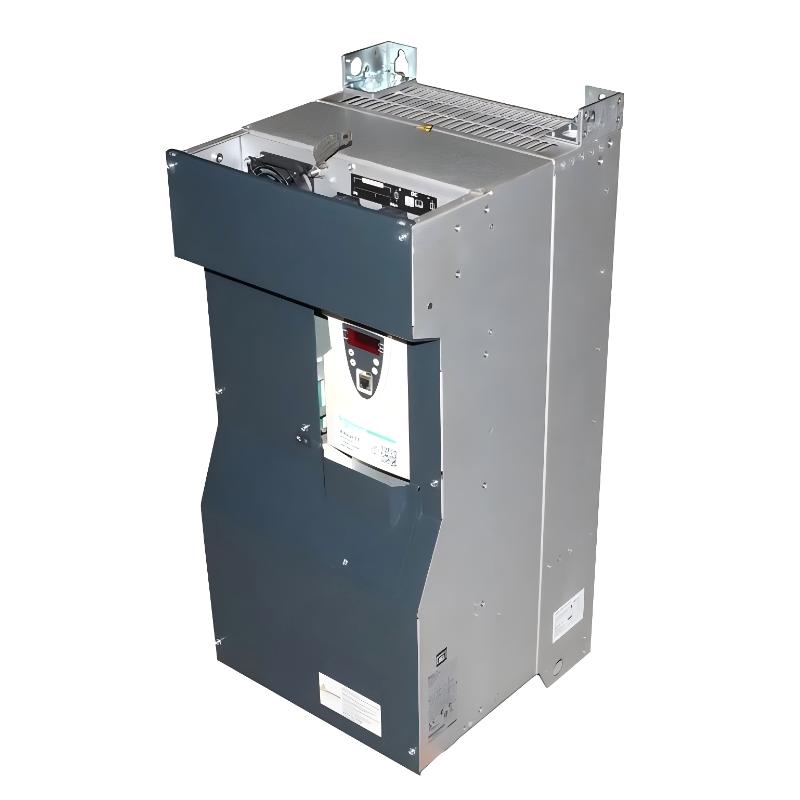
The ATV71HC28N4 belongs to the high-power range of the ATV71 family. Its substantial mechanical construction, together with its 1190 × 377 × 595 mm dimensions and 207 kg weight, makes it particularly suitable for fixed industrial installations where cabinet space, ventilation, lifting arrangements, and electrical infrastructure must be considered during engineering.
Rather than simply switching a motor on or off, the ATV71HC28N4 provides controlled motor operation. By adjusting output frequency and voltage according to the configured motor and application, the drive can provide smoother starting, controlled stopping, adjustable operating speed, and improved coordination between the motor and driven machine.
Technical Specifications
| Parameter | Specification |
|---|---|
| Manufacturer | Schneider Electric |
| Model | ATV71HC28N4 |
| Product Series | Altivar 71 |
| Product Type | Variable Speed Drive / Variable Frequency Drive |
| Application Class | High-Power Industrial Motor Control |
| Motor Control | Adjustable-frequency AC motor control |
| Motor Type | Three-phase AC motors |
| Dimensions (H × W × D) | 1190 × 377 × 595 mm |
| Weight | 207 kg |
| Installation | Industrial cabinet / fixed installation |
| Control Function | Motor speed and torque management |
| Typical Applications | Conveyors, pumps, fans, compressors, lifting and process machinery |
| Automation Integration | PLC, HMI, SCADA and industrial control systems |
Exact electrical ratings, current values, overload characteristics, input requirements, output limits, and application-specific configuration parameters should be verified against the nameplate and documentation for the exact ATV71HC28N4 installation.
What Is the Schneider ATV71HC28N4?
The Schneider ATV71HC28N4 is a high-power Altivar 71 Variable Speed Drive used to control the operating characteristics of an industrial AC motor.
In a conventional motor installation, a motor connected directly to a fixed-frequency supply normally operates close to its designed speed. This may be acceptable for simple applications, but many industrial machines require the motor to operate at different speeds according to production requirements.
The ATV71HC28N4 provides an electronic interface between the electrical power system and the motor. The drive controls the electrical output supplied to the motor so that the motor can accelerate, decelerate, and operate at the required speed.
A simplified system arrangement is:
AC Power Supply → ATV71HC28N4 → Three-Phase AC Motor → Industrial Machine
The drive can also communicate with higher-level automation equipment:
PLC / DCS / HMI / SCADA ↔ ATV71HC28N4 ↔ Motor
This architecture allows motor operation to become part of a coordinated automated process rather than functioning as an isolated electrical load.
Working Principle of the ATV71HC28N4
A variable speed drive works by electronically controlling the electrical characteristics delivered to the motor.
The general conversion process consists of several stages.
AC Input
The drive receives electrical power from the industrial power distribution system. Proper protection and electrical isolation are required as part of the overall installation.
Power Conversion
The drive’s internal power electronics convert the incoming electrical energy into a controlled electrical output.
Variable-Frequency Output
The inverter stage generates a controlled output waveform with adjustable frequency and voltage. Changing output frequency changes the operating speed of an AC motor.
Motor Regulation
The control system continuously evaluates operating conditions and adjusts the drive output according to the selected motor-control strategy.
Machine Response
The motor converts the controlled electrical output into mechanical rotation, which drives the connected equipment.
This process allows the ATV71HC28N4 to provide controlled motor acceleration, deceleration, operating speed, and torque management.
Motor Speed and Torque Control
One of the principal advantages of an industrial VSD is its ability to regulate motor operation according to the requirements of the machine.
For example, a conveyor may require a low speed during loading and a higher speed during normal transportation. A pump may need to operate at different speeds according to process demand. A fan may require continuous speed adjustment according to airflow requirements.
The ATV71HC28N4 can therefore be incorporated into control strategies where motor speed is treated as an adjustable process variable.
Typical functions include:
- Adjustable motor speed
- Controlled acceleration
- Controlled deceleration
- Torque management
- Motor protection
- Process synchronization
- Speed reference control
- Start/stop management
- Fault monitoring
The exact behavior depends on the programmed parameters, motor characteristics, control architecture, and application requirements.
Role in Industrial Automation
The ATV71HC28N4 can operate as an important field-level component within an industrial automation system.
A typical architecture may include:
Operator Interface → PLC / Controller → ATV71HC28N4 → Motor → Machine
The controller can provide commands or speed references to the drive. The ATV71HC28N4 then translates those commands into controlled motor operation.
Feedback and diagnostic information can also be incorporated into the automation system, depending on the selected communication and control architecture.
This allows engineers to coordinate motor operation with:
- Production sequences
- Machine interlocks
- Process measurements
- Safety functions
- Speed references
- Alarm systems
- Maintenance procedures
- Supervisory control
For large industrial machines, this level of integration is particularly useful because motor operation often directly affects production throughput and equipment performance.
Industrial Applications
The high-power characteristics of the ATV71HC28N4 make it suitable for industrial machinery requiring substantial motor-control capacity.
Conveyors
Large conveyors frequently require controlled acceleration and deceleration to prevent excessive mechanical stress and material movement.
A variable speed drive can allow the conveyor motor to start gradually and operate at different production speeds.
Material Handling
Material-handling equipment can benefit from adjustable speed and controlled torque. The drive can be incorporated into automated transportation and processing systems.
Pumps
Industrial pumps often require variable operating speeds to accommodate changing process demand. Speed control can help prevent unnecessary operation at full speed.
Fans and Ventilation
Industrial ventilation systems may require continuous airflow adjustment. A variable speed drive provides a practical method for adjusting fan motor operation.
Compressors
Some compressor systems can benefit from controlled motor operation to coordinate equipment output with process requirements.
Lifting Equipment
Motor speed and torque management are important in lifting and hoisting applications. Proper drive configuration is essential because these applications can have significant mechanical and safety requirements.
Process Machinery
Industrial process equipment may require controlled motor speed to maintain stable production conditions.
PLC Integration
The ATV71HC28N4 can be integrated into PLC-based automation systems where the PLC acts as the central controller.
A typical control sequence may operate as follows:
- The PLC evaluates machine conditions.
- Safety and interlock conditions are checked.
- A start command is sent to the drive.
- A speed reference is supplied.
- The ATV71HC28N4 accelerates the motor according to its configured ramp.
- The motor reaches the required operating speed.
- The PLC monitors drive status and process feedback.
- The controller changes the speed reference when process conditions change.
- A controlled stop is performed when the production sequence is completed.
This arrangement provides a clear division of responsibilities between the PLC, drive, motor, and mechanical equipment.
HMI and SCADA Integration
For larger industrial installations, operators may need access to drive operating information from an HMI or SCADA system.
Depending on the overall system architecture, information associated with the ATV71HC28N4 may be incorporated into operator displays such as:
- Motor operating status
- Speed reference
- Actual operating speed
- Drive status
- Alarm conditions
- Fault information
- Operating commands
- Maintenance information
This information can help operators identify abnormal operating conditions without requiring direct access to the drive cabinet.
For centralized plants, drive information can also become part of a broader SCADA monitoring strategy.
Installation Guidelines
Because the ATV71HC28N4 measures 1190 × 377 × 595 mm and weighs 207 kg, mechanical installation must be planned carefully.
The drive should be installed in an appropriate industrial environment and mounted according to the applicable Schneider Electric installation requirements.
Before installation, engineers should verify:
- Available cabinet space
- Mounting arrangement
- Electrical clearances
- Cable entry routes
- Ventilation requirements
- Ambient operating conditions
- Power-distribution capacity
- Grounding arrangements
- Maintenance access
- Lifting and handling requirements
The 207 kg equipment weight is particularly important when designing cabinet structures and installation procedures.
Cabinet Installation and Thermal Management
Large variable speed drives generate heat during operation. Proper thermal management is therefore essential.
The installation cabinet should provide adequate airflow and sufficient space around heat-producing components.
Important considerations include:
Ventilation
Cooling airflow must not be obstructed by other equipment, cable bundles, filters, or cabinet structures.
Heat Separation
Where possible, high-heat components should be arranged so that their thermal output does not unnecessarily increase the temperature around sensitive control electronics.
Cabinet Temperature
The actual operating environment should remain within the permitted temperature range for the installed equipment.
Maintenance Access
The cabinet should provide enough space for inspection, cable maintenance, cooling-system servicing, and replacement work.
For a 207 kg drive, mechanical handling must also be considered. Installation may require suitable lifting equipment and a properly engineered mounting structure.
Power and Motor Wiring
Electrical wiring must be completed by qualified personnel following the applicable electrical standards and equipment documentation.
The general power architecture is:
Three-Phase Supply → Protective Equipment → ATV71HC28N4 → Motor
Before energizing the system, engineers should verify:
- Incoming power connections
- Protective device coordination
- Grounding
- Motor cable connections
- Motor terminal configuration
- Cable insulation
- Cable routing
- Control wiring
- Communication wiring
- Emergency and safety circuits
The motor cable should be correctly sized for the application and installation conditions.
Incorrect wiring can result in drive faults, motor damage, excessive electromagnetic interference, or unsafe operation.
EMC and Cable Management
Variable speed drives are high-frequency switching devices and can generate electromagnetic interference if the installation is not properly designed.
Good cable-management practices include:
- Keep power and control cables appropriately separated.
- Use suitable shielded cables where required.
- Maintain effective grounding arrangements.
- Avoid unnecessary cable loops.
- Route communication cables away from high-power switching conductors where practical.
- Ensure cable shields are terminated according to the system’s EMC design.
- Consider EMC filters or reactors where required by the application.
The objective is to minimize electrical noise while maintaining reliable communication between the drive and automation equipment.
Motor Configuration
Before commissioning, the drive must be configured for the connected motor.
Motor information should be obtained from the motor nameplate and entered into the appropriate drive parameters.
Relevant information may include:
- Motor rated power
- Rated voltage
- Rated current
- Rated frequency
- Rated speed
- Motor-control characteristics
- Acceleration requirements
- Deceleration requirements
- Minimum speed
- Maximum speed
Using incorrect motor parameters can result in poor performance, excessive current, unstable operation, or motor overheating.
Commissioning Procedure
A controlled commissioning procedure helps reduce the risk of equipment damage and incorrect operation.
Step 1 — Visual Inspection
Inspect the ATV71HC28N4 for transportation damage, loose components, contamination, or mechanical problems.
Step 2 — Verify Identification
Confirm that the installed drive is the correct ATV71HC28N4 model and that its configuration matches the project requirements.
Step 3 — Check Wiring
Verify power, motor, control, grounding, and communication connections.
Step 4 — Confirm Motor Data
Enter the motor nameplate information into the drive configuration.
Step 5 — Verify Control Commands
Check start, stop, direction, speed reference, and interlock signals.
Step 6 — Perform Initial Test
Start the motor under controlled conditions and verify direction of rotation.
Step 7 — Check Acceleration
Confirm that the motor accelerates smoothly and that current and mechanical response remain appropriate.
Step 8 — Check Normal Operation
Run the machine at the required operating point and monitor drive status.
Step 9 — Verify Fault Handling
Confirm that the automation system correctly detects drive alarms and faults.
Step 10 — Record Configuration
Document important parameters and commissioning results for future maintenance.
Troubleshooting the ATV71HC28N4
Troubleshooting should begin with the complete electrical and mechanical system rather than immediately assuming that the drive itself has failed.
Drive Does Not Start
Check:
- Incoming power
- Drive status
- Start command
- Stop/interlock conditions
- Speed reference
- Motor wiring
- Active fault conditions
- Control-system logic
A missing start command from a PLC can produce the same symptom as a drive problem.
Motor Does Not Reach Required Speed
Possible causes include:
- Incorrect speed reference
- Incorrect motor configuration
- Mechanical overload
- Current limitation
- Incorrect acceleration settings
- Process-related resistance
- Motor problems
The drive status and motor operating conditions should be checked together.
Motor Trips During Acceleration
Investigate:
- Excessive mechanical load
- Incorrect motor data
- Acceleration ramp
- Motor cable condition
- Motor insulation
- Drive fault history
- Supply conditions
Large mechanical loads may require application-specific acceleration strategies.
Excessive Motor Noise
Possible causes include:
- Incorrect motor-control configuration
- Mechanical resonance
- Motor condition
- Cable installation
- Switching-related effects
- Improper operating conditions
The mechanical system should be inspected as well as the electrical system.
Drive Overheating
Check:
- Cabinet temperature
- Cooling airflow
- Fan condition
- Ventilation openings
- Dust accumulation
- Cabinet loading
- Ambient conditions
A drive operating in an excessively hot cabinet may experience reduced reliability or thermal protection events.
Preventive Maintenance
Preventive maintenance is especially important for high-power drives because unexpected failures can cause significant production downtime.
Recommended maintenance activities include:
Visual Inspection
Look for contamination, discoloration, damaged wiring, loose connections, and signs of overheating.
Cooling-System Inspection
Check ventilation paths and cooling components for dust or obstruction.
Electrical Connection Inspection
Verify that electrical connections remain secure according to the applicable maintenance procedures.
Cabinet Environment
Keep the cabinet clean and maintain appropriate environmental conditions.
Fault History Review
Repeated drive faults should be investigated rather than simply reset.
Motor Condition
The motor, motor cable, bearings, mechanical coupling, and driven machine should also be included in preventive maintenance.
Replacement and Spare-Part Planning
The ATV71HC28N4 should be identified by its complete model designation when purchasing or preparing a replacement.
Important identification information includes:
- Full model number
- Product family
- Hardware revision
- Application configuration
- Electrical rating
- Installed options
- Control architecture
- Motor characteristics
A replacement drive should never be selected solely according to physical dimensions.
The replacement must be electrically and functionally compatible with the motor and machine.
For large installations, spare-part planning should also consider the drive’s physical weight. At 207 kg, transportation, storage, lifting, and installation procedures require more planning than for small cabinet-mounted drives.
Compatible System Components
The ATV71HC28N4 may form part of an industrial automation system containing:
| System Component | Typical Function |
|---|---|
| PLC | Machine sequence and control logic |
| HMI | Operator commands and status display |
| SCADA | Supervisory monitoring |
| Motor | Converts electrical power into mechanical motion |
| Motor Protection Equipment | Electrical protection |
| Circuit Breaker | Isolation and protection |
| EMC Filter | Electromagnetic compatibility |
| Line Reactor | Power-quality and harmonic-management application |
| Braking Equipment | Controlled deceleration where required |
| Encoder / Feedback Device | Speed or position feedback where applicable |
| Industrial Network | Drive-to-controller communication |
The actual system configuration depends on the machine and project requirements.
Recommended Related Schneider Electric Models
| Model | Product Family | General Application |
|---|---|---|
| ATV71HC11N4 | Altivar 71 | High-power motor control |
| ATV71HC13N4 | Altivar 71 | High-power transmission and motor applications |
| ATV71HC16N4 | Altivar 71 | High-power industrial drive applications |
| ATV71HC25N4 | Altivar 71 | High-power variable speed applications |
| ATV71HC28N4 | Altivar 71 | High-power industrial motor control |
| ATV630 Series | Altivar Process | Process-oriented motor control |
| ATV650 Series | Altivar Process | Industrial process and infrastructure applications |
These models belong to related Schneider Electric variable-speed-drive families, but they should not be treated as automatic substitutes. Motor rating, load type, enclosure requirements, control functions, communications, and application requirements must be evaluated before selecting an alternative.
Engineering Considerations
When designing a system around the ATV71HC28N4, engineers should consider more than the drive’s nominal motor-control function.
Motor Compatibility
The drive must be matched to the motor’s electrical characteristics and intended operating conditions.
Load Characteristics
Different machines have different torque-speed relationships. Conveyors, pumps, fans, compressors, and lifting systems should therefore be configured according to their specific mechanical characteristics.
Acceleration and Deceleration
Large machines can contain considerable mechanical inertia. Acceleration and deceleration parameters should be selected carefully.
Braking Requirements
Applications requiring rapid stopping may require additional braking provisions depending on the mechanical system and operating cycle.
Electrical Infrastructure
The upstream electrical distribution system must be capable of supporting the drive installation.
Cabinet Design
The 1190 × 377 × 595 mm physical size and 207 kg weight should be incorporated into cabinet, floor, support, transportation, and maintenance planning.
Service Access
Large drives should be installed where technicians can safely access the equipment for inspection and maintenance.
Physical Dimensions and Weight
The physical specifications supplied for the Schneider ATV71HC28N4 are:
- Height: 1190 mm
- Width: 377 mm
- Depth: 595 mm
- Weight: 207 kg
These specifications are important for:
- Cabinet design
- Mounting structure selection
- Equipment-room planning
- Transportation
- Lifting arrangements
- Installation access
- Maintenance planning
- Replacement logistics
Because the drive weighs 207 kg, mechanical handling should be planned before installation. The supporting structure must be capable of safely carrying the equipment and associated installation loads.
Key Advantages
High-Power Motor Control
The ATV71HC28N4 is designed for demanding industrial applications requiring substantial motor-control capability.
Adjustable Operating Speed
Variable-frequency operation allows motor speed to be adapted to changing machine requirements.
Controlled Acceleration and Deceleration
Gradual motor speed changes can reduce mechanical stress compared with uncontrolled starting and stopping.
Industrial Automation Integration
The drive can be incorporated into PLC, HMI, SCADA, and broader automation architectures.
Suitable for Complex Machinery
Its application range can include conveyors, pumps, fans, compressors, lifting equipment, and process machinery.
Robust Industrial Installation
Its large-format construction is appropriate for fixed industrial installations where appropriate cabinet and environmental engineering is available.
Maintenance-Oriented Diagnostics
Drive status and fault information can assist technicians in identifying operating problems and reducing troubleshooting time.
Technical FAQs
What is the Schneider ATV71HC28N4?
The Schneider ATV71HC28N4 is a high-power Altivar 71 Variable Speed Drive designed to provide controlled operation of three-phase AC motors in industrial applications.
What is the product used for?
It is used to control motor speed, acceleration, deceleration, and other motor-operating characteristics in industrial machinery.
What are the dimensions of the ATV71HC28N4?
The listed dimensions are 1190 × 377 × 595 mm.
How much does the ATV71HC28N4 weigh?
The listed weight is 207 kg.
Can the ATV71HC28N4 be connected to a PLC?
Yes. An ATV71 drive can form part of a PLC-based automation system. The exact communication and command architecture depend on the installed control configuration.
Is the ATV71HC28N4 suitable for conveyors?
It can be used in industrial conveyor applications where controlled motor speed and acceleration are required, provided the drive and motor are correctly sized for the conveyor load.
Can it be used for pumps and fans?
Variable speed drives are commonly applied to pumps and fans because adjustable motor speed can help match machine output to process demand.
What should be checked before replacing an ATV71HC28N4?
The complete model number, electrical rating, motor characteristics, installed options, control architecture, application requirements, and physical installation requirements should be verified.
Why is cabinet design important for this drive?
The ATV71HC28N4 has substantial physical dimensions of 1190 × 377 × 595 mm and weighs 207 kg. Cabinet strength, ventilation, access, cable routing, and mechanical handling therefore require careful planning.
What can cause drive faults?
Possible causes include power-supply problems, motor faults, excessive load, incorrect configuration, wiring problems, overheating, communication issues, or abnormal operating conditions. The drive fault history should be evaluated together with the motor and machine.
Conclusion
The Schneider ATV71HC28N4 Variable Speed Drive is a high-power industrial motor-control solution within the Altivar 71 family. It is designed for applications where adjustable motor speed, controlled acceleration and deceleration, torque management, and integration with industrial automation systems are important.
With listed dimensions of 1190 × 377 × 595 mm and a weight of 207 kg, the ATV71HC28N4 requires careful attention to cabinet construction, ventilation, electrical wiring, mechanical support, transportation, and maintenance access. Its large physical format reflects its intended use in substantial industrial installations rather than small machine-control applications.
When integrated correctly with a compatible AC motor, PLC, HMI, SCADA system, protective equipment, and industrial communication architecture, the ATV71HC28N4 can provide controlled and repeatable motor operation across a wide range of industrial machinery.
For installation, replacement, or troubleshooting, engineers should always verify the complete ATV71HC28N4 identification and actual equipment configuration. Correct motor data, appropriate electrical protection, proper cable management, adequate cooling, and application-specific commissioning are essential for achieving reliable long-term operation.