
NewsNEWCENTER
Featured products
Contact Us
Mitsubishi Electric Advances Factory Automation with MELSEC PLC, Industrial Robots and Digital Manufacturing Solutions
2026-07-24The global manufacturing industry is undergoing a significant transformation as companies continue investing in intelligent automation systems, robotics technologies, and digital manufacturing solutions.
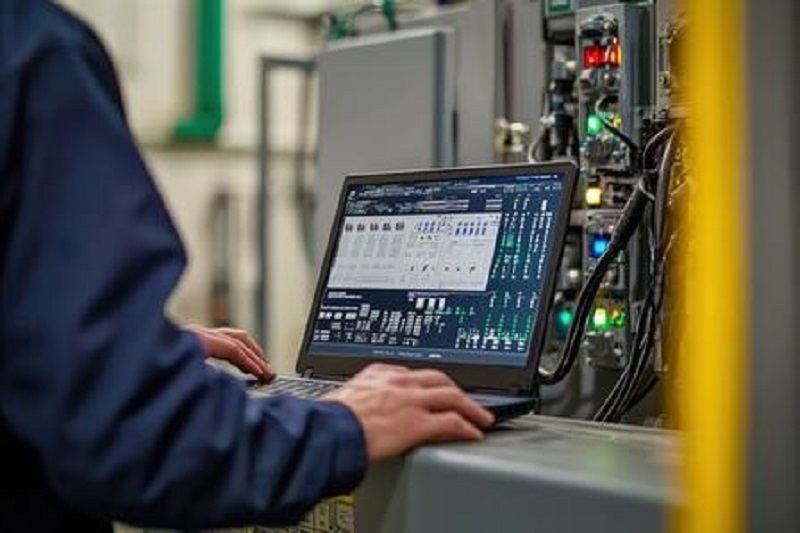
Manufacturers across industries such as automotive, electronics, semiconductor, food processing, packaging, logistics, and industrial equipment are facing increasing pressure to improve:
- Production efficiency
- Product quality
- Manufacturing flexibility
- Equipment reliability
- Energy performance
Traditional factory automation systems were mainly designed to control individual machines and production processes. However, modern manufacturing environments require more advanced technologies that can connect equipment, analyze operational information, and support intelligent production management.
The future of manufacturing is moving toward highly connected industrial ecosystems where PLC controllers, industrial networks, robots, sensors, and digital platforms work together.
Mitsubishi Electric continues to contribute to factory automation development through MELSEC PLC systems, industrial control technologies, motion control solutions, robotics integration, and digital manufacturing concepts.
The evolution of Mitsubishi automation technology reflects a major trend in the industry: PLC systems are becoming intelligent production platforms that provide not only machine control but also communication, diagnostics, and data management capabilities.
For global manufacturers, automation engineers, and system integrators, advanced PLC-based automation has become a key technology for building efficient, flexible, and competitive smart factories.
PLC Technology Remains the Core of Modern Factory Automation
Programmable Logic Controllers continue to be one of the most important technologies in industrial manufacturing.
PLC systems perform essential control tasks by:
- Receiving signals from sensors
- Processing control logic
- Managing machine operations
- Coordinating production processes
Modern manufacturing applications depend on PLC systems for controlling:
- Assembly equipment
- Packaging machines
- Material handling systems
- Automated production lines
- Inspection equipment
- Industrial machinery
Advanced PLC controllers provide important features including:
- High-speed processing
- Reliable operation
- Industrial communication
- Motion control support
- Expandable system architecture
These capabilities allow manufacturers to create automation systems that can adapt to changing production requirements.
In today’s smart factory environment, PLC controllers are no longer independent devices.
They connect different automation layers, including:
- Sensors
- Servo systems
- Robots
- Human-machine interfaces
- Industrial software platforms
This connected approach provides manufacturers with greater control and visibility.
Mitsubishi MELSEC PLC Supports Flexible Industrial Applications
Manufacturing industries require automation systems that can provide both reliability and flexibility.
Production requirements are constantly changing due to:
- New product designs
- Market demand changes
- Higher quality requirements
- Increased production speed
Flexible PLC platforms help manufacturers respond quickly to these challenges.
Mitsubishi MELSEC PLC technology has been widely used in industrial automation applications because modern factories require scalable and reliable control systems.
Typical applications include:
Automotive Manufacturing Automation
The automotive industry requires highly precise production processes.
PLC systems support:
- Assembly operations
- Robotic production cells
- Quality inspection systems
- Material transportation
Automation improves production consistency and efficiency.
Electronics Manufacturing
Electronics production requires:
- High accuracy
- Fast processing
- Reliable communication
PLC systems help control:
- Assembly equipment
- Testing machines
- Component handling systems
Precise automation is essential for maintaining product quality.
Packaging and Processing Industries
Packaging industries require fast and accurate machine control.
PLC systems manage:
- Filling operations
- Packaging sequences
- Conveyor systems
- Product inspection
Automation improves production speed while maintaining consistency.
Industrial Robotics and PLC Integration Create Smarter Production Lines
Industrial robots are becoming increasingly important in modern manufacturing.
Robots are widely used in:
- Assembly
- Welding
- Packaging
- Sorting
- Transportation
- Inspection
However, robots require coordination with other factory automation systems.
PLC controllers provide the connection between:
- Machines
- Robots
- Sensors
- Production management systems
PLC and robotics integration enables manufacturers to achieve:
- Faster production cycles
- Improved accuracy
- Reduced manual operations
- Higher flexibility
For example:
A sensor detects product information.
The PLC processes the signal.
The robot performs the required operation.
The production system continues automatically.
This coordinated automation structure improves overall manufacturing efficiency.
Smart Manufacturing Requires Connected Automation Systems
Smart manufacturing is becoming a major direction for global industrial development.
A smart factory combines:
- Automation equipment
- Digital technologies
- Industrial communication
- Data analysis
The purpose is to create production environments that can monitor and optimize themselves.
Smart manufacturing systems collect information from:
- PLC controllers
- Sensors
- Robots
- Machines
- Production equipment
Companies can analyze this information to improve:
- Production efficiency
- Equipment performance
- Quality control
- Resource management
Connected manufacturing allows companies to make faster and more accurate decisions.
Industrial IoT Improves Factory Data Management
Industrial Internet of Things technology is changing the way factories operate.
Traditional automation systems often worked separately.
Modern industrial environments connect:
- Controllers
- Sensors
- Machines
- Robots
- Digital platforms
through industrial communication networks.
Industrial IoT enables manufacturers to:
- Monitor equipment conditions
- Collect real-time data
- Analyze production performance
- Improve maintenance planning
A connected factory structure includes:
Sensors collecting operating information.
PLC systems controlling equipment.
Industrial networks transferring data.
Software platforms analyzing information.
Engineers using results to optimize production.
This approach supports more intelligent manufacturing operations.
Motion Control Technology Improves Manufacturing Precision
Many modern production applications require highly accurate movement control.
Examples include:
- Semiconductor equipment
- Electronic assembly machines
- Packaging systems
- Precision manufacturing equipment
Motion control technologies help manage:
- Servo motors
- Position control
- Speed regulation
- Machine synchronization
When combined with PLC systems, motion control improves:
- Production accuracy
- Equipment performance
- Product quality
Precision automation is becoming increasingly important as industries demand higher manufacturing standards.
Predictive Maintenance Helps Reduce Equipment Downtime
Manufacturing companies depend on reliable equipment operation.
Unexpected equipment failures can result in:
- Production delays
- Increased maintenance costs
- Reduced efficiency
- Customer delivery problems
Modern automation systems support predictive maintenance by analyzing equipment information.
Data from:
- PLC controllers
- Sensors
- Motors
- Servo systems
- Machines
can reveal early warning signals.
Predictive maintenance allows companies to:
- Identify problems earlier
- Schedule maintenance effectively
- Reduce downtime
- Extend equipment lifespan
This approach is becoming a standard strategy in smart manufacturing environments.
Digital Manufacturing Improves Production Optimization
Digital transformation is changing how manufacturers manage production.
Modern digital manufacturing solutions analyze:
- Machine performance
- Production output
- Quality information
- Energy consumption
This helps companies understand their operations more clearly.
Digital manufacturing provides benefits including:
- Better decision-making
- Improved resource management
- Reduced production waste
- Higher operational efficiency
The integration of automation and digital technologies is creating new opportunities for industrial improvement.
Energy Efficiency Becomes a Key Manufacturing Objective
Energy consumption has become an important concern for industrial companies.
Factories use energy through:
- Motors
- Production equipment
- Heating systems
- Cooling systems
Automation technologies help companies monitor and optimize energy usage.
Smart systems can analyze:
- Equipment operating conditions
- Production efficiency
- Energy consumption patterns
This allows manufacturers to:
- Reduce energy waste
- Lower operating costs
- Improve sustainability
Energy-efficient automation will continue to influence future factory development.
Industrial Cybersecurity Supports Connected Factories
As automation systems become increasingly connected, cybersecurity becomes more important.
Modern factories include:
- PLC systems
- Industrial networks
- Digital platforms
- Remote monitoring systems
Companies must protect:
- Control systems
- Production data
- Communication infrastructure
Future smart factories require automation technologies that combine:
- High performance
- Reliable operation
- Secure communication
Cybersecurity will remain an essential part of industrial automation development.
Challenges During Factory Automation Modernization
Although smart automation provides significant benefits, manufacturers must consider several challenges.
Legacy Equipment Integration
Many factories continue operating older equipment.
Connecting existing systems with modern automation technologies requires careful planning.
Technical Skills
Automation projects require engineers with knowledge of:
- PLC programming
- Robotics
- Industrial networking
- Digital technologies
Investment Requirements
Smart factory development requires investment in:
- Automation equipment
- Software systems
- Engineering services
- Employee training
However, long-term improvements in efficiency and competitiveness provide significant value.
Future Outlook: Intelligent Factory Automation Will Continue Expanding
The future of manufacturing will depend on intelligent, connected, and flexible automation technologies.
Industrial companies will continue adopting:
- Advanced PLC systems
- Industrial robotics
- Motion control solutions
- Industrial IoT technologies
- Digital manufacturing platforms
Mitsubishi MELSEC PLC technology represents the continued evolution of industrial control toward smarter production environments.
As manufacturers worldwide continue upgrading their factories, intelligent automation will play a critical role in improving:
- Productivity
- Quality
- Flexibility
- Sustainability
The factories of the future will not only automate production but also collect information, analyze performance, and continuously optimize operations.
Conclusion
Factory automation is moving beyond traditional machine control toward intelligent manufacturing ecosystems.
Mitsubishi MELSEC PLC systems, robotics technologies, motion control solutions, and digital manufacturing strategies demonstrate how modern automation can improve industrial productivity and flexibility.
For manufacturers around the world, intelligent PLC automation provides the foundation for creating smarter factories with better performance and higher competitiveness.
As industrial transformation continues, advanced PLC systems and smart manufacturing technologies will remain essential drivers of the future automation industry.