

ProductPRODUCT
Featured products
Contact Us
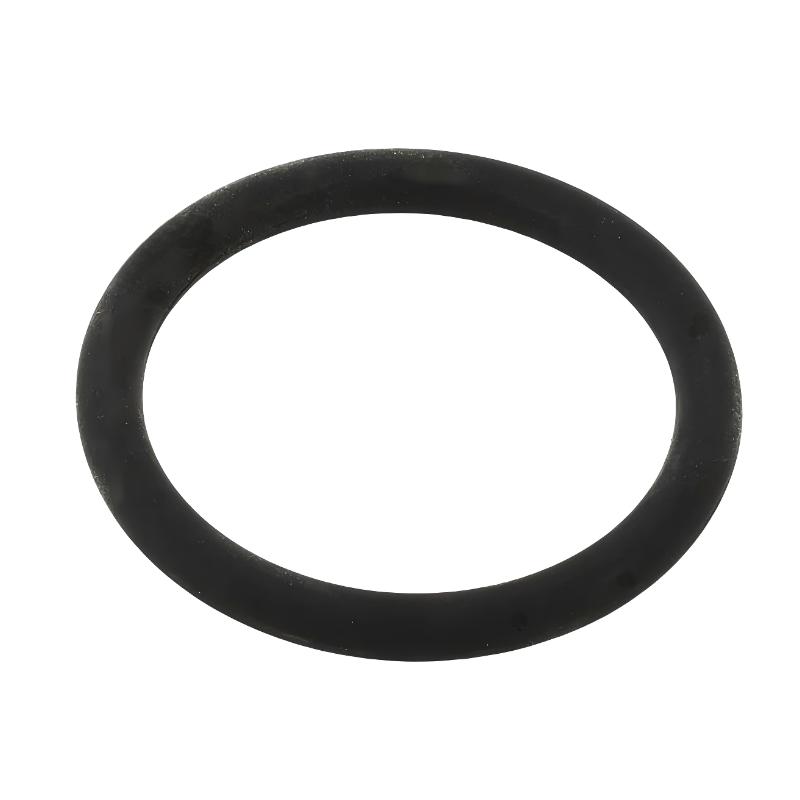
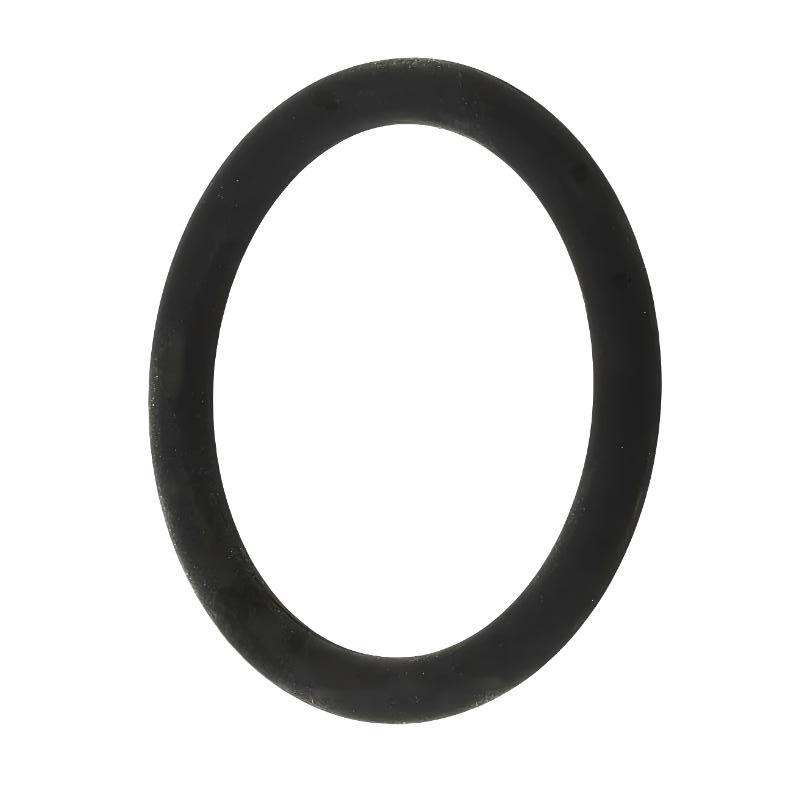
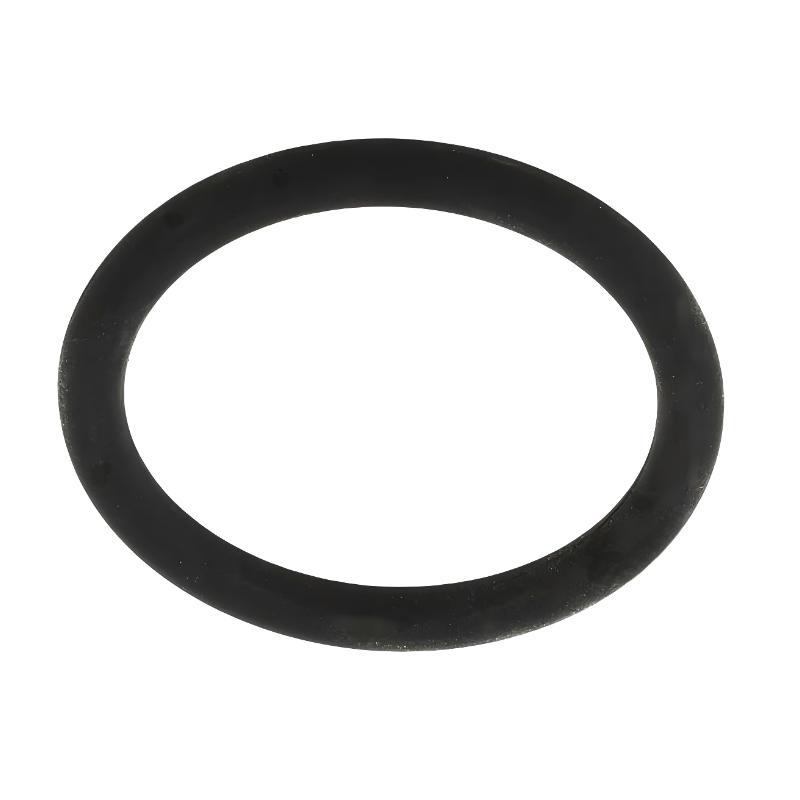
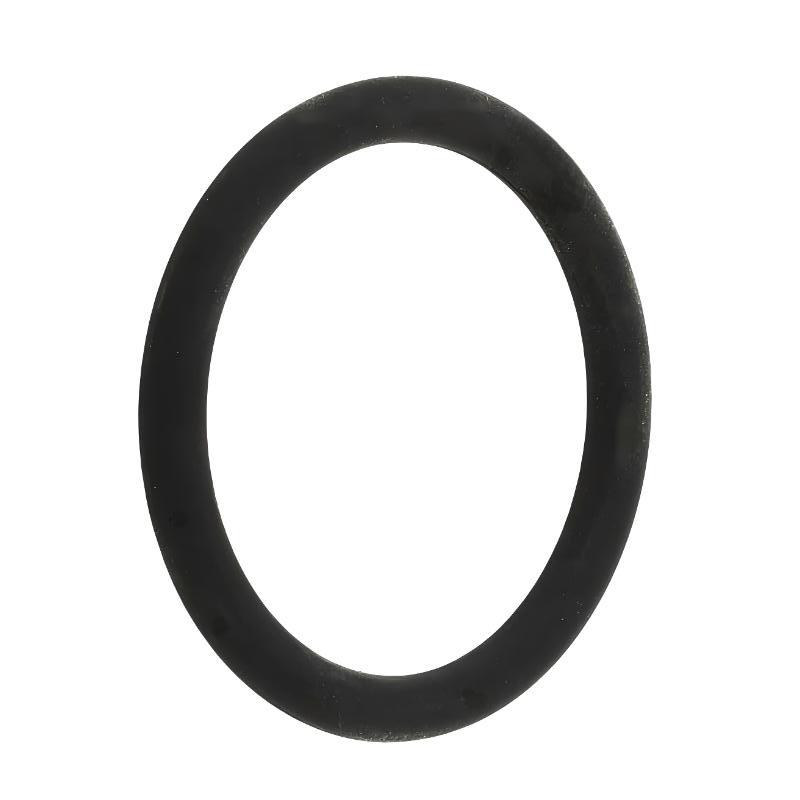
- Ingersoll Rand
- 95026860
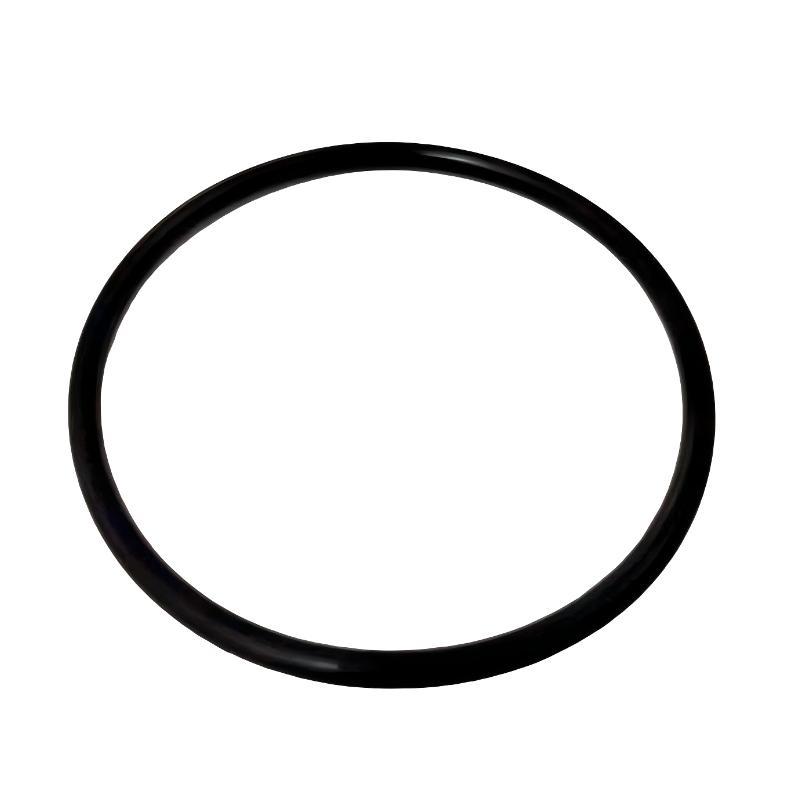
- O-Ring
- USA
- 50 × 10 × 30 mm
- 0.1 kg
- Xiamen, China
- New & In Stock
- T/T, PayPal, Western Union
- 1 Year
- 1-3 Working Days
- DHL, UPS, TNT, FedEx and EMS.
- 24-Hour Service
- COO
- 8
Our advantage

Global Logistics
We have a 10-year logistics and express cooperation agreement, so our products can be shipped to any place in the world.

Brand new and original
Our products are imported in bulk from the place of origin. Because of the cooperative relationship, our products are all original and 100% new.

24-hour service
We provide 7*24 hours service to our customers. We will be there whenever you need us.

Price advantage
All our products are priced very favorably because we have our own warehouse and supply.
| Company Information | |||
| [email protected] | |||
| Mobile | +8615980777398 | ||
| +8615980777398 | |||
| 15980777398 |
Product Overview
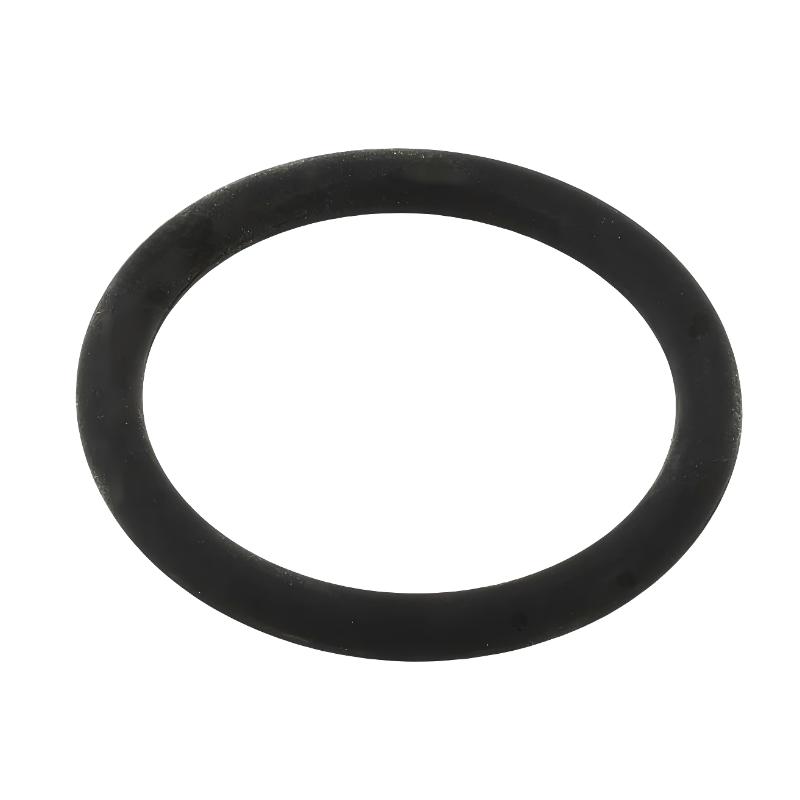
The Ingersoll Rand 95026860 O-Ring is an industrial sealing component used in compatible Ingersoll Rand compressor equipment. It forms a seal between mating components to help prevent leakage and maintain the integrity of the assembled connection. The correct application depends on the equipment configuration, sealing groove, operating medium, and service requirements.
Part number 95026860 is listed as an O-ring for Ingersoll Rand Centac centrifugal compressor equipment, including a P140 parts configuration. The associated parts description identifies it as an O-ring with a size designation of 3.88 × 4.25 × 0.188 inches. This establishes a more specific dimensional reference than the generic O-ring product description, although the exact installation location should still be verified against the relevant compressor assembly. <Cite refs={[“turn199517search0″,”turn199517search2″,”turn199517search4”]}/>
In centrifugal compressor systems, sealing components are used at designated interfaces to contain operating fluids or prevent unwanted leakage between connected sections. An O-ring achieves this by deforming against the mating surfaces when compressed within its intended groove. Its performance depends on the material compound, groove geometry, surface condition, and operating pressure and temperature.
For maintenance personnel, correct part identification is particularly important when servicing equipment with multiple O-rings of similar appearance. Differences in cross-section, material, or installation position can affect sealing performance. The replacement should therefore be matched to the original part reference and the specific assembly rather than selected by appearance alone.
Technical Specifications
| Parameter | Specification |
|---|---|
| Manufacturer | Ingersoll Rand |
| Model / Part Number | 95026860 |
| Product Type | O-Ring |
| Component Category | Compressor Sealing Component |
| Associated Compressor Series | Centac centrifugal compressors |
| Associated Configuration | P140 parts listing |
| Primary Function | Seals the designated interface between mating components |
| Material | Confirm against the applicable parts specification |
| Dimensions | 50 × 10 × 30 mm |
| Weight | 0.1 kg |
Product Features
- Interface sealing: Helps prevent leakage at the designated component joint.
- Centrifugal compressor application: Listed for compatible Ingersoll Rand Centac equipment.
- Defined part identification: Supports accurate replacement-part selection and inventory management.
- Groove-mounted installation: Fits the specified sealing interface when the correct dimensions are confirmed.
- Maintenance support: Can be replaced during scheduled service or corrective repair.
- Application-specific compatibility: Requires verification of material, groove geometry, and operating conditions.
Working Principle
An O-ring seals through controlled compression between two mating surfaces. When installed in the specified groove, the ring deforms to fill the available clearance and establish contact around the joint. This contact helps prevent the operating medium from passing through the interface.
A typical arrangement follows this sequence:
Housing or Fitting → O-Ring Groove → Compressed O-Ring → Mating Component
During operation, pressure and temperature changes place varying demands on the sealing interface. The O-ring must retain sufficient elasticity to maintain contact while remaining compatible with the operating medium. Excessive compression, insufficient compression, or an unsuitable material can cause leakage or premature deterioration.
Over time, the seal may develop flattening, hardening, cuts, swelling, or surface wear. Damage to the groove or mating surfaces can also compromise sealing even when the replacement ring is correct.
Before installation, the technician should inspect the groove and adjacent surfaces, remove contamination, and confirm the replacement’s material and dimensions. The ring should be fitted without twisting or pinching, using only an approved installation lubricant where required by the service procedure.
Role in the Ingersoll Rand Centac Compressor Sealing System
The 95026860 O-ring serves as a sealing element at its specified installation point within a compatible compressor assembly. It does not control airflow or perform filtration; its purpose is to maintain the integrity of the joint where it is installed.
Mating Components → O-Ring Sealing Interface → Sealed Joint → Compressor Operating Circuit
| System Component | Function |
|---|---|
| Ingersoll Rand 95026860 O-Ring | Seals the designated interface |
| Compressor Housing or Fitting | Provides the groove and mating surfaces |
| Centac Compressor Assembly | Houses the relevant mechanical components |
| Operating Fluid Circuit | Carries the specified medium through the equipment |
| Fasteners and Retainers | Maintain the assembled joint |
| Sealing Surfaces | Provide the contact area required for sealing |
| Compressor Service Documentation | Identifies the correct installation location and procedure |
| Maintenance Records | Track seal replacement and recurring leakage issues |
Industrial Applications
| Application | Typical Use |
|---|---|
| Centac P140 Configurations | Replacement of the specified O-ring where listed |
| Centrifugal Compressor Maintenance | Renewing seals during scheduled servicing |
| Compressor Housing Assemblies | Maintaining sealing at designated mating interfaces |
| Fluid Connections | Preventing leakage at compatible joints |
| Compressor Overhaul Programs | Replacing seals during authorized dismantling and reassembly |
| Corrective Maintenance | Addressing leakage after the affected interface is identified |
| Manufacturing Facilities | Maintaining compressor equipment supporting production operations |
| Centralized Compressed-Air Systems | Supporting planned maintenance of centrifugal compressors |
| Industrial Utility Rooms | Organizing replacement seals for scheduled service |
| Spare-Parts Inventory Management | Tracking the correct O-ring reference for future maintenance |
Installation and Maintenance
- Verify the part number: Confirm 95026860 against the equipment parts list and the existing seal identification.
- Identify the installation location: Determine which housing, fitting, or assembly uses the O-ring before dismantling the joint.
- Confirm the seal specification: Check the required dimensions, material, and operating limits rather than relying on appearance alone.
- Isolate the equipment: Follow the approved shutdown, electrical isolation, and pressure-release procedures before opening the relevant assembly.
- Remove the old seal carefully: Avoid damaging the groove or mating surfaces with sharp tools.
- Inspect the removed O-ring: Look for flattening, cuts, swelling, hardening, abrasion, or other signs of deterioration.
- Clean the sealing groove: Remove contamination and residue using a method compatible with the component materials.
- Examine the mating surfaces: Check for scratches, corrosion, burrs, or damage that could prevent proper sealing.
- Prepare the replacement: Confirm that the new ring is undamaged and use only an approved lubricant where specified.
- Install the O-ring: Seat the ring evenly in its groove without twisting, excessive stretching, or pinching.
- Reassemble and test: Follow the specified assembly procedure and check the joint for leakage under approved operating conditions.
- Record the maintenance: Document the part number, installation location, service date, and any defects identified during inspection.
Compatible System Components
| Component | Function |
|---|---|
| Ingersoll Rand 95026860 O-Ring | Seals the designated mating interface |
| Compatible Centac Compressor Assembly | Provides the equipment platform for the specified application |
| Compressor Housing | Supports the sealing groove and mating surface |
| Valve Body or Fitting, Where Applicable | Forms the joint requiring the seal |
| Fasteners and Retainers | Secure the assembled components |
| Operating Fluid Circuit | Carries the specified operating medium |
| Approved Installation Lubricant | Assists fitting where required by the service procedure |
| Compressor Service Documentation | Defines the correct seal location and assembly requirements |
| Maintenance Log | Records seal replacement and leakage investigations |
Recommended Related Models
| Model / Part Number | Product Type | Typical Application |
|---|---|---|
| Ingersoll Rand 95026860 | O-Ring | Centac centrifugal compressor sealing application |
| Ingersoll Rand 95026845 | O-Ring | Related P140 parts-list component |
| Ingersoll Rand 95026878 | O-Ring | Related centrifugal compressor parts-list component |
| Ingersoll Rand 95026977 | O-Ring | Specified sealing application in compatible equipment |
| Ingersoll Rand 95026993 | Compressor Sealing Component | Related Centac parts-list component |
| Ingersoll Rand 95269320 | O-Ring | Separate sealing component for its designated application |
Key Advantages
- Helps maintain sealing integrity at the specified compressor joint.
- Provides a traceable part number for replacement planning.
- Supports routine maintenance and corrective repair.
- Helps reduce leakage when matched to the correct groove and operating conditions.
- Supports consistent spare-parts identification for compatible centrifugal compressor equipment.
Technical FAQs
Which compressor configuration is associated with part number 95026860?
Parts listings associate 95026860 with Ingersoll Rand Centac centrifugal compressor equipment, including a P140 parts configuration. Confirm the complete equipment identification and installation location before selecting the replacement.
How can an incorrect O-ring affect compressor operation?
An O-ring with unsuitable dimensions or material may fail to seal the joint properly, leading to air or fluid leakage. Incorrect fit can also cause the ring to twist, become pinched, or deteriorate prematurely. Before installation, verify the replacement against the specified part number, sealing groove, and operating conditions.
Does the O-ring material affect its suitability for compressor service?
Yes. Material compatibility affects resistance to the operating medium, temperature, pressure, and aging. The exact material should be confirmed from the applicable parts specification rather than inferred from the part number.
What should be inspected if leakage remains after replacing the O-ring?
Check the replacement dimensions, seating, and material, along with the groove and mating surfaces. Scratches, corrosion, distortion, incorrect assembly, or operating conditions outside the seal’s limits may cause continued leakage.