

ProductPRODUCT
Featured products
Contact Us
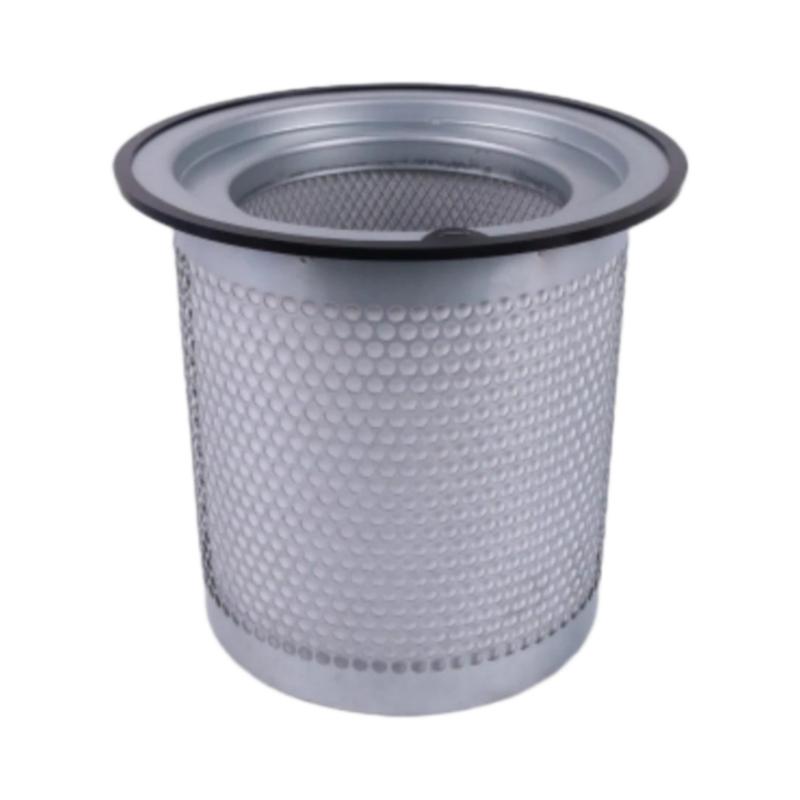
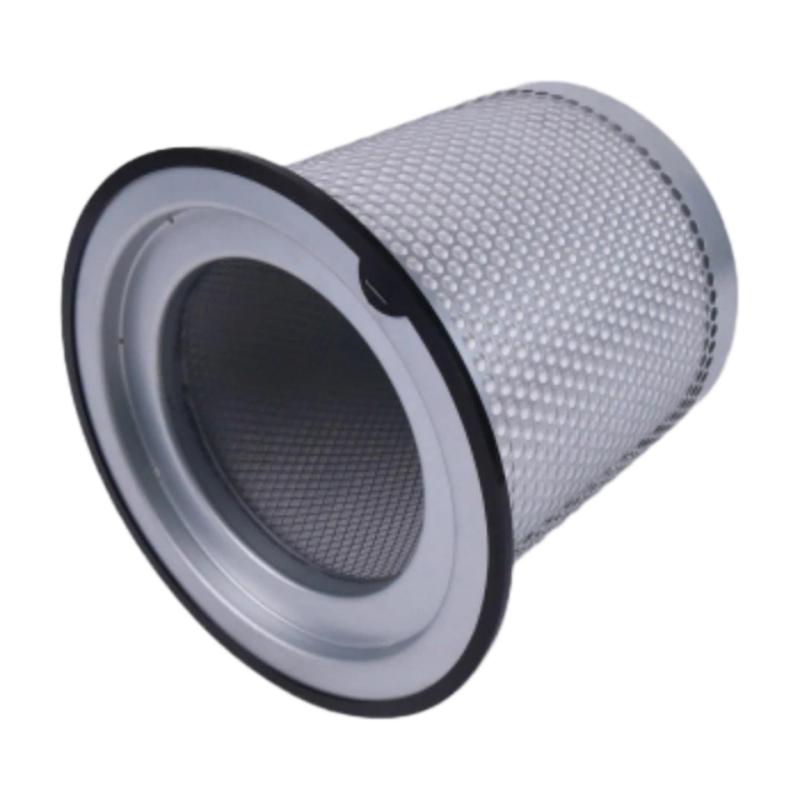
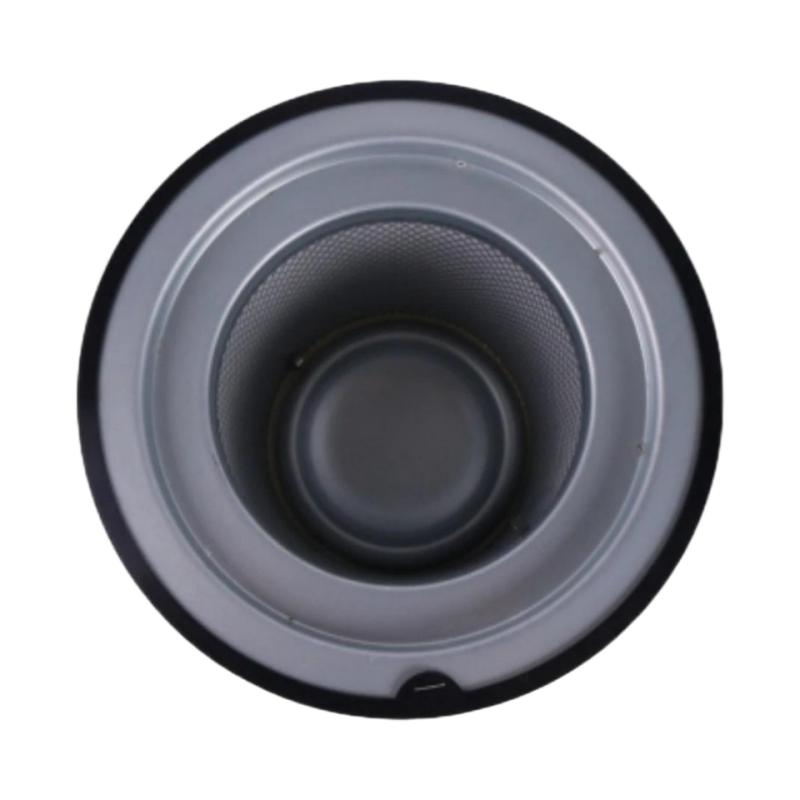
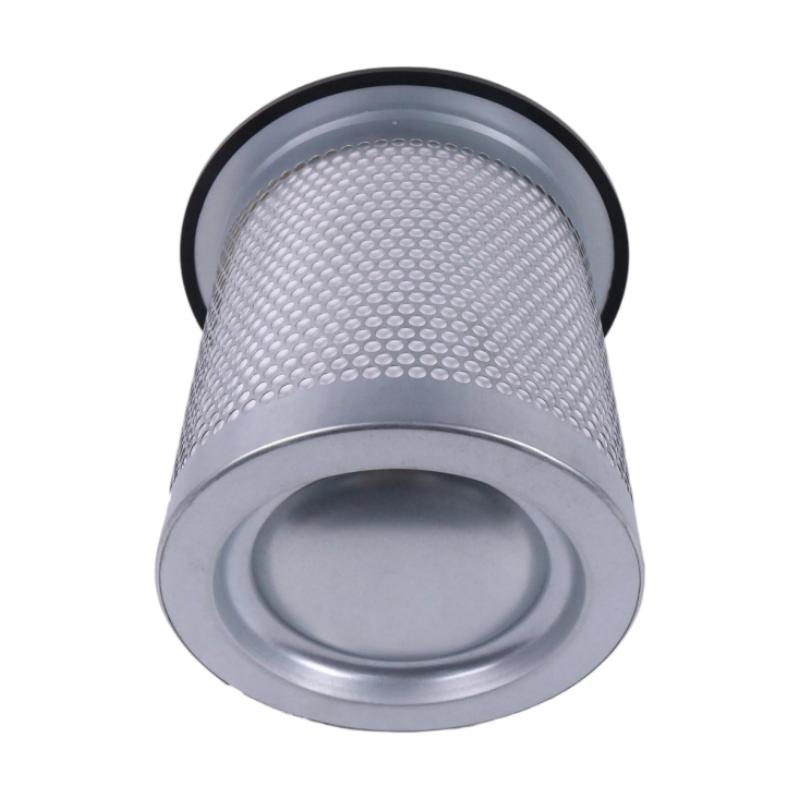
- Ingersoll Rand
- 47704431001 23708423
- Air-Oil Separator
- USA
- 340 x 65 x 200 mm
- 0.9 kg
- Xiamen, China
- New & In Stock
- T/T, PayPal, Western Union
- 1 Year
- 1-3 Working Days
- DHL, UPS, TNT, FedEx and EMS.
- 24-Hour Service
- COO
- 51
Our advantage

Global Logistics
We have a 10-year logistics and express cooperation agreement, so our products can be shipped to any place in the world.

Brand new and original
Our products are imported in bulk from the place of origin. Because of the cooperative relationship, our products are all original and 100% new.

24-hour service
We provide 7*24 hours service to our customers. We will be there whenever you need us.

Price advantage
All our products are priced very favorably because we have our own warehouse and supply.
| Company Information | |||
| [email protected] | |||
| Mobile | +8615980777398 | ||
| +8615980777398 | |||
| 15980777398 |
Product Overview
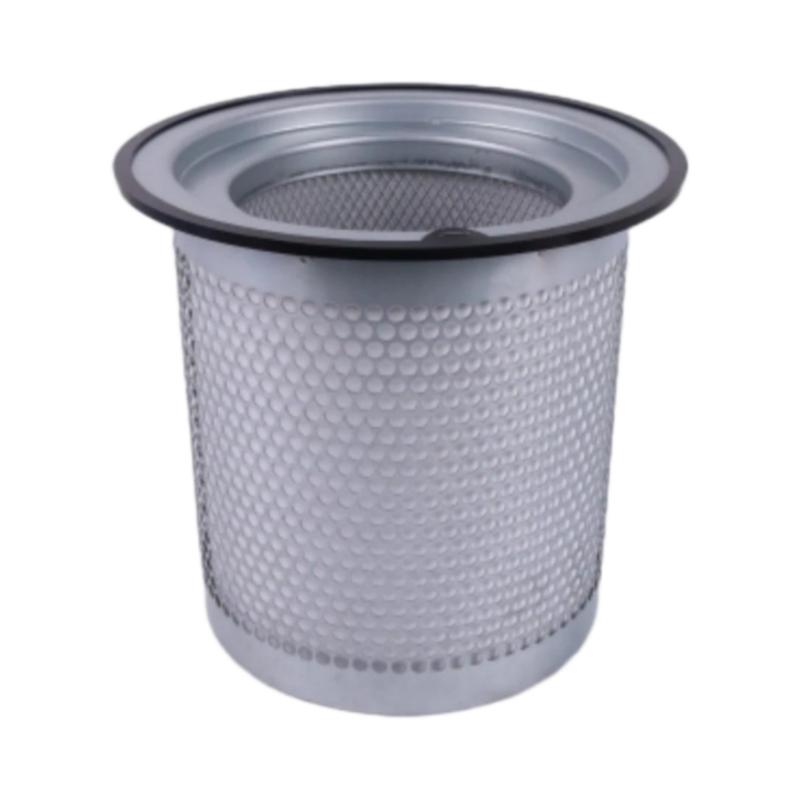
The Ingersoll Rand 47704431001 23708423 Air-Oil Separator is a replacement service component designed for oil-injected compressed-air systems. Its primary function is to separate entrained compressor oil from compressed air before the air leaves the compressor’s oil separation circuit.
In an oil-injected rotary screw compressor, the compression process uses lubricating oil for sealing, cooling, and lubrication. After compression, the air-oil mixture must pass through a separation stage so that most of the oil can be recovered and returned to the compressor oil circuit while the compressed air continues toward downstream equipment.
A properly functioning air-oil separator is therefore important for:
- Compressed-air quality
- Compressor oil recovery
- Oil consumption control
- Compressor efficiency
- Downstream equipment protection
- Stable compressor operation
The supplied product information identifies the component as an Ingersoll Rand 47704431001 23708423 Air-Oil Separator, with dimensions of 340 × 65 × 200 mm and a weight of 0.9 kg.
Product Information
- Manufacturer: Ingersoll Rand
- Part Number: 47704431001
- Component Number: 23708423
- Product Type: Air-Oil Separator
- Dimensions: 340 × 65 × 200 mm
- Weight: 0.9 kg
- Application: Oil-Injected Air Compressor Systems
- Primary Function: Separation of Oil from Compressed Air
Technical Specifications
| Parameter | Specification |
|---|---|
| Manufacturer | Ingersoll Rand |
| Part Number | 47704431001 |
| Component Number | 23708423 |
| Product Type | Air-Oil Separator |
| Dimensions | 340 × 65 × 200 mm |
| Weight | 0.9 kg |
| Application | Industrial Air Compressor |
| Function | Air-Oil Separation |
| Installation | Compressor Oil Separation System |
| Maintenance | Inspection and Replacement |
The dimensions and weight above are based on the supplied product information. Actual installation compatibility should always be verified using the compressor’s specific configuration and service documentation.
Function and Working Principle
The air-oil separator is installed in the compressor’s separation circuit.
A simplified process is:
Air + Oil Mixture
↓
Primary Separation
↓
Air-Oil Separator
↓
Separated Compressed Air
↓
Air Outlet
At the same time:
Separated Oil
↓
Oil Recovery Circuit
↓
Compressor Oil System
During compression, lubricating oil becomes mixed with the compressed air. The separator removes fine oil droplets from the air stream and allows recovered oil to return to the compressor.
The effectiveness of the separation process directly affects oil carryover, oil consumption, pressure drop, and overall compressor performance.
Why the Air-Oil Separator Is Important
A compressor separator is not simply a filtration component. It is an important part of the compressor’s oil-management system.
A healthy separator helps maintain:
- Low oil carryover
- Stable compressed-air quality
- Efficient oil recovery
- Appropriate system pressure
- Proper compressor lubrication
- Reduced downstream contamination
When the separator becomes restricted or damaged, compressor performance can deteriorate.
Industrial Applications
Rotary Screw Compressors
The separator is primarily associated with oil-injected rotary screw compressor systems where oil is introduced during compression.
Manufacturing Plants
Compressed air is widely used for pneumatic tools, actuators, valves, and production equipment.
Automotive Manufacturing
Stable compressed-air quality is important for assembly, automation, painting, and pneumatic systems.
Food and Beverage
Oil carryover control is particularly important in applications where compressed air interacts with production equipment.
Pharmaceutical Manufacturing
Compressed-air systems require careful contamination control and reliable maintenance.
General Industrial Utilities
The compressor may supply plant-wide compressed air for pneumatic and process equipment.
Installation Guide
Step 1 – Confirm the Replacement Part
Before installation, verify:
Ingersoll Rand 47704431001
Component 23708423
Air-Oil Separator
Do not rely only on physical appearance. Confirm the part identification and compressor compatibility before removing the existing component.
Step 2 – Shut Down the Compressor
Before separator replacement:
- Stop the compressor normally.
- Isolate the compressor from the electrical supply.
- Prevent automatic restart.
- Close relevant air-system isolation valves.
- Allow the compressor to cool.
- Relieve pressure according to the approved maintenance procedure.
- Confirm that residual pressure has been removed.
Compressed air and hot compressor oil can create serious hazards during maintenance.
Step 3 – Prepare the Work Area
Prepare:
- Replacement separator
- Required seals or service components
- Suitable hand tools
- Clean lint-free cloths
- Appropriate protective equipment
- Clean containers for oil where required
Keep dirt away from the compressor’s oil and air circuits.
Step 4 – Inspect the Existing Separator Area
Before removal, inspect:
- Separator housing
- Connections
- Sealing surfaces
- Oil lines
- Recovery lines
- Air connections
- Mounting components
Look for:
- Oil leakage
- Dirt accumulation
- Loose fittings
- Damaged tubing
- Corrosion
- Abnormal deposits
Step 5 – Remove the Existing Separator
Carefully disconnect the associated connections.
Record the original routing of:
- Oil recovery lines
- Air lines
- Fittings
- Electrical or sensing connections, where applicable
Do not force fittings or tubing that may be damaged by excessive mechanical stress.
Step 6 – Clean the Mounting Area
Before installing the replacement separator:
- Remove contamination.
- Clean sealing surfaces.
- Inspect fittings.
- Check connection threads where applicable.
- Ensure no foreign material enters the compressor circuit.
Clean installation is essential because contamination can damage the compressor oil circuit.
Step 7 – Install the New Separator
Install the 47704431001 23708423 separator in the correct orientation.
Verify:
- Correct mounting position
- Correct airflow direction where applicable
- Secure connections
- Correct seals
- Proper oil-recovery connection
- Proper mechanical support
Do not overtighten connections.
Step 8 – Reconnect the Oil Recovery Circuit
The oil recovery circuit is particularly important.
Check that:
- The recovery line is correctly connected.
- The line is not blocked.
- The line is not kinked.
- Fittings are secure.
- Seals are correctly installed.
A restriction in the oil recovery circuit can produce symptoms similar to separator failure.
Step 9 – Inspect Before Restarting
Before energizing the compressor, inspect the entire service area.
Verify:
- No tools remain inside the compressor.
- All covers are installed.
- All connections are secure.
- Oil lines are correctly connected.
- Air lines are correctly connected.
- No obvious oil leakage exists.
Commissioning Procedure
After installation:
- Restore the compressor to its normal configuration.
- Confirm isolation valves are correctly positioned.
- Restore electrical power.
- Start the compressor according to the normal operating procedure.
- Observe the compressor during startup.
- Check for abnormal oil leakage.
- Monitor discharge pressure.
- Monitor separator differential pressure where available.
- Check compressed-air oil carryover.
- Observe compressor temperature and operating behavior.
- Stop and inspect if abnormal conditions occur.
Troubleshooting Guide
Problem 1 – Excessive Oil Carryover
One of the most common symptoms associated with an air-oil separation problem is excessive oil appearing downstream of the compressor.
Possible causes include:
- Separator deterioration
- Incorrect separator installation
- Damaged sealing surfaces
- Oil recovery circuit restriction
- Excessive compressor oil level
- Incorrect compressor operating conditions
- Separator compatibility problem
Diagnostic Procedure
- Confirm the correct separator is installed.
- Inspect separator connections.
- Check the oil level.
- Inspect the oil recovery line.
- Check for restrictions.
- Inspect downstream air for excessive oil.
- Evaluate compressor operating conditions.
Problem 2 – High Separator Differential Pressure
A restricted separator can increase pressure drop.
Possible causes:
- Separator element contamination
- Oil degradation
- Excessive oil carryover
- Restricted airflow
- Incorrect operating conditions
- Separator approaching service limit
Monitor pressure differential according to the compressor’s normal maintenance criteria.
Problem 3 – Compressor Runs at High Pressure
Possible causes include:
- Restricted separator
- Downstream restriction
- Incorrect pressure-control operation
- Air demand changes
- Compressor control problem
Do not automatically assume that the separator is responsible.
Check the complete compressed-air circuit.
Problem 4 – Increased Oil Consumption
Possible causes:
- Excessive oil carryover
- Oil leakage
- Oil recovery problem
- Separator deterioration
- Incorrect oil level
- Compressor operating issue
Inspect both the separator and the compressor oil circuit.
Problem 5 – Oil Leakage Around Separator
Possible causes:
- Damaged seal
- Incorrect installation
- Loose connection
- Damaged mounting surface
- Incorrect component fit
- Excessive pressure
Stop the compressor if leakage is significant and correct the mechanical problem before continued operation.
Problem 6 – Separator Becomes Contaminated Quickly
Possible causes:
- Poor compressor oil condition
- Excessive contamination
- High operating temperature
- Incorrect maintenance interval
- Oil degradation
- Contaminated intake air
Investigate the root cause rather than repeatedly replacing the separator without correcting the underlying condition.
Problem 7 – Abnormal Compressor Temperature
Possible causes:
- Restricted separator
- Poor oil circulation
- Insufficient cooling
- Incorrect oil level
- Contaminated cooler
- High ambient temperature
Check the complete oil and cooling systems.
Problem 8 – Unstable Compressor Operation
Possible causes:
- Pressure fluctuation
- Oil recovery problem
- Separator restriction
- Control-system problem
- Air demand changes
Monitor compressor pressure and operating parameters during the event.
Problem 9 – Oil Appears in Downstream Equipment
Possible causes:
- Excessive oil carryover
- Separator malfunction
- Oil recovery restriction
- Incorrect compressor oil level
- Downstream contamination
Inspect the separator system and downstream air-treatment equipment.
Problem 10 – New Separator Does Not Resolve Oil Carryover
If oil carryover remains after separator replacement, investigate:
- Oil level
- Oil recovery line
- Separator installation
- Seals
- Compressor operating conditions
- Compressor internal condition
- Downstream piping
Replacing the separator alone cannot correct every possible source of oil carryover.
Fault Diagnosis Flow
A systematic diagnostic sequence is:
Compressor Operating Condition
↓
Oil Level
↓
Separator Condition
↓
Separator Differential Pressure
↓
Oil Recovery Circuit
↓
Air-Oil Leakage
↓
Downstream Air Quality
↓
Compressor Internal Condition
This approach helps distinguish separator-related problems from wider compressor-system faults.
Air-Oil Separator Replacement Procedure
Preparation
- Confirm the replacement part number.
- Obtain the required service materials.
- Shut down the compressor.
- Isolate electrical power.
- Relieve pressure.
- Allow the system to cool.
Removal
- Open the appropriate service access.
- Identify separator connections.
- Disconnect oil recovery lines.
- Disconnect associated air connections.
- Remove mounting components.
- Remove the existing separator carefully.
Inspection
Inspect:
- Sealing surfaces
- Oil recovery tubing
- Fittings
- Mounting hardware
- Oil contamination
- Signs of overheating
Installation
- Install the replacement separator.
- Install appropriate seals.
- Reconnect oil recovery lines.
- Reconnect air connections.
- Secure all fittings.
- Verify correct orientation.
Restart
- Close service access.
- Restore electrical power.
- Start the compressor.
- Observe pressure.
- Check for leaks.
- Monitor oil carryover.
- Verify normal operation.
Preventive Maintenance
| Maintenance Item | Recommended Action |
|---|---|
| Air-Oil Separator | Monitor condition |
| Separator Differential Pressure | Check during maintenance |
| Oil Recovery Line | Inspect for restriction |
| Oil Level | Maintain correct level |
| Compressor Oil | Inspect condition |
| Seals | Inspect during service |
| Fittings | Check for leakage |
| Air Outlet | Monitor oil carryover |
| Compressor Temperature | Monitor operating condition |
| Maintenance Records | Record replacement and inspection |
Factors That Affect Separator Life
Separator service life can vary depending on operating conditions.
Important factors include:
- Compressor operating temperature
- Oil quality
- Oil cleanliness
- Compressor loading
- Operating hours
- Start/stop frequency
- Ambient conditions
- Intake-air contamination
- Maintenance quality
- Oil recovery circuit condition
A separator should not be replaced based solely on operating hours without considering actual system condition.
Common Installation Mistakes
Incorrect Part Identification
Using a visually similar separator can result in incorrect performance.
Incorrect Installation Orientation
Improper orientation can affect oil and air flow.
Damaged Seals
Old or damaged seals can cause leakage.
Blocked Oil Recovery Line
A blocked recovery circuit can produce excessive oil carryover.
Contaminated Installation Area
Dirt entering the compressor oil circuit can cause additional equipment problems.
Incorrect Oil Level
Excessive oil can increase oil carryover.
Failure to Relieve Pressure
Residual pressure creates a significant maintenance hazard.
Insufficient Leak Inspection
Small oil leaks can become larger during operation.
Key Advantages
- Designed for oil-injected compressor applications
- Supports effective air-oil separation
- Helps control oil carryover
- Supports oil recovery
- Helps maintain compressed-air quality
- Supports stable compressor operation
- Compact dimensions of 340 × 65 × 200 mm
- Lightweight design at 0.9 kg
- Suitable for scheduled compressor maintenance
- Can help protect downstream pneumatic equipment when properly maintained
Technical FAQs
What is the Ingersoll Rand 47704431001 23708423?
It is an Air-Oil Separator used in compatible Ingersoll Rand compressor systems to separate compressor oil from compressed air.
What is the main function of an air-oil separator?
Its main function is to remove entrained oil from compressed air while allowing recovered oil to return to the compressor oil circuit.
What are the dimensions?
The supplied dimensions are 340 × 65 × 200 mm.
What is the weight?
The supplied weight is 0.9 kg.
What causes excessive oil carryover?
Possible causes include separator deterioration, excessive oil level, oil recovery restrictions, incorrect installation, and abnormal compressor operating conditions.
Why can separator differential pressure increase?
A contaminated or restricted separator can create greater resistance to airflow, increasing differential pressure.
Why should the oil recovery line be inspected?
A restricted recovery line can prevent separated oil from returning correctly to the compressor and may contribute to excessive oil carryover.
Can an air-oil separator cause high compressor operating pressure?
A restricted separator can contribute to increased pressure drop, but high compressor pressure can also have other causes. The complete system should be checked.
Why does a new separator still produce excessive oil carryover?
Check oil level, installation, seals, oil recovery lines, compressor operating conditions, and internal compressor condition before concluding that the replacement separator is defective.
How should the separator be maintained?
Monitor separator differential pressure where available, inspect oil carryover, check the oil recovery circuit, inspect for leaks, and replace the separator according to the compressor’s maintenance requirements.
What should be checked before replacing the separator?
Confirm the correct part number, shut down and isolate the compressor, relieve pressure, allow the equipment to cool, and inspect the surrounding oil and air circuits.
Conclusion
The Ingersoll Rand 47704431001 23708423 Air-Oil Separator is an important component in compatible oil-injected compressor systems. Its primary role is to separate oil from compressed air while supporting oil recovery and maintaining the quality and efficiency of the compressed-air system.
The supplied component dimensions are 340 × 65 × 200 mm, with a weight of 0.9 kg. Correct installation requires attention to separator orientation, sealing surfaces, oil recovery connections, air connections, and compressor safety procedures.
During troubleshooting, excessive oil carryover, increased pressure drop, oil leakage, increased oil consumption, and abnormal compressor temperature should be investigated systematically. Separator condition should be evaluated together with oil level, oil quality, recovery-line condition, compressor operating parameters, and downstream air quality.
Regular inspection and timely replacement of the air-oil separator can help maintain compressor performance, reduce oil contamination, protect downstream equipment, and minimize unexpected maintenance downtime.