

ProductPRODUCT
Featured products
Contact Us
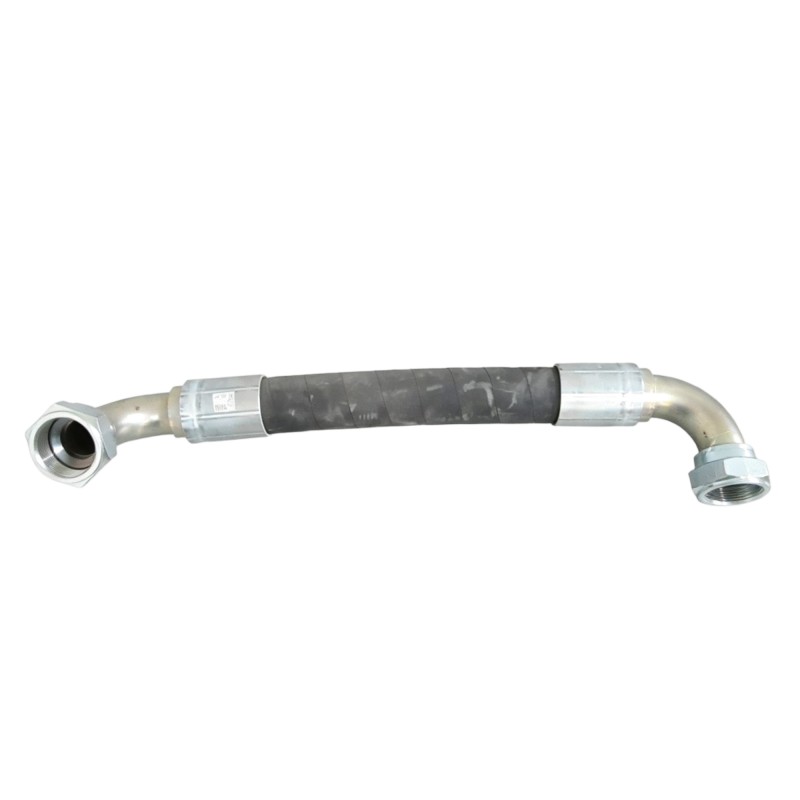
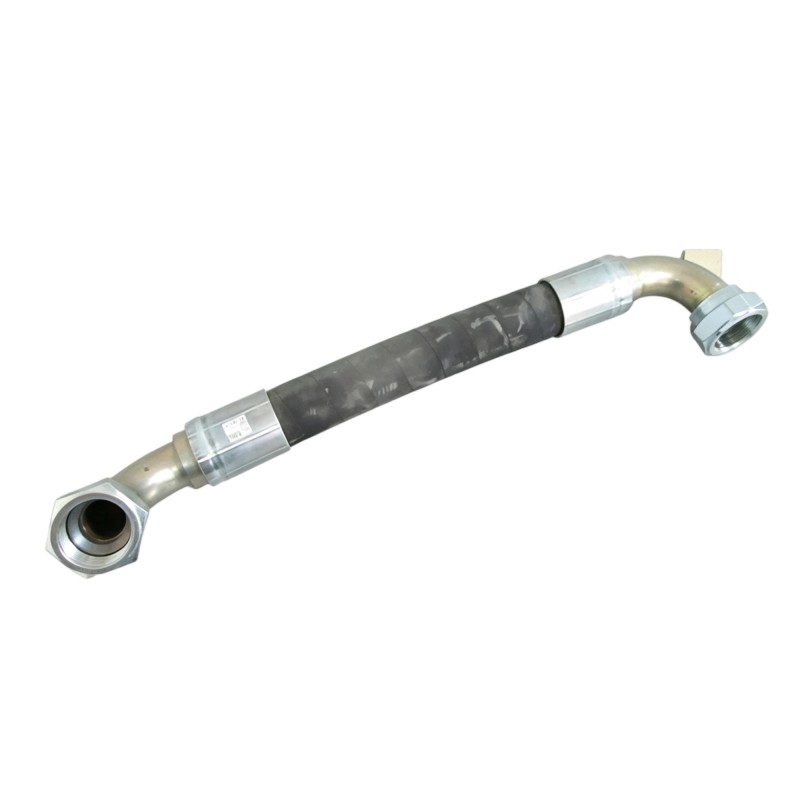
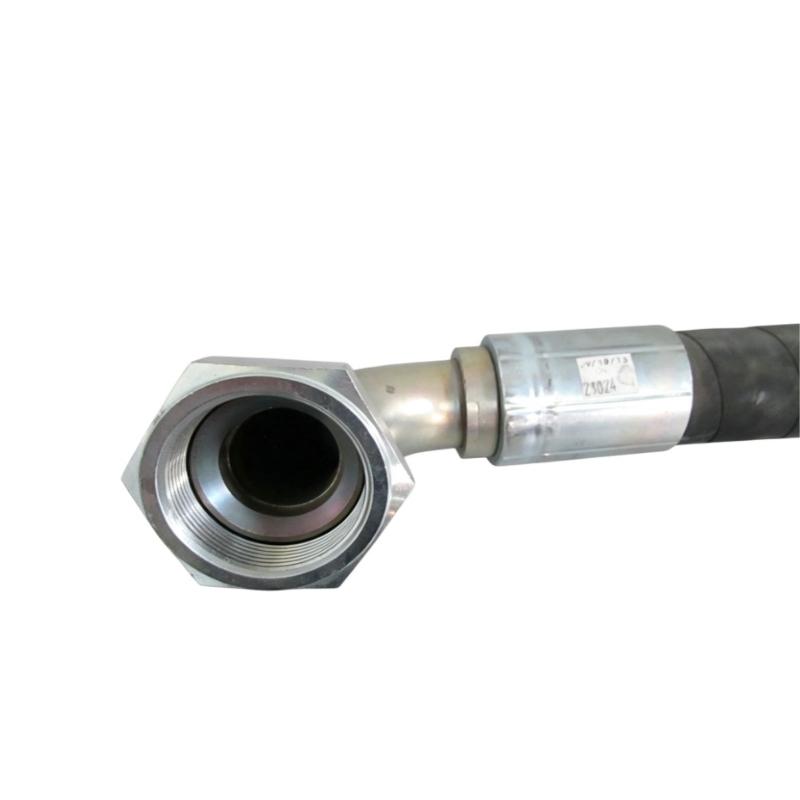
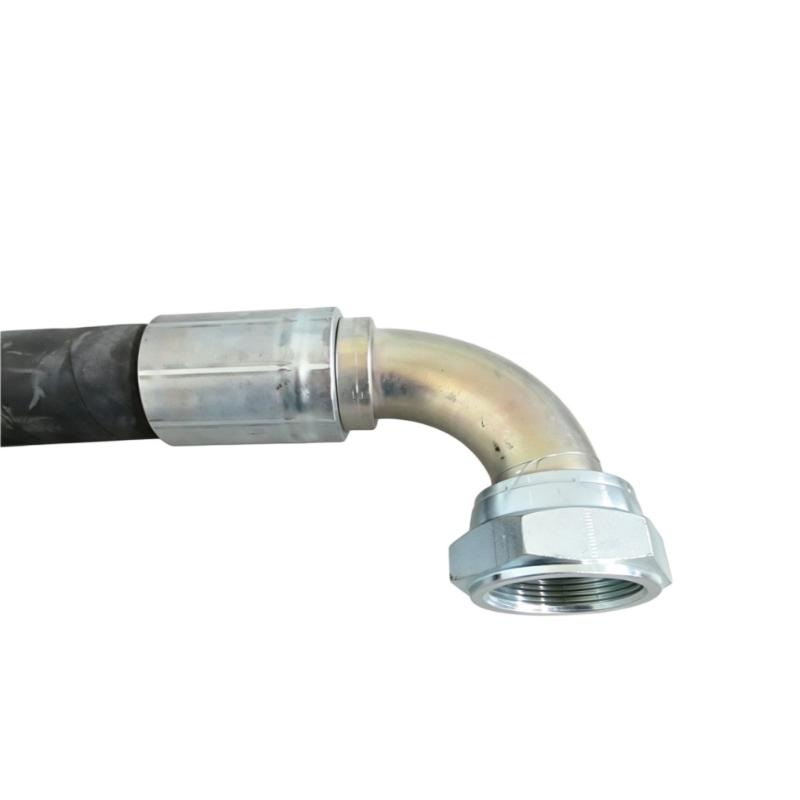
- Ingersoll Rand
- 47642699001 85562544
- Hose
- USA
- 1.50 in
- 3 kg
- Xiamen, China
- New & In Stock
- T/T, PayPal, Western Union
- 1 Year
- 1-3 Working Days
- DHL, UPS, TNT, FedEx and EMS.
- 24-Hour Service
- COO
- 3
Our advantage

Global Logistics
We have a 10-year logistics and express cooperation agreement, so our products can be shipped to any place in the world.

Brand new and original
Our products are imported in bulk from the place of origin. Because of the cooperative relationship, our products are all original and 100% new.

24-hour service
We provide 7*24 hours service to our customers. We will be there whenever you need us.

Price advantage
All our products are priced very favorably because we have our own warehouse and supply.
| Company Information | |||
| [email protected] | |||
| Mobile | +8615980777398 | ||
| +8615980777398 | |||
| 15980777398 |
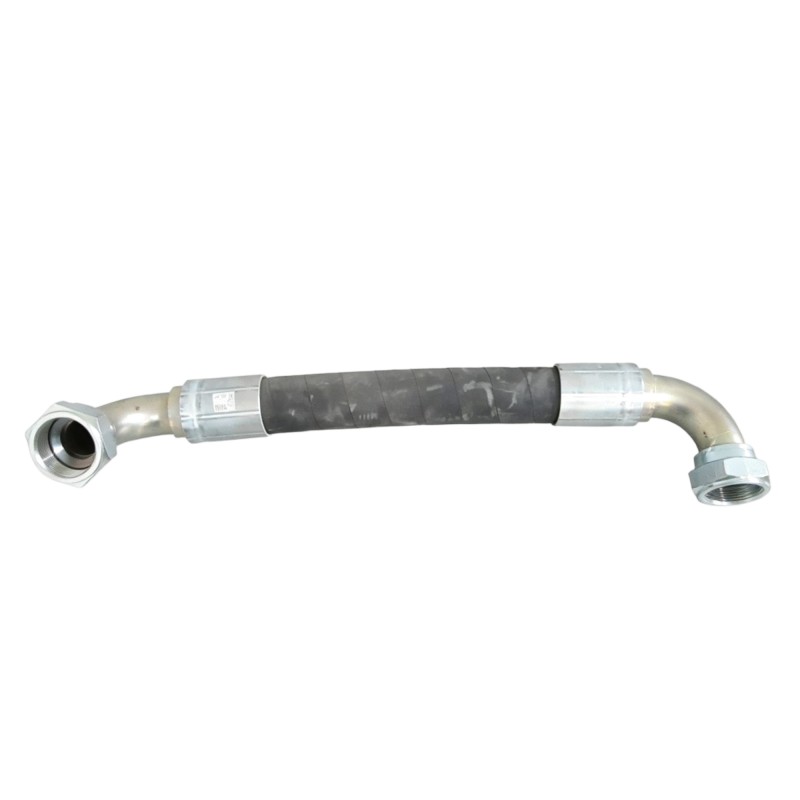
Product Overview
The Ingersoll Rand 47642699001 85562544 Hose is a replacement hose associated with industrial compressor equipment and its connected air or process circuits. It serves as a flexible connection between designated components, allowing the working medium to be routed through the compressor assembly without relying on rigid piping.
In compressor service applications, hose assemblies are commonly installed around valves, fittings, and other components where vibration and equipment movement need to be accommodated. A properly matched replacement maintains the original connection arrangement and helps prevent unnecessary mechanical loading on adjacent components.
The 47642699001 part number, together with the 85562544 reference, provides a specific identification point for maintenance and parts procurement. This is useful when replacing a hose during scheduled compressor servicing, troubleshooting, or equipment refurbishment.
The hose functions as a physical connection component rather than a control device. Its condition can nevertheless affect the integrity of the connected circuit, making inspection of the hose and its fittings part of routine compressor maintenance.
Technical Specifications
| Parameter | Value |
|---|---|
| Manufacturer | Ingersoll Rand |
| Model / Part Number | 47642699001 |
| Reference Part Number | 85562544 |
| Product Type | Hose |
| Application | Industrial compressor and air-system equipment |
| Hose Diameter | 1.50 in |
| Shipping Weight | 3 kg |
Product Features
- Replacement hose for applicable Ingersoll Rand compressor equipment.
- Provides a flexible flow path between designated system components.
- Suitable for compressor service and maintenance applications.
- Helps preserve the original connection and routing arrangement.
- Accommodates normal equipment movement and vibration when correctly installed.
- Identified by a specific Ingersoll Rand part number and reference number.
- Suitable for planned maintenance, repair, and compressor refurbishment work.
Working Principle
The 47642699001 85562544 Hose provides a continuous flexible passage between two connected points in a compressor circuit. Once installed and properly connected, the working medium passes through the hose between the upstream and downstream components.
The flexible construction allows the connection to tolerate limited movement caused by compressor vibration or thermal changes. This is particularly useful in equipment where rigid connections could transfer excessive mechanical stress to valves, fittings, or other components.
A typical connection path can be represented as:
Compressor Component → Connection Fitting → 47642699001 Hose → Connection Fitting → Downstream Component
The hose does not perform pressure regulation or electronic control. Its role is to maintain the required physical flow connection while allowing the equipment assembly to operate within its normal mechanical environment.
Role in a Compressor Control and Air-System Architecture
The hose belongs to the physical connection layer of the compressor package. Although it has no electronic control function, it supports the air or process circuit on which sensors, valves, and the compressor controller depend.
Compressor / Valve → Hose Connection → 47642699001 Hose → Downstream Circuit → Monitoring / Control
| System Element | Function |
|---|---|
| Compressor Assembly | Produces the required working flow or pressure |
| Valve / Fitting | Provides the designated connection point |
| 47642699001 Hose | Routes the working medium between connected components |
| Downstream Circuit | Receives the routed flow for the next process stage |
| Pressure / Process Sensors | Monitor operating conditions in the connected circuit |
| Compressor Controller | Supervises and regulates compressor operation using available system feedback |
Maintaining the hose and its connections helps preserve the intended physical circuit and supports normal operation of the complete compressor package.
Industrial Applications
| Application | Typical Use |
|---|---|
| Industrial Air Compressors | Flexible connection within compressor air circuits |
| Screw Compressor Packages | Replacement of service hoses between equipment components |
| Compressor Service | Replacement of aged, damaged, or leaking hose assemblies |
| Pneumatic Circuits | Routing air or other applicable working media |
| Equipment Overhaul | Installation of replacement hose components during refurbishment |
| Plant Compressed-Air Equipment | Supporting flexible connections within compressor assemblies |
Installation and Maintenance
- Confirm Part Identification
Verify the 47642699001 part number and 85562544 reference against the equipment documentation before installation. - Inspect the Connection Arrangement
Record the existing hose routing and inspect the connected fittings before removing the old component. - Check the Replacement
Examine the replacement hose for visible damage, contamination, deformation, or other handling-related defects. - Prepare the Fittings
Clean the connection points and ensure that mating surfaces and fittings are suitable for assembly. - Follow the Original Routing
Route the hose through the intended path and avoid unnecessary bends or contact with surrounding hardware. - Prevent Excessive Tension
Do not pull the hose into position if the connection points are misaligned. - Avoid Abrasion
Ensure that the hose does not rub continuously against brackets, housings, piping, or other equipment. - Secure the Connections
Check that the hose fittings are correctly seated and tightened according to the applicable equipment procedure. - Inspect After Pressurization
Bring the system into operation under controlled conditions and check the hose connections for leakage. - Monitor Vibration Effects
Periodically inspect for chafing, movement, cracking, or other deterioration caused by equipment vibration. - Check Environmental Exposure
Pay attention to sections exposed to heat, oil, chemicals, or other operating conditions that could accelerate hose deterioration. - Replace When Required
Replace the hose when inspection identifies deterioration or when the applicable compressor maintenance schedule specifies replacement.
Compatible System Components
| Component | Role in the System |
|---|---|
| Ingersoll Rand Compressor Assembly | Equipment in which the hose is installed |
| Compressor Valves | Control or direct flow through the connected circuit |
| Hose Fittings | Provide mechanical and fluid connections |
| Air / Process Lines | Carry the working medium to or from connected equipment |
| Pressure Sensors | Monitor pressure conditions in the relevant circuit |
| Compressor Control System | Supervises compressor operating parameters |
Recommended Related Models
| Model / Part Number | Product Type | Typical Relationship |
|---|---|---|
| Ingersoll Rand 47642699001 | Hose | Primary part number associated with this hose |
| Ingersoll Rand 85562544 | Hose Reference | Associated reference number |
| Ingersoll Rand 85562445 | Hose Reference | Related hose reference for parts comparison |
| Ingersoll Rand Compressor Hose Assemblies | Hose Components | Related compressor maintenance components |
| Ingersoll Rand Compressor Fittings | Connection Components | Associated connection hardware |
Key Advantages
- Provides a flexible connection within compressor equipment.
- Supports replacement of worn or damaged hose components.
- Maintains the intended flow path between connected components.
- Accommodates normal equipment movement when properly routed.
- Uses specific part identification for maintenance and procurement.
- Suitable for compressor servicing, repair, and refurbishment work.
Technical FAQs
What is the function of the Ingersoll Rand 47642699001 85562544 Hose?
It provides a flexible flow connection between designated components in an applicable Ingersoll Rand compressor or air-system assembly.
Why are both 47642699001 and 85562544 useful when identifying the hose?
The two numbers provide identification references for the same hose item in parts and maintenance contexts. Checking both against the equipment configuration can help avoid selecting an incorrect replacement.
What installation problems can shorten hose service life?
Excessive bending, tension, abrasion, heat exposure, poor routing, and repeated mechanical movement can contribute to premature deterioration. The hose should be routed without unnecessary stress and kept clear of moving or abrasive surfaces.
What should be checked after installing the replacement hose?
Check the connections, routing, hose condition, and surrounding components before pressurizing the system. After startup, inspect the connection area for leakage or abnormal movement and recheck it under normal operating conditions.