

ProductPRODUCT
Featured products
Contact Us
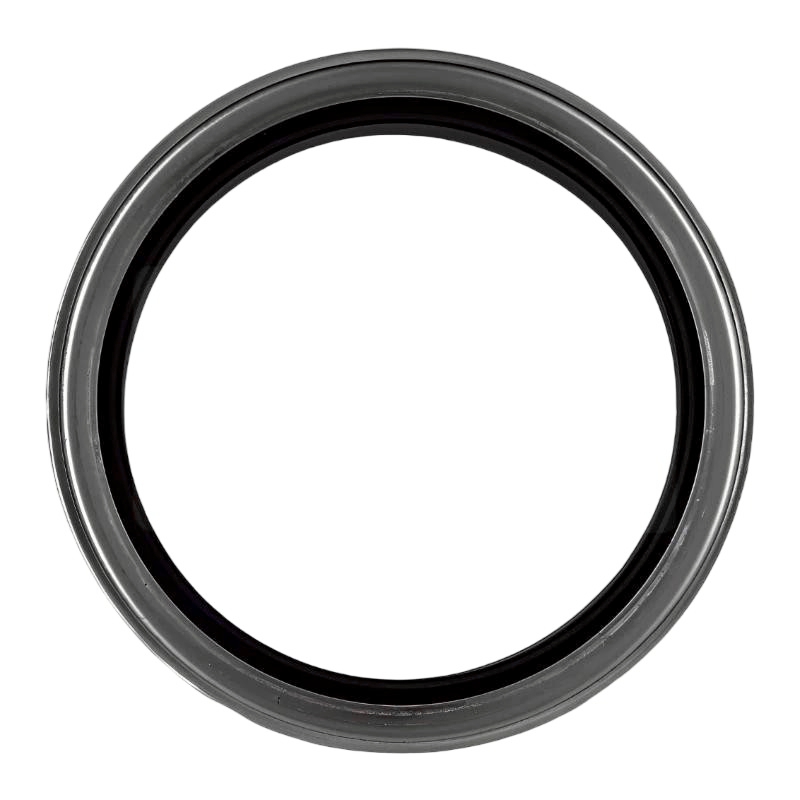
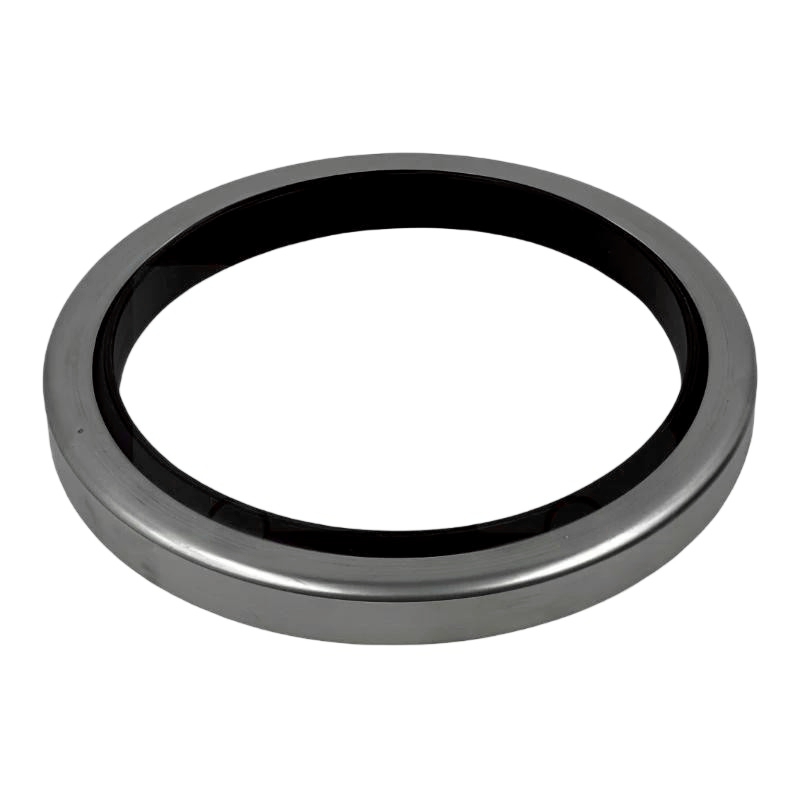
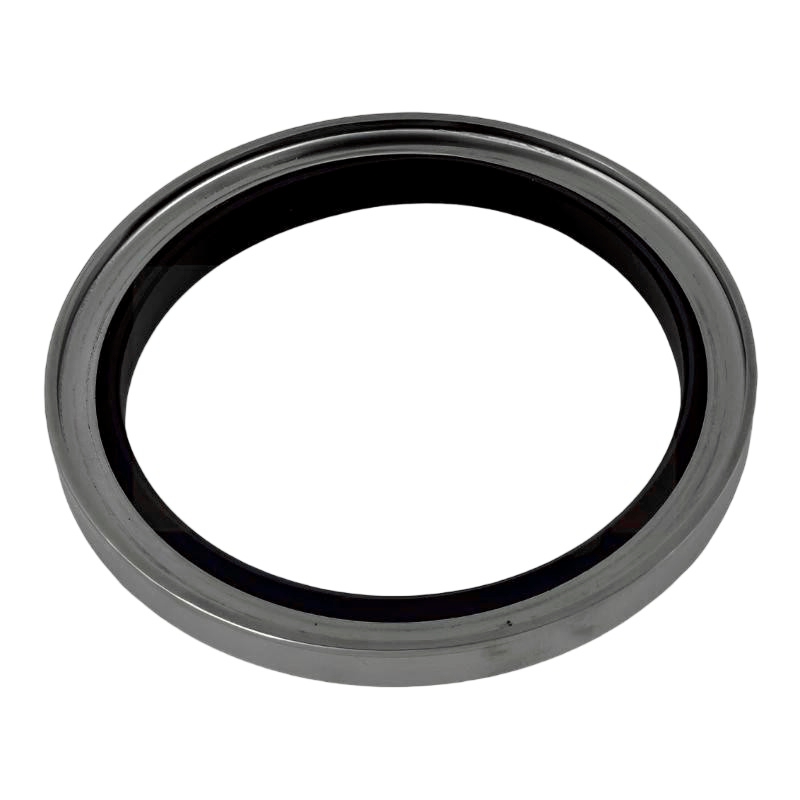
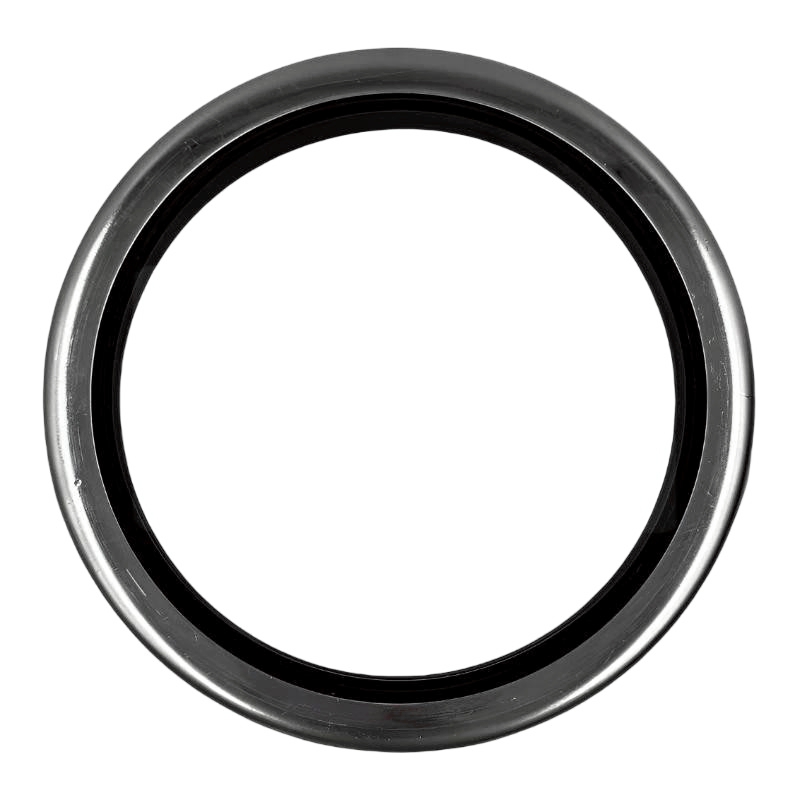
- Ingersoll Rand
- 47642697001 89292445
- Shaft Seal
- USA
- 130 × 107.95 × 12 mm
- 2.29 kg
- Xiamen, China
- New & In Stock
- T/T, PayPal, Western Union
- 1 Year
- 1-3 Working Days
- DHL, UPS, TNT, FedEx and EMS.
- 24-Hour Service
- COO
- 31
Our advantage

Global Logistics
We have a 10-year logistics and express cooperation agreement, so our products can be shipped to any place in the world.

Brand new and original
Our products are imported in bulk from the place of origin. Because of the cooperative relationship, our products are all original and 100% new.

24-hour service
We provide 7*24 hours service to our customers. We will be there whenever you need us.

Price advantage
All our products are priced very favorably because we have our own warehouse and supply.
| Company Information | |||
| [email protected] | |||
| Mobile | +8615980777398 | ||
| +8615980777398 | |||
| 15980777398 |
Product Overview
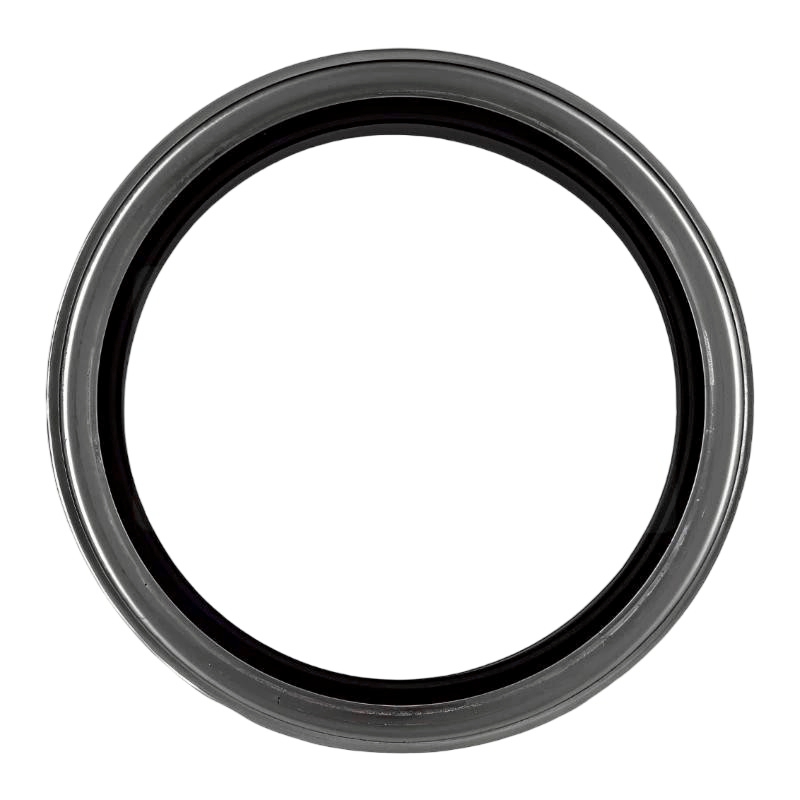
The Ingersoll Rand 47642697001 89292445 Shaft Seal is a sealing component used around a rotating shaft in compatible Ingersoll Rand compressor equipment. Its primary job is to limit the movement of oil or process fluid along the shaft while helping prevent contaminants from entering the associated sealing area.
In a screw compressor, the shaft passes through areas where lubricant containment and pressure separation are important. A worn shaft seal can gradually lead to oil leakage around the shaft, contamination of nearby components, or abnormal oil consumption. The seal therefore belongs to the mechanical sealing portion of the compressor rather than the control or electrical system.
When servicing the compressor, the shaft seal should be considered together with the shaft surface, housing or seal seat, related O-rings or gaskets, and the condition of the rotating assembly. Replacing the seal alone may not resolve leakage if the shaft or mating surfaces have already been damaged.
Technical Specifications
| Parameter | Specification |
|---|---|
| Product | 47642697001 |
| Part Number | 89292445 |
| Product Type | Shaft Seal |
| Manufacturer | Ingersoll Rand |
| Application | Screw compressor mechanical sealing |
| Function | Shaft sealing and lubricant containment |
| Installation Area | Rotating shaft / sealing assembly |
| Dimensions | 130 × 107.95 × 12 mm |
| Weight | 2.29 kg |
Product Features
- Intended for compatible Ingersoll Rand compressor sealing assemblies.
- Provides a mechanical sealing interface around a rotating shaft.
- Helps contain compressor lubricant within the intended lubrication area.
- Helps reduce external oil leakage during normal compressor operation.
- Used as a service replacement component during compressor maintenance.
- Requires correct shaft, housing, and seal-seat condition for proper sealing performance.
- Suitable for maintenance work where the original shaft seal has reached the end of its service condition.
Working Principle
The shaft seal works at the point where a rotating shaft passes through a stationary housing. The sealing interface maintains controlled contact around the shaft while allowing the shaft to rotate. This limits the migration of lubricant through the shaft opening.
During compressor operation, the shaft rotates continuously while the seal remains positioned in the stationary sealing location. The sealing surfaces and associated components must therefore maintain the correct mechanical relationship. Excessive shaft wear, incorrect installation, contamination, or damage to the sealing surface can create a leakage path.
A typical service inspection starts with the visible leakage area and then moves inward toward the shaft seal, shaft surface, seal housing, and adjacent sealing components. If a new seal begins leaking shortly after installation, checking the shaft condition and installation alignment is often more useful than immediately replacing the new seal again.
Role in a Screw Compressor Mechanical Architecture
| System Element | Function |
|---|---|
| Compressor Motor | Supplies rotational power to the compressor drive system |
| Drive Shaft | Transfers rotational movement into the compressor assembly |
| Shaft Seal | Limits lubricant leakage around the rotating shaft |
| Seal Housing | Holds and supports the shaft sealing arrangement |
| O-Rings / Gaskets | Provide additional sealing at mating interfaces |
| Compressor Lubrication System | Supplies and circulates lubricant through required areas |
| Screw Compressor Airend | Compresses the process air or gas |
| Bearings | Support rotating components and maintain shaft position |
| Compressor Control System | Monitors operating conditions and manages compressor operation |
Industrial Applications
| Application | Typical Use |
|---|---|
| Industrial Screw Compressors | Shaft sealing during routine compressor service |
| Manufacturing Plants | Maintenance of compressed-air equipment |
| Process Industries | Compressor servicing in continuous-duty operations |
| Oil and Gas Facilities | Mechanical seal replacement during compressor maintenance |
| Chemical Plants | Lubricated compressor service and leakage control |
| Utilities | Preventive maintenance of plant compressed-air systems |
| General Industrial Maintenance | Replacement of worn compressor shaft sealing components |
Installation and Maintenance
- Confirm the replacement part
Verify the 47642697001 assembly reference and 89292445 shaft seal part number against the compressor service documentation before installation. - Inspect the existing leakage area
Determine whether the observed oil leakage is actually coming from the shaft seal rather than a nearby gasket, O-ring, housing joint, or oil connection. - Inspect the shaft surface
Check the shaft for scoring, grooves, corrosion, or other wear that could compromise the new seal. - Inspect the seal housing
Make sure the seal seat and surrounding housing are clean and free from damage that could create a bypass leakage path. - Clean the installation area
Remove old sealing material, lubricant residue, dirt, and other contamination before fitting the replacement component. - Protect the sealing surface during installation
Avoid scratching, cutting, twisting, or otherwise damaging the seal while positioning it around the shaft. - Check installation orientation
Install the shaft seal in the correct orientation specified for the compressor assembly. Incorrect orientation can cause premature leakage. - Inspect related sealing components
Check associated O-rings, gaskets, sleeves, and retaining components while the sealing area is accessible. - Verify shaft alignment
Abnormal shaft movement or misalignment can place additional load on the seal and shorten its service life. - Check for abnormal vibration
Excessive compressor or shaft vibration should be investigated because mechanical movement can affect the sealing interface. - Monitor the compressor after replacement
After reassembly, inspect the sealing area during operation for oil leakage, abnormal temperature, vibration, or other changes. - Record the maintenance work
Document the replacement date, compressor identification, installed part number, and observed condition to support future maintenance planning.
Related Components
| Component | Function |
|---|---|
| Ingersoll Rand Shaft Seal | Seals the rotating shaft and helps contain lubricant |
| O-Rings | Provide sealing at compatible component interfaces |
| Gaskets | Seal stationary mating surfaces within the compressor assembly |
| Motor Shaft Sleeve | Protects or interfaces with the shaft sealing area where applicable |
| Bearings | Support the rotating shaft and maintain proper shaft position |
| Lubrication Components | Control lubricant supply and circulation |
| Compressor Airend | Provides the main compression function |
| Shaft / Rotor Assembly | Provides the rotating mechanical interface for the shaft seal |
Recommended Related Models
| Model / Product Family | Product Type | Typical Application |
|---|---|---|
| Ingersoll Rand 47642697001 | Shaft Seal Assembly | Compressor shaft sealing service |
| Ingersoll Rand 89292445 | Shaft Seal | Replacement of worn shaft sealing components |
| Ingersoll Rand 47642697001 Series Components | Compressor Service Parts | Mechanical maintenance of compatible compressor assemblies |
| Ingersoll Rand Screw Compressor Service Parts | Mechanical Spare Parts | Preventive and corrective compressor maintenance |
| Ingersoll Rand Airend Components | Compressor Components | Rotating assembly and compression system service |
Key Advantages
- Supports controlled sealing around a rotating compressor shaft.
- Helps reduce lubricant leakage from the shaft sealing area.
- Directly addresses shaft-seal wear during compressor maintenance.
- Allows the sealing assembly to be serviced without replacing unrelated compressor components.
- Works as part of the complete mechanical sealing arrangement.
Technical FAQs
What does the Ingersoll Rand 47642697001 89292445 Shaft Seal do?
It seals the area where the rotating shaft passes through the stationary compressor housing. Its function is to limit lubricant leakage while maintaining the required shaft rotation.
What should be inspected before replacing this shaft seal?
Inspect the shaft surface, seal housing, seal seat, and nearby O-rings or gaskets. If the shaft has a deep wear groove or the housing is damaged, installing a new seal alone may not correct the leakage.
Why can a new shaft seal still leak after installation?
Possible causes include incorrect installation orientation, damage to the sealing surface during installation, shaft wear, shaft misalignment, excessive vibration, contamination, or problems with adjacent sealing components.
Is replacing the shaft seal enough to correct compressor oil leakage?
Not necessarily. The leakage source should be confirmed before replacement. If the shaft, housing, O-rings, gaskets, or related mechanical components are damaged, those conditions may also need to be addressed to restore proper sealing.