

ProductPRODUCT
Featured products
Contact Us
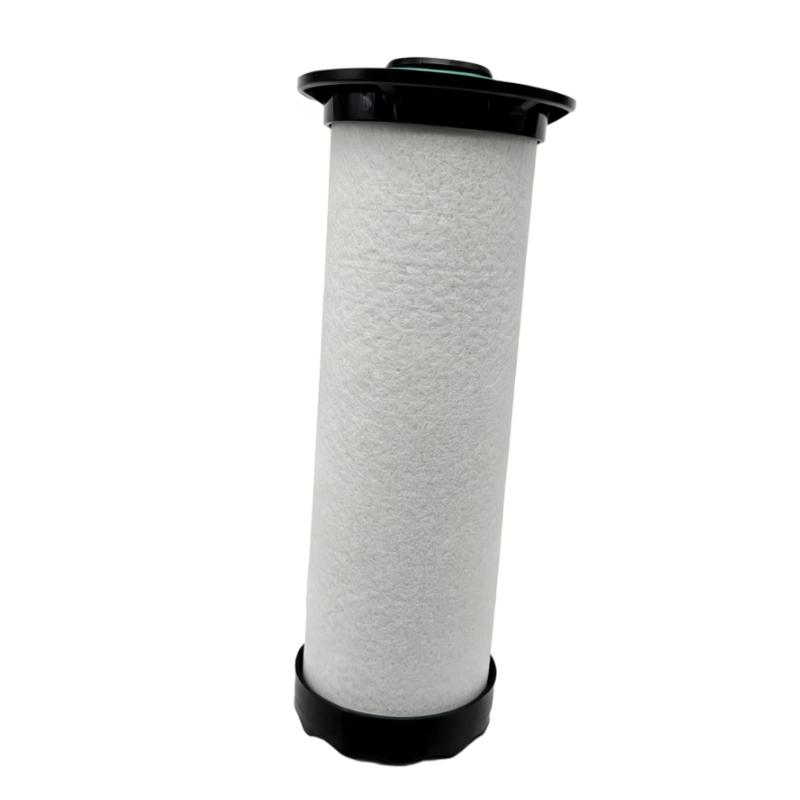
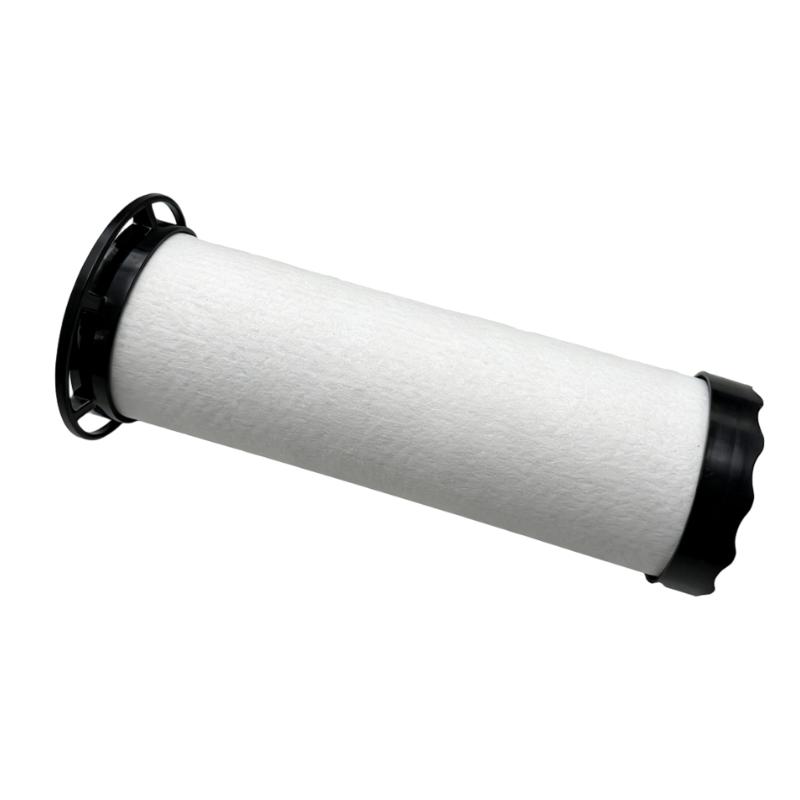
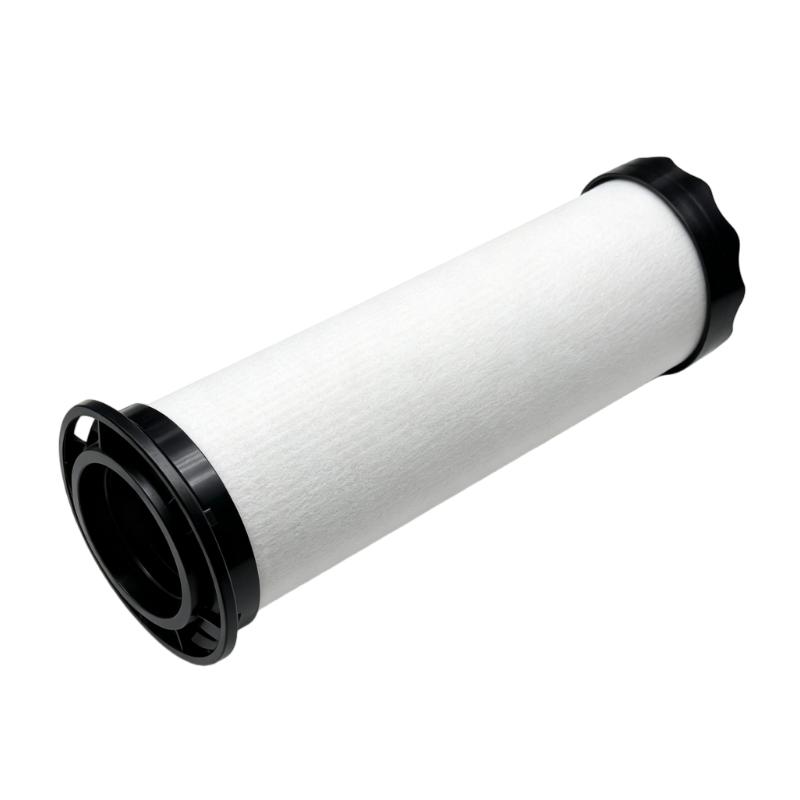
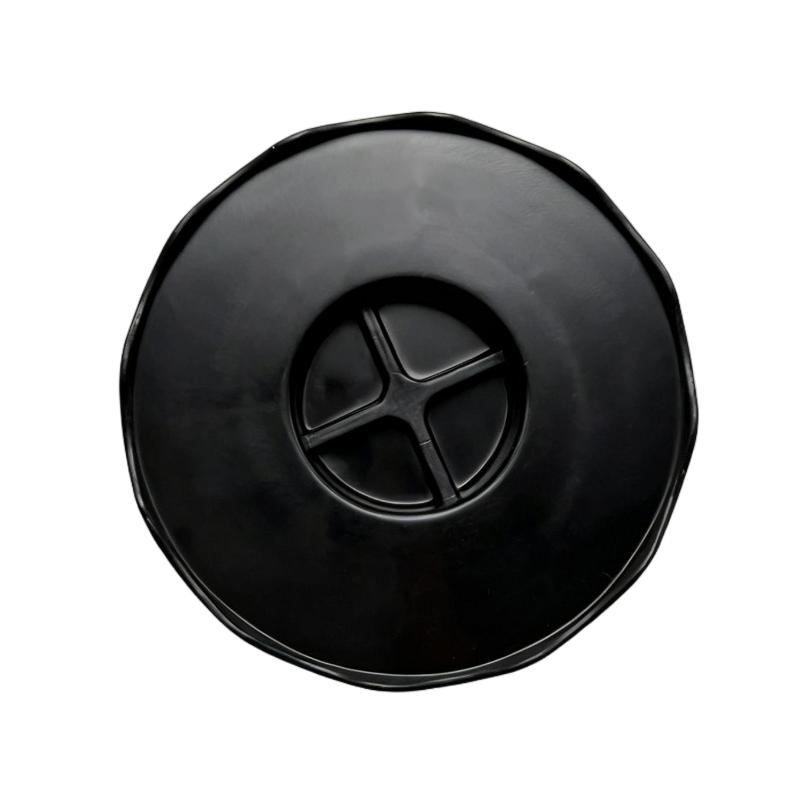
- Ingersoll Rand
- 47629377001 24242273
- Filter Cartridge
- USA
- 130 × 35 × 100 mm
- 0.45 kg
- Xiamen, China
- New & In Stock
- T/T, PayPal, Western Union
- 1 Year
- 1-3 Working Days
- DHL, UPS, TNT, FedEx and EMS.
- 24-Hour Service
- COO
- 2
Our advantage

Global Logistics
We have a 10-year logistics and express cooperation agreement, so our products can be shipped to any place in the world.

Brand new and original
Our products are imported in bulk from the place of origin. Because of the cooperative relationship, our products are all original and 100% new.

24-hour service
We provide 7*24 hours service to our customers. We will be there whenever you need us.

Price advantage
All our products are priced very favorably because we have our own warehouse and supply.
| Company Information | |||
| [email protected] | |||
| Mobile | +8615980777398 | ||
| +8615980777398 | |||
| 15980777398 |
1. Product Overview
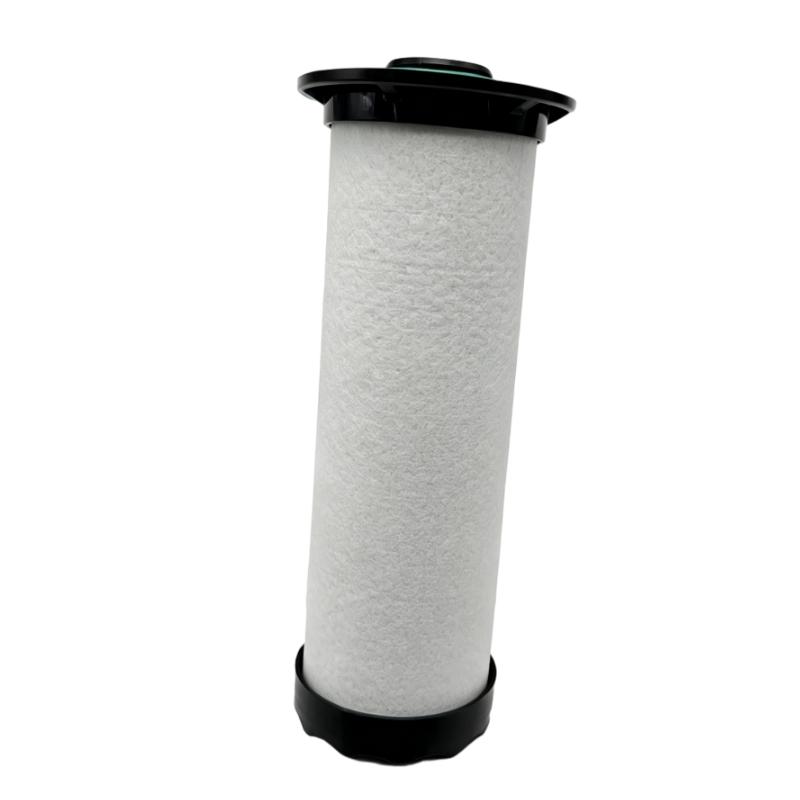
The Ingersoll Rand 47629377001 / 24242273 Filter Cartridge is an industrial replacement filtration component intended for use in compatible equipment. Filter cartridges play an important role in industrial systems by helping capture contaminants from a designated fluid or gas stream. Selecting the correct cartridge helps maintain equipment cleanliness, support stable operation, and reduce the risk of contamination-related maintenance issues.
In industrial compressor and pneumatic applications, filtration may help protect downstream components from particles and other contaminants. The precise function of a particular cartridge depends on its intended installation location and equipment design. Therefore, the application of the Ingersoll Rand 47629377001 / 24242273 should be confirmed against the relevant equipment parts documentation before purchase or installation.
The supplied product information lists dimensions of 130 × 35 × 100 mm and a weight of 0.45 kg. These specifications can assist with preliminary identification, inventory management, and physical comparisons during maintenance. However, dimensions and weight alone do not establish filtration performance or equipment compatibility.
The two part numbers, 47629377001 and 24242273, are included in the supplied product description. Their exact relationship should be verified before ordering. They may be associated with a particular product listing or replacement arrangement, but direct interchangeability should not be assumed without confirmation.
2. Technical Specifications
| Specification | Details |
|---|---|
| Brand | Ingersoll Rand |
| Primary Part Number | 47629377001 |
| Associated Part Number | 24242273 |
| Product Name | Filter Cartridge |
| Product Type | Industrial replacement filtration component |
| Dimensions | 130 × 35 × 100 mm |
| Weight | 0.45 kg |
| Primary Function | Filtration of the specified process stream |
| Filter Media | Must be verified for the exact part number |
| Filtration Rating | Must be verified |
| Filtration Efficiency | Must be verified |
| Intended Fluid or Gas | Confirm from the equipment documentation |
| Operating Pressure | Confirm from the applicable specification |
| Operating Temperature | Confirm from the applicable specification |
| Compatible Equipment | Verify using equipment model and serial number |
| Replacement Interval | Follow the applicable maintenance schedule |
The physical specifications above reflect the supplied product information. Filter media, micron rating, pressure limits, temperature limits, and other performance parameters should not be estimated without the exact technical specification.
3. Function and Working Principle
3.1 Contaminant Removal
A filter cartridge is designed to retain unwanted particles or other specified contaminants as a fluid or gas passes through its filtration structure. The actual contaminants captured depend on the cartridge’s media, construction, and intended application.
In industrial equipment, contaminants may originate from the operating environment, normal component wear, lubricant degradation, or contamination introduced during maintenance. A correctly specified cartridge helps control contaminants relevant to the system in which it is installed.
The exact contaminant-removal function of the Ingersoll Rand 47629377001 / 24242273 must be confirmed for the intended equipment. It should not automatically be classified as an air filter, oil filter, intake filter, or separator element without supporting product information.
3.2 Supporting Equipment Cleanliness
Contamination can contribute to wear, restricted passages, reduced component performance, and increased maintenance requirements. Where the cartridge is installed in a compatible filtration circuit, it helps maintain the required level of cleanliness by retaining contaminants according to its design.
The cartridge is only one part of the overall filtration arrangement. Correct installation, suitable operating conditions, and appropriate maintenance are also necessary for the system to perform as intended.
3.3 Maintaining Flow Performance
As captured contaminants accumulate, a filter cartridge may develop increased flow resistance. Depending on the system, this can contribute to reduced flow or a higher pressure differential across the filter.
The acceptable pressure differential and replacement threshold are application-specific. Maintenance personnel should use the equipment’s approved indicators and service limits rather than relying on a generic value.
3.4 Supporting Preventive Maintenance
Replacing a cartridge at the correct interval can help prevent excessive restriction and reduce the risk of contamination-related operating problems. The appropriate interval depends on the cartridge specification, operating environment, equipment duty cycle, and manufacturer-recommended maintenance plan.
A cartridge that appears clean externally may still require replacement if its internal condition or measured performance has reached the applicable service limit.
4. Role in Industrial Equipment Systems
4.1 Filtration System Protection
In a compatible industrial filtration circuit, the cartridge helps remove contaminants before they can affect downstream equipment. This supports the system’s intended operating conditions and may help reduce the frequency of contamination-related maintenance.
The precise location and role of this part should be established from the equipment configuration rather than inferred from the product name alone.
4.2 Supporting Stable Operation
A properly selected filter cartridge can help maintain appropriate cleanliness and flow characteristics. Conversely, an incorrect or excessively restricted cartridge may affect system performance.
When investigating abnormal operation, technicians should consider the complete filtration circuit, including the housing, seals, flow passages, and any associated monitoring devices.
4.3 Reducing Contamination-Related Wear
Particles and other unwanted material can affect sensitive components in industrial equipment. Filtration helps manage contaminants when the cartridge is suitable for the relevant fluid or gas and meets the system’s specified requirements.
Filtration does not eliminate every source of contamination. Equipment condition, lubricant quality where applicable, installation cleanliness, and operating practices remain important.
4.4 Supporting Maintenance and Spare-Part Planning
Accurate part identification helps maintenance teams maintain suitable inventory and reduce delays during scheduled servicing. Records should include the full part number, compatible equipment, replacement history, and any confirmed part-number changes.
If 47629377001 and 24242273 are used together in purchasing records, their relationship should be verified and documented. Similar product descriptions do not independently prove that the two identifiers are interchangeable.
5. Industrial Applications
5.1 Industrial Compressor Equipment
Industrial compressors may use different filtration components to support air, lubricant, or intake-system cleanliness. If this cartridge is specified for a particular compressor assembly, installing the correct replacement helps maintain the intended filtration function.
The specific compressor application for this part should be confirmed before installation.
5.2 Manufacturing Facilities
Manufacturing plants use filtration in equipment supporting production lines, pneumatic systems, utilities, and process operations. The correct filter cartridge can help maintain cleanliness in the circuit for which it is designed.
5.3 Industrial Maintenance Operations
Maintenance teams frequently replace filter cartridges as part of preventive servicing. Correct identification and documentation help ensure that replacement parts match the equipment’s requirements and that service work can be repeated consistently.
5.4 Process and Utility Systems
Industrial facilities may employ filtration in different process and utility circuits. Each application can require a specific media type, filtration rating, pressure capability, and chemical compatibility. The cartridge’s actual application must be verified before it is assigned to a particular process.
5.5 Equipment Operating in Contaminated Environments
Equipment operating in dusty or contamination-prone environments may require closer monitoring of its filtration components. The maintenance interval should be based on the equipment’s service requirements and operating conditions, not on environmental appearance alone.
6. Installation and System Integration
The correct installation method depends on the cartridge housing and the equipment in which it is fitted. Always follow the applicable equipment service instructions.
Step 1: Confirm the Part Number
Check the existing cartridge label, the equipment model, the serial number, and the relevant parts documentation. Verify that Ingersoll Rand 47629377001 or 24242273 is specified for the intended installation.
Do not rely solely on the supplied dimensions of 130 × 35 × 100 mm to determine compatibility.
Step 2: Shut Down and Isolate the Equipment
Stop the equipment using the approved shutdown procedure. Isolate electrical power where applicable and follow site lockout/tagout requirements.
If the cartridge is installed in a pressurized system, isolate the relevant circuit and safely relieve stored pressure before opening the housing. Allow hot components or fluids to cool before beginning work.
Step 3: Access the Filter Housing
Follow the equipment-specific procedure for accessing the cartridge. Use suitable tools and avoid damaging the housing, threaded connections, sealing surfaces, or nearby components.
If the housing contains residual fluid or contaminants, handle them according to the site’s safety and environmental procedures.
Step 4: Remove the Existing Cartridge
Remove the old cartridge carefully and note its orientation and installation arrangement. Inspect the removed component for abnormal contamination, damage, deformation, or signs of incorrect installation.
The condition of the old cartridge may provide useful diagnostic information, but it should not be used alone to determine the cause of an equipment fault.
Step 5: Inspect the Housing and Seals
Check the housing for deposits, corrosion, damage, or other conditions that may affect sealing and flow. Inspect the relevant sealing elements and replace them only as directed by the applicable service procedure.
Do not reuse damaged seals or introduce cleaning materials that are incompatible with the equipment.
Step 6: Verify the Replacement Cartridge
Compare the replacement part number, physical configuration, sealing arrangement, and specified application with the approved parts information.
The supplied dimensions and weight are useful for preliminary identification, but they do not establish filtration rating, media compatibility, pressure capability, or equivalent performance.
If the cartridge differs from the original in any critical feature, stop and verify its suitability before installation.
Step 7: Install the Cartridge
Install the cartridge in the specified orientation and position. Ensure that the component is seated correctly and that the housing and sealing elements are assembled according to the approved procedure.
Do not force the cartridge into place or improvise changes to the housing. Use only the specified tightening requirements and approved replacement materials.
Step 8: Restore the System
Close the housing and restore the equipment according to the manufacturer’s commissioning procedure. Where applicable, check for leakage, abnormal pressure differential, unusual noise, or other signs of incorrect installation.
Use the approved operating limits for the specific equipment when evaluating the results.
Step 9: Record the Maintenance
Record the replacement date, installed part number, equipment identification, observations, and any additional corrective work. These records help establish maintenance history and support future troubleshooting.
7. Compatible System Components
A filter cartridge normally operates within a larger equipment assembly. The components below may be relevant to inspection or servicing, depending on the actual application.
| Component | Relationship to the Cartridge | Maintenance Consideration |
|---|---|---|
| Filter Housing | Holds and supports the cartridge where applicable | Inspect for damage, deposits, and sealing issues |
| Sealing Elements | Help prevent bypass or leakage in applicable designs | Confirm the correct seal type and condition |
| Inlet and Outlet Connections | Direct the process stream through the filtration assembly | Check for restrictions, leaks, and incorrect connections |
| Pressure Differential Indicator | May monitor restriction across the filter | Use only if fitted and follow specified service limits |
| Upstream Equipment | Supplies the stream entering the filter | Investigate abnormal contamination sources |
| Downstream Equipment | Receives the filtered stream | Check for contamination symptoms where relevant |
| Equipment Control System | May monitor operating conditions or maintenance alarms | Review relevant alarms and operating records |
| Replacement Filter Cartridge | Restores the intended filtration function when correctly selected | Verify part number and technical suitability |
This table describes common functional relationships. It is not a verified bill of materials for the Ingersoll Rand 47629377001 / 24242273.
8. Recommended Alternative Models and Replacement Selection
Selecting a replacement cartridge requires more than comparing its overall dimensions. The media, filtration rating, flow characteristics, pressure and temperature limits, sealing design, and intended application may all affect suitability.
| Replacement Option | Recommendation | Verification Required |
|---|---|---|
| Ingersoll Rand 47629377001 | Candidate when specified by the equipment parts list | Confirm exact application and current part status |
| Ingersoll Rand 24242273 | Candidate associated with the supplied product description | Confirm its relationship to 47629377001 |
| Manufacturer-Approved Successor | Consider when a documented supersession exists | Verify the successor number and equipment applicability |
| Third-Party Compatible Cartridge | Consider only after technical evaluation | Compare media, filtration rating, flow performance, sealing, and operating limits |
No additional specific model is listed as a confirmed direct substitute because equivalent performance and interchangeability have not been established from the supplied information.
For reliable purchasing, confirm the replacement using the equipment model and serial number and the applicable parts documentation. If the two supplied part numbers refer to different cartridge configurations, use the identifier approved for the exact installation.
9. Key Advantages of Correct Filter Cartridge Selection
Helps Control Contamination
A correctly specified cartridge helps retain the contaminants it is designed to capture, supporting the cleanliness requirements of the intended system.
Supports Stable Flow
Replacing a cartridge at the appropriate service point can help avoid excessive flow restriction associated with accumulated contaminants.
Helps Protect Equipment
Suitable filtration can reduce contamination-related wear and maintenance issues in downstream components, provided the cartridge meets the application’s technical requirements.
Improves Maintenance Planning
Accurate part-number records, equipment identification, and replacement history help maintenance teams prepare spare parts and schedule servicing.
Supports Consistent Servicing
Following the correct installation procedure helps reduce the risk of leakage, incorrect seating, or other assembly-related problems.
10. Technical FAQs
Q1: What is the Ingersoll Rand 47629377001 / 24242273 Filter Cartridge used for?
It is identified in the supplied product information as an industrial filter cartridge. Its exact filtration duty and installation location should be confirmed from the equipment documentation before use.
Q2: Are 47629377001 and 24242273 interchangeable?
The supplied product description associates both numbers with the listing, but this alone does not confirm direct interchangeability. Verify their relationship against the relevant parts documentation or through an authorized parts specialist.
Q3: What are the dimensions and weight?
The supplied specifications list dimensions of 130 × 35 × 100 mm and a weight of 0.45 kg. Confirm these details against the actual component and the purchasing specification when required.
Q4: What type of contaminants does this cartridge remove?
The exact contaminant type has not been established from the supplied information. Filter media and filtration ratings must be confirmed before identifying the cartridge as suitable for air, oil, or another fluid or gas.
Q5: How often should the filter cartridge be replaced?
Follow the service interval specified for the compatible equipment. Actual replacement requirements may depend on operating conditions, contamination levels, duty cycle, and any approved monitoring method.
Q6: What are the signs of a restricted filter cartridge?
Possible symptoms include reduced flow, an increased pressure differential where monitored, or a relevant equipment alarm. These symptoms may also have other causes, so inspect the wider system before concluding that the cartridge is responsible.
Q7: Can a cartridge with the same dimensions be used as a replacement?
Not automatically. Matching dimensions do not guarantee equivalent media, filtration performance, pressure capability, temperature limits, or sealing configuration.
Q8: What should be checked before installation?
Confirm the part number, equipment compatibility, intended application, installation orientation, sealing arrangement, and relevant operating limits. Also inspect the housing and associated components for damage or contamination.
Q9: Can replacing the cartridge resolve all filtration problems?
No. Problems may also arise from a damaged housing, failed seals, incorrect installation, excessive upstream contamination, or an unsuitable cartridge. Investigate the complete filtration circuit when a problem persists.
Q10: What information is needed to order the correct replacement?
Provide the full part number, equipment model, serial number, existing cartridge identification, and any confirmed replacement or supersession details. Photographs and dimensions can support identification but should not replace technical compatibility checks.
11. Conclusion
The Ingersoll Rand 47629377001 / 24242273 Filter Cartridge is identified as an industrial replacement filtration component with supplied dimensions of 130 × 35 × 100 mm and a weight of 0.45 kg. Its specific filtration duty, media, performance rating, and compatible equipment must be confirmed before use.
For reliable operation, select the cartridge using the equipment’s approved parts information, verify the relationship between the two listed part numbers, and follow the applicable installation and maintenance procedures. Correct part identification and systematic servicing help support equipment cleanliness, stable operation, and effective industrial maintenance planning.