

ProductPRODUCT
Featured products
Contact Us

- Ingersoll Rand
- 47629376001 47524431001
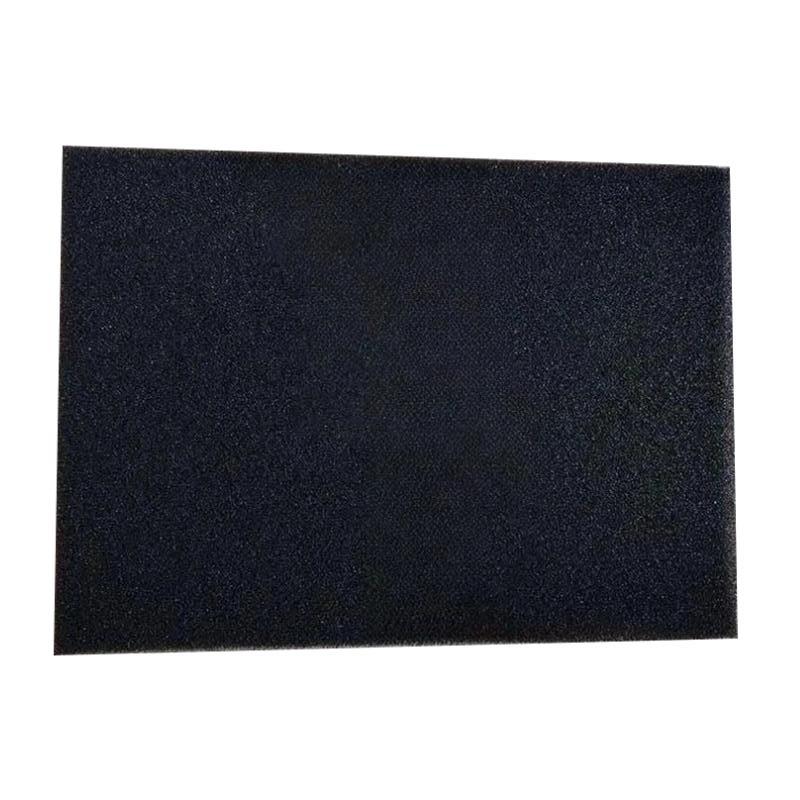
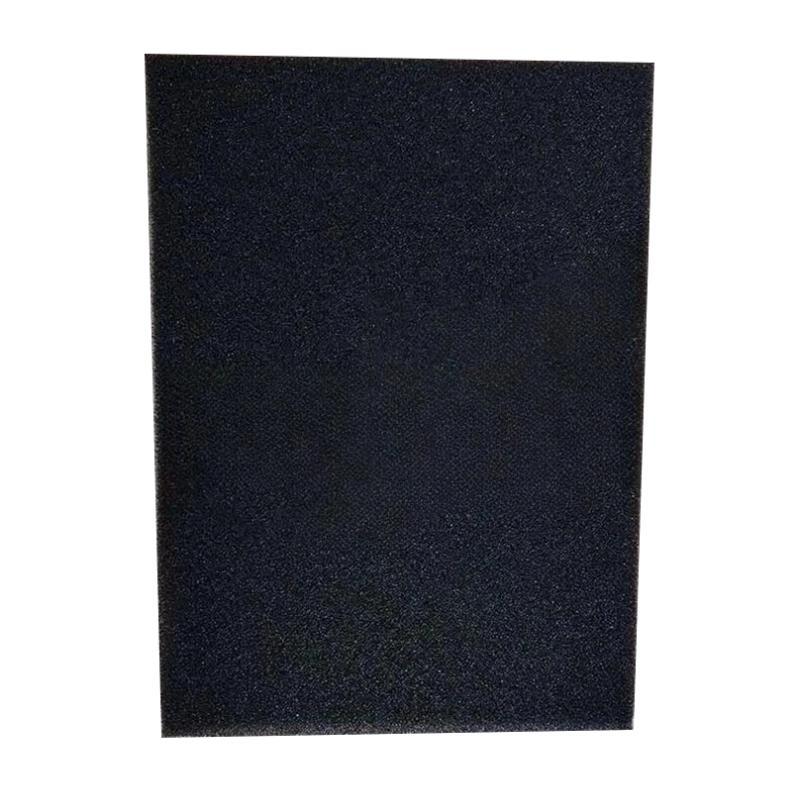
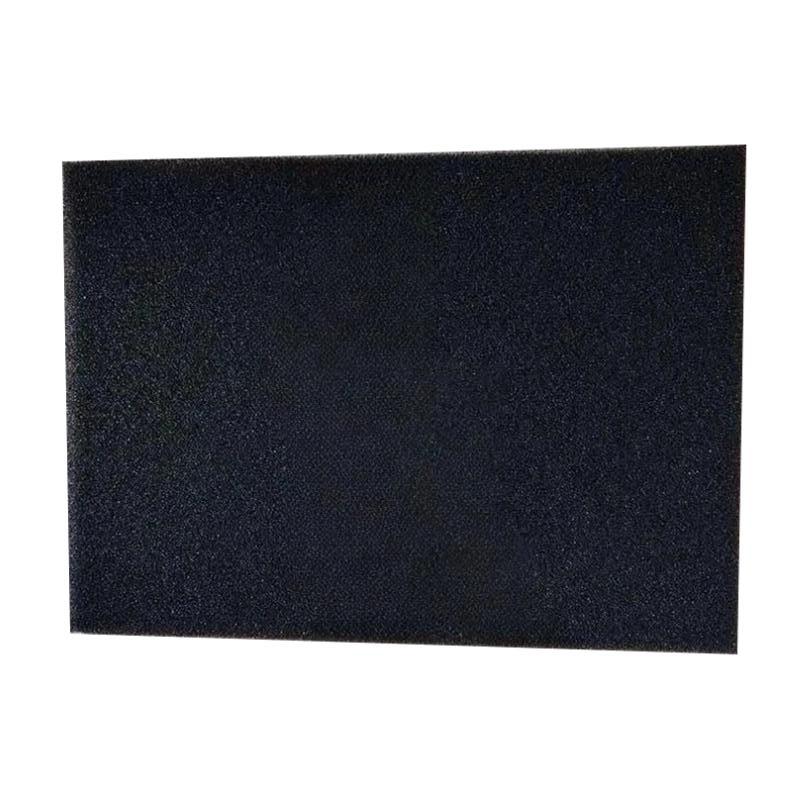
- Pre-Filter
- USA
- 110 × 35 × 100 mm
- 0.15 kg
- Xiamen, China
- New & In Stock
- T/T, PayPal, Western Union
- 1 Year
- 1-3 Working Days
- DHL, UPS, TNT, FedEx and EMS.
- 24-Hour Service
- COO
- 2
Our advantage

Global Logistics
We have a 10-year logistics and express cooperation agreement, so our products can be shipped to any place in the world.

Brand new and original
Our products are imported in bulk from the place of origin. Because of the cooperative relationship, our products are all original and 100% new.

24-hour service
We provide 7*24 hours service to our customers. We will be there whenever you need us.

Price advantage
All our products are priced very favorably because we have our own warehouse and supply.
| Company Information | |||
| [email protected] | |||
| Mobile | +8615980777398 | ||
| +8615980777398 | |||
| 15980777398 |
1. Product Overview
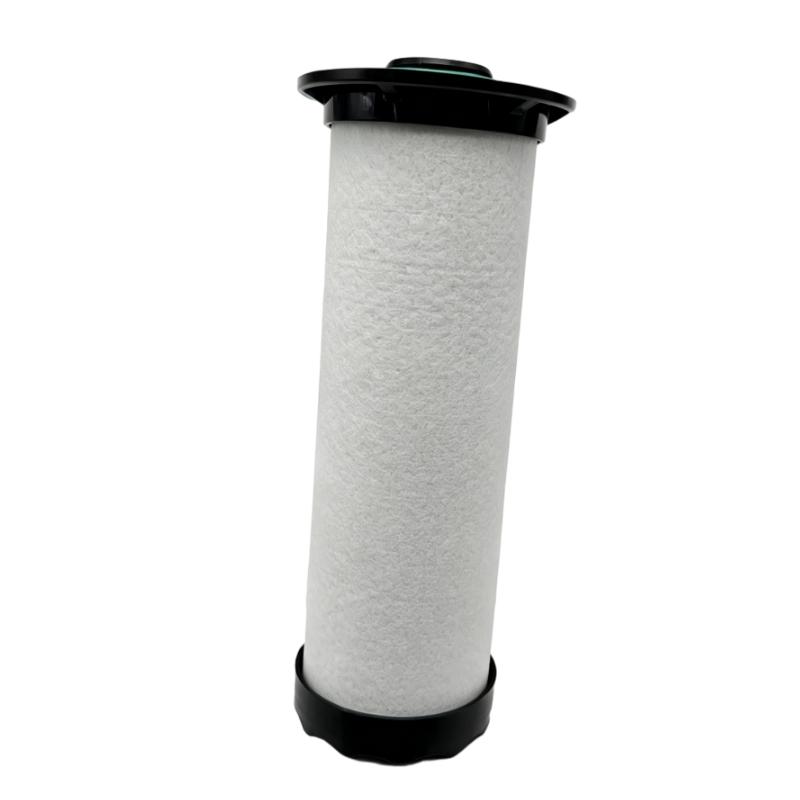
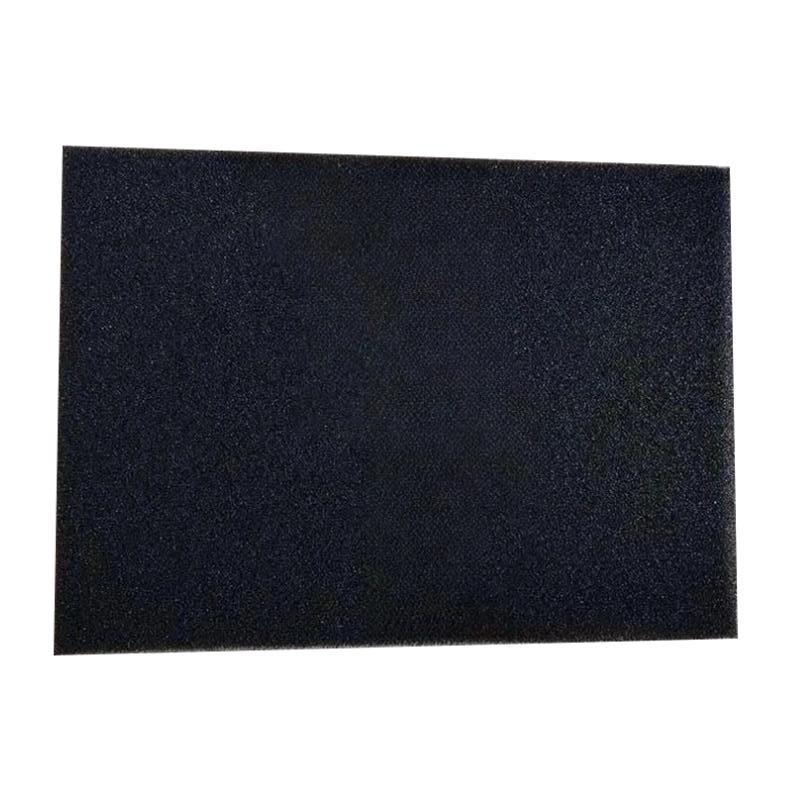
The Ingersoll Rand 47629376001 / 47524431001 Pre-Filter is an industrial filtration component intended for use in compatible equipment and filtration systems. A pre-filter generally serves as an initial filtration stage, helping capture designated contaminants before the process stream reaches downstream components. When correctly selected and maintained, it can contribute to equipment protection, effective filtration, and more consistent system performance.
In industrial environments, compressed-air and process systems may encounter particulate contamination from ambient air, piping, operating conditions, or equipment wear. Depending on the filtration media and design, a pre-filter may help retain specified contaminants and reduce the burden on downstream filtration stages. Its actual removal efficiency and suitable operating conditions depend on the exact filter specification.
The part numbers 47629376001 and 47524431001 should be verified against the equipment nameplate, existing filter label, and approved parts documentation. Although these numbers are provided together, their interchangeability should not be assumed without confirmation. Filter elements with similar dimensions may differ in media construction, filtration rating, sealing design, pressure limits, or intended equipment.
The supplied dimensions for this product are 110 × 35 × 100 mm, with a stated weight of 0.15 kg. These details support product identification, warehouse organization, and maintenance planning. However, dimensions alone cannot establish whether a filter is suitable for a particular housing or filtration application.
For industrial maintenance teams, equipment operators, and spare-parts purchasers, choosing the correct Ingersoll Rand pre-filter is important for maintaining the intended filtration arrangement. Confirming the exact part number and technical requirements before installation helps reduce incorrect replacements and unnecessary equipment downtime.
2. Technical Specifications
| Parameter | Specification |
|---|---|
| Brand | Ingersoll Rand |
| Part Numbers | 47629376001 / 47524431001 |
| Product Type | Pre-Filter |
| Product Category | Industrial filtration component |
| Dimensions | 110 × 35 × 100 mm |
| Weight | 0.15 kg |
| Primary Function | Preliminary filtration in a compatible system |
| Intended Equipment | Verify against the exact equipment documentation |
| Filter Media | Confirm from the exact part specification |
| Filtration Rating | Confirm from the exact part specification |
| Flow Capacity | Confirm from the exact part specification |
| Operating Pressure | Verify against the filter and equipment specifications |
| Operating Temperature | Confirm from the exact part specification |
| Connection or Mounting Type | Verify the applicable housing and installation arrangement |
| Replacement Interval | Follow equipment maintenance instructions and operating conditions |
| Part Interchangeability | Confirm before substituting one listed part number for the other |
The dimensions and weight listed above are based on the supplied product information. Other technical characteristics should be verified before ordering or installing the filter.
The filtration rating, media type, pressure limits, and flow capacity are especially important. They determine the filter’s suitability for the intended medium, the contaminants it can retain, and its ability to operate within the system’s design limits.
A replacement filter should not be selected solely because it matches the original element’s external dimensions. The sealing arrangement and filtration performance must also meet the requirements of the equipment.
3. Function and Working Principle
3.1 Preliminary Contaminant Filtration
A pre-filter is typically installed upstream of a downstream filtration stage or protected component. As the process stream passes through the filter, its media retains the types of contaminants that the element is designed to capture.
In a compatible industrial system, this preliminary filtration stage may reduce the contaminant load reaching downstream components. The exact contaminants removed depend on the media construction and rated performance of the specific filter.
A pre-filter should not automatically be considered a fine-particle filter, coalescing filter, activated-carbon filter, or moisture separator. Different filtration technologies address different contamination types, and the appropriate combination depends on the application’s requirements.
3.2 Filtration Media and Flow Path
The filter media forms the principal filtration barrier. Its structure and design determine how contaminants are retained as the process stream moves through the element.
Correct installation is essential for maintaining the intended flow path. If a filter is incorrectly seated, damaged, or installed with an unsuitable seal, some of the process stream may bypass the media. This can reduce effective filtration even if the element itself is in good condition.
The exact media material and filtration mechanism for part numbers 47629376001 and 47524431001 should be confirmed using the applicable technical documentation.
3.3 Protection of Downstream Components
Contamination may contribute to blockage, wear, inconsistent operation, and premature maintenance of downstream equipment. A properly specified pre-filter helps control the contaminants it is designed to capture before they reach subsequent components.
Depending on the system design, downstream equipment may include additional filters, pneumatic devices, regulators, valves, or other process components. The protection provided by the pre-filter depends on its efficiency, the condition of the system, and the types of contaminants present.
A pre-filter is only one element of a complete filtration strategy. It cannot replace additional filtration stages required to meet specific air-quality or process-quality standards.
3.4 Pressure Drop and Filter Condition
As captured contaminants accumulate, a filter may develop increased resistance to flow. The resulting pressure drop depends on the filter design, flow rate, contamination level, and operating conditions.
Excessive restriction may affect downstream pressure or system performance. Leakage or damage may produce a different problem by allowing contaminants to bypass the intended filtration path.
Where the equipment provides a differential-pressure indicator or other filter-condition monitoring method, maintenance personnel should follow the manufacturer’s specified limits. Otherwise, use the approved inspection and replacement schedule rather than relying on appearance alone.
4. Role in Industrial Equipment Systems
4.1 Compressed-Air Filtration
In compatible compressed-air systems, a pre-filter may serve as an initial stage in the treatment arrangement. Its purpose is to capture specified contaminants before the air reaches downstream filtration or equipment.
The required filtration configuration depends on the compressor system, downstream equipment, air-quality requirements, and operating environment. Confirm the intended role of this particular filter before incorporating it into a system.
4.2 Supporting Downstream Equipment
Pre-filtration can help reduce the contamination burden on downstream components when the filter is properly selected for the application. This may support equipment reliability and help reduce contamination-related maintenance.
However, the filter should not be assumed to remove every type of contaminant. Particles, liquid water, oil aerosols, and vapor may require different treatment methods.
4.3 Preventive Maintenance
Filter replacement is an important part of maintaining an industrial filtration system. Using the correct replacement element and following the specified maintenance procedure helps preserve the intended flow path and filtration performance.
Maintenance teams should record the installed part number, replacement date, equipment identification, and relevant inspection observations. Unusual contamination or recurring restriction may indicate a broader system problem that needs investigation.
4.4 Spare-Parts Identification
Industrial facilities may use multiple filters that appear similar but have different functions or equipment requirements. Keeping part numbers and approved replacement information accurate helps prevent incorrect substitutions.
For Ingersoll Rand part numbers 47629376001 and 47524431001, verify the relationship between the two before treating them as interchangeable inventory items.
5. Industrial Applications
5.1 Industrial Air Compressor Systems
Pre-filters may be used in compatible compressor-related filtration arrangements to help manage specified contaminants before they reach downstream equipment. The selected element must meet the system’s pressure, flow, filtration, and installation requirements.
5.2 Pneumatic Control Systems
Pneumatic systems use compressed air to operate actuators, valves, and other control components. Appropriate filtration can help reduce contamination that might interfere with the performance of sensitive pneumatic devices.
The filter’s position in the overall air-treatment arrangement should follow the equipment design. Additional filtration or moisture-management stages may be required.
5.3 Manufacturing Facilities
Manufacturing plants use compressed air and other process services in production, packaging, assembly, and material handling. A compatible pre-filter may form part of the contamination-control strategy where its specifications match the application.
5.4 Equipment Servicing and Overhaul
During scheduled maintenance, technicians may replace pre-filters to maintain the required system condition. Accurate part identification is particularly important when servicing older equipment or assemblies that contain several filtration stages.
Before ordering a replacement, compare the existing filter label, equipment model, housing design, and approved spare-parts documentation.
5.5 General Industrial Filtration
Pre-filters are used in many industrial environments, but filter compatibility depends on the medium being filtered and the conditions of operation. Applications involving gases, liquids, chemicals, or specialized process streams require verification of material compatibility, pressure limits, temperature limits, and sealing properties.
The Ingersoll Rand 47629376001 / 47524431001 should only be used in equipment and applications for which its specifications have been confirmed.
6. Installation and System Integration
Correct installation helps preserve the intended filtration performance and reduces the risk of leakage or excessive flow restriction. The following is a general maintenance procedure; the exact steps must follow the instructions for the relevant equipment and filter assembly.
6.1 Verify the Part Number
Before installation, confirm whether the required part is 47629376001 or 47524431001.
Check the equipment nameplate, existing filter label, service records, and approved spare-parts list. Do not assume that the two part numbers are interchangeable simply because they have been listed together.
Verify the specified filtration function, dimensions, sealing arrangement, operating limits, and compatibility with the intended housing.
6.2 Shut Down and Isolate the Equipment
Before opening the filter assembly, shut down the equipment and isolate the relevant energy sources according to the site’s approved maintenance procedures.
For pressurized systems, depressurize the applicable section and verify that pressure has been safely released before loosening the housing or removing the filter. Follow lockout/tagout procedures and account for stored energy.
Never open a pressurized filter housing while it is in an unsafe condition. Maintenance should be performed by qualified personnel using the approved procedure.
6.3 Inspect the Filter Housing
Once the equipment is safe to service, inspect the housing and mounting area for contamination, corrosion, mechanical damage, and signs of leakage.
Check the sealing surfaces and any specified O-rings or gaskets. Replace damaged seals with approved components of the correct size and material. Avoid improvised sealing materials that could be incompatible with the equipment or process medium.
If the housing or sealing surface is damaged, correct the problem before installing the replacement element.
6.4 Remove the Existing Filter
Follow the equipment-specific removal instructions. Note the filter’s orientation and the position of any retaining components or seals before removing the old element.
Inspect the used filter for unusual contamination, deformation, or damage. These observations may help identify upstream contamination problems or abnormal operating conditions.
Dispose of the used filter in accordance with site procedures and the nature of the captured contaminants.
6.5 Install the Replacement Filter
Compare the replacement with the approved specification before fitting it. Verify the part number, dimensions, media requirements, sealing arrangement, and installation orientation.
Install the element according to the specified procedure. Ensure that it is correctly seated and that all seals are positioned as required. Do not force the element into the housing or modify it to make it fit.
Use lubricants, cleaning agents, or sealants only when they are approved for the specific equipment and filter assembly.
6.6 Reassemble the Filter Housing
Reassemble the housing according to the equipment manufacturer’s procedure. Confirm that retaining components are correctly secured and that all required connections are restored.
Before returning the system to service, remove tools and loose materials from the work area and verify that the assembly is ready for startup.
6.7 Restore Operation and Inspect for Leakage
Restore pressure and power according to the approved startup procedure. Inspect the filter assembly for leakage and confirm that the equipment operates within its specified range.
Where pressure or differential-pressure monitoring is available, review the readings according to the equipment instructions. Investigate abnormal pressure drop, unexpected flow restriction, or persistent leakage before returning the system to normal operation.
6.8 Update Maintenance Records
Record the installed part number, equipment identification, replacement date, and relevant inspection observations.
If the removed filter shows unusual contamination or repeated restriction, investigate possible causes such as upstream contamination, abnormal operating conditions, or an unsuitable maintenance interval.
Accurate service records support preventive maintenance and improve future spare-parts planning.
7. Compatible System Components
The Ingersoll Rand 47629376001 / 47524431001 Pre-Filter must be matched to the correct equipment and filtration assembly. The following table describes component categories commonly evaluated in industrial filtration systems. It does not confirm compatibility with any specific equipment model.
| Component Category | Function | Compatibility Considerations |
|---|---|---|
| Compatible Ingersoll Rand Equipment | Provides the intended installation location | Confirm the exact equipment model and approved part number |
| Filter Housing or Assembly | Holds and seals the filter element | Verify dimensions, retention method, and sealing arrangement |
| Downstream Filter Stage | Provides additional filtration where required | Confirm the intended filtration sequence and performance requirements |
| Air Compressor or Process Source | Supplies the stream being filtered | Verify the filter’s approved medium and operating limits |
| Pressure Regulator | Controls downstream operating pressure | Confirm system arrangement and pressure requirements |
| Pressure Gauge or Differential-Pressure Indicator | Supports monitoring of operating conditions | Follow the equipment’s specified measurement and service limits |
| O-Rings and Gaskets | Maintain sealing at designated interfaces | Use the correct approved size and material |
| Pipes, Hoses, and Fittings | Carry the process stream | Confirm pressure rating, connection type, and medium compatibility |
| Drain or Moisture-Management Components | Manage collected liquids where fitted | Verify the equipment design and maintenance procedure |
Before installing or replacing any component, confirm compatibility against the exact equipment documentation and approved spare-parts information.
8. Recommended Alternative Models
If the original filter is unavailable, a replacement must meet the required filtration and mechanical specifications. Similar dimensions do not guarantee equivalent performance.
| Alternative Option | Potential Use | Verification Required |
|---|---|---|
| Ingersoll Rand 47629376001 | Replacement where this exact part number is specified | Confirm equipment compatibility and filter specifications |
| Ingersoll Rand 47524431001 | Replacement where this exact part number is specified | Confirm approval for the intended equipment and application |
| An approved Ingersoll Rand replacement element | Potential replacement for an unavailable or discontinued part | Verify the official replacement relationship and complete technical specifications |
| A third-party filter with verified equivalence | Possible option where permitted by the equipment requirements | Compare filtration performance, dimensions, sealing, flow capacity, pressure limits, and material compatibility |
The two listed Ingersoll Rand part numbers should not be treated as automatic substitutes without verification. No third-party replacement is recommended here without confirmed technical equivalence.
9. Key Advantages
9.1 Preliminary Contaminant Control
A correctly specified pre-filter helps capture the contaminants targeted by its media before they reach downstream components. This supports the overall filtration strategy when the element is installed and maintained correctly.
9.2 Support for Downstream Equipment
By reducing the load of designated contaminants, a suitable pre-filter may help limit contamination-related problems in downstream equipment. The extent of this benefit depends on the filtration rating and overall system condition.
9.3 Compact Physical Dimensions
The supplied dimensions of 110 × 35 × 100 mm provide useful information for identification, storage, and replacement planning. Actual fit must still be confirmed against the housing and sealing arrangement.
9.4 Lightweight Design
The stated weight of 0.15 kg can support inventory handling and spare-parts logistics. Weight alone does not establish filtration capability or equipment compatibility.
9.5 Support for Preventive Maintenance
A correctly identified replacement filter makes scheduled servicing and inventory control more straightforward. Recording filter changes and inspecting removed elements can also help maintenance teams investigate recurring contamination problems.
10. Technical FAQs
Q1: What is the Ingersoll Rand 47629376001 / 47524431001 Pre-Filter used for?
It is identified as an industrial pre-filter. Pre-filters generally provide preliminary contaminant removal in compatible systems. The exact application and removal performance of these part numbers should be confirmed from the applicable product specification.
Q2: What are the dimensions and weight?
The supplied dimensions are 110 × 35 × 100 mm, and the stated weight is 0.15 kg. Confirm these values against the product label and equipment documentation when planning a critical replacement.
Q3: Are part numbers 47629376001 and 47524431001 interchangeable?
Interchangeability has not been established here. Confirm the approved replacement relationship using the equipment model, parts documentation, and exact filter specifications before substituting one part number for the other.
Q4: What contaminants can this pre-filter remove?
The removal capability depends on the filter media and its rated performance. Do not assume that this product removes oil aerosols, moisture, fine particles, or vapors unless those functions are specified for the exact part.
Q5: How often should the pre-filter be replaced?
The replacement interval depends on the equipment manufacturer’s instructions, operating conditions, contamination level, and any specified pressure-drop criteria. Follow the approved maintenance schedule rather than applying a universal interval.
Q6: What are the signs of a clogged or damaged filter?
Possible indicators include increased pressure drop, reduced flow, abnormal system performance, visible damage, or leakage around the assembly. These symptoms can also have other causes, so troubleshooting should follow the equipment maintenance procedure.
Q7: Can I use a third-party filter with the same dimensions?
Matching dimensions alone is insufficient. The replacement must also meet the required filtration performance, flow capacity, pressure and temperature limits, sealing requirements, and material compatibility. Use a third-party product only after technical equivalence has been verified and its use is permitted.
Q8: Does filter replacement require equipment shutdown?
The procedure depends on the equipment design. The relevant system must be placed in a safe state, and the filter assembly must be isolated and depressurized as required before opening it. Follow the approved maintenance instructions.
Q9: What should I check if leakage occurs after replacement?
Isolate the equipment according to the approved safety procedure. Check the part number, element seating, seal condition, housing surfaces, and assembly procedure. Do not open or adjust a pressurized assembly unless the equipment procedure explicitly permits it under the existing conditions.
Q10: What information should I confirm before purchasing a replacement?
Confirm the complete part number, compatible equipment model, dimensions, filtration function, media specification, flow capacity, operating limits, and sealing arrangement. If two part numbers are listed together, verify their interchangeability before ordering.
11. Conclusion
The Ingersoll Rand 47629376001 / 47524431001 Pre-Filter is an industrial filtration component intended for a compatible equipment system. When selected for the correct application, a pre-filter can help manage specified contaminants before they reach downstream components, supporting filtration performance and maintenance planning.
The supplied dimensions of 110 × 35 × 100 mm and weight of 0.15 kg are useful for product identification and inventory management. However, the exact filtration rating, media construction, flow capacity, operating limits, and equipment compatibility must be verified before installation.
For reliable operation, maintenance personnel should confirm the full part number, follow the approved replacement procedure, inspect the housing and seals, and check for leakage or abnormal pressure drop after startup. The relationship between part numbers 47629376001 and 47524431001 should also be confirmed before treating them as interchangeable.
Careful product identification and technical verification help reduce replacement errors, preserve the intended filtration arrangement, and support reliable industrial equipment operation.