

ProductPRODUCT
Featured products
Contact Us
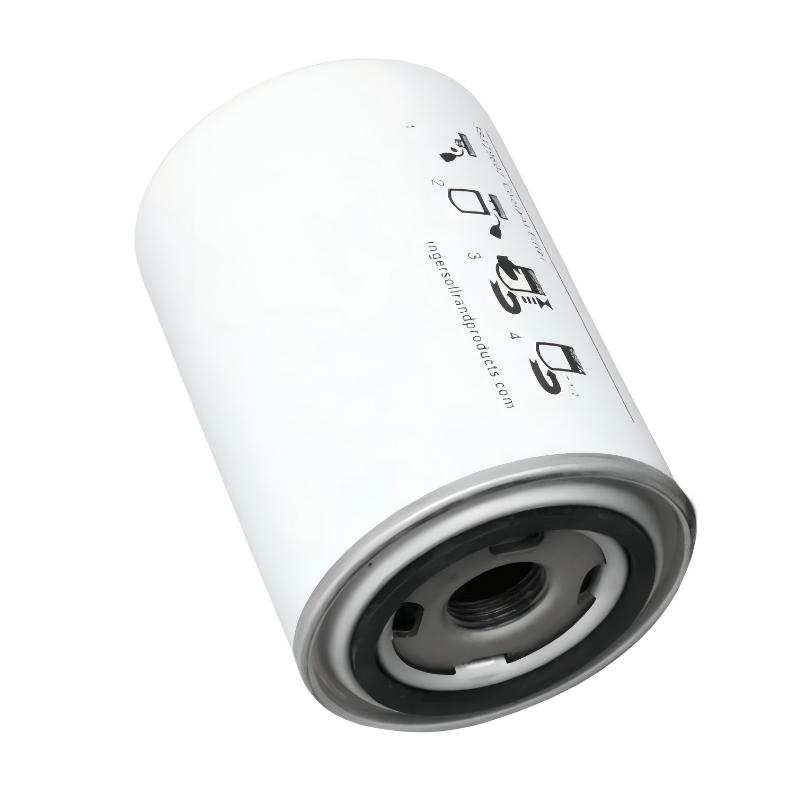
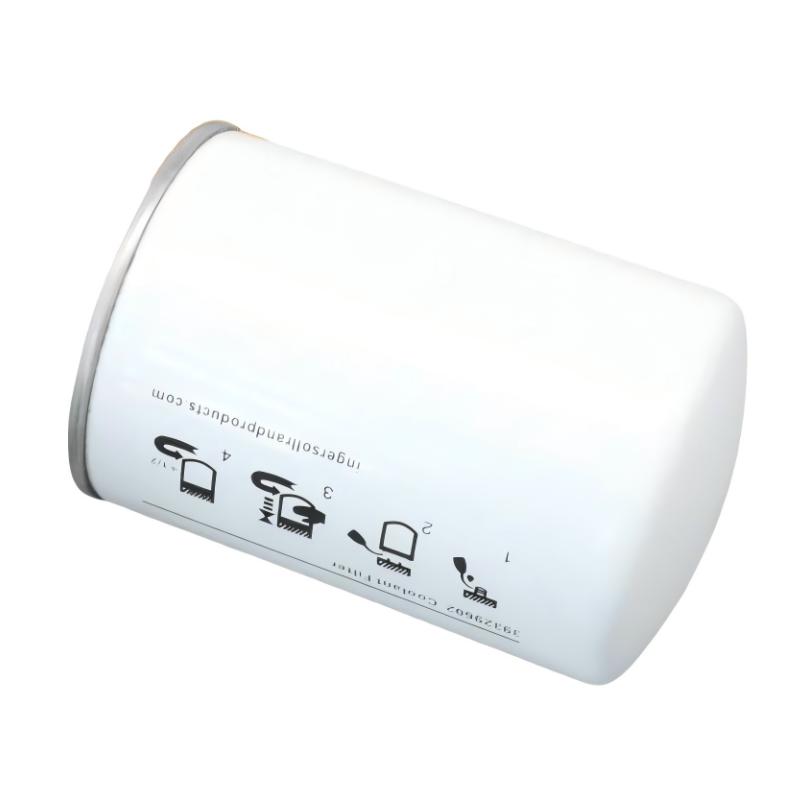
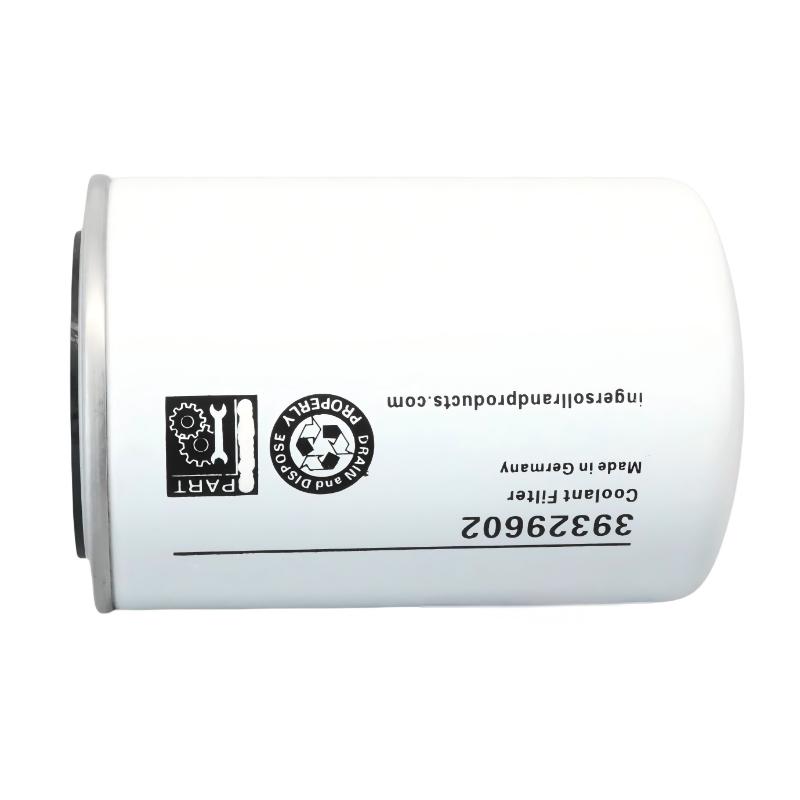
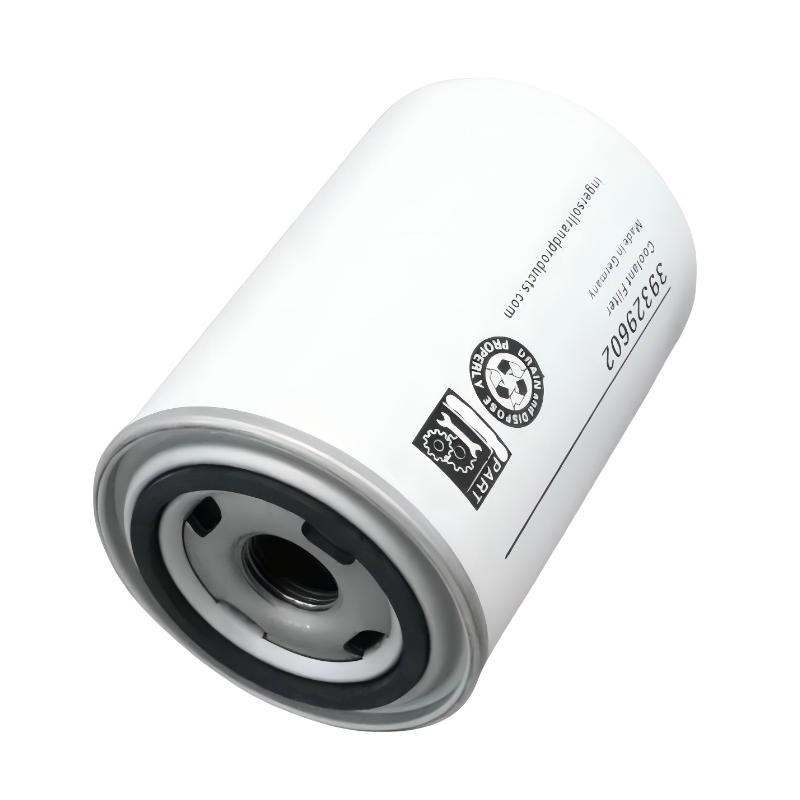
- Ingersoll Rand
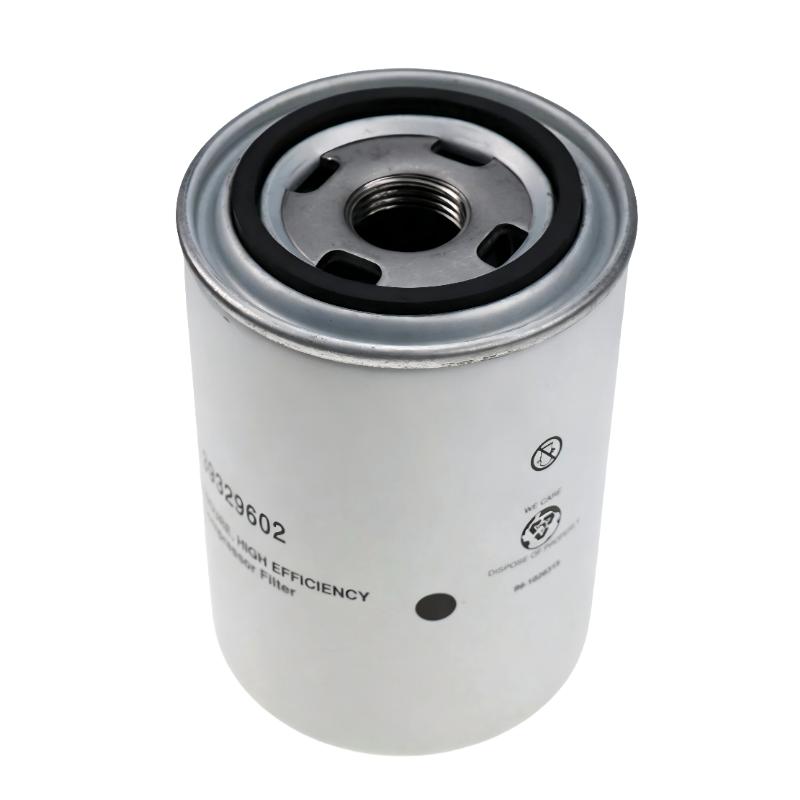
- 47627671001 39329602
- Oil Filter
- USA
- 135 × 40 × 95 mm
- 0.45 kg
- Xiamen, China
- New & In Stock
- T/T, PayPal, Western Union
- 1 Year
- 1-3 Working Days
- DHL, UPS, TNT, FedEx and EMS.
- 24-Hour Service
- COO
- 3
Our advantage

Global Logistics
We have a 10-year logistics and express cooperation agreement, so our products can be shipped to any place in the world.

Brand new and original
Our products are imported in bulk from the place of origin. Because of the cooperative relationship, our products are all original and 100% new.

24-hour service
We provide 7*24 hours service to our customers. We will be there whenever you need us.

Price advantage
All our products are priced very favorably because we have our own warehouse and supply.
| Company Information | |||
| [email protected] | |||
| Mobile | +8615980777398 | ||
| +8615980777398 | |||
| 15980777398 |
Product Overview
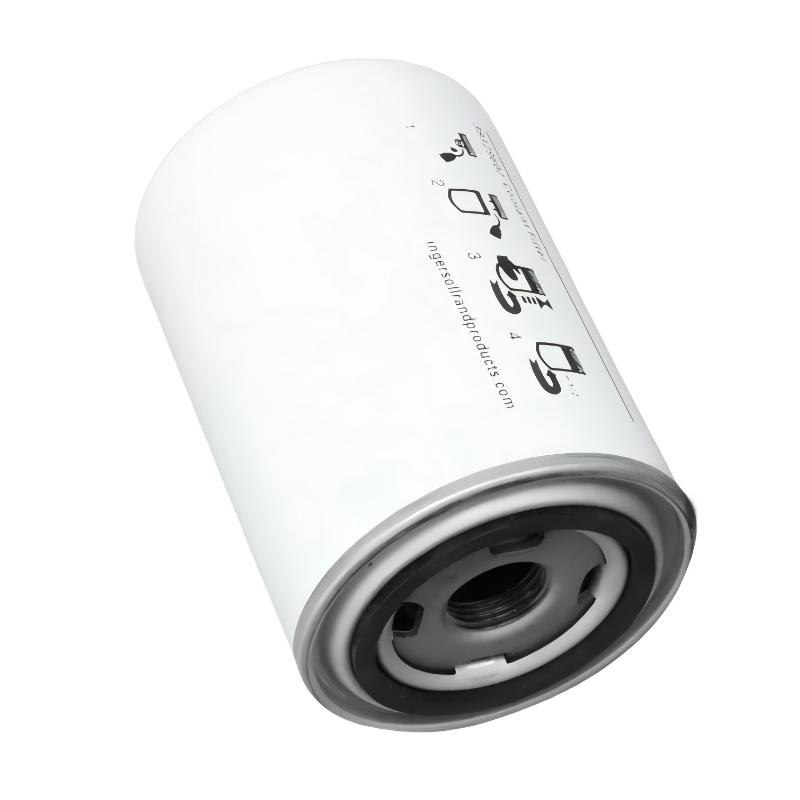
The Ingersoll Rand 47627671001 39329602 Oil Filter is an oil filtration component identified by the 47627671001 and 39329602 part numbers. In industrial compressor systems, oil filtration helps remove contaminants from circulating lubricant before they can accumulate in critical lubrication passages or reach sensitive internal components.
During compressor operation, lubricating oil may collect particles generated by normal mechanical wear, as well as contaminants introduced during maintenance or through the operating environment. An oil filter captures particles within its filtration medium, helping maintain oil cleanliness and supporting the lubrication requirements of the equipment. The filter’s effectiveness depends on the filtration characteristics, oil compatibility, operating conditions, and correct installation.
For maintenance personnel, accurate identification of the Ingersoll Rand 47627671001 39329602 Oil Filter is important when preparing a scheduled service or replacing a filter in an existing compressor installation. Filters that appear similar in size may differ in filtration performance, sealing arrangement, flow capacity, or pressure rating. Matching the complete part identification helps reduce the risk of installing an unsuitable component.
The filter should be serviced according to the applicable compressor maintenance schedule. Oil condition, operating hours, differential pressure where monitored, and equipment operating conditions can all influence filter replacement requirements. During replacement, technicians should also inspect the filter mounting area and sealing surfaces to help prevent leakage and contamination.
Technical Specifications
| Parameter | Specification |
|---|---|
| Manufacturer | Ingersoll Rand |
| Product Model | 47627671001 |
| Additional Part Number | 39329602 |
| Product Type | Oil Filter |
| Product Category | Industrial Compressor Filtration |
| Primary Function | Filtration of lubricating oil |
| Application | Industrial compressor oil systems |
| Filter Medium | Filtration medium appropriate to the specified filter assembly |
| Installation Type | Equipment-specific oil filter housing or mounting interface |
| System Integration | Compressor lubrication circuit |
| Filtration Purpose | Removal of suspended contaminants from circulating oil |
| Maintenance Approach | Periodic inspection and scheduled filter replacement |
| Replacement Criteria | Equipment maintenance requirements and applicable service conditions |
| Dimensions | 135 × 40 × 95 mm |
| Weight | 0.45 kg |
Product Features
- Oil Contaminant Filtration: Captures particles carried by the lubricating oil as it passes through the filter medium.
- Compressor Lubrication Support: Helps maintain oil cleanliness within compatible compressor lubrication systems.
- Model-Specific Identification: The 47627671001 and 39329602 designations support spare-parts selection and maintenance inventory management.
- Scheduled Service Replacement: Can be included in planned compressor maintenance to address accumulated contaminants and filter service life.
- Lubrication Circuit Integration: Operates within the oil circuit according to the filter housing and flow arrangement of the intended equipment.
- Sealing Interface Requirements: Correct seating and compatible seals are necessary to help prevent external oil leakage and unfiltered bypass.
- Maintenance Traceability: Recording the filter part number and replacement date supports service history and consumable tracking.
- Equipment Protection Support: Oil filtration helps reduce the circulation of contaminants that may contribute to wear in lubricated components.
Working Principle
The Ingersoll Rand 47627671001 39329602 Oil Filter operates by directing lubricating oil through a filtration medium that retains contaminants carried in the oil. As the oil passes through the filter, particles are captured within the medium while filtered oil continues through the designated flow path. The filter’s actual filtration efficiency and operating limits depend on its construction and the specifications of the intended compressor system.
In a typical compressor lubrication circuit, oil moves through the filtration assembly as part of the system’s normal circulation process. The filter helps reduce the amount of particulate contamination reaching downstream lubrication points. Maintaining oil cleanliness is important because contaminants can contribute to abrasive wear, obstruct small passages, or accelerate deterioration of precision mechanical surfaces.
As the filter accumulates captured particles, resistance to oil flow may increase. The extent of this change depends on contamination loading, oil viscosity, operating temperature, and filter characteristics. Filter replacement should follow the specified service procedure and any applicable monitoring criteria. A clogged filter, damaged sealing surface, or incorrectly installed replacement can affect lubrication performance and may contribute to oil leakage or restricted flow.
Typical filtration path:
Compressor Oil Circuit → Oil Filter → Filtered Oil Flow → Lubricated Compressor Components
The precise location of the filter within the lubrication circuit depends on the compressor configuration. During troubleshooting, technicians should consider oil condition, filter restriction, oil level, circulation performance, and other lubrication-system components rather than attributing every oil-pressure or temperature issue to the filter alone.
Role in an Industrial Compressor Lubrication Architecture
Within an industrial compressor, the oil filter is one component of the lubrication system. Its purpose is to reduce particulate contamination in the oil flowing through the circuit, while the oil supply, circulation mechanism, cooling arrangement, and lubrication passages perform complementary functions.
| System Component | Function | Relationship to the Oil Filter |
|---|---|---|
| Lubricating Oil | Provides lubrication for designated mechanical components | Carries contaminants that the filter is intended to capture |
| Oil Filter | Removes suspended particles from circulating oil | Filters the oil as it passes through the designated flow path |
| Oil Pump or Circulation Mechanism | Moves oil through the lubrication circuit where fitted | Drives oil flow through the filter and other circuit components |
| Filter Housing | Holds the filter assembly and provides the oil connections | Establishes the filter’s mechanical mounting and sealing arrangement |
| Oil Cooler | Removes heat from circulating oil where fitted | Works with the filter as part of the wider lubrication system |
| Oil Separator | Separates oil from compressed air in applicable compressor designs | Performs a different separation function from the oil filter |
| Lubrication Passages | Distribute oil to designated components | Receive oil through the system’s configured flow arrangement |
| Oil Pressure Monitoring Device | Monitors oil pressure where installed | Helps identify abnormal lubrication-system operating conditions |
| Compressor Controller | Monitors available operating signals and manages configured functions | May display alarms associated with oil pressure or related operating conditions |
Industrial Applications
| Application Area | Typical Use | Relevance of the Oil Filter |
|---|---|---|
| Industrial Air Compressors | Filtration of lubricating oil during compressor operation | Helps control particulate contamination in the lubrication circuit |
| Compressor Preventive Maintenance | Replacement of filtration consumables at scheduled intervals | Provides a model-specific component for routine servicing |
| Rotary Compressor Servicing | Maintenance of oil-lubricated rotating compressor assemblies | Supports oil cleanliness where this filter is specified |
| Industrial Plant Utilities | Maintenance of compressor packages supplying plant air | Forms part of the lubrication service requirements for compatible equipment |
| Compressor Overhaul | Renewal of service components during equipment refurbishment | Allows the filter to be replaced while the lubrication circuit is inspected |
| Maintenance Workshop Operations | Preparation of parts for planned compressor service | Supports accurate consumable identification and stock control |
| Lubrication-System Troubleshooting | Investigation of contamination or restricted oil flow | Provides one component to inspect when assessing filter-related problems |
| Spare Parts Management | Tracking filters used across equipment fleets | Helps distinguish the required filter from other filtration components |
Installation and Maintenance
- Verify the filter identification: Confirm the 47627671001 and 39329602 part numbers against the installed component and the equipment’s maintenance records before replacement.
- Review the service procedure: Check the applicable compressor maintenance instructions for the replacement interval, filter installation method, and any required preparation steps.
- Isolate the compressor: Stop the equipment and follow the required electrical, pressure-release, and thermal safety procedures before opening the oil circuit.
- Allow the system to cool: Ensure that the relevant components and oil have reached a safe handling condition before removing the filter.
- Prepare the work area: Use suitable collection equipment for residual oil and keep dirt, cleaning debris, and other contaminants away from the open lubrication circuit.
- Inspect the existing filter area: Check for oil leakage, damaged fittings, contamination, or signs of abnormal operating conditions around the filter housing.
- Remove the old filter carefully: Follow the specified removal procedure and control residual oil to prevent spills and contamination.
- Inspect the mounting and sealing surfaces: Check the filter seat, housing interface, and applicable seals for damage, debris, or remnants of the previous sealing element.
- Install the replacement filter: Confirm the filter’s orientation and installation requirements, and follow the specified sealing and tightening procedure without applying excessive force.
- Restore the lubrication circuit: Reconnect any removed components and restore the oil system according to the approved service procedure. Verify oil level and other required service conditions.
- Check for leakage and abnormal indications: Return the compressor to operation according to the approved startup procedure and inspect the filter area for leakage, abnormal oil-pressure indications, or related alarms.
- Document the maintenance: Record the filter part numbers, replacement date, operating hours where applicable, oil condition, and any abnormalities found during servicing.
Related Components
| Component | Function | Relationship to the Oil Filter |
|---|---|---|
| Ingersoll Rand Compressor Lubricating Oil | Lubricates designated compressor components | Circulates through the lubrication circuit and passes through the specified filtration arrangement |
| Oil Filter Housing | Holds and connects the filter assembly | Provides the mechanical mounting and oil-flow interface |
| Oil Cooler | Controls oil temperature where fitted | Supports thermal management of the lubrication system |
| Oil Separator Element | Separates oil from compressed air in applicable systems | Performs a separate filtration or separation task from the lubricating oil filter |
| Oil Pump or Circulation Assembly | Moves oil through the lubrication circuit where fitted | Maintains the oil flow required by the system |
| Oil Pressure Sensor or Switch | Monitors oil pressure where installed | Provides information that may assist lubrication-system diagnosis |
| Oil Lines and Fittings | Carry oil between system components | Provide the flow connections associated with the filter |
| Compressor Service Kit | Groups specified maintenance parts for a service operation | May include filtration and other consumables according to the applicable kit configuration |
Recommended Related Models
| Model or Product Category | Product Type | Relationship |
|---|---|---|
| Ingersoll Rand 47627671001 39329602 | Oil Filter | Specified filter identification for replacement and inventory purposes |
| Ingersoll Rand Compressor Oil Filters | Lubrication Filtration Components | Related product category for compatible compressor lubrication systems |
| Ingersoll Rand Air/Oil Separator Elements | Compressor Separation Components | Related maintenance category, but not interchangeable with an oil filter |
| Ingersoll Rand Compressor Air Filters | Intake Filtration Components | Related filtration category for compressor air intake systems |
| Ingersoll Rand Oil Filter Housings | Filter Mounting Components | Related components that provide the filter installation interface |
| Ingersoll Rand Compressor Maintenance Kits | Maintenance Consumable Kits | May contain filters and other parts required for scheduled servicing |
| Industrial Oil Pressure Sensors | Monitoring Components | Related components used to monitor lubrication-system pressure |
| Industrial Oil Coolers | Lubrication-System Components | Related equipment for managing oil temperature |
Key Advantages
- Contamination Control: Helps capture suspended particles in the circulating oil.
- Lubrication-System Support: Contributes to maintaining oil cleanliness for compatible compressor equipment.
- Accurate Part Identification: The two part numbers support replacement planning and inventory control.
- Preventive Maintenance Integration: Can be incorporated into scheduled oil-system servicing.
- Structured Troubleshooting: Filter condition can be assessed alongside oil pressure, oil condition, and circulation performance.
- Service Traceability: Replacement records help maintenance teams track filter usage and servicing history.
Technical FAQs
What is the function of the Ingersoll Rand 47627671001 39329602 Oil Filter?
Its function is to filter contaminants from lubricating oil as the oil passes through the designated filtration circuit. This helps maintain oil cleanliness and supports the lubrication requirements of compatible compressor equipment.
Is an oil filter interchangeable with an air filter or an oil separator?
No. An oil filter removes contaminants from lubricating oil, while an air filter treats intake air and an oil separator separates oil from compressed air in applicable compressor systems. Their flow paths, construction, and functions differ.
When should the oil filter be replaced?
The replacement interval depends on the compressor’s specified maintenance schedule, operating hours, oil condition, and applicable filter-monitoring criteria. Follow the service requirements for the intended equipment rather than relying on a universal interval.
What should be checked if oil pressure becomes abnormal after filter replacement?
Check the filter identification, installation, sealing surfaces, oil level, and any relevant pressure-monitoring indications. Also inspect the wider lubrication circuit for restrictions, leakage, or other faults. Follow the equipment’s approved troubleshooting procedure before returning the compressor to normal operation.