

ProductPRODUCT
Featured products
Contact Us
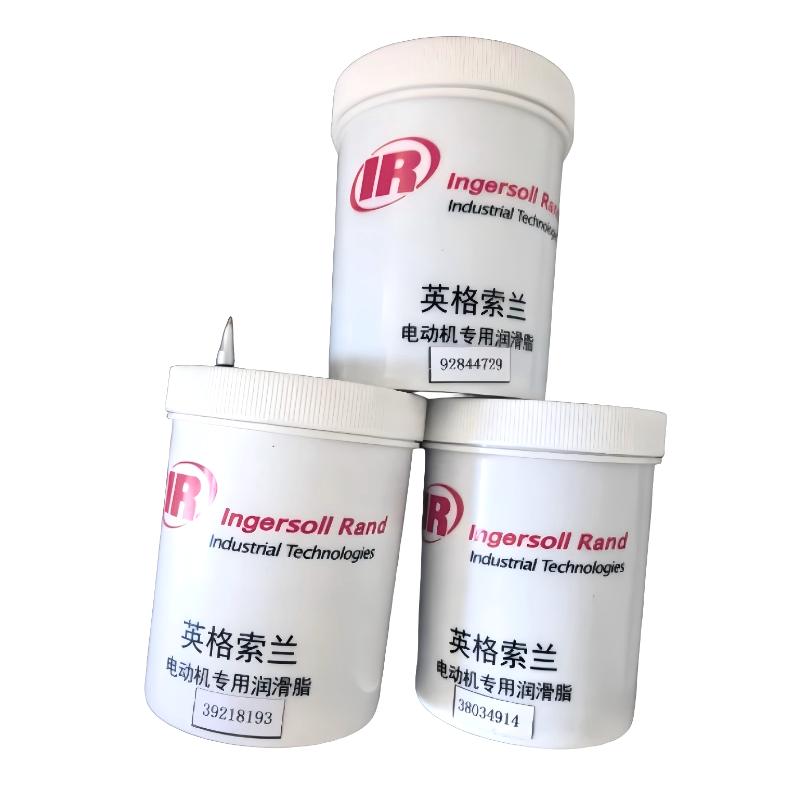
- Ingersoll Rand
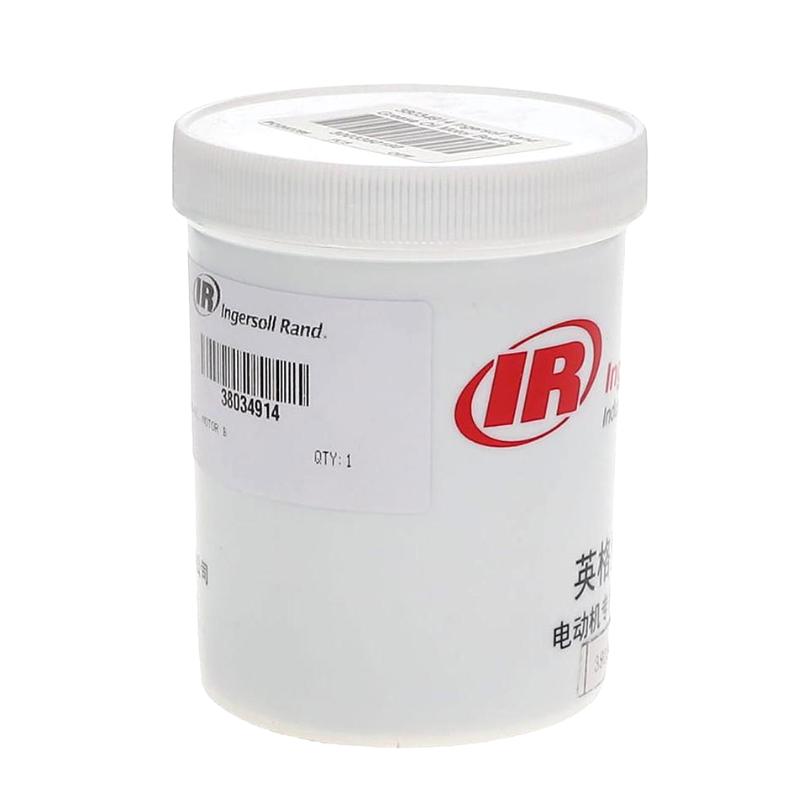
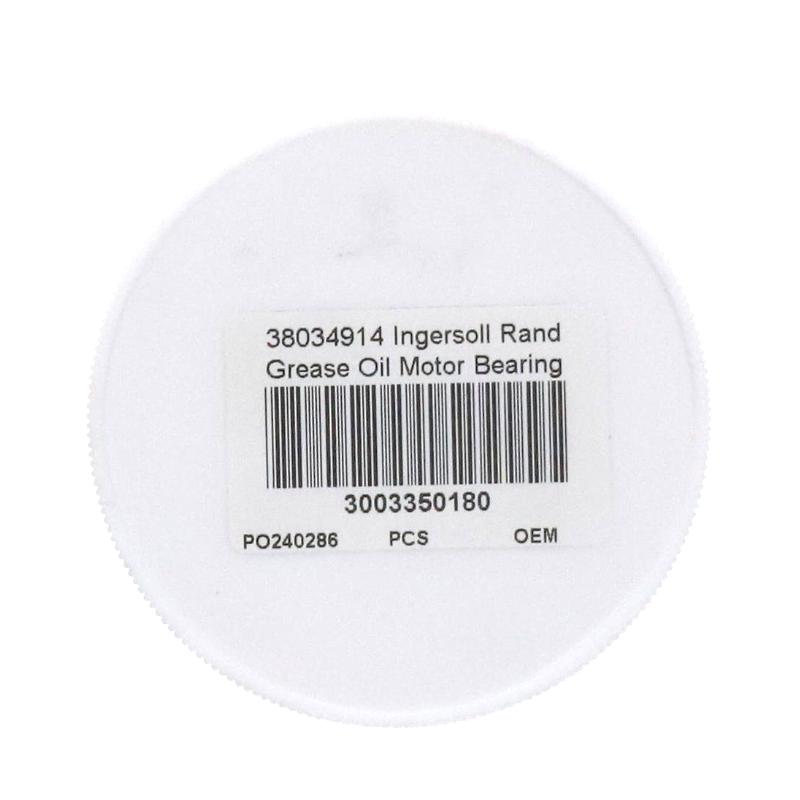
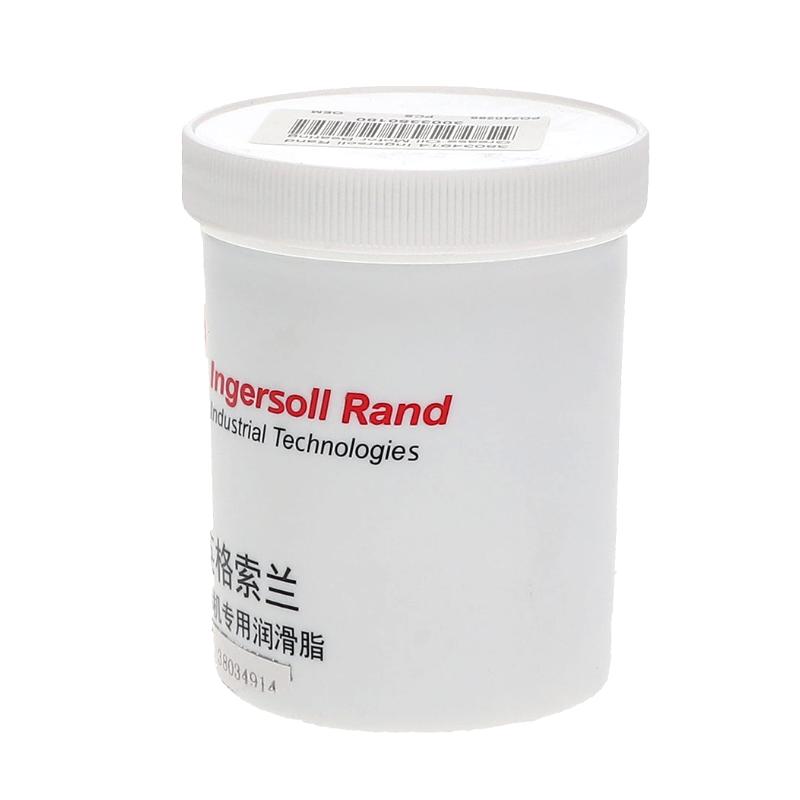
- 47627051001 38034914
- Motor Bearing Grease
- USA
- 180 × 35 × 100 mm
- 0.41 kg
- Xiamen, China
- New & In Stock
- T/T, PayPal, Western Union
- 1 Year
- 1-3 Working Days
- DHL, UPS, TNT, FedEx and EMS.
- 24-Hour Service
- COO
- 5
Our advantage

Global Logistics
We have a 10-year logistics and express cooperation agreement, so our products can be shipped to any place in the world.

Brand new and original
Our products are imported in bulk from the place of origin. Because of the cooperative relationship, our products are all original and 100% new.

24-hour service
We provide 7*24 hours service to our customers. We will be there whenever you need us.

Price advantage
All our products are priced very favorably because we have our own warehouse and supply.
| Company Information | |||
| [email protected] | |||
| Mobile | +8615980777398 | ||
| +8615980777398 | |||
| 15980777398 |
Product Overview
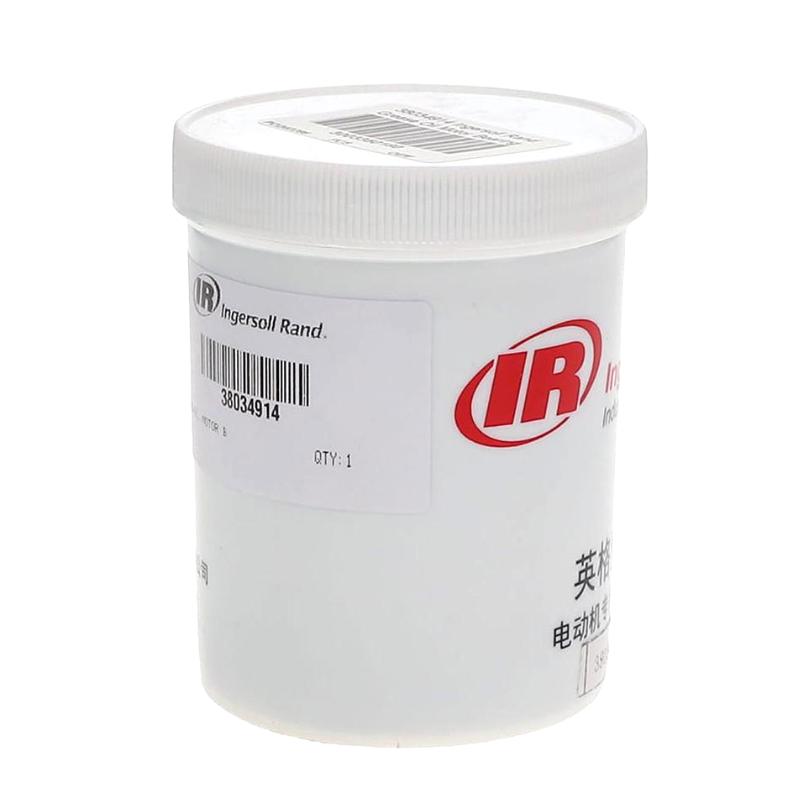
The Ingersoll Rand 47627051001 38034914 Motor Bearing Grease is a maintenance lubricant intended for compatible motor bearing applications in compressed air equipment. Electric motor bearings support the rotating shaft and maintain the alignment needed for smooth rotation. Their operating condition directly affects vibration, friction, heat generation, and the service life of the motor.
During compressor operation, the drive motor may run for extended periods under continuous mechanical load. The bearings must accommodate shaft rotation while maintaining an appropriate lubricating film between their rolling or sliding contact surfaces. As operating hours accumulate, grease can deteriorate, become contaminated, or lose some of its ability to protect the bearing. Using the specified lubricant during scheduled maintenance helps address these conditions.
The 38034914 part number is identified as Motor Bearing Grease and is listed in a 13.7 oz tube format in product listings. It is separate from the compressor’s circulating oil, which lubricates the screw air end and other components in the oil circuit. Motor bearing grease serves a localized lubrication function and must be applied according to the motor manufacturer’s requirements.
Consider a compressor operating through multiple production shifts. Its drive motor may accumulate thousands of running hours before bearing lubrication is due. If the motor uses grease-lubricated bearings, maintenance personnel need to verify the lubrication interval, grease specification, and required quantity before carrying out service. Applying the wrong grease or adding too much can create problems even when the lubricant itself is suitable for the bearing.
The 38034914 grease is relevant to maintenance procedures that specify this lubricant for the applicable motor bearing arrangement. It should not automatically be treated as suitable for every motor installed on an Ingersoll Rand compressor. Some motors use sealed bearings that do not require routine regreasing, while others have specific lubricant and replenishment requirements.
For maintenance planning, the key distinction is between motor bearing lubrication and compressor oil-system servicing. The correct grease, application point, and quantity depend on the installed motor and its bearing design. Confirming these details before maintenance helps prevent overgreasing, contamination, and avoidable bearing problems.
Technical Specifications
| Parameter | Specification |
|---|---|
| Manufacturer | Ingersoll Rand |
| Model Reference | 47627051001 |
| Part Number | 38034914 |
| Product Type | Motor Bearing Grease |
| Product Category | Electric Motor Lubricant |
| Primary Function | Lubrication of compatible motor bearings |
| Application Area | Motor bearing lubrication points specified for the equipment |
| Lubrication Method | Grease application according to the motor maintenance procedure |
| Main Purpose | Reduce friction and protect bearing contact surfaces |
| Maintenance Application | Scheduled bearing lubrication and approved grease replenishment |
| Product Format | Tube |
| Listed Package Reference | 13.7 oz |
| Compatibility Requirement | Confirm the specified grease and motor bearing arrangement |
| Dimensions | 180 × 35 × 100 mm |
| Weight | 0.41 kg |
Product Features
- Motor bearing lubrication: Supplies grease to compatible bearing arrangements that require periodic relubrication.
- Friction control: Helps maintain a lubricating film between bearing contact surfaces during rotation.
- Wear protection: Reduces direct contact between moving surfaces when applied in the specified quantity.
- Maintenance application: Supports scheduled servicing of motors fitted with grease-lubricated bearings.
- Localized lubrication: Serves motor bearing points rather than replacing the compressor’s circulating oil.
- Grease replenishment: Supports approved maintenance procedures where used grease must be replenished or renewed.
- Bearing condition support: Helps limit lubrication-related wear when the grease type, quantity, and interval are correct.
- Defined part identification: The 38034914 reference helps distinguish the specified motor lubricant from other compressor lubricants.
- Tube packaging: Provides a practical format for controlled grease application during maintenance.
- Equipment-specific use: Requires confirmation of the motor manufacturer’s lubricant requirements before application.
Working Principle
Motor bearing grease reduces friction by forming a lubricating film between the bearing’s moving contact surfaces. In a rolling-element bearing, the balls or rollers move between the inner and outer raceways as the motor shaft rotates. The grease helps separate these surfaces, limit wear, and protect the bearing against contamination when used under the intended operating conditions.
Grease Application → Lubricating Film Formation → Bearing Rotation → Friction and Wear Control
When grease is applied through the specified lubrication point, the lubricant spreads within the bearing according to its design and operating movement. The base oil within the grease provides lubrication, while the thickener helps retain the lubricant near the contact surfaces. The formulation also influences consistency, temperature behavior, and compatibility with the bearing materials.
During operation, the bearing generates heat through friction and mechanical loading. The lubricant must remain suitable for the bearing’s speed, temperature, and load conditions. If the grease deteriorates or becomes contaminated, its protective performance may decline. Insufficient lubrication can increase friction and wear, while excessive grease can increase churning resistance and operating temperature.
The 38034914 Motor Bearing Grease should be applied only where the motor’s maintenance instructions specify the product. The correct quantity matters as much as the grease type. Some bearing arrangements require a measured quantity through a grease fitting, while others use a different service procedure or are permanently lubricated.
Grease selection should also account for compatibility with the existing lubricant. Mixing incompatible grease formulations can affect consistency and lubrication performance. When a change of grease type is required, the applicable motor procedure should determine whether the bearing must be cleaned or whether a controlled transition is permitted.
Role in an Ingersoll Rand Compressor Drive System
The electric motor converts electrical energy into mechanical rotation to drive the compressor. Motor bearings support the rotating shaft and help maintain its position as torque is transmitted to the compressor drive arrangement.
Electrical Supply → Electric Motor → Motor Bearings and Shaft → Drive Coupling or Drive Arrangement → Compressor Air End
The 38034914 grease supports the lubrication requirements of compatible motor bearings. It does not replace the compressor’s oil filter, lubricating oil, or oil separator, because those components serve different functions within the compression and lubrication systems.
| System Component | Function |
|---|---|
| 38034914 Motor Bearing Grease | Lubricates compatible motor bearings where specified |
| Electric Motor | Converts electrical energy into mechanical rotation |
| Motor Bearings | Support the shaft and accommodate rotational loads |
| Motor Shaft | Transmits rotation from the motor |
| Bearing Housing | Supports and locates the bearing assembly |
| Grease Fitting, Where Fitted | Provides access for grease replenishment |
| Drive Coupling or Belt Drive | Transfers motor power to the compressor, depending on configuration |
| Compressor Air End | Compresses incoming air |
| Compressor Lubricating Oil | Lubricates and cools applicable air-end components |
| Oil Filter | Removes contaminants from the compressor oil circuit |
| Motor Cooling Fan | Helps remove heat from the motor in applicable designs |
| Temperature and Vibration Monitoring Devices, Where Fitted | Help identify abnormal motor operating conditions |
The appropriate lubrication procedure depends on the motor design. A motor with sealed, permanently lubricated bearings should not be regreased simply because grease is available; maintenance must follow the requirements of the installed bearing arrangement.
Industrial Applications
| Application | Typical Use |
|---|---|
| Manufacturing Plants | Scheduled lubrication of compatible electric motor bearings in compressor installations |
| Automotive Production | Maintaining motor bearing lubrication in compressed air systems serving assembly operations |
| Metalworking Facilities | Supporting motor maintenance in compressors supplying machine tools and pneumatic equipment |
| Packaging Lines | Maintaining drive motor bearings in compressors operating across production shifts |
| Plastics Processing | Supporting bearing lubrication in compressor drive motors serving production machinery |
| Textile Facilities | Maintaining grease-lubricated motor bearings in compressed air equipment exposed to extended operating hours |
| Central Compressor Rooms | Including motor bearing lubrication in planned maintenance programs |
| Industrial Assembly | Servicing motor bearings in compressors supporting air-powered tools |
| Warehouse Operations | Maintaining compressor drive motors in pneumatic material-handling systems |
| Continuous-Process Industries | Managing lubrication intervals for motors operating for extended periods |
The required service interval depends on the motor’s bearing type, speed, load, temperature, operating environment, and duty cycle. Dust, moisture, vibration, and excessive heat may affect bearing condition, but the maintenance interval should be established from the applicable motor documentation rather than a universal schedule.
Installation and Maintenance
- Verify the lubricant specification: Confirm that part number 38034914 is specified for the installed motor and bearing arrangement.
- Identify the bearing type: Determine whether the motor uses grease-lubricated bearings, sealed bearings, or another lubrication arrangement before beginning service.
- Isolate electrical power: Stop the compressor, disconnect the motor from its electrical supply, and apply the site’s lockout and tagout procedure.
- Allow the motor to cool: Wait until the motor and bearing housing reach a safe temperature for the intended maintenance procedure.
- Locate the lubrication points: Identify the specified grease fittings and any designated relief or drain points provided by the motor design.
- Check the maintenance interval: Review operating hours and previous service records to establish whether relubrication is due.
- Inspect the grease condition: Look for contamination, hardening, discoloration, or other abnormal conditions where the existing lubricant is accessible for inspection.
- Clean the application area: Remove dirt around the grease fitting before connecting the grease gun to prevent contaminants from entering the bearing.
- Measure the required quantity: Use the quantity specified for the particular motor and bearing. Do not estimate the amount solely from the bearing’s appearance.
- Apply the grease correctly: Follow the motor’s service procedure for grease delivery, shaft position, and any required relief-plug operation.
- Check operating condition: After completing the procedure and returning the equipment to service, monitor bearing noise, vibration, and temperature for abnormal changes.
- Record the maintenance: Document the lubricant part number, grease quantity, operating hours, service date, and any abnormal bearing observations.
Overgreasing can cause excessive churning, higher bearing temperature, seal damage, and premature failure. If a motor becomes unusually hot or noisy after lubrication, investigate the quantity applied, bearing condition, alignment, and other mechanical factors instead of adding more grease.
Related Components
| Component | Function |
|---|---|
| Ingersoll Rand 38034914 | Motor bearing grease for specified lubrication applications |
| Electric Motor Bearing | Supports shaft rotation and carries the applicable mechanical loads |
| Motor Bearing Housing | Locates and supports the bearing assembly |
| Grease Fitting | Provides access for grease replenishment where fitted |
| Bearing Seal | Helps retain lubricant and limit contaminant entry |
| Motor Shaft | Transfers rotational power to the drive arrangement |
| Motor Cooling Fan | Supports heat removal from the motor |
| Drive Coupling | Transfers torque between connected rotating equipment where fitted |
| Compressor Oil Filter | Filters the compressor’s circulating oil, independently of motor bearing grease |
| Compressor Lubricating Oil | Lubricates the air end and associated oil-circuit components |
Recommended Related Models
| Model / Product Reference | Product Type | Typical Application |
|---|---|---|
| Ingersoll Rand 38034914 | Motor Bearing Grease | Lubrication of compatible motor bearings where specified |
| Ingersoll Rand Electric Drive Motor | Compressor Drive Component | Supplies mechanical power to the compressor |
| Ingersoll Rand Rotary Screw Compressor | Compressed Air Equipment | Compressor installations with a compatible grease-lubricated drive motor |
| Ingersoll Rand Reciprocating Compressor | Compressed Air Equipment | Applicable only where the installed motor specifies this grease |
| Ingersoll Rand Motor Bearing Assembly | Motor Mechanical Component | Supports the rotating motor shaft |
| Ingersoll Rand Motor Bearing Housing | Motor Mechanical Component | Locates and supports the bearing assembly |
| Ingersoll Rand Motor Lubrication System | Motor Maintenance Arrangement | Provides the specified access and procedure for bearing lubrication |
The compressor model alone does not establish grease compatibility. Confirm the motor nameplate, bearing specification, and lubricant requirements before treating any compressor configuration as an approved application for 38034914.
Key Advantages
- Supports lubrication of compatible motor bearings.
- Helps control friction and wear at bearing contact surfaces.
- Supports scheduled maintenance of grease-lubricated drive motors.
- Provides a defined lubricant reference for service records.
- Helps reduce lubrication-related problems when the specified quantity and interval are followed.
- Keeps motor bearing lubrication separate from the compressor’s circulating oil requirements.
Technical FAQs
Can 38034914 Motor Bearing Grease be used in the compressor air end?
No substitution should be made on that basis. Motor bearing grease and compressor air-end oil serve different lubrication arrangements. The 38034914 product is identified for motor bearing applications, while the air end requires the lubricant specified for the compressor’s oil circuit.
How can overgreasing affect an electric motor bearing?
Excess grease increases internal churning and can raise bearing temperature. It may also contribute to seal damage or lubricant leakage. The amount applied should follow the motor manufacturer’s procedure, including any instructions for removing excess grease through a relief point.
Does every Ingersoll Rand compressor motor require periodic regreasing with 38034914?
No. Some motors use sealed bearings that do not require routine regreasing, while others have defined lubrication intervals and specific grease requirements. Check the installed motor and bearing documentation before applying this product.
What should be checked if a motor bearing becomes hot after lubrication?
First, review the grease quantity and the application procedure. Then inspect bearing noise, vibration, shaft alignment, cooling airflow, and the bearing’s mechanical condition. Excessive temperature may result from overgreasing or an existing mechanical fault, so adding more grease is not an appropriate default response.