

ProductPRODUCT
Featured products
Contact Us
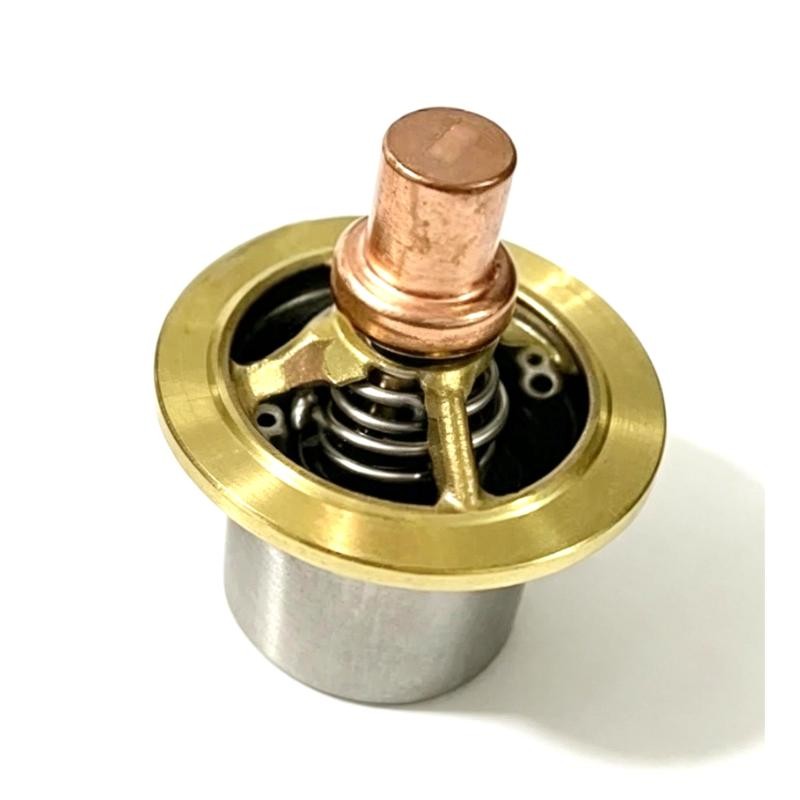
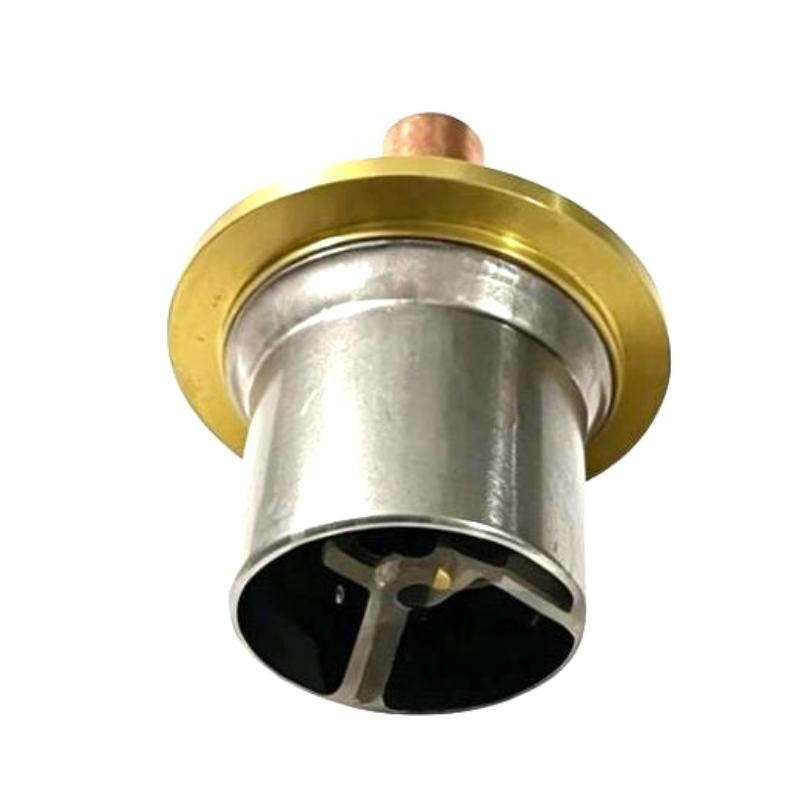
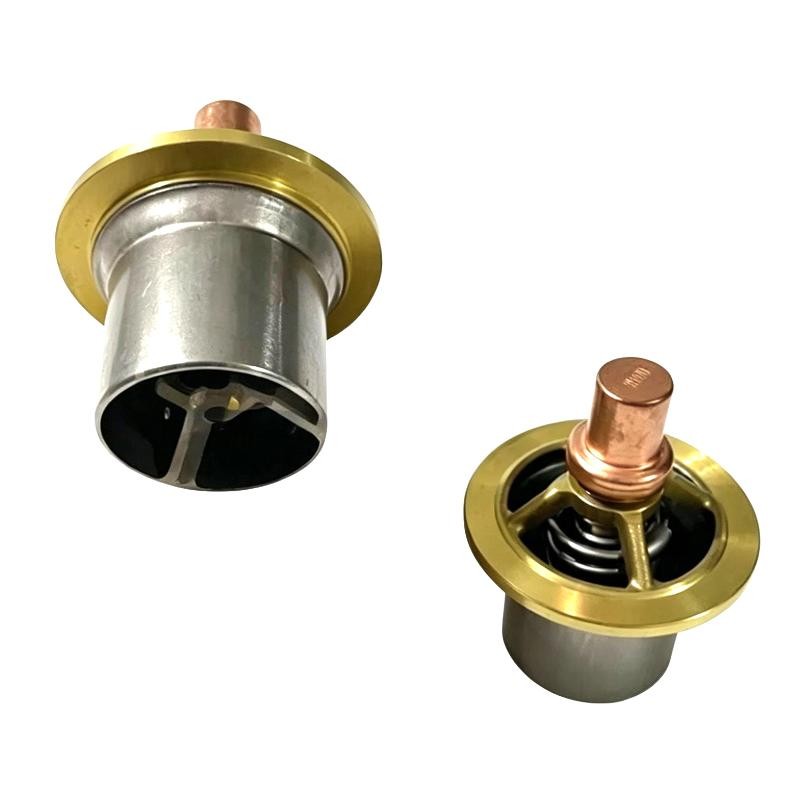
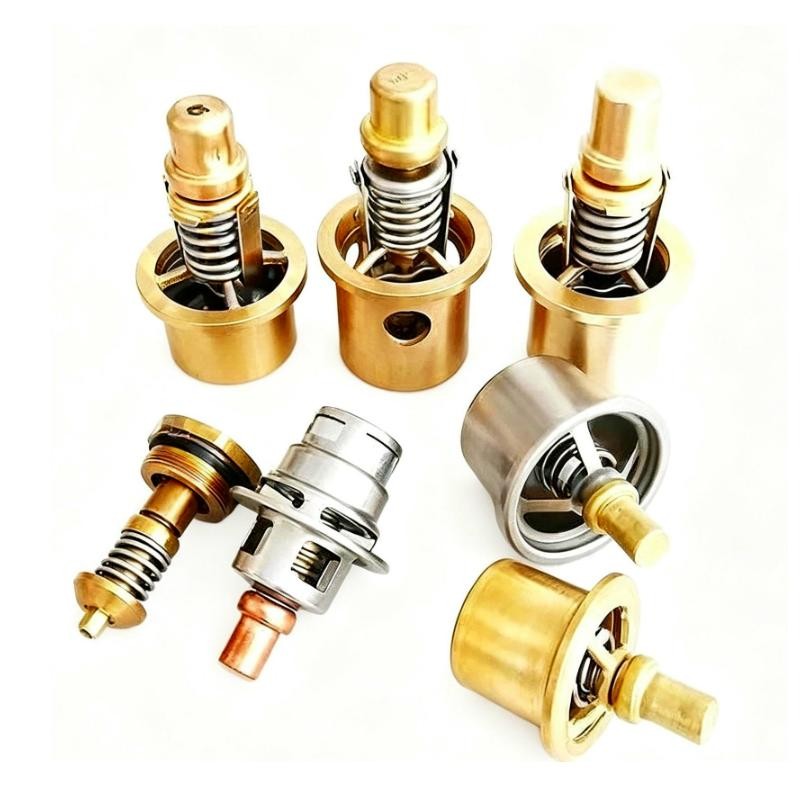
- Ingersoll Rand
- 47572176001 47552954001
- Service Kit Thermostatic Valve
- USA
- 180 × 120 × 80 mm
- 1.0 kg
- Xiamen, China
- New & In Stock
- T/T, PayPal, Western Union
- 1 Year
- 1-3 Working Days
- DHL, UPS, TNT, FedEx and EMS.
- 24-Hour Service
- COO
- 2
Our advantage

Global Logistics
We have a 10-year logistics and express cooperation agreement, so our products can be shipped to any place in the world.

Brand new and original
Our products are imported in bulk from the place of origin. Because of the cooperative relationship, our products are all original and 100% new.

24-hour service
We provide 7*24 hours service to our customers. We will be there whenever you need us.

Price advantage
All our products are priced very favorably because we have our own warehouse and supply.
| Company Information | |||
| [email protected] | |||
| Mobile | +8615980777398 | ||
| +8615980777398 | |||
| 15980777398 |
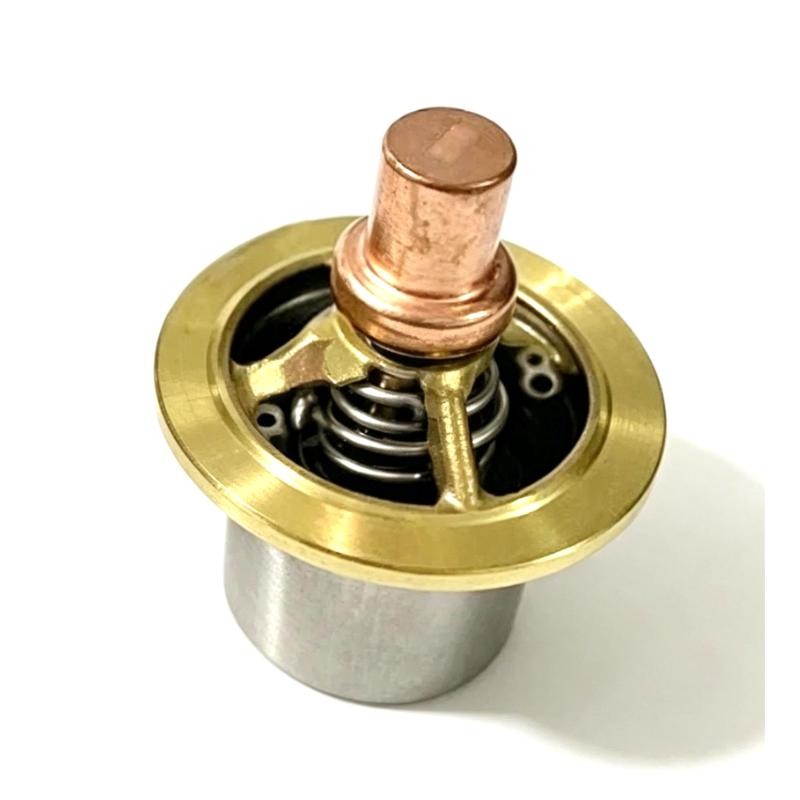
Product Overview
The Ingersoll Rand 47572176001 47552954001 Service Kit Thermostatic Valve is a maintenance kit for the temperature control valve used in compatible rotary screw air compressors. The part reference 47552954001 is listed as a temperature control valve maintenance kit for Ingersoll Rand R90–160 compressor applications. Its purpose is to support servicing of the valve assembly that regulates lubricant temperature within the compressor’s cooling and lubrication circuit.
In an oil-injected screw compressor, temperature control is closely connected to lubrication performance. The compressor oil absorbs heat during compression and must circulate through the appropriate cooling path to maintain suitable operating conditions. The thermostatic valve regulates oil flow according to temperature, directing the lubricant through the cooler when cooling is required and managing the flow path as the oil warms up.
A malfunctioning valve can interfere with this process. If the valve does not move correctly or fails to regulate the oil flow, the compressor may experience prolonged warm-up, excessive operating temperature, or unstable temperature behavior. A service kit allows the applicable valve assembly to be maintained when the fault originates from serviceable internal components.
During scheduled maintenance, technicians may inspect the temperature control valve alongside the oil filter, oil cooler, and associated piping. Servicing the valve can help restore its intended operation when wear or deterioration of its internal parts is responsible for the problem. However, a faulty temperature reading or overheating condition does not automatically mean the valve is defective; restricted oil flow, cooler fouling, and other system faults can produce similar symptoms.
The 47552954001 reference is associated with the R90–160 compressor range in parts listings. The service kit should be understood as a valve-maintenance component rather than a complete compressor overhaul package. Its function is specific to the temperature control assembly and should not be confused with a minimum pressure valve repair kit or a general-purpose lubricant.
Technical Specifications
| Parameter | Specification |
|---|---|
| Manufacturer | Ingersoll Rand |
| Model Reference | 47572176001 |
| Part Number | 47552954001 |
| Product Name | Service Kit Thermostatic Valve |
| Product Type | Temperature Control Valve Maintenance Kit |
| Product Category | Rotary Screw Compressor Spare Part |
| Primary Function | Servicing the compressor temperature control valve |
| Associated Equipment | Ingersoll Rand R90–160 compressor applications |
| System Application | Compressor oil temperature regulation |
| Installation Location | Oil temperature control valve assembly |
| Service Purpose | Maintenance of the applicable thermostatic valve |
| Dimensions | 180 × 120 × 80 mm |
| Weight | 1.0 kg |
Product Features
- Thermostatic valve maintenance: Supports servicing of the temperature control valve in compatible compressor configurations.
- Oil temperature regulation: Addresses the valve assembly responsible for managing oil flow through the cooling circuit.
- Compressor-specific part reference: Identifies the 47552954001 service kit for maintenance planning and parts inventory.
- Temperature control system support: Helps restore normal valve operation when internal wear or deterioration is responsible for abnormal behavior.
- Lubrication circuit maintenance: Supports the oil circulation system that removes heat from the compressor air end.
- Scheduled service compatibility: Can be incorporated into planned compressor maintenance when valve servicing is required.
- Valve assembly repair: Allows serviceable components to be addressed without automatically replacing the complete valve assembly.
- Operating temperature troubleshooting: Relevant when inspection indicates that the temperature control valve is contributing to abnormal oil temperature.
- Application-specific selection: Associated with designated Ingersoll Rand R90–160 compressor applications.
- Maintenance traceability: Provides a distinct part number for service records and replacement component identification.
Working Principle
The thermostatic valve regulates the route taken by compressor oil according to its temperature. Oil leaving the compression and separation stages carries heat generated during operation. The temperature control valve manages the flow path so the oil can reach the appropriate operating temperature and pass through the cooler when required.
Compressor Air End → Oil Separation Circuit → Thermostatic Valve → Oil Cooler or Bypass Path → Oil Filter → Compressor Air End
When the compressor starts from a relatively cool condition, the valve regulates oil flow to support the required warm-up behavior. As the oil temperature rises, the thermostatic element responds to the changing temperature and adjusts the valve position. Depending on the valve design and operating condition, this changes the proportion of oil passing through the cooler versus the bypass path.
Once the compressor reaches its normal operating range, the valve continues to regulate the oil circuit according to the temperature response of its internal mechanism. This helps maintain suitable lubrication conditions and prevents the cooling circuit from operating as though maximum cooling were always required.
The service kit is intended to support maintenance of the applicable valve assembly. During servicing, internal components and sealing surfaces may be inspected for wear, sticking, contamination, or deterioration. The exact repair procedure depends on the installed valve design and the components supplied in the kit.
A valve that sticks in an incorrect position can alter the oil temperature response. If oil bypasses the cooler when additional cooling is required, the compressor may run too hot. If the valve restricts the intended bypass path during warm-up, the oil may take longer to reach its normal operating condition. Correct diagnosis should distinguish valve problems from cooler restrictions, oil filter blockage, incorrect oil level, and inaccurate temperature measurements.
Role in an Ingersoll Rand Compressor System
The thermostatic valve service kit belongs to the compressor’s oil temperature control system. The valve assembly regulates oil routing, while the cooler removes heat from the lubricant and the filter removes contaminants before the oil returns to the lubrication circuit.
Air End → Oil Separation Vessel → Temperature Control Valve → Oil Cooler / Bypass → Oil Filter → Air End
| System Component | Function |
|---|---|
| 47552954001 Service Kit | Supports maintenance of the compatible temperature control valve assembly |
| Thermostatic Valve | Regulates oil flow according to temperature |
| Thermostatic Element | Responds to oil temperature and influences valve movement |
| Oil Cooler | Removes heat from circulating compressor oil |
| Oil Filter | Removes contaminants from the lubricant |
| Oil Separation Vessel | Separates oil from compressed air and supports oil collection |
| Oil Return Circuit | Returns collected oil to the compressor lubrication system |
| Temperature Sensor | Provides temperature information for monitoring and control |
| Compressor Controller | Coordinates operating states and monitors available signals |
| Rotary Screw Air End | Compresses air and transfers heat to the circulating oil |
Industrial Applications
| Application | Typical Use |
|---|---|
| Rotary Screw Compressor Rooms | Servicing the oil temperature control valve during planned maintenance |
| Manufacturing Plants | Maintaining compressor oil temperature regulation for plant air supply |
| Automotive Production | Supporting maintenance of compressor lubrication and cooling systems |
| Metalworking Facilities | Servicing temperature control components in industrial air compressors |
| Packaging Plants | Maintaining compatible compressor valve assemblies |
| Petrochemical Facilities | Supporting oil temperature control in compressor installations |
| Industrial Utilities | Repairing the thermostatic valve when internal wear affects oil routing |
| Continuous-Operation Production | Including valve inspection in scheduled compressor maintenance |
| Compressor Overhaul Workshops | Servicing temperature control assemblies during equipment refurbishment |
| Central Compressed Air Systems | Maintaining compatible R90–160 compressor oil circuits |
Installation and Maintenance
- Verify the part reference: Confirm that service kit 47552954001 is specified for the installed compressor temperature control valve.
- Prepare the compressor: Stop the machine, isolate the electrical supply, and follow the site’s lockout and tagout procedure.
- Allow the system to cool: Wait until the oil circuit reaches a safe service temperature before opening the valve assembly.
- Release stored pressure: Depressurize the relevant compressor circuit according to the approved maintenance procedure.
- Document the original arrangement: Record the valve orientation, connected pipes, and internal component positions before disassembly.
- Inspect the valve body: Check the valve housing and sealing surfaces for damage, deposits, corrosion, or contamination.
- Review the kit contents: Compare the supplied service components with the applicable parts documentation before beginning the repair.
- Clean the service area: Prevent dirt and foreign material from entering the oil circuit during disassembly and reassembly.
- Install the replacement components: Follow the applicable valve service instructions for component orientation, seals, and assembly sequence.
- Check the valve mechanism: Confirm that the serviced components move and seat as required by the applicable procedure.
- Test the temperature response: After reassembly and restart, observe oil temperature behavior and inspect the serviced area for leakage.
- Record maintenance results: Document the replacement part number, work performed, observed oil temperatures, and post-service operating condition.
Related Components
| Component | Function |
|---|---|
| Ingersoll Rand 47552954001 | Temperature control valve maintenance kit |
| Thermostatic Valve Assembly | Regulates oil flow through the cooling and bypass paths |
| Thermostatic Element | Responds to temperature changes and controls valve movement |
| Compressor Oil Cooler | Removes heat from the circulating lubricant |
| Compressor Oil Filter | Filters contaminants from the oil circuit |
| Oil Separator Element | Separates entrained oil from compressed air |
| Oil Separator Vessel | Houses the separator element and collects separated oil |
| Oil Return Line | Returns collected oil to the lubrication circuit |
| Temperature Sensor | Provides oil temperature measurements |
| Compressor Controller | Monitors operating conditions and coordinates machine operation |
Recommended Related Models
| Model / Product Family | Product Type | Typical Application |
|---|---|---|
| Ingersoll Rand 47552954001 | Temperature Control Valve Maintenance Kit | Servicing compatible R90–160 compressor valve assemblies |
| Ingersoll Rand 47553883001 | Gearbox Maintenance Package | Maintenance of compatible R90–160 gearbox configurations |
| Ingersoll Rand 47553881001 | Intake Valve Service Kit | Servicing compatible R90–160 intake valve assemblies |
| Ingersoll Rand 47553880001 | Intake Valve Service Kit | Maintenance of compatible compressor intake valve configurations |
| Ingersoll Rand 47553887001 | Air-Cooled Hose Maintenance Kit | Servicing compatible air-cooled compressor hose arrangements |
| Ingersoll Rand R90–160 Compressor Series | Rotary Screw Air Compressor | Industrial compressed air generation |
Key Advantages
- Supports maintenance of the compressor oil temperature control valve.
- Helps restore the intended oil routing when serviceable valve components are worn.
- Addresses a specific part of the compressor cooling and lubrication circuit.
- Supports scheduled maintenance of compatible R90–160 compressor installations.
- Provides a distinct reference for maintenance planning and spare-parts identification.
Technical FAQs
What does the thermostatic valve do in an oil-injected screw compressor?
It regulates the route taken by circulating oil according to temperature, controlling the flow through the oil cooler and bypass path. This helps the compressor maintain suitable oil operating conditions during warm-up and normal operation.
Can a faulty thermostatic valve cause compressor overheating?
Yes. If the valve does not direct sufficient oil through the cooler when cooling is needed, oil temperature may rise. Cooler restrictions, oil flow problems, and other faults can cause similar symptoms and should also be considered during troubleshooting.
Is the 47552954001 kit a complete thermostatic valve assembly?
The part is identified as a temperature control valve maintenance kit rather than a complete compressor assembly. It is intended for servicing the applicable valve; the existing housing and other reusable parts must remain suitable for repair.
Why might a compressor take unusually long to reach its normal oil temperature?
Possible causes include a thermostatic valve that does not regulate the bypass path correctly, low ambient temperature, operating conditions, or a temperature measurement problem. The valve response and oil circuit should be assessed together to identify the cause.