

ProductPRODUCT
Featured products


Contact Us
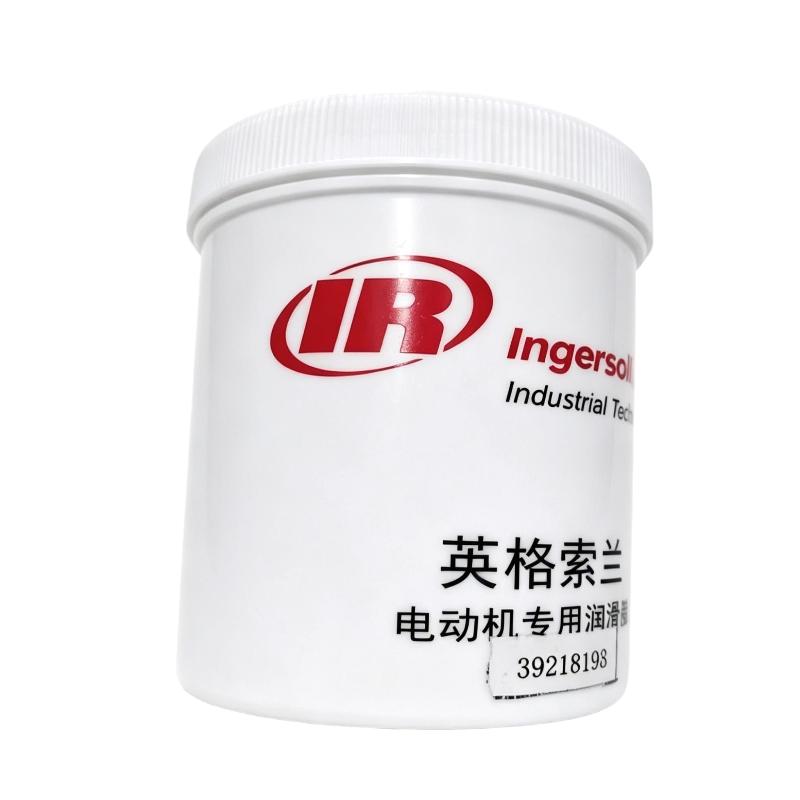
- Ingersoll Rand
- 47572174001 39218193
- High Temperature Grease
- USA
- 95 × 95 × 80 mm
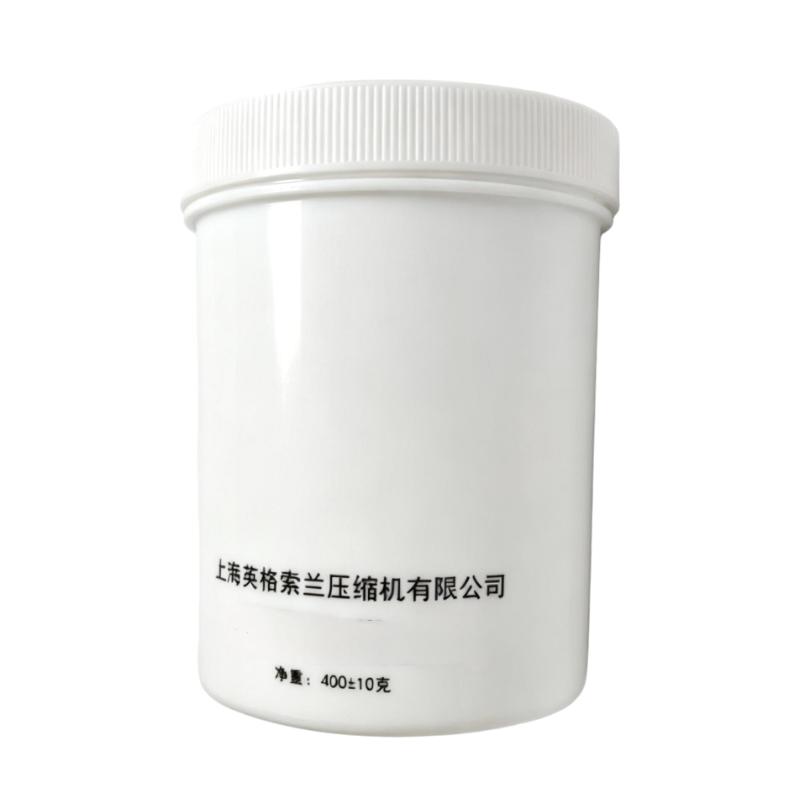
- 0.40 kg
- Xiamen, China
- New & In Stock
- T/T, PayPal, Western Union
- 1 Year
- 1-3 Working Days
- DHL, UPS, TNT, FedEx and EMS.
- 24-Hour Service
- COO
- 3
Our advantage

Global Logistics
We have a 10-year logistics and express cooperation agreement, so our products can be shipped to any place in the world.

Brand new and original
Our products are imported in bulk from the place of origin. Because of the cooperative relationship, our products are all original and 100% new.

24-hour service
We provide 7*24 hours service to our customers. We will be there whenever you need us.

Price advantage
All our products are priced very favorably because we have our own warehouse and supply.
| Company Information | |||
| [email protected] | |||
| Mobile | +8615980777398 | ||
| +8615980777398 | |||
| 15980777398 |
Product Overview
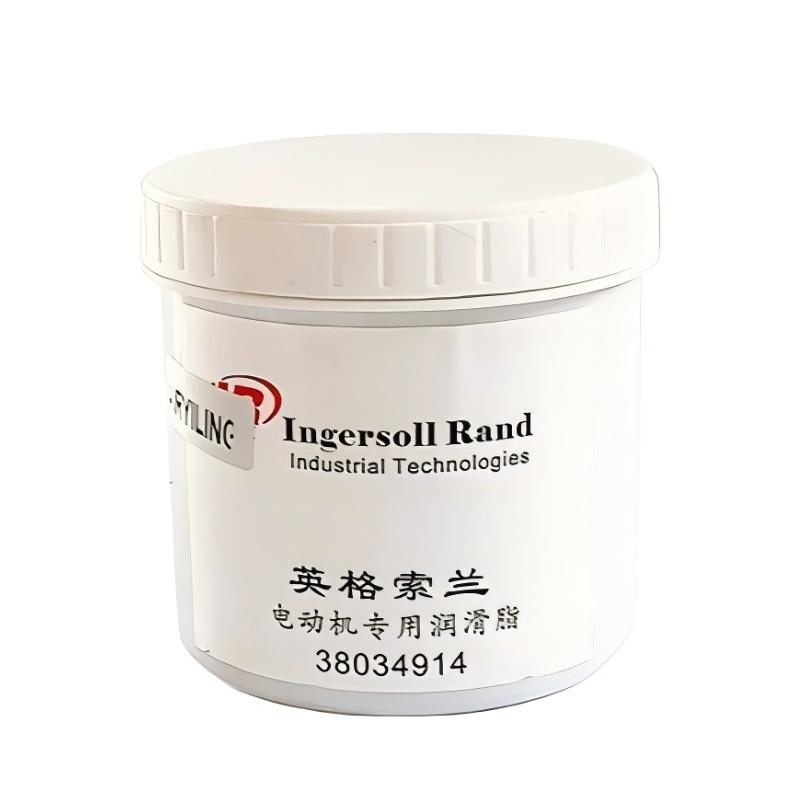
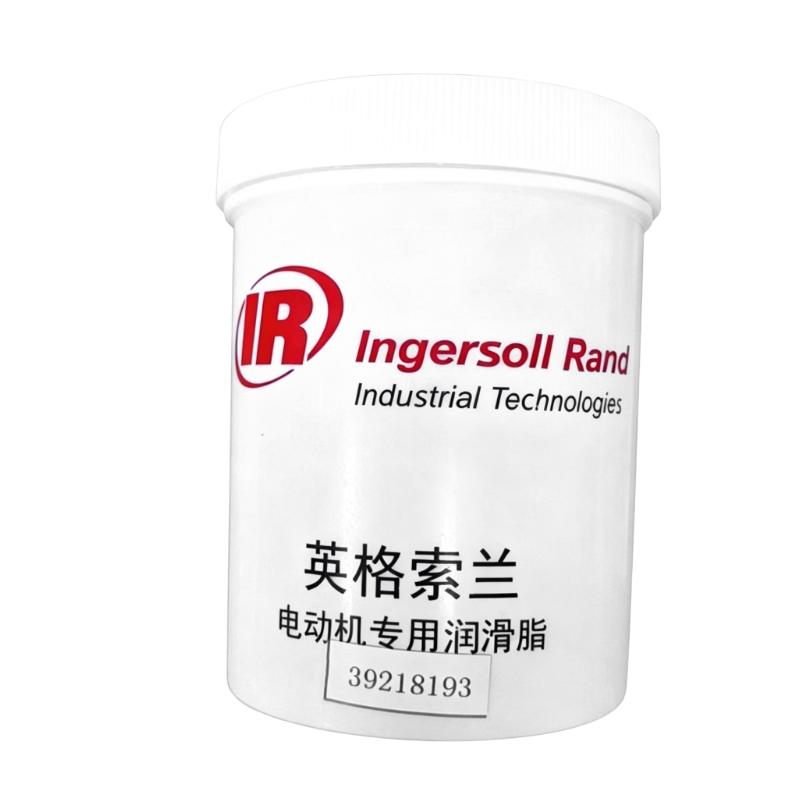
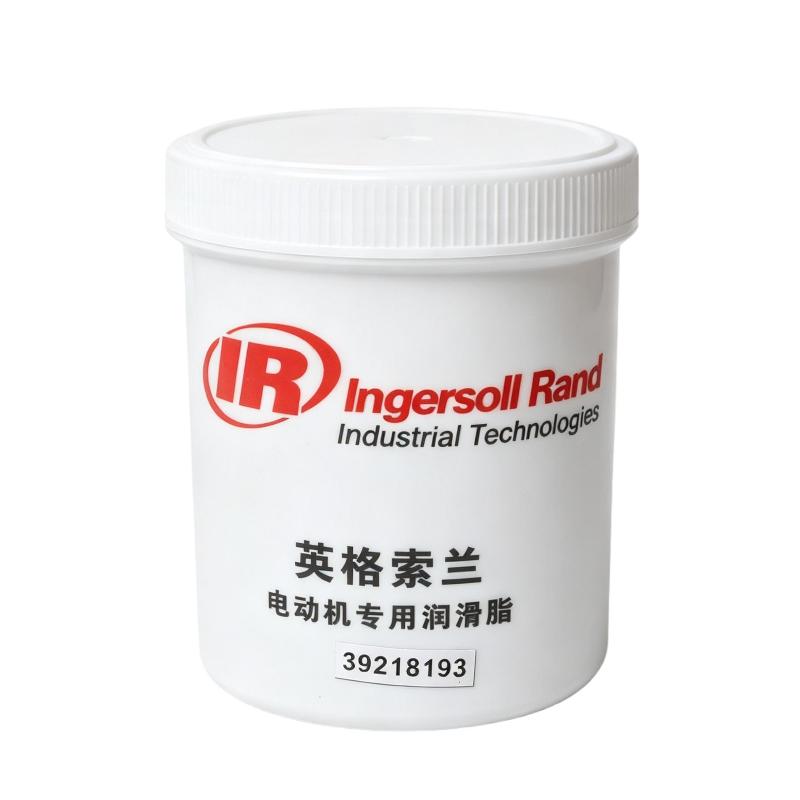
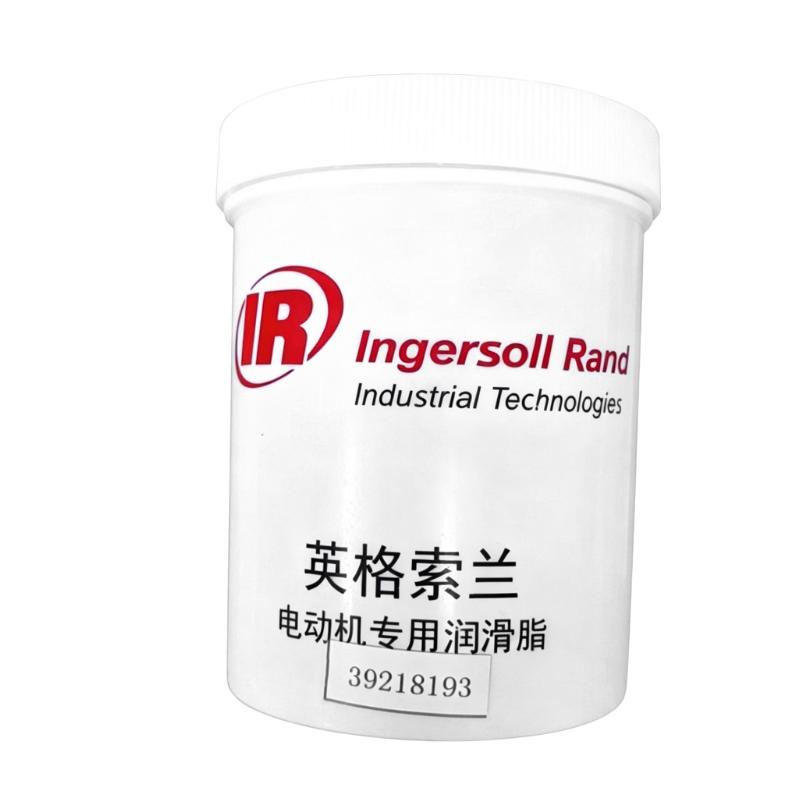
The Ingersoll Rand 47572174001 39218193 High Temperature Grease is a specialized lubrication product used for maintenance of compatible industrial equipment. High-temperature grease helps maintain a lubricating film on moving components exposed to elevated operating temperatures, mechanical loading, and repeated operating cycles. Its suitability depends on the lubricant specification, the component being lubricated, and the operating conditions of the equipment.
In industrial machinery, grease performs several functions beyond reducing friction. It helps limit wear between contacting surfaces, supports smooth component movement, and provides a barrier against contaminants where the application requires it. Under elevated temperatures, the grease must retain suitable consistency and lubrication properties to avoid excessive softening, leakage, or premature degradation.
The 39218193 part reference is associated with Ingersoll Rand high-temperature grease and motor lubrication applications. It is relevant to maintenance activities involving compatible equipment where the specified lubricant is required for bearings or other designated lubrication points. The lubricant should not be treated as a universal substitute for compressor oil, gear oil, or every type of industrial grease.
For example, a maintenance technician servicing equipment with heat-exposed bearing assemblies may need to replenish or replace grease according to the manufacturer’s lubrication schedule. Using the specified grease helps maintain the intended lubrication conditions while reducing the risk of selecting a product with unsuitable temperature or mechanical properties.
Lubricant selection should take account of operating temperature, bearing speed, load, moisture exposure, compatibility with existing grease, and the required relubrication interval. Mixing different grease formulations without confirming compatibility can change consistency or impair lubrication performance. Where a lubricant change is planned, the existing grease should be identified before the new product is introduced.
The 47572174001 reference and the 39218193 part number should be retained when identifying this product for maintenance records and replacement planning. Before use, the exact lubricant specification and intended application should be matched to the equipment’s lubrication requirements.
Technical Specifications
| Parameter | Specification |
|---|---|
| Manufacturer | Ingersoll Rand |
| Model Reference | 47572174001 |
| Part Number | 39218193 |
| Product Type | High Temperature Grease |
| Product Category | Industrial Lubricant |
| Lubricant Form | Grease |
| Primary Function | Lubrication of designated mechanical components |
| Intended Purpose | Reducing friction and wear under specified operating conditions |
| Application | Compatible equipment requiring the specified Ingersoll Rand grease |
| Operating Conditions | Elevated-temperature applications within the lubricant’s rated limits |
| Lubrication Method | Applied according to the equipment’s lubrication procedure |
| Compatibility Requirement | Must be verified against the existing lubricant and component requirements |
| Dimensions | 95 × 95 × 80 mm |
| Weight | 0.40 kg |
Product Features
- High-temperature lubrication: Intended for applications requiring grease suitable for elevated operating temperatures within its specified limits.
- Friction reduction: Helps reduce friction between lubricated surfaces during normal equipment operation.
- Wear control: Supports protection of moving components against contact-related wear.
- Component maintenance: Can be used during scheduled lubrication and servicing of compatible equipment.
- Lubricating film formation: Helps maintain separation between contacting surfaces when applied under appropriate conditions.
- Application-specific selection: Requires confirmation that the grease matches the equipment’s lubricant specification.
- Maintenance planning: Supports consistent lubrication practices and service-record management.
- Controlled application: Can be applied according to the designated lubrication point, quantity, and maintenance interval.
- Equipment compatibility: Must be assessed against bearing materials, seals, operating speed, and the existing lubricant.
- Part identification: The 39218193 reference helps distinguish this grease from other Ingersoll Rand lubrication products.
Working Principle
High-temperature grease lubricates mechanical components by forming a protective film between contacting surfaces. The base oil within the grease provides the principal lubricating action, while the thickener holds the oil in a semisolid structure and helps keep it within the intended lubrication area.
Lubricant Application → Grease Distribution → Protective Film Formation → Reduced Friction and Wear → Scheduled Relubrication
When a lubricated bearing or moving component operates, the grease supplies oil to the contact zone. The oil film reduces direct contact between surface asperities and helps limit frictional heat and wear. The thickener acts as a carrier and reservoir, retaining lubricant near the working surfaces as the component moves.
Temperature affects the behavior of grease throughout operation. Excessive heat can accelerate oxidation, alter consistency, and shorten the useful lubrication interval. A grease selected for elevated-temperature service must therefore have suitable thermal characteristics for the actual application. The term high temperature alone does not establish a universal maximum operating temperature.
Mechanical loading and rotational speed also influence lubrication performance. A heavily loaded bearing may require different grease properties from a high-speed bearing operating under a lighter load. The correct selection must account for the bearing design, speed factor, temperature, and equipment manufacturer’s requirements.
The grease must also remain compatible with the materials it contacts. Seal materials, bearing cages, and previously applied lubricants can affect the suitability of a replacement product. If the existing grease is unknown, introducing a different formulation without checking compatibility may lead to separation, softening, hardening, or reduced lubrication effectiveness.
The 39218193 grease should be applied only at designated lubrication points and in the quantity specified for the equipment. Overgreasing can increase churning losses and temperature in some bearing arrangements, while insufficient grease may leave contact surfaces inadequately lubricated. Correct application and maintenance intervals are therefore essential to achieving the intended lubrication performance.
Role in an Industrial Lubrication System
The Ingersoll Rand 39218193 grease supports the lubrication of designated mechanical components in compatible equipment. It works locally at the lubrication point rather than circulating through a compressor’s oil system in the same way as compressor lubricant.
Grease Storage → Lubrication Preparation → Designated Lubrication Point → Bearing or Moving Component → Inspection and Relubrication
| System Component | Function |
|---|---|
| Ingersoll Rand 39218193 Grease | Supplies the specified lubricant for compatible applications |
| Bearing Assembly | Supports rotating components and transfers mechanical loads |
| Shaft or Rotating Element | Transfers rotational motion through the machine |
| Bearing Housing | Supports and locates the bearing assembly |
| Sealing Arrangement | Helps retain lubricant and restrict contaminant entry |
| Grease Fitting or Lubrication Port | Provides access for applying grease where fitted |
| Grease Gun or Application Tool | Delivers a controlled quantity of lubricant |
| Temperature Monitoring | Helps identify abnormal thermal conditions where monitoring is provided |
| Vibration Monitoring | Supports assessment of bearing and machine operating behavior |
| Maintenance Schedule | Defines lubrication quantities and service intervals |
| Maintenance Records | Document lubricant identification, application, and inspection findings |
Industrial Applications
| Application | Typical Use |
|---|---|
| Industrial Motor Maintenance | Lubricating compatible motor components where the specified grease is required |
| Compressor Auxiliary Equipment | Servicing designated grease-lubricated components in compatible installations |
| Manufacturing Machinery | Maintaining bearings and moving parts according to equipment lubrication requirements |
| Industrial Fans | Lubricating compatible bearing arrangements subject to speed and temperature limits |
| Pumping Equipment | Supporting maintenance of grease-lubricated components where specified |
| Material Handling Machinery | Maintaining suitable bearings and mechanical assemblies |
| Production Line Equipment | Supporting planned lubrication and preventive maintenance |
| Workshop Maintenance | Replenishing grease at designated service points |
| Industrial Utility Equipment | Maintaining compatible mechanical components operating under elevated temperatures |
| Equipment Overhaul | Applying the specified grease during assembly and scheduled servicing |
Installation and Maintenance
- Verify the product reference: Confirm the 47572174001 and 39218193 identifiers against the equipment’s parts information and lubricant specification.
- Identify the lubrication point: Determine which bearing or mechanical component requires grease and confirm that this product is specified for that location.
- Check operating requirements: Review the component’s operating temperature, rotational speed, load, and relubrication requirements before applying the grease.
- Inspect the existing lubricant: Identify the grease currently in use and confirm compatibility before mixing or changing formulations.
- Prepare the equipment: Stop and isolate the equipment where required, following the site’s safety and maintenance procedures.
- Clean the application area: Remove dirt and contamination around grease fittings, ports, and accessible lubrication surfaces to prevent foreign material from entering the component.
- Check the application equipment: Inspect the grease gun, dispensing nozzle, and fittings for cleanliness and correct operation.
- Apply the specified quantity: Use the quantity and application method prescribed for the bearing or component rather than applying grease solely according to visual appearance.
- Avoid excessive greasing: Follow the specified procedure to prevent overfilling, excessive churning, and unnecessary temperature rise in applicable bearing arrangements.
- Inspect seals and fittings: Check for leakage, damaged seals, blocked grease passages, or other conditions that may prevent effective lubricant delivery.
- Observe operation after servicing: Where the maintenance procedure permits, check for abnormal temperature, noise, vibration, or grease leakage after the equipment returns to service.
- Record the maintenance activity: Document the lubricant part number, application point, quantity used, date, and any observed component abnormalities.
Related Components
| Component | Function |
|---|---|
| Ingersoll Rand 39218193 | High-temperature grease for specified lubrication applications |
| Bearing Assembly | Supports rotating shafts and transfers mechanical loads |
| Electric Motor | Converts electrical energy into mechanical rotation |
| Bearing Housing | Locates and supports the bearing assembly |
| Shaft Assembly | Transfers rotational motion to connected equipment |
| Grease Fitting | Provides a lubrication access point where fitted |
| Grease Gun | Delivers grease in a controlled manner |
| Bearing Seals | Help retain lubricant and prevent contamination |
| Temperature Monitoring Device | Helps identify abnormal operating temperatures |
| Vibration Monitoring Device | Supports condition assessment of rotating equipment |
| Maintenance Lubrication Chart | Defines the required lubricant and service interval |
Recommended Related Models
| Model / Product Family | Product Type | Typical Application |
|---|---|---|
| Ingersoll Rand 39218193 | High Temperature Grease | Designated lubrication applications requiring this grease |
| Ingersoll Rand 38034914 | Motor Bearing Grease | Compatible bearing lubrication applications where specified |
| Ingersoll Rand 33153 | Gear and Bearing Grease | Applicable air-tool gear and bearing maintenance where specified |
| Ingersoll Rand 36460 | O-Ring Lubricant | O-ring assembly and installation where specified |
| Ingersoll Rand Lubrication Accessories | Grease Application Equipment | Controlled application of grease during maintenance |
| Compatible Industrial Bearings | Mechanical Bearing Components | Supporting rotating equipment according to the required lubrication specification |
Key Advantages
- Supports lubrication of compatible components operating under elevated-temperature conditions.
- Helps reduce friction and wear when applied within the specified operating limits.
- Supports planned maintenance of designated grease-lubricated assemblies.
- Helps maintain a protective lubricating film between contacting surfaces.
- Provides a traceable part reference for lubrication records and maintenance planning.
- Supports consistent servicing when used with the correct application quantity and interval.
Technical FAQs
Is the 39218193 grease suitable for every high-temperature bearing?
No. The bearing’s operating temperature, speed, load, seal materials, and required grease properties must be considered. Confirm that the lubricant specification matches the component manufacturer’s requirements rather than selecting it solely because it is described as high-temperature grease.
Can this grease be mixed with the lubricant already in a bearing?
Not without confirming compatibility. Different base oils and thickener systems may interact in ways that change grease consistency or lubrication performance. Identify the existing product and follow the equipment’s approved procedure before changing or mixing lubricants.
How can insufficient or excessive greasing affect a bearing?
Insufficient grease may leave contact surfaces inadequately lubricated and increase wear. Excessive grease can increase churning resistance and temperature in certain bearing arrangements. Apply the quantity and follow the interval specified for the particular component.
What should be checked if a lubricated component continues to overheat?
Check the lubricant specification and quantity, bearing condition, alignment, mechanical loading, rotational speed, sealing arrangement, and grease compatibility. Overheating may also indicate a mechanical fault that cannot be corrected by adding more grease.