

ProductPRODUCT
Featured products
Contact Us
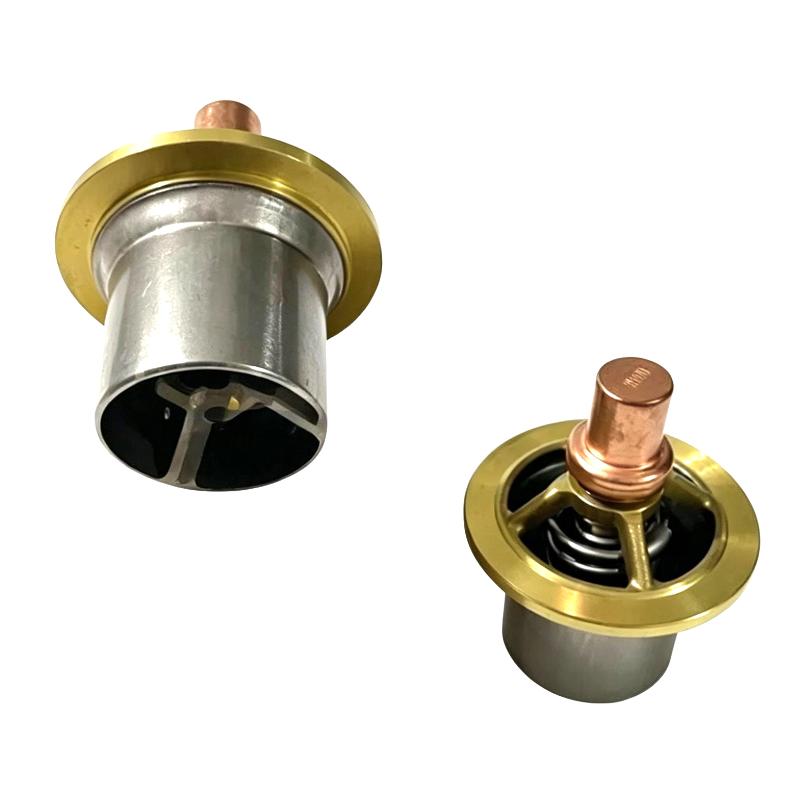
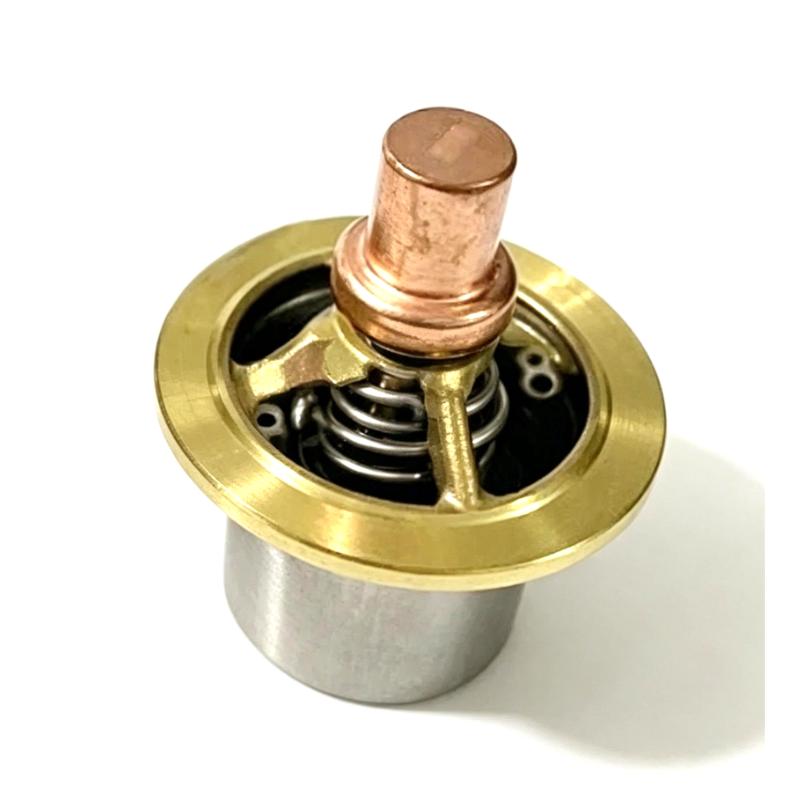
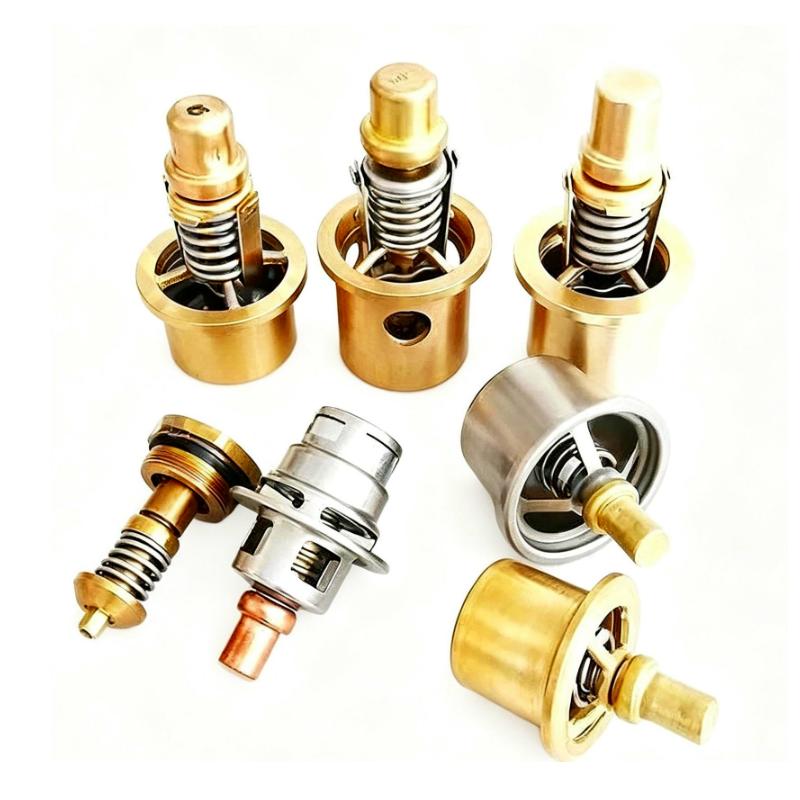
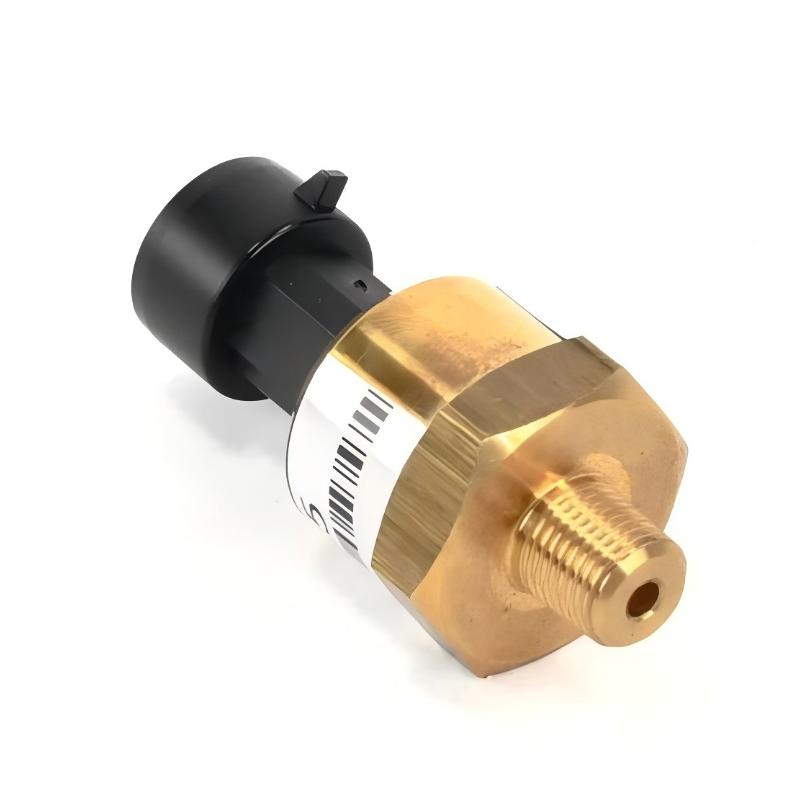
- Ingersoll Rand
- 47556402001 47552954001
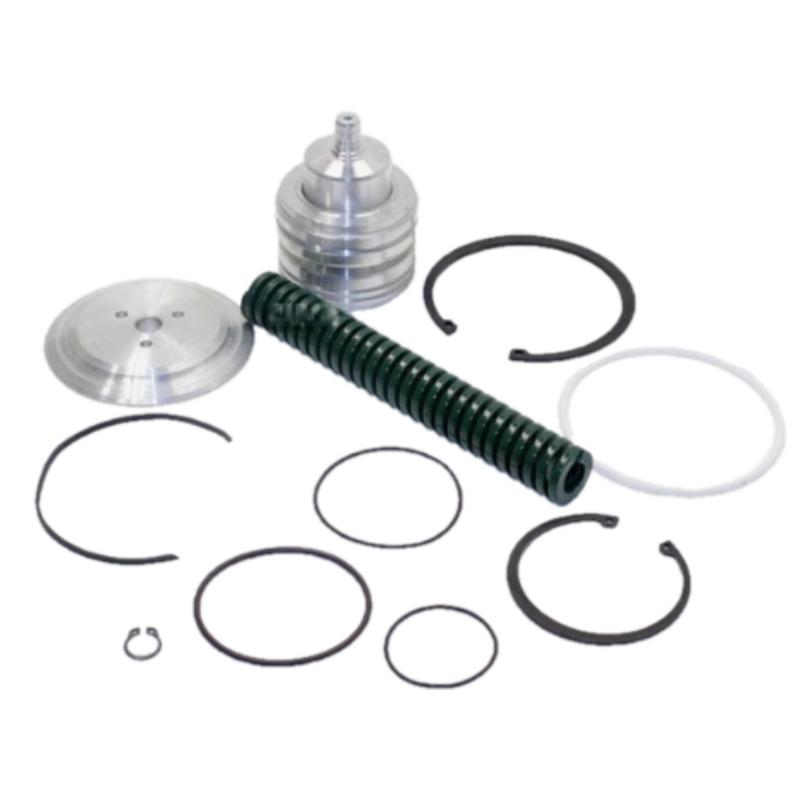
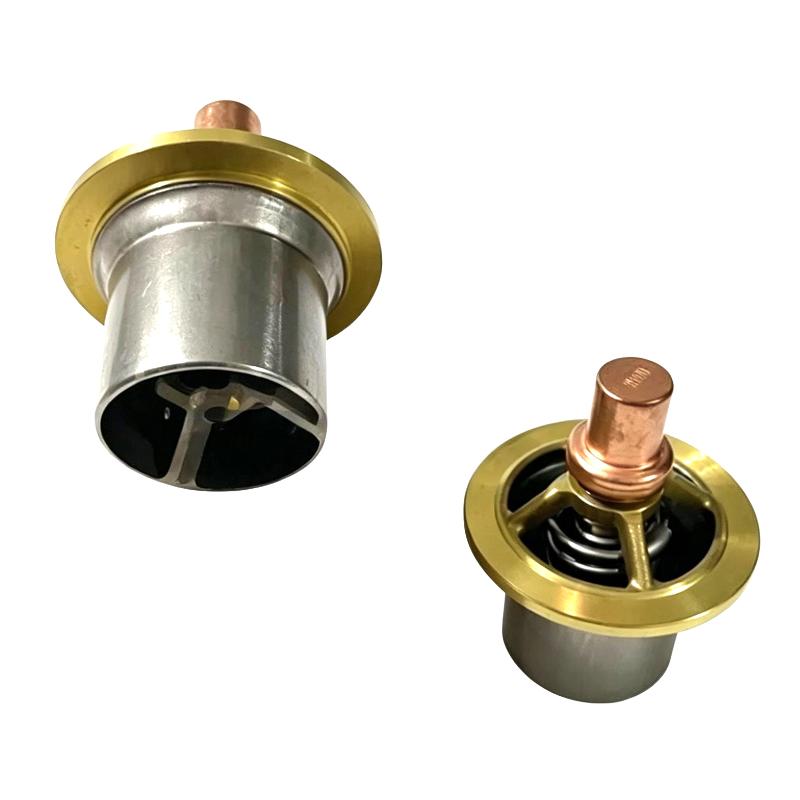
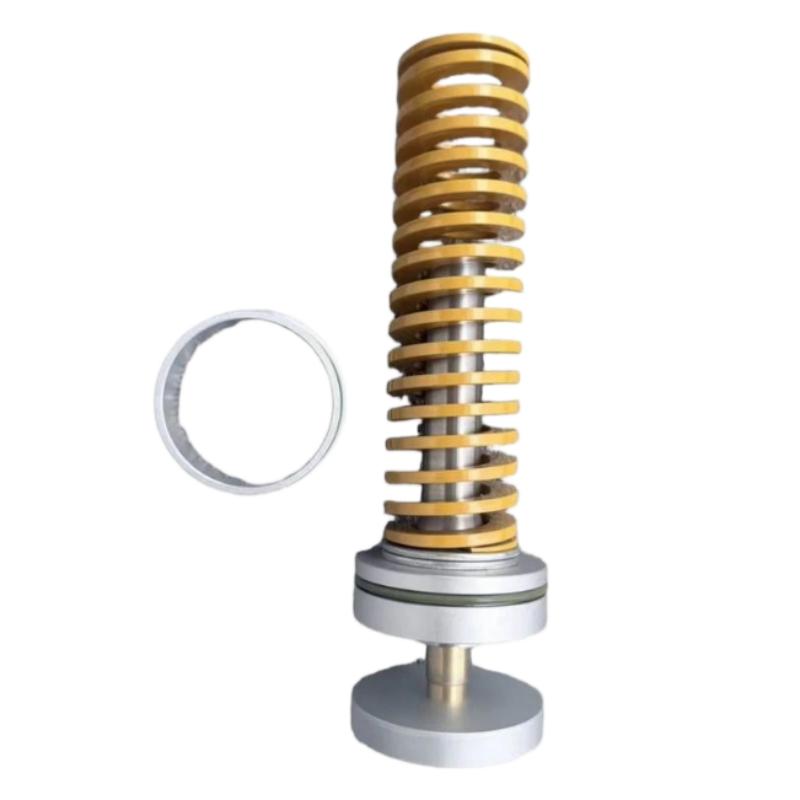
- Thermostatic Valve Maintenance Kit
- USA
- 180 × 120 × 80 mm
- 1.0 kg
- Xiamen, China
- New & In Stock
- T/T, PayPal, Western Union
- 1 Year
- 1-3 Working Days
- DHL, UPS, TNT, FedEx and EMS.
- 24-Hour Service
- COO
- 5
Our advantage

Global Logistics
We have a 10-year logistics and express cooperation agreement, so our products can be shipped to any place in the world.

Brand new and original
Our products are imported in bulk from the place of origin. Because of the cooperative relationship, our products are all original and 100% new.

24-hour service
We provide 7*24 hours service to our customers. We will be there whenever you need us.

Price advantage
All our products are priced very favorably because we have our own warehouse and supply.
| Company Information | |||
| [email protected] | |||
| Mobile | +8615980777398 | ||
| +8615980777398 | |||
| 15980777398 |
1. Product Overview
The Ingersoll Rand 47556402001 / 47552954001 Thermostatic Valve Maintenance Kit is an industrial air compressor maintenance component associated with the temperature-control valve system. Thermostatic valves help regulate lubricant flow according to operating temperature, supporting appropriate thermal conditions within compatible compressor systems.
In oil-injected rotary screw compressors, lubricating oil performs several essential functions. It helps reduce friction, removes heat generated during compression, and supports sealing within the compression chamber. The oil must circulate through the appropriate paths to maintain the compressor’s intended operating temperature.
The thermostatic valve helps manage this circulation by directing oil through the relevant cooling or bypass paths according to the valve’s design and temperature response. During startup, when the oil is relatively cold, the valve may direct a portion of the oil around the cooler. As the oil temperature rises, the valve changes the flow distribution to support heat removal.
Over time, thermostatic valve components may experience wear, contamination, seal deterioration, or mechanical sticking. A suitable maintenance kit can help restore the valve’s intended function when the affected components are serviceable and the main valve body remains in acceptable condition.
For maintenance engineers and industrial spare-parts buyers, selecting the correct kit is important for reliable compressor operation. The supplied product information identifies the numbers 47556402001 and 47552954001 and lists dimensions of 180 × 120 × 80 mm with a weight of 1.0 kg. The relationship between the two numbers and the exact contents of the maintenance kit should be verified with the supplier before purchase.
2. Technical Specifications
| Parameter | Specification |
|---|---|
| Brand | Ingersoll Rand |
| Supplied Part Number | 47556402001 |
| Associated Part Number | 47552954001 |
| Product Type | Thermostatic Valve Maintenance Kit |
| Equipment Category | Industrial air compressor spare part |
| Main Function | Maintenance of the compressor temperature-control valve |
| Operating Principle | Temperature-responsive regulation of oil flow, depending on valve design |
| Typical Equipment | Compatible Ingersoll Rand rotary screw compressors |
| Dimensions | 180 × 120 × 80 mm |
| Weight | 1.0 kg |
| Typical Applications | Compressor maintenance, temperature regulation, and corrective servicing |
| Installation Location | Thermostatic valve assembly or designated valve housing |
| Compatibility Verification | Compressor model, serial number, and parts documentation required |
Note: Dimensions and weight are based on the supplied product information. Confirm whether both part numbers identify the same complete kit, an individual valve component, or related product versions. Exact kit contents, dimensions, and equipment compatibility must be checked before installation.
3. Function and Working Principle
3.1 Temperature Regulation
An industrial air compressor generates heat during compression. In an oil-injected rotary screw compressor, the lubricant absorbs part of this heat and carries it through the oil circuit.
The thermostatic valve helps regulate oil flow according to temperature. Its purpose is to support the compressor’s intended thermal operating range rather than allow the oil to remain excessively cold or become unnecessarily hot.
The valve’s temperature response is determined by its internal design and specified operating characteristics. The correct operating temperature and opening behavior must be taken from the documentation for the particular compressor and valve assembly.
3.2 Oil Flow Distribution
A thermostatic valve may direct oil through different flow paths depending on temperature. These paths commonly include a bypass route and a route through the oil cooler.
When the oil is relatively cold, the valve may permit more oil to bypass the cooler so the lubricant can warm up. As the oil temperature increases, the valve progressively directs more oil through the cooler to remove excess heat.
The exact flow arrangement varies by compressor design. Maintenance personnel should therefore consult the applicable circuit diagram rather than assume every thermostatic valve uses the same port arrangement.
3.3 Supporting Lubrication
Correct oil temperature helps maintain the lubricant’s intended properties and supports its ability to lubricate moving components.
If the thermostatic valve sticks, leaks internally, or fails to regulate flow correctly, the compressor may experience abnormal oil temperatures. Depending on the fault and system design, this can affect lubrication performance, thermal stability, and operating efficiency.
A suitable maintenance kit can help restore valve performance when the problem is limited to replaceable components.
3.4 Supporting Cooling System Performance
The oil cooler removes heat from the circulating lubricant. The thermostatic valve helps determine how much oil passes through the cooler and how much follows the bypass path.
A valve that does not operate correctly may interfere with this balance. For example, insufficient flow through the cooler can contribute to high oil temperature, while incorrect bypass behavior may delay the system from reaching its intended operating condition.
The thermostatic valve and cooler should be assessed together when diagnosing temperature-related compressor faults.
3.5 Valve Sealing and Mechanical Response
Thermostatic valve assemblies rely on internal components that respond to temperature and direct oil flow. Depending on the design, these may include a temperature-sensitive element, spring, moving valve component, seals, and other service parts.
Wear, contamination, damaged seals, or a sticking mechanism can affect the valve’s response. A maintenance kit may contain selected replacement parts, but the exact contents must be confirmed for the specific part number.
If the valve body, seat, or other major components are damaged beyond the permitted service limits, replacing the complete valve assembly may be necessary.
4. Role in Industrial Air Compressor Systems
The Ingersoll Rand thermostatic valve maintenance kit supports maintenance of the compressor’s oil-temperature control system.
Oil temperature regulation: The thermostatic valve helps direct oil through the appropriate flow paths according to operating temperature.
Lubrication support: Maintaining suitable oil temperature helps preserve the lubricant’s intended performance.
Cooling system coordination: The valve works with the oil cooler and associated pipework to support heat removal.
Operating stability: Correct valve operation helps the compressor maintain its designed thermal conditions under changing loads.
Preventive maintenance: A suitable repair kit allows serviceable valve components to be replaced during scheduled maintenance or corrective repair.
The maintenance kit does not replace the compressor’s complete cooling system, oil cooler, temperature sensor, controller, or all components of the thermostatic valve unless those items are explicitly included in the supplied kit.
5. Industrial Applications
5.1 Manufacturing Facilities
Manufacturing plants use compressed air for pneumatic equipment, automated production lines, material handling, and general industrial processes. Stable compressor operation helps maintain the air supply required by these applications.
Thermostatic valve maintenance can help prevent temperature-related compressor problems and support dependable equipment operation.
5.2 Industrial Automation
Pneumatic actuators, cylinders, grippers, and control valves depend on a suitable compressed-air supply. The compressor’s temperature-control system contributes indirectly to the reliability of this supply by helping maintain the compressor’s intended operating conditions.
The thermostatic valve is therefore an important maintenance consideration for facilities that rely on continuously available compressed air.
5.3 Automotive and Engineering Plants
Automotive production facilities and engineering workshops often operate air compressors for extended periods. Temperature-control faults can affect compressor availability and increase maintenance requirements.
Inspecting the thermostatic valve and its associated components can help identify problems before they lead to prolonged downtime.
5.4 Packaging and Processing Equipment
Packaging machinery, processing lines, and automated material-handling systems may depend on compressed air for repeated mechanical movements.
Maintaining the compressor’s oil-temperature control system helps support stable operation, particularly in installations where compressors operate for long shifts or under variable load conditions.
5.5 Continuous-Duty Compressor Installations
Facilities with continuous or high-hour compressor operation should monitor oil temperature, cooling performance, lubricant condition, and maintenance history.
A planned inspection program can help identify thermostatic valve deterioration and reduce the risk of unexpected shutdowns. Replacement intervals should follow the compressor manufacturer’s recommendations and the actual operating environment.
6. Installation and System Integration
Correct installation is essential for restoring the intended temperature-control function.
6.1 Confirm the Exact Part Number
Before ordering, check the compressor’s model and serial number and compare the required valve or maintenance kit with the applicable parts list.
Confirm the relationship between part numbers 47556402001 and 47552954001. Do not assume they represent an identical complete kit without supporting documentation.
6.2 Identify the Cause of the Fault
Temperature-related compressor problems can result from a faulty thermostatic valve, restricted oil cooler, contaminated lubricant, inadequate airflow, sensor problems, or other system faults.
Record operating temperatures, alarm messages, and relevant maintenance observations before disassembly. This helps determine whether the valve is the actual cause or only one part of a broader problem.
6.3 Isolate and Depressurize the Compressor
Shut down the compressor and follow the manufacturer’s lockout and isolation procedures. Prevent automatic restarting and allow hot components and lubricant to cool.
Oil circuits may retain pressure and high temperatures after shutdown. Do not open the valve assembly until the system has been safely isolated and residual pressure has been released according to the prescribed procedure.
6.4 Inspect the Valve Assembly
After safe removal, inspect the valve housing, seals, temperature-responsive components, springs, and moving parts where applicable.
Look for contamination, corrosion, sticking, worn sealing surfaces, or physical damage. Compare the removed components with the maintenance kit before beginning the repair.
If the valve body or other major parts are damaged beyond the permitted service limits, consult the manufacturer’s repair guidance to determine whether a complete replacement is required.
6.5 Install the Correct Replacement Components
Follow the compressor manufacturer’s maintenance instructions for cleaning, component replacement, lubrication where specified, and reassembly.
Use only components intended for the particular valve assembly. Incorrect spring characteristics, seals, or temperature-responsive elements may alter the valve’s operating behavior.
Do not modify the valve or substitute unapproved components in an attempt to change the operating temperature.
6.6 Check the Oil Cooler and Related Circuit
Inspect the oil cooler, associated pipework, and bypass passages for blockage, contamination, or other problems that could affect heat removal.
A new maintenance kit may not correct overheating if the cooler is restricted or the compressor’s ventilation is inadequate. The complete temperature-control system should be assessed when the original symptom persists.
6.7 Commission the Compressor
After installation, follow the approved recommissioning procedure. Check for oil leaks, abnormal temperature changes, unexpected alarms, and unstable operating conditions.
Verify that the compressor reaches its intended operating temperature under the specified conditions. Record the service date, kit number, replaced components, and observations for future maintenance.
7. Compatible Equipment and Related Components
The following component categories may be relevant when servicing the thermostatic valve system of a compatible industrial air compressor.
| Component Category | Function |
|---|---|
| Thermostatic valve assembly | Regulates oil flow according to temperature |
| Thermostatic valve maintenance kit | Replaces specified serviceable valve components |
| Oil cooler | Removes heat from circulating lubricant |
| Compressor lubricant | Provides lubrication, cooling, and sealing functions |
| Oil filter | Removes contaminants from circulating oil |
| Temperature sensor | Monitors oil or system temperature where fitted |
| Compressor controller | Monitors operating conditions and manages machine functions |
| Oil hoses and pipework | Carry lubricant through the cooling and lubrication circuit |
| Cooling fan or ventilation system | Supports heat removal from the compressor package |
| Air-oil separator | Separates lubricating oil from compressed air |
These are related system components, not a statement that all are included in the maintenance kit. Compatibility and kit contents must be verified against the actual product documentation.
8. Alternative Models and Replacement Considerations
| Model or Option | Description | Important Consideration |
|---|---|---|
| Ingersoll Rand 47556402001 | Part number supplied for this product listing | Confirm its exact product description and relationship to the second number |
| Ingersoll Rand 47552954001 | Associated thermostatic valve component number | Verify whether the offer is for a valve core or a complete maintenance kit |
| Ingersoll Rand 23551831 | Temperature control valve service kit listed for certain compressor applications | Different part number; verify compressor compatibility before considering substitution |
| Ingersoll Rand 92750033 | Thermostatic valve kit listed by a parts supplier | Confirm application, dimensions, valve configuration, and operating characteristics |
| Complete thermostatic valve assembly | Alternative when the valve cannot be economically or reliably repaired | Must match the original compressor design and specified temperature response |
The alternatives above are reference points for further verification, not guaranteed drop-in replacements. Part numbers from different compressor series may refer to different valve designs or temperature characteristics.
Before substituting another kit, compare the valve configuration, temperature response, port arrangement, sealing dimensions, and compressor model. When the correct replacement cannot be established from the parts list, consult a qualified service provider or the equipment manufacturer.
9. Key Advantages
Supports Temperature Control
A correctly serviced thermostatic valve helps direct oil through the appropriate cooling and bypass paths.
Helps Maintain Lubricant Performance
Suitable oil-temperature conditions support the lubricant’s intended lubrication, cooling, and sealing functions.
Supports Compressor Reliability
Repairing worn or damaged valve components can help restore the intended operation of the temperature-control system.
Enables Targeted Maintenance
A maintenance kit can be a practical option when the valve body remains serviceable and the fault is limited to replaceable components.
Helps Reduce Unplanned Downtime
Keeping the correct service parts available can shorten repair time and improve maintenance planning.
Supports Lifecycle Management
Documented inspection and replacement of valve components help maintenance teams monitor the condition of the compressor’s thermal-control system.
10. Technical FAQs
Q1. What is the Ingersoll Rand 47556402001 / 47552954001 Thermostatic Valve Maintenance Kit?
It is a product listing for a thermostatic valve maintenance kit associated with Ingersoll Rand industrial air compressor equipment. The exact relationship between the two supplied part numbers should be confirmed before purchase.
Q2. What does a thermostatic valve do in an air compressor?
It regulates lubricant flow according to temperature, typically directing oil between bypass and cooler paths as required by the compressor design.
Q3. What are the dimensions and weight?
The supplied specifications list dimensions of 180 × 120 × 80 mm and a weight of 1.0 kg. Confirm the measurements with the supplier, especially if the dimensions refer to the packaged kit rather than the individual component.
Q4. What symptoms may indicate a thermostatic valve problem?
Possible symptoms include oil temperature that remains too high or too low, abnormal temperature changes, or temperature-related alarms. Similar symptoms can result from cooler restrictions, ventilation problems, lubricant issues, or sensor faults.
Q5. Can I replace only the thermostatic valve core?
That depends on the valve design and the scope of the maintenance kit. Verify whether the part number identifies a valve core, a set of internal components, or a complete service assembly.
Q6. Is this kit compatible with every Ingersoll Rand compressor?
No. Compatibility depends on the compressor model, serial number, valve configuration, and exact kit version. Confirm the application against the relevant parts documentation.
Q7. How often should the thermostatic valve be serviced?
The interval depends on the compressor model, operating hours, environment, and maintenance schedule. Follow the manufacturer’s recommendations and investigate abnormal temperature behavior promptly.
Q8. Should the oil cooler be inspected when replacing the kit?
Yes, particularly when the original fault involves high oil temperature. Cooler restrictions, poor ventilation, or other problems may continue to affect performance even after the valve has been serviced.
Q9. Can a maintenance kit repair a damaged valve body?
Not necessarily. A kit generally replaces specified serviceable components. If the valve body, seat, or other major parts are damaged beyond the permitted service limits, a complete valve assembly may be required.
Q10. What should buyers confirm before purchasing?
Verify both part numbers, the compressor model and serial number, the kit contents, dimensions, product condition, and the supplier’s warranty and return terms. Request photographs or technical documentation if the part-number relationship is unclear.
11. Procurement and Maintenance Recommendations
When sourcing the Ingersoll Rand 47556402001 / 47552954001 Thermostatic Valve Maintenance Kit, first confirm the exact product identity. The distinction between a complete maintenance kit and an individual thermostatic valve component matters because their contents, installation procedures, and replacement requirements can differ.
Ask the supplier to confirm whether both numbers identify the same item and request a list of included components. If the product is an aftermarket replacement, verify that it is designed for the same compressor model and valve configuration.
Check the offered item’s condition and packaging. For original or aftermarket parts, confirm traceability, applicable specifications, warranty coverage, and the return policy before purchase.
During maintenance, inspect the valve assembly and the associated cooling circuit. Record the original fault, the parts replaced, and the operating temperatures observed after repair. This makes it easier to determine whether the repair resolved the problem or whether further inspection is needed.
For facilities operating critical compressed-air equipment, maintaining accurate spare-parts records can help reduce procurement errors and improve response times when temperature-control faults occur.
12. Conclusion
The Ingersoll Rand 47556402001 / 47552954001 Thermostatic Valve Maintenance Kit is associated with servicing the temperature-control valve system in compatible industrial air compressors. By helping restore the valve’s intended oil-flow regulation, a suitable maintenance kit can support thermal stability, lubricant performance, and reliable compressor operation.
For industrial buyers, the key priorities are confirming the relationship between the part numbers, verifying the exact kit contents, and matching the product to the compressor model and serial number. The supplied dimensions of 180 × 120 × 80 mm and weight of 1.0 kg should also be confirmed before ordering.
Correct part selection, careful installation, and systematic inspection of the oil-cooling circuit help reduce the risk of repeat faults and support long-term compressed-air system reliability.