

ProductPRODUCT
Featured products
Contact Us
- Ingersoll Rand
- 47556402001 23545841
- Air-Oil Separator
- USA
- 375 mm
- 7.5 kg
- Xiamen, China
- New & In Stock
- T/T, PayPal, Western Union
- 1 Year
- 1-3 Working Days
- DHL, UPS, TNT, FedEx and EMS.
- 24-Hour Service
- COO
- 5
Our advantage

Global Logistics
We have a 10-year logistics and express cooperation agreement, so our products can be shipped to any place in the world.

Brand new and original
Our products are imported in bulk from the place of origin. Because of the cooperative relationship, our products are all original and 100% new.

24-hour service
We provide 7*24 hours service to our customers. We will be there whenever you need us.

Price advantage
All our products are priced very favorably because we have our own warehouse and supply.
| Company Information | |||
| [email protected] | |||
| Mobile | +8615980777398 | ||
| +8615980777398 | |||
| 15980777398 |
1. Product Overview
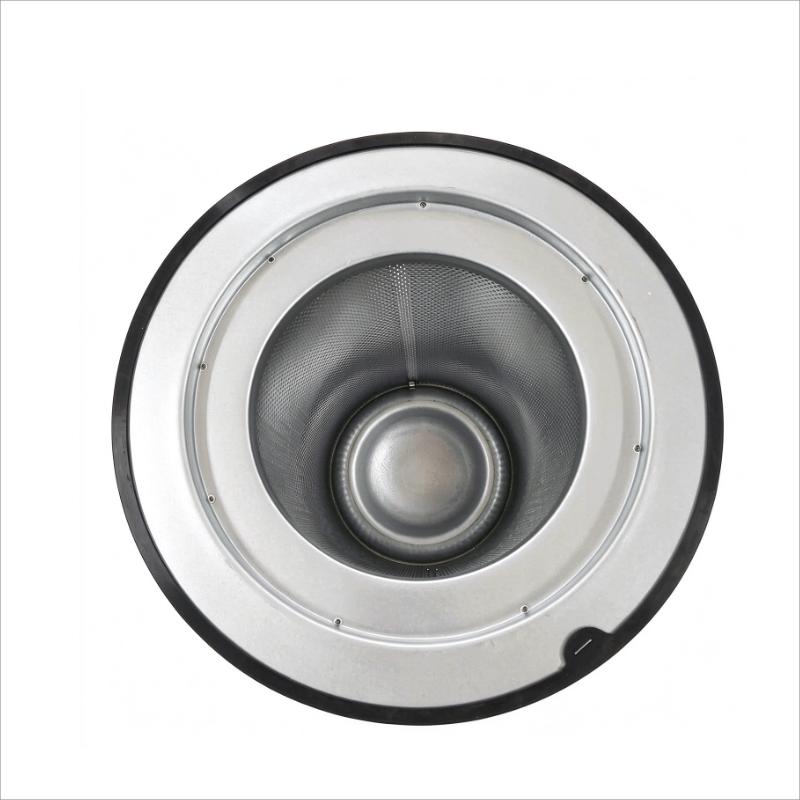
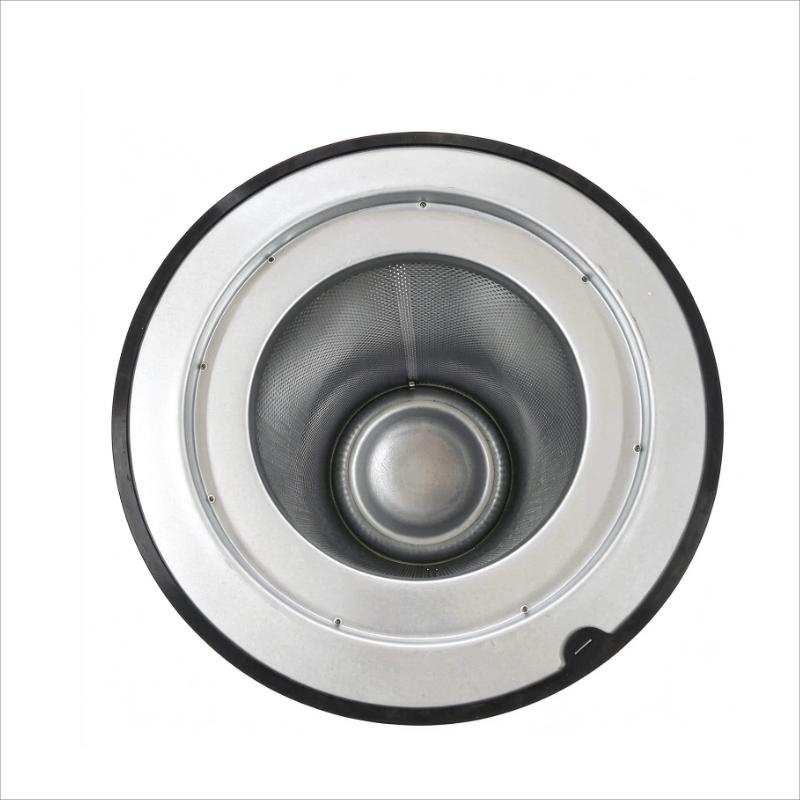
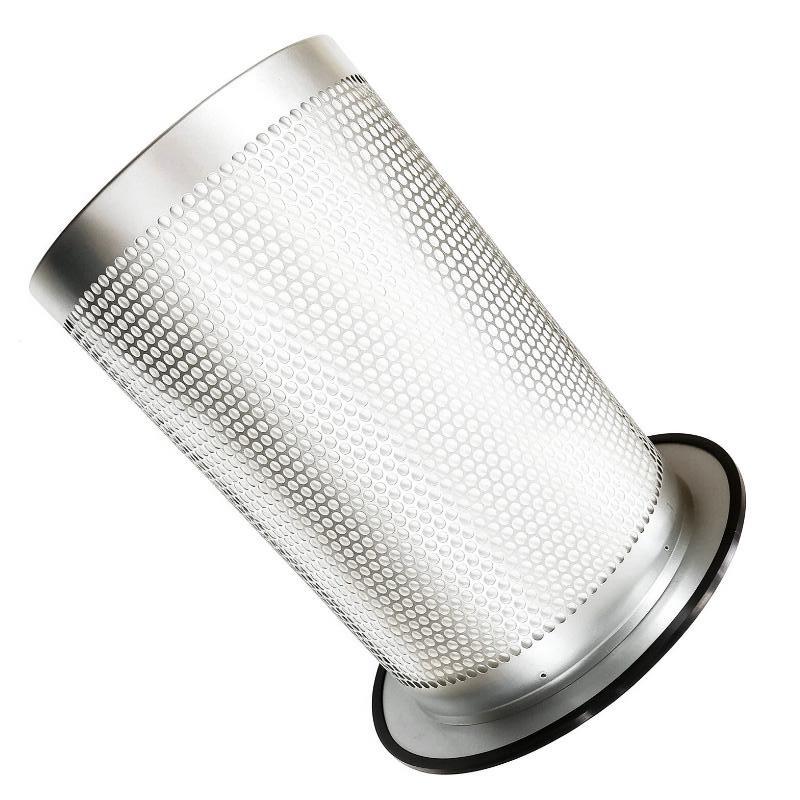
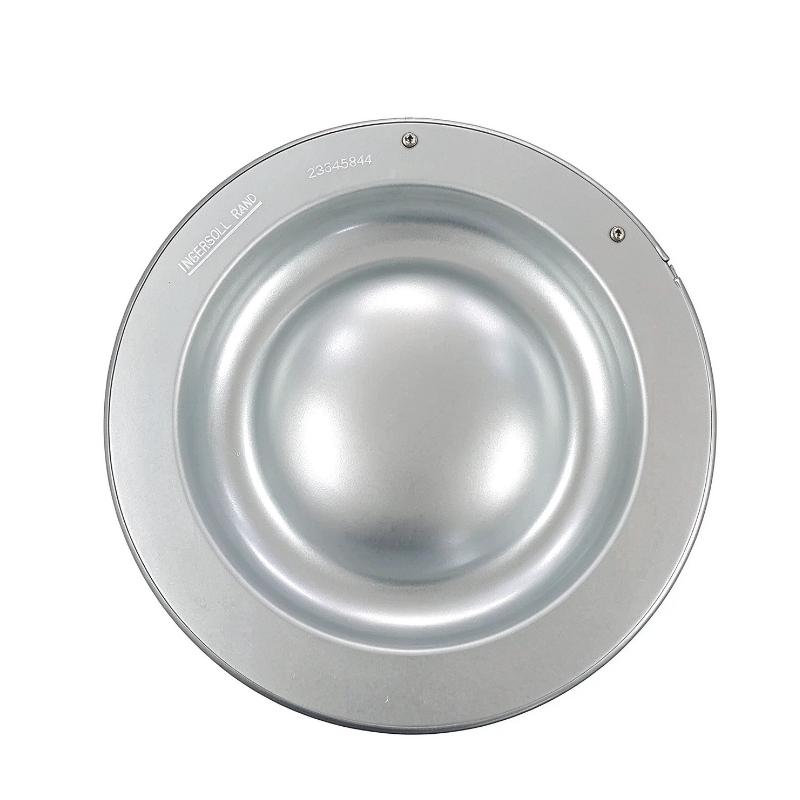
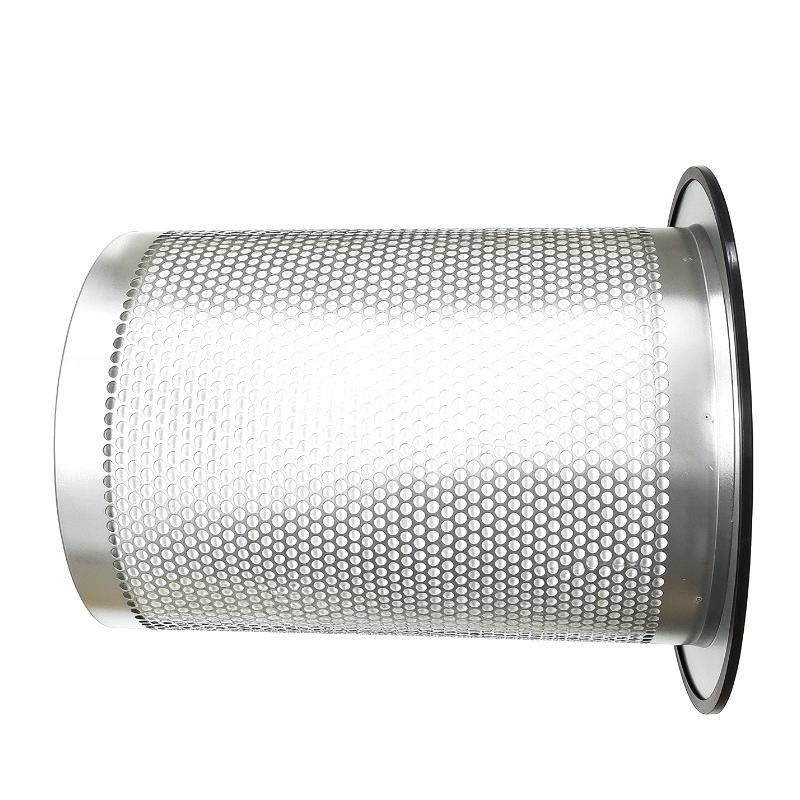
The Ingersoll Rand 47556402001 / 23545841 Air-Oil Separator is an oil separation component designed for compatible industrial air compressor systems. Its primary function is to separate lubricating oil from compressed air, helping reduce oil carryover and maintain the performance of the compressed air system.
In oil-injected rotary screw compressors, lubricating oil plays several important roles, including sealing, cooling, and lubricating internal components. After compression, the air-oil mixture must pass through a separation process before the compressed air is delivered to the downstream system. The air-oil separator captures fine oil droplets and aerosols, allowing separated oil to return to the compressor’s lubrication circuit when the system is designed for oil recovery.
The 23545841 part number is listed in compressor spare-parts catalogs as an air-oil separator element. It is associated with compatible Ingersoll Rand compressor configurations, including certain R-series machines. Exact compatibility must be checked against the compressor model and serial number before ordering.
A properly functioning separator helps control oil consumption, reduce contamination in downstream pneumatic equipment, and maintain stable compressor operation. When the separator becomes restricted, damaged, or less efficient, it can contribute to increased pressure drop, excessive oil carryover, and higher operating costs.
For industrial maintenance teams and spare-parts buyers, identifying the correct part number is essential. The product information supplied for this item lists a diameter of 375 mm and a weight of 7.5 kg. These details should be checked against the original component and the supplier’s documentation before installation.
2. Technical Specifications
| Parameter | Specification |
|---|---|
| Brand | Ingersoll Rand |
| Part Number | 47556402001 |
| Additional Part Number | 23545841 |
| Product Type | Air-Oil Separator Element |
| Equipment Category | Industrial air compressor spare part |
| Primary Function | Separation of lubricating oil from compressed air |
| Separation Method | Coalescing filtration, subject to the specific element design |
| Diameter | 375 mm |
| Weight | 7.5 kg |
| Typical Equipment | Compatible oil-injected rotary screw compressors |
| Installation Location | Compressor oil separation vessel or designated separator housing |
| Replacement Purpose | Routine maintenance or replacement of a defective separator |
| Compatibility | Must be confirmed by compressor model, serial number, and parts documentation |
Note: The dimensions and weight above are based on the supplied product information. Published listings for part number 23545841 and aftermarket equivalents show differing dimensions and weights. Confirm the complete part number, mounting arrangement, seal dimensions, and actual component specifications before purchase.
3. Function and Working Principle
3.1 Separation of Oil from Compressed Air
In an oil-injected rotary screw compressor, oil mixes with air during the compression process. The oil helps cool the compression chamber, lubricate moving parts, and support sealing between internal components.
The resulting air-oil mixture must be treated before the compressed air enters the downstream piping system. The separator is designed to remove much of the entrained oil from this mixture.
As the mixture passes through the separator, the separation medium helps capture fine oil droplets. The collected oil forms larger droplets that can drain toward the designated oil-return system, depending on the compressor’s design.
This process helps reduce the amount of lubricating oil carried into the compressed-air outlet.
3.2 Coalescing Filtration
Many industrial compressor separators use coalescing media. Fine oil aerosols contact the fibers or other separation surfaces and combine into larger droplets.
As the droplets grow, they can drain away from the airflow and return to the compressor’s oil circuit through the designed collection and return arrangement.
The efficiency of this process depends on the separator media, airflow rate, operating pressure, temperature, oil condition, and the mechanical design of the separator assembly.
A damaged, incorrectly installed, or unsuitable element may not provide the expected separation performance.
3.3 Maintaining Compressed-Air Quality
Oil carryover can contaminate air receivers, pipelines, valves, pneumatic tools, and downstream treatment equipment. Depending on the application, excessive oil may also affect product quality or increase maintenance requirements.
The air-oil separator helps limit this contamination at the compressor stage. However, it does not necessarily replace downstream filtration or other air-treatment equipment where higher compressed-air purity is required.
The final air quality depends on the complete compressor and treatment system, including its operating conditions and maintenance status.
3.4 Managing Pressure Drop
Air must pass through the separator medium, which creates some resistance to airflow. As the element accumulates contaminants or becomes restricted, its pressure drop may increase.
Excessive pressure drop can force the compressor to work harder to maintain the required delivery pressure. This may increase energy consumption and reduce system efficiency.
Replacing a restricted separator with the correct specification can help restore the intended airflow characteristics. The replacement should always match the compressor manufacturer’s requirements.
3.5 Supporting Oil Recovery
The separated oil must be collected and returned through the compressor’s designated oil-return system where applicable.
Problems with the oil-return line, return orifice, seals, or associated components may cause abnormal oil consumption even when the separator itself is serviceable. Therefore, separator replacement should be accompanied by a broader inspection when symptoms persist.
4. Role in Industrial Compressed-Air Systems
The Ingersoll Rand 47556402001 / 23545841 Air-Oil Separator supports the operation of compatible oil-injected air compressors.
Oil carryover control: It helps reduce the amount of lubricating oil entering the compressed-air outlet.
Compressor efficiency: A separator operating within its specified pressure-drop range helps the compressor maintain its intended operating performance.
Downstream equipment protection: Lower oil carryover can reduce contamination in air lines, pneumatic valves, actuators, and other connected equipment.
Oil consumption management: Effective separation supports the compressor’s designed oil recovery process.
Preventive maintenance: Replacing a worn or restricted separator can help reduce the risk of performance problems and unplanned downtime.
The separator is a filtration component, not an independent compressor controller or pressure regulator. Its performance depends on the condition and correct operation of the complete compressor system.
5. Industrial Applications
5.1 Manufacturing Plants
Manufacturing facilities use compressed air for pneumatic tools, automated machinery, material handling, and production equipment. A functioning separator helps limit oil carryover from oil-injected compressors, supporting cleaner compressed-air distribution.
5.2 Industrial Automation
Pneumatic cylinders, control valves, actuators, and other automation components depend on a suitable compressed-air supply. Excessive oil carryover can contaminate equipment and increase cleaning or maintenance requirements.
The separator contributes to the compressor’s air-quality management, although the required air quality must be evaluated for the complete application.
5.3 Automotive and General Engineering
Automotive plants, metalworking workshops, and engineering facilities may use compressed air for pneumatic tools, equipment actuation, and production processes. Separator maintenance helps preserve compressor performance and reduce the likelihood of oil contamination in the air system.
5.4 Packaging and Processing Equipment
Compressed air may be used to operate packaging machinery, conveyor mechanisms, pneumatic actuators, and other production equipment. Depending on the process, oil carryover may affect equipment cleanliness and maintenance frequency.
Applications with strict air-purity requirements may require additional downstream filtration and treatment.
5.5 Continuous-Duty Compressor Installations
Facilities that operate compressors for extended periods must pay attention to separator condition, pressure drop, oil consumption, and discharge-air quality.
A planned replacement strategy helps maintenance teams manage consumable parts, reduce unexpected shutdowns, and keep the compressed-air system operating consistently.
6. Installation and System Integration
Correct installation is necessary to achieve the intended separation performance and avoid leakage or compressor damage.
6.1 Verify the Compressor Model
Before ordering the separator, identify the compressor’s complete model and serial number. Check the parts list to establish whether part number 23545841 or the associated supplied part number is specified for the machine.
Do not rely on a similar-looking housing or nominal diameter alone. Different separator elements may have different heights, flange dimensions, seal arrangements, flow capacities, and pressure ratings.
6.2 Compare the Original Element
Before installation, compare the replacement with the removed component. Check the overall dimensions, flange configuration, sealing surfaces, connection points, and any relevant identification markings.
The supplied diameter of 375 mm should be confirmed against the actual separator design. A difference between the nominal outer diameter and flange diameter can be important when assessing compatibility.
6.3 Isolate and Depressurize the Compressor
Before servicing the separator, shut down the compressor and follow the manufacturer’s lockout and isolation procedures. Disconnect or isolate the power supply as required, prevent automatic restarting, and allow the system to cool.
Compressor vessels and oil circuits can retain hazardous pressure and hot oil. Never open the separator housing until the manufacturer’s depressurization procedure has been completed and zero pressure has been verified.
6.4 Inspect Sealing Surfaces
Inspect the separator housing, cover, sealing surfaces, and relevant gaskets or O-rings. Remove contamination in accordance with the manufacturer’s maintenance instructions.
Damaged sealing surfaces or incorrectly fitted seals can allow air or oil leakage and may reduce the effectiveness of the separation system.
6.5 Install the Correct Element
Install the replacement in the correct orientation and follow the specified assembly procedure. Use the recommended tightening sequence and torque values where provided.
Avoid modifying the separator or using unapproved sealants, adapters, or replacement materials. These changes may affect fit, sealing, airflow, or serviceability.
6.6 Check the Oil-Return System
Inspect the designated oil-return line and related components where applicable. Blockage or malfunction in this circuit can contribute to abnormal oil consumption or poor separator performance.
If the compressor experienced excessive oil carryover before replacement, determine whether the cause was the separator, the oil-return system, operating conditions, or another component.
6.7 Test Before Returning to Service
After installation, follow the compressor manufacturer’s recommissioning procedure. Check for leaks, abnormal pressure drop, unexpected operating conditions, and continued oil carryover.
Record the replacement date, operating hours, part number, and any observations. This information helps establish maintenance history and supports future troubleshooting.
7. Compatible Equipment and Related Components
The separator must be matched to the compressor’s specific design. The following component categories may be relevant during servicing.
| Component Category | Function |
|---|---|
| Ingersoll Rand rotary screw compressor | Generates compressed air |
| Air-oil separator vessel | Houses the separator element and supports oil separation |
| Compressor lubricant | Provides lubrication, cooling, and sealing functions |
| Oil-return line and fittings | Return separated oil to the designated circuit |
| Oil filter | Removes contaminants from circulating lubricant |
| Air intake filter | Reduces particulate contamination entering the compressor |
| Separator housing seals | Help prevent air and oil leakage |
| Downstream air filters | Provide additional treatment where required |
| Air receiver and distribution piping | Store and distribute compressed air |
The exact combination depends on the compressor model. A separator should not be considered compatible merely because it fits the approximate housing diameter.
8. Alternative Models and Replacement Considerations
| Part or Option | Description | Important Consideration |
|---|---|---|
| Ingersoll Rand 23545841 | Air-oil separator element identified in product catalogs | Confirm compatibility with the compressor model and serial number |
| Ingersoll Rand 47556402001 | Part number supplied for this product listing | Verify the relationship between both numbers in the applicable parts documentation |
| HIFI FILTER OS578 | Listed as a replacement option for 23545841 in some catalogs | Confirm dimensions, sealing configuration, and equipment fitment |
| OCP OS1000-066 | Listed as an aftermarket cross-reference for 23545841 | Verify specifications and application before substitution |
| Other compatible aftermarket separators | Third-party replacement elements | Assess filtration performance, materials, pressure drop, and supplier quality |
Cross-reference listings are useful for identifying potential alternatives, but they do not guarantee compatibility with every compressor configuration. Verify the replacement against the manufacturer’s parts documentation before ordering.
When selecting an aftermarket separator, compare more than the outer diameter. Important factors include the flange and seal dimensions, element height, operating pressure, airflow capacity, separation efficiency, pressure drop, and oil compatibility.
9. Key Advantages
Reduced Oil Carryover
A correctly specified separator helps remove entrained oil from compressed air, reducing contamination of downstream equipment.
Support for Compressor Performance
Maintaining the separator within its intended operating range helps control pressure drop and supports efficient compressor operation.
Protection for Pneumatic Equipment
Lower oil carryover can reduce the accumulation of oil in downstream valves, actuators, pipes, and connected machinery.
Support for Oil Recovery
The separator works with the compressor’s oil-return arrangement to help recover separated lubricant where the system design provides this function.
Suitable for Planned Maintenance
Including the correct separator in a maintenance program helps reduce the risk of unexpected restrictions, leakage, and oil carryover problems.
Multiple Sourcing Options
Depending on availability, buyers may find original replacement parts and compatible aftermarket alternatives. The part’s condition, technical specifications, and supplier warranty should be evaluated before purchase.
10. Technical FAQs
Q1. What is the Ingersoll Rand 47556402001 / 23545841?
It is identified in the supplied product listing as an air-oil separator for compatible industrial air compressor equipment. The 23545841 number is listed in compressor parts catalogs as an air-oil separator element.
Q2. What does an air-oil separator do?
It removes much of the lubricating oil entrained in compressed air from an oil-injected compressor. This helps reduce oil carryover and supports the compressor’s oil recovery process.
Q3. What are the dimensions and weight?
The supplied specifications list a diameter of 375 mm and a weight of 7.5 kg. Because published listings for this part and its replacements vary, confirm the actual dimensions and weight with the supplier before purchasing.
Q4. Which Ingersoll Rand compressors use part number 23545841?
Some parts catalogs associate this number with certain R-series compressors, including selected R90, R110, R132, and R160 configurations. Fitment varies by model and revision, so the compressor model and serial number should be checked before ordering.
Q5. What are the signs of a worn separator?
Possible signs include increased separator pressure drop, excessive oil carryover, rising oil consumption, and changes in compressor operating performance. These symptoms can also be caused by other system faults, so diagnosis should not rely on one symptom alone.
Q6. How often should the separator be replaced?
The replacement interval depends on the compressor model, operating hours, working environment, lubricant condition, and manufacturer’s maintenance schedule. Follow the specified interval and investigate abnormal pressure drop or oil carryover rather than relying on a universal replacement period.
Q7. Can I use an aftermarket replacement?
An aftermarket element may be suitable if it is engineered and verified for the exact compressor application. Confirm the dimensional fit, filtration characteristics, pressure-drop performance, operating limits, and supplier warranty before use.
Q8. Does the separator replace downstream air filtration?
Not necessarily. The separator primarily controls oil carryover from the compressor. Applications with specific requirements for particles, aerosols, or other contaminants may need additional filtration or air treatment.
Q9. What should I check before buying?
Confirm the complete part number, compressor model, serial number, dimensions, flange and seal configuration, product condition, and supplier’s return policy. Request photographs and technical information if the part number or cross-reference is uncertain.
11. Procurement and Maintenance Recommendations
When sourcing the Ingersoll Rand 47556402001 / 23545841 Air-Oil Separator, first verify the part number against the compressor’s maintenance manual or parts list. Where both numbers are provided, confirm that they correspond to the same intended component for the specific machine.
For an original replacement, check the part identification, packaging, condition, and supplier documentation. For aftermarket options, request confirmation of fitment and technical specifications rather than relying only on a cross-reference number.
During routine maintenance, inspect the separator housing, seals, oil-return circuit, and surrounding components. Record the operating hours at replacement and monitor pressure drop, oil consumption, and discharge-air condition during subsequent operation.
If the compressor continues to exhibit high oil carryover after a new separator is installed, inspect the oil-return system and operating conditions before assuming that the replacement element is defective. Incorrect fitment, damaged seals, or unrelated compressor faults may produce similar symptoms.
Maintaining a record of the compressor model, serial number, installed part number, replacement date, and maintenance findings helps reduce procurement errors and supports more effective spare-parts planning.
12. Conclusion
The Ingersoll Rand 47556402001 / 23545841 Air-Oil Separator is a compressor maintenance component intended to help separate lubricating oil from compressed air in compatible industrial systems. Its role is important for controlling oil carryover, supporting oil recovery, and maintaining the performance of downstream compressed-air equipment.
For reliable replacement, buyers should verify the complete part number and compressor compatibility, as well as the separator’s dimensions, sealing configuration, and operating specifications. The supplied diameter of 375 mm and weight of 7.5 kg should be confirmed against the actual component before installation.
Choosing the correct separator and maintaining it according to the compressor manufacturer’s recommendations can help reduce contamination, support efficient operation, and minimize avoidable maintenance downtime.