

ProductPRODUCT
Featured products


Contact Us
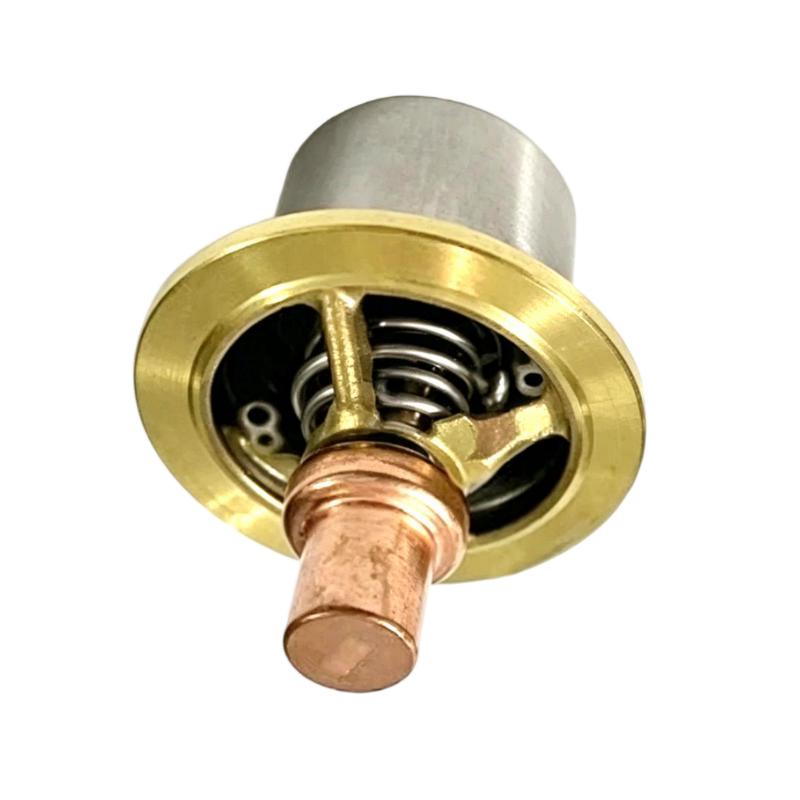
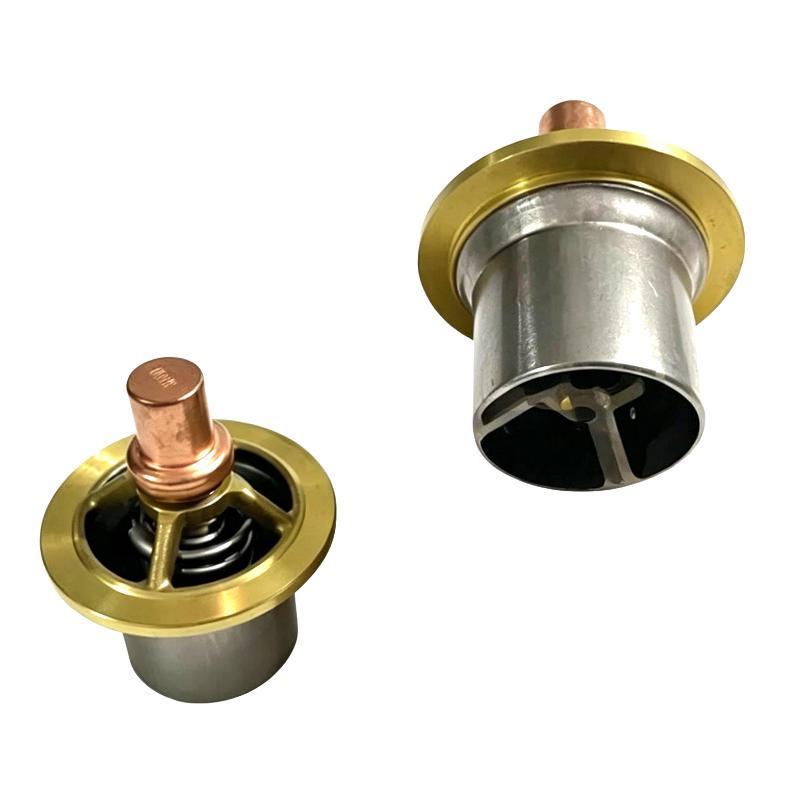
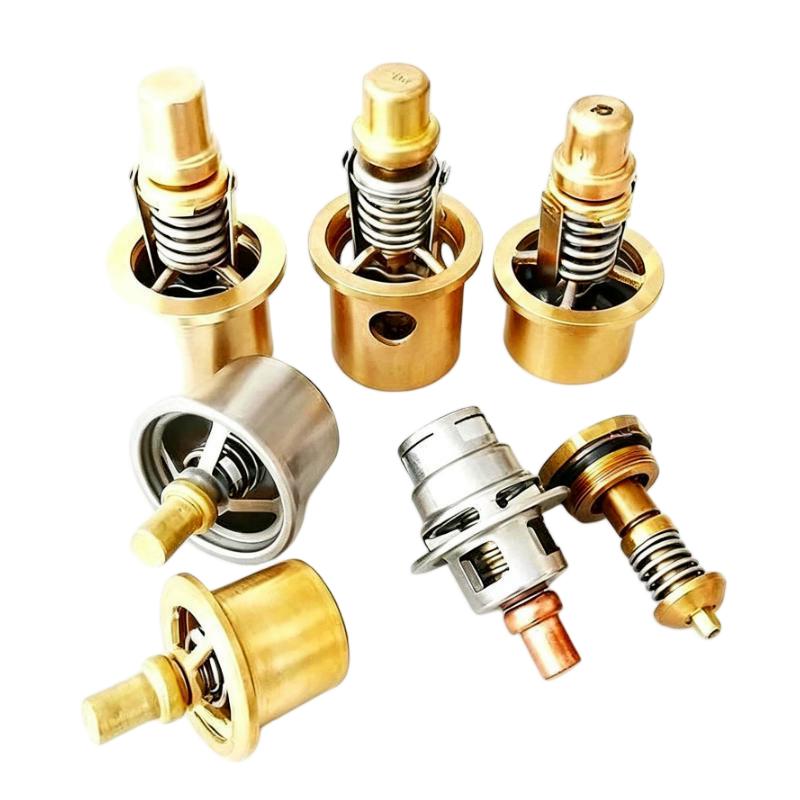
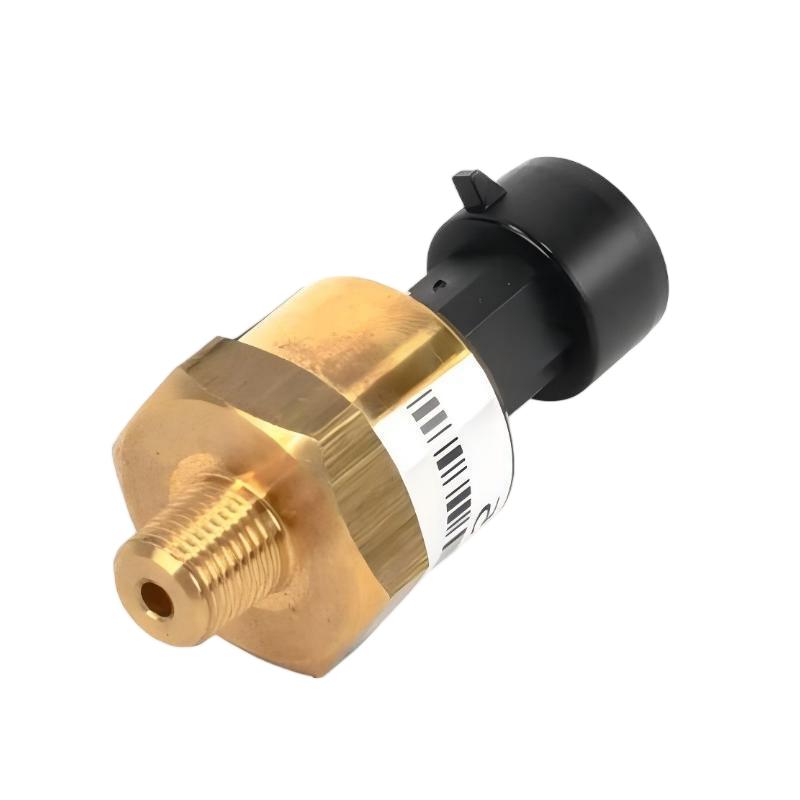
- Ingersoll Rand
- 47555208001 47552954001
- Thermostatic Valve Maintenance Kit
- USA
- 180 × 120 × 80 mm
- 1.0 kg
- Xiamen, China
- New & In Stock
- T/T, PayPal, Western Union
- 1 Year
- 1-3 Working Days
- DHL, UPS, TNT, FedEx and EMS.
- 24-Hour Service
- COO
- 3
Our advantage

Global Logistics
We have a 10-year logistics and express cooperation agreement, so our products can be shipped to any place in the world.

Brand new and original
Our products are imported in bulk from the place of origin. Because of the cooperative relationship, our products are all original and 100% new.

24-hour service
We provide 7*24 hours service to our customers. We will be there whenever you need us.

Price advantage
All our products are priced very favorably because we have our own warehouse and supply.
| Company Information | |||
| [email protected] | |||
| Mobile | +8615980777398 | ||
| +8615980777398 | |||
| 15980777398 |
Product Overview
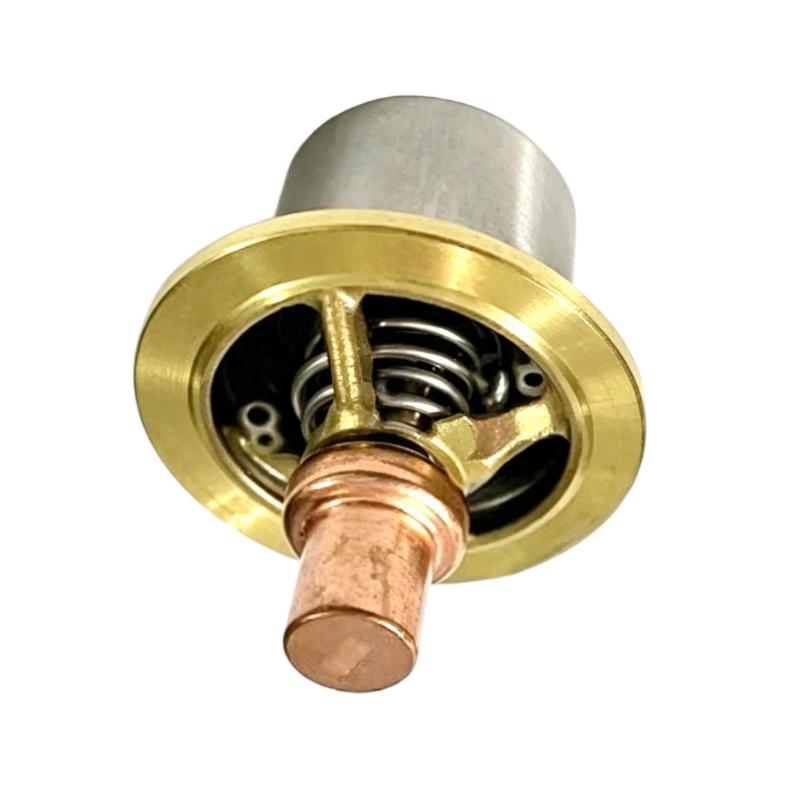
The Ingersoll Rand 47555208001 / 47552954001 Thermostatic Valve Maintenance Kit is an industrial compressor service component identified for maintenance of a thermostatic valve assembly. Thermostatic valves play an important role in temperature regulation within compatible compressor systems by controlling the flow of fluid through different operating paths according to temperature conditions. Maintaining the valve assembly helps support stable compressor operation and appropriate temperature management.
In industrial compressed-air systems, operating temperature can influence lubricant performance, internal component wear, cooling efficiency, and overall equipment reliability. A thermostatic valve helps regulate the flow of lubricant or another designated fluid through the relevant cooling circuit, depending on the compressor design. When valve components become worn, contaminated, or damaged, temperature regulation may become less consistent, potentially affecting compressor performance.
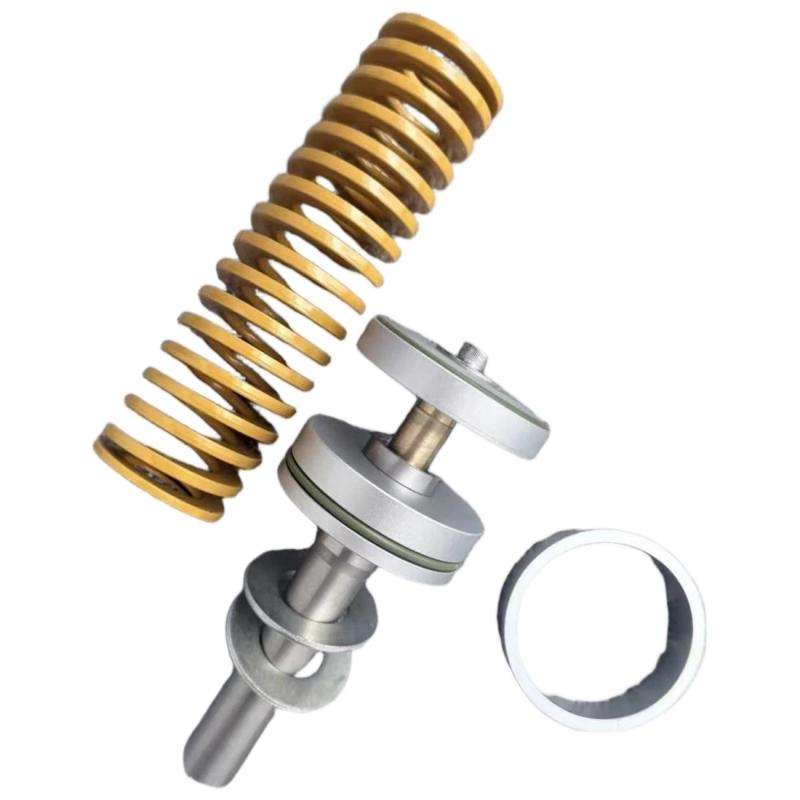
A maintenance kit provides service parts intended to support the inspection, maintenance, or restoration of the compatible valve assembly. The exact contents and servicing scope of the 47555208001 / 47552954001 kit should be confirmed against the part label and the applicable Ingersoll Rand parts documentation before ordering or installation.
The supplied physical specifications are 180 × 120 × 80 mm, with a listed weight of 1.0 kg. These dimensions and weight are useful for inventory planning, shipping arrangements, and maintenance-stock management.
Technical Specifications
| Parameter | Specification |
|---|---|
| Manufacturer | Ingersoll Rand |
| Part Numbers | 47555208001 / 47552954001 |
| Product Type | Thermostatic Valve Maintenance Kit |
| Product Category | Industrial Compressor Spare Parts |
| Primary Function | Maintenance of a compatible thermostatic valve assembly |
| Application | Compressor servicing and temperature-regulation system maintenance |
| System Role | Supports servicing of the valve responsible for temperature-dependent fluid routing |
| Dimensions | 180 × 120 × 80 mm |
| Weight | 1.0 kg |
| Installation | Installed during maintenance of a compatible valve assembly |
| Compatibility | Must be verified against the compressor model and valve part number |
| Kit Contents | Confirm using the exact kit designation and parts list |
The two part numbers are presented as supplied. Their relationship—such as whether one supersedes the other or whether they apply to different compressor configurations—should be verified before procurement. The kit contents, valve design, and supported compressor models should not be assumed without confirming the exact product documentation.
What Is a Thermostatic Valve Maintenance Kit?
A thermostatic valve maintenance kit is a collection of service components intended to maintain or restore a compatible thermostatic valve. Depending on the specific kit design, service components may include seals, O-rings, valve elements, springs, gaskets, or other parts. However, the actual contents of the Ingersoll Rand 47555208001 / 47552954001 kit must be checked against its official parts list.
The thermostatic valve itself responds to temperature conditions and changes the route or proportion of fluid flow within the system. In many lubricated rotary screw compressors, temperature regulation is important because the lubricant performs several functions, including lubrication, heat transfer, and, in oil-injected designs, sealing.
The valve may direct fluid through a cooling circuit or another flow path depending on the system’s temperature and operating requirements. Correct operation helps the compressor maintain suitable working conditions across different loads and ambient temperatures.
Over time, valve components may be affected by thermal cycling, contamination, seal deterioration, or mechanical wear. A maintenance kit enables technicians to service the applicable assembly without necessarily replacing the entire valve, provided that the valve body and other reusable components remain within acceptable condition.
Function and Working Principle
1. Temperature-Responsive Flow Regulation
A thermostatic valve typically responds to changes in temperature through a temperature-sensitive element or other thermostatic mechanism. The mechanism changes the valve position as the temperature changes, altering the available fluid-flow path.
The exact opening temperature, valve travel, and flow characteristics depend on the specific valve design. These values should be obtained from the documentation for the installed compressor and valve assembly.
2. Compressor Temperature Management
In a compatible compressor lubrication circuit, the thermostatic valve can influence whether lubricant flows through a cooler or follows an alternative route. This arrangement helps the system regulate lubricant temperature during startup, normal operation, and changing load conditions.
The exact flow path varies between compressor models. Technicians should use the correct circuit diagram when diagnosing or servicing the valve.
3. Component Sealing and Mechanical Operation
Seals and other service components, where included in the kit, help maintain appropriate sealing and mechanical operation. Damaged seals may contribute to leakage, while worn or sticking valve elements can interfere with normal temperature-dependent movement.
Replacing serviceable components can help restore the intended valve behavior, but the valve body and other parts must also be inspected for wear, corrosion, scoring, or damage.
4. Maintenance and Restoration
The maintenance kit supports servicing of the compatible valve assembly. Depending on the manufacturer’s maintenance procedure, service may involve disassembly, cleaning of approved components, replacement of designated parts, reassembly, and operational testing.
The correct procedure depends on the compressor model and valve design. Improvised component substitutions or changes to the valve’s calibration can affect temperature regulation and should be avoided.
Role in Industrial Compressor Systems
The thermostatic valve is one element in a larger compressor system. Its performance can affect the thermal conditions of the lubrication circuit and, indirectly, the compressor’s operating stability.
A typical system may contain the following components:
- Compressor airend
- Electric drive motor
- Lubricant reservoir or separator vessel, where applicable
- Lubricant circulation passages
- Thermostatic valve
- Oil cooler or heat exchanger
- Oil filter
- Air-oil separator, where fitted
- Temperature sensors
- Control panel and protective devices
- Cooling fan or associated heat-rejection equipment
These components perform different functions. The thermostatic valve regulates fluid routing in accordance with its design, while the cooler removes heat, the filter removes specified contaminants, and the separator separates lubricant from compressed air in oil-injected compressor configurations.
The maintenance kit is therefore relevant to valve servicing rather than being a replacement for the entire compressor cooling or lubrication system.
Industrial Applications
Rotary Screw Air Compressors
Thermostatic valves are used in many compressor designs to manage temperature-dependent fluid flow. A compatible maintenance kit can support scheduled service and repair of the valve assembly.
The exact application must be verified because compressor designs and valve arrangements differ between product families.
Manufacturing Facilities
Factories often depend on compressed air for pneumatic tools, actuators, packaging equipment, automation systems, and material handling. Compressor temperature management contributes to maintaining reliable compressed-air production.
Servicing a worn thermostatic valve can be part of an overall preventive-maintenance program designed to reduce unexpected downtime.
Automotive and General Industrial Workshops
Compressed-air systems used in workshops and production environments may operate for extended periods. Appropriate inspection and maintenance of compressor temperature-control components help support consistent equipment operation.
Packaging and Processing Plants
Compressed air is commonly used in packaging machinery, production equipment, and process-support systems. Scheduled compressor maintenance can help reduce unplanned interruptions caused by deteriorating mechanical or thermal-control components.
Industrial Utility Rooms
Centralized compressor installations may operate multiple machines to supply plant-wide compressed air. Keeping temperature-regulation components in suitable condition is part of maintaining the reliability of these utility systems.
Installation and Maintenance Procedure
The maintenance kit should be installed only by qualified personnel familiar with the applicable compressor and valve assembly. The manufacturer’s maintenance instructions take precedence over general procedures.
Step 1: Confirm Part Identification
Before beginning work, check the part number on the packaging and compare it with the compressor’s service records and installed valve designation.
Confirm whether 47555208001 and 47552954001 are interchangeable, superseding, or application-specific part numbers. Do not assume that similar descriptions establish compatibility.
Step 2: Shut Down and Isolate the Compressor
Stop the compressor using the approved shutdown procedure. Isolate electrical power and apply the site’s lockout/tagout procedure.
Allow the system to cool and ensure that all relevant pressure has been safely released according to the manufacturer’s instructions. Compressor systems may retain hot lubricant, compressed air, or stored energy after shutdown.
Never remove a valve or open a pressurized lubrication circuit.
Step 3: Identify the Valve Assembly
Locate the thermostatic valve using the correct compressor service documentation. Record the original assembly arrangement, connection points, and orientation before disassembly.
If the valve is installed within a larger manifold or lubrication circuit, ensure that adjacent components and passages are correctly identified.
Step 4: Inspect the Existing Components
Inspect the valve body, mating surfaces, moving elements, and serviceable components for contamination, wear, corrosion, cracks, deformation, or scoring.
A maintenance kit can replace designated service parts, but it cannot automatically correct damage to the valve body or other components that are outside the kit’s scope.
Step 5: Replace the Specified Service Parts
Disassemble the valve only as directed by the applicable service procedure. Replace the parts included in the verified kit and avoid introducing dirt or foreign material into the valve or lubrication circuit.
Use only approved cleaning materials, lubricants, replacement components, and assembly methods. Do not stretch seals, force components into position, or substitute parts based solely on visual similarity.
Step 6: Reassemble and Verify
Reassemble the valve according to the manufacturer’s procedure. Apply specified tightening values and orientation requirements where provided.
Confirm that all serviced components are correctly positioned and that the valve assembly moves or operates as intended by its design.
Step 7: Reinstall and Check Connections
Reinstall the valve and reconnect the associated lines or fittings. Check that connections are secure and that the assembly is installed in the correct orientation.
Verify the condition of any disturbed seals and confirm that no tools, loose fasteners, or foreign materials remain in the work area.
Step 8: Restart and Monitor
Restore the system only after all guards, connections, and safety provisions have been checked. Follow the prescribed startup sequence and monitor temperature behavior, pressure indications, alarms, and leakage.
If the compressor continues to show abnormal temperature behavior, stop and investigate the complete cooling and lubrication circuit rather than assuming the maintenance kit has resolved every possible cause.
Troubleshooting Thermostatic Valve Problems
Compressor Operating Temperature Is Too High
Possible causes include a thermostatic valve that does not route fluid correctly, a restricted or contaminated cooler, inadequate cooling airflow, an obstructed lubrication passage, incorrect lubricant level, or another system fault.
Recommended checks include:
- Inspecting the cooling system and airflow
- Checking the cooler for contamination or obstruction
- Reviewing the compressor’s temperature indications and alarms
- Inspecting the thermostatic valve according to the service procedure
- Confirming that the correct valve parts and maintenance kit were installed
Do not replace the valve kit without evaluating other potential causes of overheating.
Compressor Takes Too Long to Reach Normal Operating Conditions
If temperature behavior during startup differs from the expected operating pattern, the valve may be sticking or failing to change the fluid path as designed. Other factors, including ambient temperature, operating load, sensor accuracy, and cooler condition, can also influence warm-up behavior.
Compare observed behavior with the manufacturer’s operating requirements before determining whether valve servicing is necessary.
Lubricant Leakage Around the Valve
Leakage may be caused by deteriorated seals, damaged mating surfaces, loose connections, incorrect assembly, or excessive system pressure.
Shut down and isolate the compressor before inspecting the valve. Replace damaged service components using the correct parts, and inspect the valve body and connections for defects that cannot be corrected by the kit alone.
Temperature Fluctuations During Operation
Unstable temperature behavior may indicate inconsistent valve movement, fluctuating cooling performance, sensor problems, restricted passages, or changing operating conditions.
Review temperature trends and operating conditions, inspect the cooling circuit, and evaluate the valve according to the approved procedure. Avoid changing thermostatic settings unless the design specifically permits adjustment and the correct procedure is available.
Problem Persists After Maintenance
If the original symptom remains after the kit is installed, verify the part numbers, service procedure, assembly orientation, and condition of the remaining valve components.
Also inspect related system components, including the cooler, lubricant filter, temperature sensors, and associated passages where applicable. A persistent fault may originate outside the serviced valve assembly.
Maintenance Recommendations
Follow the Compressor Service Schedule
Use the maintenance intervals and inspection requirements specified for the installed compressor. The correct interval may depend on operating hours, ambient conditions, duty cycle, and lubricant condition.
Maintain Cleanliness
Keep valve components, lubrication passages, and the work area free from dirt and debris during servicing. Contamination introduced during maintenance can interfere with valve operation or affect other components in the circuit.
Inspect Seals and Mating Surfaces
Where the kit includes sealing components, inspect the corresponding grooves and mating surfaces for damage. New seals may not provide reliable sealing if the underlying surfaces are worn or damaged.
Monitor Temperature Trends
Record operating temperature before and after maintenance when the system allows. Trend information can help technicians identify recurring problems and determine whether further investigation is needed.
Use Correct Replacement Parts
Confirm the complete part number and application before installation. Similar-looking thermostatic components may have different temperature characteristics, flow capacities, or physical interfaces.
Document Service Work
Record the compressor identification, part number used, service date, observed condition, and commissioning results. Good maintenance records help with future troubleshooting and spare-parts planning.
Compatible System Components
The following are general component categories that may be found in compressor systems containing a thermostatic valve. They are not a guarantee of compatibility with every Ingersoll Rand compressor or with the 47555208001 / 47552954001 kit.
| Component | Typical Function |
|---|---|
| Thermostatic Valve Assembly | Regulates temperature-dependent fluid routing |
| Oil Cooler | Removes heat from circulating lubricant |
| Lubricant Filter | Removes specified contaminants from lubricant |
| Air-Oil Separator | Separates lubricant from compressed air in applicable compressor designs |
| Temperature Sensor | Monitors system temperature |
| Lubricant Circulation Lines | Carry lubricant through the relevant circuit |
| Cooling Fan | Supports heat rejection where fitted |
| Compressor Controller | Monitors operating conditions and manages control functions |
| Pressure and Temperature Instruments | Provide operating information for monitoring and diagnostics |
The specific component arrangement depends on the compressor model and configuration. Confirm the valve location and associated parts using the equipment’s service documentation.
Replacement and Procurement Considerations
When ordering the Ingersoll Rand 47555208001 / 47552954001 Thermostatic Valve Maintenance Kit, accurate part identification is essential.
Before purchasing, confirm:
- The complete part number printed on the existing kit or service record
- The compressor model and serial number
- The thermostatic valve assembly being serviced
- Whether the two supplied part numbers are related by revision or supersession
- The actual contents of the kit
- The required seals and other service components
- Any model-specific installation requirements
The supplied physical specifications are 180 × 120 × 80 mm and 1.0 kg. These values can support warehouse organization, shipping planning, and maintenance-stock management, but physical dimensions alone do not establish compatibility.
For critical compressor installations, it is also advisable to confirm that the replacement parts are suitable for the system’s operating conditions and service requirements.
Key Advantages
Supports Planned Valve Maintenance
A dedicated maintenance kit can help technicians service the designated thermostatic valve assembly without automatically replacing the entire assembly, provided the remaining components are serviceable.
Helps Maintain Temperature Regulation
Correctly serviced valve components can support the intended temperature-dependent fluid routing of the compatible compressor system.
Contributes to Equipment Reliability
Addressing valve wear, sealing problems, or sticking components can form part of a broader preventive-maintenance strategy intended to reduce avoidable interruptions.
Supports Maintenance Planning
A clearly identified kit simplifies spare-parts organization and helps maintenance teams prepare for scheduled compressor servicing.
Compact and Manageable Package
The listed package dimensions of 180 × 120 × 80 mm and weight of 1.0 kg are convenient for inventory handling and shipping preparation.
Technical FAQs
What is the Ingersoll Rand 47555208001 / 47552954001?
It is identified as a thermostatic valve maintenance kit for industrial compressor service. The exact relationship between the two part numbers and their supported compressor models should be confirmed before ordering.
What is the function of a thermostatic valve in a compressor?
A thermostatic valve regulates the flow path of a fluid according to temperature conditions. In applicable compressor lubrication systems, this can influence whether lubricant passes through a cooler or follows another designed flow path.
What are the dimensions of the maintenance kit?
The supplied dimensions are 180 × 120 × 80 mm.
How much does the kit weigh?
The supplied weight is 1.0 kg.
What parts are included in the kit?
The exact contents should be checked against the applicable parts list. Maintenance kits may contain seals and other service components, but the contents of this particular kit should not be assumed without confirmation.
When should a thermostatic valve be serviced?
Service should follow the compressor manufacturer’s maintenance schedule or be considered when inspection and diagnosis indicate valve wear, leakage, sticking, or abnormal temperature-regulation behavior.
Can this kit fix compressor overheating?
It may address overheating caused by a fault in the serviced valve assembly, but overheating can also result from cooler restrictions, poor airflow, lubricant problems, sensor faults, or other system conditions. Diagnosis should cover the complete cooling and lubrication circuit.
Are part numbers 47555208001 and 47552954001 interchangeable?
Their interchangeability or supersession relationship should be verified against the exact compressor application and parts documentation. Do not assume they are interchangeable based only on the supplied description.
Can the maintenance kit be installed while the compressor is running?
No. Valve servicing requires the compressor to be shut down, isolated, cooled, and safely depressurized according to the applicable maintenance procedure.
Conclusion
The Ingersoll Rand 47555208001 / 47552954001 Thermostatic Valve Maintenance Kit is intended for servicing a compatible thermostatic valve assembly used in industrial compressor systems. Proper valve maintenance can help preserve temperature-dependent fluid regulation, maintain sealing integrity, and support reliable compressor operation.
With supplied dimensions of 180 × 120 × 80 mm and a weight of 1.0 kg, the kit is practical to manage as part of an industrial spare-parts inventory. Successful maintenance depends on identifying the correct kit, confirming its contents and application, following the approved service procedure, and checking the compressor’s operating condition after reassembly.
Before procurement or installation, verify the relationship between the two listed part numbers and confirm compatibility with the exact compressor model. Accurate part selection, careful servicing, and systematic post-maintenance checks help support safe operation and long-term equipment reliability.