

ProductPRODUCT
Featured products
Contact Us
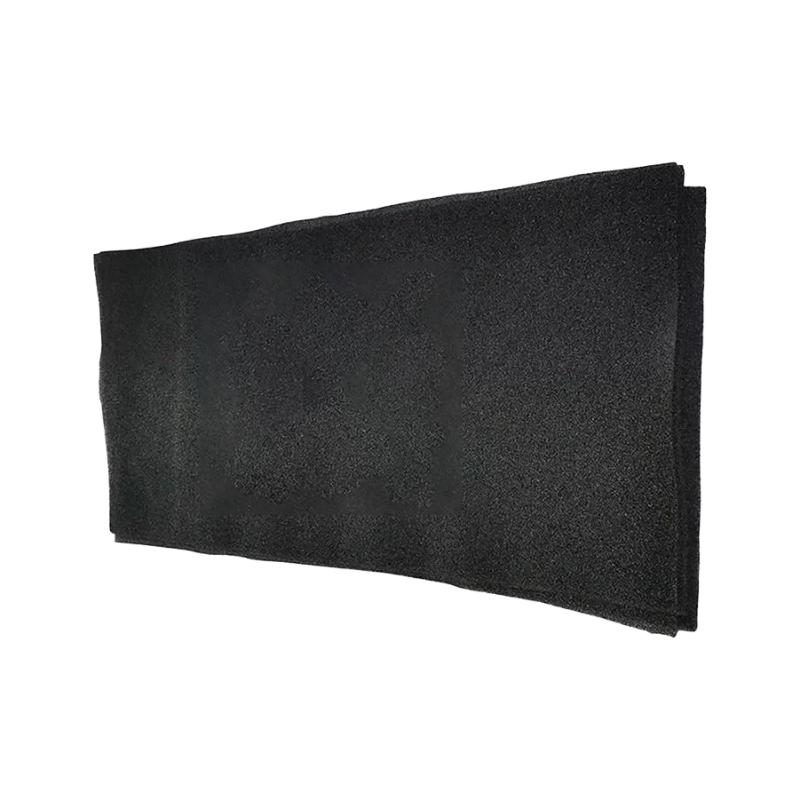
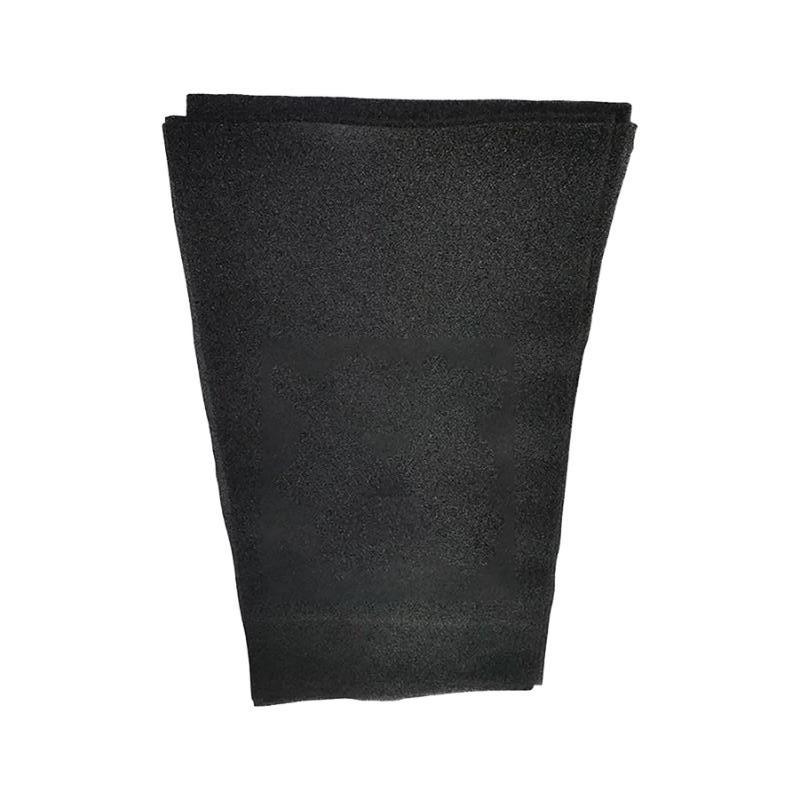
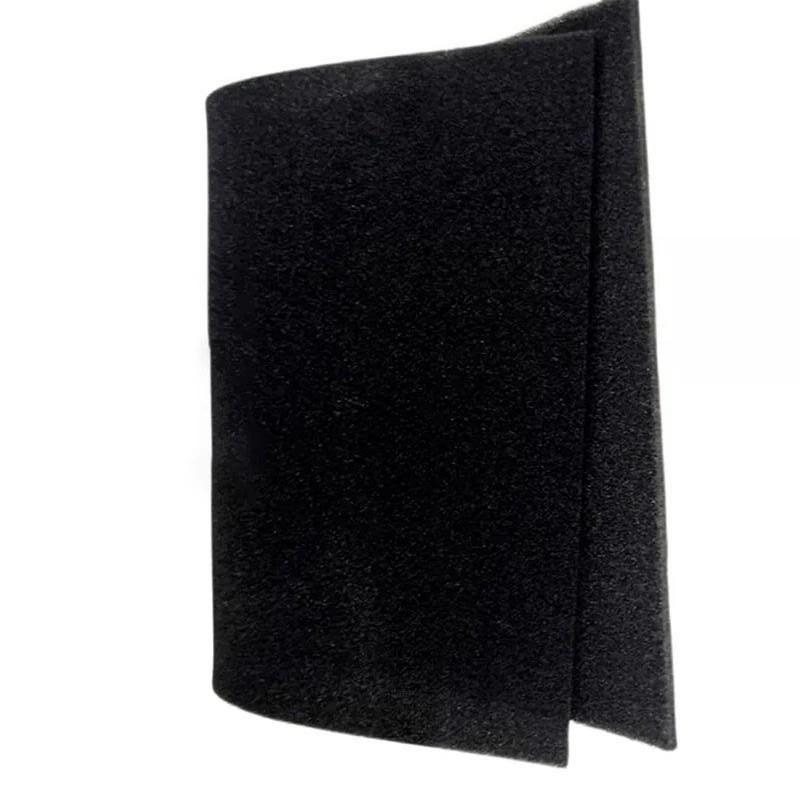
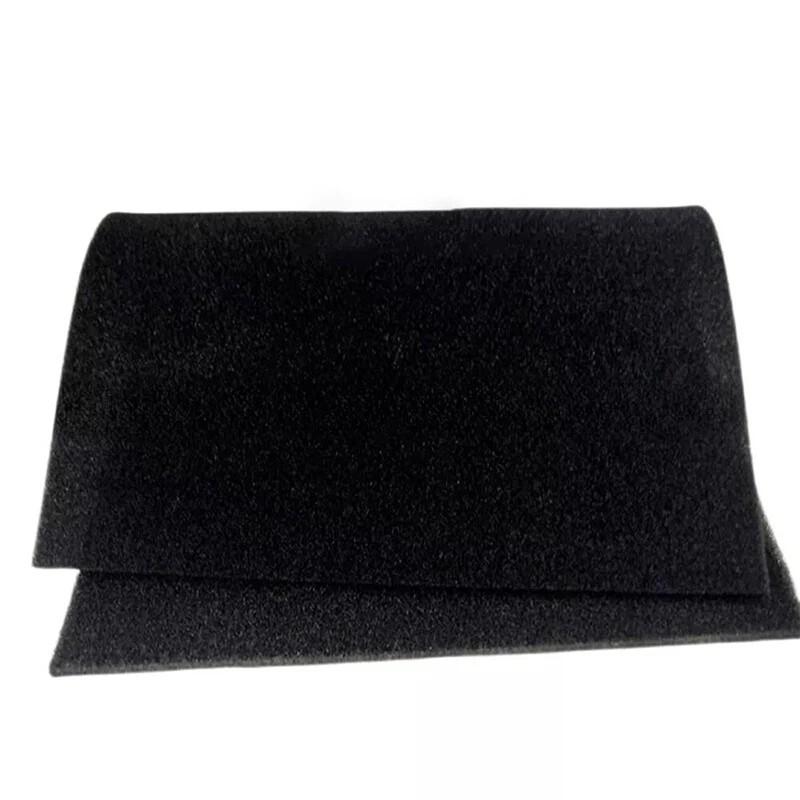
- Ingersoll Rand
- 47555208001 23497001
- Pre-Filter
- USA
- 510 × 510 × 10 mm
- 0.4 kg
- Xiamen, China
- New & In Stock
- T/T, PayPal, Western Union
- 1 Year
- 1-3 Working Days
- DHL, UPS, TNT, FedEx and EMS.
- 24-Hour Service
- COO
- 3
Our advantage

Global Logistics
We have a 10-year logistics and express cooperation agreement, so our products can be shipped to any place in the world.

Brand new and original
Our products are imported in bulk from the place of origin. Because of the cooperative relationship, our products are all original and 100% new.

24-hour service
We provide 7*24 hours service to our customers. We will be there whenever you need us.

Price advantage
All our products are priced very favorably because we have our own warehouse and supply.
| Company Information | |||
| [email protected] | |||
| Mobile | +8615980777398 | ||
| +8615980777398 | |||
| 15980777398 |
Product Overview
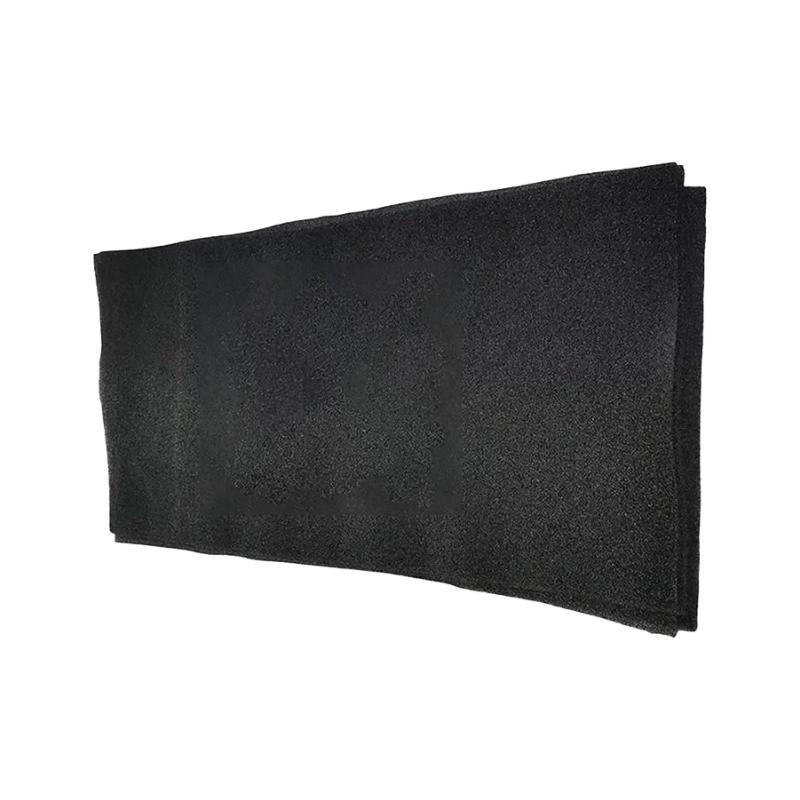
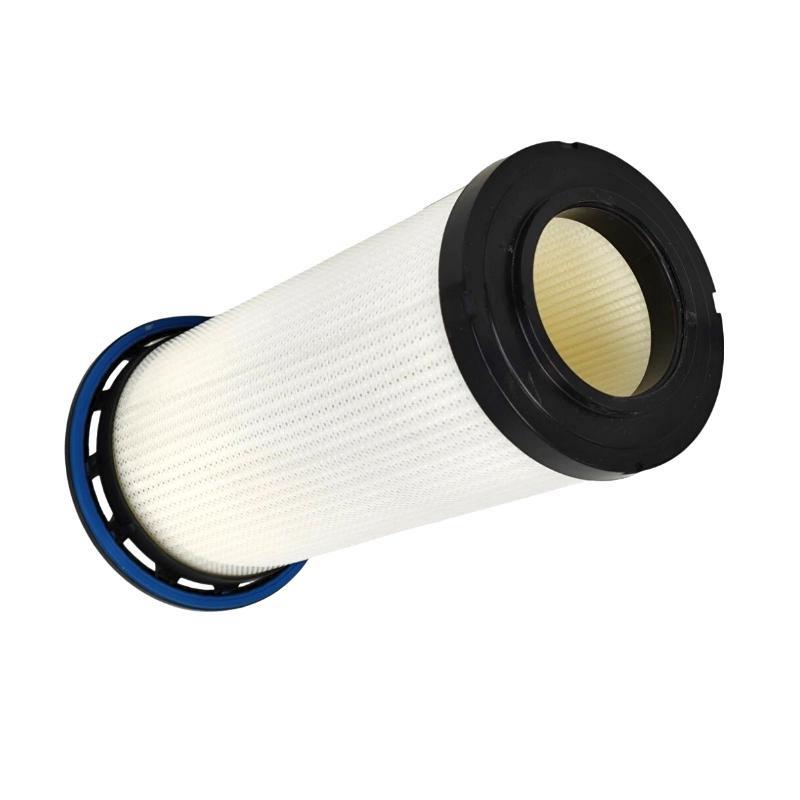
The Ingersoll Rand 47555208001 (23497001) Pre-Filter is an industrial filtration component identified for use in equipment requiring preliminary air filtration. Pre-filters help capture airborne dust, lint, and other particulate contaminants before they reach downstream filtration stages or sensitive equipment. In industrial environments, effective pre-filtration can support stable airflow, reduce contamination buildup, and help maintain the performance of air-handling and compressor-related systems.
Industrial filtration is particularly important in facilities where equipment operates continuously and is exposed to airborne particles generated by manufacturing, material handling, packaging, construction, or general plant activity. When contaminants accumulate inside an air system, they can restrict airflow, increase pressure losses, and contribute to more frequent maintenance. A correctly selected pre-filter helps manage this contamination load as part of a properly designed filtration arrangement.
The Ingersoll Rand 47555208001, associated with the supplied reference 23497001, is listed as a pre-filter measuring 510 × 510 × 10 mm and weighing approximately 0.4 kg. Its broad, thin profile is suitable for applications designed around a flat filtration element, provided the dimensions, mounting arrangement, and filtration requirements match the host equipment.
Before ordering or installing this component, confirm the complete part number and equipment compatibility. The precise filtration grade, airflow capacity, pressure-drop characteristics, filter media, and recommended replacement interval should be established from the applicable product documentation or the original installed component.
Technical Specifications
| Parameter | Specification |
|---|---|
| Manufacturer | Ingersoll Rand |
| Part Number | 47555208001 |
| Associated Reference | 23497001 |
| Product Type | Pre-Filter |
| Product Category | Industrial Air Filtration |
| Primary Function | Preliminary capture of airborne particulate contaminants |
| Dimensions | 510 × 510 × 10 mm |
| Weight | 0.4 kg |
| Filter Configuration | Flat-format filter element, subject to verification |
| Installation | Compatible filter frame or designated equipment housing |
| Filtration Grade | Confirm from the applicable specification |
| Airflow Capacity | Confirm from the applicable specification |
| Operating Pressure Drop | Confirm from the applicable specification |
| Filter Media | Confirm from the original component or technical documentation |
| Typical Application | Industrial air-handling and compatible compressor-related filtration systems |
The specifications above preserve the supplied product identification and physical measurements. Filtration performance and operating limits should not be assumed from dimensions alone.
What Is the Ingersoll Rand 47555208001 Pre-Filter?
A pre-filter is the first or an early filtration stage in a multi-stage air-filtration arrangement. Its purpose is to capture larger airborne particles before the air reaches more specialized filters or downstream equipment.
Depending on the system design, pre-filtration may help reduce the amount of dust, fibers, and other particulate material entering a finer filtration stage. This can help prevent premature loading of downstream filter media and support more consistent system operation.
The Ingersoll Rand 47555208001 is identified as a pre-filter, but its precise installation location must be confirmed for the intended equipment. Not every filter associated with an industrial compressor is installed in the same airflow path. Intake-air filtration, ventilation filtration, and compressed-air treatment have different requirements and should not be treated as interchangeable applications.
A typical preliminary filtration arrangement can be represented as:
Air Source → Pre-Filter → Downstream Filter or Equipment → Airflow to the Intended Application
The actual arrangement depends on the host machine and its filtration design.
Function and Working Principle
1. Preliminary Particle Capture
As air passes through the filter medium, airborne particles encounter the fibers or other filtering structures within the element. Depending on the media design and particle characteristics, contaminants may be retained through a combination of interception, impaction, and other filtration mechanisms.
The exact efficiency and particle-size performance of the 47555208001 should be verified using the applicable filtration specification.
2. Protection of Downstream Components
A pre-filter can reduce the particulate load reaching downstream components. In a correctly designed system, this may help downstream filters retain their effectiveness for longer and reduce the frequency of cleaning or replacement.
The degree of protection depends on the filter grade, the contaminant profile, the airflow rate, and the condition of the filter.
3. Airflow Management
Filtration introduces resistance to airflow. As particles accumulate, the pressure drop across a filter may increase. Selecting the correct filter size and specification helps maintain an appropriate balance between contaminant capture and airflow.
The listed thickness of 10 mm should not be used by itself to estimate airflow capacity or pressure drop. Those values depend on the filter medium and the operating conditions.
4. Contamination Control
In manufacturing and utility environments, airborne contamination can originate from dust, packaging fibers, process residues, and general plant activity. Pre-filtration helps control the movement of these particles through an air-handling system.
A suitable maintenance program is essential because a filter that is excessively loaded may restrict airflow and undermine system performance.
5. Support for Routine Maintenance
A pre-filter provides a serviceable filtration stage that can be inspected and replaced as required. Periodic checks allow maintenance personnel to identify visible contamination, damage, deformation, or other signs that may indicate the need for service.
The replacement interval should follow the equipment manufacturer’s recommendations and account for the actual operating environment.
Role in Industrial Air and Compressor Systems
Ingersoll Rand equipment is used in a variety of industrial compressed-air and equipment-support applications. A pre-filter can form part of an overall contamination-control strategy when the particular equipment is designed to use this component.
Its role may include:
- Capturing preliminary particulate contamination
- Reducing the dust load entering downstream filtration
- Supporting stable airflow through the designated filter assembly
- Helping maintain cleanliness within compatible air-handling equipment
- Simplifying scheduled filter maintenance
- Supporting consistent operation when used within its rated conditions
It is important to distinguish between different types of industrial filtration. A ventilation or intake pre-filter is not automatically suitable for removing oil aerosols, liquid water, or fine contaminants from compressed air. Those functions may require dedicated separator elements, coalescing filters, dryers, or other treatment equipment selected for the application.
Industrial Applications
Industrial Compressor Installations
A compatible pre-filter may be used in an industrial compressor installation where the equipment design specifies a preliminary filtration element. Its purpose is to help manage particulate contamination in the designated airflow path.
Before use, confirm whether the filter belongs to the compressor’s intake system, cabinet ventilation arrangement, or another filtration assembly.
Factory Ventilation and Equipment Cooling
Industrial equipment may rely on filtered ventilation air to help limit the accumulation of dust inside cabinets or equipment enclosures. A flat-format pre-filter can be appropriate when its dimensions, media, and airflow characteristics match the designated housing.
Manufacturing Facilities
Manufacturing plants may generate airborne fibers, fine dust, and other particles. Properly selected preliminary filtration can reduce the quantity of contaminants entering downstream air-handling components.
Packaging and Material Handling
Packaging operations and material-handling areas can produce paper fibers, dust, and other airborne debris. A pre-filter can contribute to contamination control in suitable ventilation and filtration systems.
Industrial Utilities
Utility rooms and equipment service areas may require filtration to reduce the amount of airborne particulate matter entering ventilation or other designated air systems. The correct filter must be selected according to the specific system’s requirements.
Installation and System Integration
Correct installation is important for filtration performance. A filter that is incorrectly sized, poorly seated, or installed in the wrong airflow direction may allow unfiltered air to bypass the filter or create unnecessary airflow resistance.
Confirm the Part Number
Check the product label, packaging, maintenance records, or original installed component. Confirm the primary part number 47555208001 and the associated reference 23497001 before ordering a replacement.
Part-number similarity should not be considered sufficient evidence of compatibility.
Verify the Filter Housing
The supplied dimensions are 510 × 510 × 10 mm. Measure the filter frame or mounting area and confirm that the replacement fits correctly.
Check the following:
- Overall length and width
- Filter thickness
- Retaining clips or frame arrangement
- Sealing surfaces
- Required airflow direction
- Available clearance for removal and replacement
The filter should sit securely in its designated frame without excessive gaps, bending, or compression.
Inspect the Installation Area
Before replacing the filter, inspect the housing for dust buildup, damaged seals, loose retaining components, and signs of moisture or oil contamination. Clean the designated housing as permitted by the equipment maintenance procedure.
Do not allow accumulated debris to fall into downstream equipment during filter replacement.
Install in the Correct Orientation
Follow any airflow-direction markings and the equipment-specific installation instructions. If the filter has no visible directional marking, confirm the intended orientation from the host equipment documentation rather than guessing.
Check Sealing and Bypass Paths
Ensure that the filter is seated correctly and that any specified seals or retaining features are in place. Air bypass around the filter can reduce filtration effectiveness even when the filter medium itself is in good condition.
Verify Operation After Installation
Once the equipment is returned to service under the approved procedure, check for abnormal airflow restriction, unusual noise, loose components, or filter movement. Where the system provides pressure-drop or airflow monitoring, confirm that the readings remain within the equipment’s specified operating range.
Troubleshooting the Ingersoll Rand Pre-Filter
Filtration problems can arise from the filter itself, the housing, the operating environment, or other components in the airflow system. A systematic inspection can help identify the underlying cause.
Reduced Airflow
A dirty or heavily loaded filter may restrict airflow. Other causes can include an obstructed intake, blocked downstream components, a damaged housing, or a system operating outside its intended conditions.
Recommended checks include:
- Inspecting the filter for excessive dust accumulation
- Checking the housing and airflow passage for obstructions
- Confirming that the filter dimensions and type are correct
- Reviewing available airflow or pressure-drop indicators
- Inspecting downstream filters where applicable
Replace the filter if it has reached the specified service limit or shows damage that compromises its function.
Excessive Pressure Drop
An unusually high pressure drop across a filtration assembly may indicate a loaded filter, incorrect filter selection, blocked airflow passages, or a problem with the measurement system.
Compare the observed condition with the applicable maintenance limits. Do not rely on visual inspection alone when the system provides a specified pressure-drop measurement.
Dust Found Downstream
If dust appears beyond the filter, possible causes include a damaged filter medium, poor seating, gaps around the frame, an incorrect filter type, or contamination introduced during maintenance.
Inspect the entire filter installation, including the frame and sealing surfaces. If the medium is torn, distorted, or otherwise damaged, replace the element with a verified compatible part.
Filter Deformation
A filter that has become bent, crushed, or distorted may no longer seal correctly. Deformation can result from mishandling, incorrect installation, unsuitable operating conditions, or excessive differential pressure.
Do not force a distorted filter into the housing. Check the mounting arrangement and operating conditions before installing a replacement.
Short Filter Service Life
Frequent filter loading may indicate unusually high airborne dust levels, a damaged housing, an unsuitable filtration grade, or a maintenance interval that does not match actual operating conditions.
Review the contamination environment and confirm that the selected filter is appropriate for the intended airflow path. Increasing the replacement frequency may be necessary in dusty environments, but the final schedule should follow the equipment’s maintenance requirements.
Maintenance and Replacement Recommendations
Regular inspection helps maintain filtration performance and reduce the risk of unexpected airflow restriction.
Inspect the filter condition: Look for dust loading, tears, crushed areas, moisture damage, and deformation.
Check the filter frame: Ensure that the housing, retainers, and sealing surfaces remain in good condition.
Monitor operating conditions: Where available, record pressure-drop or airflow measurements and compare them with the specified service limits.
Maintain a replacement record: Record the part number, installation date, operating hours where relevant, and reason for replacement.
Keep spare parts correctly stored: Protect replacement filters from moisture, dust, crushing, and other damage before installation.
Follow the specified service method: Some filter media are designed for replacement rather than cleaning. Do not wash, blow out, or reuse the element unless the manufacturer explicitly permits that procedure.
Investigate repeated contamination: If a new filter loads unusually quickly, inspect the surrounding environment and the upstream airflow path instead of repeatedly replacing the filter without addressing the cause.
Compatible System Components
The Ingersoll Rand 47555208001 pre-filter may be part of a broader filtration or equipment-maintenance arrangement. The following table lists general component types that may be found in related industrial systems; it does not confirm compatibility with any specific model.
| Component Type | Typical Function |
|---|---|
| Pre-Filter | Captures preliminary particulate contamination |
| Main Air Filter | Provides additional filtration according to system requirements |
| Oil Separator Element | Separates oil from air in equipment designed for oil separation |
| Coalescing Filter | Removes fine liquid aerosols from compatible compressed-air systems |
| Air Dryer | Reduces moisture content in compressed air |
| Filter Housing | Supports and seals the filter element |
| Pressure Differential Indicator | Helps indicate filter loading where provided |
| Sealing Gasket | Limits air bypass around the filter |
| Air Intake or Ventilation Assembly | Directs air through the designated filtration stages |
| Maintenance Monitoring System | Records service conditions and maintenance activity |
These components perform different functions. A pre-filter should not be treated as a substitute for an oil separator, coalescing element, or compressed-air treatment filter unless the system specification explicitly establishes that application.
Replacement and Procurement Considerations
When purchasing the Ingersoll Rand 47555208001 pre-filter, confirm both the primary part number and the associated reference 23497001 against the original component or equipment parts list.
Before finalizing a replacement, verify:
- Exact part number and product designation
- Dimensions of 510 × 510 × 10 mm
- Weight of approximately 0.4 kg
- Filter-media type and filtration grade
- Airflow capacity and pressure-drop limits
- Mounting-frame and sealing compatibility
- Intended installation location
- Operating environment and maintenance requirements
The physical dimensions are useful for preliminary fit checks, storage planning, and shipping arrangements. They do not establish filtration efficiency or prove interchangeability with another filter.
For equipment where airflow quality is critical, the replacement should meet the original filtration requirements. An element that fits the housing but has different media or pressure-drop characteristics may affect system performance.
Key Advantages
Preliminary Particulate Control
When matched to the intended application, a pre-filter helps capture airborne particles before they reach downstream equipment or finer filtration stages.
Compact Flat-Format Design
The listed dimensions of 510 × 510 × 10 mm provide a clear physical reference for checking filter-frame compatibility and planning replacement inventory.
Lightweight Construction
At approximately 0.4 kg, the supplied weight supports practical handling and inventory planning. Actual handling procedures should still account for contamination and equipment access.
Support for Filtration-System Maintenance
A replaceable preliminary filtration stage can help maintenance teams monitor contamination and service the filtration arrangement as required.
Contribution to Equipment Reliability
When correctly selected and maintained, preliminary filtration can help reduce particulate accumulation in downstream components and support consistent airflow.
Technical FAQs
What is the Ingersoll Rand 47555208001?
The Ingersoll Rand 47555208001 is identified as a pre-filter, with the associated reference 23497001 supplied for this item. It is intended for preliminary particulate filtration in a compatible industrial air-filtration arrangement.
What are the dimensions of this pre-filter?
The supplied dimensions are 510 × 510 × 10 mm.
How much does the filter weigh?
The supplied weight is approximately 0.4 kg.
What is the purpose of a pre-filter?
A pre-filter captures a portion of the airborne particulate contamination before the air reaches downstream filtration stages or equipment. Its effectiveness depends on the media, filter grade, airflow, and operating environment.
Can this pre-filter remove oil from compressed air?
A pre-filter should not automatically be assumed to remove oil aerosols or oil vapor. Those contaminants may require dedicated separation or compressed-air treatment equipment selected for the application.
How often should the filter be replaced?
The replacement interval depends on the equipment manufacturer’s recommendations, the operating environment, contamination levels, and any specified pressure-drop or service limits. Replace the element when required by the approved maintenance procedure or when damage compromises its function.
Can the filter be cleaned and reused?
Do not assume that the filter is washable or reusable. Cleaning may damage the media or alter its filtration characteristics. Follow the approved service instructions for the exact component.
How can I determine whether the filter is compatible with my equipment?
Verify the complete part number, associated reference, physical dimensions, filter-media specification, airflow requirements, and mounting arrangement against the equipment parts list or original component.
Conclusion
The Ingersoll Rand 47555208001 (23497001) Pre-Filter is an industrial air-filtration component intended to provide preliminary particulate control in a compatible filtration system. By helping capture airborne contaminants before they reach downstream components, a correctly specified pre-filter can support cleaner airflow and help manage the maintenance requirements of industrial equipment.
With supplied dimensions of 510 × 510 × 10 mm and a weight of approximately 0.4 kg, the filter offers a practical physical reference for installation checks, spare-parts management, and replacement planning. Its actual performance depends on the filter media, filtration grade, airflow conditions, housing design, and maintenance practices.
Before replacement, confirm the complete part number, associated reference, filter specifications, and intended installation location. Correct fit, effective sealing, appropriate service intervals, and compliance with the equipment’s filtration requirements are essential for reliable long-term operation.