

ProductPRODUCT
Featured products
Contact Us
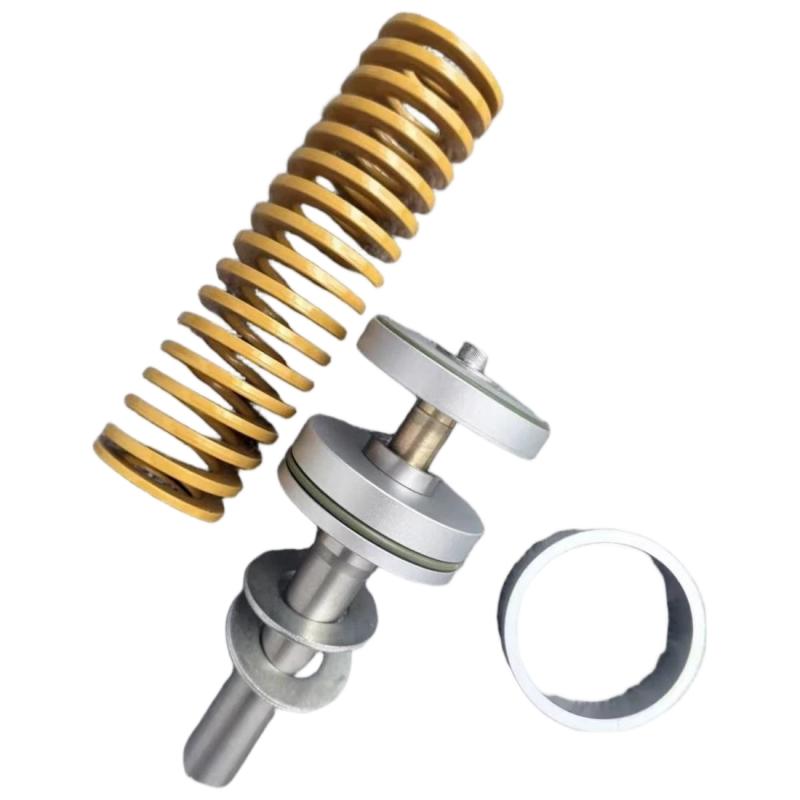
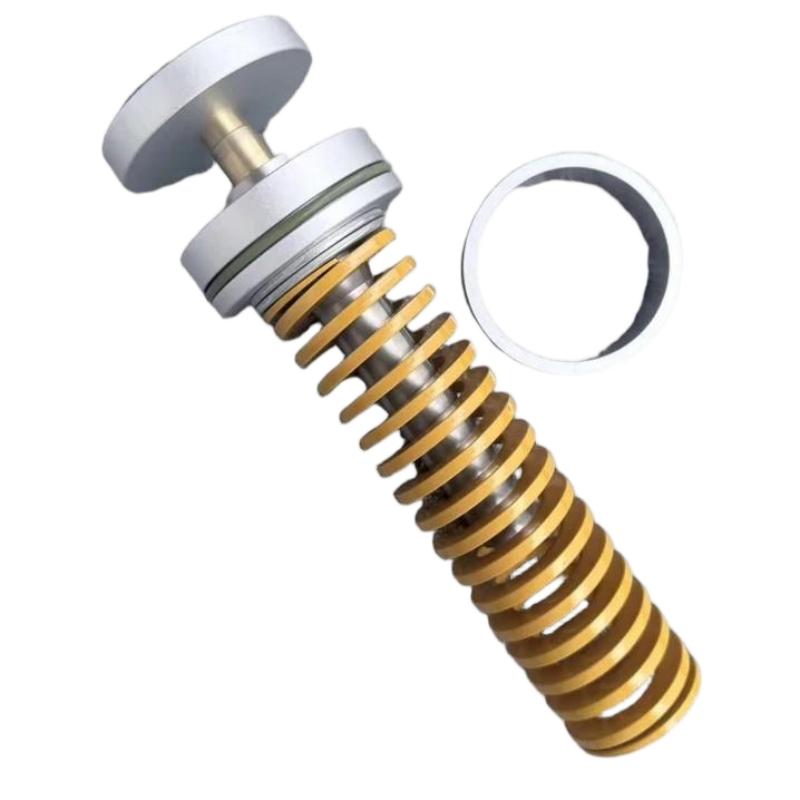
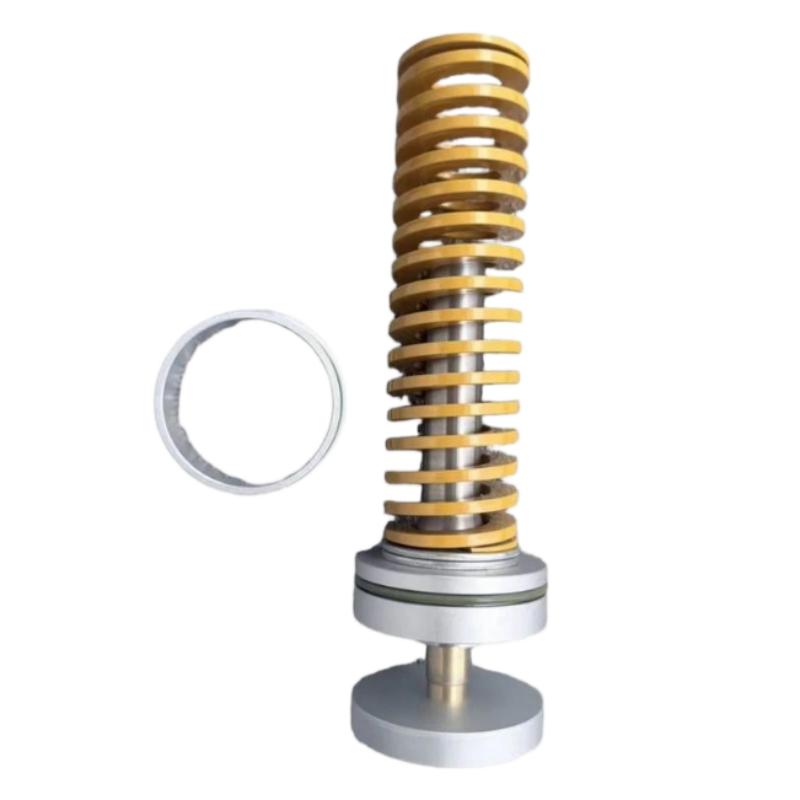
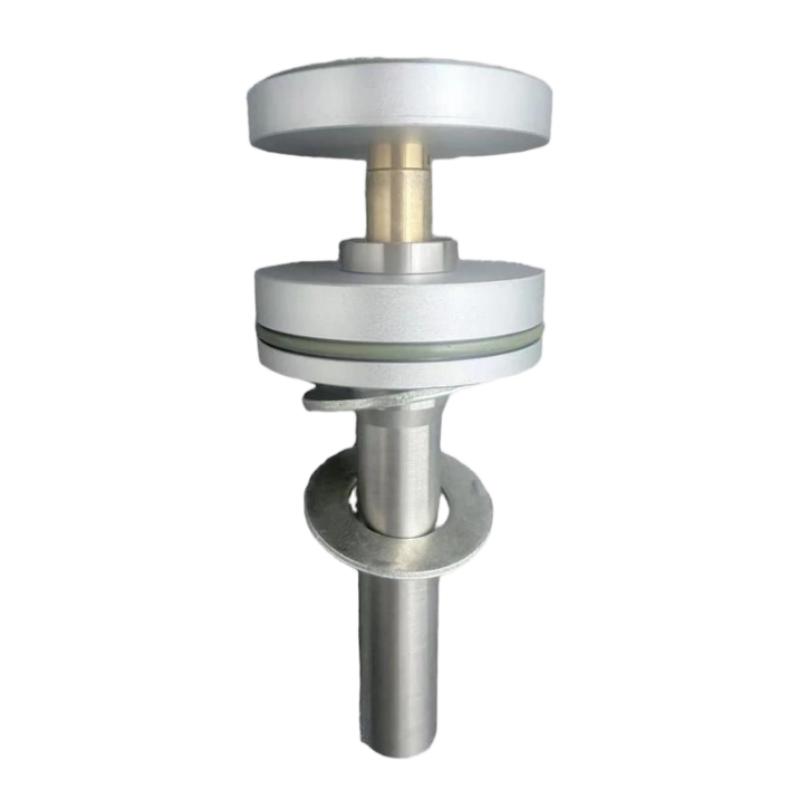
- Ingersoll Rand
- 47555208001 23531577
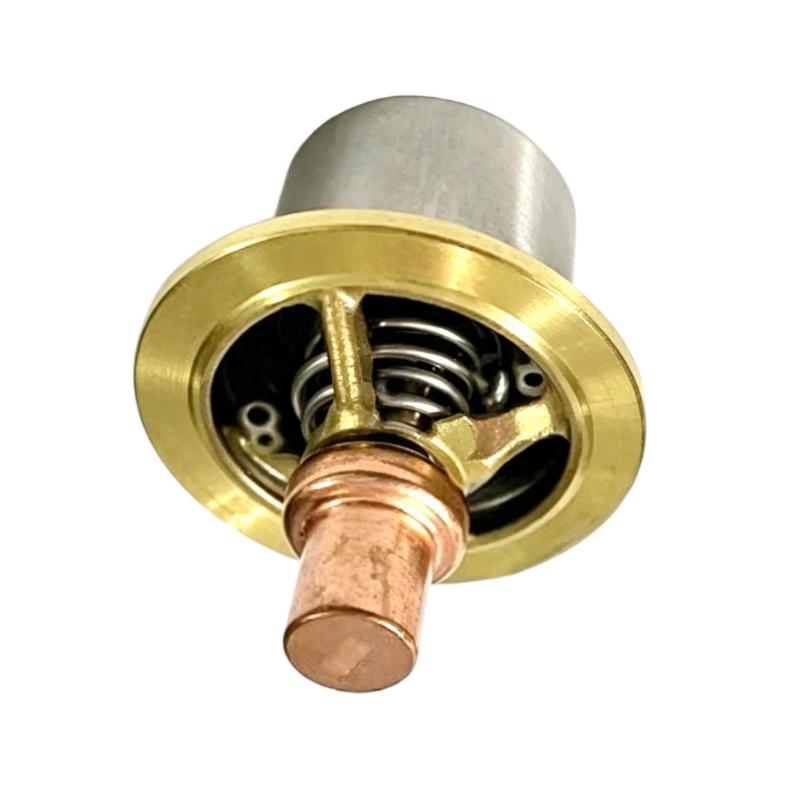
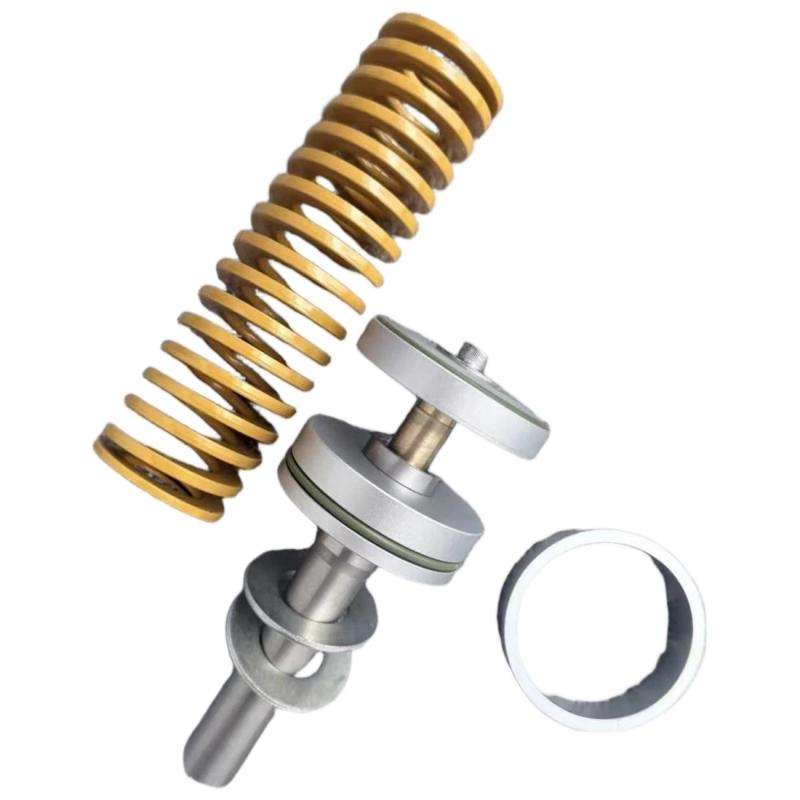
- Minimum Pressure Valve Repair Kit
- USA
- 160 × 100 × 80 mm
- 1.2 kg
- Xiamen, China
- New & In Stock
- T/T, PayPal, Western Union
- 1 Year
- 1-3 Working Days
- DHL, UPS, TNT, FedEx and EMS.
- 24-Hour Service
- COO
- 3
Our advantage

Global Logistics
We have a 10-year logistics and express cooperation agreement, so our products can be shipped to any place in the world.

Brand new and original
Our products are imported in bulk from the place of origin. Because of the cooperative relationship, our products are all original and 100% new.

24-hour service
We provide 7*24 hours service to our customers. We will be there whenever you need us.

Price advantage
All our products are priced very favorably because we have our own warehouse and supply.
| Company Information | |||
| [email protected] | |||
| Mobile | +8615980777398 | ||
| +8615980777398 | |||
| 15980777398 |
Product Overview
The Ingersoll Rand 47555208001 / 23531577 Minimum Pressure Valve Repair Kit is an air compressor service component intended for maintenance and restoration of a compatible minimum pressure valve assembly. Minimum pressure valves play an important role in many compressor systems by maintaining appropriate internal pressure and supporting the correct operation of downstream air and oil separation components. A properly functioning valve helps the compressor operate within its designed pressure conditions and supports stable compressed-air delivery.
In an oil-injected rotary screw air compressor, the minimum pressure valve is commonly installed within or near the separator system. It helps maintain a minimum pressure inside the separator vessel during operation and regulates the release of compressed air toward the outlet circuit. Maintaining suitable internal pressure also supports oil separation and oil circulation, depending on the compressor’s design.
Over time, valve seals and other serviceable components may deteriorate because of temperature cycling, pressure fluctuations, contamination, normal wear, or prolonged operating hours. These conditions can contribute to leakage, pressure instability, restricted airflow, or abnormal compressor operation. A compatible repair kit provides replacement service parts for restoring the valve assembly without necessarily replacing the complete valve.
The supplied identification associates 47555208001 and 23531577 with the Ingersoll Rand minimum pressure valve repair kit. The listed dimensions are 160 × 100 × 80 mm, and the listed weight is 1.2 kg. Before ordering or installation, confirm the part numbers, kit contents, and compressor compatibility against the existing component and the applicable service documentation.
Technical Specifications
| Parameter | Specification |
|---|---|
| Manufacturer | Ingersoll Rand |
| Part Number | 47555208001 |
| Associated Part Number | 23531577 |
| Product Name | Minimum Pressure Valve Repair Kit |
| Product Category | Air Compressor Maintenance Parts |
| Primary Function | Servicing a compatible minimum pressure valve assembly |
| Equipment Type | Compatible compressed-air compressor systems |
| Dimensions | 160 × 100 × 80 mm |
| Weight | 1.2 kg |
| Installation | Installed during maintenance of the matching valve assembly |
| Typical Application | Compressor servicing, valve maintenance, and preventive maintenance |
| Compatibility | Must be confirmed using the compressor model and original valve identification |
The dimensions and weight above are based on the supplied product information. The exact contents of the repair kit, supported compressor models, valve pressure settings, and individual seal specifications should be confirmed before procurement.
What Is a Minimum Pressure Valve Repair Kit?
A minimum pressure valve repair kit contains service components intended to restore the operation of a compatible minimum pressure valve. Depending on the specific kit design, repair components may include seals, O-rings, gaskets, springs, or other internal service parts. The exact contents of the 47555208001 / 23531577 kit should be verified before work begins.
The minimum pressure valve is an important component in many oil-injected screw compressors. Unlike a simple isolation valve, it has a role in controlling pressure conditions within the compressor’s separator system and regulating compressed-air discharge.
During startup, the valve can help the compressor build the internal pressure needed for normal operation. Once the operating conditions are suitable, it permits compressed air to flow toward the downstream air system. The precise operating sequence depends on the compressor design and the valve configuration.
A repair kit is useful when the valve body and major mechanical components remain serviceable but the designated wear parts require replacement. However, a repair kit cannot correct every valve fault. Severe corrosion, damaged sealing surfaces, cracked components, or mechanical deformation may require replacement of the complete valve assembly.
Function and Working Principle
1. Maintaining Minimum Internal Pressure
Many oil-injected rotary screw compressors require a minimum internal pressure for the compressor’s lubrication and oil-separation processes to function as intended. The minimum pressure valve helps maintain this pressure during operation.
If the valve opens too early, fails to seal correctly, or becomes mechanically restricted, the compressor may not maintain its expected operating conditions. The resulting symptoms depend on the equipment design and the severity of the fault.
2. Regulating Compressed-Air Discharge
The valve controls the release of compressed air from the compressor’s internal separator system to the downstream air circuit. Its operating characteristics help balance internal pressure requirements with the demand for compressed air.
A valve that is stuck closed or excessively restricted may reduce airflow to the plant system. A valve that does not close or regulate correctly may contribute to pressure instability or abnormal startup behavior.
3. Supporting Oil Separation
In oil-injected compressor systems, the air and oil mixture passes through a separator arrangement before compressed air is delivered to the outlet. Correct internal pressure is an important part of the designed separation process.
A malfunctioning minimum pressure valve may therefore affect the overall operation of the compressor and can contribute to abnormal oil carryover in some circumstances. Oil carryover can also result from other causes, including a deteriorated separator element, excessive oil level, incorrect oil type, or unsuitable operating conditions.
4. Restoring Sealing Performance
Seals and other service components can lose their effectiveness as they age. Depending on the kit contents, replacing the designated service parts may restore the valve’s sealing performance and help reduce leakage.
The repair procedure must follow the correct valve-specific instructions. Reusing damaged components or installing incorrect seals can lead to continued leakage or unreliable valve operation.
5. Supporting Stable Compressor Operation
A properly serviced valve helps the compressor maintain its intended pressure-control behavior. This can support consistent startup, compressed-air delivery, and operation of the associated separator system.
The repair kit itself does not establish a new pressure setting or change the compressor’s designed operating limits. The valve must be assembled and tested according to the applicable equipment specifications.
Role in an Industrial Compressed-Air System
Industrial compressed-air systems commonly supply pneumatic tools, actuators, packaging machinery, production equipment, and instrumentation. Compressor reliability is therefore important for maintaining production continuity.
The minimum pressure valve forms part of the compressor’s internal pressure-management arrangement. A simplified system sequence is:
Air Intake → Compression → Air/Oil Separation → Minimum Pressure Valve → Air Outlet Treatment → Plant Air Network
The exact arrangement varies by compressor model. Some systems incorporate additional check valves, thermostatic valves, oil-cooling circuits, or integrated separator assemblies.
The minimum pressure valve repair kit supports maintenance of this system by providing service parts for a compatible valve. Its role is primarily maintenance-related rather than electronic control or direct measurement.
Industrial Applications
Manufacturing Facilities
Factories use compressed air for pneumatic equipment, production machinery, clamping systems, and automated material handling. Maintaining the compressor’s internal pressure-control components helps support dependable air supply.
Packaging and Processing Equipment
Packaging lines and processing machines may depend on stable compressed air for actuators, cylinders, and air-operated mechanisms. Compressor valve maintenance can help reduce interruptions caused by pressure-related faults.
Automotive and General Engineering
Compressed air is used in assembly operations, pneumatic tools, cleaning equipment, and selected production processes. A properly maintained compressor helps ensure that air is available within the required operating range.
Food and Beverage Production
Compressed air may be used in packaging, conveying, and other manufacturing operations. Compressor maintenance should follow the facility’s air-quality, contamination-control, and equipment-service requirements.
Industrial Utilities
Compressed-air systems support a broad range of plant utilities. Routine servicing of pressure-control components helps maintain compressor reliability and supports planned maintenance schedules.
The suitability of the repair kit for any particular compressor depends on exact model and part-number compatibility, not merely on the general application.
Signs of Minimum Pressure Valve Problems
A minimum pressure valve fault may produce several operating symptoms. These symptoms are not unique to the valve, so a complete system diagnosis is necessary.
Slow Pressure Build-Up
If the compressor takes longer than expected to establish operating pressure, possible causes include valve leakage, an incorrect valve setting, air leakage, intake restrictions, or other compressor faults.
Low Downstream Air Pressure
Insufficient outlet pressure may be associated with a valve that is restricted or not opening correctly. Other possible causes include clogged filters, downstream leakage, high air demand, and compressor capacity problems.
Unstable Pressure
Fluctuating pressure may indicate a valve-control problem, but it can also be caused by demand variation, control-system settings, pressure sensor faults, or other mechanical issues.
Unusual Air Leakage
Leakage around the valve or its connections can indicate deteriorated seals, damaged sealing surfaces, loose connections, or incorrect assembly. Leaks should be located and evaluated using the approved service procedure.
Abnormal Oil Carryover
Excessive oil in the compressed-air outlet may occur alongside pressure-control problems, but the separator element, oil level, oil condition, and other components should also be checked before attributing the fault to the minimum pressure valve.
Startup or Unloading Problems
Incorrect valve operation may affect startup pressure behavior or unloading performance on some compressor designs. The expected sequence should be checked against the equipment’s control and service documentation.
Installation and Repair Procedure
Repairing a minimum pressure valve involves mechanical components that may be exposed to high pressure, hot oil, and elevated temperatures. Work should be performed by qualified maintenance personnel following the compressor manufacturer’s service instructions.
Step 1: Confirm the Part Numbers
Before opening the valve assembly, verify that 47555208001 and 23531577 correspond to the intended repair kit and installed valve. Compare the original component identification, compressor model, and service records.
Do not assume that visually similar kits are interchangeable. Differences in seal dimensions, spring characteristics, and internal components can affect valve operation.
Step 2: Shut Down and Isolate the Compressor
Stop the compressor using the approved shutdown procedure. Isolate electrical power and apply the facility’s lockout/tagout requirements.
Allow hot components to cool. Fully depressurize the relevant pressure vessels, pipes, and valve cavities according to the service instructions. Confirm that pressure has been safely released before loosening any connection or removing the valve.
Never remove a pressure-containing component while the system remains pressurized.
Step 3: Inspect the Valve Assembly
After safe removal, inspect the valve for contamination, corrosion, wear, damaged threads, and deterioration of sealing surfaces. Check whether the valve body and major components remain suitable for repair.
If the assembly has severe mechanical damage or cannot be restored to the manufacturer’s requirements, replacement of the complete valve may be necessary.
Step 4: Disassemble According to the Service Instructions
Record the original arrangement of the valve components before disassembly. Use the appropriate tools and follow the specified procedure to avoid damaging precision surfaces, retaining features, or threaded connections.
Do not force stuck components or modify spring settings without an approved procedure.
Step 5: Replace the Designated Service Parts
Compare the removed components with the contents of the repair kit. Replace only the parts specified for the repair, and use the correct installation orientation.
Inspect sealing grooves and mating surfaces before fitting new seals. Avoid using unsuitable lubricants or sealants, as these may be incompatible with compressor oil or the valve materials.
Step 6: Reassemble and Verify
Reassemble the valve according to the applicable instructions. Use the specified torque values, adjustment procedures, and any required replacement fasteners.
Do not estimate torque settings or pressure adjustments. Incorrect assembly can lead to leakage, poor regulation, or unsafe operation.
Step 7: Reinstall and Test
Install the repaired valve using the specified gaskets, connections, and sealing procedures. Restore the system only after confirming that all components are correctly installed.
Follow the prescribed startup and testing procedure. Check for leakage, verify pressure behavior, and confirm that the compressor reaches its expected operating condition. Any adjustment or performance test must remain within the equipment’s specified limits.
Maintenance Recommendations
Regular inspection of the minimum pressure valve and its surrounding system can help identify deterioration before it causes an operational interruption.
- Follow service intervals: Use the maintenance schedule specified for the compressor and valve assembly.
- Monitor pressure behavior: Record startup pressure, operating pressure, and outlet performance where the equipment provides suitable readings.
- Inspect for leaks: Check valve connections and accessible sealing areas during scheduled maintenance.
- Review oil and separator condition: Investigate oil carryover or abnormal oil consumption as a complete system issue.
- Use correct service parts: Confirm the complete part number and kit contents before beginning repairs.
- Keep service records: Document replacement dates, operating symptoms, parts installed, and post-maintenance test results.
- Maintain cleanliness: Prevent dirt and debris from entering the valve or compressor circuit during service.
Maintenance work should be conducted under the approved isolation and depressurization procedure. Compressor pressure systems must never be opened merely because the unit has stopped running.
Compatible System Components
The repair kit is associated with a compatible minimum pressure valve assembly. The surrounding compressor system may include the following component types.
| Component | Function |
|---|---|
| Minimum Pressure Valve | Helps maintain internal pressure and regulate air discharge |
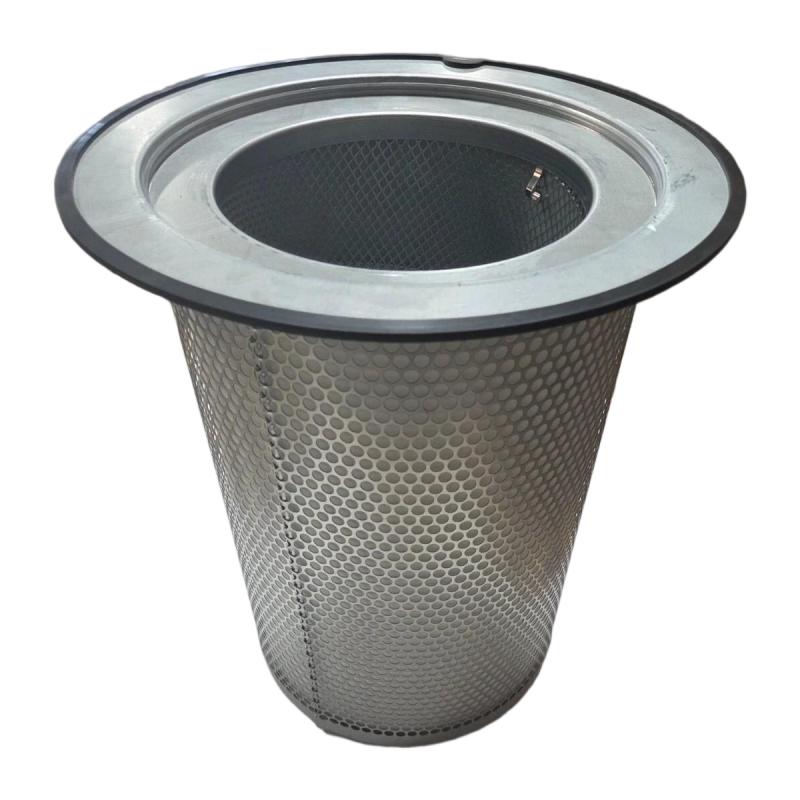
| Air/Oil Separator Element | Separates oil from compressed air |
| Air/Oil Separator Vessel | Houses the separation process in applicable compressor designs |
| Compressor Lubricating Oil | Provides lubrication and supports heat removal |
| Oil Filter | Removes contaminants from the oil circuit |
| Air Intake Filter | Reduces the entry of airborne contaminants |
| Aftercooler | Reduces compressed-air temperature where fitted |
| Moisture Separator | Removes condensed moisture from the air stream |
| Pressure Sensor or Gauge | Indicates system pressure |
| Compressor Controller | Manages operating sequences and monitoring functions |
This table describes general compressor-system relationships. It does not establish that every listed component is included with the repair kit or that a specific component model is compatible with it.
Replacement and Procurement Considerations
When purchasing the Ingersoll Rand 47555208001 / 23531577 Minimum Pressure Valve Repair Kit, confirm the required part number and intended valve application before placing an order.
Important checks include:
- Exact compressor model and configuration
- Original minimum pressure valve identification
- Complete kit part number
- Kit contents and component quantities
- Seal and gasket specifications
- Applicable service instructions
- Physical condition and packaging
- Supplier traceability and product identification
The supplied package dimensions are 160 × 100 × 80 mm, with a listed weight of 1.2 kg. These figures are useful for inventory handling and shipment planning, but they do not prove functional compatibility.
A repair kit should not be selected based on appearance alone. Even small differences in seal material, dimensions, or internal valve components can affect pressure control and sealing performance.
Key Advantages
Targeted Valve Maintenance
A repair kit allows designated service components to be replaced when the valve assembly remains suitable for repair, potentially avoiding unnecessary replacement of the entire valve.
Support for Pressure Regulation
Restoring worn service parts can help return a compatible valve to its intended operating behavior when the original fault is caused by those parts.
Maintenance Planning
A correctly identified repair kit can be included in planned compressor maintenance and spare-parts inventory.
Potential Reduction in Unplanned Downtime
Addressing valve wear during scheduled maintenance may reduce the risk of pressure-related interruptions, provided the underlying fault is correctly diagnosed.
Compact Service Package
The listed dimensions of 160 × 100 × 80 mm and weight of 1.2 kg support straightforward storage and parts-handling planning.
Actual repair results depend on the condition of the valve assembly, the accuracy of the diagnosis, correct installation, and compliance with the manufacturer’s service requirements.
Technical FAQs
What is the Ingersoll Rand 47555208001 / 23531577?
It is identified as a minimum pressure valve repair kit for servicing a compatible Ingersoll Rand compressor valve assembly. Exact application and contents should be verified using the part number and compressor model.
What does a minimum pressure valve do?
In many oil-injected screw compressors, the valve helps maintain internal pressure and regulates the release of compressed air from the separator system to the outlet circuit.
What are the dimensions of the repair kit?
The supplied dimensions are 160 × 100 × 80 mm.
How much does the repair kit weigh?
The supplied weight is 1.2 kg.
What parts are included in the kit?
The exact contents should be confirmed from the kit’s parts list. Repair kits may contain seals and other designated service components, but the contents should not be assumed without verification.
When should a minimum pressure valve be repaired?
Repair may be appropriate when wear or seal deterioration is confirmed and the valve body and other major components remain serviceable. Severe damage may require complete valve replacement.
Can this repair kit solve low compressor pressure?
It may help if the low-pressure condition is caused by a fault in the compatible minimum pressure valve and the repair restores correct operation. Air leaks, restricted filters, excessive demand, control faults, and other mechanical issues can produce similar symptoms.
Can the kit be used with any Ingersoll Rand compressor?
No. Compatibility depends on the compressor model, valve design, and exact part identification. Confirm the application before installation.
Is it safe to repair the valve while the compressor is stopped?
A stopped compressor may still contain stored pressure and hot oil. The system must be isolated, depressurized, and verified safe according to the approved service procedure before the valve is opened.
Conclusion
The Ingersoll Rand 47555208001 / 23531577 Minimum Pressure Valve Repair Kit is a maintenance component intended to support servicing of a compatible compressor minimum pressure valve. The valve helps maintain appropriate internal pressure and regulate compressed-air discharge in many oil-injected compressor systems, making its condition relevant to pressure stability and overall compressor performance.
With supplied dimensions of 160 × 100 × 80 mm and a weight of 1.2 kg, the kit can be managed as part of an industrial compressor spare-parts inventory. Successful repair depends on confirming the correct kit, identifying the actual cause of the valve problem, inspecting the assembly, and following the required service and safety procedures.
Before ordering or installing the kit, verify the complete part numbers, valve compatibility, and kit contents. Correct identification and professional servicing help maintain reliable compressed-air operation while reducing the risk of repeat faults or unnecessary component replacement.