
NewsNEWCENTER
Featured products



Contact Us
Industrial Automation 2026: PLC and DCS Trends Transforming Smart Factories
2026-06-12The industrial automation landscape is rapidly evolving in 2026, driven by advancements in PLC (Programmable Logic Controllers), DCS (Distributed Control Systems), and integrated automation technologies. Smart factories are no longer a futuristic concept—they are being realized across sectors such as automotive, chemical, food processing, and energy. The adoption of advanced PLC and DCS solutions is enabling manufacturers to optimize production efficiency, reduce downtime, and enhance operational safety.
PLCs Driving Real-Time Automation
PLCs remain the backbone of industrial automation, providing precise control over machinery and processes. Modern PLCs offer enhanced connectivity, supporting Ethernet/IP, Modbus, and OPC UA protocols, which allow seamless integration with SCADA systems and IoT platforms. Companies adopting the latest PLC technology can monitor machine performance in real-time, predict maintenance needs, and automate complex processes without human intervention. For instance, high-speed PLCs with multi-core processors now handle thousands of I/O points, making them ideal for large-scale production lines.

DCS Systems for Complex Process Control
Distributed Control Systems continue to dominate industries where complex process control is critical, such as oil and gas, power generation, and chemical manufacturing. Modern DCS platforms integrate advanced analytics, AI-driven process optimization, and robust cybersecurity measures. By centralizing control while maintaining distributed intelligence, DCS systems ensure consistent product quality, operational reliability, and energy efficiency. Integration with digital twins allows engineers to simulate process changes and optimize system parameters without halting production.
Automation Trends in 2026
Several key trends define industrial automation in 2026:
- AI and Machine Learning Integration: PLCs and DCS platforms are incorporating AI algorithms for predictive maintenance, anomaly detection, and energy optimization.
- Edge Computing: Real-time data processing at the edge reduces latency and enhances decision-making on the shop floor.
- Cybersecurity Enhancements: As industrial networks become more connected, PLCs and DCS systems are embedding advanced encryption, authentication, and intrusion detection mechanisms.
- Sustainable Manufacturing: Automation solutions now focus on energy efficiency, emissions reduction, and waste minimization, aligning with global sustainability goals.
- Digital Twin Deployment: Digital replicas of physical processes allow for virtual testing, operational forecasting, and scenario planning.
Applications Across Industries
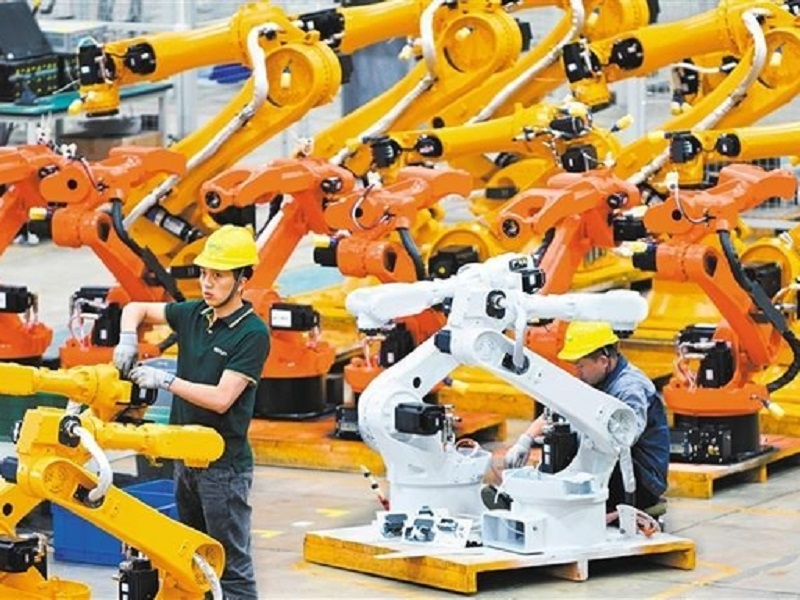
- Automotive: Smart assembly lines with PLC-controlled robotics improve production speed and accuracy.
- Food & Beverage: DCS systems regulate temperature, mixing, and packaging for consistent product quality.
- Energy: PLC-based microgrid management and DCS-controlled power plants enhance efficiency and reliability.
- Pharmaceuticals: Automation ensures precision in dosage, filling, and quality monitoring.
Installation and Maintenance
Modern PLC and DCS systems are designed for modular installation. With standardized protocols and plug-and-play modules, engineers can quickly deploy automation solutions without extensive downtime. Predictive maintenance, supported by AI and cloud analytics, reduces unplanned stoppages and extends equipment lifespan.
Advantages of Modern Automation Solutions
| Advantage | Description |
|---|---|
| Real-Time Monitoring | Immediate insight into process variables and machine status |
| Operational Efficiency | Reduced cycle time and energy consumption |
| Predictive Maintenance | Minimizes downtime and repair costs |
| Enhanced Safety | Automated safety interlocks and fault detection |
| Scalability | Easily expandable systems for future production growth |
FAQs
- Q: What industries benefit most from PLC and DCS upgrades?
A: Automotive, chemical, pharmaceuticals, energy, and food processing sectors see the highest impact. - Q: Can older PLC systems be integrated with modern DCS platforms?
A: Yes, with protocol converters and middleware, legacy systems can communicate with new automation solutions. - Q: How does AI improve PLC and DCS operations?
A: AI enables predictive maintenance, process optimization, and anomaly detection, reducing downtime and improving quality.
Conclusion
Industrial automation in 2026 is defined by intelligent PLCs, advanced DCS systems, and integrated AI technologies. These solutions empower manufacturers to achieve operational excellence, reduce costs, and meet sustainability targets. For companies aiming to remain competitive, investing in modern automation infrastructure is no longer optional—it is essential.