

ProductPRODUCT
Featured products
Contact Us
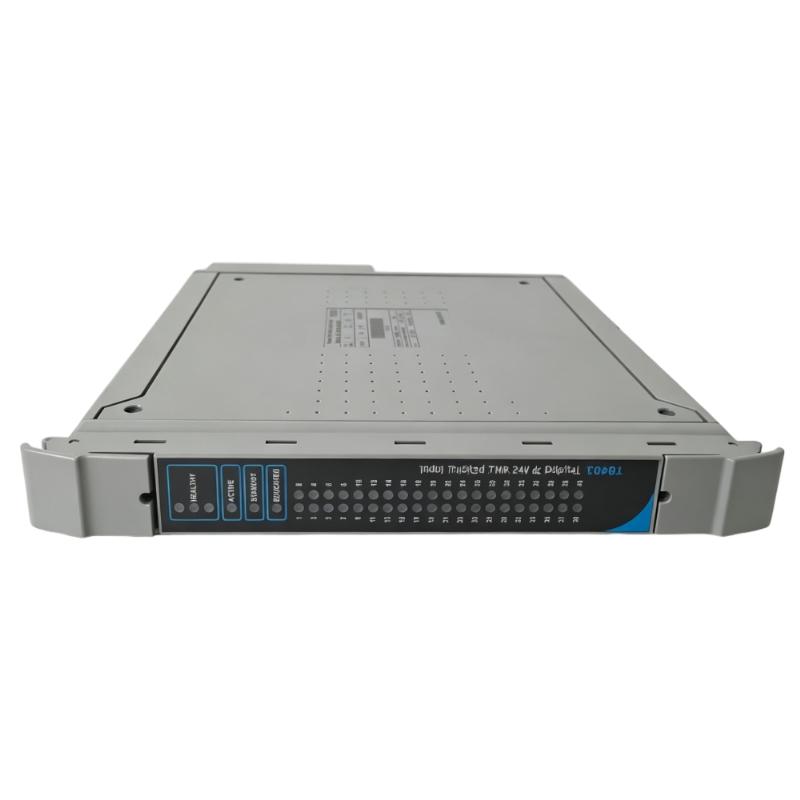
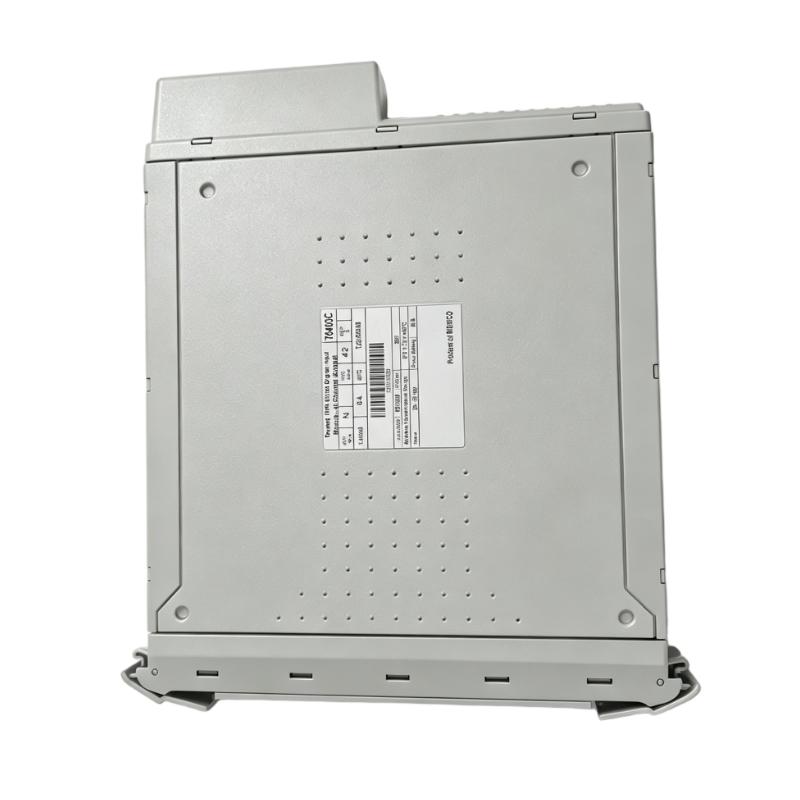
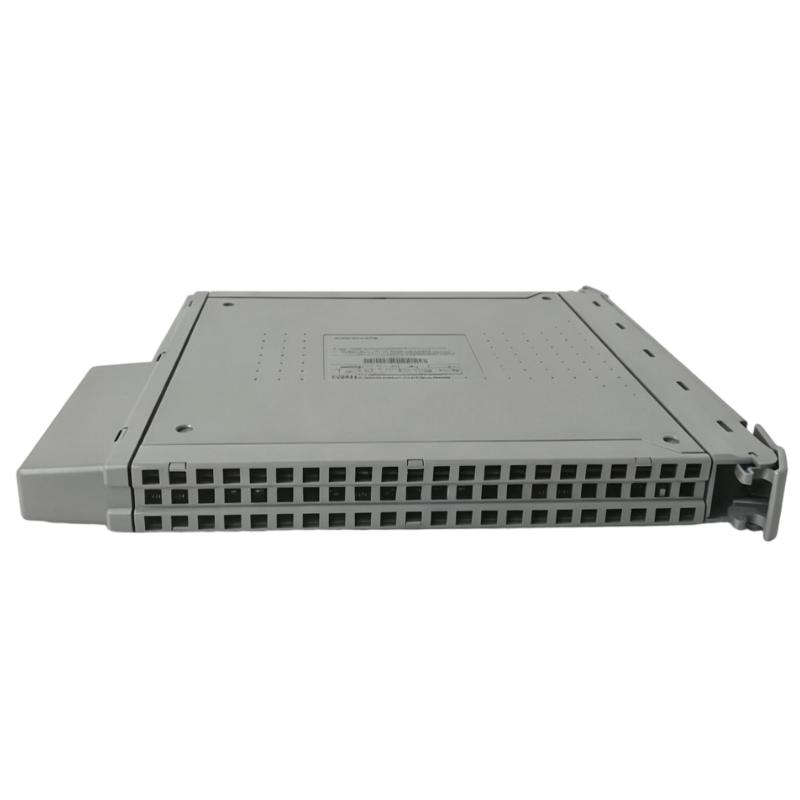
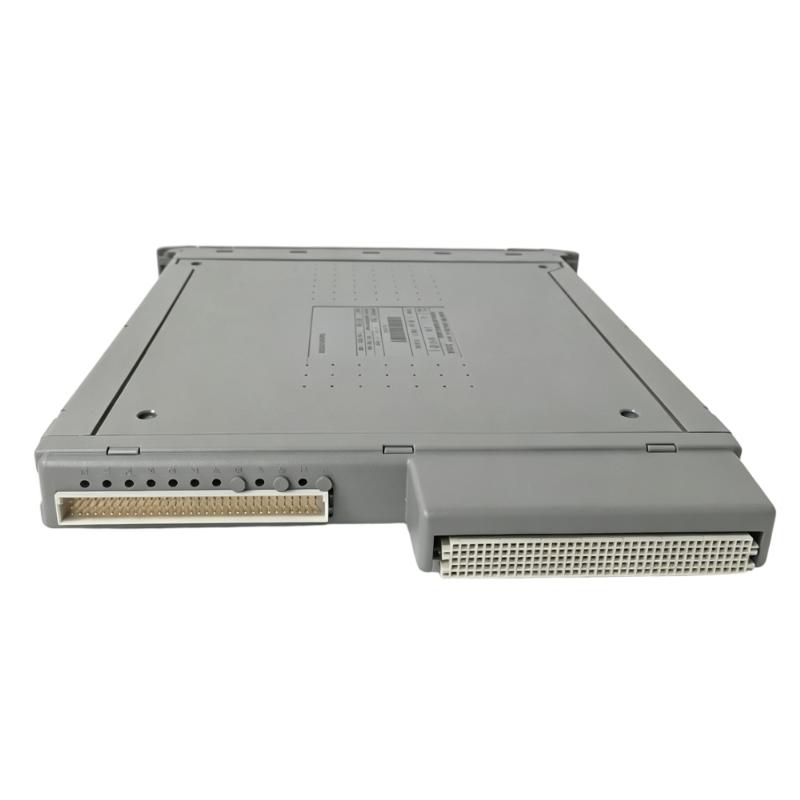
- ICS Triplex
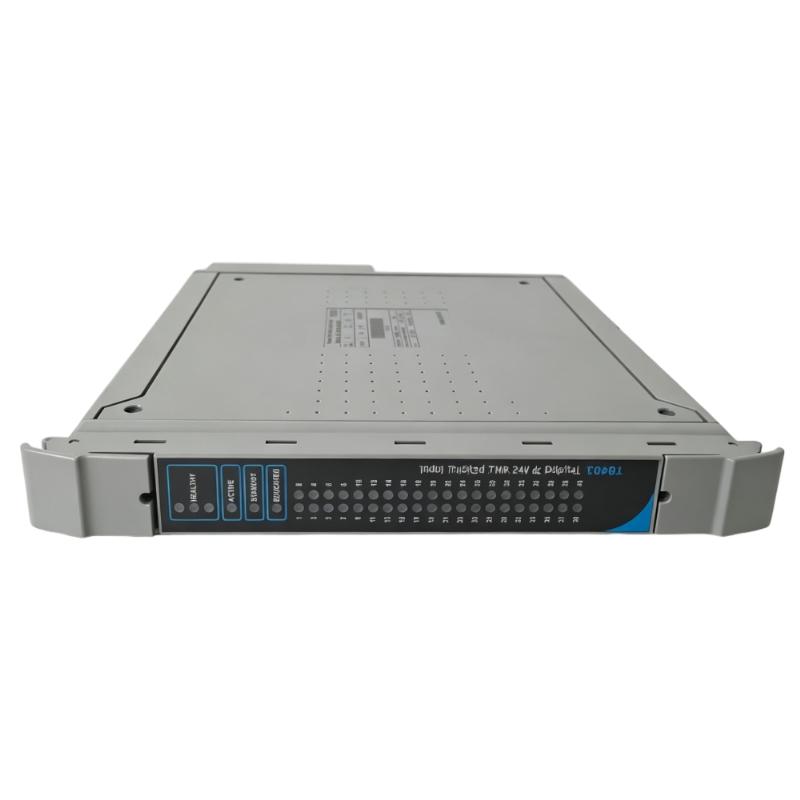
- T8403C
- Digital Input Module
- USA
- 303 × 31 × 266 mm
- 1.18 kg
- Xiamen, China
- New & In Stock
- T/T, PayPal, Western Union
- 1 Year
- 1-3 Working Days
- DHL, UPS, TNT, FedEx and EMS.
- 24-Hour Service
- COO
- 75
Our advantage

Global Logistics
We have a 10-year logistics and express cooperation agreement, so our products can be shipped to any place in the world.

Brand new and original
Our products are imported in bulk from the place of origin. Because of the cooperative relationship, our products are all original and 100% new.

24-hour service
We provide 7*24 hours service to our customers. We will be there whenever you need us.

Price advantage
All our products are priced very favorably because we have our own warehouse and supply.
| Company Information | |||
| [email protected] | |||
| Mobile | +8615980777398 | ||
| +8615980777398 | |||
| 15980777398 |
Product Overview
The ICS Triplex T8403C Trusted Digital Input Module is a digital input module used in the Trusted safety system for acquiring discrete signals from field equipment and making those states available to the Trusted controller.
It fits applications where the control system needs to recognize clear field conditions rather than continuously varying measurements. Typical signals can come from switches, relay contacts, status contacts, or other discrete field devices associated with valves, pumps, motors, shutdown circuits, and process equipment.
In a Trusted installation, the T8403C sits on the input side of the system. A field change such as a contact opening or closing is detected by the input circuitry, processed by the Trusted architecture, and then used by the application logic for status indication, sequencing, permissives, alarms, or safety-related actions.
For troubleshooting, the module should be considered together with the field device, wiring, termination, and configured input channel. This is particularly useful when a digital point remains unexpectedly active or inactive.
Technical Specifications
| Parameter | Specification |
|---|---|
| Manufacturer | ICS Triplex |
| Model | T8403C |
| Product Family | Trusted |
| Product Type | Trusted Digital Input Module |
| Primary Function | Digital Field Signal Acquisition |
| System Role | Digital Input Interface |
| Application | Safety / Industrial Control Systems |
| Installation | Trusted System Architecture |
| Dimensions | 303 × 31 × 266 mm |
| Weight | 1.18 kg |
Product Features
- ICS Triplex Trusted Digital Input Module
- Model T8403C
- Used for discrete field-state acquisition
- Interfaces field contacts and switching signals with the Trusted system
- Suitable for equipment-status monitoring
- Applicable to alarm and interlock functions
- Supports process and safety-system input applications
- Works with the Trusted controller and associated I/O architecture
- Useful for shutdown and permissive monitoring
- Suitable for maintenance and replacement applications
Working Principle
The T8403C receives discrete electrical states from connected field devices and passes the resulting input information into the Trusted control architecture.
A practical signal path is:
Field Contact / Switch → T8403C → Trusted Processor → Application Logic
For example, a field contact associated with a pump or valve can change state when the equipment reaches a particular operating condition. The T8403C detects the corresponding digital input and makes the state available to the Trusted processor.
The application can then use that information for functions such as:
- Equipment status indication
- Alarm generation
- Permissive checking
- Interlock logic
- Sequence control
- Shutdown-related logic
The module handles the field-input interface; the interpretation of each input is determined by the configured Trusted application.
Role in a Trusted Safety Architecture
| System Element | Function |
|---|---|
| T8403C | Acquires digital field signals |
| T8111C | Executes Trusted processing and application logic |
| T8122C | Provides processor interface adaptation |
| T8151C | Handles Trusted communication interface functions |
| Trusted Output Modules | Interface with field output circuits |
| Termination Hardware | Connects field wiring to the I/O system |
| Field Switches / Contacts | Generate digital status signals |
| Field Equipment | Provides process or equipment conditions |
The T8403C occupies the field-input layer between discrete field devices and the Trusted processing system.
Industrial Applications
| Application | Typical Use |
|---|---|
| Emergency Shutdown Systems | Shutdown and equipment-status inputs |
| Oil and Gas | Valve, pump, and process equipment monitoring |
| Chemical Processing | Interlock and permissive signals |
| Power Generation | Equipment protection and status inputs |
| Refining | Process and safety-state monitoring |
| Manufacturing | Machine status and safety inputs |
| Process Plants | Discrete field-state acquisition |
| Industrial Automation | Equipment condition monitoring |
Installation and Maintenance
- Confirm the complete T8403C model before installation or replacement.
- Verify the module’s assigned position in the Trusted I/O architecture.
- Identify the field devices associated with each input channel.
- Check field wiring and termination connections.
- Inspect connectors for looseness or physical damage.
- Verify the expected normal and abnormal input states.
- Check the relevant Trusted diagnostics.
- Compare the observed input state with the actual field-device condition.
- Test the affected channel where permitted by the maintenance procedure.
- Confirm the Trusted application receives the expected state.
- Check associated alarms, permissives, and interlocks.
- Verify system operation after replacement.
- Record the completed maintenance activity.
When a channel appears permanently ON or OFF, trace the signal from the field device through the wiring and termination to the T8403C before concluding that the input module has failed.
Related Components
| Component | Function |
|---|---|
| ICS Triplex T8403C | Trusted Digital Input Module |
| T8111C | Trusted TMR Processor Module |
| T8122C | Trusted Processor Interface Adapter |
| T8151C | Trusted Communication Interface |
| T8290C | Trusted Output Power Distribution Unit |
| Trusted Digital Output Modules | Control field output circuits |
| Trusted Termination Hardware | Field-wiring interface |
| Field Switches / Contacts | Generate digital input states |
Recommended Related Models
| Model / Product Family | Product Type | Typical Application |
|---|---|---|
| ICS Triplex T8403C | Trusted Digital Input Module | Digital field-state acquisition |
| ICS Triplex T8111C | Trusted TMR Processor Module | Safety and control processing |
| ICS Triplex T8122C | Trusted Processor Interface Adapter | Processor-side interfacing |
| ICS Triplex T8151C | Trusted Communication Interface | Trusted system communication |
| ICS Triplex T8290C | Trusted Output Power Distribution Unit | Output power distribution |
| ICS Triplex Trusted Digital Input Modules | Digital Input Module Family | Discrete field monitoring |
| ICS Triplex Trusted Digital Output Modules | Digital Output Module Family | Field actuator control |
| ICS Triplex Trusted I/O Modules | I/O Module Family | Safety-system field interfacing |
Key Advantages
- Trusted Digital Input Module
- Model T8403C
- Acquires discrete field conditions
- Interfaces switches and contacts with the Trusted system
- Suitable for status, alarm, and interlock inputs
- Applicable to safety and process-control systems
- Works with the Trusted processing architecture
- Useful for system maintenance and I/O replacement
Technical FAQs
What distinguishes the T8403C from an analog input module?
The T8403C is intended for discrete states rather than continuously varying process measurements. Its inputs represent defined conditions such as contact states, equipment status, or switching events.
How can an engineer determine whether an unexpected input state originates in the field or the T8403C?
The most useful approach is to compare the actual field-device state with the signal reaching the input channel. Checking the field device, wiring, termination, and channel diagnostics in sequence can help isolate the source of the abnormal indication.
How can a digital input be used in shutdown or interlock logic?
A digital input can represent a discrete condition required by the application, such as a valve position, equipment trip status, or permissive condition. The Trusted application logic then evaluates that state and determines the appropriate response.
What should be verified after replacing a T8403C?
Verify the module status and channel diagnostics, then test representative field conditions. The corresponding states should also be confirmed within the Trusted application, particularly for points associated with alarms, permissives, interlocks, or shutdown functions.