
NewsNEWCENTER
Featured products
Contact Us
Honeywell Expands Industrial Automation Intelligence with Experion DCS, AI and Digital Plant Solutions
2026-07-13The global industrial automation industry is entering a new stage of development as manufacturers and process companies accelerate digital transformation, intelligent control, and automation modernization. Industries such as oil and gas, chemical production, energy, pharmaceuticals, and manufacturing are facing increasing pressure to improve efficiency, reduce operational risks, and optimize production performance.
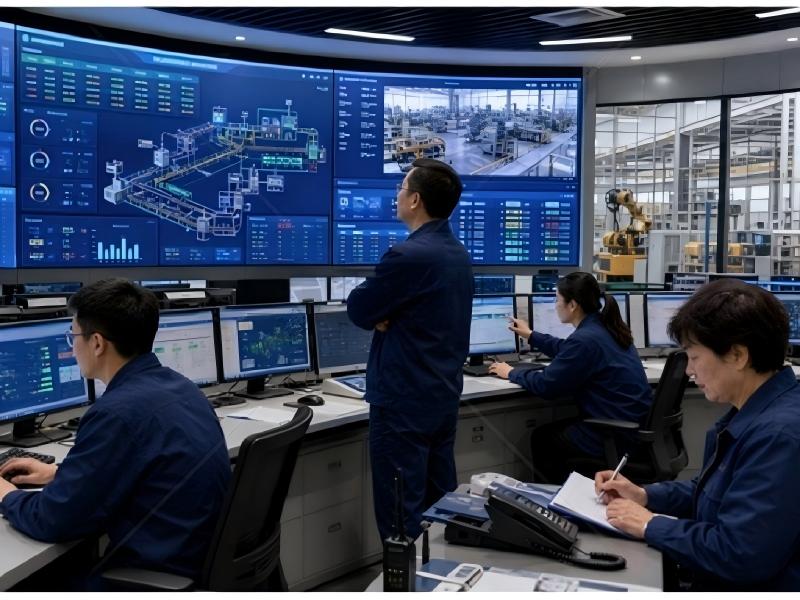
Honeywell continues to strengthen its industrial automation solutions by combining distributed control system technology, industrial software, advanced analytics, and artificial intelligence capabilities.
The evolution of the Honeywell Experion automation platform reflects a major shift in the process control industry. Traditional DCS systems were mainly designed for monitoring and controlling industrial processes. Modern intelligent automation platforms are expanding beyond basic control functions by supporting data analysis, predictive maintenance, operational optimization, and digital plant management.
For industrial companies operating complex facilities, intelligent DCS technology has become an important foundation for improving reliability, safety, and productivity.
The Changing Role of DCS Systems in Modern Industry
Distributed Control Systems have played a critical role in industrial operations for decades.
Large-scale process industries rely on DCS technology because production processes require:
- Continuous operation
- High reliability
- Accurate control
- Fast response
- Advanced monitoring
Traditional DCS systems provide essential functions such as:
- Process measurement
- Control loop management
- Alarm monitoring
- Operator interface
- Equipment supervision
However, industrial requirements have changed significantly.
Modern plants require automation systems that can provide:
- Real-time operational intelligence
- Better production visibility
- Predictive equipment analysis
- Energy optimization
- Integration with enterprise systems
This change is driving the development of intelligent DCS solutions.
The future of process automation is moving toward systems that not only control industrial processes but also help companies make better operational decisions.
Honeywell Experion Supports Next Generation Process Control
Honeywell Experion has become an important automation platform for process industries worldwide.
The system is designed to support complex industrial environments where safety, reliability, and operational efficiency are essential.
Modern process facilities depend on automation platforms to manage thousands of operational variables, including:
- Temperature
- Pressure
- Flow
- Level
- Equipment status
- Production parameters
A powerful DCS platform allows operators and engineers to monitor these conditions and maintain stable production.
Beyond traditional control capabilities, modern automation platforms are increasingly focused on improving operational intelligence.
This includes:
- Better information management
- Advanced diagnostics
- Process optimization
- Improved operator decision support
These capabilities help industrial companies achieve higher levels of efficiency.
Industrial AI Brings New Capabilities to Process Automation
Artificial intelligence is becoming one of the most important technologies influencing the future of industrial automation.
Traditional automation systems operate based on predefined engineering logic.
Industrial AI introduces additional capabilities by analyzing large volumes of operational information and identifying patterns that may not be visible through conventional methods.
In process industries, AI technology can support several important applications.
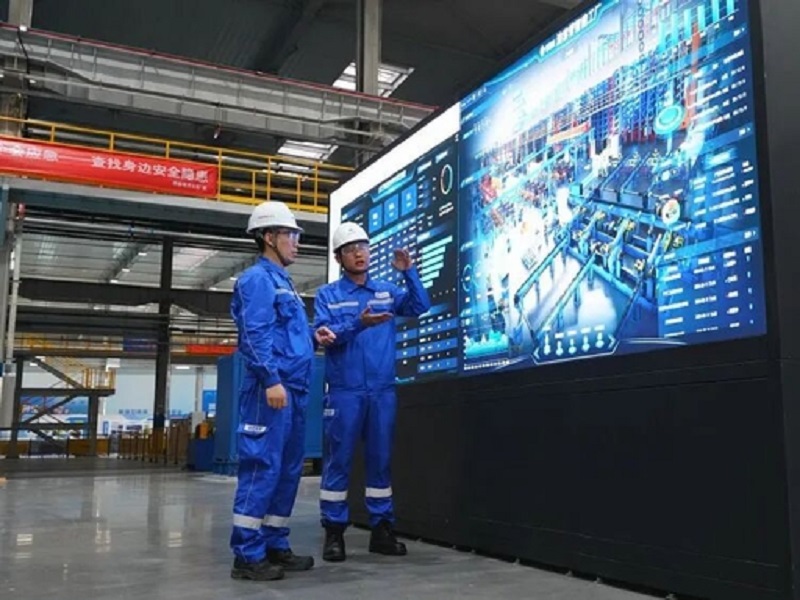
Predictive Maintenance and Equipment Health Monitoring
Industrial equipment failures can cause significant production losses.
Equipment such as:
- Pumps
- Compressors
- Motors
- Valves
- Turbines
must operate reliably for continuous production.
AI-based monitoring systems can analyze equipment information and identify unusual operating conditions.
This allows maintenance teams to:
- Detect potential problems earlier
- Plan maintenance activities
- Reduce unexpected shutdowns
- Improve equipment lifecycle management
Predictive maintenance is becoming a key application of intelligent automation.
Advanced Process Optimization
Many industrial processes involve thousands of operating parameters.
Engineers must balance:
- Production efficiency
- Product quality
- Energy consumption
- Equipment performance
Industrial AI can analyze historical and real-time process information to identify optimization opportunities.
This helps companies improve:
- Production output
- Process stability
- Resource utilization
AI-supported optimization provides additional value beyond traditional control strategies.
Digital Plant Transformation Improves Industrial Efficiency
Modern industrial facilities generate massive amounts of operational data.
Information comes from:
- DCS systems
- PLC controllers
- Field instruments
- Sensors
- Industrial networks
- Production equipment
The challenge is converting this information into meaningful improvements.
Digital plant technologies help companies create a more connected operating environment.
A digital industrial architecture can support:
- Real-time monitoring
- Data visualization
- Performance analysis
- Remote operation
- Maintenance planning
For plant operators and engineers, this provides a clearer understanding of production conditions.
Instead of reacting to problems after they occur, companies can use data to prevent issues before they affect production.
Integration Between PLC Systems and DCS Platforms
Although DCS systems are widely used in process industries, PLC technology remains essential for industrial automation.
Many modern facilities use both PLC and DCS systems together.
PLC systems are commonly responsible for:
- Machine control
- Equipment sequencing
- Packaging operations
- Local automation tasks
DCS systems are commonly responsible for:
- Continuous process control
- Plant-wide monitoring
- Process optimization
The integration between PLC and DCS systems creates a complete automation environment.
For example:
A PLC may control a motor-driven machine.
The DCS system may monitor overall process conditions.
Industrial networks connect both systems.
Operational data becomes available for analysis.
This integrated approach improves production efficiency and operational visibility.
Industrial Cybersecurity Becomes More Important
As automation systems become more connected, cybersecurity has become a major concern for industrial companies.
Modern plants increasingly connect automation systems with:
- Industrial networks
- Remote monitoring platforms
- Enterprise software
While connectivity improves efficiency, it also increases security requirements.
Industrial companies must protect:
- Control systems
- Production data
- Communication networks
- Automation infrastructure
Future DCS development will continue focusing on secure connectivity and reliable operation.
Cybersecurity will become a fundamental part of industrial automation design.
Automation Modernization Helps Extend Industrial System Lifecycle
Many industrial facilities continue operating automation systems that were installed years ago.
These systems may still provide reliable operation but face challenges such as:
- Aging components
- Limited communication functions
- Difficult maintenance
- Lack of advanced analytics
Automation modernization provides a practical solution.
Companies can gradually upgrade their systems through:
- Controller improvements
- Software upgrades
- Network modernization
- Operator interface updates
- Digital integration
This approach allows manufacturers to improve automation performance while reducing production interruption.
For industrial automation suppliers, modernization creates opportunities in:
- DCS spare parts
- Control modules
- Communication equipment
- Automation engineering services
Future Outlook: Intelligent DCS Will Shape Industrial Automation Development
The future of process automation will be defined by the combination of reliable control technology and intelligent digital solutions.
Industrial companies are moving toward automation environments where:
- Data supports decisions
- AI improves efficiency
- Systems predict problems
- Processes become optimized
- Operations become more sustainable
Honeywell Experion represents the broader evolution of DCS technology from traditional process control toward intelligent industrial management.
As industries worldwide continue modernizing their facilities, intelligent automation systems will become increasingly important.
Companies that successfully adopt digital automation technologies will gain advantages in:
- Operational efficiency
- Equipment reliability
- Production flexibility
- Long-term competitiveness
Conclusion
Industrial automation is rapidly evolving as companies adopt intelligent DCS systems, artificial intelligence, and digital plant technologies.
Honeywell Experion demonstrates how modern process automation platforms are expanding beyond traditional control functions and becoming intelligent operational systems.
By combining DCS reliability with digital technologies, industrial companies can improve safety, efficiency, and production performance.
The future of industrial operations will depend on connected automation systems that integrate control, data, analytics, and intelligent decision-making.
As global industries continue their digital transformation journey, advanced DCS solutions will remain a critical foundation for modern manufacturing and process automation.