
NewsNEWCENTER
Featured products
Contact Us
Allen-Bradley 1440-VST02-01RA Dynamic Measurement Module Fault Troubleshooting Guide
2026-07-13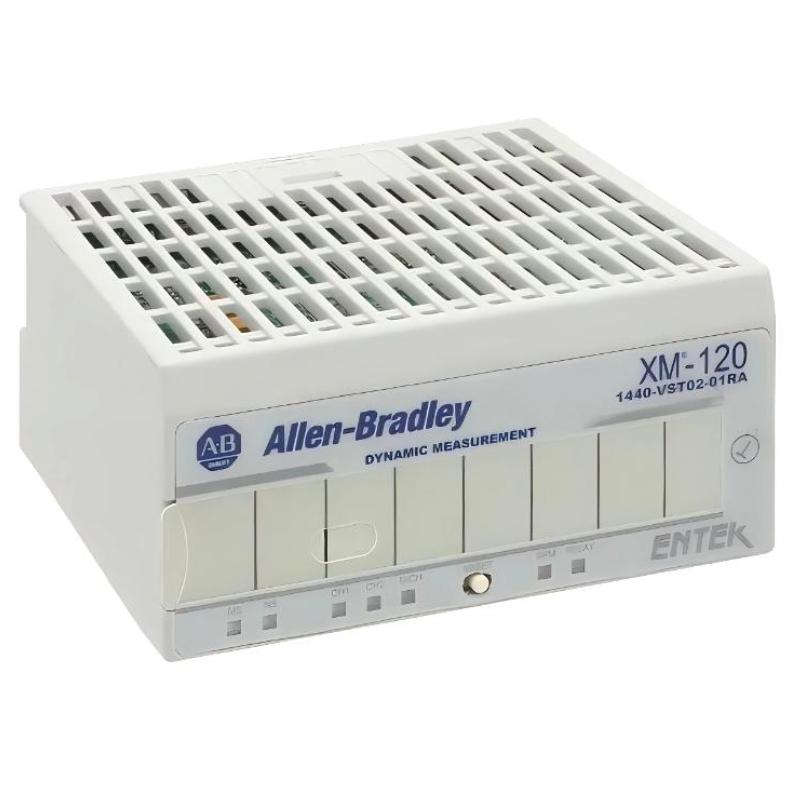
Table of Contents
- Field Case: Abnormal Dynamic Measurement Signal During Machine Operation
- 1440-VST02-01RA Dynamic Measurement Module Fault Symptoms
- XM-120 Dynamic Measurement Fault Diagnosis Process
- Common Causes of Dynamic Measurement Module Faults
- 1440-VST02-01RA Troubleshooting Procedure
- Dynamic Measurement Module Repair and Recovery Actions
- System Verification After Fault Recovery
- FAQs on 1440-VST02-01RA Troubleshooting
- Engineering Summary
Field Case: Abnormal Dynamic Measurement Signal During Machine Operation
The Allen-Bradley 1440-VST02-01RA Dynamic Measurement Module Troubleshooting process requires a complete investigation of the measurement system. In one industrial rotating equipment application, operators noticed unstable dynamic measurement data during normal machine operation.
The control system showed unexpected signal fluctuations, while mechanical inspection confirmed that the equipment was operating normally. Engineers performed a complete Fault Diagnosis process and found that the issue was caused by signal interference and incorrect sensor connection rather than a damaged Dynamic Measurement Module.
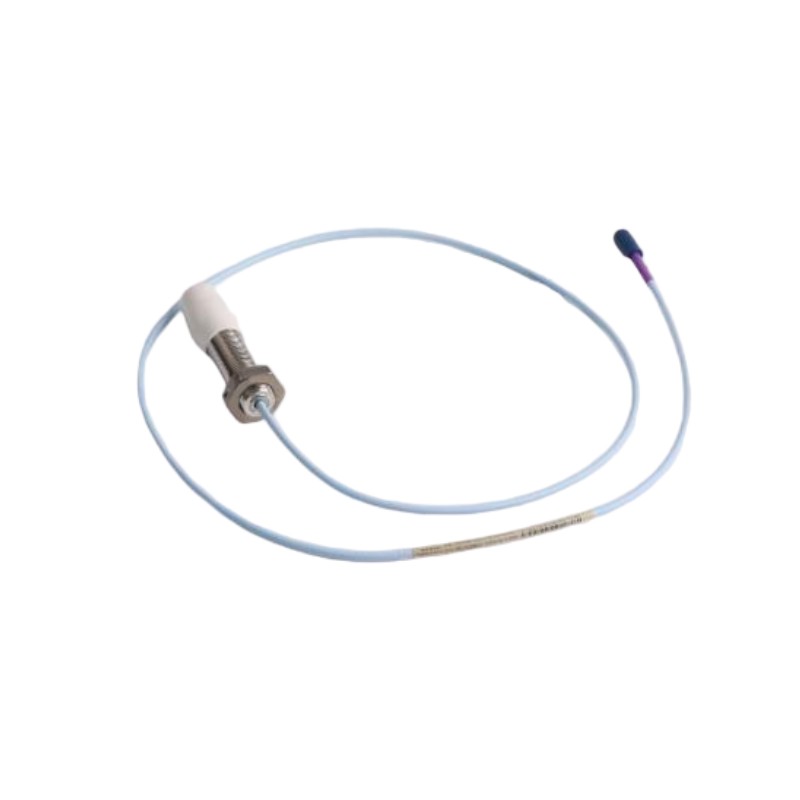
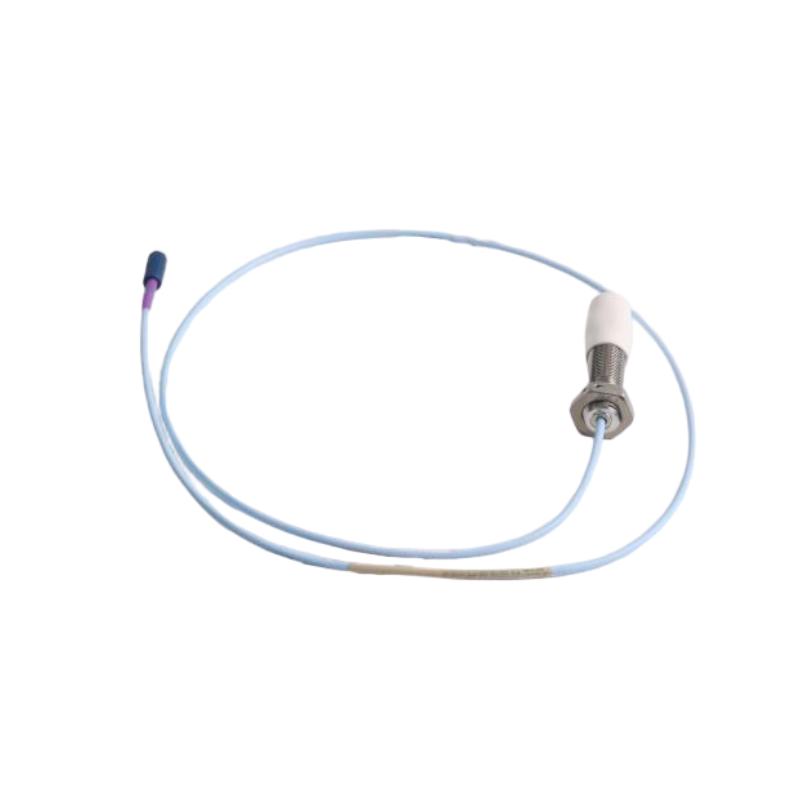
This type of field case shows that measurement faults should be analyzed through the entire signal chain, including the Sensor, wiring, Module, communication system, and configuration parameters.
1440-VST02-01RA Dynamic Measurement Module Fault Symptoms
Common fault symptoms found during troubleshooting include:
- Unstable dynamic measurement values
- Incorrect machine condition data
- Sudden signal changes without mechanical reason
- Intermittent communication loss
- Abnormal alarm activation
- Missing measurement channel data
These symptoms may come from external conditions, so engineers should complete a full diagnosis before replacing the module.
XM-120 Dynamic Measurement Fault Diagnosis Process
A professional Fault Diagnosis process should follow these steps:
- Confirm actual machine operating condition
- Review historical measurement trends
- Check sensor installation status
- Inspect signal cable condition
- Verify module operating status
- Check communication stability
- Review System Configuration parameters
This diagnostic method helps identify whether the problem originates from the machine, sensor, wiring, communication network, or the Dynamic Measurement Module itself.
Common Causes of Dynamic Measurement Module Faults
The most common causes of 1440-VST02-01RA faults include:
- Incorrect sensor connection
- Loose terminal wiring
- Damaged signal cables
- Poor shielding protection
- Electrical interference
- Incorrect channel configuration
- Communication instability
- Improper alarm settings
In many industrial applications, signal quality problems are more common than internal electronic failures.
1440-VST02-01RA Troubleshooting Procedure
A practical troubleshooting workflow includes:
- Check the abnormal measurement channel
- Compare current values with normal operating data
- Inspect sensor and cable connections
- Verify communication status
- Check module configuration
- Test system operation after correction
XM120_FAULT_DIAG

MODEL = 1440-VST02-01RA
CHECK = SENSOR_SIGNAL
CHECK = CABLE_STATUS
CHECK = MODULE_STATUS
CHECK = COMMUNICATION
CHECK = CONFIGURATION
During one maintenance case, engineers observed unstable dynamic signals that changed significantly while the machine load remained constant. After inspection, the cause was identified as a loose sensor terminal connection. After reconnecting the terminal and checking the signal path, the system returned to stable operation.
Dynamic Measurement Module Repair and Recovery Actions
After identifying the root cause, engineers can perform the following recovery actions:
- Reconnect loose sensor wiring
- Replace damaged signal cables
- Improve cable shielding method
- Correct channel configuration
- Adjust monitoring parameters
- Restore communication stability
In many cases, the Dynamic Measurement Module can return to normal operation after correcting external problems without replacing the hardware.
System Verification After Fault Recovery
After completing troubleshooting, engineers should perform final system verification:
- Confirm stable measurement signals
- Verify communication reliability
- Check alarm functions
- Monitor equipment operation
- Record maintenance results
A complete verification process ensures that the monitoring system can provide reliable information for future condition analysis.
FAQs on 1440-VST02-01RA Troubleshooting
Why does the dynamic measurement value become unstable?
Possible causes include sensor problems, wiring issues, electrical interference, communication faults, or incorrect configuration settings.
Should the 1440-VST02-01RA module be replaced when a fault occurs?
No. Engineers should first check the complete measurement system before deciding whether hardware replacement is required.
What is the first step in troubleshooting?
The first step is confirming whether the problem comes from the machine condition, sensor signal, wiring, communication, or module configuration.
Engineering Summary
The Allen-Bradley 1440-VST02-01RA Dynamic Measurement Module Fault Troubleshooting process requires systematic analysis of the complete monitoring system. Field experience shows that most dynamic measurement problems are related to sensor connection, cable quality, communication stability, or configuration errors. A structured Fault Diagnosis method can restore reliable operation while reducing unnecessary module replacement and maintenance costs.