
NewsNEWCENTER
Featured products



Contact Us
Global PLC Market Accelerates as Industries Embrace Smart Automation in 2026
2026-06-11The global Programmable Logic Controller (PLC) market continues to witness unprecedented growth in 2026, driven by the rising adoption of smart automation technologies across manufacturing, energy, and logistics sectors. PLCs, known for their reliability and flexibility in industrial control systems, are being integrated with Internet of Things (IoT) and Artificial Intelligence (AI) solutions, enabling industries to achieve real-time monitoring, predictive maintenance, and optimized production workflows.
According to recent industry observations, manufacturers are increasingly replacing legacy systems with next-generation PLCs capable of handling complex automation tasks. The integration of high-speed communication protocols, such as EtherCAT and PROFINET, allows faster data transmission between devices, reducing latency and improving process efficiency.
Technical Advances in PLCs
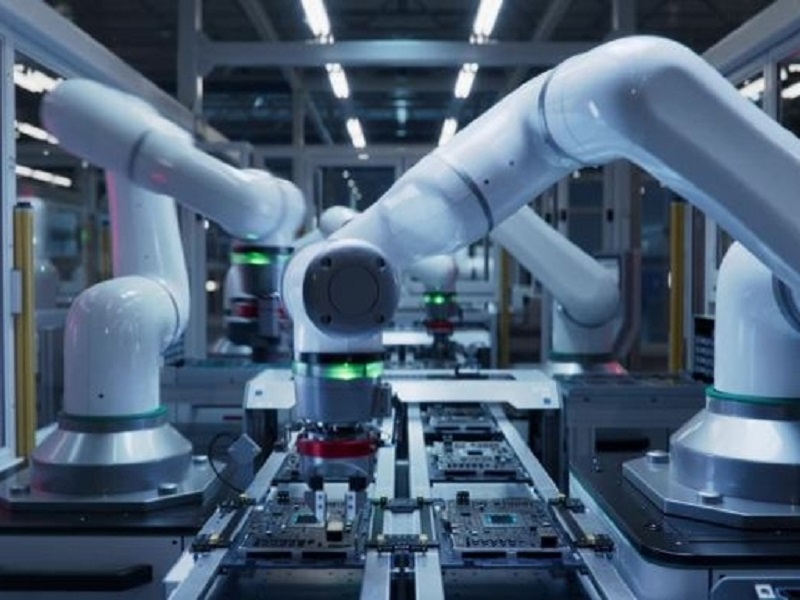
Modern PLCs now offer modular designs that support both discrete and continuous process control. Advanced PLC models come with embedded cybersecurity features, protecting sensitive industrial networks from potential cyber threats. Additionally, manufacturers are offering cloud-connected PLC platforms, allowing remote programming, monitoring, and firmware updates.
Impact on Industrial Sectors
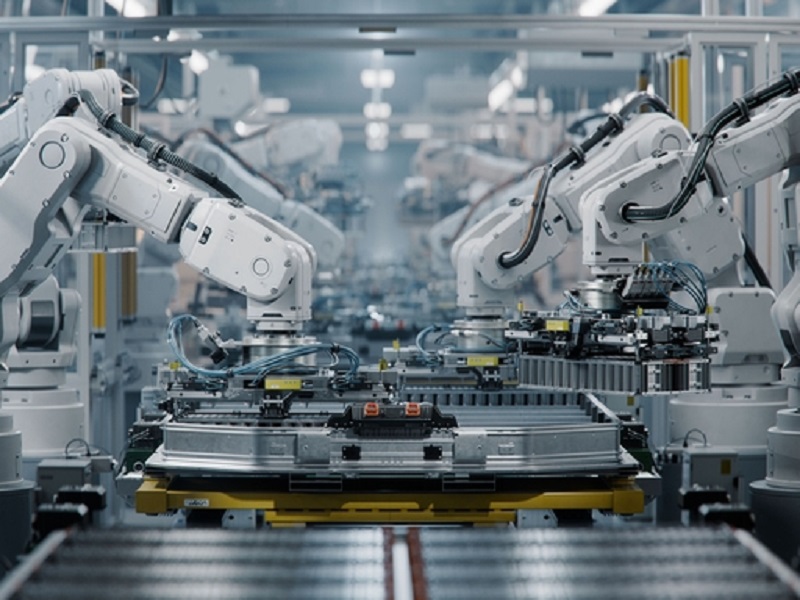
In the automotive industry, PLCs are being used to automate assembly lines with higher precision, minimizing human errors and increasing production output. In chemical and petrochemical plants, PLCs help manage complex processes such as mixing, temperature control, and reaction monitoring. Moreover, logistics and warehousing companies leverage PLC-driven automation to improve inventory tracking, automated sorting, and conveyor management systems.
Future Outlook
Industry experts predict that the PLC market will continue its upward trend, with significant demand from emerging economies investing in Industry 4.0 infrastructure. Companies are also focusing on hybrid automation systems combining PLCs with Distributed Control Systems (DCS) for enhanced scalability and flexibility.
Conclusion
As industrial automation becomes increasingly intelligent and connected, PLCs remain a cornerstone of modern manufacturing and processing industries. The ongoing evolution in PLC technology promises not only improved operational efficiency but also a safer, more reliable, and more sustainable industrial environment.