

ProductPRODUCT
Featured products
Contact Us
- GE
- VMIVME-5565
- Reflective Memory VME Node Card
- USA
- 180 × 100 × 20 mm
- 0.68 kg
- Xiamen, China
- New & In Stock
- T/T, PayPal, Western Union
- 1 Year
- 1-3 Working Days
- DHL, UPS, TNT, FedEx and EMS.
- 24-Hour Service
- COO
- 4
Our advantage

Global Logistics
We have a 10-year logistics and express cooperation agreement, so our products can be shipped to any place in the world.

Brand new and original
Our products are imported in bulk from the place of origin. Because of the cooperative relationship, our products are all original and 100% new.

24-hour service
We provide 7*24 hours service to our customers. We will be there whenever you need us.

Price advantage
All our products are priced very favorably because we have our own warehouse and supply.
| Company Information | |||
| [email protected] | |||
| Mobile | +8615980777398 | ||
| +8615980777398 | |||
| 15980777398 |
Product Overview
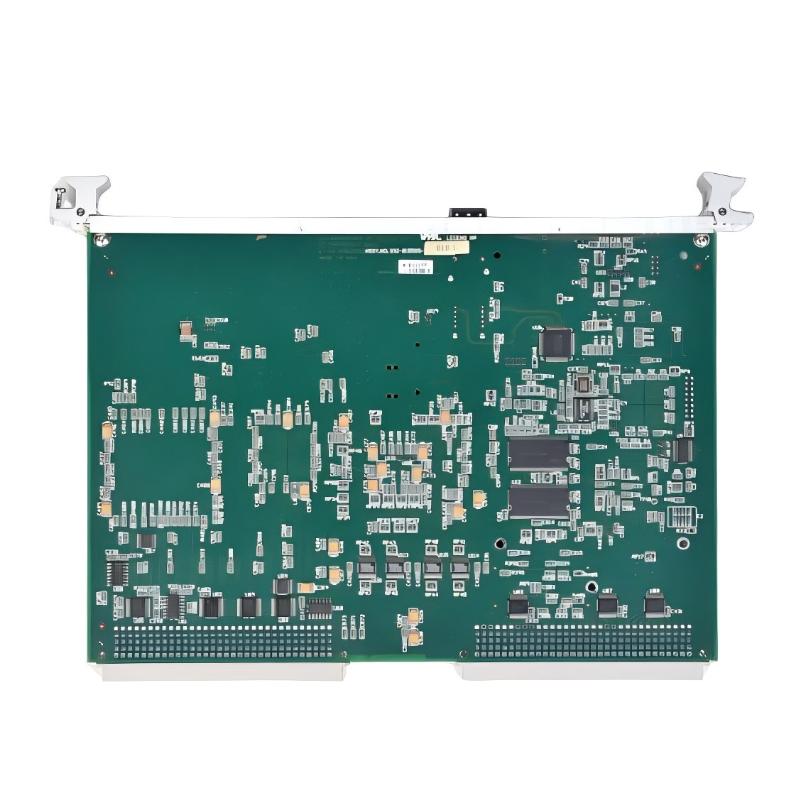
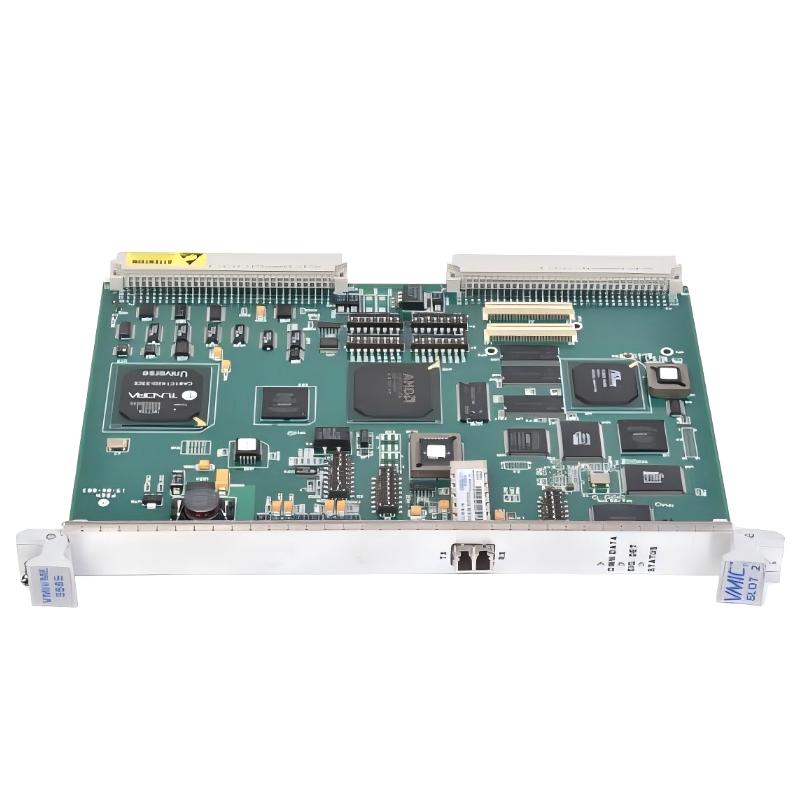
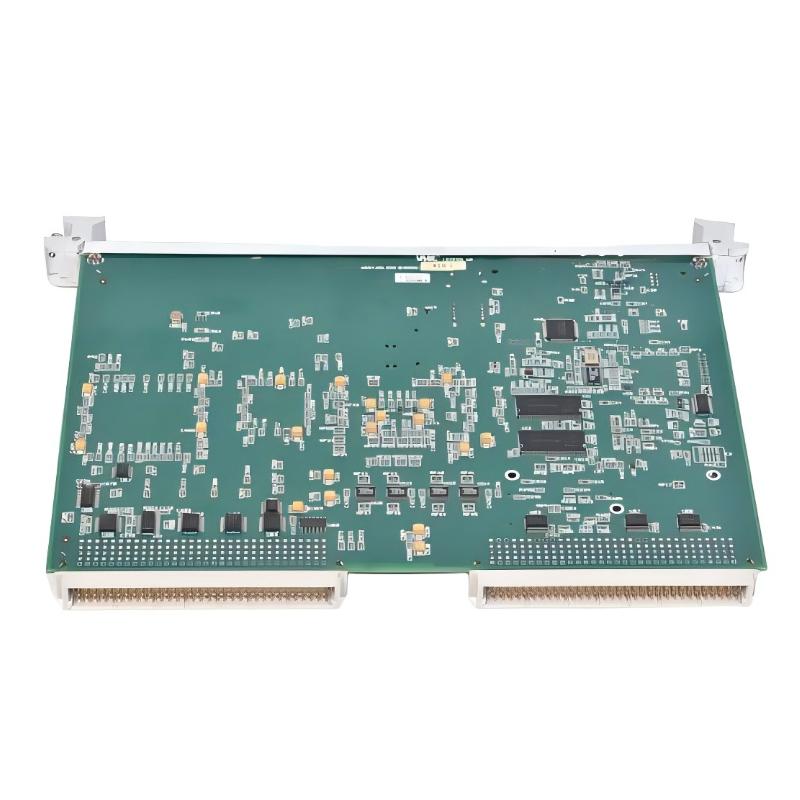
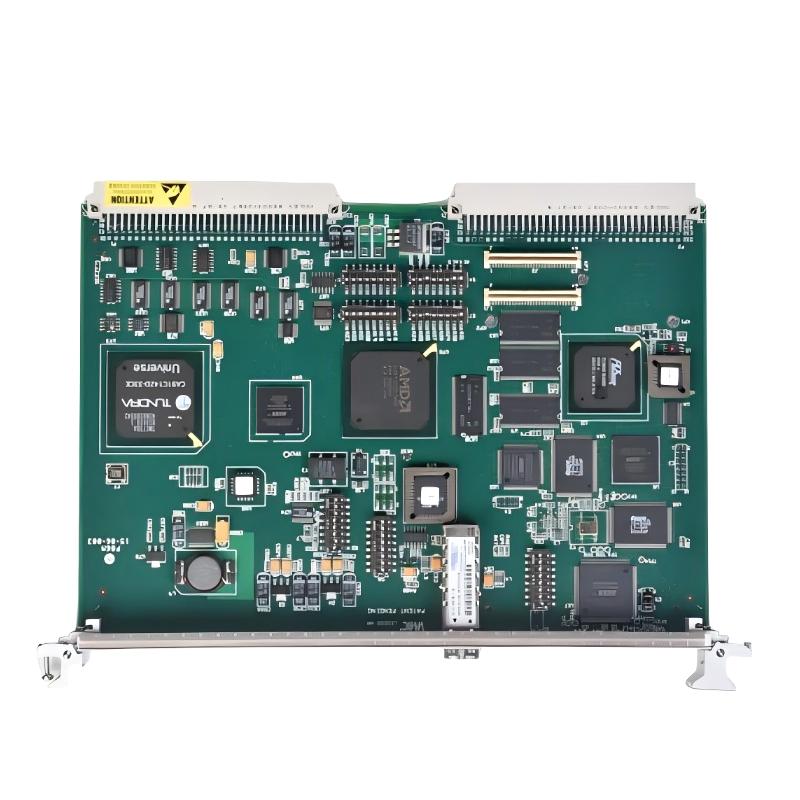
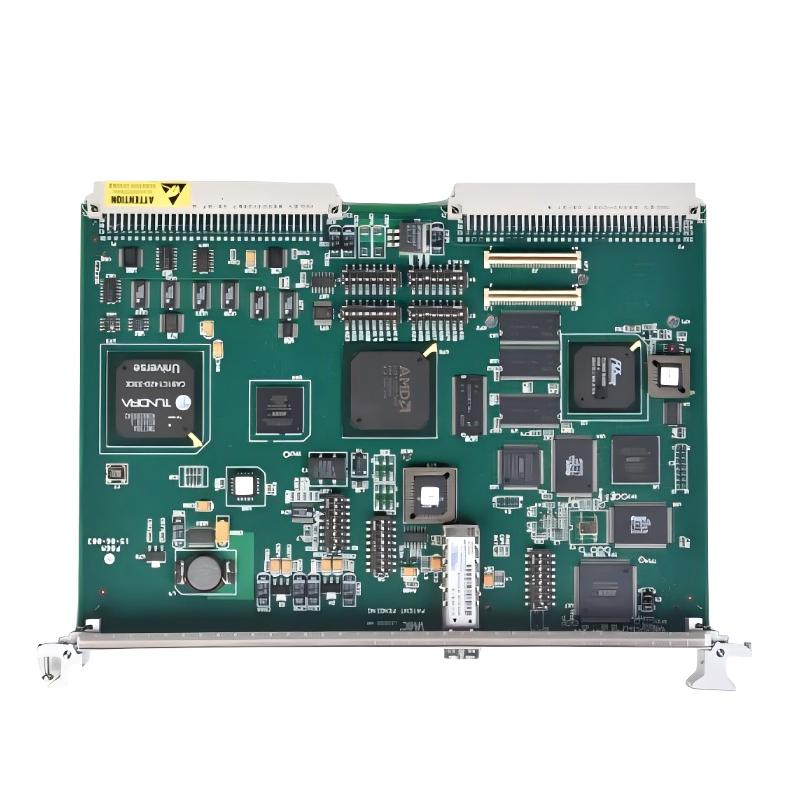
The GE VMIVME-5565 Reflective Memory VME Node Card is a high-speed data-sharing interface used in VME-based industrial control, simulation, and real-time computing systems. Reflective memory technology allows data written by one node to be distributed to other nodes on the same network, enabling multiple processors or controllers to access shared information without relying on repeated software-managed transfers between individual systems.
In applications where coordinated data exchange is important, such as industrial simulation, distributed control, test systems, and real-time monitoring, the VMIVME-5565 serves as a communication interface between a VME host and a reflective memory network. Each participating node can access shared data through its local memory interface, helping reduce the processing overhead associated with conventional message-based communication.
The board is part of GE’s VMIC VME product family and is intended for integration into compatible VME computing platforms. When maintaining an existing installation, engineers should verify the network interface, optical connection requirements, node configuration, driver support, and compatibility with the other reflective memory cards in the system. These checks are particularly important when replacing a card in a distributed system where several nodes depend on consistent data exchange.
Technical Specifications
| Parameter | Specification |
|---|---|
| Brand | GE |
| Model | VMIVME-5565 |
| Product Series | VMIC VME |
| Product Type | Reflective Memory VME Node Card |
| Board Category | Reflective Memory Interface |
| Primary Function | Distributed data sharing |
| System Architecture | VME-based computing system |
| Network Type | Reflective memory network |
| Communication Method | Shared data distribution between connected nodes |
| Host Interface | VME bus |
| Network Interface | Verify the installed interface configuration |
| Data Access | Local access to shared network data |
| Typical Application | Real-time data exchange and distributed control |
| Installation Type | VME system board |
| Dimensions | 180 × 100 × 20 mm |
| Weight | 0.68 kg |
Product Features
- Reflective memory communication: Supports a network architecture in which data written by one node is distributed to participating nodes, allowing systems to share information without depending entirely on conventional network messaging.
- VME host integration: Connects to a compatible VME computing platform, enabling host software to exchange data with other systems through the reflective memory interface.
- Distributed data access: Allows participating nodes to access shared data through their local interface, which can simplify the exchange of status values, measurement results, and control information.
- Support for real-time applications: Reflective memory architectures are suited to applications that require predictable data distribution and frequent information updates between multiple computing nodes.
- Reduced communication overhead: By distributing updates through the reflective memory network, the architecture can reduce the need for repeated host-managed transfers between every pair of systems.
- Multi-node system integration: Can serve as one node within a larger distributed computing arrangement, subject to the network capacity and configuration of the installed reflective memory system.
- Support for legacy VME installations: Provides a board-level component for maintaining compatible computer-based control, simulation, and data acquisition systems built around the VME architecture.
- Shared-state coordination: Enables applications to maintain common data structures across connected nodes, helping coordinate system status and exchange information between separate processors.
- System-dependent network configuration: Correct operation depends on compatible node hardware, the appropriate network connections, supported drivers, and consistent software configuration across participating systems.
- Useful for system expansion and replacement: Can be evaluated when an existing reflective memory node requires replacement or when maintaining a compatible distributed VME installation.
Working Principle
The GE VMIVME-5565 operates as a node interface between a VME host system and a reflective memory network. The central principle of reflective memory is that data written to a designated memory location by one node is propagated to the corresponding memory locations of other participating nodes. This gives each node access to a shared representation of the system’s data.
A typical data exchange sequence follows these stages:
- Host data write: An application running on the VME host writes new information to the memory area assigned to the reflective memory interface.
- Network distribution: The node interface transmits the update across the reflective memory network to the other connected nodes.
- Remote memory update: Participating nodes receive the update and reflect the data into their corresponding local memory areas.
- Local data access: Applications on those nodes read the updated information through their local interface, subject to the system’s synchronization and software design.
- Application response: Each host application processes the shared information and performs its configured monitoring, calculation, coordination, or control tasks.
- Continued data exchange: Further writes are distributed as required, allowing the nodes to maintain an updated shared data environment.
This approach is particularly useful when multiple processors need access to the same evolving data set. For example, a simulation computer can publish calculated values while other computers consume those values for visualization, analysis, or coordinated simulation tasks.
The reflective memory card provides the communication path; it does not independently coordinate every application-level transaction. Data consistency, write ownership, update sequencing, and error handling must be addressed by the host software and overall system design.
Role in a VME-Based Distributed Control Architecture
The VMIVME-5565 provides the connection between a VME host and a reflective memory network. It allows information generated by one computing node to become available to other nodes, supporting distributed applications that require coordinated access to shared data.
| System Component | Function | Relationship to the VMIVME-5565 |
|---|---|---|
| VME Host CPU Board | Executes control, simulation, or data acquisition software | Generates and consumes data exchanged through the reflective memory interface |
| VMIVME-5565 Node Card | Connects the host to the reflective memory network | Transfers shared data between the host and participating nodes |
| Reflective Memory Network | Distributes data updates between connected nodes | Provides the communication medium for shared data exchange |
| Optical Network Cable | Connects compatible optical network interfaces | Carries network traffic where the installed card configuration uses optical connections |
| Remote Reflective Memory Node | Participates in the same shared memory network | Receives updates and makes shared data available to its host |
| Host Memory | Holds application data and working variables | Supplies and consumes information exchanged through the node interface |
| Device Drivers | Allow host software to access the board’s functions | Provide the software interface required for communication |
| Application Software | Defines data structures and application behavior | Determines how shared values are written, interpreted, synchronized, and used |
In a distributed installation, a failure affecting one node may interrupt that node’s access to shared information while other nodes continue operating, depending on the network design. Troubleshooting should therefore distinguish between a local VME interface issue, a card fault, a network connection problem, a remote-node failure, and a software configuration error.
Industrial Applications
| Application | Typical Data Exchange Requirement | Role of the VMIVME-5565 |
|---|---|---|
| Distributed Industrial Control | Sharing status, commands, and process values between computing nodes | Provides a shared data path for compatible VME-based control systems |
| Real-Time Simulation | Distributing calculated variables between simulation processors | Allows participating computers to access updated simulation data |
| Hardware-in-the-Loop Testing | Exchanging model values and test results between real-time computers and test equipment | Supports low-overhead data distribution in a compatible test architecture |
| Aerospace and Defense Test Systems | Coordinating information across multiple processing units | Provides reflective memory connectivity where specified by the system design |
| Industrial Test Benches | Sharing measurements, test states, and calculated results | Enables common data access among connected test computers |
| Data Acquisition Systems | Distributing acquired measurements to separate processing or display nodes | Supports data sharing between compatible acquisition and analysis systems |
| Process Monitoring Platforms | Making selected operating values available to several applications | Provides a common data exchange path for distributed monitoring |
| Legacy VME Computing Systems | Maintaining existing distributed computing installations | Serves as a replacement or maintenance component in compatible reflective memory networks |
The suitability of the board for a specific application depends on the installed hardware version, network topology, supported data transfer behavior, host software, and the timing requirements of the overall system. It should not be assumed that every reflective memory board or network is directly interchangeable with the VMIVME-5565.
Installation and Maintenance
- Verify the board identification: Confirm the complete VMIVME-5565 model designation and hardware revision before installing a replacement card.
- Check host compatibility: Verify that the VME chassis, backplane, host processor, and system configuration support the board.
- Confirm network compatibility: Check that the card is compatible with the existing reflective memory network and the other connected nodes.
- Isolate the equipment: Follow the site’s electrical safety and electrostatic discharge procedures before removing or installing the VME board.
- Inspect the board and connectors: Examine the board edge connector, network interface, mounting hardware, and accessible components for damage, contamination, or signs of overheating.
- Check network cabling: Inspect the installed network cables and connectors for damage, contamination, loose connections, or incorrect routing. Confirm the required cable type for the actual interface.
- Verify node configuration: Check any applicable node identification, network settings, memory configuration, and system-specific hardware options against the existing installation.
- Install the board correctly: Align the card with the intended VME slot and insertion guides, then secure it according to the chassis procedure. Do not force the board into the backplane.
- Confirm driver and software support: Verify that the host operating system, board driver, and application software support the installed card and its configured functions.
- Check startup and network status: After restoring power according to the approved procedure, inspect available status indicators and software diagnostics for initialization or communication errors.
- Validate data exchange: Test data updates between the local host and at least one compatible remote node. Confirm that the expected values arrive at the correct locations and are interpreted correctly by the applications.
- Document maintenance results: Record the board identification, node configuration, cable checks, diagnostic results, and any changes made during replacement or troubleshooting.
If data exchange fails, check the host driver, VME seating, network cable, node configuration, and remote-node status before assuming the card itself is defective. Where multiple nodes are affected, investigate shared network components and configuration changes. Before returning the system to service, verify data consistency and application behavior under the site’s approved test procedure.
Related Components
| Component | Function | Relationship to the VMIVME-5565 |
|---|---|---|
| VME Host CPU Board | Executes the host application | Generates and consumes data through the node card |
| VME Backplane | Provides the board’s connection to the host system | Connects the node card to the VME platform |
| Reflective Memory Network Cable | Links compatible nodes | Carries distributed data between network participants |
| Remote Reflective Memory Card | Connects another host to the shared network | Receives or publishes data within the same network |
| Host Device Driver | Provides software access to the board | Enables application-level communication with the interface |
| Application Memory | Holds shared data and local working variables | Supplies data for distribution and stores received updates |
| VME Chassis | Houses the host and interface boards | Provides the physical platform for installation |
| System Diagnostics Software | Monitors hardware and communication status | Helps identify card, network, or configuration faults |
Recommended Related Models
| Model or Product Family | Product Type | Relevance |
|---|---|---|
| GE VMIVME-5565 | Reflective Memory VME Node Card | Target model for compatible reflective memory installations |
| GE VMIC VME CPU Boards | VME Processor Boards | Host-side hardware for distributed control and computing |
| GE VMIC VME Analog Input Boards | Analog Input Boards | Complementary acquisition hardware for systems sharing measured data |
| GE VMIC VME Digital Input Boards | Digital Input Boards | Complementary hardware for acquiring discrete status signals |
| GE VMIC VME Digital Output Boards | Digital Output Boards | Complementary hardware for applications that distribute control data to output logic |
These related products represent functional categories within a VME-based system, not confirmed substitutes for the VMIVME-5565. Any alternative reflective memory model should be evaluated against the required network protocol, interface type, data transfer characteristics, and software support before use.
Key Advantages
- Enables shared data distribution between compatible VME-based computing nodes.
- Supports applications that require coordinated access to common data.
- Reduces dependence on repeated software-managed transfers between individual nodes.
- Fits into distributed control, simulation, testing, and data acquisition architectures.
- Provides a board-level maintenance option for compatible legacy reflective memory systems.
Technical FAQs
1. What is the GE VMIVME-5565 used for?
The GE VMIVME-5565 is a reflective memory node card that connects a compatible VME host to a reflective memory network. It allows data written by one node to be distributed to other participating nodes for monitoring, processing, simulation, or control applications.
2. How does a reflective memory card share data between systems?
When a host writes data to the memory area associated with its node interface, the reflective memory network distributes the update to other participating nodes. The receiving hosts can then access the updated data through their local interfaces, subject to the system’s software and synchronization design.
3. Can the VMIVME-5565 replace any reflective memory card?
No. Reflective memory cards can differ in network protocol, interface type, data transfer characteristics, hardware requirements, and driver support. A replacement must be checked against the existing network and host configuration rather than selected solely because it is a reflective memory product.
4. What should be checked if the VMIVME-5565 cannot exchange data with other nodes?
Check the board’s seating in the VME chassis, network cable and connectors, host driver, node configuration, remote-node status, and application memory settings. If several nodes lose communication simultaneously, investigate shared network connections and system-level configuration before replacing individual cards.