

ProductPRODUCT
Featured products
Contact Us
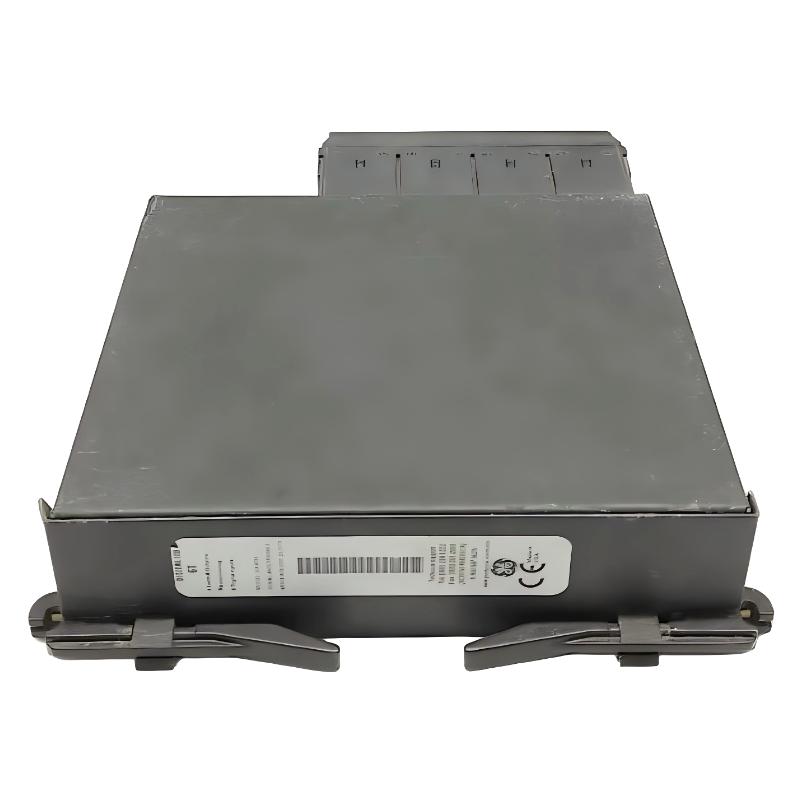
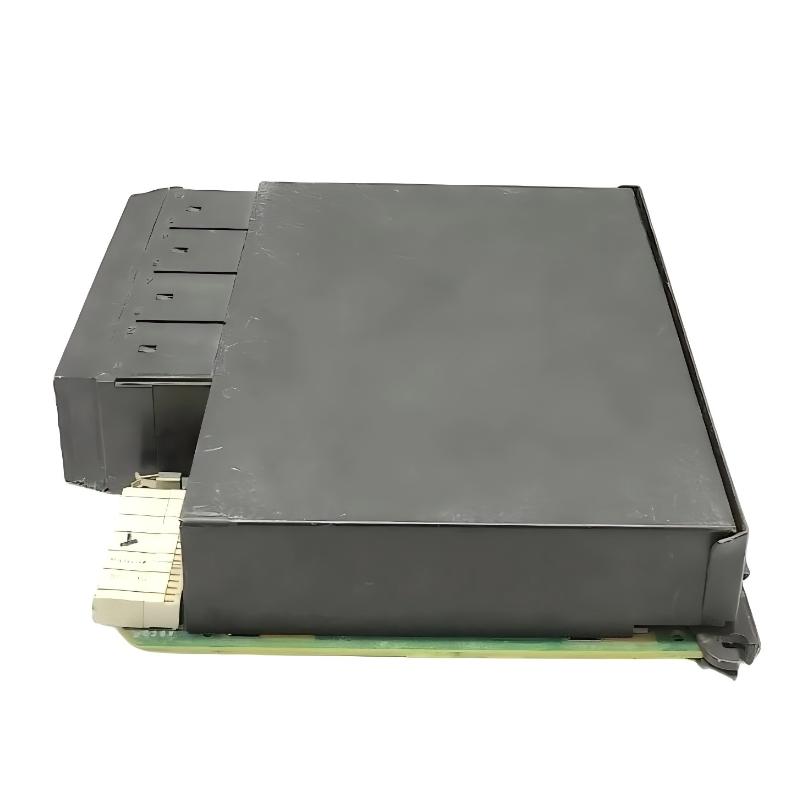
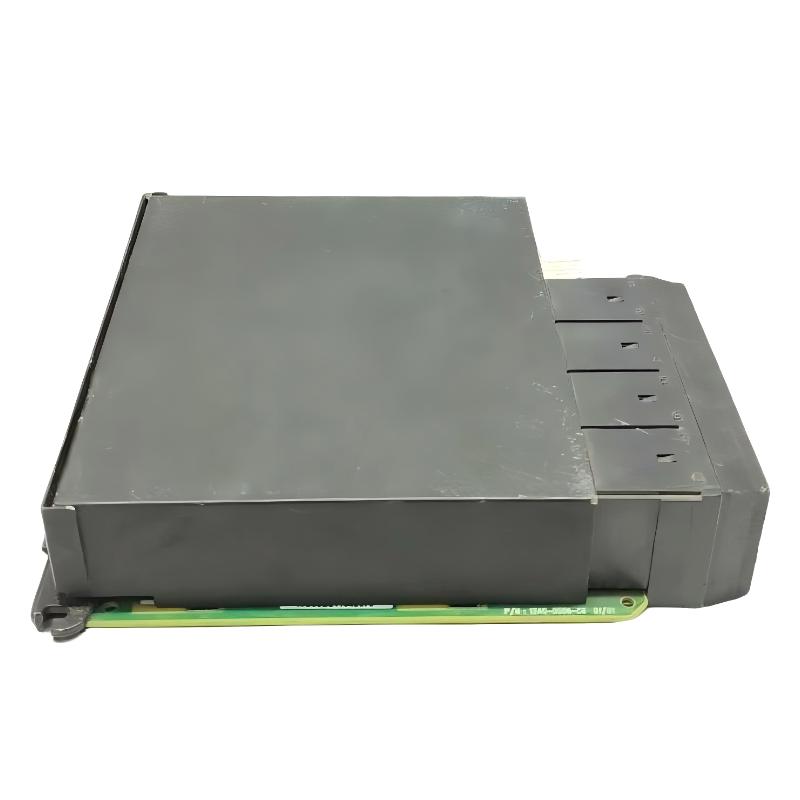
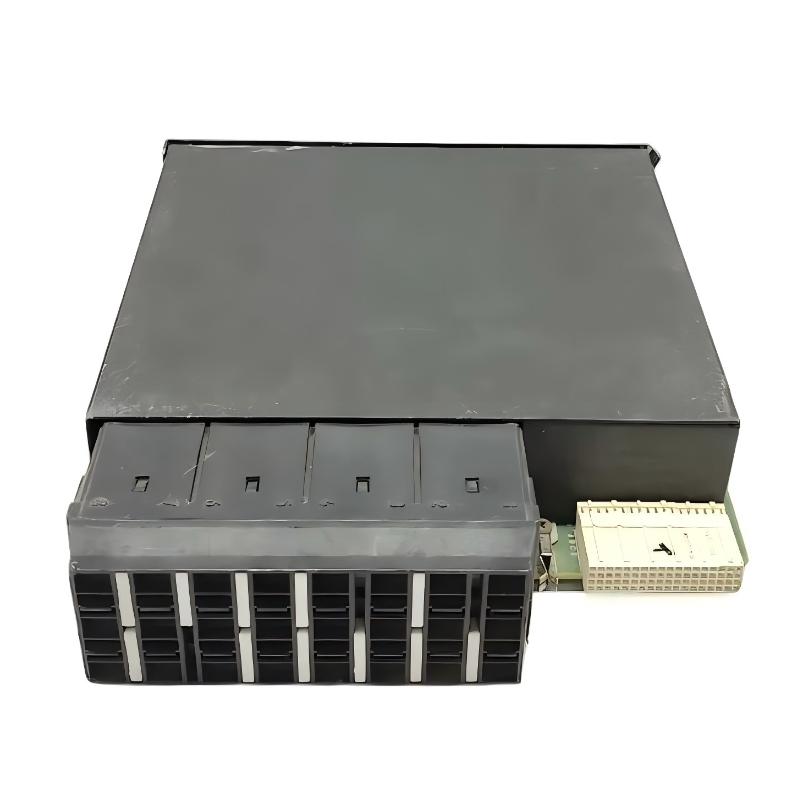
- GE
- UR 6TH
- Digital I/O Module
- USA
- 120 × 30 × 100 mm
- 0.89 kg
- Xiamen, China
- New & In Stock
- T/T, PayPal, Western Union
- 1 Year
- 1-3 Working Days
- DHL, UPS, TNT, FedEx and EMS.
- 24-Hour Service
- COO
- 53
Our advantage

Global Logistics
We have a 10-year logistics and express cooperation agreement, so our products can be shipped to any place in the world.

Brand new and original
Our products are imported in bulk from the place of origin. Because of the cooperative relationship, our products are all original and 100% new.

24-hour service
We provide 7*24 hours service to our customers. We will be there whenever you need us.

Price advantage
All our products are priced very favorably because we have our own warehouse and supply.
| Company Information | |||
| [email protected] | |||
| Mobile | +8615980777398 | ||
| +8615980777398 | |||
| 15980777398 |
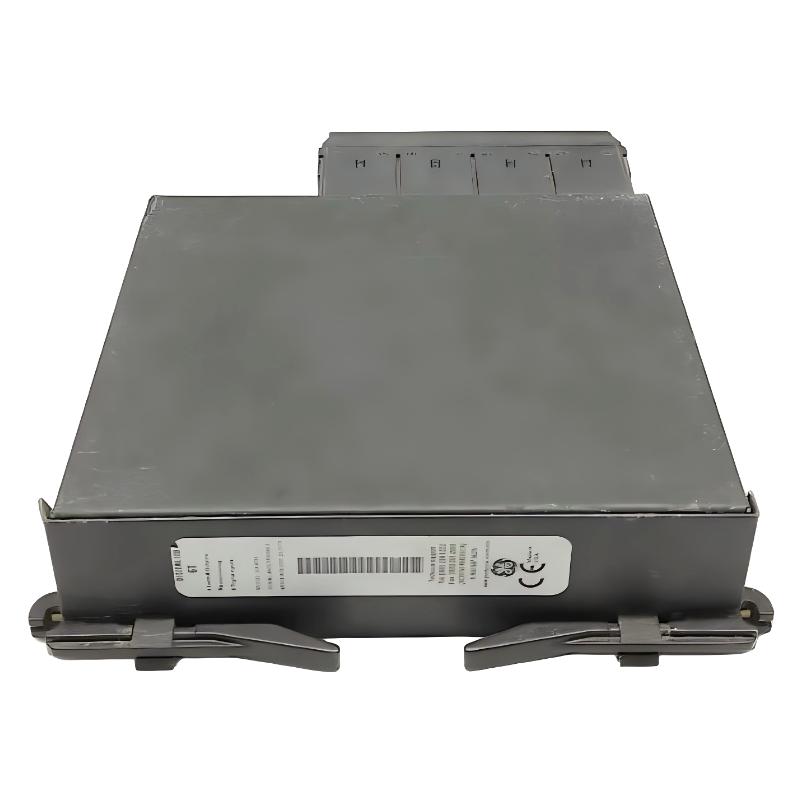
Product Overview
The GE UR 6TH Multilin UR Series Digital I/O Module is a digital I/O component used with compatible GE Multilin UR Series protection and control equipment. It forms part of the relay’s discrete signal interface, allowing external equipment conditions to be incorporated into the relay’s processing and automation architecture.
Digital I/O signals are commonly associated with breaker status, auxiliary contacts, switch positions, alarms, permissive conditions, and interlocks. These signals complement the electrical measurements handled by the protection relay and allow control logic to respond to the actual operating state of connected equipment.
The UR 6TH works together with the host UR Series relay and its configured protection and automation functions. Its practical role depends on the particular relay model, I/O assignment, field wiring, and application requirements.
For maintenance and replacement work, technicians should identify the host relay and existing signal connections before removing the module. This helps preserve the original relationship between field equipment and relay logic.
Technical Specifications
| Parameter | Specification |
|---|---|
| Manufacturer | GE |
| Model | UR 6TH |
| Product Family | Multilin UR Series |
| Product Type | Digital I/O Module |
| Primary Function | Digital Signal Interface |
| System Role | Discrete I/O |
| Application | Protection and Control Systems |
| Installation | GE Multilin UR Series Devices |
| Dimensions | 120 × 30 × 100 mm |
| Weight | 0.89 kg |
Product Features
The UR 6TH is intended for discrete signal interfacing within compatible Multilin UR Series equipment.
Key characteristics include:
- GE Multilin UR Series digital I/O module
- Model UR 6TH
- Provides digital signal interfacing
- Connects external equipment with relay functions
- Supports equipment status monitoring
- Suitable for breaker and switchgear applications
- Supports alarm and interlock circuits
- Integrates with configured relay logic
- Works within the UR Series I/O architecture
- Suitable for maintenance and replacement applications
The specific function of the I/O points depends on the configuration of the host relay and the connected external circuits.
Working Principle
The UR 6TH operates within the discrete signal path connecting external equipment with the processing system of a Multilin UR Series relay.
A simplified architecture is:
External Equipment → UR 6TH → UR Series Processor → Protection / Control Logic → External Equipment
When an external device changes its discrete state, the corresponding I/O circuit transfers that condition into the relay’s processing architecture. The processor can then evaluate the signal alongside protection elements, alarms, permissive conditions, and interlocking logic.
Depending on the configured application, the resulting logic can generate an alarm, permit or block an operation, or initiate a corresponding control response.
The module therefore serves as an interface between physical equipment conditions and the programmable protection and automation functions of the UR Series system.
Role in a Multilin UR Protection Architecture
The UR 6TH forms part of the digital I/O layer within the Multilin UR Series architecture.
A simplified signal relationship can be represented as:
Field Equipment → Digital I/O → UR Processor → Protection / Automation Logic → Control Circuit
| System Layer | Typical Function |
|---|---|
| Field Equipment | Provides equipment status |
| Digital I/O Layer | Exchanges discrete signals |
| Processing Layer | Evaluates signal conditions |
| Protection Layer | Executes configured protection functions |
| Automation Layer | Handles control and interlocking |
| Output Layer | Transfers commands to external circuits |
| Supervisory Layer | Monitors relay operation |
This architecture allows equipment status to become part of a coordinated protection and control strategy.
For example, a breaker auxiliary contact can provide a status condition that the relay uses when evaluating a control sequence or interlock. The digital signal therefore becomes part of the decision-making process rather than simply being displayed as an independent indication.
Industrial Applications
The UR 6TH is suitable for protection and automation installations based on compatible GE Multilin UR Series equipment.
| Application | Typical Use |
|---|---|
| Electrical Substations | Breaker and switchgear status |
| Power Generation | Generator control interfaces |
| Distribution Systems | Feeder equipment monitoring |
| Transmission Systems | Protection interlocking |
| Motor Protection | Contactor and auxiliary signals |
| Transformer Protection | Alarm and control circuits |
| Industrial Power Systems | Equipment status and interlocks |
| Utility Automation | Discrete monitoring and control |
The actual application depends on the host relay model, configured I/O functions, and external equipment.
Installation and Maintenance
Before replacing a UR 6TH, the existing relay configuration and field wiring should be reviewed. Digital I/O circuits can be connected to several equipment functions, so correct identification of each signal is important.
Recommended maintenance checks include:
- Confirm the complete UR 6TH model.
- Identify the host Multilin UR Series relay.
- Verify module compatibility.
- Record the module position.
- Document existing I/O assignments.
- Identify connected field equipment.
- Record breaker, switch, alarm, and interlock circuits.
- Isolate applicable circuits before replacement.
- Inspect connectors and terminals.
- Check field wiring for loose or damaged connections.
- Verify correct module positioning.
- Ensure connectors are fully seated.
- Restore system connections according to the applicable procedure.
- Check expected digital signal states.
- Verify configured control functions.
- Review relay diagnostic information.
- Confirm normal operation of associated equipment.
If a digital signal remains abnormal after replacement, the external circuit should also be inspected. Control voltage, field contacts, wiring, terminals, connectors, and relay configuration can all affect the final I/O indication.
Related Components
The UR 6TH operates as part of a broader Multilin UR Series protection and control system.
| Component | Function |
|---|---|
| UR Series Protection Relay | Provides protection and control functions |
| UR 6TH | Provides digital I/O interfacing |
| UR 6LH | Provides digital I/O functions |
| UR 6DV | Provides digital I/O functions |
| UR 6DH | Provides digital I/O functions |
| UR 6CV | Provides digital I/O functions |
| UR 6CH | Provides digital I/O functions |
| UR 6AH | Provides digital I/O combination functions |
| UR 5CH | Interfaces transducer-related signals |
| UR 1HH | Provides relay operating power |
| Processor Module | Executes protection and control logic |
| Breaker / Switchgear | Provides status and receives commands |
The appropriate module should be selected according to the required I/O function and compatibility with the host relay.
Recommended Related Models
For GE Multilin UR Series installations, related models can be considered according to their system roles.
| Model / Product Family | Product Type | Typical Application |
|---|---|---|
| GE UR 6TH | Digital I/O Module | Discrete signal interfacing |
| GE UR 6LH | Digital I/O Module | Digital signal interface |
| GE UR 6DV | Digital I/O Module | Digital signal interface |
| GE UR 6DH | Digital I/O Module | Digital signal interface |
| GE UR 6CV | Digital I/O Module | Digital signal interface |
| GE UR 6CH | Digital I/O Module | Digital signal interface |
| GE UR 6AH | Digital I/O Combination Module | Digital status and control |
These modules belong to the Multilin UR family, but their functions and compatibility should be verified against the host relay before replacement or substitution.
Key Advantages
- GE Multilin UR Series digital I/O hardware
- Model UR 6TH
- Provides discrete signal interfacing
- Connects external equipment with relay logic
- Supports equipment status monitoring
- Suitable for breaker and switchgear applications
- Supports alarm and interlock functions
- Integrates with configured protection and control logic
- Suitable for utility and industrial power systems
- Useful for maintenance and replacement applications
Technical FAQs
What role does the UR 6TH play in relay-based automation?
The UR 6TH provides a digital interface through which discrete equipment conditions can become available to the UR Series processing and control architecture. These conditions can then participate in configured automation, protection, alarm, and interlocking functions.
Can equipment status be used together with protection logic?
Yes. Digital equipment conditions can be incorporated into configured relay logic alongside electrical protection elements. This allows control decisions to consider both measured electrical conditions and the operating state of connected equipment.
What should be checked if a digital status does not change correctly?
The investigation should cover the complete signal path, including the external contact or device, control voltage, field wiring, terminals, connectors, module status, and relay configuration. Checking only the I/O module may overlook a fault elsewhere in the circuit.
Why is the host relay model important when selecting a UR 6TH replacement?
UR Series equipment uses different hardware configurations and functional assignments. Confirming the host relay and its existing I/O configuration helps ensure that the replacement module matches the intended system architecture and signal requirements.