

ProductPRODUCT
Featured products



Contact Us
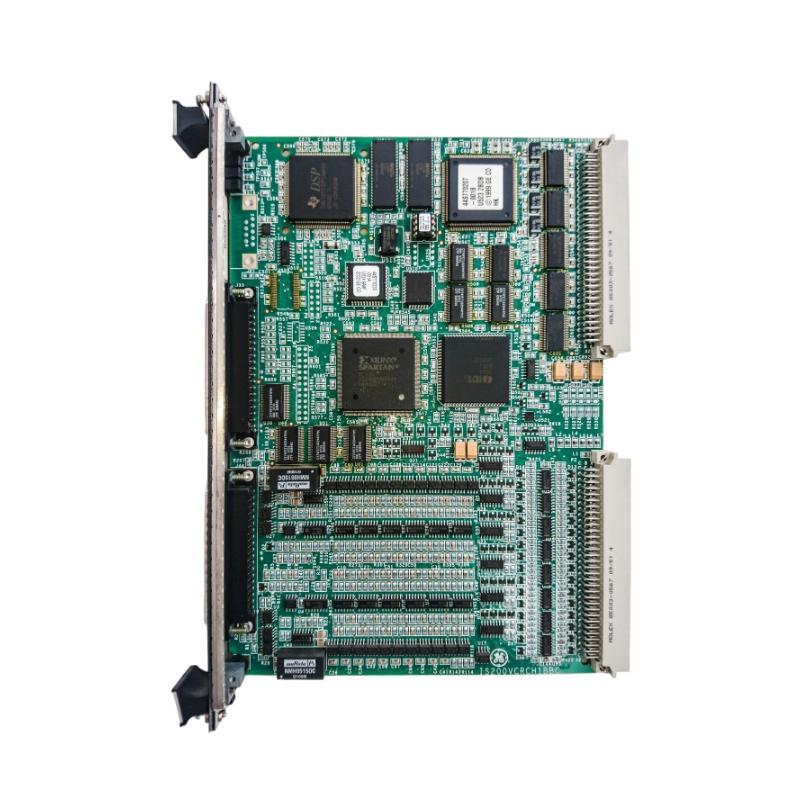
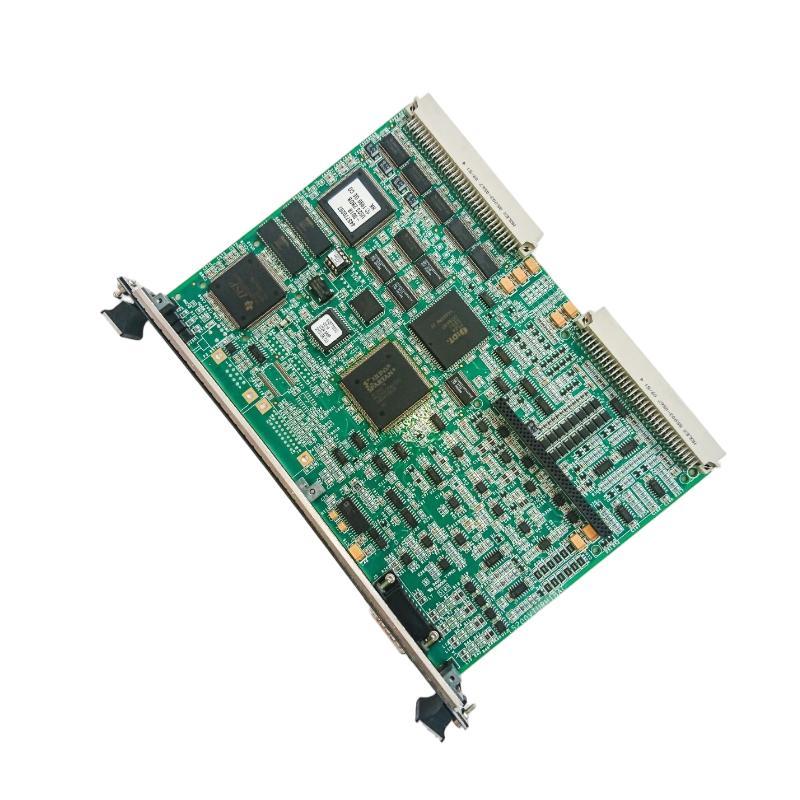
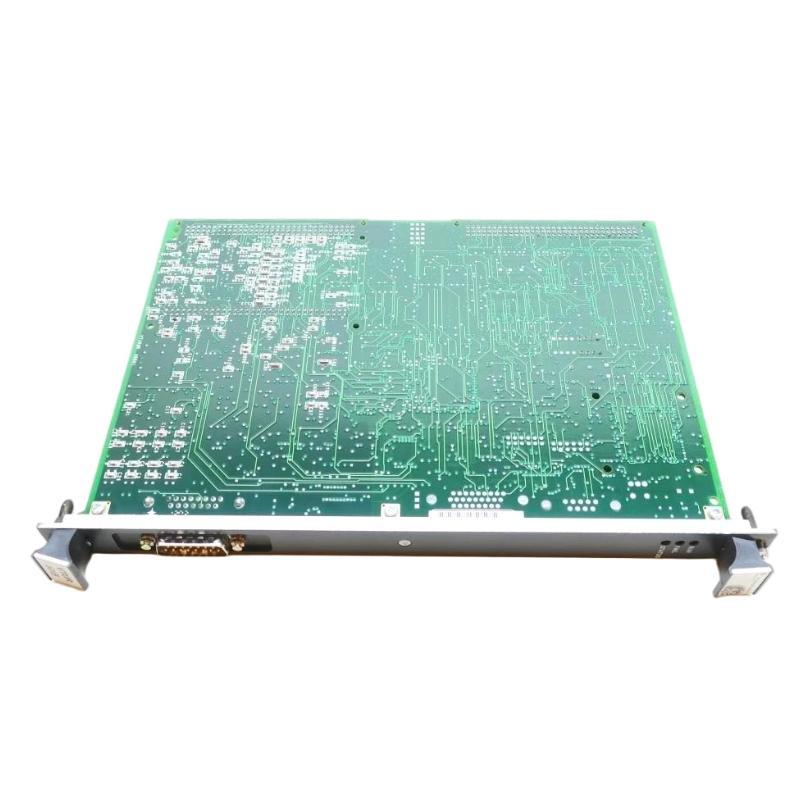
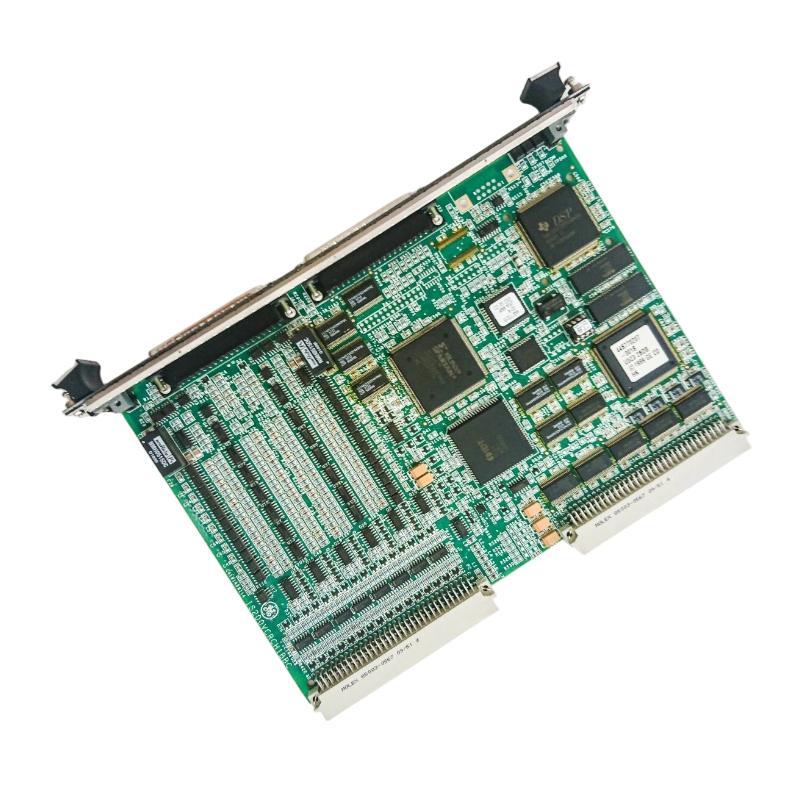
- GE
- IS230TVBAH4A
- Vibration I/O Module
- USA
- 45 × 280 × 210 mm
- 0.95 kg
- Xiamen, China
- New & In Stock
- T/T, PayPal, Western Union
- 1 Year
- 1-3 Working Days
- DHL, UPS, TNT, FedEx and EMS.
- 24-Hour Service
- COO
- 20
Our advantage

Global Logistics
We have a 10-year logistics and express cooperation agreement, so our products can be shipped to any place in the world.

Brand new and original
Our products are imported in bulk from the place of origin. Because of the cooperative relationship, our products are all original and 100% new.

24-hour service
We provide 7*24 hours service to our customers. We will be there whenever you need us.

Price advantage
All our products are priced very favorably because we have our own warehouse and supply.
| Company Information | |||
| [email protected] | |||
| Mobile | +8615980777398 | ||
| +8615980777398 | |||
| 15980777398 |
Product Overview
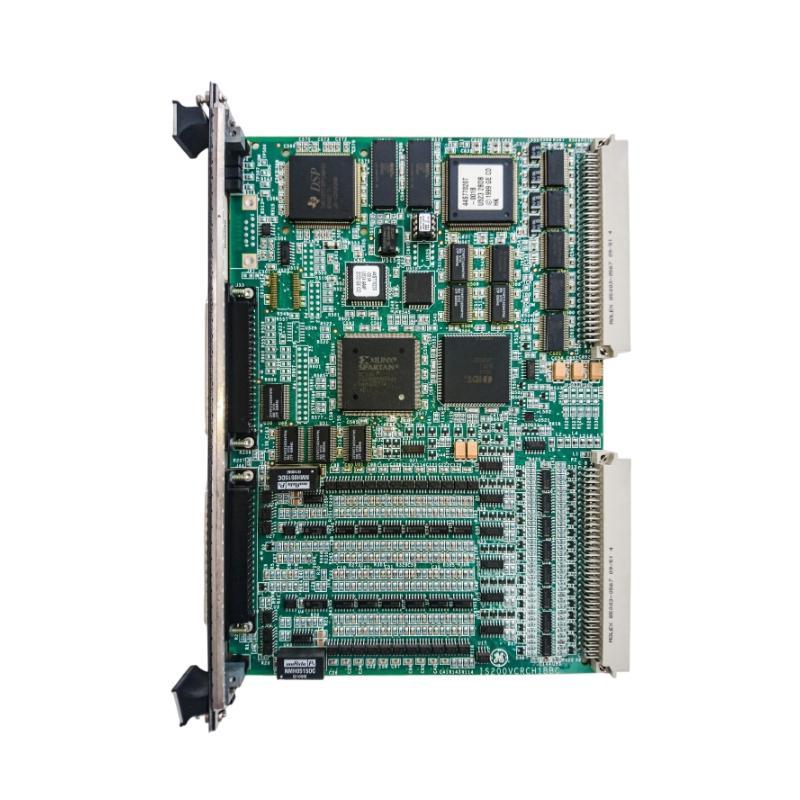
The GE IS230TVBAH4A Vibration I/O Module is an industrial control component associated with vibration signal acquisition and input/output interfacing in compatible GE automation systems. Vibration monitoring is an important part of industrial equipment protection and condition monitoring, particularly for rotating machinery such as turbines, compressors, pumps, motors, and other equipment where mechanical condition directly affects operational reliability.
In industrial environments, vibration measurements can help maintenance personnel identify changes in machine behavior, detect developing mechanical abnormalities, and support condition-based maintenance strategies. A vibration I/O module forms part of the electronic interface between vibration-monitoring equipment and the broader control or monitoring architecture. Depending on the installed system configuration, this type of interface may support the acquisition, transfer, or handling of vibration-related signals.
The GE IS230TVBAH4A is identified by its model designation as a vibration I/O module. Its exact channel count, supported sensor types, measurement ranges, sampling characteristics, and communication interfaces should be confirmed against the documentation for the specific host system before installation or replacement.
With dimensions of 45 × 280 × 210 mm and a weight of approximately 0.95 kg, the module provides a defined physical footprint for equipment planning, maintenance inventory, and replacement preparation. Correct model identification and system compatibility are essential because industrial monitoring modules may have similar physical dimensions while performing different electrical and measurement functions.
Technical Specifications
| Parameter | Specification |
|---|---|
| Manufacturer | General Electric (GE) |
| Model | IS230TVBAH4A |
| Product Type | Vibration I/O Module |
| Product Family | GE IS230 Series |
| Primary Function | Vibration-related signal interfacing and I/O |
| Application | Industrial machinery monitoring and control |
| Measurement Purpose | Vibration monitoring, subject to system configuration |
| Supported Sensor Types | Verify against the applicable hardware documentation |
| Number of Channels | Confirm from the module specification |
| Signal Input Range | Confirm from the applicable hardware documentation |
| Sampling Rate | Confirm from the applicable hardware documentation |
| Communication Interface | Verify according to the host-system configuration |
| Dimensions | 45 × 280 × 210 mm |
| Weight | 0.95 kg |
| Installation | Compatible GE industrial control equipment |
| Maintenance | Inspection, connection verification, and system diagnostics |
The table distinguishes the supplied product identification and physical specifications from electrical and measurement details that require confirmation. Sensor compatibility, channel configuration, signal ranges, and system interfaces should not be assumed from the model number alone.
Function and Working Principle
The main purpose of a vibration I/O module is to participate in the acquisition or handling of vibration-related information within an industrial monitoring architecture. Vibration monitoring systems evaluate mechanical movement and dynamic behavior to help determine whether machinery is operating within its intended condition.
A typical monitoring arrangement can be represented as:
Rotating Machinery → Vibration Sensor → Signal Interface → Monitoring or Control System → Alarm or Maintenance Response
The exact signal path depends on the installed equipment and the design of the monitoring system. The IS230TVBAH4A should be used only in the configuration specified for its intended application.
Vibration Signal Acquisition
Vibration sensors detect mechanical movement or changes in the dynamic behavior of equipment. Depending on the monitoring design, sensors may measure displacement, velocity, acceleration, or another vibration-related parameter.
The associated electronics must be compatible with the sensor’s electrical characteristics and signal requirements. Incorrect sensor selection or wiring can lead to unreliable measurements or a complete loss of signal.
Signal Interface and Processing
Vibration signals may require conditioning or processing before they can be evaluated by monitoring software or control electronics. The exact functions provided by the IS230TVBAH4A must be verified using the applicable technical documentation.
In a complete monitoring system, the processed information can be used to display vibration values, track trends, generate alarms, or support equipment condition assessments.
Data Transfer to the Monitoring Architecture
Industrial monitoring systems frequently combine field sensors, electronic interfaces, controllers, operator displays, and diagnostic software. The I/O module serves as one part of this architecture by supporting the intended signal interface.
The actual data path and available functions depend on the host equipment, installed firmware, and associated hardware.
Support for Condition Monitoring
Vibration measurements are most useful when they are evaluated over time and compared with suitable operating references. A monitoring system can help identify changes in vibration amplitude, recurring abnormal patterns, or differences between operating conditions.
Such information supports maintenance decisions, although a vibration measurement by itself does not always identify the precise cause of a mechanical problem.
Role in Industrial Control Systems
The GE IS230TVBAH4A can form part of an industrial monitoring arrangement where vibration-related information contributes to equipment supervision and maintenance planning.
Industrial facilities often combine process measurements, machine-condition information, alarms, and control signals to maintain safe and reliable operation. Vibration monitoring adds information about the mechanical behavior of equipment that may not be apparent from process measurements alone.
The module’s role depends on the system in which it is installed, but a vibration I/O arrangement generally supports functions such as:
- Connecting compatible vibration-monitoring signals to electronic equipment.
- Supporting the collection of machinery condition data.
- Making vibration information available to the appropriate monitoring architecture.
- Assisting with equipment status evaluation.
- Supporting alarm and diagnostic workflows where configured.
- Contributing to condition-based maintenance programs.
The module should not be assumed to provide every vibration analysis, protection, or diagnostic function independently. Alarm logic, trip decisions, data processing, and operator display functions may depend on additional system components.
Industrial Applications
Turbine Monitoring
Turbines contain rotating assemblies that require careful condition monitoring. Vibration measurements can help identify changes in rotor behavior, bearing condition, alignment, or other mechanical characteristics.
A suitable vibration monitoring architecture can provide useful information for maintenance teams responsible for turbine reliability. Any protective function must be implemented using the approved equipment and safety design for the installation.
Compressor Systems
Industrial compressors operate under demanding mechanical and process conditions. Changes in vibration can indicate developing problems involving bearings, alignment, balance, mounting, or other components.
Continuous monitoring, where available, can help maintenance personnel detect changes earlier than periodic inspection alone.
Pumping Equipment
Pumps are widely used in water treatment, chemical processing, power generation, and manufacturing. Vibration monitoring can help identify abnormal mechanical behavior associated with bearing wear, imbalance, misalignment, cavitation-related effects, or mounting problems.
The actual diagnosis requires consideration of operating conditions and other measurements rather than relying on vibration values alone.
Electric Motors and Rotating Machinery
Electric motors, fans, blowers, and other rotating equipment may exhibit vibration changes as components wear or operating conditions change. Monitoring provides additional information for evaluating machine health and planning maintenance.
Industrial Condition Monitoring
Facilities with critical machinery may use vibration data as part of a broader predictive or condition-based maintenance strategy. Trend analysis can help maintenance personnel prioritize inspections and investigate abnormal operating patterns.
The suitability of the IS230TVBAH4A for any particular machine depends on the verified sensor interface, measurement requirements, and host-system compatibility.
Installation and System Integration
Correct installation is necessary to obtain reliable vibration data and maintain the integrity of the monitoring system. The IS230TVBAH4A should be installed only in a compatible equipment configuration and according to the applicable GE hardware and maintenance procedures.
1. Confirm the Module Identity
Before installation, verify the complete model number IS230TVBAH4A and inspect any available revision or identification markings. Compare the module with the existing hardware and the system’s approved parts list.
Do not use physical dimensions alone to determine whether two modules are interchangeable.
2. Check Host-System Compatibility
Confirm that the module is intended for the specific rack, carrier, backplane, terminal arrangement, or other hardware used in the installation. Verify any required firmware, configuration, and associated interface components.
If the replacement differs from the original in model designation or revision, obtain confirmation of compatibility before proceeding.
3. Follow Electrical Safety Procedures
Before removing or installing the module, follow the facility’s approved isolation and lockout/tagout procedures. Ensure that the relevant equipment is in a safe state and that all applicable electrical hazards have been addressed.
Installation and troubleshooting should be carried out by qualified personnel familiar with the control system.
4. Verify Sensor Compatibility
Identify the installed vibration sensors and confirm that their signal type, wiring arrangement, power requirements, and measurement characteristics are supported by the intended interface.
Do not connect an unknown sensor to the module based only on connector appearance. Incorrect wiring or incompatible signal levels may damage equipment or produce invalid measurements.
5. Inspect Wiring and Connectors
Examine connectors, cable insulation, shielding, grounding, and terminal conditions before connecting the module. Check for contamination, corrosion, loose connections, or mechanical damage.
Vibration measurement circuits can be affected by electrical interference and poor connections, so correct cable routing and grounding practices are important.
6. Configure the Monitoring System
Apply the approved configuration for the installed hardware and sensor arrangement. Where supported by the host system, verify channel assignments, engineering units, scaling, alarm thresholds, and sensor identification.
Configuration values should be taken from the equipment documentation and application requirements rather than estimated.
7. Commission and Validate the Signal
After installation, check system diagnostics and verify that the expected vibration signals are available. Compare measurements with a suitable reference or known operating condition where appropriate.
Confirm that alarms and monitoring functions behave as designed before returning critical equipment to normal operation.
Troubleshooting the GE IS230TVBAH4A
When vibration monitoring is unavailable or produces unexpected readings, investigate the complete measurement chain. Possible causes include the sensor, cable, connector, interface module, system configuration, power supply, or monitoring software.
No Vibration Signal
If the monitoring system does not receive a valid signal, inspect:
- Sensor installation and condition.
- Sensor cable continuity and connector integrity.
- Module seating and interface connections.
- Required power or excitation for the sensor, where applicable.
- Hardware status and system diagnostics.
- Channel assignment and configuration.
- The condition of associated monitoring electronics.
A missing signal does not automatically indicate a defective module. The sensor and wiring should be checked before replacing electronic hardware.
Unstable or Fluctuating Readings
Unstable vibration readings can result from several mechanical, electrical, or configuration-related conditions, including:
- Loose sensor mounting.
- Damaged or poorly connected cables.
- Electrical interference.
- Incorrect grounding or shielding.
- Sensor deterioration.
- Mechanical vibration that genuinely varies with operating conditions.
- Incorrect scaling or measurement configuration.
First determine whether the fluctuation reflects actual machinery behavior or a measurement-system problem. Compare the signal with operating conditions and other relevant measurements.
Incorrect Measurement Values
Readings that appear too high, too low, or inconsistent with expected machine behavior may be caused by incorrect sensor selection, unsuitable mounting, configuration errors, wiring faults, or a problem in the measurement chain.
Verify the sensor specification, mounting arrangement, engineering units, scaling, and channel configuration. If the issue remains unresolved, follow the manufacturer’s diagnostic procedure for the installed hardware.
Intermittent Signal Loss
Intermittent readings may indicate loose connectors, damaged cables, vibration-related movement at the connection point, contamination, or unstable associated electronics.
Inspect connections under safe conditions and review available diagnostic information. Cable routing and strain relief should be checked to prevent mechanical movement from affecting the measurement connection.
Hardware or Configuration Alarm
If the control system reports a module-related alarm, record the exact diagnostic message and check the hardware status, configuration, and interface connections. Confirm that the installed module matches the system’s expected hardware arrangement.
Avoid clearing alarms repeatedly without investigating the underlying cause, particularly when vibration information is used for machinery protection.
Vibration Alarm on the Machine
A genuine vibration alarm may indicate an abnormal mechanical condition rather than an electronic module fault. Potential causes include imbalance, misalignment, bearing deterioration, looseness, changes in operating conditions, or other machine-specific problems.
Follow the site’s machinery protection and operating procedures. Do not disable or bypass a protective function simply to eliminate an alarm.
Maintenance Recommendations
Regular maintenance helps preserve the reliability of the vibration measurement chain and supports consistent monitoring performance.
Inspect Sensors and Mounting Points
Check the condition and mounting of vibration sensors according to the equipment maintenance schedule. Loose mounting, contamination, or mechanical damage can affect the quality of measurements.
Examine Cables and Connectors
Inspect sensor cables for abrasion, crushing, damaged insulation, loose connectors, moisture ingress, and improper routing. Repair or replace defective wiring using approved components and procedures.
Maintain the Control Cabinet
Keep the installation within the specified environmental limits. Excessive heat, moisture, dust, contamination, and vibration can adversely affect electronic assemblies and their connections.
Review Signal Trends
Trend monitoring can help identify gradual changes that might not be obvious during a single inspection. Compare vibration values under comparable operating conditions and investigate significant deviations from established baselines.
Verify Configuration Records
Maintain accurate records of module identification, sensor assignments, channel configuration, and approved alarm settings. These records reduce the likelihood of configuration errors during replacement or maintenance.
Perform Periodic Functional Checks
Where required, verify that the sensor, interface hardware, monitoring system, and associated alarms operate according to the approved maintenance procedure. Critical protection functions should be tested only by qualified personnel following the applicable safety requirements.
Compatible System Components
The IS230TVBAH4A may be installed as part of a larger machinery monitoring and industrial control architecture. The following table lists functional component categories commonly associated with vibration monitoring. It is not a confirmed list of specific compatible GE part numbers.
| Component Category | Typical Function |
|---|---|
| Vibration Sensor | Detects mechanical vibration or movement |
| Sensor Cable | Transfers the measurement signal |
| Vibration I/O Module | Provides the designated vibration-related interface |
| Control or Monitoring Hardware | Receives or processes data within the supported architecture |
| System Backplane or Carrier | Provides mechanical and electrical interconnection where applicable |
| Controller | Executes configured control or monitoring logic |
| Operator Interface | Displays relevant measurements, alarms, and system status |
| Monitoring Software | Supports data visualization and condition assessment where available |
| Industrial Network | Transfers information between compatible system components where configured |
Actual compatibility must be verified against the equipment configuration and applicable technical documentation. Sensor types, connection methods, and supported system interfaces should not be inferred from this functional overview.
Replacement and Procurement Considerations
When purchasing a replacement for the GE IS230TVBAH4A, accurate identification is essential. Industrial vibration monitoring systems can use several types of I/O hardware, and selecting an incorrect module may result in incompatible connections, unavailable measurements, or configuration problems.
Before ordering, verify the following:
- Complete model number: IS230TVBAH4A
- Revision or hardware identification markings.
- Product type and intended function.
- Physical dimensions and mounting requirements.
- Connector and terminal arrangements.
- Supported sensor and signal characteristics.
- Host-system compatibility.
- Required configuration or commissioning procedures.
- Condition and compatibility of associated cables and interface hardware.
The supplied dimensions are 45 × 280 × 210 mm, and the listed weight is 0.95 kg. These specifications are useful for equipment handling, storage, and installation planning. Confirm the physical envelope against the actual assembly before preparing the installation space.
If an alternative part is proposed, verify its approved interchangeability before installation. A similar product name or physical format is not sufficient evidence that the replacement supports the same sensors or monitoring functions.
Key Advantages
Dedicated Vibration Monitoring Interface
The module is identified for vibration-related I/O applications, making its intended role relevant to machinery monitoring systems that require an appropriate signal interface.
Support for Equipment Condition Assessment
When integrated with compatible sensors and monitoring hardware, vibration data can help maintenance teams assess machinery behavior and investigate developing abnormalities.
Integration Into Industrial Monitoring Architectures
A suitable I/O interface enables vibration-related information to become part of a wider monitoring and control arrangement.
Practical Installation Planning
The listed dimensions of 45 × 280 × 210 mm and weight of 0.95 kg support inventory management and physical installation planning.
Maintenance and Diagnostic Support
When used in a correctly configured system, vibration measurements can contribute to trend analysis, alarm review, and condition-based maintenance activities.
Technical FAQs
What is the GE IS230TVBAH4A?
The GE IS230TVBAH4A is identified as a Vibration I/O Module intended for vibration-related signal interfacing within a compatible industrial control or monitoring system.
What are the dimensions of the IS230TVBAH4A?
The supplied dimensions are 45 × 280 × 210 mm.
How much does the IS230TVBAH4A weigh?
The supplied weight is approximately 0.95 kg.
What is a vibration I/O module used for?
A vibration I/O module forms part of the interface between vibration sensors and an industrial monitoring architecture. Depending on the system design, it may support the acquisition or transfer of vibration-related information used for equipment monitoring and diagnostics.
Which sensors can be connected to the IS230TVBAH4A?
The supported sensor types and electrical characteristics must be confirmed from the module’s applicable hardware documentation. Sensor compatibility should not be assumed based on the product name alone.
Can the module identify a mechanical fault by itself?
Vibration measurements can provide evidence of abnormal machine behavior, but identifying a specific fault generally requires appropriate signal analysis and consideration of operating conditions, machine design, and other diagnostic information.
What should be checked if the vibration reading is unstable?
Inspect sensor mounting, wiring, connectors, grounding, shielding, configuration, and the actual operating condition of the machinery. These checks help distinguish genuine mechanical vibration from measurement-system problems.
Can another GE vibration module replace the IS230TVBAH4A?
Not automatically. The proposed replacement must be checked for sensor compatibility, electrical characteristics, interface arrangement, configuration requirements, and host-system approval.
Conclusion
The GE IS230TVBAH4A Vibration I/O Module is an industrial control component associated with vibration-related signal interfacing and machinery monitoring. When correctly integrated with compatible sensors and control hardware, vibration monitoring can help operators and maintenance teams observe machine condition, investigate abnormal behavior, and support condition-based maintenance programs.
With supplied dimensions of 45 × 280 × 210 mm and a weight of 0.95 kg, the module can be identified for maintenance inventory, equipment planning, and replacement preparation. Its successful application depends on verified host-system compatibility, correct sensor selection, reliable wiring, appropriate configuration, and proper commissioning.
Before installing or replacing the IS230TVBAH4A, confirm the complete model designation and applicable electrical specifications. Careful identification, systematic troubleshooting, and regular inspection help maintain dependable vibration monitoring and support the reliable operation of industrial machinery.