

ProductPRODUCT
Featured products

Contact Us
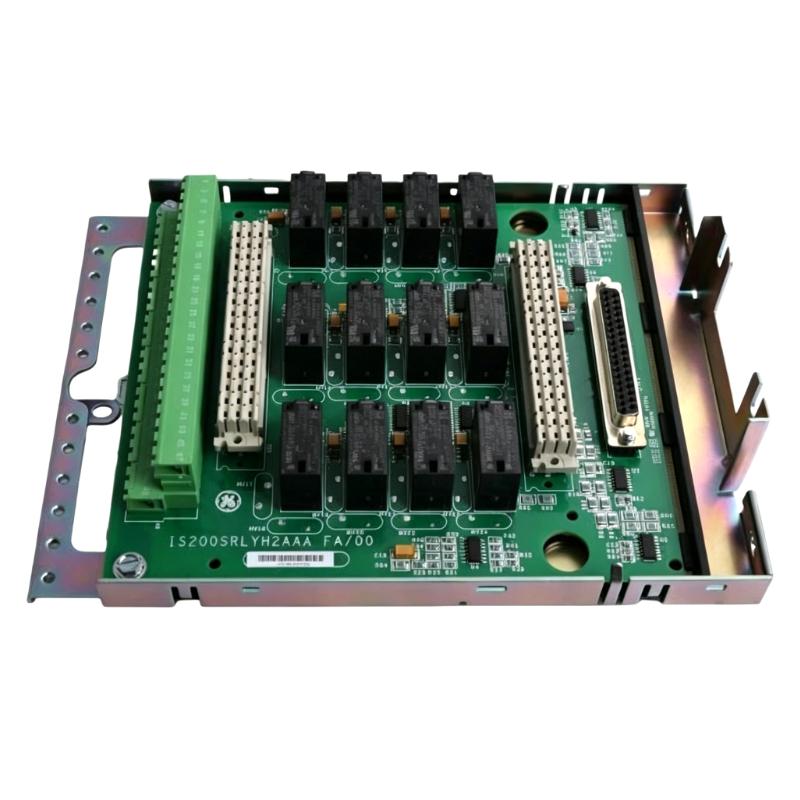
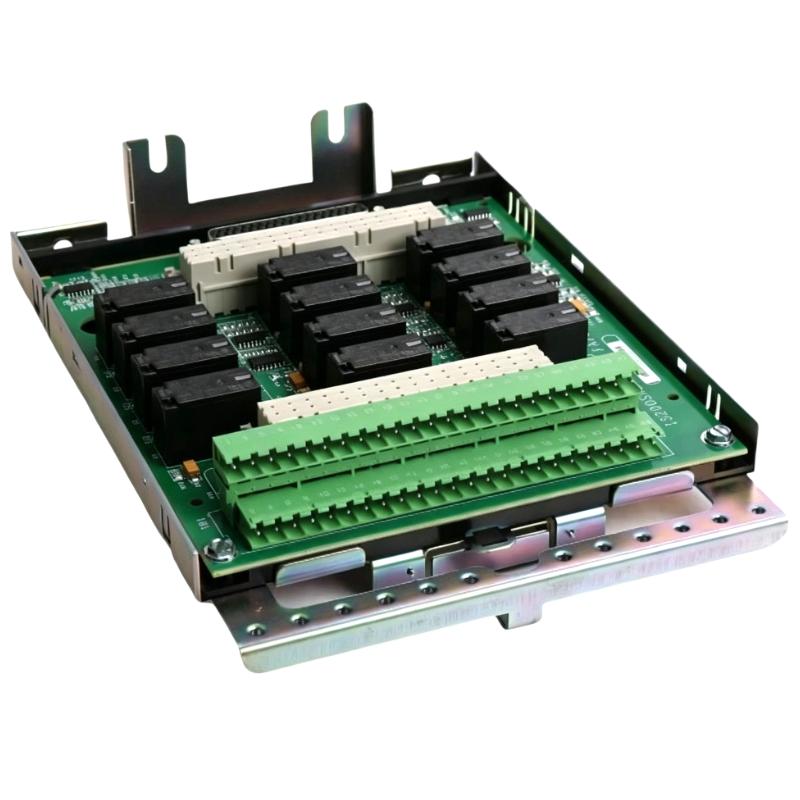
- GE
- IS230SNRLH2A
- Discrete Output Module
- USA
- 167 x 148 x 55 mm
- 0.56 kg
- Xiamen, China
- New & In Stock
- T/T, PayPal, Western Union
- 1 Year
- 1-3 Working Days
- DHL, UPS, TNT, FedEx and EMS.
- 24-Hour Service
- COO
- 74
Our advantage

Global Logistics
We have a 10-year logistics and express cooperation agreement, so our products can be shipped to any place in the world.

Brand new and original
Our products are imported in bulk from the place of origin. Because of the cooperative relationship, our products are all original and 100% new.

24-hour service
We provide 7*24 hours service to our customers. We will be there whenever you need us.

Price advantage
All our products are priced very favorably because we have our own warehouse and supply.
| Company Information | |||
| [email protected] | |||
| Mobile | +8615980777398 | ||
| +8615980777398 | |||
| 15980777398 |
Overview
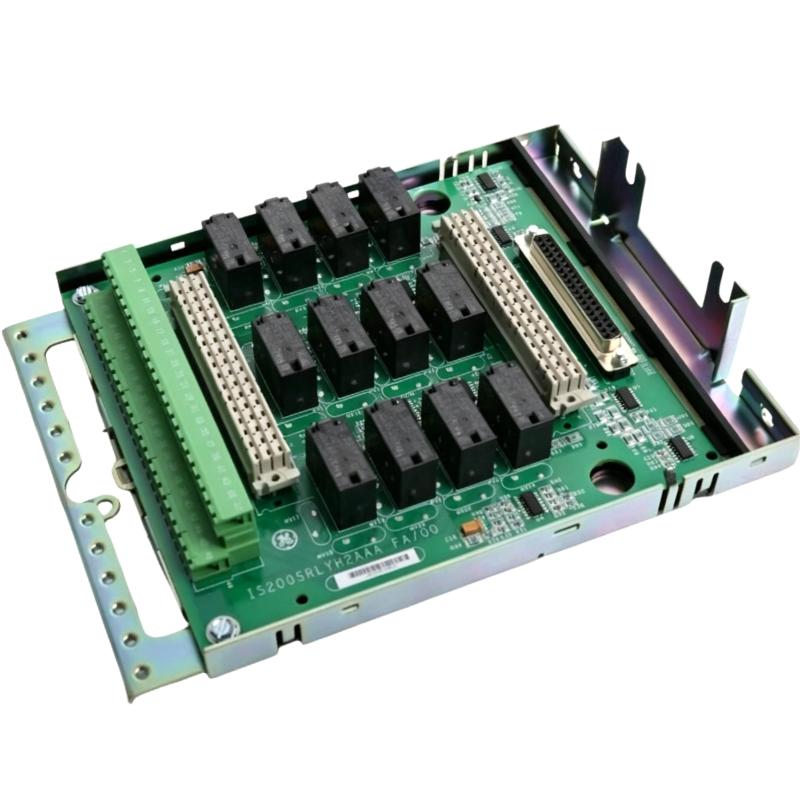
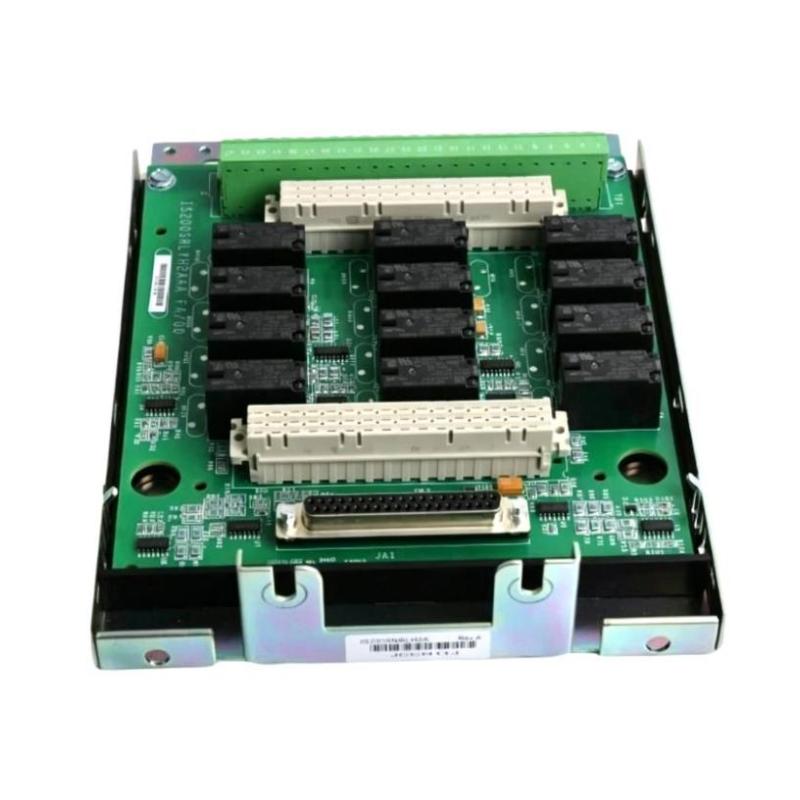
The GE IS230SNRLH2A is a Discrete Output Module designed for GE Mark VIe and Mark VIeS control systems.
This module provides reliable digital output control for external field devices such as relays, solenoids, contactors, and other actuating components. It serves as an interface between the turbine control system and external equipment by transmitting discrete control signals and supporting accurate switching operations.
Technical Specifications
| Parameter | Details |
|---|---|
| Brand | GE |
| Model | IS230SNRLH2A |
| Product Type | Discrete Output Module |
| Series | Mark VIe Control System |
| Dimensions | 167 × 148 × 55 mm |
| Weight | 0.56 kg |
| Main Function | Digital Output Signal Control |
| Signal Type | Discrete Output |
| Application | Turbine Control and Industrial Automation |
| Installation Type | Control Cabinet / DIN Rail Installation |
| Compatible System | GE Mark VIe Platform |
Applications
Gas Turbine Control Systems
The GE IS230SNRLH2A is used in gas turbine control systems to operate external devices through reliable digital output signals.
Steam Turbine Automation
The module supports steam turbine control applications by providing accurate switching signals for auxiliary equipment and control components.
Valve and Actuator Control
It can control field devices such as valves, relays, and solenoids where fast and reliable output switching is required.
Industrial Process Control
The module is suitable for automation systems that require stable discrete output communication between controllers and field equipment.
Turbine Auxiliary Systems
It supports auxiliary control functions by providing output interfaces for various mechanical and electrical devices.
How It Works
The GE IS230SNRLH2A operates as an interface module between the Mark VIe controller and external field devices.
The control system sends digital commands to the module, and the output circuits convert these commands into switching signals to operate connected devices. The module allows the controller to manage external equipment while maintaining electrical isolation and reliable signal transmission.
The typical working process is:
Mark VIe Controller → IS230SNRLH2A Output Module → Field Device → Equipment Action
By providing accurate discrete output control, the module helps maintain stable operation of turbine and industrial automation systems.
Key Advantages
| Feature | Benefit |
|---|---|
| Reliable Digital Output Control | Provides accurate switching signals for field devices. |
| Mark VIe Compatibility | Designed for GE turbine control platforms. |
| Fast Signal Response | Supports real-time control operations. |
| Compact Modular Design | Allows convenient integration into control systems. |
| Stable Industrial Performance | Suitable for continuous-duty applications. |
| Easy Maintenance Replacement | Helps reduce downtime during system servicing. |
Related Components
| Component | Function |
|---|---|
| IS230SNRLH2A Module | Provides discrete output signal control. |
| GE Mark VIe Controller | Executes turbine control logic. |
| I/O Pack Module | Provides communication between controller and I/O hardware. |
| Terminal Board | Connects field wiring and external devices. |
| Relay Interface Module | Provides switching interface for field loads. |
| Control Cabinet Assembly | Houses system control components. |
Installation
The GE IS230SNRLH2A should be installed in the designated Mark VIe control system cabinet according to system configuration requirements.
Before installation, check:
- Correct module model
- Terminal connections
- I/O configuration
- Mounting position
- System compatibility
During installation, ensure that all field wiring is correctly connected and that the module is securely mounted. After installation, system testing should be performed to verify output signals, communication status, and proper operation of connected field devices.
Troubleshooting
| Problem | Possible Cause | Recommended Check |
|---|---|---|
| No Output Signal | Power supply or communication issue | Check module power and controller communication. |
| Incorrect Device Operation | Wiring or configuration error | Verify output wiring and control settings. |
| Output Signal Instability | Connection problem or module fault | Inspect terminals and module status. |
| System Alarm | I/O communication failure | Check controller diagnostics and module status. |
| Field Device Not Responding | External equipment problem | Verify field device condition and output circuit. |
Recommended Models
| Model | Product Type | Application |
|---|---|---|
| IS230SNRLH2A | Discrete Output Module | GE Mark VIe turbine control |
| IS220PDOAH1B | Discrete Output I/O Module | Digital output applications |
| IS220PPRFH1B | I/O Processor Module | Mark VIe signal processing |
| IS220PDIOH1A | Discrete I/O Module | Turbine field signal control |
| IS200SRLYH2AAA | Relay Output Board | Relay switching applications |
| IS220UCSAH1A | Controller Module | Mark VIe control processing |
Related Products
| Product / Series | Product Type | Main Use |
|---|---|---|
| GE Mark VIe Series | Turbine Control System | Gas and steam turbine automation |
| GE Mark VI Series | Control Platform | Industrial turbine management |
| GE IS220 Series | I/O Modules | Field signal processing |
| GE IS200 Series | Control Boards | Turbine control hardware |
| GE I/O Terminal Boards | Interface Components | Field wiring connection |
| GE Control Cabinet Components | System Hardware | Control system integration |
Technical FAQs
1. What is the main function of the GE IS230SNRLH2A?
It is a discrete output module used to provide digital control signals between the Mark VIe controller and external field devices.
2. Which systems can use the IS230SNRLH2A?
It is mainly used in GE Mark VIe and Mark VIeS turbine control systems.
3. What type of devices can be controlled by this module?
It can control devices such as relays, solenoids, contactors, valves, and other digital field equipment.
4. What should be checked before replacing this module?
Verify the module model, I/O configuration, terminal wiring, system compatibility, and controller settings.
5. What are common causes of output module faults?
Common causes include power issues, wiring problems, communication failures, configuration errors, and module component aging.