

ProductPRODUCT
Featured products



Contact Us
- GE
- IS220YAICS1AJ
- I/O Analog Module
- USA
- 140 × 210 × 50 mm
- 0.8 kg
- Xiamen, China
- New & In Stock
- T/T, PayPal, Western Union
- 1 Year
- 1-3 Working Days
- DHL, UPS, TNT, FedEx and EMS.
- 24-Hour Service
- COO
- 37
Our advantage

Global Logistics
We have a 10-year logistics and express cooperation agreement, so our products can be shipped to any place in the world.

Brand new and original
Our products are imported in bulk from the place of origin. Because of the cooperative relationship, our products are all original and 100% new.

24-hour service
We provide 7*24 hours service to our customers. We will be there whenever you need us.

Price advantage
All our products are priced very favorably because we have our own warehouse and supply.
| Company Information | |||
| [email protected] | |||
| Mobile | +8615980777398 | ||
| +8615980777398 | |||
| 15980777398 |
Product Overview
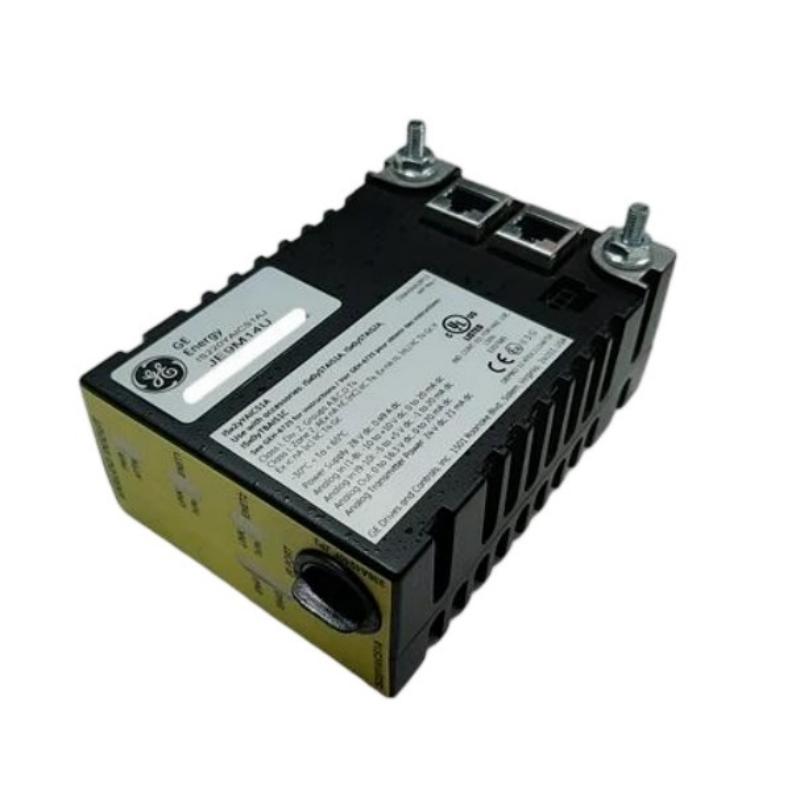
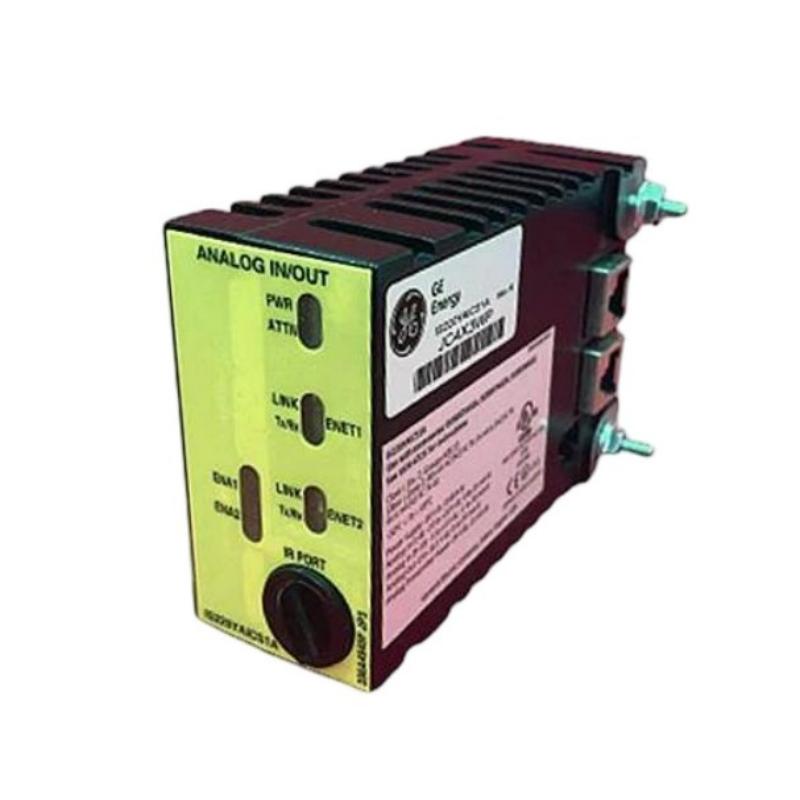
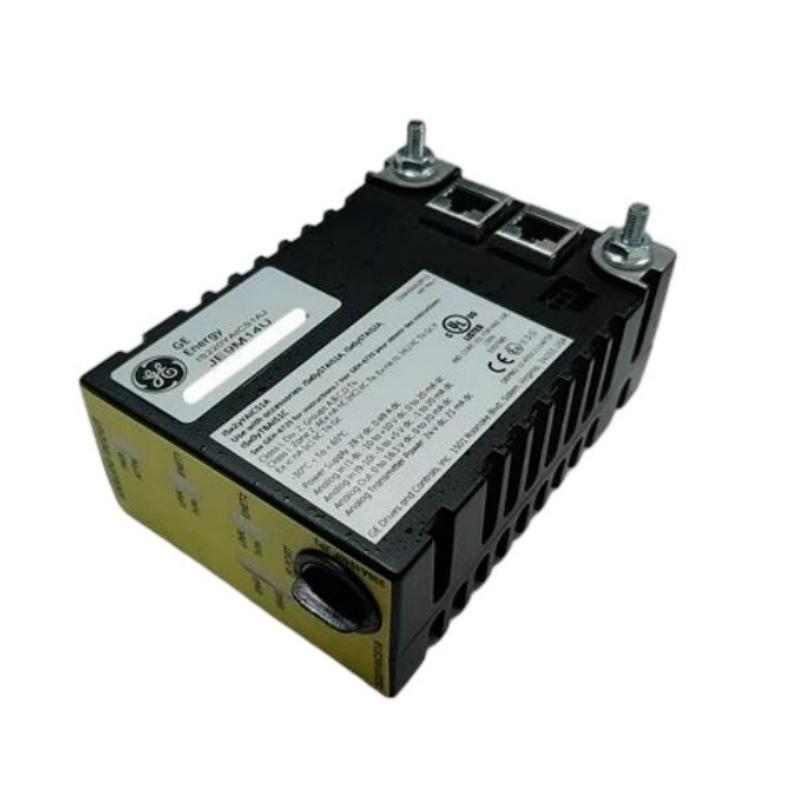
The GE IS220YAICS1AJ I/O Analog Module is an industrial automation interface component designed to connect analog field signals with a compatible GE control system. Analog I/O equipment plays an important role in process automation because many industrial variables are continuously changing rather than limited to simple ON/OFF states.
Temperature, pressure, flow, level, position, speed reference, and other process variables can require analog signal handling. An analog I/O module provides the interface through which these field-level signals can be exchanged with the control architecture.
The GE IS220YAICS1AJ is designed for integration into compatible GE industrial control equipment and can form part of a larger architecture containing field instruments, I/O interfaces, controllers, operator stations, and supervisory systems.
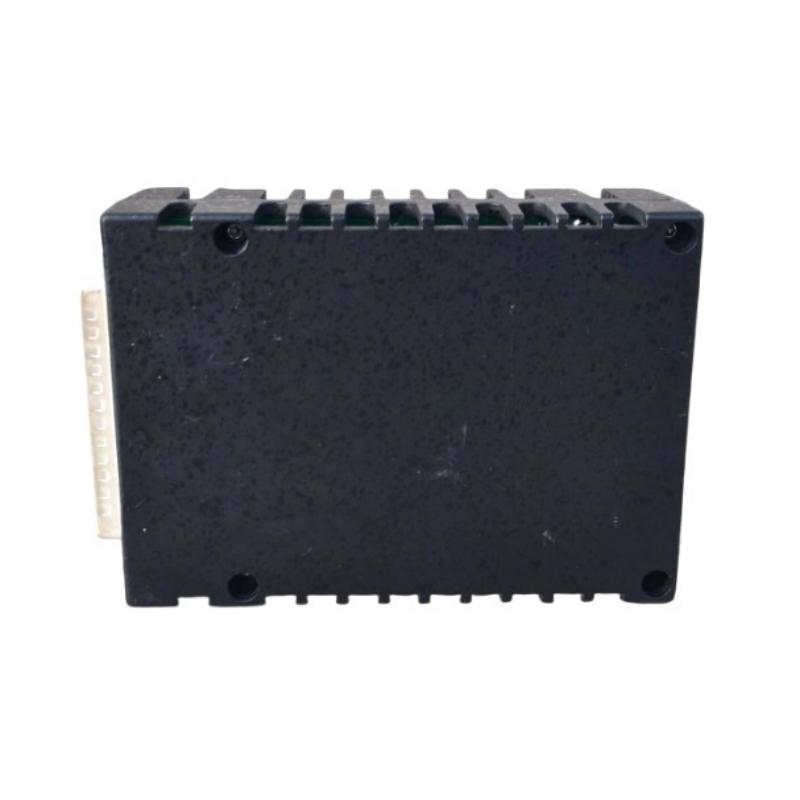
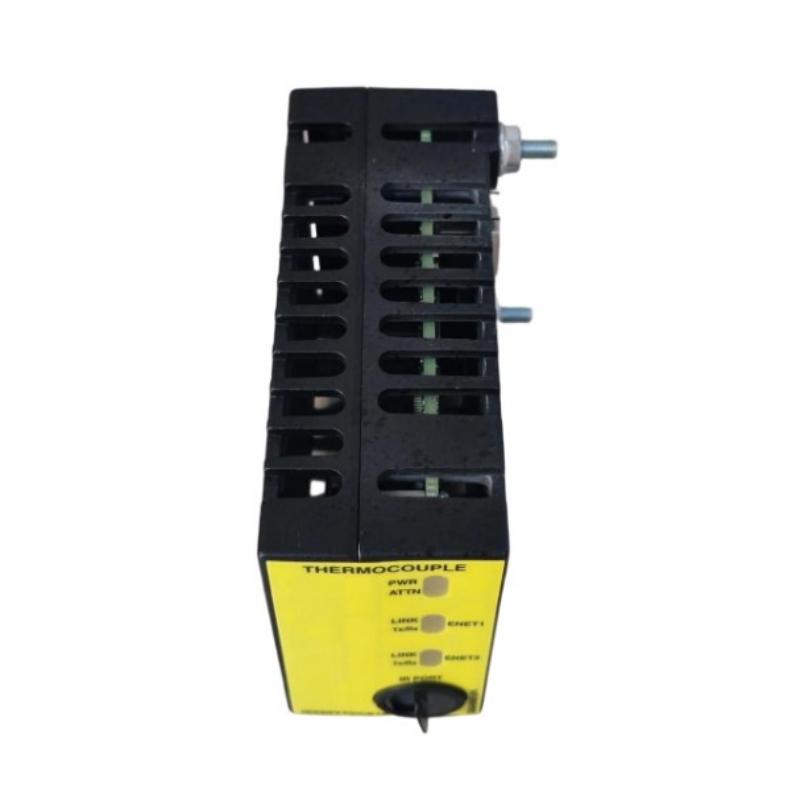
The module has listed dimensions of 140 × 210 × 50 mm and a listed weight of approximately 0.8 kg. These physical characteristics should be considered when planning cabinet installation, cable routing, maintenance access, and replacement procedures.
The exact channel configuration, supported analog signal types, electrical ranges, terminal assignments, isolation characteristics, accuracy, excitation requirements, and diagnostic functions should be confirmed against the applicable hardware revision and system documentation before installation.
Technical Specifications
| Parameter | Specification |
|---|---|
| Manufacturer | General Electric (GE) |
| Model | IS220YAICS1AJ |
| Product Type | I/O Analog Module |
| Product Family | GE IS220 Series |
| Primary Function | Analog field signal interface |
| Application | Industrial automation and process control |
| Dimensions | 140 × 210 × 50 mm |
| Weight | 0.8 kg |
| Installation | Compatible GE industrial control equipment |
| System Role | Analog I/O interface |
| Typical Applications | Process measurement, monitoring, regulation, and equipment control |
The exact electrical specifications and I/O configuration should be verified for the specific IS220YAICS1AJ installation.
What Is the GE IS220YAICS1AJ?
The GE IS220YAICS1AJ is an I/O Analog Module that forms part of an industrial control-system signal interface.
In a typical automation system, field instruments measure physical process conditions and produce electrical signals. The control system must receive these signals in a usable form before control logic can process them.
An analog I/O module provides the interface between the field instrumentation and control architecture.
A simplified signal path can be represented as:
Process → Field Instrument → IS220YAICS1AJ → Control System → Output / Control Action
Depending on the system architecture, analog information may also be used for monitoring, alarming, trending, diagnostics, and closed-loop control.
Analog I/O Operating Concept
Industrial processes are full of continuously variable conditions.
For example:
- Temperature may gradually increase or decrease.
- Pressure may vary according to operating conditions.
- Flow can change with valve position.
- Level can rise or fall inside a tank.
- Equipment position can vary continuously.
- A process controller may calculate a continuously variable command.
Analog I/O allows these changing values to become part of the control system.
The basic architecture is:
Physical Variable → Sensor → Analog Signal → I/O Interface → Controller
The controller can then compare the process value with the desired operating condition and determine an appropriate response.
Role in Industrial Automation
The GE IS220YAICS1AJ can occupy an important position within a broader industrial automation architecture.
A simplified system can include:
Field Instruments
↓
Analog I/O Interface
↓
Control Processor
↓
Control Logic
↓
Operator Interface / Supervisory System
The analog I/O layer connects the physical process with the digital control environment.
This enables control engineers and operators to work with process values rather than relying only on discrete status signals.
Analog Signal Acquisition
Analog signal acquisition begins at the field device.
A sensor or transmitter detects a physical process condition and generates an electrical representation of that condition.
The signal is transferred through field wiring to the control cabinet.
The IS220YAICS1AJ provides the relevant interface within the control architecture.
The control system can then interpret the signal and associate it with an engineering value.
A typical process may therefore involve:
Sensor → Wiring → Analog I/O → Controller → Engineering Value
Correct wiring, signal scaling, grounding, and configuration are important for reliable measurements.
Signal Scaling and Engineering Values
Industrial controllers generally work with engineering values rather than simply raw electrical signals.
For example, a process application may interpret an analog signal as:
- Temperature
- Pressure
- Flow
- Level
- Position
- Speed
- Concentration
The controller configuration determines how the received signal is interpreted.
If scaling is incorrect, the physical process may be operating normally while the displayed engineering value appears incorrect.
Therefore, troubleshooting should distinguish between:
Field Signal → I/O Conversion → Controller Scaling → Displayed Value
Each stage can introduce a different type of problem.
Analog Output and Equipment Control
Depending on the actual system configuration, analog I/O architecture can also be associated with control commands sent toward field equipment.
A process controller may calculate a required control value and transmit it through an appropriate analog output interface.
This can support applications such as:
- Modulating valves
- Actuator control
- Process references
- Equipment regulation
- Speed commands
- Flow adjustment
The exact output capabilities of the IS220YAICS1AJ should be verified against the applicable system documentation rather than assumed from the general product category.
Closed-Loop Process Control
Analog I/O is particularly important in closed-loop control.
A simplified control loop is:
Process → Sensor → Analog I/O → Controller → Control Output → Actuator → Process
For example, a controller may monitor pressure and compare the measured value with a pressure setpoint.
If the measured pressure differs from the desired value, the control algorithm calculates a correction.
The appropriate output interface then sends the command to the field device.
The process changes, and the measurement cycle continues.
This continuous feedback structure forms the basis of many industrial control applications.
Industrial Applications
Process Instrumentation
Analog I/O modules are commonly used to integrate process transmitters and sensors with industrial controllers.
Turbine Control
Turbine automation systems can contain numerous analog process measurements associated with operating conditions, equipment monitoring, and control functions.
Power Generation
Power-generation systems use analog measurements for monitoring and regulating many physical process variables.
Chemical Processing
Chemical plants frequently require continuous monitoring of temperature, pressure, flow, and other process parameters.
Water and Wastewater
Water-treatment systems can use analog process measurements to support monitoring and automated control.
Manufacturing
Production equipment can use analog signals for machine feedback, process regulation, and equipment control.
Installation Guidelines
Correct installation is essential for reliable analog signal operation.
Verify the Model
Confirm the complete identification:
GE IS220YAICS1AJ
The replacement module should match the intended system position and application.
Inspect the Hardware
Before installation, check the module for:
- Physical damage
- Connector damage
- Contamination
- Signs of overheating
- Mechanical deformation
Confirm Wiring
Compare all field wiring with the approved system drawings.
Verify Signal Assignment
Make sure each field signal is connected to the correct interface position.
Check Cabinet Conditions
The surrounding control cabinet should provide suitable environmental conditions for the installed equipment.
Wiring and Signal Integrity
Analog signals can be more sensitive to wiring conditions than simple discrete signals.
Good installation practices include:
- Proper cable identification
- Correct terminal connections
- Appropriate cable routing
- Separation from high-power wiring
- Proper grounding
- Correct shielding where required
- Avoidance of unnecessary cable loops
Electrical noise from drives, motors, contactors, and switching equipment can interfere with analog measurements.
The actual grounding and shielding method should follow the system’s electrical design.
Commissioning Procedure
A structured commissioning process can reduce the risk of signal-related problems.
1. Hardware Verification
Confirm the module model, installation position, connectors, and physical condition.
2. Wiring Verification
Check each field connection against the approved wiring documentation.
3. Configuration Verification
Confirm that the control system has the correct I/O assignment and signal configuration.
4. Signal Verification
Verify that expected field signals are being received.
5. Scaling Verification
Compare the displayed engineering value with an appropriate reference condition.
6. Functional Testing
Operate the relevant process equipment and verify that the control system responds correctly.
7. Alarm Verification
Where applicable, confirm that configured process alarms respond correctly to changing values.
Troubleshooting the GE IS220YAICS1AJ
When an analog measurement is incorrect, troubleshooting should cover the complete signal chain.
A useful diagnostic path is:
Field Device → Cable → IS220YAICS1AJ → Control System → Engineering Value
No Analog Signal
Possible causes include:
- Sensor failure
- Broken field cable
- Loose connection
- Incorrect terminal assignment
- I/O configuration problem
- Module power problem
- Module hardware fault
The field device should be checked before replacing the I/O module.
Incorrect Measurement
An incorrect reading can be caused by:
- Sensor calibration
- Incorrect scaling
- Wiring problems
- Grounding issues
- Electrical interference
- Incorrect configuration
- Field-device problems
- I/O hardware issues
Unstable Signal
A fluctuating value may result from:
- Electrical noise
- Loose wiring
- Poor shielding
- Process instability
- Sensor problems
- Grounding issues
- Control-loop behavior
Trend analysis can help distinguish process fluctuations from electronic signal problems.
Troubleshooting Signal Scaling
A common source of apparent analog I/O problems is incorrect scaling.
For example, if the physical sensor is functioning correctly but the controller configuration interprets the incoming signal incorrectly, the displayed process value will also be incorrect.
The diagnostic process should therefore compare:
- Physical process condition
- Sensor output
- I/O signal
- Controller raw value
- Engineering-unit value
- HMI or SCADA display
This approach can identify whether the problem originates in the field, wiring, I/O interface, controller configuration, or operator display.
Preventive Maintenance
Regular maintenance helps improve long-term analog measurement reliability.
Inspect Connectors
Check for contamination, mechanical damage, or loose connections.
Inspect Field Wiring
Look for:
- Damaged insulation
- Loose terminals
- Moisture
- Cable wear
- Excessive bending
- Mechanical stress
Monitor Signal Trends
Unexpected long-term drift can indicate a sensor or process problem.
Check Cabinet Environment
Excessive dust, moisture, heat, or vibration can affect electronic equipment.
Review Diagnostics
Control-system diagnostic information should be reviewed during maintenance activities.
Physical Dimensions and Cabinet Planning
The GE IS220YAICS1AJ has listed dimensions of:
140 × 210 × 50 mm
Its listed weight is:
0.8 kg
These dimensions should be incorporated into cabinet layout calculations.
Engineers should consider space for:
- Module mounting
- Connectors
- Field wiring
- Cable routing
- Ventilation
- Maintenance access
- Adjacent modules
The physical dimensions do not necessarily represent the complete clearance required for installation.
Integration with HMI and SCADA
Analog process values can be integrated into HMI and SCADA systems through the associated control architecture.
A typical information path is:
Field Instrument → Analog I/O → Controller → HMI / SCADA
Operators may use the resulting data for:
- Real-time monitoring
- Trend displays
- Alarm management
- Process optimization
- Equipment diagnostics
- Historical analysis
The exact HMI and SCADA capabilities depend on the host control system and application configuration.
Alarm and Diagnostic Applications
Analog process values can be used to establish operating limits.
For example, a control system may monitor a process variable and generate an alarm when the value moves outside a configured range.
Possible alarm functions include:
- High alarm
- Low alarm
- High-high alarm
- Low-low alarm
- Rate-of-change monitoring
- Sensor fault indication
The actual alarm functions are implemented through the control-system configuration rather than being assumed to be intrinsic to the analog module itself.
Replacement Considerations
When replacing the GE IS220YAICS1AJ, verify all relevant identification information before installation.
Important details include:
- Complete model number
- Revision
- Existing module position
- Wiring configuration
- Signal assignment
- Host control equipment
- I/O configuration
- Associated field instruments
A visually similar GE module should not automatically be treated as a direct replacement.
Different analog I/O modules may have different signal ranges, channel configurations, electrical characteristics, or system requirements.
System-Level Fault Isolation
When an analog channel fails, replacing the module immediately may not be the most effective diagnostic approach.
A structured isolation process is preferable.
Field Instrument
Check whether the sensor or transmitter is functioning correctly.
Field Cable
Inspect continuity, insulation, shielding, and physical condition.
Terminal Connections
Verify all connection points.
I/O Module
Check module status and available system diagnostics.
Controller Configuration
Verify channel assignment, scaling, and application logic.
HMI / SCADA
Confirm that the displayed value corresponds to the controller value.
This process helps prevent unnecessary replacement of functioning equipment.
Engineering Best Practices
Maintain Accurate I/O Documentation
Each analog channel should have a clear description and field-device reference.
Keep Wiring Clearly Identified
Labels should remain readable throughout the equipment life cycle.
Separate Sensitive Signals
Analog wiring should be routed appropriately relative to high-energy circuits.
Maintain Configuration Backups
Controller and HMI configuration backups can simplify recovery after hardware replacement.
Record Hardware Revisions
When replacing a module, record the complete identification information.
Use Controlled Commissioning
Analog signal tests should be performed systematically rather than relying only on visual inspection.
Key Advantages
Analog Process Integration
The IS220YAICS1AJ provides an interface for incorporating analog process information into a compatible GE control system.
Supports Continuous Process Monitoring
Analog values can provide detailed information about changing process conditions.
Suitable for Closed-Loop Architectures
Analog I/O can form part of continuous feedback control systems.
Compact Industrial Form Factor
The listed dimensions of 140 × 210 × 50 mm provide a defined footprint for cabinet planning.
Manageable Weight
With a listed weight of 0.8 kg, the module can be handled during installation and maintenance procedures.
Broad Automation Applications
Analog I/O architecture can support process industries, power-generation systems, manufacturing equipment, instrumentation, and other industrial applications.
Technical FAQs
What is the GE IS220YAICS1AJ?
The GE IS220YAICS1AJ is an I/O Analog Module used as part of a compatible GE industrial control and automation architecture.
What is the main purpose of an analog I/O module?
Its purpose is to provide an interface for analog field signals within an industrial control system, allowing process information and control functions to be integrated with the controller.
What are the dimensions of the IS220YAICS1AJ?
The listed dimensions are 140 × 210 × 50 mm.
How much does the IS220YAICS1AJ weigh?
The listed weight is approximately 0.8 kg.
What applications can use an analog I/O module?
Analog I/O can be used in process control, turbine systems, power generation, chemical processing, water treatment, manufacturing, instrumentation, and other industrial automation applications.
What causes an incorrect analog reading?
Possible causes include sensor problems, wiring faults, incorrect scaling, electrical interference, grounding issues, configuration errors, or I/O hardware problems.
Can another GE analog module replace the IS220YAICS1AJ?
A different GE analog module should not be assumed to be interchangeable. The complete model, revision, signal configuration, electrical characteristics, wiring, and host-system requirements should be verified.
How should the IS220YAICS1AJ be maintained?
Maintenance should include inspection of the module, connectors, field wiring, cabinet environment, signal trends, controller configuration, and associated field instruments.
Is the module suitable for process-control applications?
An analog I/O module can form part of process-control applications where continuous process measurements or control commands are required. The exact application depends on the host system and configured I/O architecture.
Conclusion
The GE IS220YAICS1AJ I/O Analog Module is an industrial automation interface designed to connect analog field information with a compatible GE control architecture. Analog I/O plays an important role in modern process-control systems because it allows continuously changing physical conditions to be incorporated into monitoring, regulation, alarming, and closed-loop control strategies.
The IS220YAICS1AJ has listed dimensions of 140 × 210 × 50 mm and a weight of 0.8 kg. These physical specifications should be considered during cabinet design, installation, maintenance, and replacement planning.
Reliable operation depends on the complete signal chain rather than the module alone. Field sensors, cables, terminal connections, grounding, signal scaling, controller configuration, and HMI/SCADA processing can all influence the final process value.
For installation or replacement, the complete GE IS220YAICS1AJ identification should be verified carefully. Exact channel configuration, signal types, electrical ranges, terminal assignments, isolation, accuracy, and other electrical characteristics should be confirmed against the applicable hardware revision and system documentation before commissioning.