

ProductPRODUCT
Featured products



Contact Us
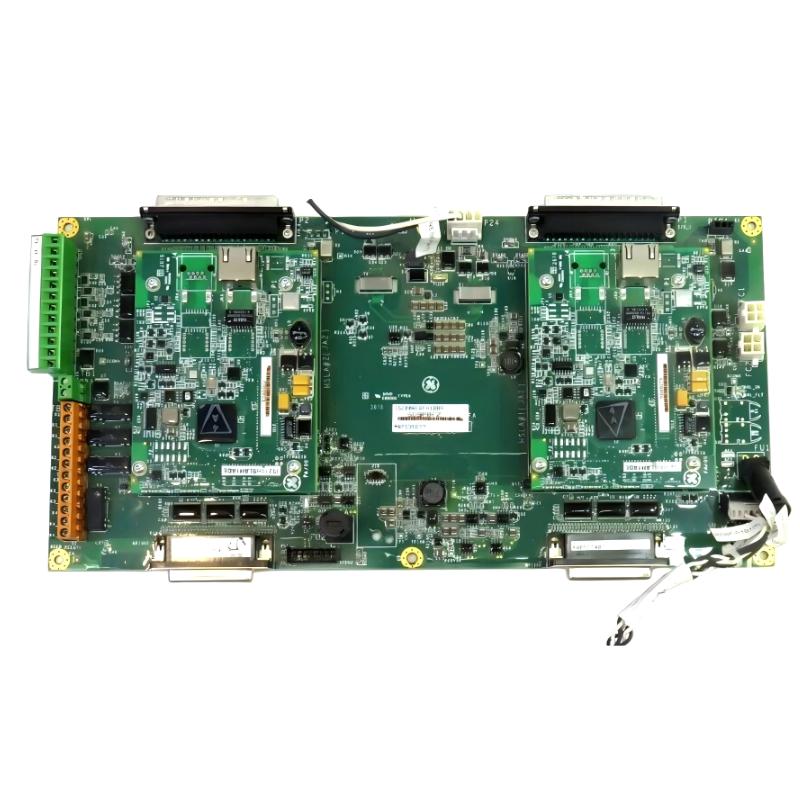
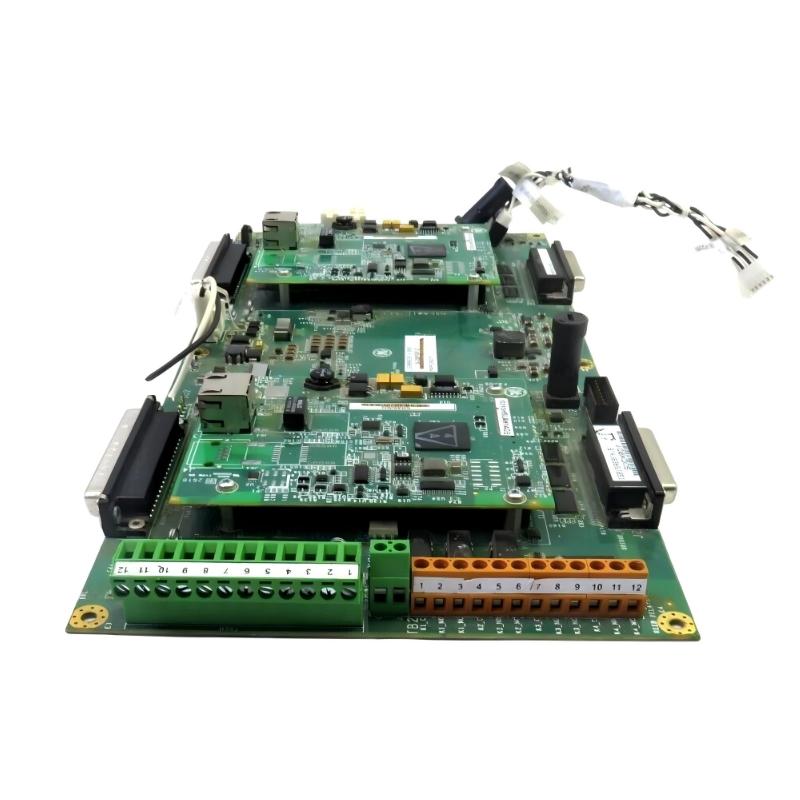
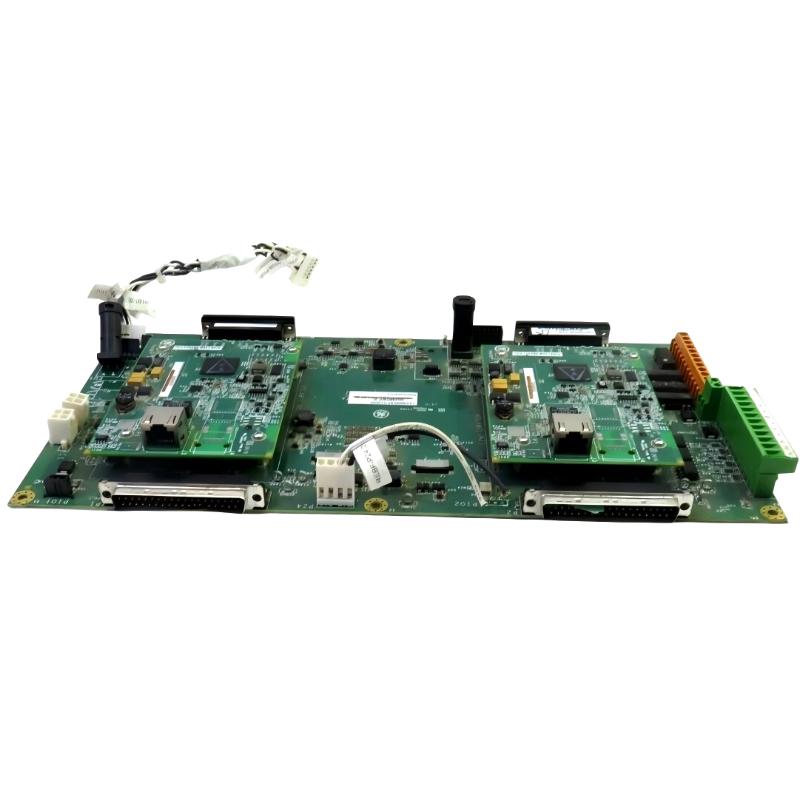
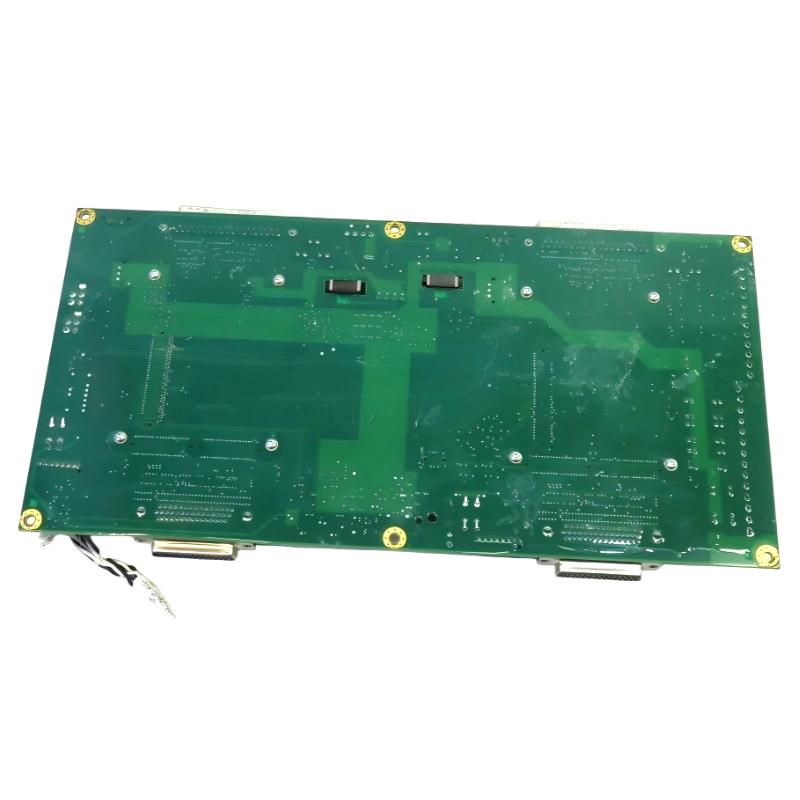
- GE
- IS210HSLAH1A
- High-Speed Serial Link Interface Module
- USA
- 120 × 80 × 100 mm
- 0.4 kg
- Xiamen, China
- New & In Stock
- T/T, PayPal, Western Union
- 1 Year
- 1-3 Working Days
- DHL, UPS, TNT, FedEx and EMS.
- 24-Hour Service
- COO
- 38
Our advantage

Global Logistics
We have a 10-year logistics and express cooperation agreement, so our products can be shipped to any place in the world.

Brand new and original
Our products are imported in bulk from the place of origin. Because of the cooperative relationship, our products are all original and 100% new.

24-hour service
We provide 7*24 hours service to our customers. We will be there whenever you need us.

Price advantage
All our products are priced very favorably because we have our own warehouse and supply.
| Company Information | |||
| [email protected] | |||
| Mobile | +8615980777398 | ||
| +8615980777398 | |||
| 15980777398 |
Product Overview
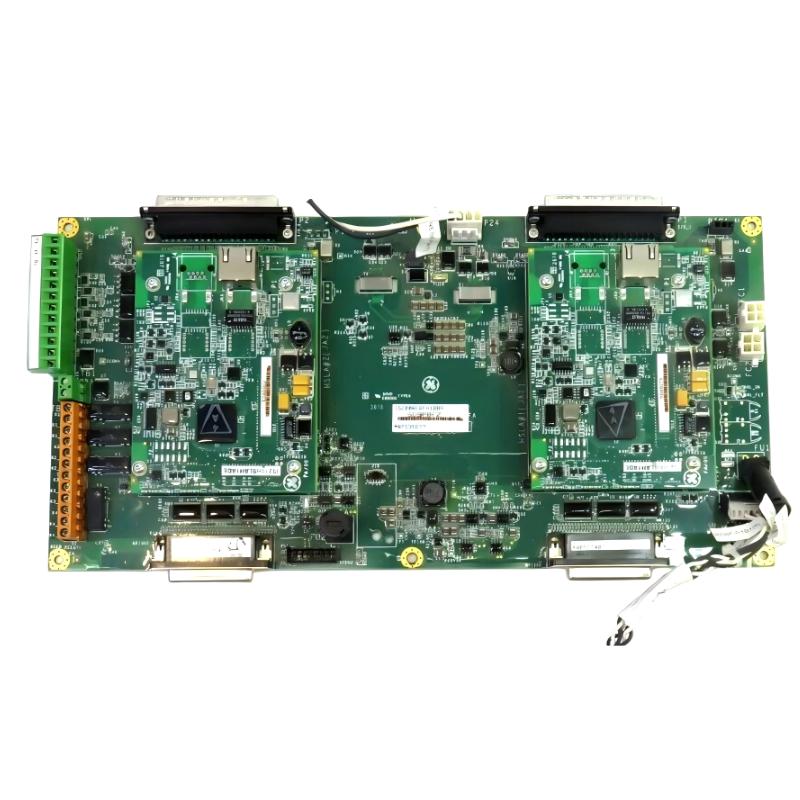
The GE IS210HSLAH1A is a Mark VI High-Speed Serial Link Interface Module used to support high-speed serial communication within the GE Mark VI turbine control architecture. Unlike a field termination board that primarily organizes sensor wiring, this module belongs to the electronic communication and interface layer of the control system.
High-speed serial links are used within complex turbine control installations to exchange information between control-system components that must communicate with low communication delay. The IS210HSLAH1A can therefore be considered part of the communication path that connects applicable Mark VI electronic hardware and allows control-related information to move between system sections.
In a typical Mark VI installation, communication hardware works alongside controllers, I/O interfaces, terminal boards, operator interfaces, and network infrastructure. The IS210HSLAH1A contributes to this architecture by handling the interface between the applicable serial communication path and associated Mark VI system hardware.
Technical Specifications
| Parameter | Specification |
|---|---|
| Product Model | IS210HSLAH1A |
| Product Type | Mark VI High-Speed Serial Link Interface Module |
| Product Family | GE Mark VI |
| Series | Mark VI |
| Component Category | Serial Communication Interface Module |
| System Role | High-Speed Serial Communication Interface |
| Communication Function | Serial Data Exchange |
| Interface Function | Mark VI Electronic System Interconnection |
| Application | Turbine Control System Communication |
| System Integration | GE Mark VI Control System |
| Component Type | Communication Interface Module |
| Control Architecture | Mark VI Distributed Control Architecture |
| Installation | Mark VI Control Cabinet |
| Dimensions | 120 × 80 × 100 mm |
| Weight | 0.4 kg |
Product Features
- Mark VI communication interface hardware for high-speed serial links.
- Supports data exchange between applicable electronic control-system components.
- Occupies the communication and interface layer of the Mark VI architecture.
- Provides an electronic connection between serial communication paths and associated Mark VI hardware.
- Supports control-system data transfer where high-speed serial communication is required.
- Works as part of a larger Mark VI control architecture rather than as a standalone controller.
- Can support communication between distributed sections of a turbine control installation.
- Suitable for maintenance and replacement of established GE Mark VI systems.
- Helps maintain the communication path between compatible Mark VI system components.
- Can be integrated with control, I/O, and supervisory functions through the broader Mark VI architecture.
Working Principle
The IS210HSLAH1A operates as an electronic interface within a high-speed serial communication path. When connected to compatible Mark VI hardware, the module receives serial communication information from one side of the system interface and transfers the applicable data toward the connected Mark VI communication architecture.
Mark VI Control / Electronic Hardware → High-Speed Serial Link → IS210HSLAH1A → Associated Mark VI Hardware
The information carried across the serial link can represent control-system data, status information, measurements, or other system information depending on the specific Mark VI configuration. The module itself should not be treated as the source of the control strategy; its role is to support the communication path used by the control architecture.
In a distributed turbine control system, maintaining communication between electronic subsystems is essential because control decisions can depend on information collected or generated at different locations. A problem in the serial interface path may therefore appear as communication loss, missing system data, or abnormal diagnostics elsewhere in the control system.
For maintenance work, troubleshooting should follow the complete communication chain. Engineers should check the module, connected interfaces, cable or link connections, associated Mark VI hardware, and system diagnostics rather than assuming that a communication fault originates from the interface module itself.
Role in a GE Mark VI High-Speed Communication Architecture
The IS210HSLAH1A occupies the communication-interface layer between applicable Mark VI electronic subsystems. It supports the transfer of information across the high-speed serial link while the connected controllers and I/O hardware perform their respective control and signal-processing functions.
| System Layer | Typical Component | Function |
|---|---|---|
| Supervisory Layer | HMI / Operator Interface | Displays turbine operating information and system status |
| Control Layer | GE Mark VI Control System | Executes configured turbine control strategies |
| Communication Layer | IS210HSLAH1A | Provides high-speed serial-link interface functionality |
| I/O Layer | Mark VI I/O Hardware | Acquires field measurements and provides control outputs |
| Field Interface | Terminal Boards / Communication Links | Connects field and electronic control-system circuits |
| Field Devices | Sensors / Actuators | Measure operating conditions or respond to control commands |
| Turbine Equipment | Turbine / Generator / Auxiliary Systems | Performs the controlled industrial process |
Industrial Applications
| Application | Interface Module Role |
|---|---|
| Gas Turbine Control | Supports high-speed communication between applicable Mark VI control-system components |
| Steam Turbine Control | Maintains serial data exchange within the turbine control architecture |
| Generator Systems | Supports communication between control-system sections associated with generator operation |
| Distributed Turbine Control | Provides an interface for communication between distributed electronic subsystems |
| Turbine Monitoring | Helps transfer status and measurement information through the Mark VI communication architecture |
| Control-System Integration | Connects compatible serial communication paths within the control cabinet |
| Industrial Power Generation | Supports communication infrastructure used by turbine control equipment |
| Mark VI Maintenance | Provides a replacement interface module for service of established control-system installations |
Installation and Maintenance
- Confirm the IS210HSLAH1A model designation and verify that it matches the existing Mark VI communication configuration.
- Review the applicable Mark VI system drawings, communication documentation, and module connection diagrams before beginning work.
- Isolate the relevant control-system power and communication circuits according to the approved maintenance procedure.
- Identify and label the module connections and associated serial communication paths before removing the existing unit.
- Inspect the replacement module for visible damage, contamination, damaged connectors, or other installation concerns.
- Inspect the associated communication cables and connectors for looseness, damage, contamination, or signs of poor contact.
- Remove the existing module carefully while protecting adjacent Mark VI hardware and communication connections.
- Install the replacement module in the designated Mark VI cabinet position and secure it according to the applicable installation arrangement.
- Reconnect the communication interfaces carefully and verify that each connection corresponds to the approved system documentation.
- Check the communication path between the IS210HSLAH1A and the associated Mark VI hardware before restoring normal operation.
- Perform a controlled system communication test and verify that the expected data exchange and system diagnostics are restored.
- Record the replacement details, connection information, diagnostic results, and any configuration observations for future maintenance.
Related Components
| Component | Function in the System |
|---|---|
| GE Mark VI Control System | Executes turbine control strategies and coordinates system operation |
| Mark VI Controller | Performs configured control and coordination functions |
| Mark VI I/O Hardware | Acquires field measurements and provides control outputs |
| Serial Communication Link | Carries data between applicable electronic control-system components |
| Mark VI Terminal Board | Provides field-side or I/O-side signal and equipment interfaces |
| Control-System Communication Cabling | Connects the interface module with associated system hardware |
| HMI / Operator Interface | Provides monitoring, diagnostics, and operator access |
| Turbine and Generator Equipment | Provides the controlled process and operating feedback |
Recommended Related Models
| Model | Product Type | Typical Relationship |
|---|---|---|
| GE IS200 Series | Mark VI Electronic Interface Hardware | Related Mark VI board family |
| GE IS210 Series | Mark VI Electronic Interface Hardware | Related Mark VI board family |
| GE Mark VI Communication Interface Hardware | Control-System Communication Hardware | Related communication components |
| GE Mark VI Control Boards | Turbine Control Electronic Hardware | Associated control-system hardware |
| GE Mark VI I/O Hardware | Turbine Control I/O Hardware | Associated I/O architecture |
Key Advantages
- Provides a dedicated interface for high-speed serial communication within the Mark VI system.
- Supports data exchange between applicable electronic control-system components.
- Integrates into the communication layer of a distributed turbine control architecture.
- Helps maintain communication paths between Mark VI subsystems.
- Supports troubleshooting of serial communication paths through structured system diagnostics.
- Suitable for maintenance and replacement of established GE Mark VI control installations.
Technical FAQs
What is the function of the IS210HSLAH1A?
The IS210HSLAH1A serves as a high-speed serial link interface within the GE Mark VI control architecture. It supports communication between compatible electronic system components rather than directly controlling the turbine.
Is the IS210HSLAH1A an I/O terminal board?
No. A terminal board primarily provides a physical connection point for field or I/O circuits, while the IS210HSLAH1A is an electronic communication interface module intended to support serial data exchange within the control-system architecture.
What should be checked when replacing the IS210HSLAH1A?
The replacement should be checked against the existing Mark VI configuration, module connections, communication-link arrangement, associated hardware, and system documentation. Communication cables and connectors should also be inspected before commissioning the replacement.
What can cause communication problems after replacing the module?
Communication problems can result from incorrect connections, damaged or poorly seated communication cables, incompatible hardware configuration, module faults, or issues elsewhere in the Mark VI communication path. Troubleshooting should therefore examine the complete link rather than only the replacement module.