

ProductPRODUCT
Featured products



Contact Us
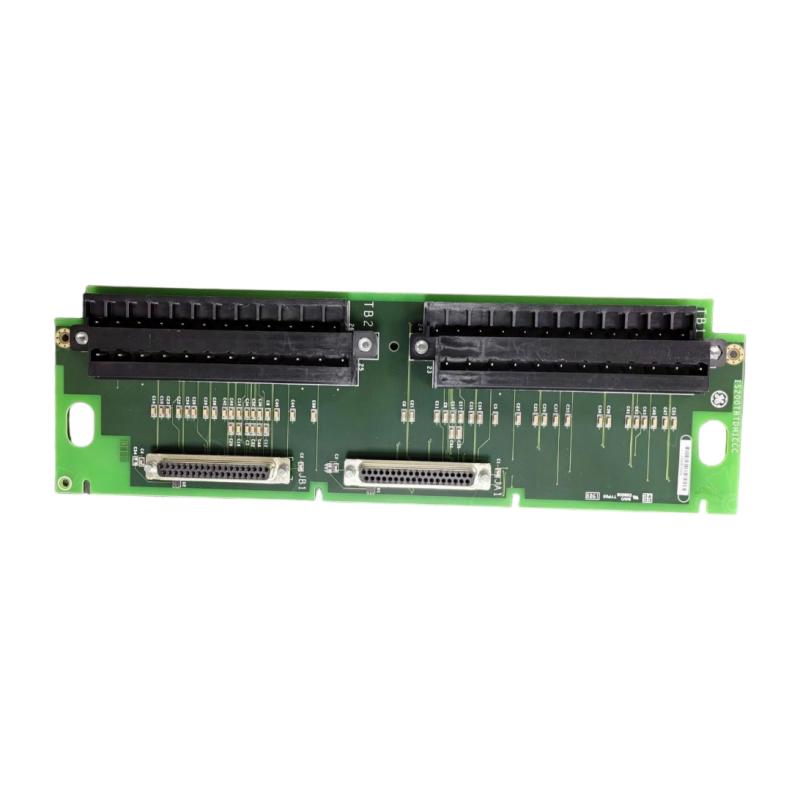
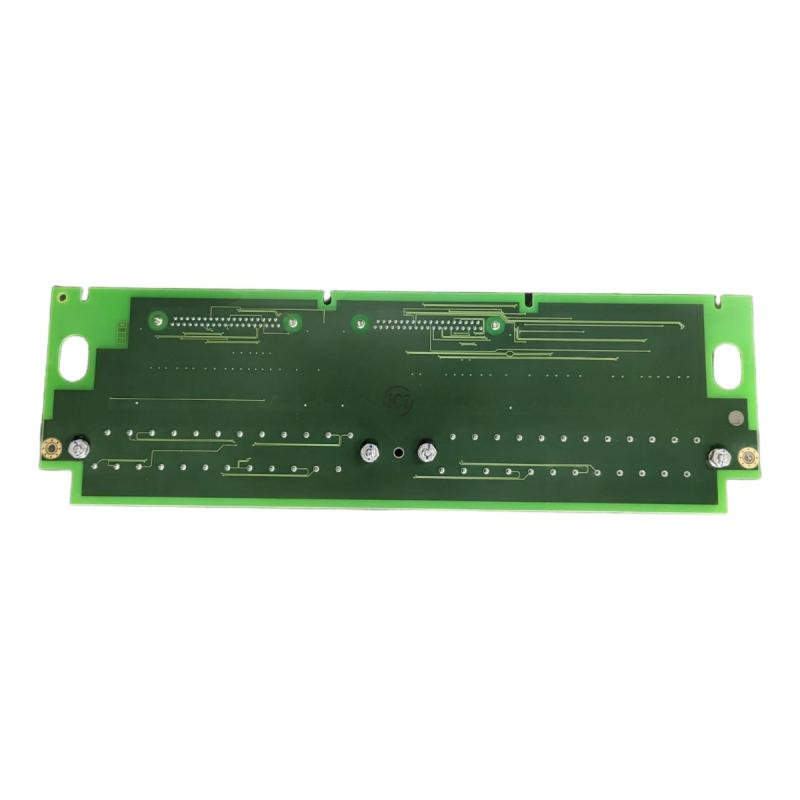
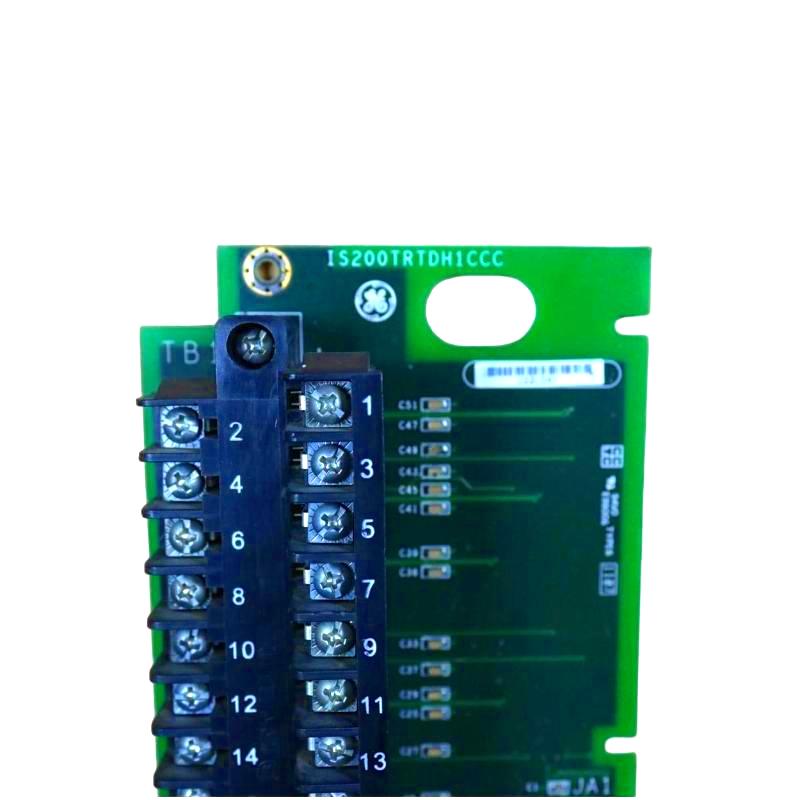
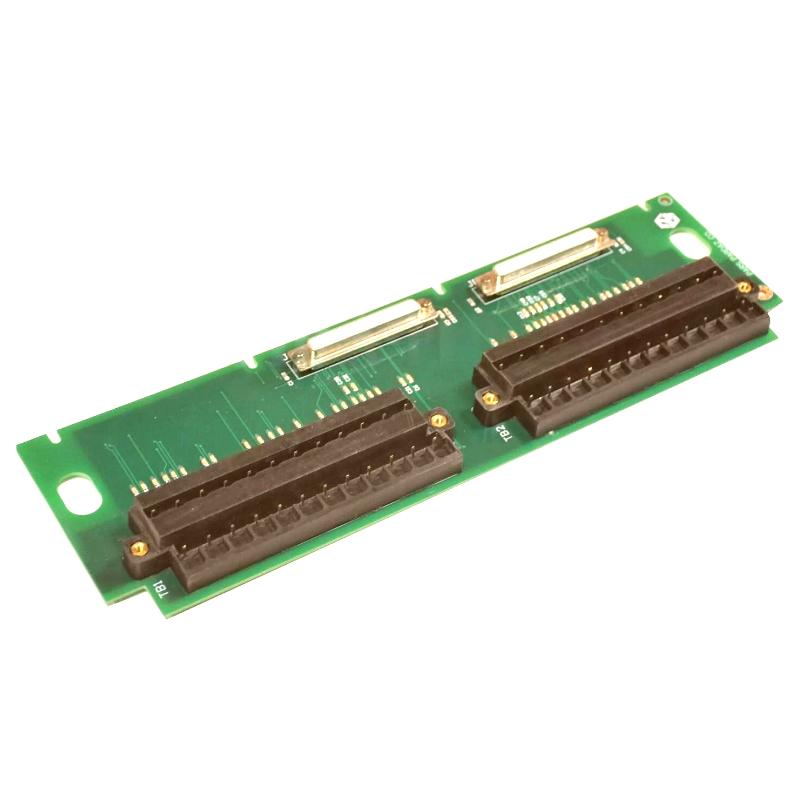
- GE
- IS200TRTDH1CCC
- Resistance Temperature Detector
- USA
- 330 × 130 × 40 mm
- 0.9 kg
- Xiamen, China
- New & In Stock
- T/T, PayPal, Western Union
- 1 Year
- 1-3 Working Days
- DHL, UPS, TNT, FedEx and EMS.
- 24-Hour Service
- COO
- 35
Our advantage

Global Logistics
We have a 10-year logistics and express cooperation agreement, so our products can be shipped to any place in the world.

Brand new and original
Our products are imported in bulk from the place of origin. Because of the cooperative relationship, our products are all original and 100% new.

24-hour service
We provide 7*24 hours service to our customers. We will be there whenever you need us.

Price advantage
All our products are priced very favorably because we have our own warehouse and supply.
| Company Information | |||
| [email protected] | |||
| Mobile | +8615980777398 | ||
| +8615980777398 | |||
| 15980777398 |
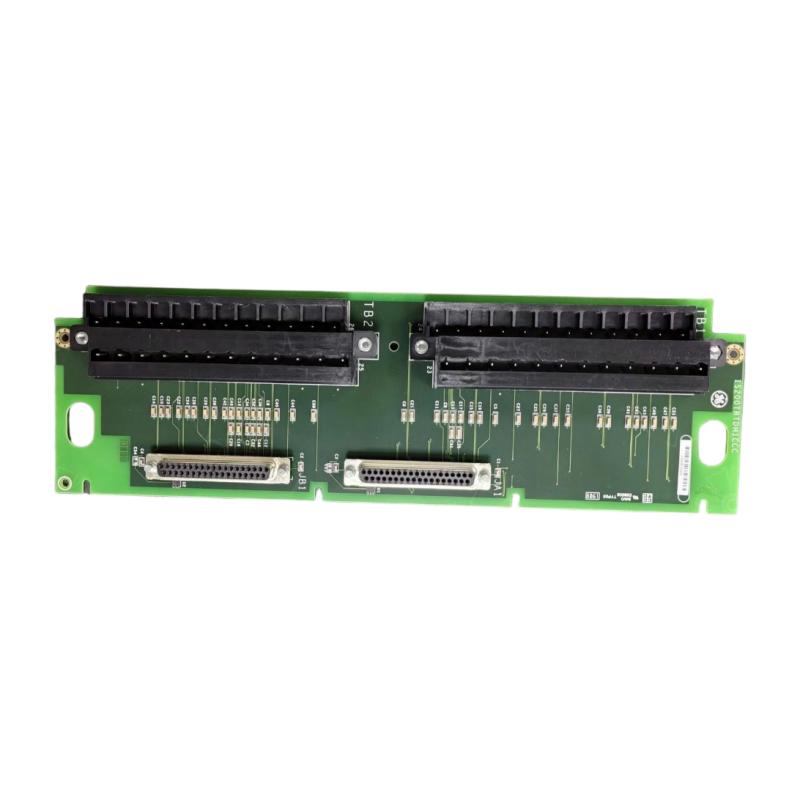
Product Overview
The GE IS200TRTDH1CCC Resistance Temperature Detector is an industrial temperature measurement and interface component designed for integration into compatible GE control and automation systems. The device is associated with resistance-based temperature measurement, providing the control architecture with temperature-related information from connected sensing elements.
Temperature is one of the most important process variables in industrial automation. Motors, turbines, generators, compressors, pumps, heat exchangers, bearings, lubrication systems, and other industrial equipment all require temperature monitoring to maintain stable and safe operation. A resistance temperature detector interface allows temperature changes to be represented as electrical resistance variations that can be processed by the associated control system.
The GE IS200TRTDH1CCC has listed dimensions of 330 × 130 × 40 mm and a weight of approximately 0.9 kg. Its industrial construction allows it to be integrated into the designated GE control-system architecture while providing an interface for temperature-related measurement signals.
The IS200TRTDH1CCC should be considered a component within a larger measurement and control system rather than an independent temperature controller. Its operation depends on the connected RTD sensing elements, field wiring, interface circuitry, control processor, I/O architecture, and system configuration.
Technical Specifications
| Parameter | Specification |
|---|---|
| Manufacturer | General Electric (GE) |
| Model | IS200TRTDH1CCC |
| Product Type | Resistance Temperature Detector |
| Product Family | GE Industrial Control / Mark Series Hardware |
| Measurement Type | Resistance-based temperature measurement |
| Primary Function | Temperature sensing and signal interface |
| Sensor Type | RTD |
| Application | Industrial Temperature Monitoring and Control |
| System Role | Temperature measurement interface |
| Dimensions | 330 × 130 × 40 mm |
| Weight | 0.9 kg |
| Installation | Compatible GE industrial control equipment |
| Mounting | Control cabinet / equipment installation |
| Typical Applications | Turbine, generator, process and industrial equipment |
What Is the GE IS200TRTDH1CCC?
The GE IS200TRTDH1CCC is a GE Resistance Temperature Detector (RTD) component designed for temperature measurement within compatible industrial control systems.
An RTD measures temperature by taking advantage of the predictable relationship between the electrical resistance of a sensing element and its temperature. As temperature changes, the resistance of the sensing element changes. The associated measurement electronics can detect this resistance variation and convert it into useful temperature information.
A simplified measurement path is:
Process Equipment → RTD Sensor → IS200TRTDH1CCC → Control Electronics → HMI / SCADA
The exact electrical architecture depends on the host GE control system.
The board or interface should therefore be evaluated as part of the complete temperature-measurement chain rather than as an isolated component.
Understanding Resistance Temperature Detection
Resistance temperature detection is widely used in industrial instrumentation because many RTD sensing materials exhibit a repeatable resistance-temperature relationship.
A typical RTD measurement process includes:
- A sensing element is positioned at the location where temperature must be monitored.
- The sensing element exhibits a resistance corresponding to its temperature.
- The measurement circuit determines the electrical resistance.
- The associated electronics process the measurement.
- The control system receives temperature information.
- The controller uses the information for monitoring, alarms, protection, or process control.
This principle allows temperature measurements to become part of automated industrial control strategies.
RTD-based measurement is particularly useful when temperature must be monitored continuously rather than checked manually.
Function and Working Principle
Temperature Sensing
The connected RTD sensing element changes electrical resistance as its temperature changes.
For many metallic RTD elements, resistance increases as temperature rises within the normal operating range of the sensing element.
The measurement system uses this electrical characteristic to determine the corresponding temperature.
Signal Acquisition
The IS200TRTDH1CCC forms part of the electronic interface through which RTD-related signals are acquired and transferred into the control architecture.
Reliable signal acquisition is important because temperature measurements may be used for both routine monitoring and protective functions.
Signal Conditioning
RTD measurements can be affected by cable resistance, electrical interference, connection quality, and installation conditions. Appropriate measurement circuitry is therefore required to obtain a useful temperature signal.
Depending on the system architecture, signal conditioning may involve filtering, compensation, isolation, or conversion.
Temperature Data Processing
Once the resistance signal has been acquired, the associated control electronics can convert the measurement into temperature information.
The resulting value can then be displayed, recorded, alarmed, or incorporated into control logic.
Continuous Monitoring
Industrial equipment often requires continuous temperature monitoring.
For example, temperature information can be used to observe:
- Bearing temperature
- Winding temperature
- Generator temperature
- Motor temperature
- Lubrication temperature
- Process-fluid temperature
- Equipment enclosure temperature
- Heat-exchanger conditions
The exact measurement points depend on the application.
Role in Industrial Control Systems
The GE IS200TRTDH1CCC Resistance Temperature Detector can serve as part of a larger industrial instrumentation architecture.
A simplified system can be represented as:
Temperature-Sensitive Equipment
↓
RTD Sensor
↓
IS200TRTDH1CCC
↓
GE Control / I/O Architecture
↓
Control Processor
↓
HMI / SCADA
↓
Operator or Automatic Control Response
This architecture allows temperature information to become part of the overall control strategy.
If the measured temperature exceeds a configured operating limit, the control system may generate an alarm or initiate a predefined protective response depending on the equipment design.
Industrial Applications
Turbine Temperature Monitoring
Turbine systems contain multiple temperature-sensitive components. Temperature measurement can provide important information about equipment operating conditions and thermal behavior.
RTD-based measurement can be used within broader turbine instrumentation architectures.
Generator Systems
Generators can experience temperature changes in windings, bearings, and other components. Continuous temperature monitoring helps provide information for operating supervision and protection.
Motor Temperature Monitoring
Industrial motors may use RTD sensors to monitor winding or bearing temperatures.
Temperature data can help operators identify abnormal thermal conditions before they develop into more serious equipment problems.
Process Equipment
Chemical, manufacturing, and utility processes frequently require temperature monitoring of tanks, pipes, heat exchangers, and other process equipment.
Pump and Compressor Systems
Bearings, motors, and process fluids in pump and compressor systems may require continuous temperature monitoring.
Industrial Utilities
Heating, cooling, steam, water, and other utility systems can incorporate RTD measurements into centralized automation systems.
RTD Measurement Accuracy Considerations
Reliable RTD measurement depends on more than the electronic interface.
Important factors include:
- Sensor quality
- Sensor installation
- Cable resistance
- Wiring configuration
- Connector condition
- Electrical interference
- Ambient temperature
- Mechanical condition
- Calibration
- Control-system configuration
Long sensor cables can introduce additional resistance into the measurement circuit. Appropriate wiring practices and system compensation methods should therefore be considered when designing or maintaining an RTD installation.
Installation Guidelines
1. Verify the Part Number
Before installation, confirm the complete IS200TRTDH1CCC identification and revision information.
Do not select a replacement based only on physical appearance.
2. Inspect the Existing Wiring
Record the original sensor connections before removing the existing component.
Important information includes:
- Sensor identification
- Cable routing
- Terminal locations
- Connector positions
- Wire labels
- Associated control hardware
3. Use Appropriate ESD Protection
The assembly contains electronic circuitry that should be protected from electrostatic discharge during handling.
4. Check the RTD Sensor
The sensor should be inspected for:
- Mechanical damage
- Corrosion
- Contamination
- Loose connections
- Cable damage
- Incorrect installation
Replacing the interface hardware will not correct a defective RTD sensing element.
5. Install the Component
Install the IS200TRTDH1CCC in its designated position and secure it appropriately.
6. Restore Connections
Reconnect the sensor and system wiring according to the original configuration and applicable system documentation.
7. Perform Functional Verification
After installation, verify that the control system receives a reasonable temperature value before returning the equipment to normal operation.
Wiring and Cable Management
RTD measurements can be sensitive to wiring resistance and electrical interference.
Good installation practices include:
- Keep sensor cables properly identified.
- Avoid unnecessary cable extensions.
- Protect wiring against mechanical damage.
- Maintain appropriate separation from high-power cables.
- Ensure connectors are securely seated.
- Avoid excessive bending.
- Protect cables from excessive heat.
- Maintain appropriate shielding where required by the system design.
The actual wiring configuration should always follow the applicable GE control-system documentation.
PLC, I/O, HMI and SCADA Integration
The IS200TRTDH1CCC can form part of a complete temperature-monitoring architecture involving several layers of industrial automation hardware.
| Component | General Function |
|---|---|
| RTD Sensor | Detects temperature |
| Sensor Cable | Transfers the resistance signal |
| IS200TRTDH1CCC | Temperature measurement interface |
| I/O Hardware | Acquires and processes field information |
| Control Processor | Executes monitoring and control logic |
| HMI | Displays temperature values and alarms |
| SCADA | Provides supervisory monitoring |
| Engineering Station | Configuration and diagnostics |
| Protective Equipment | Performs configured safety or shutdown actions |
The exact combination of components depends on the host GE system.
Commissioning Procedure
A systematic commissioning process helps verify the complete RTD measurement chain.
Step 1: Visual Inspection
Inspect the IS200TRTDH1CCC for physical damage, contamination, loose hardware, or connector problems.
Step 2: Sensor Inspection
Check the associated RTD sensor and cable.
Step 3: Wiring Verification
Compare the wiring arrangement with the applicable system documentation.
Step 4: Connection Verification
Confirm that all connectors are correctly seated.
Step 5: Control-System Check
Check for diagnostic messages or abnormal temperature-channel indications.
Step 6: Temperature Verification
Compare the displayed temperature with a reasonable expected value or an appropriate reference measurement.
Step 7: Functional Test
Verify that alarms and configured control responses operate correctly where applicable.
Step 8: Final Inspection
Confirm that the board, wiring, connectors, and cabinet installation are secure before returning the system to normal operation.
Troubleshooting the IS200TRTDH1CCC
No Temperature Signal
If the control system does not receive a valid temperature signal, inspect:
- RTD sensor
- Sensor cable
- Board connectors
- Wiring
- Interface hardware
- Power supply
- Control-system diagnostics
A disconnected sensor can produce symptoms similar to an electronic board problem.
Temperature Reading Too High
A temperature reading that appears abnormally high may be caused by:
- Sensor problems
- Wiring errors
- Connection resistance
- Configuration errors
- Electrical interference
- Interface circuitry problems
- Actual process overheating
The actual process temperature should be checked before concluding that the measurement system is defective.
Temperature Reading Too Low
Possible causes include:
- Sensor degradation
- Incorrect wiring
- Loose connections
- Incorrect configuration
- Cable problems
- Interface problems
- Actual low process temperature
A known reference measurement can help separate an instrumentation problem from a genuine process condition.
Unstable Temperature Reading
An unstable RTD signal can result from:
- Loose wiring
- Damaged cable
- Electrical noise
- Poor connector contact
- Sensor degradation
- Mechanical vibration
- Temperature changes at the connection point
The complete sensor-to-controller path should be inspected.
Intermittent Temperature Signal
Intermittent measurements may indicate:
- Loose terminals
- Connector problems
- Cable damage
- Vibration
- Sensor degradation
- Thermal expansion of connections
- Electronic faults
Monitoring the signal while inspecting the wiring can help locate the fault.
Preventive Maintenance
Regular maintenance can improve the reliability of temperature measurement systems.
Inspect RTD Sensors
Check sensors for contamination, corrosion, mechanical damage, and installation problems.
Inspect Cables
Look for damaged insulation, loose conductors, excessive bending, and mechanical stress.
Check Connectors
Connectors should remain clean, secure, and properly seated.
Monitor Temperature Trends
Trend data can be useful for identifying gradual changes in equipment temperature.
A slowly increasing bearing or winding temperature, for example, may indicate a developing equipment problem even when the current measurement remains below the alarm threshold.
Inspect the Control Cabinet
Maintain suitable cabinet temperature, cleanliness, ventilation, and environmental conditions.
Replacement and Spare-Part Planning
When sourcing a replacement for the GE IS200TRTDH1CCC Resistance Temperature Detector, the complete part number should be verified.
Important identification information includes:
- IS200TRTDH1CCC
- Revision designation
- Board markings
- Connector arrangement
- Sensor wiring
- Host equipment
- Installation position
- Associated control hardware
The 330 × 130 × 40 mm dimensions and 0.9 kg weight are also useful for inventory and replacement planning.
Physical dimensions alone should not be used to determine electrical compatibility.
Physical Dimensions and Weight
The listed physical specifications for the GE IS200TRTDH1CCC are:
- Dimensions: 330 × 130 × 40 mm
- Weight: 0.9 kg
These specifications can be useful for:
- Cabinet planning
- Replacement preparation
- Spare-parts storage
- Shipping
- Equipment documentation
- Maintenance planning
The relatively compact form factor allows the assembly to be incorporated into larger industrial control equipment while providing a dedicated temperature measurement interface.
Compatible System Components
The IS200TRTDH1CCC may operate within a broader GE industrial control system containing:
| Component | General Function |
|---|---|
| RTD Sensors | Temperature measurement |
| Sensor Cables | Measurement signal transmission |
| GE I/O Assemblies | Field signal acquisition |
| GE Control Boards | Signal processing and control |
| GE Terminal Boards | Field wiring interface |
| GE Communication Boards | System communication |
| Control Processor | Control logic |
| HMI | Operator monitoring |
| SCADA System | Supervisory control |
| Engineering Workstation | Configuration and diagnostics |
The exact compatible hardware depends on the host system configuration.
Recommended Related GE Models
| GE Model | Product Type | General Role |
|---|---|---|
| IS200DTCIH1ABB | Simplex Thermocouple Input Board | Temperature input |
| IS200EMCSG1AAB | Conductivity Sensor Board | Process measurement |
| IS200STAIH2ACB | Analog I/O Terminal Block | Analog signal interface |
| IS200TBC1H1BCE | Mark VI Contact Terminal Block | Contact interface |
| IS200TBCIH1BBC | Contact Input Terminal Block | Discrete input interface |
| IS200TRLYH1BED | Relay Output Terminal Block | Relay output interface |
| IS200DSPXH1CAA | Digital Signal Processor Control Board | Digital control processing |
| IS200DSPXH2CAA | Digital Signal Processor Control Board | Control and communication |
These are related GE industrial control and measurement assemblies, but they should not be regarded as direct replacements for the IS200TRTDH1CCC without verifying the host-system requirements.
Engineering Best Practices
For reliable RTD measurement, the electronic interface, sensor, wiring, and control configuration should all be treated as one measurement chain.
Recommended practices include:
- Verify the complete board identification before replacement.
- Record revision information.
- Maintain accurate sensor and wiring documentation.
- Protect electronic assemblies against ESD.
- Keep sensor cables away from unnecessary electrical interference.
- Inspect connectors during scheduled maintenance.
- Monitor long-term temperature trends.
- Maintain suitable cabinet environmental conditions.
- Verify temperature measurements against an appropriate reference when required.
- Keep correctly identified spare assemblies available.
These practices can help reduce unnecessary board replacement and improve the reliability of industrial temperature-monitoring systems.
Key Advantages
Dedicated Temperature Measurement Interface
The IS200TRTDH1CCC is designed for resistance-based temperature measurement within compatible GE industrial control architectures.
Continuous Process Monitoring
RTD-based measurement allows industrial systems to monitor temperature continuously rather than relying solely on manual inspection.
Broad Industrial Relevance
Temperature monitoring is applicable to turbines, generators, motors, pumps, compressors, process equipment, and utility systems.
Integration With Automation Systems
Temperature information can become part of PLC, control processor, HMI, SCADA, alarm, and equipment-protection strategies.
Compact Industrial Form Factor
The listed 330 × 130 × 40 mm dimensions provide a practical form factor for integration into industrial control equipment.
Technical FAQs
What is the GE IS200TRTDH1CCC?
The GE IS200TRTDH1CCC is a Resistance Temperature Detector component designed for temperature measurement within compatible GE industrial control systems.
What does an RTD measure?
An RTD measures temperature by detecting changes in the electrical resistance of a sensing element.
What are the dimensions of the IS200TRTDH1CCC?
The listed dimensions are 330 × 130 × 40 mm.
How much does the IS200TRTDH1CCC weigh?
The listed weight is approximately 0.9 kg.
Is the IS200TRTDH1CCC a standalone temperature controller?
No. It is a temperature measurement and interface component intended to operate as part of a larger industrial control architecture.
What can cause an incorrect RTD temperature reading?
Potential causes include sensor damage, wiring resistance, loose connections, cable problems, electrical interference, incorrect configuration, interface faults, or an actual change in process temperature.
Can replacing the board fix every RTD measurement problem?
No. The sensor, cable, connectors, interface hardware, control configuration, and actual process condition should all be checked before replacing the board.
Why is temperature trend monitoring useful?
A gradual temperature increase can provide an early indication of equipment degradation or changing process conditions, even when the current temperature remains within its normal range.
Can another GE temperature board replace the IS200TRTDH1CCC?
Not automatically. Compatibility must be verified using the complete part number, revision, electrical interface, sensor configuration, and host-system requirements.
What should be checked before installing a replacement?
Technicians should verify the IS200TRTDH1CCC identification, revision, connector arrangement, sensor wiring, host equipment, and applicable system configuration.
Conclusion
The GE IS200TRTDH1CCC Resistance Temperature Detector is an industrial temperature measurement component designed to integrate RTD-based sensing into compatible GE control and automation systems. By providing a structured interface for resistance-based temperature measurement, it can contribute to continuous monitoring of turbines, generators, motors, pumps, compressors, process equipment, and other temperature-sensitive industrial assets.
The listed physical specifications are 330 × 130 × 40 mm with a weight of 0.9 kg, making the component suitable for integration into industrial control equipment where reliable temperature measurement is required.
For maintenance and replacement, the complete IS200TRTDH1CCC identification should be verified together with its revision, wiring arrangement, associated RTD sensors, and host-system configuration. Proper sensor installation, secure wiring, appropriate environmental conditions, and systematic commissioning are essential for dependable temperature measurement.
When correctly integrated into a compatible GE control architecture, the IS200TRTDH1CCC Resistance Temperature Detector can serve as an important part of an automated temperature-monitoring chain, helping industrial systems collect process information for monitoring, alarms, diagnostics, and control.