

ProductPRODUCT
Featured products
Contact Us
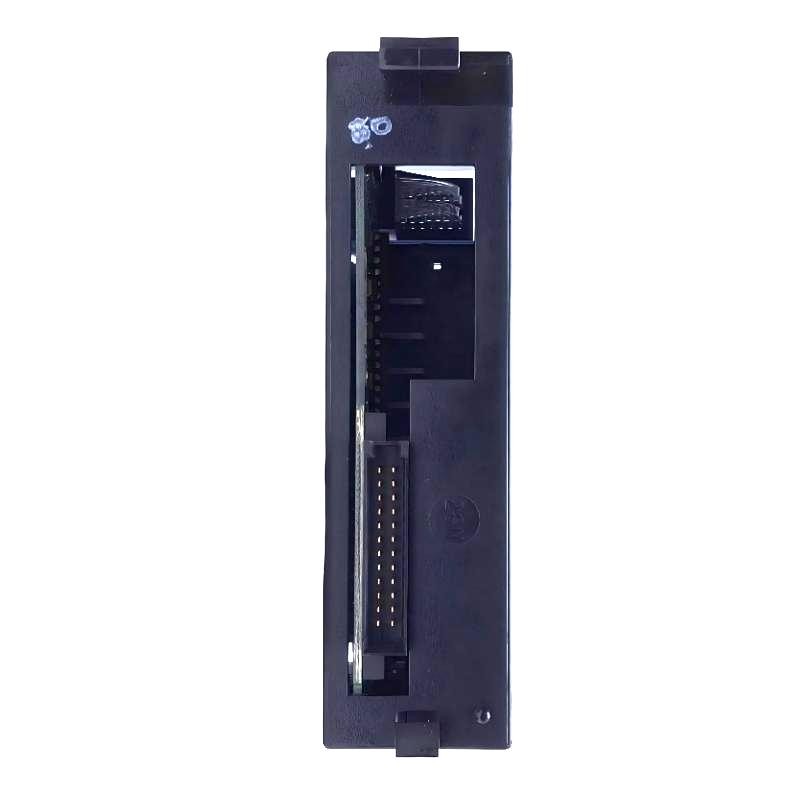
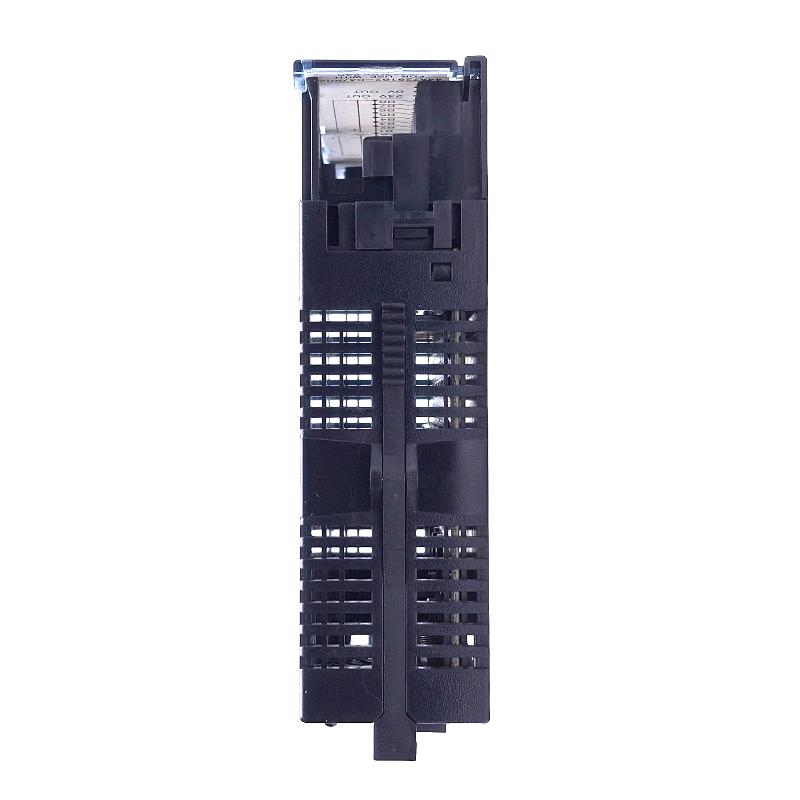
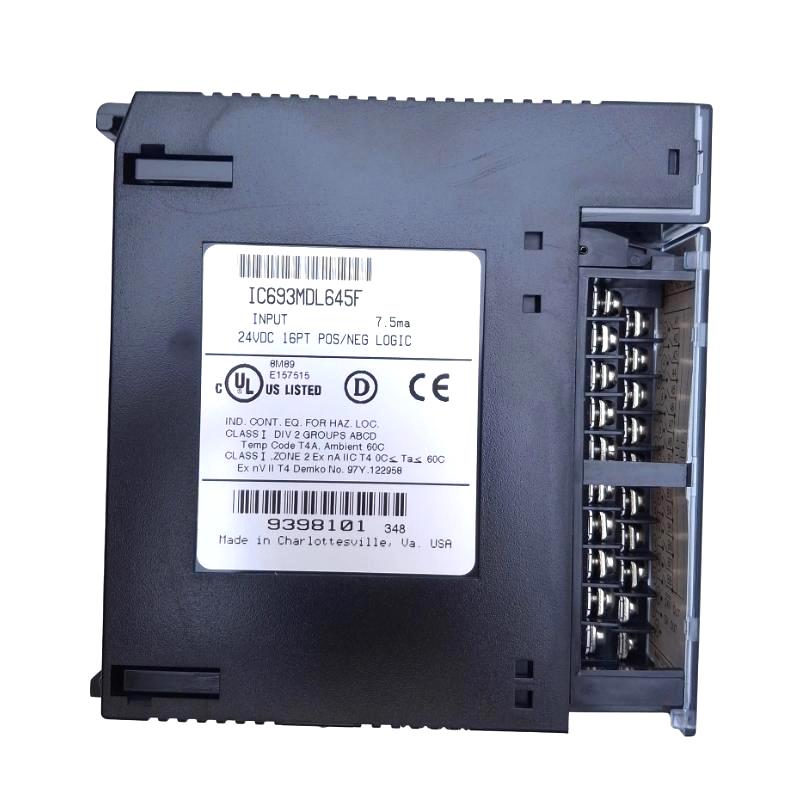
- GE
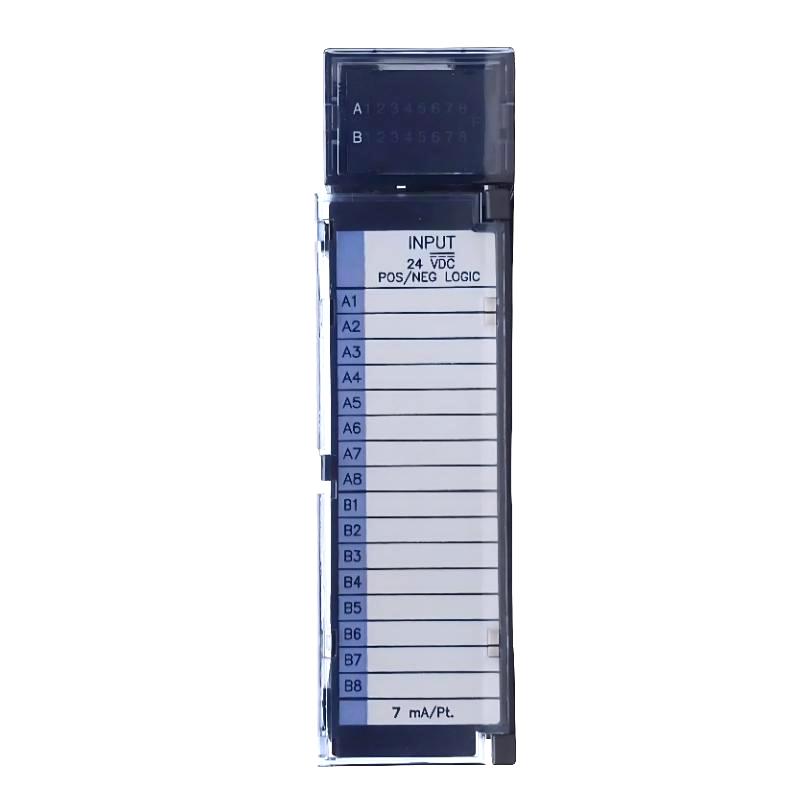
- IC693MDL645F
- Discrete Input Module
- USA
- 142 × 30 × 130 mm
- 0.42 kg
- Xiamen, China
- New & In Stock
- T/T, PayPal, Western Union
- 1 Year
- 1-3 Working Days
- DHL, UPS, TNT, FedEx and EMS.
- 24-Hour Service
- COO
- 58
Our advantage

Global Logistics
We have a 10-year logistics and express cooperation agreement, so our products can be shipped to any place in the world.

Brand new and original
Our products are imported in bulk from the place of origin. Because of the cooperative relationship, our products are all original and 100% new.

24-hour service
We provide 7*24 hours service to our customers. We will be there whenever you need us.

Price advantage
All our products are priced very favorably because we have our own warehouse and supply.
| Company Information | |||
| [email protected] | |||
| Mobile | +8615980777398 | ||
| +8615980777398 | |||
| 15980777398 |
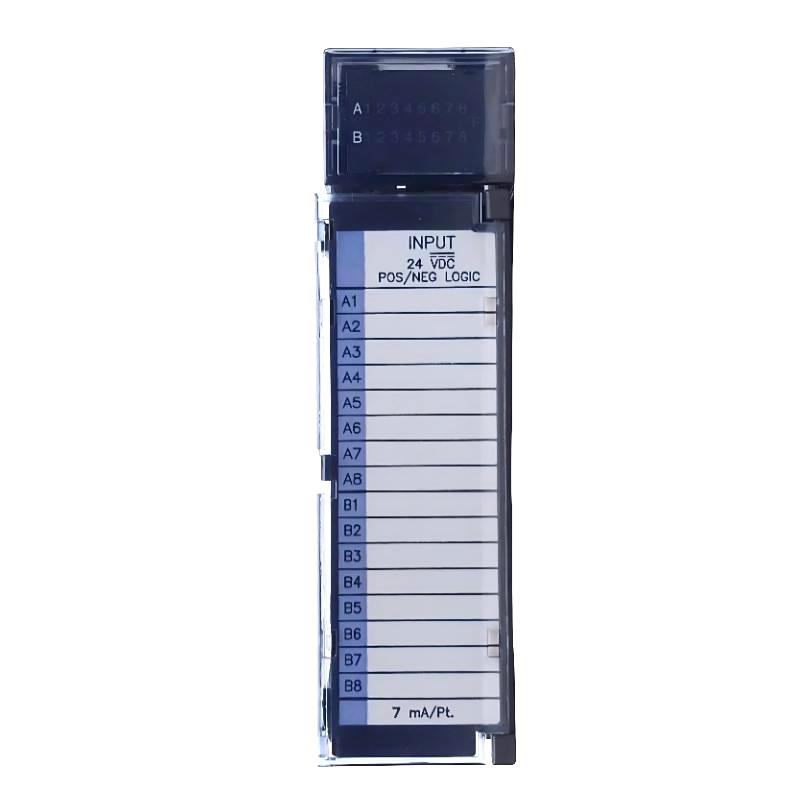
Product Overview
The GE IC693MDL645F Series 90-30 Discrete Input Module is a digital input module used with the GE Series 90-30 PLC platform. It brings two-state information from field devices into the PLC so that the control program can determine whether equipment, switches, sensors, or other discrete devices are in the expected condition.
Typical signals include ON/OFF, RUN/STOP, OPEN/CLOSED, READY/FAULT, and other state-based information. In a machine-control cabinet, an input channel may monitor a limit switch on a conveyor, a contact from a motor starter, a valve position signal, or an equipment alarm contact.
The module sits between the field wiring and the Series 90-30 controller:
Field Device → IC693MDL645F → Series 90-30 PLC → Control Logic
A packaging machine, for example, may use discrete inputs to confirm that a guard is closed, a cylinder has reached its position, or a motor has reached the required operating state. The PLC can then use these conditions to permit the next sequence step.
The input module itself only reports the electrical state presented to its channels. The meaning assigned to that state comes from the PLC program and the way the field device is wired.
Technical Specifications
| Parameter | Specification |
|---|---|
| Manufacturer | GE |
| Model | IC693MDL645F |
| Product Family | Series 90-30 |
| Product Type | Discrete Input Module |
| Primary Function | Discrete Field Signal Acquisition |
| System Role | PLC Input Interface |
| Application | Industrial Automation / Machine Control |
| Installation | GE Series 90-30 PLC System |
| Dimensions | 142 × 30 × 130 mm |
| Weight | 0.42 kg |
Product Features
- GE Series 90-30 Discrete Input Module
- Model IC693MDL645F
- Digital field-state acquisition
- Interfaces field contacts and switching devices with the PLC
- Suitable for equipment status monitoring
- Applicable to machine sequence inputs
- Can be used for limit-switch and position feedback
- Suitable for motor and actuator status signals
- Useful for alarm and permissive conditions
- Applicable to existing Series 90-30 installations
- Suitable for PLC maintenance and replacement work
Working Principle
The IC693MDL645F receives discrete electrical states from connected field devices and makes those states available to the Series 90-30 PLC.
A typical control path is:
Switch / Sensor / Contact → Field Wiring → IC693MDL645F → PLC Logic
When a field device changes state, the corresponding input circuit detects the change. The module passes the resulting input condition into the PLC system, where the control program interprets it according to the machine or process logic.
A conveyor application may use a limit switch to confirm that a workpiece has reached a particular position:
Workpiece Reaches Position → Limit Switch Changes State → IC693MDL645F Detects Input → PLC Advances Sequence
A motor application may use an auxiliary contact to indicate running status:
Motor Starts → Auxiliary Contact Changes State → Input Module Detects Status → PLC Confirms Motor Condition
The same input information can also be used as a permissive. If a required condition is not present, the PLC can prevent the next operation from occurring.
Field Signal Monitoring
The value of a discrete input module comes from how its channels are used within the control sequence.
| Field Condition | Possible PLC Interpretation |
|---|---|
| Limit switch activated | Position reached |
| Motor auxiliary contact active | Motor running |
| Valve feedback active | Valve at configured position |
| Emergency device contact | Safety-related status |
| Pressure switch active | Pressure condition reached |
| Level switch active | Level limit reached |
| Equipment fault contact | Device fault |
| Door switch active | Guard or enclosure condition |
The actual interpretation depends on the field wiring and PLC application.
Role in a Series 90-30 PLC Architecture
The IC693MDL645F occupies the input side of the Series 90-30 control system.
Field Devices → IC693MDL645F → Series 90-30 CPU → PLC Program → Output Modules → Controlled Equipment
| System Element | Function |
|---|---|
| IC693MDL645F | Acquires discrete field conditions |
| Series 90-30 CPU | Executes PLC logic |
| Series 90-30 Power Supply | Supplies system power |
| PLC Backplane | Provides module interconnection |
| Terminal Assembly | Connects field wiring |
| Discrete Output Module | Sends binary commands |
| Analog Input Module | Acquires continuous process signals |
| HMI | Displays machine and process conditions |
| Field Switches | Generate discrete input states |
| Auxiliary Contacts | Provide equipment feedback |
| Sensors | Detect machine or process conditions |
An output module may act on the condition reported by the IC693MDL645F. For example, an input can confirm that a valve is open before the PLC permits a pump-start output.
Equipment Status and Sequence Control
Discrete inputs are frequently used as checkpoints inside PLC sequences.
A machine may follow a sequence such as:
Start Command → Motor Running Feedback → Position Confirmation → Actuator Command → Cycle Complete
The IC693MDL645F can participate in the feedback portions of this sequence. The PLC does not have to assume that a commanded operation succeeded; it can use field feedback to determine whether the required condition has actually been reached.
This arrangement is useful for detecting conditions such as:
- Motor commanded but not running
- Valve commanded but position not confirmed
- Cylinder movement incomplete
- Machine guard not in the required state
- Process equipment reporting a fault
- Sequence condition not satisfied
Industrial Applications
| Application | Typical Use |
|---|---|
| Manufacturing | Machine-state monitoring |
| Packaging Machinery | Position and sequence inputs |
| Material Handling | Conveyor and limit-switch feedback |
| Machine Tools | Equipment and position status |
| Water Treatment | Pump and valve feedback |
| Process Automation | Equipment permissives |
| Assembly Systems | Sensor and actuator feedback |
| Industrial Production | Alarm and equipment-state monitoring |
Installation and Maintenance
Field wiring and channel identification should be documented before replacing an IC693MDL645F.
- Confirm the complete IC693MDL645F model.
- Verify the Series 90-30 rack position.
- Record each channel assignment.
- Identify the field device connected to each input.
- Document terminal wiring.
- Inspect terminals for loose connections.
- Check field conductors for damage.
- Verify the condition of switches and contacts.
- Check sensor or equipment feedback independently where possible.
- Inspect the module and connector area.
- Confirm the PLC input configuration.
- Follow the approved electrical isolation procedure.
- Install the replacement module.
- Restore field wiring according to the recorded configuration.
- Check PLC diagnostics.
- Verify the input state at the PLC level.
- Operate representative field devices.
- Confirm that the corresponding input states change correctly.
- Test related sequences, permissives, and alarms.
- Record the completed maintenance work.
If an input remains permanently active or inactive, check the field device and wiring before assuming the input module has failed.
Compatible System Components
| Component | Function |
|---|---|
| GE IC693MDL645F | Series 90-30 Discrete Input Module |
| Series 90-30 CPU | Executes PLC application logic |
| Series 90-30 Power Supply | Supplies PLC system power |
| Series 90-30 Backplane | Provides module communication and interconnection |
| Discrete Output Modules | Control external devices |
| Analog Input Modules | Acquire continuous process signals |
| Terminal Blocks | Provide field wiring connections |
| Limit Switches | Detect mechanical position |
| Auxiliary Contacts | Provide motor or equipment feedback |
| Proximity Sensors | Detect object or position status |
| HMI | Displays equipment conditions |
Recommended Related Models
| Model / Product Family | Product Type | Typical Application |
|---|---|---|
| GE IC693MDL645F | Series 90-30 Discrete Input Module | Digital field-state acquisition |
| GE IC693MDL645 | Series 90-30 Discrete Input Module | Discrete input applications |
| GE IC693MDL640 | Series 90-30 Discrete Input Module | Field-status monitoring |
| GE IC693MDL740 | Series 90-30 Discrete Output Module | Digital equipment control |
| GE IC693MDL741 | Series 90-30 Discrete Output Module | Discrete output control |
| GE IC693ALG220 | Series 90-30 Analog Input Module | Analog signal acquisition |
| GE IC693PWR321 | Series 90-30 Power Supply Module | PLC system power |
Key Advantages
- GE Series 90-30 Discrete Input Module.
- Model IC693MDL645F.
- Acquires binary field conditions.
- Suitable for equipment-status monitoring.
- Supports PLC sequence and permissive logic.
- Applicable to switches, contacts, sensors, and equipment feedback.
- Useful for machine-control applications.
- Suitable for Series 90-30 maintenance and replacement.
Technical FAQs
What type of field information can be connected to the IC693MDL645F?
The module handles discrete state information from devices such as switches, contacts, sensors, and equipment-status circuits. Typical applications include position detection, motor feedback, valve status, alarm contacts, and sequence conditions.
Why can a discrete input remain ON even when the field device appears inactive?
The problem may be located anywhere along the input path. Engineers should inspect the field device, wiring, terminal connections, and input circuit rather than assuming the module itself is defective. An incorrect field connection can also produce an unexpected input state.
How is the IC693MDL645F used in machine sequencing?
The PLC can use an input from the module as a condition for advancing or stopping a sequence. For example, a position switch can confirm that an actuator has reached its required position before the next machine operation is permitted.
What should be verified after replacing the IC693MDL645F?
The input channels should be checked individually against their associated field devices. Engineers should verify that the PLC recognizes the correct state when each switch, sensor, or equipment contact changes condition, followed by testing the affected alarms, permissives, and sequences.