

ProductPRODUCT
Featured products
Contact Us
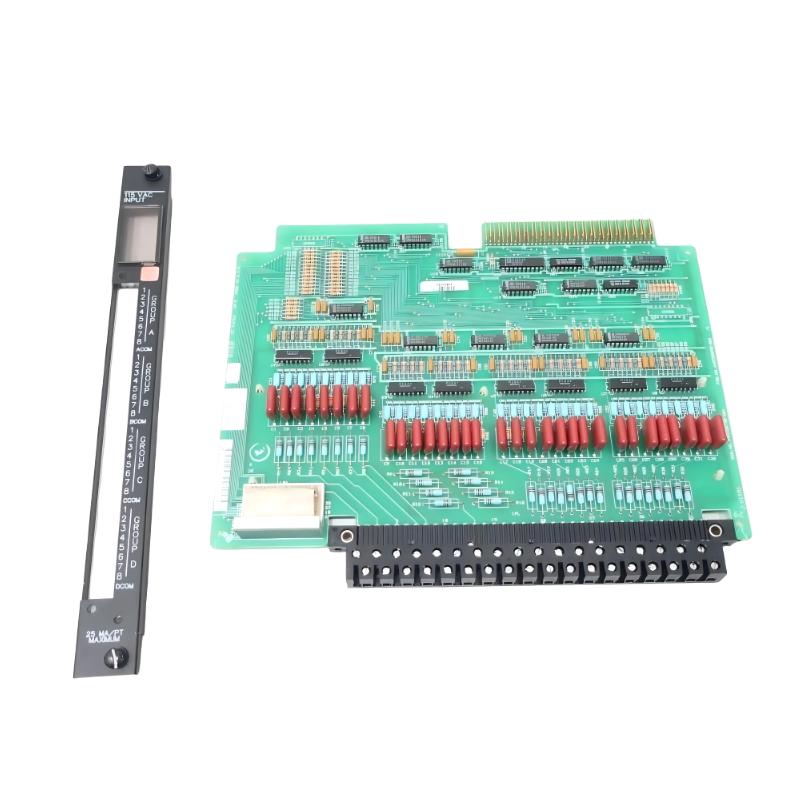
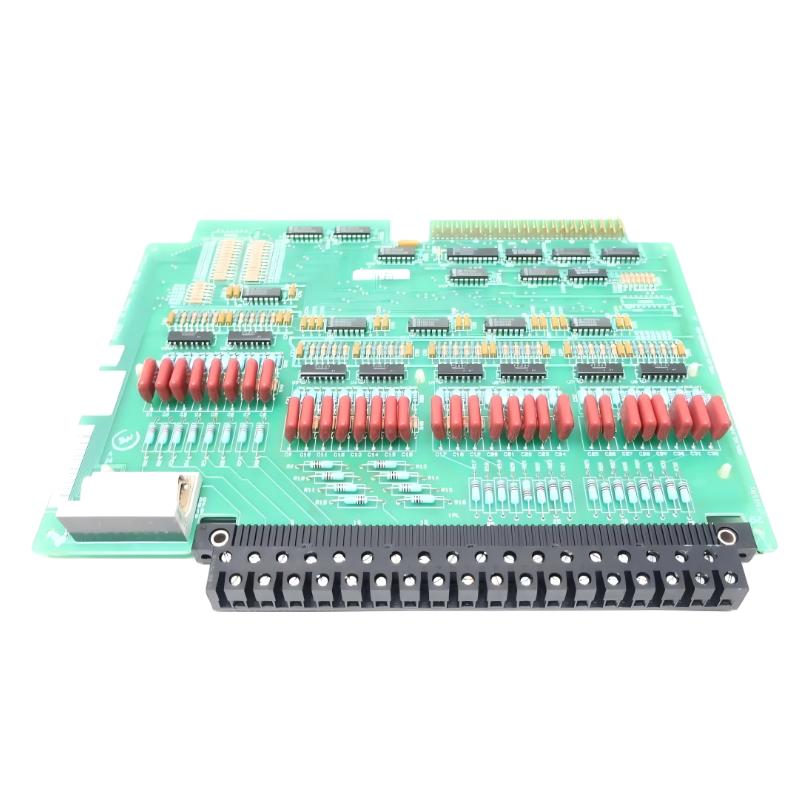
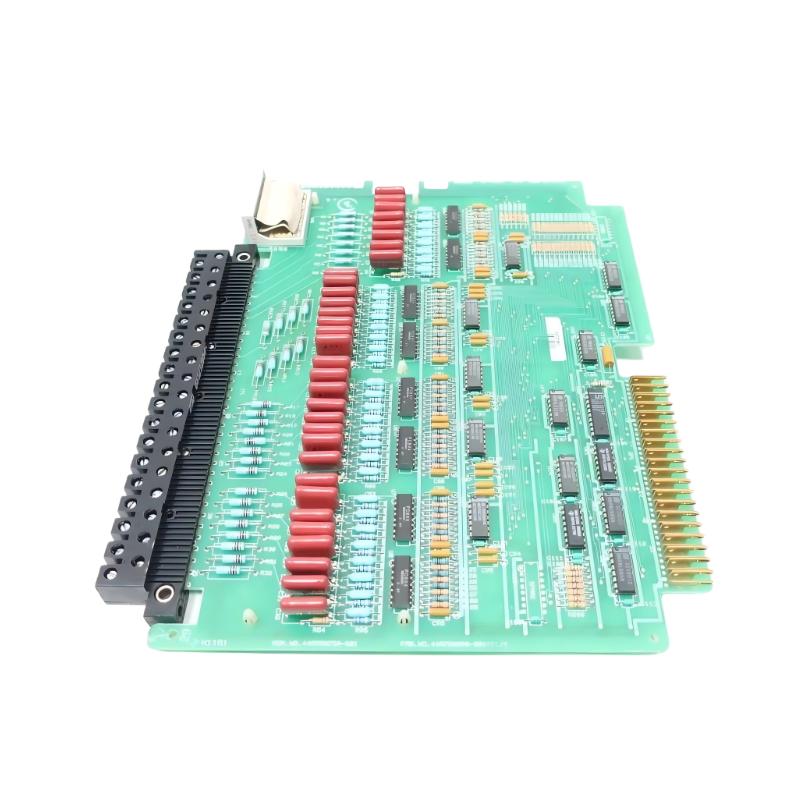
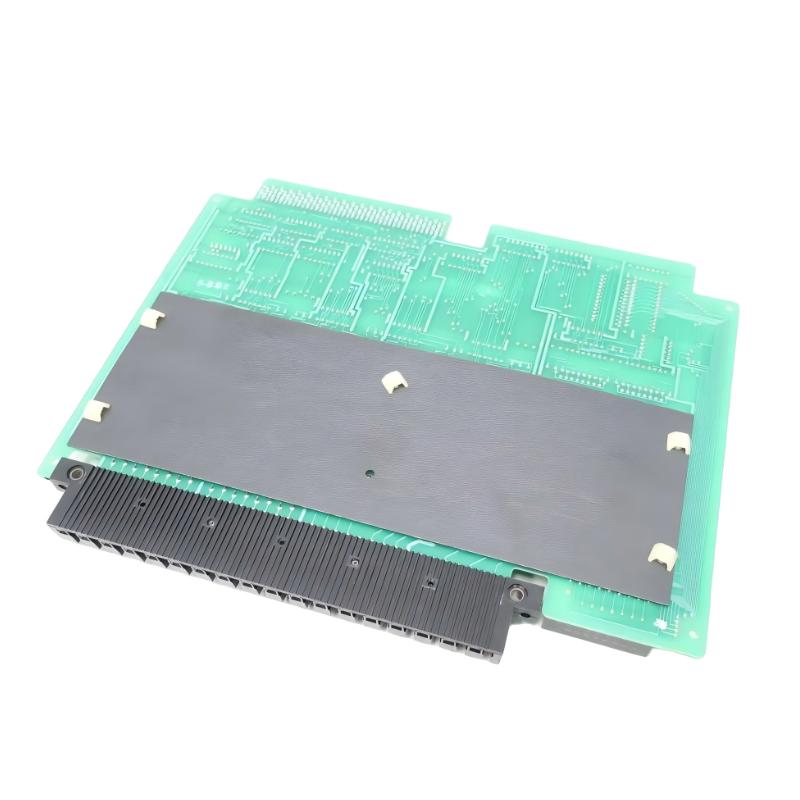
- GE
- IC600BF832
- Input Module
- USA
- 120 × 100 × 85 mm
- 0.363 kg
- Xiamen, China
- New & In Stock
- T/T, PayPal, Western Union
- 1 Year
- 1-3 Working Days
- DHL, UPS, TNT, FedEx and EMS.
- 24-Hour Service
- COO
- 76
Our advantage

Global Logistics
We have a 10-year logistics and express cooperation agreement, so our products can be shipped to any place in the world.

Brand new and original
Our products are imported in bulk from the place of origin. Because of the cooperative relationship, our products are all original and 100% new.

24-hour service
We provide 7*24 hours service to our customers. We will be there whenever you need us.

Price advantage
All our products are priced very favorably because we have our own warehouse and supply.
| Company Information | |||
| [email protected] | |||
| Mobile | +8615980777398 | ||
| +8615980777398 | |||
| 15980777398 |
Product Overview
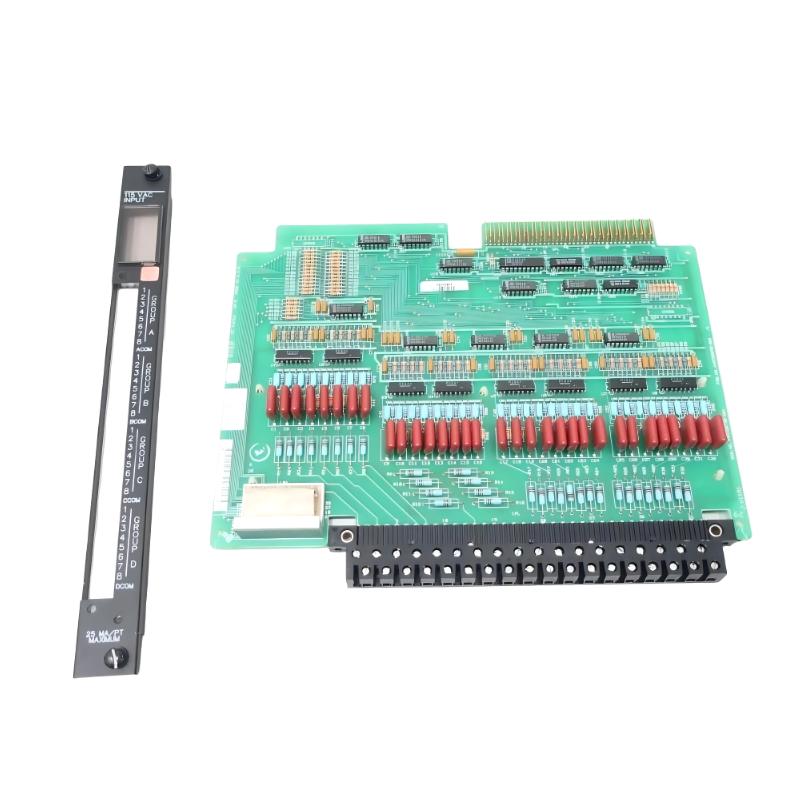
The GE IC600BF832 Series Six Input Module is an I/O module from the GE Series Six PLC family. It is used to bring input signals from field devices into the PLC control system, where the signals can be evaluated by the controller program and used in machine or process logic.
In a Series Six installation, an input module forms the interface between the field wiring and the PLC’s internal control architecture. Devices such as switches, sensors, interlocks, and other discrete field contacts can be connected to the input side, allowing the PLC to determine whether a particular field condition is present.
The practical value of the IC600BF832 is therefore its position between the field layer and PLC logic layer. It does not independently make process-control decisions; instead, it provides the controller with the input information required to make those decisions.
For replacement work on older Series Six systems, the complete module designation should be checked against the existing rack configuration, field wiring, signal type, and controller architecture before installation.
Technical Specifications
| Parameter | Specification |
|---|---|
| Manufacturer | GE |
| Model | IC600BF832 |
| Product Family | Series Six |
| Product Type | Input Module |
| Primary Function | PLC Input Signal Interface |
| System Role | Input / I/O Layer |
| Application | Industrial Automation / PLC Control |
| Dimensions | 120 × 100 × 85 mm |
| Weight | 0.363 kg |
The supplied physical specifications are 120 × 100 × 85 mm with a stated weight of 0.363 kg.
The exact input signal characteristics should be confirmed against the installed Series Six system before replacement. In particular, the field signal type, voltage level, common arrangement, and terminal wiring should match the module configuration.
Product Features
The IC600BF832 provides the field-input interface required by a GE Series Six PLC installation.
Key characteristics include:
- GE Series Six PLC input module
- Model IC600BF832
- Interfaces field input signals with PLC hardware
- Suitable for industrial automation applications
- Supports discrete input monitoring
- Connects field devices with the PLC control architecture
- Suitable for machine and process monitoring
- Designed for integration with Series Six PLC systems
- Useful for maintenance and replacement of legacy PLC installations
- Dimensions of 120 × 100 × 85 mm
- Stated weight of 0.363 kg
When replacing an installed module, the field circuit should be checked as carefully as the PLC module itself. A wiring mismatch can produce incorrect input states even when the replacement hardware is functioning normally.
Working Principle
The IC600BF832 works at the input interface between field devices and the Series Six PLC.
A simplified signal path is:
Field Device → Field Wiring → IC600BF832 → PLC Input Logic → Control Program
When a connected field device changes state, the corresponding electrical input condition is presented to the input module. The module interprets that condition and makes the resulting input state available to the PLC control system.
The controller can then use the input information within its programmed logic. For example, a machine interlock may indicate that a guard is closed, a limit switch may indicate that an actuator has reached its travel position, or a process contact may indicate that equipment has reached a particular operating condition.
The input module therefore acts as the electrical boundary between field devices and the PLC. Correct signal voltage, wiring polarity where applicable, common connections, and terminal integrity are important to obtaining reliable input-state information.
Role in a PLC Control Architecture
The IC600BF832 occupies the field-input layer of a Series Six PLC system.
A typical architecture can be represented as:
Field Sensors / Switches → IC600BF832 → Series Six PLC → Control Logic → Output Modules → Actuators
The module does not replace the PLC CPU or execute the application program. Instead, it supplies the input information that the controller needs to make control decisions.
This separation is useful during troubleshooting. If the PLC program does not see an expected input, the fault may originate from the field device, wiring, terminal connection, input circuit, or module itself. Checking the signal progressively from the field device toward the PLC is usually more effective than immediately replacing the input module.
Industrial Applications
The IC600BF832 can be used in legacy industrial automation systems where GE Series Six PLC hardware remains in service.
| Application | Typical Use |
|---|---|
| Machine Automation | Monitoring switches and machine conditions |
| Manufacturing Equipment | Detecting discrete operating states |
| Material Handling | Monitoring limit and position switches |
| Conveyor Systems | Detecting equipment or material positions |
| Process Equipment | Monitoring discrete process conditions |
| Packaging Machinery | Receiving machine-status signals |
| Industrial Interlocks | Monitoring permissive and safety-related conditions |
| Legacy PLC Systems | Maintaining existing Series Six installations |
The actual application depends on the input signal type and the field devices connected to the module.
Installation and Maintenance
The IC600BF832 should be installed as part of the appropriate GE Series Six PLC rack and field-wiring arrangement.
Because this is an input interface, technicians should pay particular attention to the relationship between the module terminals and the connected field circuits. Before replacing the module, documenting the existing wiring can prevent commissioning problems.
Recommended checks include:
- Confirm the complete IC600BF832 model.
- Verify the Series Six rack configuration.
- Identify the field devices connected to the module.
- Confirm the applicable input signal type.
- Check field wiring against the existing terminal arrangement.
- Inspect terminal connections for looseness.
- Check the field device before replacing the PLC module.
- Verify the input signal at the module terminals.
- Confirm the expected PLC input state.
- Check for damaged or incorrectly terminated wiring.
- Inspect the module for physical damage.
- Confirm proper rack installation.
- Test each affected input after replacement.
- Verify the corresponding PLC logic response.
- Record the final wiring and input-state condition.
For intermittent input faults, monitor the field signal while the machine is operating. A loose switch contact or damaged cable can create an intermittent PLC input that may initially appear to be an I/O module failure.
Related Components
The IC600BF832 normally works together with the following components in a Series Six control system.
| Component | Function |
|---|---|
| GE Series Six PLC CPU | Executes the control program |
| I/O Rack | Provides the module installation structure |
| Input Module | Receives field input signals |
| Output Module | Sends control signals to field devices |
| Field Sensors | Provide process or machine status information |
| Limit Switches | Detect mechanical positions |
| Interlock Devices | Provide permissive or machine-status signals |
| Terminal Wiring | Connects field circuits to the PLC |
| Programming / Configuration System | Defines PLC control behavior |
| Actuators | Perform the commanded machine operation |
The input module should be viewed as one part of the complete signal chain. A correct diagnosis requires checking the field device, wiring, input module, and PLC logic together.
Recommended Related Models
For a Series Six installation, related hardware should be selected according to the required input or output function, signal characteristics, rack configuration, and existing PLC architecture.
| Model / Product Family | Product Type | Typical Application |
|---|---|---|
| GE IC600BF832 | Input Module | Series Six field-input interface |
| GE Series Six Input Modules | PLC Input Hardware | Discrete field signal acquisition |
| GE Series Six Output Modules | PLC Output Hardware | Discrete control outputs |
| GE Series Six CPU Modules | PLC Controller Hardware | Program execution and control |
| GE Series Six I/O Hardware | PLC I/O System | Field signal integration |
| GE Series Six Rack Components | PLC System Hardware | Module installation and system expansion |
For replacement applications, the input signal requirements should be matched before selecting another Series Six input module. Similar physical dimensions do not necessarily mean that two I/O modules have the same electrical function.
Key Advantages
- GE Series Six PLC input module.
- Model IC600BF832.
- Provides a field-to-PLC input interface.
- Suitable for discrete input monitoring.
- Supports machine and process-status acquisition.
- Integrates with Series Six PLC control architecture.
- Useful for legacy PLC maintenance.
- Suitable for industrial control applications.
- Supports field-device signal integration.
- Dimensions of 120 × 100 × 85 mm.
- Stated weight of 0.363 kg.
Technical FAQs
How should an IC600BF832 input fault be traced in an operating machine?
Start at the field device and follow the signal toward the PLC: verify the device state, measure the signal at the field wiring, check the module terminals, then confirm the corresponding PLC input state. This approach helps determine whether the problem is in the sensor, cable, terminal connection, input circuit, or PLC configuration.
Why can a field device operate correctly while the PLC still shows the wrong input state?
The field device may be functioning while the signal is being lost between the device and the input module. Common areas to inspect include damaged conductors, loose terminals, incorrect common wiring, unsuitable signal levels, and poor connections at the module interface.
What should be documented before replacing an IC600BF832?
Record the module position, terminal-to-device wiring, field signal type, affected input addresses, and the normal state of each important input. On an older Series Six installation, accurate wiring records are particularly valuable because undocumented modifications may have accumulated over the equipment’s service life.
Can an input module problem affect the PLC program itself?
An input module normally does not change the control program. However, an incorrect input state can cause the existing program logic to make a different control decision. For example, a missing permissive signal can prevent a machine sequence from starting even though the PLC program itself remains unchanged.