

ProductPRODUCT
Featured products



Contact Us
- Emerson
- VE4014
- Interface Card
- USA
- 107 x 41 x 105 mm
- 0.24 kg
- Xiamen, China
- New & In Stock
- T/T, PayPal, Western Union
- 1 Year
- 1-3 Working Days
- DHL, UPS, TNT, FedEx and EMS.
- 24-Hour Service
- COO
- 42
Our advantage

Global Logistics
We have a 10-year logistics and express cooperation agreement, so our products can be shipped to any place in the world.

Brand new and original
Our products are imported in bulk from the place of origin. Because of the cooperative relationship, our products are all original and 100% new.

24-hour service
We provide 7*24 hours service to our customers. We will be there whenever you need us.

Price advantage
All our products are priced very favorably because we have our own warehouse and supply.
| Company Information | |||
| [email protected] | |||
| Mobile | +8615980777398 | ||
| +8615980777398 | |||
| 15980777398 |
Product Overview
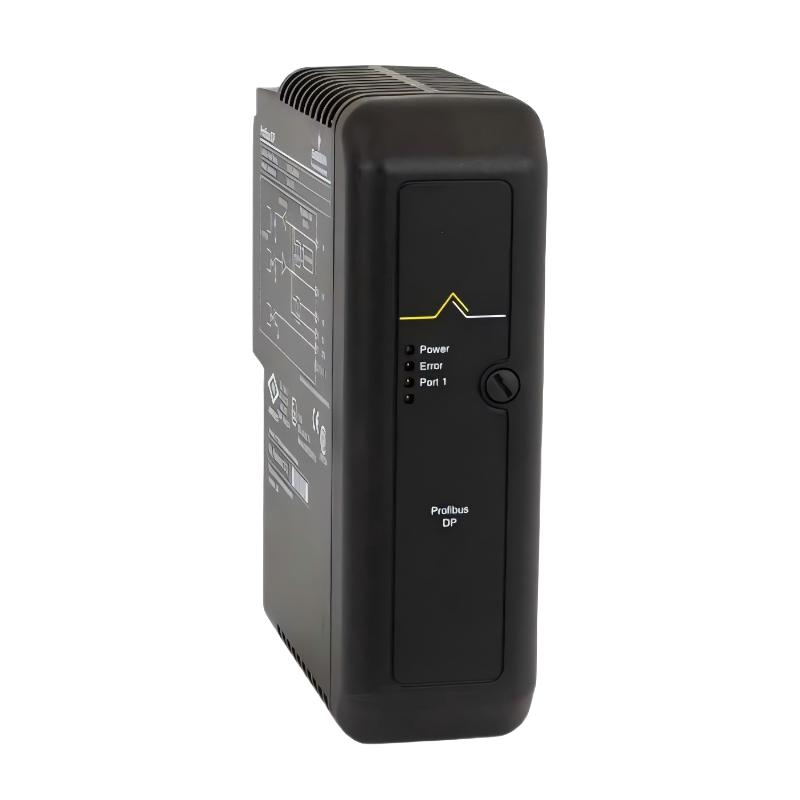
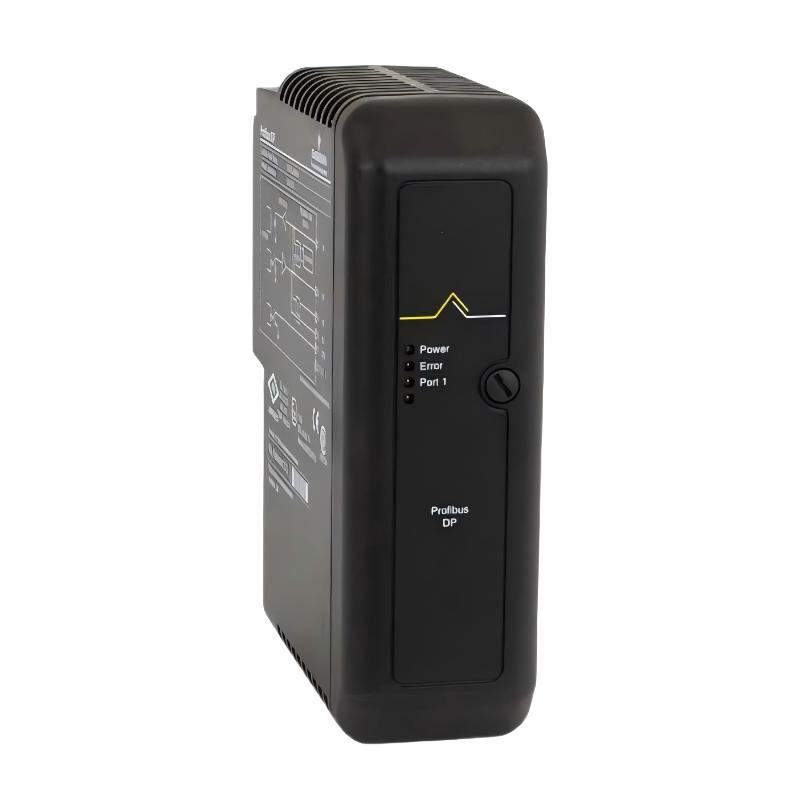
The Emerson VE4014 Interface Card is an industrial automation interface component designed for use within compatible Emerson process control and distributed control system architectures. As part of the Emerson VE Series, the VE4014 provides an interface between associated control-system electronics and connected field or system-level components, helping establish reliable signal and communication paths within an industrial automation environment.
Interface cards play an important role in process automation because they connect different functional layers of a control system. Depending on the host architecture and installed configuration, an interface card can support the transfer, conditioning, routing, or interconnection of control-system information between modules, terminal assemblies, and other system components. The exact electrical function of the VE4014 should be confirmed against the installed system documentation and the identification information on the original card.
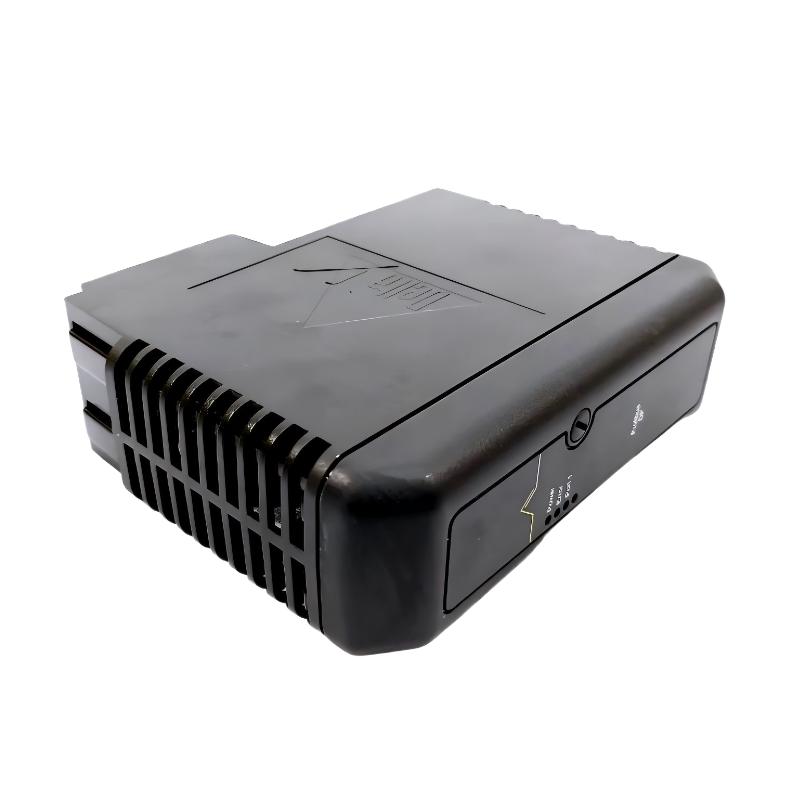
The Emerson VE4014 has listed dimensions of 107 × 41 × 105 mm and a weight of approximately 0.24 kg. Its compact form factor allows it to be installed alongside other electronic modules in industrial control cabinets and process automation equipment where efficient use of panel space is important.
For replacement applications, the complete VE4014 model designation, hardware revision, connector arrangement, and host-system compatibility should always be verified before installation.
Technical Specifications
| Parameter | Specification |
|---|---|
| Manufacturer | Emerson |
| Model | VE4014 |
| Product Type | Interface Card |
| Product Family | Emerson VE Series |
| Primary Function | Industrial system interface |
| Application | Process Control and Industrial Automation |
| Interface Role | Control-system signal/interconnection interface |
| Dimensions | 107 × 41 × 105 mm |
| Weight | 0.24 kg |
| Installation | Compatible Emerson control-system equipment |
| Mounting Environment | Industrial control cabinet or system enclosure |
| Typical Use | Process automation, control-system integration, signal interfacing |
Note: Exact electrical ratings, channel configuration, communication characteristics, connector pin assignments, and supported system functions depend on the applicable Emerson hardware configuration and revision. These details should be confirmed before field installation or replacement.
What Is the Emerson VE4014?
The Emerson VE4014 Interface Card is a compact electronic assembly used as part of an industrial control-system architecture.
Modern process-control systems are normally composed of multiple layers. Field sensors generate process measurements, input modules acquire signals, controllers execute control logic, output modules command field equipment, and interface assemblies provide the electrical and functional connections required for these different elements to operate together.
The VE4014 belongs to this broader interface layer.
A simplified system arrangement can be represented as:
Field Equipment → I/O or Interface Hardware → VE4014 → Control-System Electronics → Operator / Supervisory System
The exact signal path depends on the host system in which the card is installed.
Because Emerson VE-series hardware can contain multiple cards with similar physical dimensions, the VE4014 identification should be used as the primary reference when selecting a replacement.
Function and Operating Principle
The primary purpose of an interface card is to establish a controlled connection between different parts of an automation system.
For the VE4014, its operation can be considered through several functional stages.
Signal or System Connection
The card provides an electronic interface between associated system components. Signals entering the interface section can be transferred to the appropriate control-system circuitry according to the system design.
Signal Handling
Depending on the specific application, interface electronics may provide functions such as signal routing, isolation, conditioning, or interconnection. The exact function should be determined from the applicable system documentation rather than assumed solely from the VE4014 model designation.
Communication With Control Hardware
Once the relevant signals are available to the control architecture, the associated controller or processing hardware can use the information for monitoring, control, sequencing, alarms, or other automation functions.
Continuous Industrial Operation
The card is intended to operate as part of a larger industrial automation system. Reliable connections, correct module placement, appropriate cabinet conditions, and proper system configuration are therefore important for stable operation.
Role in Process Control Systems
The Emerson VE4014 can form part of the interface layer within an industrial process-control installation.
A typical process automation architecture may include:
- Field sensors
- Transmitters
- Actuators
- I/O modules
- Interface cards
- Terminal assemblies
- Control processors
- Communication networks
- Operator stations
- Engineering workstations
- Supervisory control systems
The interface card helps connect these functional layers.
For example, a process transmitter may provide measurement information to an I/O subsystem. The associated interface hardware transfers the signal into the control architecture, where the controller evaluates the process variable and executes programmed control logic.
Similarly, command information generated by a controller can travel through the appropriate interface and output hardware to field equipment.
This layered architecture allows industrial systems to separate sensing, processing, communication, and control functions while maintaining coordinated operation.
Industrial Applications
The Emerson VE4014 can be used in industrial environments where compatible Emerson control-system interface functionality is required.
Process Manufacturing
Process industries rely on distributed electronic control systems to monitor temperatures, pressures, flow rates, levels, and other process variables. Interface cards support the electrical interconnection between field and control-system components.
Chemical Processing
Chemical plants often contain large numbers of sensors, transmitters, valves, pumps, and other devices. Reliable interface hardware helps maintain communication between these field devices and the process-control system.
Oil and Gas
Oil and gas installations require continuous monitoring and control of process equipment. Interface components can form part of the instrumentation and control architecture used for these applications.
Power Generation
Power-generation facilities use extensive control and instrumentation systems to monitor equipment and process conditions. Compatible interface cards can support system-level connections between control hardware and I/O assemblies.
Water and Wastewater Treatment
Water-treatment systems use instrumentation to monitor flow, pressure, level, chemical conditions, and equipment status. Interface hardware allows these measurements and control commands to become part of an automated control strategy.
General Industrial Automation
The VE4014 may also be suitable for other industrial automation installations where compatible Emerson control hardware requires an interface card with the corresponding identification and revision.
System Integration
The VE4014 should be considered as one component within a complete control-system architecture rather than as an independent automation controller.
A simplified architecture is:
Process → Sensors / Actuators → I/O System → Interface Hardware → Controller → HMI / SCADA
Each layer performs a different function.
The field layer interacts directly with the process. I/O equipment converts field information into signals that can be handled by the control system. Interface assemblies establish the required connections between system components. The controller then executes the programmed process logic.
The operator interface provides visualization, alarms, trends, and operational controls.
This architecture makes it possible to isolate individual system functions during troubleshooting.
Installation Guidelines
Correct installation is important when replacing or commissioning an Emerson VE4014 Interface Card.
Verify the Model
Before installation, verify:
- VE4014 model number
- Hardware revision
- Existing board identification
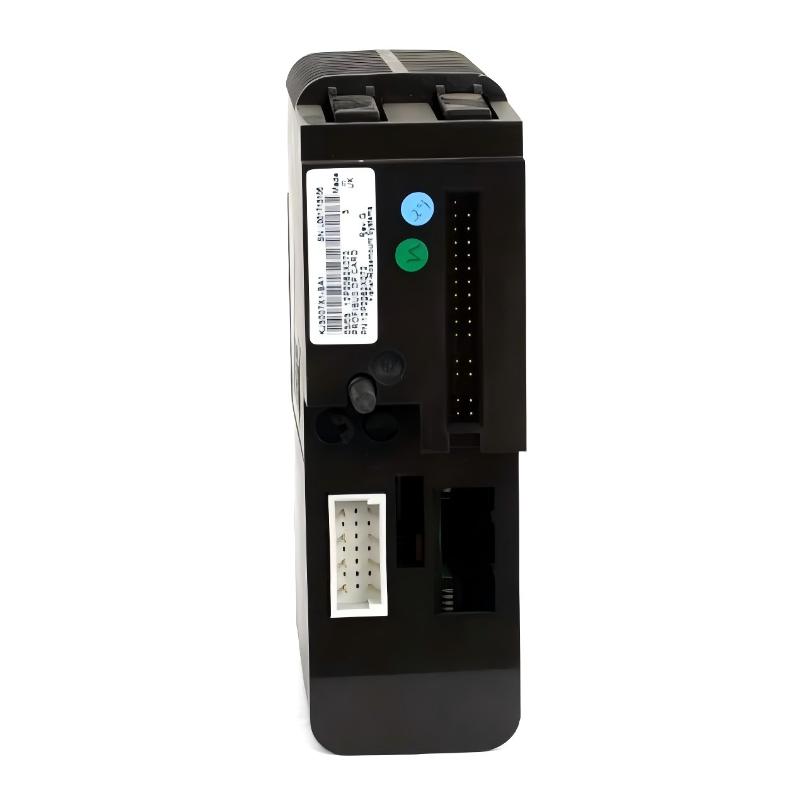
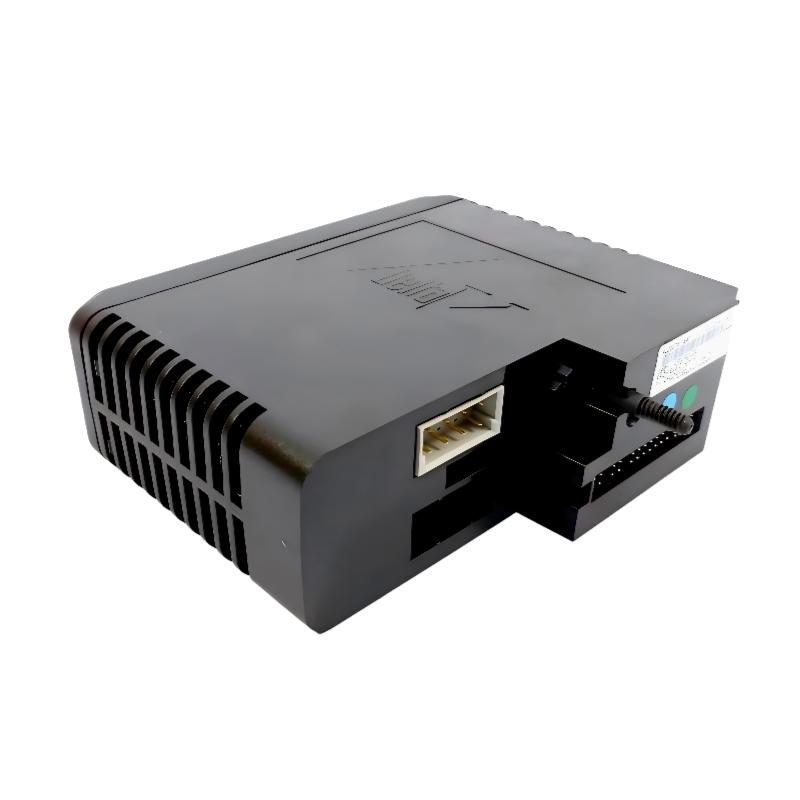
- Connector arrangement
- Board position
- Host equipment
- Associated modules
- Existing wiring configuration
Do not select a replacement based solely on physical appearance.
Power Isolation
Before removing an installed card, follow the applicable plant lockout and electrical isolation procedures.
The system should be placed in the appropriate maintenance state before electronic hardware is removed.
Connector Inspection
Inspect connectors for:
- Bent contacts
- Contamination
- Corrosion
- Mechanical damage
- Loose connections
- Signs of overheating
A connector problem can produce symptoms that resemble a failed interface card.
Board Installation
Install the VE4014 in the designated position and ensure that the board is properly seated.
Avoid excessive mechanical force during insertion because connectors and circuit-board assemblies can be damaged by misalignment.
Cabinet Installation and Environmental Considerations
The listed dimensions of the Emerson VE4014 are:
107 × 41 × 105 mm
The approximate weight is:
0.24 kg
Although the card itself is compact, sufficient surrounding space should be provided for wiring, connectors, neighboring modules, and maintenance access.
The control cabinet should also be maintained in a suitable industrial environment.
Important considerations include:
- Temperature control
- Ventilation
- Humidity management
- Dust protection
- Vibration control
- Proper grounding
- Electromagnetic compatibility
- Secure mounting
Excessive heat and contamination can reduce the service life of electronic components.
Commissioning Procedure
After installing the VE4014, commissioning should be performed systematically.
Step 1: Confirm Identification
Verify that the installed card matches the required VE4014 specification and applicable system configuration.
Step 2: Inspect Connections
Check all associated connectors and wiring.
Step 3: Verify System Configuration
Confirm that the host control system recognizes the installed hardware where applicable.
Step 4: Check Diagnostics
Review available system diagnostics for hardware, communication, or configuration faults.
Step 5: Verify Signal Operation
Check the relevant signals under known operating conditions.
Step 6: Test the Process
Confirm that the associated control-system functions operate correctly before returning the equipment to normal service.
Commissioning should be performed according to the plant’s approved maintenance and startup procedures.
Troubleshooting the Emerson VE4014
When diagnosing a suspected VE4014 problem, technicians should inspect the complete signal path rather than immediately replacing the card.
No Signal or Invalid Signal
Possible causes include:
- Incorrect card installation
- Loose connector
- Damaged field wiring
- Faulty associated I/O module
- Configuration error
- Power-supply problem
- Communication problem
- Interface-card failure
Begin with basic connection and configuration checks before replacing hardware.
Intermittent Operation
Intermittent faults may be associated with:
- Loose connectors
- Vibration
- Damaged wiring
- Electrical interference
- Poor cabinet grounding
- Temperature-related problems
- Aging electronic components
Trend monitoring and physical inspection can help determine whether the problem originates in the card or elsewhere in the system.
Communication or Interface Fault
If the associated system reports an interface-related fault, check:
- Card identification
- Module seating
- Connector condition
- Associated I/O hardware
- System configuration
- Diagnostic messages
- Power and grounding
- Related communication paths
Only after these checks should the VE4014 itself be considered the primary fault source.
Preventive Maintenance
Regular maintenance can improve the reliability of industrial electronic systems.
Visual Inspection
Inspect the VE4014 and surrounding hardware for visible signs of:
- Dust accumulation
- Moisture
- Corrosion
- Discoloration
- Mechanical damage
- Overheating
Connector Maintenance
Check connectors periodically to ensure they remain secure and free from contamination.
Cabinet Environment
Maintain suitable temperature, humidity, ventilation, and cleanliness inside the control cabinet.
Diagnostic Monitoring
Record recurring alarms and hardware diagnostics. Repeated faults can indicate an underlying wiring, environmental, or system-level issue.
Spare-Part Management
For critical control systems, maintaining an appropriately identified spare VE4014 can reduce equipment downtime when a hardware replacement becomes necessary.
Replacement Considerations
When sourcing an Emerson VE4014 Interface Card, the full identification information should be checked carefully.
Recommended verification points include:
- Complete model number
- Hardware revision
- Board markings
- Connector arrangement
- Host-system type
- Installation position
- Associated I/O hardware
- System configuration
- Physical dimensions
The listed physical dimensions are 107 × 41 × 105 mm, and the listed weight is 0.24 kg.
Physical compatibility alone does not guarantee electrical or functional compatibility. A board with similar dimensions may perform a completely different function.
For this reason, replacement decisions should be based on the complete part identification and the requirements of the installed Emerson control architecture.
Compatible System Components
Depending on the installation, the VE4014 may be integrated with various categories of industrial control hardware.
| Component | Typical Function |
|---|---|
| Emerson I/O Modules | Field signal acquisition or output |
| Interface Cards | Signal and system interconnection |
| Terminal Assemblies | Field wiring termination |
| Control Processors | Execute control logic |
| Communication Hardware | System-level data exchange |
| Engineering Workstations | Configuration and maintenance |
| Operator Stations | Process monitoring and operation |
| Field Sensors | Measure process conditions |
| Control Valves | Regulate process flow |
| Motor Control Equipment | Operate pumps, fans, and other machinery |
The exact compatible components depend on the host system and hardware revision.
Related Emerson Models
The Emerson VE family contains a broad range of control, I/O, interface, and process-automation components.
Examples of related product families include:
| Model / Family | General Product Type | Typical Role |
|---|---|---|
| VE3005 | Controller MD Module | Control-system processing |
| VE3006 | Digital Input Module | Digital field signal acquisition |
| VE4002 Series | Digital Output Hardware | Discrete output control |
| VE4003 Series | Analog Input Hardware | Analog process measurement |
| VE4005 Series | Analog Output Hardware | Analog control output |
| VE4006P | Serial Interface Module | Serial communication |
| VE4007 | Fieldbus Card | Fieldbus integration |
| VE4009 | ASI Interface Card | ASI communication interface |
| VE4010 Series | Digital Input Hardware | Discrete input processing |
| VE4011 Series | Digital Output Hardware | Discrete output processing |
| VE4012 Series | Analog Input Hardware | Analog signal acquisition |
| VE4013 Series | Input Hardware | Process input interface |
| VE4014 | Interface Card | System interface function |
These models should not automatically be considered direct substitutes for the VE4014. Compatibility must be established from the complete system configuration.
Engineering Best Practices
For reliable operation of the Emerson VE4014, several engineering practices are recommended.
Use Exact Part Identification
Always record the complete model and revision information before removing an installed card.
Maintain Wiring Documentation
Keep current wiring diagrams and cabinet drawings available for maintenance personnel.
Separate Signal and Power Wiring
Where applicable, route low-level instrumentation wiring separately from high-power conductors to reduce electrical interference.
Maintain Cabinet Cleanliness
Dust and contamination can affect electronic components and cooling performance.
Monitor Recurring Faults
Repeated interface alarms should be investigated as possible system-level problems rather than repeatedly replacing cards.
Keep a Controlled Spare
For critical applications, a properly identified spare assembly can help reduce repair time.
Key Advantages
The Emerson VE4014 Interface Card provides several practical advantages when correctly matched to a compatible control architecture:
- Compact 107 × 41 × 105 mm construction
- Approximate weight of 0.24 kg
- Designed for industrial control-system integration
- Supports interface-level system architecture
- Suitable for compact control cabinets
- Can form part of process automation systems
- Facilitates organized system interconnection
- Supports maintainable modular control architectures
- Suitable for replacement and maintenance applications when correctly identified
Technical FAQs
What is the Emerson VE4014?
The Emerson VE4014 is an Interface Card intended for integration into compatible Emerson industrial automation and process-control systems.
What is the function of the VE4014?
The card provides interface-level functionality between associated control-system components. Its exact electrical role depends on the host system and applicable hardware configuration.
What are the dimensions of the Emerson VE4014?
The listed dimensions are 107 × 41 × 105 mm.
How much does the VE4014 weigh?
The listed weight is approximately 0.24 kg.
Is the VE4014 a PLC?
No. The VE4014 is identified as an Interface Card, not a general-purpose PLC CPU.
Can the VE4014 be used independently?
It should be treated as a component of a compatible Emerson control-system architecture. Its function depends on the associated hardware and system configuration.
What should be checked before replacing the VE4014?
Technicians should verify the complete model number, hardware revision, connector arrangement, host equipment, installation position, and associated modules.
What can cause an interface-card fault?
Potential causes include incorrect installation, loose connectors, wiring faults, configuration problems, power issues, environmental conditions, or failure of the card itself.
Does physical compatibility guarantee replacement compatibility?
No. Two cards can have similar dimensions while having different electrical functions or system requirements. Complete identification and system compatibility should always be confirmed.
Conclusion
The Emerson VE4014 Interface Card is a compact industrial automation component designed to provide interface functionality within a compatible Emerson control-system architecture. With listed dimensions of 107 × 41 × 105 mm and a weight of approximately 0.24 kg, the card is suitable for integration into space-conscious industrial control equipment.
In a process-control environment, interface hardware plays an important role in connecting field-level equipment, I/O systems, control processors, communication hardware, and operator interfaces. The VE4014 can therefore contribute to a structured and maintainable automation architecture when installed in the correct system configuration.
For installation, maintenance, and replacement, technicians should verify the complete VE4014 identification, hardware revision, connector arrangement, and host-system requirements. Proper installation, reliable connections, suitable cabinet conditions, and systematic troubleshooting are essential for maintaining stable operation of the overall industrial control system.