

ProductPRODUCT
Featured products



Contact Us
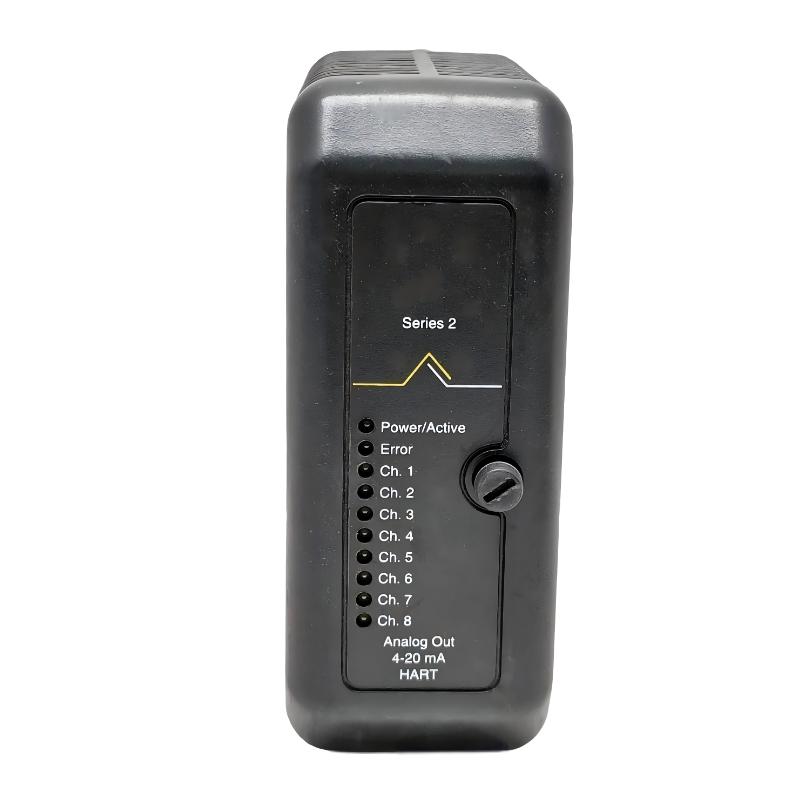
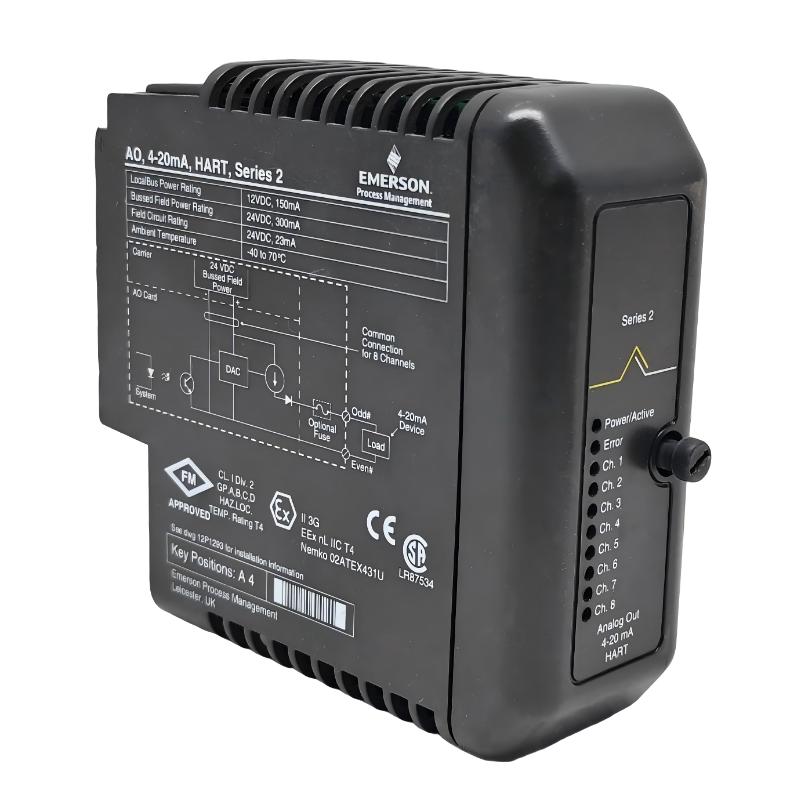
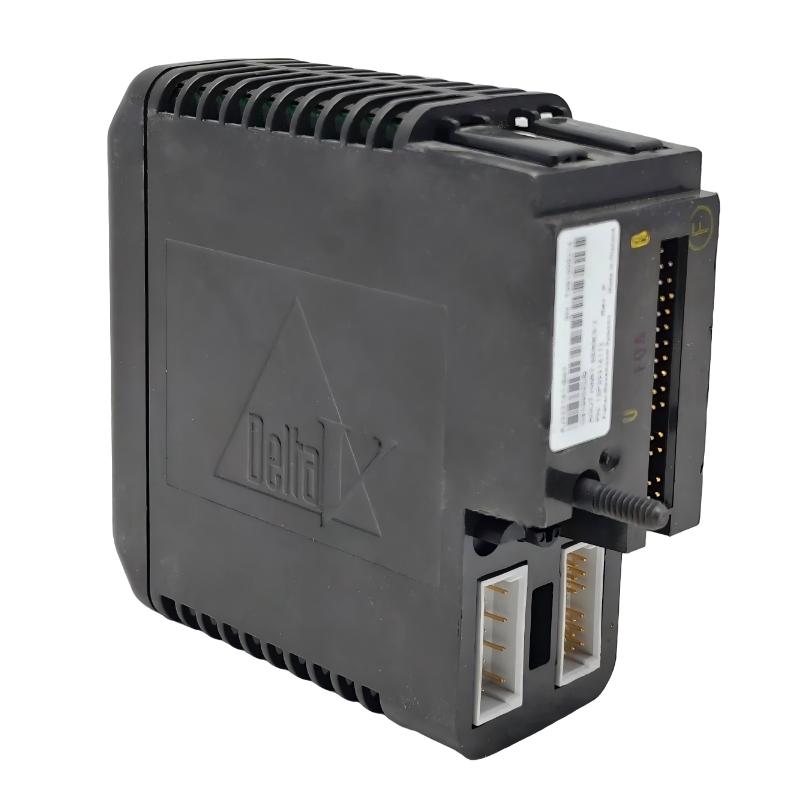
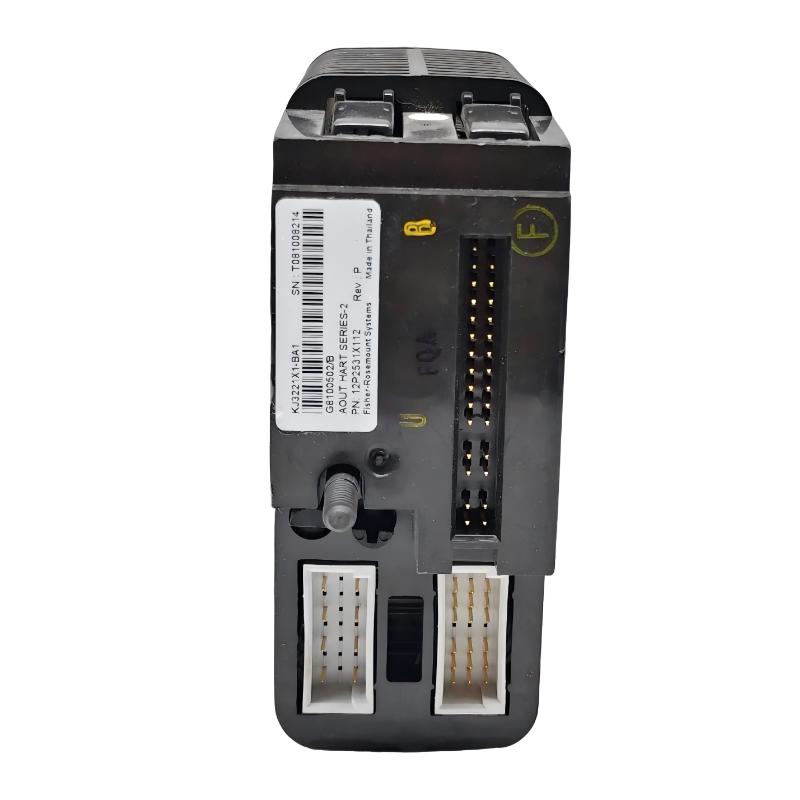
- Emerson
- VE4010B1
- Switch/Proximity Detector
- USA
- 107 x 41 x 105 mm
- 0.7 kg
- Xiamen, China
- New & In Stock
- T/T, PayPal, Western Union
- 1 Year
- 1-3 Working Days
- DHL, UPS, TNT, FedEx and EMS.
- 24-Hour Service
- COO
- 44
Our advantage

Global Logistics
We have a 10-year logistics and express cooperation agreement, so our products can be shipped to any place in the world.

Brand new and original
Our products are imported in bulk from the place of origin. Because of the cooperative relationship, our products are all original and 100% new.

24-hour service
We provide 7*24 hours service to our customers. We will be there whenever you need us.

Price advantage
All our products are priced very favorably because we have our own warehouse and supply.
| Company Information | |||
| [email protected] | |||
| Mobile | +8615980777398 | ||
| +8615980777398 | |||
| 15980777398 |
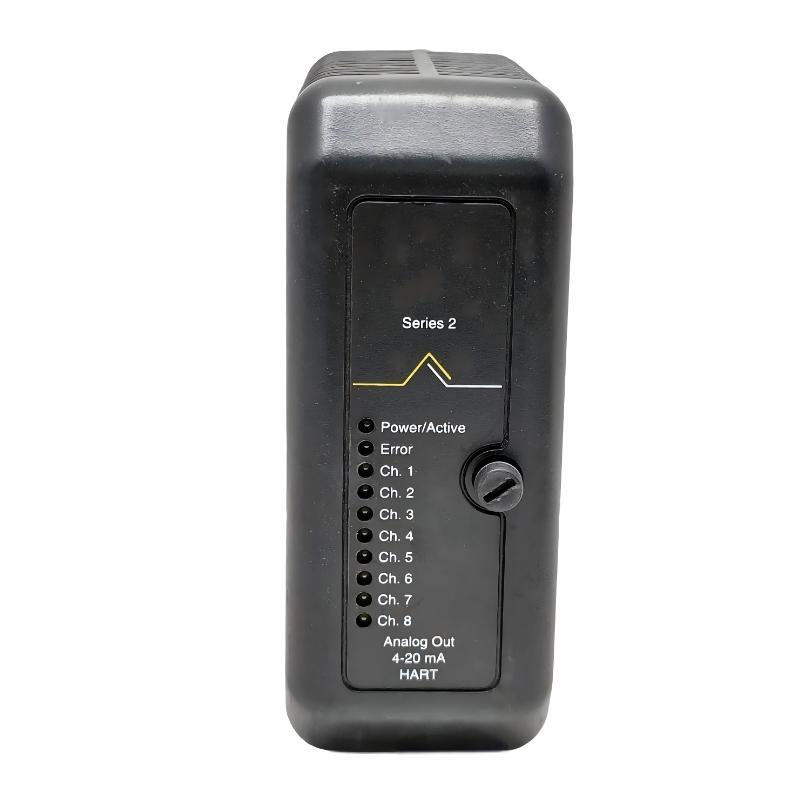
Product Overview
The Emerson VE4010B1 Switch/Proximity Detector is an industrial automation interface component designed for detecting discrete field conditions and transferring switching or proximity-related signals into a compatible control system. As part of the Emerson process automation product family, the VE4010B1 can be incorporated into industrial control architectures where reliable detection of equipment position, movement, presence, or switching conditions is required.
Switch and proximity detection are fundamental functions in industrial automation. Before a controller can execute interlocks, sequencing logic, alarms, or equipment protection functions, it must receive reliable information about the physical state of field equipment. A switch/proximity detector provides an interface between field sensing devices and the associated control architecture, helping convert physical events into usable control signals.
The Emerson VE4010B1 has listed dimensions of 107 × 41 × 105 mm and a weight of approximately 0.7 kg. Its compact form factor allows it to be integrated into control-system assemblies where space efficiency, organized wiring, and dependable field signal handling are important.
Because exact electrical characteristics can depend on the associated Emerson system, hardware revision, field device, and installation configuration, the complete model identification and applicable system documentation should be checked before installation or replacement.
Technical Specifications
| Parameter | Specification |
|---|---|
| Manufacturer | Emerson |
| Model | VE4010B1 |
| Product Type | Switch/Proximity Detector |
| Product Family | Emerson Industrial Process Automation |
| Primary Function | Switch and proximity detection interface |
| Signal Type | Discrete detection signal |
| Application | Industrial monitoring and control |
| Interface Role | Field sensor/switch to control-system interface |
| Dimensions | 107 × 41 × 105 mm |
| Weight | 0.7 kg |
| Installation | Compatible Emerson control-system equipment |
| Typical Applications | Position detection, equipment monitoring, sequencing, interlocking, proximity sensing |
Exact voltage, current, channel configuration, sensor compatibility, isolation characteristics, and terminal assignments should be verified against the applicable VE4010B1 hardware documentation and system configuration.
What Is the Emerson VE4010B1?
The VE4010B1 is a Switch/Proximity Detector used within an industrial automation environment to monitor discrete physical conditions.
Industrial machines frequently require information such as:
- Whether a valve is open or closed
- Whether a mechanical component has reached a position
- Whether an object is present
- Whether a rotating or moving component has passed a detection point
- Whether a limit switch has changed state
- Whether a machine mechanism is in its required position
- Whether a process sequence has reached a particular step
These conditions are commonly detected using switches, proximity sensors, limit devices, or similar field instruments.
The VE4010B1 forms part of the interface between these field devices and the control system.
A simplified signal path can be represented as:
Field Equipment → Switch / Proximity Sensor → VE4010B1 → Control System → Logic / Alarm / Interlock
The exact architecture depends on the Emerson system in which the detector is installed.
Switch and Proximity Detection Principle
Switch detection generally involves monitoring a discrete electrical state generated by a field device. The field device changes state when a mechanical or process condition occurs.
A conventional switch may operate through direct mechanical contact. A proximity detector, by comparison, can detect the presence or position of an object without requiring physical contact, depending on the sensor technology being used.
The resulting field signal can represent conditions such as:
OFF → ON
or:
Normal State → Detected State
The control system interprets these transitions according to the configured application logic.
For example, a proximity sensor installed beside a rotating shaft may generate a signal when a target passes the sensing point. The control system can use that information to monitor movement, verify operation, detect a missing pulse, or coordinate another process step.
The VE4010B1 provides the appropriate detection/interface role within the compatible Emerson control architecture.
Function and Working Principle
Field Signal Detection
The first stage of operation is the detection of a field condition.
A switch or proximity sensor responds to a physical event and produces an electrical state corresponding to the detected condition. The signal is then presented to the associated interface circuitry.
Signal Interface
The detector provides the interface between the field sensing device and the control-system electronics.
This interface is important because industrial field devices and control electronics must be connected in a controlled and organized manner. Correct signal routing helps prevent wiring errors and supports reliable operation.
State Recognition
The system recognizes the input as a discrete condition.
Depending on the application, the detected state may represent:
- Equipment running
- Equipment stopped
- Valve position
- Door or guard position
- Mechanical limit reached
- Object detected
- Shaft movement
- Sequence completed
- Equipment fault condition
Control-System Processing
Once the signal reaches the control architecture, programmed logic can determine the appropriate response.
For example, the controller may use a switch signal to:
- Confirm that a mechanism has reached its position.
- Enable the next step of a sequence.
- Generate an alarm if the expected state is not received.
- Stop equipment when an abnormal condition is detected.
- Confirm that a valve or actuator has reached its commanded position.
This makes discrete detection an essential part of industrial automation.
Role in Emerson Process Automation
The VE4010B1 can be considered part of the field-interface layer of an industrial automation system.
A typical architecture may contain several functional levels:
Field Sensors → Detection Interface → I/O and Control Electronics → Controller → HMI/SCADA → Operator
At the field level, switches and proximity sensors observe physical conditions.
The VE4010B1 provides the relevant detection/interface function.
The controller then processes the resulting information according to the programmed control strategy.
This architecture allows physical equipment conditions to become part of automated process logic.
For example, a production sequence may require a cylinder to reach a defined position before the next actuator can operate. A proximity sensor detects the position, the signal is transferred through the appropriate interface, and the control logic verifies the condition before continuing the sequence.
Industrial Applications
Position Detection
Switch and proximity signals are commonly used to verify mechanical positions.
Applications can include:
- Valve position monitoring
- Actuator position detection
- Cylinder position monitoring
- Machine mechanism confirmation
- Limit-position detection
Conveyor Systems
Proximity detection can identify products, pallets, carriers, or mechanical components moving through a production line.
The control system can use these signals to coordinate conveyors, gates, diverters, and other equipment.
Rotating Equipment
Proximity sensing can be used to detect movement or the passage of a rotating target.
Depending on the system configuration, the signal may contribute to equipment monitoring, sequencing, or protective logic.
Packaging Machinery
Packaging systems often require accurate detection of product position and machine mechanisms.
Discrete sensor signals can help synchronize:
- Feed mechanisms
- Cutting equipment
- Packaging stations
- Transfer mechanisms
- Product-positioning systems
Process Plants
Industrial process facilities use switches and proximity devices for equipment status and position monitoring.
Examples include:
- Pump status
- Valve position
- Damper position
- Actuator position
- Mechanical limit detection
- Equipment interlocks
Material Handling
Material-handling equipment frequently depends on discrete detection signals to determine the position of moving equipment.
This can help coordinate automated sequences and prevent equipment from operating outside permitted conditions.
System Integration
The VE4010B1 should be integrated according to the architecture of the host Emerson control system.
A typical integration sequence is:
Field Sensor → VE4010B1 → I/O / Control Hardware → Controller → HMI or SCADA
The field sensor provides the physical detection signal.
The detector/interface handles the corresponding signal path.
The controller evaluates the detected state and executes programmed logic.
The HMI or SCADA system can then display equipment status, alarms, sequence conditions, or diagnostic information where supported by the overall system.
The exact communication path should be confirmed from the installed Emerson system configuration.
Installation Guidelines
Verify the Model
Before installation, confirm the complete identification:
- VE4010B1
- Hardware revision
- Board or module markings
- Existing installation position
- Associated terminal hardware
- Host control system
- Field sensor type
A visually similar Emerson component should not automatically be considered interchangeable.
Check the Field Device
Before connecting the detector, inspect the associated switch or proximity sensor.
Check for:
- Physical damage
- Loose mounting
- Cable damage
- Contamination
- Incorrect sensor position
- Loose terminals
- Moisture ingress
A failed field sensor can produce symptoms that appear to be an interface-module problem.
Wiring Verification
The field wiring should be checked against the applicable system documentation.
Verify:
- Correct terminals
- Correct signal polarity where applicable
- Proper cable routing
- Secure connections
- Appropriate grounding
- Separation from high-power wiring
Do not assume terminal assignments based solely on the appearance of another Emerson module.
Cabinet Installation
The listed VE4010B1 dimensions are:
107 × 41 × 105 mm
Cabinet planning should provide adequate room for the module, connectors, wiring, and service access.
Cable bending radius and terminal accessibility should also be considered during installation.
Commissioning Procedure
After installation, commissioning should be performed systematically.
Step 1: Inspect the Installation
Check that the VE4010B1 is securely installed and that all associated wiring is correctly connected.
Step 2: Verify Field Sensor Operation
Activate the switch or proximity sensor under controlled conditions.
Confirm that the physical device responds correctly.
Step 3: Monitor the Input State
Observe the associated control-system indication.
The detected state should change consistently when the field device changes condition.
Step 4: Test Control Logic
If the signal participates in an interlock or sequence, verify that the control logic responds correctly.
Step 5: Check Alarms
Where applicable, confirm that abnormal or missing detection conditions generate the expected alarm or diagnostic response.
Step 6: Record Commissioning Results
Record the module identification, field device information, observed signal behavior, and relevant configuration details for future maintenance.
Troubleshooting the VE4010B1
Switch/proximity detection faults should be investigated from the field sensor through to the controller rather than assuming the detector itself is defective.
No Detection Signal
If the control system does not detect a field event, inspect:
- Sensor power
- Sensor wiring
- Switch contacts
- Proximity sensor condition
- VE4010B1 connections
- Associated I/O hardware
- Controller diagnostics
- Configuration
A broken cable or incorrectly positioned sensor can produce the same symptom as an electronic interface fault.
Constant Detection Signal
If the input remains continuously active, check:
- Sensor alignment
- Mechanical switch condition
- Shorted wiring
- Incorrect wiring
- Sensor contamination
- Field-device configuration
- Input/interface behavior
The physical installation should be inspected before replacing the detector.
Intermittent Detection
Intermittent signals may be associated with:
- Loose terminals
- Damaged cables
- Vibration
- Poor sensor alignment
- Mechanical wear
- Electrical interference
- Unstable field-device operation
- Connector problems
Trend monitoring can help determine whether the problem occurs during specific machine movements or operating conditions.
False Detection
Unexpected switching may be caused by:
- Incorrect sensor positioning
- Nearby moving objects
- Electrical noise
- Damaged sensor
- Incorrect wiring
- Mechanical vibration
- Improper installation
The sensor environment should be checked carefully.
Communication or System Diagnostic
If the control system reports an interface-related fault, technicians should review the complete hardware chain.
The investigation should include:
Sensor → Wiring → VE4010B1 → I/O Architecture → Controller → Application Logic
This approach helps distinguish field-device faults from module-level or system-level problems.
Preventive Maintenance
Regular inspection can improve the reliability of switch and proximity detection systems.
Inspect Sensors
Check proximity sensors and switches for mechanical damage, contamination, loose mounting, and incorrect alignment.
Inspect Wiring
Look for damaged insulation, loose terminals, moisture, excessive bending, and vibration-related wear.
Check Connections
Periodically verify that connectors and terminals remain secure.
Monitor Diagnostic Trends
Unexpected changes in equipment-state signals may provide an early indication of sensor degradation or mechanical problems.
Maintain the Cabinet
The control cabinet should be maintained in a suitable industrial environment. Excessive dust, moisture, temperature, and vibration can reduce the reliability of electronic control equipment.
Replacement Considerations
When replacing an Emerson VE4010B1 Switch/Proximity Detector, the complete model designation should be matched against the existing equipment.
Important information includes:
- Model number
- Revision
- Hardware configuration
- Installation location
- Field sensor type
- Terminal arrangement
- Host control system
- Application logic
- Associated I/O equipment
The physical dimensions of the VE4010B1 are 107 × 41 × 105 mm, and the listed weight is 0.7 kg.
Physical compatibility alone is not sufficient to establish electrical or functional compatibility. A replacement should be verified using the applicable system documentation and the original equipment identification.
Physical Dimensions and Cabinet Planning
The compact size of the VE4010B1 makes it suitable for industrial control-system assemblies where space and wiring organization are important.
| Mechanical Parameter | Value |
|---|---|
| Length / Height | 107 mm |
| Width | 41 mm |
| Depth | 105 mm |
| Listed Weight | 0.7 kg |
When preparing a cabinet layout, engineers should consider more than the component envelope. Additional space may be required for:
- Field wiring
- Connectors
- Cable routing
- Maintenance access
- Ventilation
- Adjacent modules
- Identification labels
Proper cabinet planning makes future troubleshooting and replacement easier.
Engineering Best Practices
For reliable VE4010B1 operation, several engineering practices should be followed.
Use Correct Sensor Selection
The switch or proximity sensor should be appropriate for the monitored equipment and process environment.
Maintain Mechanical Alignment
Proximity sensors must be correctly positioned relative to the target. Mechanical movement or vibration can gradually change the sensing position.
Separate Signal and Power Wiring
Where practical, low-level detection wiring should be routed separately from high-power conductors to reduce electrical interference.
Document Field Connections
Accurate wiring documentation makes future maintenance significantly easier.
Verify Interlocks
Any detection signal used for equipment protection or process interlocking should be tested under controlled commissioning conditions.
Confirm Hardware Compatibility
Do not substitute an apparently similar module without confirming its electrical and functional compatibility.
Compatible System Components
The VE4010B1 can form part of a larger industrial control architecture containing:
| Component | Typical Function |
|---|---|
| Proximity Sensor | Detects presence or position |
| Limit Switch | Detects mechanical position |
| Field Wiring | Transfers detection signals |
| VE4010B1 | Switch/proximity detection interface |
| I/O System | Interfaces field signals with control electronics |
| Controller | Executes application logic |
| HMI | Displays equipment status |
| SCADA System | Supervises process conditions |
| Actuator | Performs the required physical action |
The exact combination depends on the host Emerson system and application.
Related Emerson Models and Components
| Model / Family | General Product Role | Typical Application |
|---|---|---|
| VE3005 | Controller / I/O-related module | Process control |
| VE3006 | Digital Input Module | Discrete signal acquisition |
| VE4002 | Discrete Output Module | Actuator and switching control |
| VE4003 | Analog Input Module | Analog process measurement |
| VE4005 | Analog Output Module | Analog control signals |
| VE4006P | Serial Interface Module | Serial communication |
| VE4007 | Fieldbus Interface | Industrial field communication |
| VE4009 | ASI Interface Card | ASI field-device integration |
| VE4010B1 | Switch/Proximity Detector | Discrete detection and monitoring |
These related components may appear within broader Emerson automation architectures, but they should not be considered direct replacements for the VE4010B1 without confirming the required function and system compatibility.
Key Advantages
Dedicated Discrete Detection Function
The VE4010B1 is designed around switch and proximity detection, making it suitable for applications where physical equipment states must be transferred into an automation system.
Compact Industrial Form Factor
With listed dimensions of 107 × 41 × 105 mm, the module can be incorporated into compact control-system assemblies.
Broad Application Potential
Switch and proximity detection can support equipment monitoring, machine sequencing, position confirmation, and interlocking functions.
Supports Automated Monitoring
Field detection signals allow controllers to respond automatically to physical equipment conditions.
Suitable for Industrial Control Architectures
The VE4010B1 can be integrated into compatible Emerson control environments as part of a larger field-interface and control architecture.
Technical FAQs
What is the Emerson VE4010B1?
The Emerson VE4010B1 is a Switch/Proximity Detector designed for industrial automation applications involving discrete detection of switches, proximity sensors, and related field conditions.
What does the VE4010B1 detect?
It is intended for switch and proximity-related detection applications. Depending on the installation, the detected condition may represent equipment position, object presence, mechanical movement, or another discrete process state.
What are the dimensions of the VE4010B1?
The listed dimensions are 107 × 41 × 105 mm.
How much does the VE4010B1 weigh?
The listed weight is approximately 0.7 kg.
Is the VE4010B1 an analog input module?
It is identified as a Switch/Proximity Detector, so it should not automatically be treated as a conventional analog input module. Its exact signal interface should be verified against the applicable Emerson system documentation.
Can the VE4010B1 be used with proximity sensors?
It is designed for switch/proximity detection applications. However, the exact compatible sensor type, electrical interface, and wiring arrangement should be confirmed before installation.
What can cause a proximity detection failure?
Possible causes include incorrect sensor alignment, damaged sensor wiring, loose terminals, sensor contamination, electrical interference, mechanical vibration, configuration problems, or faults in the associated control hardware.
Can another Emerson module replace the VE4010B1?
A different Emerson module should not be assumed to be interchangeable. The model, revision, electrical interface, physical configuration, and host-system requirements should all be verified.
How should the VE4010B1 be maintained?
Maintenance should include inspection of field sensors, wiring, connectors, mechanical mounting, cabinet conditions, and control-system diagnostics. Periodic functional testing can also help identify developing detection problems.
Conclusion
The Emerson VE4010B1 Switch/Proximity Detector is an industrial automation component intended to support the detection and integration of discrete switch and proximity signals within a compatible control architecture. By connecting field detection devices with industrial control electronics, it can contribute to position monitoring, equipment-status verification, machine sequencing, interlocking, and automated process supervision.
With listed dimensions of 107 × 41 × 105 mm and a weight of 0.7 kg, the VE4010B1 provides a compact solution for industrial control-system integration. Reliable operation depends on correct sensor selection, wiring, mechanical installation, signal configuration, and compatibility with the host Emerson system.
For replacement, commissioning, or troubleshooting, technicians should verify the complete VE4010B1 identification and compare the existing installation with the applicable system documentation. Correct field-device alignment, secure connections, appropriate cabinet conditions, and systematic signal-path testing are essential for dependable switch and proximity detection in industrial automation applications.