

ProductPRODUCT
Featured products



Contact Us
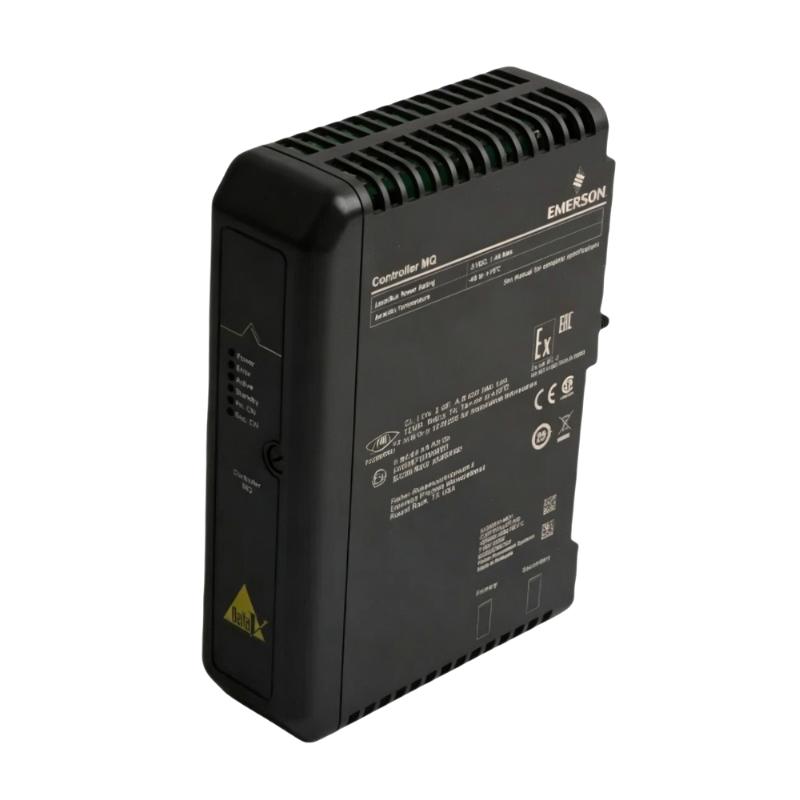
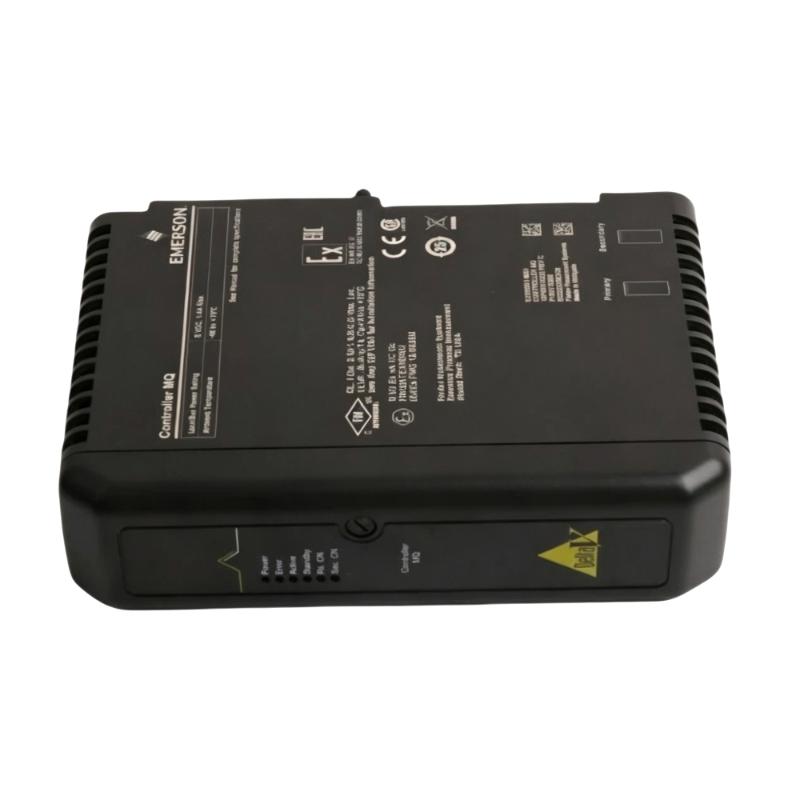
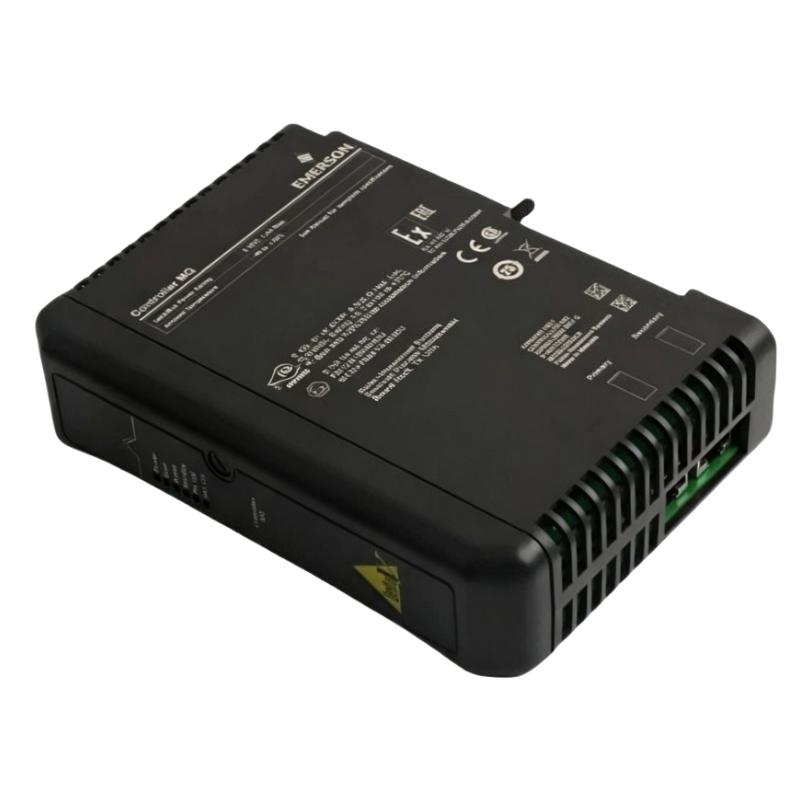
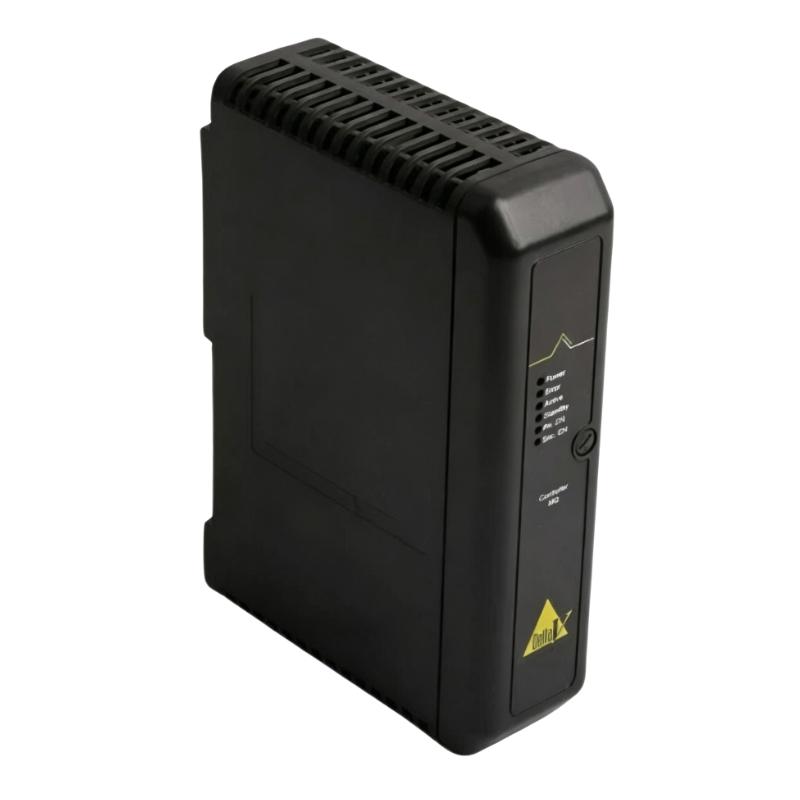
- Emerson
- VE4007
- Fieldbus Card
- USA
- 107 x 41 x 105 mm
- 0.2 kg
- Xiamen, China
- New & In Stock
- T/T, PayPal, Western Union
- 1 Year
- 1-3 Working Days
- DHL, UPS, TNT, FedEx and EMS.
- 24-Hour Service
- COO
- 39
Our advantage

Global Logistics
We have a 10-year logistics and express cooperation agreement, so our products can be shipped to any place in the world.

Brand new and original
Our products are imported in bulk from the place of origin. Because of the cooperative relationship, our products are all original and 100% new.

24-hour service
We provide 7*24 hours service to our customers. We will be there whenever you need us.

Price advantage
All our products are priced very favorably because we have our own warehouse and supply.
| Company Information | |||
| [email protected] | |||
| Mobile | +8615980777398 | ||
| +8615980777398 | |||
| 15980777398 |
Product Overview
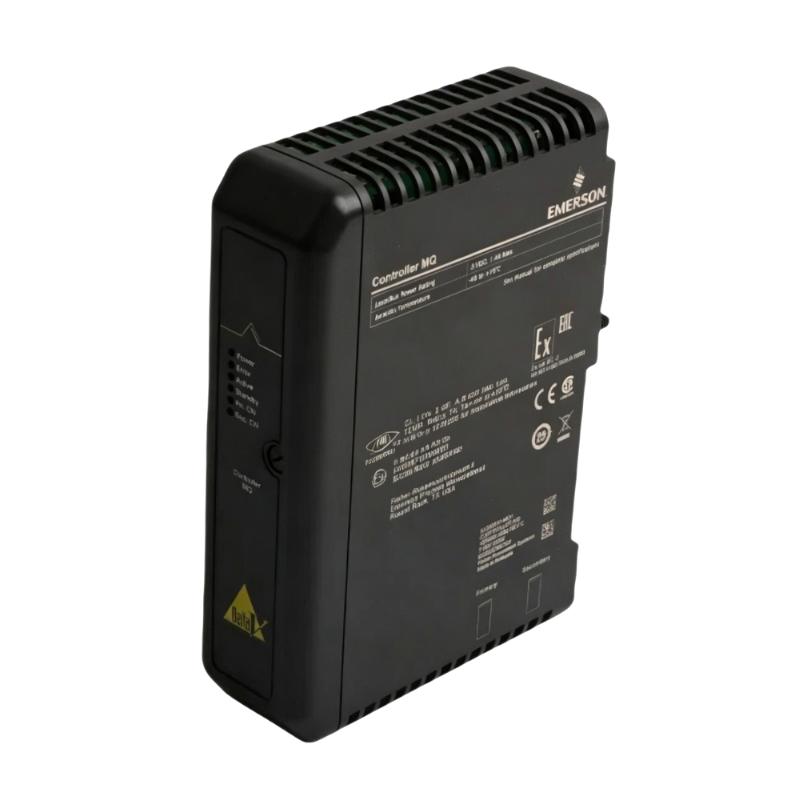
The Emerson VE4007 Fieldbus Card is an industrial communication interface component designed to support fieldbus-based communication within compatible Emerson process automation systems. It provides a connection between the control architecture and field-level devices, allowing process instruments, intelligent equipment, and other compatible field devices to exchange information with the automation system.
Fieldbus technology plays an important role in industrial automation because it can carry digital information between multiple field devices and the control system. Compared with traditional point-to-point wiring, a fieldbus architecture can simplify device integration while providing access to process measurements, status information, diagnostics, and other device data.
The Emerson VE4007 is identified as a Fieldbus Card, with listed dimensions of 107 × 41 × 105 mm and a listed weight of approximately 0.2 kg. Its compact design is suitable for integration into industrial I/O and control assemblies where efficient use of cabinet space is important.
The exact fieldbus protocol, communication parameters, device capacity, electrical interface, segment requirements, and supported field devices should be confirmed against the applicable Emerson documentation and hardware revision. These characteristics should not be inferred from the model designation alone.
Technical Specifications
| Parameter | Specification |
|---|---|
| Manufacturer | Emerson |
| Model | VE4007 |
| Product Type | Fieldbus Card |
| Product Family | Emerson VE4000 Series |
| Primary Function | Fieldbus communication interface |
| Communication Role | Field-device and control-system communication |
| Application | Industrial process automation |
| Interface Type | Fieldbus interface |
| Dimensions | 107 × 41 × 105 mm |
| Weight | 0.2 kg |
| Installation | Compatible Emerson industrial control system |
| Typical Applications | Intelligent field-device integration, process monitoring, digital communication |
Engineering note: The exact fieldbus standard, protocol, supported device types, segment configuration, power requirements, communication speed, isolation characteristics, and device limits should be verified against the applicable Emerson documentation and the specific hardware revision.
What Is the Emerson VE4007?
The Emerson VE4007 Fieldbus Card is a specialized industrial interface designed to connect compatible fieldbus devices with an Emerson automation architecture.
Traditional industrial control systems often use individual signal wires between the control system and each field instrument. Fieldbus technology instead allows digital communication between field devices and the control architecture through an organized communication network.
The VE4007 serves as an interface within this architecture.
A simplified communication path can be represented as:
Fieldbus Devices → Fieldbus Segment → VE4007 → Emerson Control Architecture → Controller → HMI / Engineering System
The fieldbus network can carry process data as well as information related to equipment status and diagnostics, depending on the supported fieldbus technology and system configuration.
Fieldbus Communication Principle
Digital Field-Level Communication
Fieldbus systems use digital communication to transfer information between automation equipment and field devices.
A compatible field device may communicate:
- Process measurements
- Device status
- Diagnostic information
- Configuration information
- Alarm conditions
- Device identification
- Operating parameters
The control system can then use this information for process monitoring and control.
Multiple Device Integration
One important characteristic of fieldbus architectures is the ability to integrate multiple compatible devices into a structured communication system.
Instead of treating every measurement as an independent hardwired signal, the control system can exchange digital information with field devices through the fieldbus architecture.
The exact number of devices and network topology supported by the VE4007 depend on the applicable Emerson system and fieldbus implementation.
Bidirectional Communication
Fieldbus communication is generally designed for bidirectional data exchange.
The communication path can therefore be represented as:
Field Device → VE4007 → Controller
and:
Controller → VE4007 → Field Device
This can allow the control system to receive process information while also communicating applicable commands, parameters, or configuration information to compatible field devices.
Function and Working Principle
Field Device Interface
The VE4007 provides the communication interface between compatible fieldbus equipment and the Emerson control architecture.
The field device communicates digitally through the fieldbus network, while the card provides the connection needed for the control system to access the information.
Data Acquisition
The card can form part of the path used to acquire digital information from field devices.
Depending on the application, this information may include:
- Process values
- Equipment status
- Diagnostic conditions
- Device alarms
- Operating information
This data can then be used by control strategies or presented to operators.
Device Management
Fieldbus architectures can provide more information than conventional analog or discrete wiring because intelligent field devices may expose additional operational and diagnostic data.
This can support:
- Device monitoring
- Maintenance analysis
- Configuration management
- Fault detection
- Process optimization
The specific functions depend on the fieldbus technology and connected device.
Role in Emerson Process Automation
The VE4007 can occupy an important position between the field-device layer and the control-system layer.
A typical architecture can be represented as:
Process → Field Instrument → Fieldbus Network → VE4007 → Control System → Operator Interface
This arrangement allows digital field information to become part of the broader process automation environment.
For example, an intelligent transmitter may provide a process measurement together with status and diagnostic information. The automation system can receive this information and use it for process control, alarm management, historical trending, or maintenance analysis.
The fieldbus interface therefore contributes to both control functionality and field-device visibility.
Industrial Applications
Process Instrumentation
Fieldbus communication is commonly associated with intelligent process instruments. The VE4007 can provide an interface between compatible field instruments and the control system.
Potential applications include:
- Pressure measurement
- Flow measurement
- Temperature monitoring
- Level measurement
- Process analysis
- Valve monitoring
The exact device compatibility depends on the installed fieldbus architecture.
Control Valve Applications
Intelligent valve positioners and related field devices can exchange digital information through fieldbus networks.
In addition to control information, compatible devices may provide diagnostic or status information.
Chemical Processing
Chemical plants often contain large numbers of intelligent field devices. A fieldbus architecture can organize communication between these devices and the control system.
Oil and Gas Facilities
Process facilities can contain distributed instrumentation that requires centralized monitoring and control. Fieldbus interfaces can provide digital communication between field equipment and the automation architecture.
Water and Wastewater Treatment
Water-treatment facilities use numerous instruments and control devices. Fieldbus communication can simplify integration of compatible intelligent equipment.
Manufacturing
Fieldbus technology can also be used in manufacturing environments containing intelligent instrumentation, process equipment, and specialized automation devices.
Fieldbus System Architecture
A fieldbus system should be considered as a complete communication network rather than as an individual card.
A simplified architecture is:
Field Device 1
Field Device 2
Field Device 3
↓
Fieldbus Segment
↓
VE4007 Fieldbus Card
↓
Emerson Control System
↓
Controller / HMI / Engineering Station
This architecture allows multiple compatible devices to exchange information with the control system.
The exact network topology and physical-layer requirements depend on the particular fieldbus implementation.
Installation Guidelines
Verify the VE4007 Identification
Before installation, confirm that the module is identified as:
Emerson VE4007 Fieldbus Card
Check the model marking, hardware revision, connectors, installation location, and associated fieldbus equipment.
Confirm System Compatibility
The VE4007 should only be installed in an Emerson system for which it is intended.
Before replacement, verify:
- Host system
- I/O position
- Fieldbus architecture
- Device compatibility
- Connector arrangement
- Hardware revision
- System configuration
Inspect the Card
Before installation, inspect the card for:
- Physical damage
- Connector damage
- Corrosion
- Contamination
- Signs of overheating
- Mechanical deformation
Inspect Fieldbus Wiring
Fieldbus communication is sensitive to installation quality. Check:
- Cable condition
- Connector condition
- Terminations
- Shielding
- Grounding
- Cable routing
- Segment configuration
Incorrect fieldbus wiring can cause intermittent communication or complete communication loss.
Fieldbus Network Installation
Cable Quality
Use the cable type and installation method specified for the applicable fieldbus system.
The communication cable should be protected from unnecessary mechanical stress and environmental damage.
Cable Routing
Where required, fieldbus cables should be separated from high-power conductors and major sources of electromagnetic interference.
Shielding and Grounding
Correct shielding and grounding practices can help reduce communication interference.
The exact grounding arrangement should follow the requirements of the installed fieldbus technology.
Segment Configuration
The fieldbus segment should be configured according to the applicable network architecture.
Engineers should verify:
- Device connections
- Segment termination
- Device addressing
- Power arrangements
- Cable topology
- Network limits
The exact requirements depend on the specific fieldbus implementation.
Commissioning Procedure
A controlled commissioning process helps verify the VE4007 and associated fieldbus network.
Step 1: Verify Hardware
Confirm the VE4007 model, revision, installation position, and associated hardware.
Step 2: Inspect the Network
Check fieldbus cables, connectors, terminations, shielding, and grounding.
Step 3: Verify Field Devices
Confirm that connected field devices are correctly installed and powered.
Step 4: Configure the Control System
Verify that the Emerson system recognizes the installed fieldbus interface and associated devices.
Step 5: Check Device Communication
Confirm that the connected field devices are visible to the control system.
Step 6: Verify Process Data
Compare received process information with the local field-device indication or another trusted reference.
Step 7: Check Diagnostics
Review available device and communication diagnostics for errors or abnormal conditions.
Step 8: Test Normal Operation
Place the system into controlled operation and monitor fieldbus stability.
Troubleshooting the Emerson VE4007
Fieldbus Card Not Detected
If the control system does not recognize the VE4007, inspect:
- Card installation
- Connector condition
- System configuration
- Hardware revision
- I/O position
- Control-system diagnostics
No Field Device Communication
If field devices cannot communicate with the control system, check:
- Fieldbus cable
- Device power
- Network connections
- Device addressing
- Segment configuration
- Termination
- Grounding
- Communication configuration
Intermittent Communication
Intermittent communication can result from:
- Loose connections
- Damaged cables
- Electrical interference
- Incorrect termination
- Grounding problems
- Shielding problems
- Environmental conditions
- Device faults
The fieldbus segment should be inspected as a complete system.
Incorrect Process Data
If communication is established but process values appear incorrect, investigate:
- Device configuration
- Data mapping
- Scaling
- Device parameters
- Control-system configuration
- Instrument condition
A valid communication connection does not necessarily mean that the application data has been configured correctly.
Device Drops Offline
A field device that repeatedly disappears from the network may be affected by:
- Power instability
- Cable problems
- Communication errors
- Incorrect addressing
- Device faults
- Network configuration problems
The problem should be isolated between the individual field device and the broader fieldbus segment.
Preventive Maintenance
Regular maintenance helps maintain reliable fieldbus communication.
Inspect Network Connections
Check connectors and terminals for looseness, corrosion, contamination, or mechanical damage.
Inspect Fieldbus Cables
Look for:
- Cable damage
- Excessive bending
- Moisture
- Poor shielding
- Mechanical stress
Monitor Device Diagnostics
Review communication and field-device diagnostics periodically to identify developing problems.
Maintain Cabinet Conditions
The control cabinet should be maintained within the environmental conditions appropriate for the installed equipment.
Maintain Accurate Network Documentation
Document:
- Field devices
- Device addresses
- Network segments
- Card location
- Cable routes
- Configuration information
- Maintenance history
Accurate records make troubleshooting and replacement significantly easier.
Replacement Considerations
When replacing an Emerson VE4007 Fieldbus Card, the complete hardware identification should be verified.
Important information includes:
- VE4007 model
- Hardware revision
- Connector configuration
- Host control platform
- Fieldbus type
- Network configuration
- Connected device requirements
- Software configuration
The listed physical dimensions are 107 × 41 × 105 mm, and the listed weight is 0.2 kg.
Physical size alone is not sufficient to establish compatibility. A fieldbus card must match the required communication architecture and system configuration.
Physical Dimensions and Weight
The compact VE4007 design is suitable for industrial control installations with limited cabinet space.
| Physical Parameter | Value |
|---|---|
| Height | 107 mm |
| Width | 41 mm |
| Depth | 105 mm |
| Weight | 0.2 kg |
These specifications can assist with:
- Cabinet planning
- Spare-parts management
- I/O assembly planning
- Maintenance preparation
- Equipment inventory
Actual mounting and service clearance should be determined from the host Emerson equipment.
Compatible System Components
A fieldbus installation may include:
- Emerson controllers
- Emerson I/O systems
- VE4007 Fieldbus Card
- Fieldbus power components
- Fieldbus cables
- Fieldbus terminators
- Intelligent transmitters
- Control valve positioners
- Process analyzers
- Flow instruments
- Pressure instruments
- Level instruments
- Temperature instruments
- Operator interfaces
- Engineering workstations
- Process-control software
The exact compatible components depend on the fieldbus technology and Emerson control architecture.
Related Emerson Models
| Model | Product Type | General Function |
|---|---|---|
| VE4007 | Fieldbus Card | Fieldbus communication |
| VE4006P | Serial Interface Module | Serial device communication |
| VE4006P2 | M Series Serial Interface Card | M Series serial communication |
| VE4005S2B5 | Analog Output Card | Analog process output |
| VE4005S2B3 | Analog Output Card | Analog output interfacing |
| VE4003S2 | Analog Input Card | Analog signal acquisition |
| VE4003S6B1 | Analog Input Card | Process measurement input |
| VE4002S2 | Discrete Output Card | Discrete process output |
| VE3006 | Digital Input Module | Digital field signal acquisition |
These products represent related Emerson automation and I/O components. They should not be considered direct substitutes for the VE4007 without verifying the required communication technology and host-system configuration.
Engineering Best Practices
Keep Network Documentation Current
A fieldbus system can become difficult to troubleshoot if device addresses, segment layouts, and configuration records are not maintained.
Follow Fieldbus Wiring Practices
Cable routing, shielding, termination, and grounding should follow the requirements of the installed fieldbus technology.
Monitor Communication Health
Repeated communication errors or devices going offline can indicate developing network problems.
Verify Devices Individually
When troubleshooting a fieldbus network, isolate the problem by checking individual devices, cables, connections, and network segments.
Avoid Unnecessary Configuration Changes
Configuration changes should be documented and performed according to the plant’s approved engineering procedures.
Test After Replacement
After installing a replacement VE4007, verify card recognition, device communication, process data, diagnostics, and overall network stability before returning the system to normal operation.
Key Advantages
- Dedicated fieldbus communication interface
- Designed for compatible Emerson industrial automation systems
- Supports digital communication between control architecture and field devices
- Suitable for intelligent instrumentation
- Can provide access to process and diagnostic information
- Supports structured field-device integration
- Compact 107 × 41 × 105 mm form factor
- Listed weight of 0.2 kg
- Suitable for process-control and industrial monitoring applications
- Supports integration of field-level digital communication into a broader automation architecture
Technical FAQs
What is the Emerson VE4007?
The Emerson VE4007 is a Fieldbus Card designed to provide fieldbus communication functionality within compatible Emerson industrial automation systems.
What is the primary function of the VE4007?
Its primary function is to provide a communication interface between compatible fieldbus devices and the Emerson control architecture.
What information can fieldbus devices transmit?
Depending on the fieldbus technology and device, information may include process measurements, device status, alarms, diagnostics, operating parameters, and identification information.
What are the dimensions of the VE4007?
The listed dimensions are 107 × 41 × 105 mm.
How much does the VE4007 weigh?
The listed weight is approximately 0.2 kg.
What devices can be connected to a fieldbus system?
Depending on the supported fieldbus technology, compatible transmitters, analyzers, valve positioners, meters, controllers, and other intelligent industrial instruments may be connected.
Does the VE4007 support every fieldbus protocol?
The specific fieldbus technology and supported protocols should be verified against the applicable Emerson documentation. The model name alone should not be used to determine protocol compatibility.
What can cause a fieldbus communication failure?
Possible causes include cable problems, incorrect termination, incorrect device addressing, poor grounding, electrical interference, device power problems, configuration errors, or hardware faults.
Can the VE4007 replace a serial interface card?
A fieldbus card and a serial interface card perform different communication functions. Replacement is possible only when the system architecture, communication technology, device requirements, and configuration are specifically compatible.
How should the VE4007 be maintained?
Maintenance should include inspection of the card, connectors, fieldbus cables, network terminations, grounding, device diagnostics, and connected field equipment.
Conclusion
The Emerson VE4007 Fieldbus Card is a compact industrial communication component designed to connect compatible fieldbus equipment with an Emerson process automation architecture. By providing a digital communication interface between field devices and the control system, it can support process data acquisition, equipment monitoring, diagnostics, and automated control functions.
With listed dimensions of 107 × 41 × 105 mm and a weight of 0.2 kg, the VE4007 is suitable for industrial control installations where compact fieldbus communication hardware is required.
Reliable operation depends on correct fieldbus configuration, proper cabling, suitable termination, accurate device addressing, appropriate grounding, and correct control-system configuration. For replacement and maintenance, engineers should verify the complete VE4007 identification and the applicable fieldbus architecture before installation.
When correctly integrated, the Emerson VE4007 can form an important communication link between intelligent field equipment and the process-control system, helping industrial facilities achieve centralized monitoring, digital field-device integration, and more effective process automation.