

ProductPRODUCT
Featured products



Contact Us
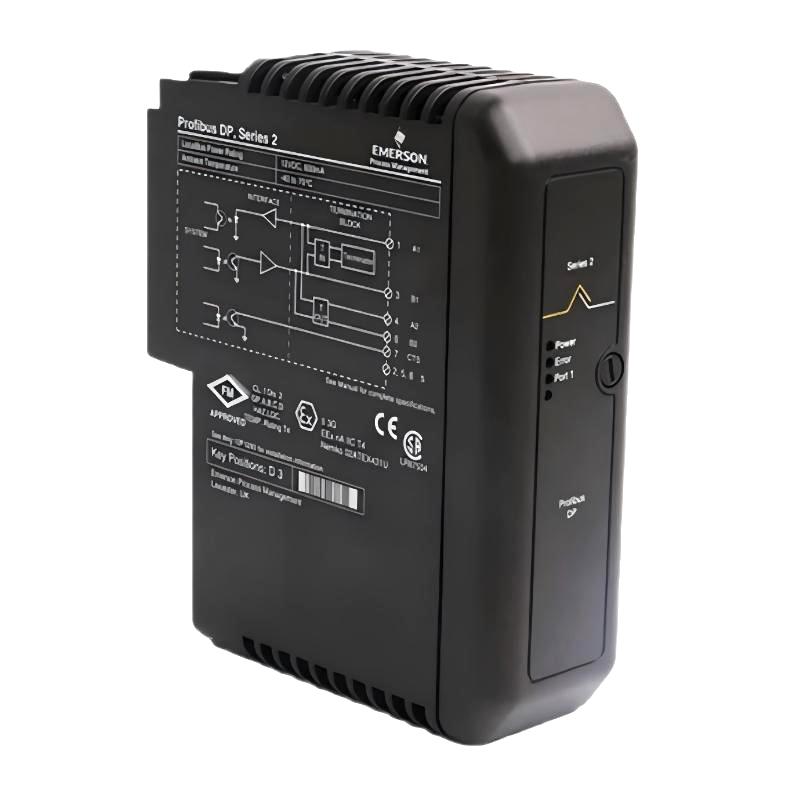
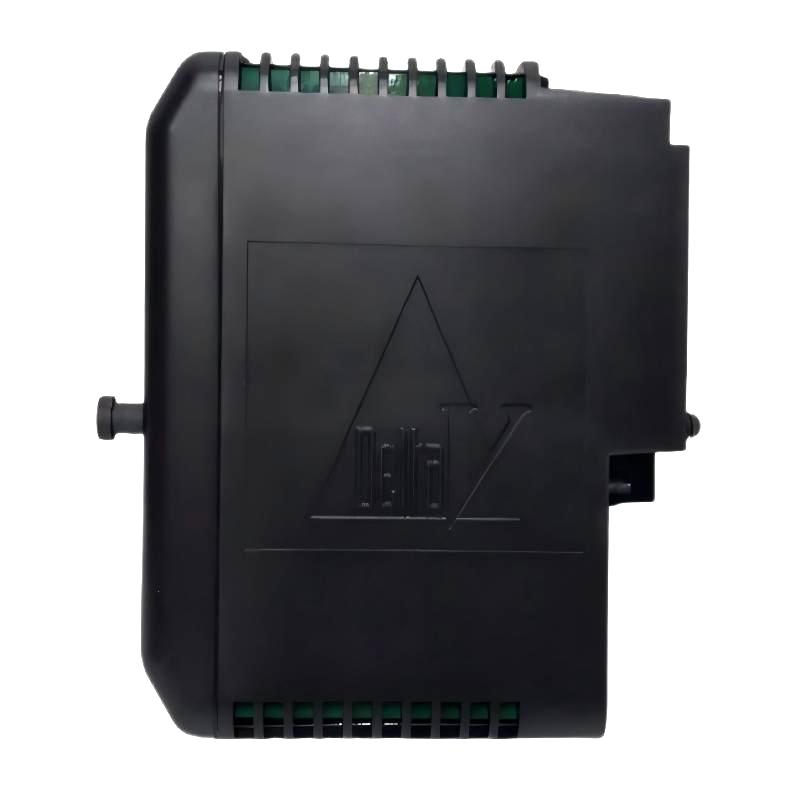
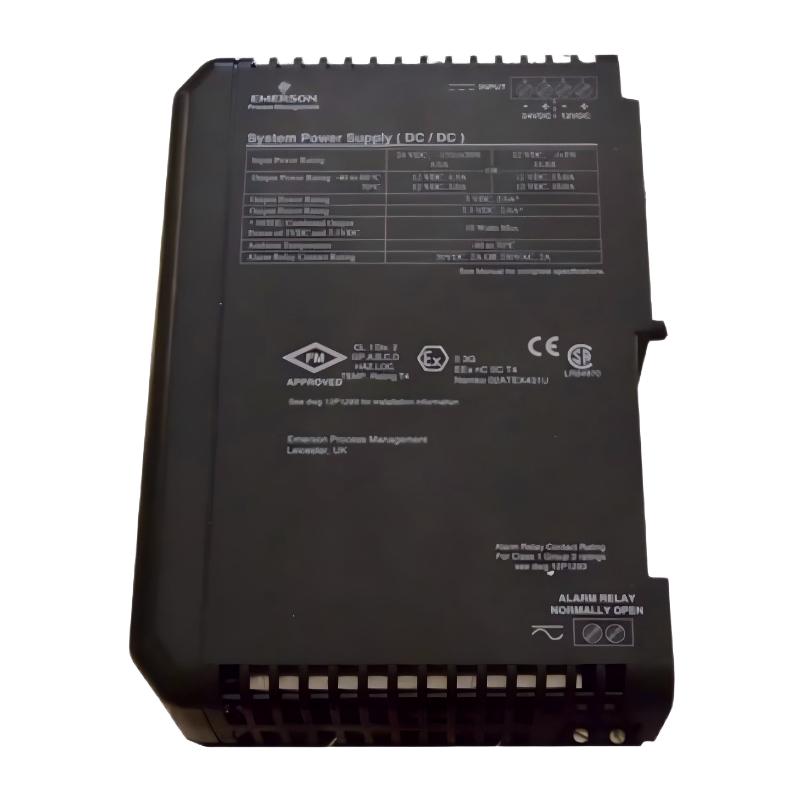
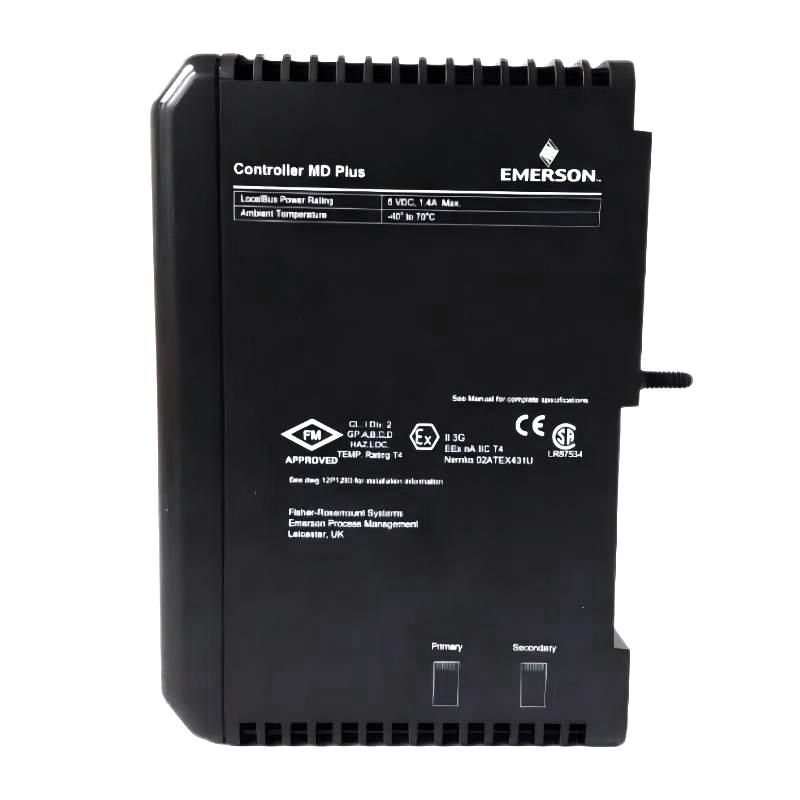
- Emerson
- VE4003S7B1
- Isolated Input Module
- USA
- 107 x 41 x 105 mm
- 0.36 kg
- Xiamen, China
- New & In Stock
- T/T, PayPal, Western Union
- 1 Year
- 1-3 Working Days
- DHL, UPS, TNT, FedEx and EMS.
- 24-Hour Service
- COO
- 33
Our advantage

Global Logistics
We have a 10-year logistics and express cooperation agreement, so our products can be shipped to any place in the world.

Brand new and original
Our products are imported in bulk from the place of origin. Because of the cooperative relationship, our products are all original and 100% new.

24-hour service
We provide 7*24 hours service to our customers. We will be there whenever you need us.

Price advantage
All our products are priced very favorably because we have our own warehouse and supply.
| Company Information | |||
| [email protected] | |||
| Mobile | +8615980777398 | ||
| +8615980777398 | |||
| 15980777398 |
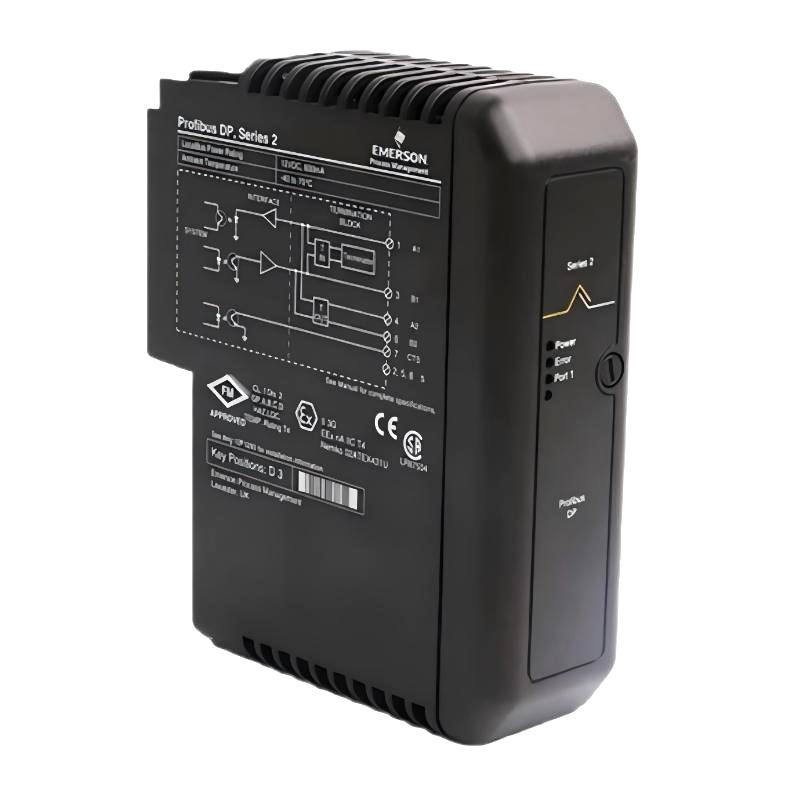
Product Overview
The Emerson VE4003S7B1 Isolated Input Module is an industrial automation I/O component designed to provide isolated field signal acquisition within compatible Emerson process control systems. It forms part of the interface between field-level instrumentation and the control architecture, allowing input information from industrial equipment to be transferred into monitoring, control, alarm, diagnostic, and data-acquisition functions.
In a modern process plant, field devices are distributed throughout production equipment, pipelines, tanks, pumps, compressors, utility systems, and other process areas. These devices provide information about operating conditions that must be collected by the automation system. An isolated input module provides an important interface for connecting appropriate field circuits to the control architecture while maintaining the electrical separation required by the system design.
The VE4003S7B1 is therefore suited to applications where input signal acquisition and electrical isolation are important considerations. Its role can include receiving field information, maintaining signal separation, supporting reliable data transfer, and making input information available to the associated controller.
The supplied physical dimensions are 107 × 41 × 105 mm, with a listed weight of 0.36 kg. This compact form factor is suitable for industrial I/O assemblies and control cabinets where efficient use of space is required.
The exact input signal type, channel configuration, electrical ratings, isolation arrangement, terminal assignments, supported field devices, and hardware revision should be verified against the applicable Emerson system documentation before installation or replacement.
Technical Specifications
| Parameter | Specification |
|---|---|
| Manufacturer | Emerson |
| Product Family | VE Series / Process Automation |
| Model | VE4003S7B1 |
| Product Type | Isolated Input Module |
| Primary Function | Isolated field input signal acquisition |
| Interface Role | Field device to control-system interface |
| Signal Type | Input signals |
| Isolation | Isolated input architecture |
| Application | Industrial process control and automation |
| Installation | Compatible Emerson I/O architecture |
| Dimensions | 107 × 41 × 105 mm |
| Weight | 0.36 kg |
| Typical Applications | Process monitoring, equipment status, alarms and control |
What Is the Emerson VE4003S7B1?
The Emerson VE4003S7B1 Isolated Input Module is designed to serve as an input interface between compatible field devices and an Emerson industrial control system.
A typical industrial automation system contains sensors, transmitters, switches, and monitoring devices positioned close to the process. Their signals must be transferred to the control system so that operators and controllers can determine the current state of the process.
The input module provides part of this signal path:
Field Device → Field Wiring → VE4003S7B1 → I/O System → Controller → HMI / SCADA
The isolated design is particularly relevant in installations where field circuits and control-system circuits require electrical separation.
The precise input function and electrical characteristics of an installed VE4003S7B1 should always be confirmed against the actual hardware and system configuration.
Understanding Isolated Input Technology
Electrical isolation is an important consideration in industrial I/O design.
Industrial facilities can contain multiple electrical systems operating at different reference potentials. Field instruments may also be located far away from the control cabinet and connected through long cables exposed to electrical noise.
An isolated input architecture separates appropriate portions of the signal path.
A simplified representation is:
Field Circuit → Isolation Boundary → Control-System Circuit
This separation can help:
- Reduce unwanted electrical interaction
- Manage differences in electrical potential
- Improve signal integrity
- Reduce the impact of certain ground-related disturbances
- Support robust field-device integration
- Protect associated circuitry from inappropriate electrical conditions
Isolation does not eliminate the need for proper grounding, shielding, cable routing, and field wiring practices. The complete electrical design remains important for reliable process automation.
Function and Working Principle
Field Input Acquisition
The VE4003S7B1 receives input information from compatible field devices through the associated field interface.
Depending on the system configuration, the input can represent process information, equipment status, or another field-level condition.
Electrical Separation
The module’s isolated input architecture provides electrical separation between appropriate sections of the input circuit.
This can help prevent unwanted electrical conditions on one side of the interface from being directly transferred to the other side.
Signal Conditioning
Industrial signals may require conditioning before being interpreted by the control system. Depending on the architecture, the input system can incorporate appropriate filtering, conversion, validation, or signal-processing functions.
Exact conditioning characteristics should be confirmed for the specific VE4003S7B1 configuration.
Transfer to Control Logic
After the field input has been acquired, the associated control system can use the resulting information for:
- Process monitoring
- Equipment supervision
- Alarm generation
- Interlocks
- Sequencing
- Control logic
- Diagnostics
- Process optimization
This makes the isolated input module an important part of the field-to-controller communication chain.
Role in Industrial Automation
The Emerson VE4003S7B1 Isolated Input Module can operate as part of a larger distributed control architecture.
A simplified system can be represented as:
Field Equipment
↓
Input Interface
↓
I/O Subsystem
↓
Controller
↓
Control Strategy
↓
Operator Interface
The module itself does not replace the controller. Instead, it provides the interface through which field information becomes available to the control system.
For example, an input condition can be used to initiate an alarm, change an operating sequence, enable or disable a control action, or provide status information to an operator.
Industrial Applications
Oil and Gas Processing
Oil and gas facilities use extensive field instrumentation throughout production, processing, storage, and utility systems. Isolated input interfaces can provide a suitable connection between field equipment and process control systems.
Chemical Processing
Chemical plants require continuous monitoring of process equipment and operating conditions. Isolated I/O can help integrate field devices into the automation architecture while maintaining appropriate electrical separation.
Power Generation
Power-generation facilities contain numerous electrical and process systems. Input modules can be used to collect field information from equipment and auxiliary systems.
Water and Wastewater Treatment
Treatment facilities rely on automated monitoring of pumps, tanks, valves, process equipment, and other plant assets. Input modules provide an interface between field devices and the control system.
Pharmaceutical Manufacturing
Pharmaceutical production systems require reliable monitoring of process and equipment conditions. Isolated input interfaces can form part of the I/O architecture used for automated monitoring and control.
Food and Beverage Manufacturing
Food and beverage plants use instrumentation and equipment-status signals throughout production and packaging processes. The VE4003S7B1 can be integrated into suitable automation architectures for field signal acquisition.
General Manufacturing
Industrial manufacturing systems can use input modules for machine status, process monitoring, alarms, sequencing, and equipment supervision.
System Integration
The VE4003S7B1 should be treated as one component within a complete Emerson automation architecture.
A typical system can contain:
| Component | Function |
|---|---|
| Field Sensor | Detects a physical process condition |
| Field Transmitter | Provides process information |
| Field Switch | Provides equipment status |
| Field Wiring | Transfers input signals |
| Terminal Assembly | Provides field termination |
| VE4003S7B1 | Provides isolated input interface |
| I/O Infrastructure | Connects field inputs to the control architecture |
| Controller | Executes automation logic |
| HMI | Displays process information |
| Historian | Stores process data |
| Alarm System | Reports abnormal conditions |
The exact components and interconnection method depend on the host Emerson control system.
Field Device Integration
Before connecting a field device to the VE4003S7B1, engineers should verify that the field device is electrically compatible with the input interface.
Important engineering considerations include:
- Field-device output type
- Signal characteristics
- Wiring configuration
- Power requirements
- Terminal assignment
- Grounding
- Shielding
- Isolation requirements
- Engineering configuration
- Alarm settings
These values should be obtained from the approved system documentation rather than assumed from the module name alone.
Installation Guidelines
Verify the Module Identification
Before installation, confirm the complete model:
Emerson VE4003S7B1
The hardware revision and associated system documentation should also be checked when applicable.
Inspect the Module
Before installation, inspect the module for:
- Physical damage
- Connector damage
- Corrosion
- Contamination
- Signs of overheating
- Damaged mounting points
- Loose components
Any abnormal condition should be investigated before installation.
Verify the I/O Position
The module should be installed only in a compatible I/O location and with the appropriate associated hardware.
Check Field Wiring
Compare all field wiring with approved electrical drawings.
Check:
- Terminal identification
- Signal polarity where applicable
- Field-device compatibility
- Shielding
- Grounding
- Cable routing
- Instrument power
Verify Isolation Requirements
If electrical isolation is required for a specific application, confirm that the complete installation provides the intended isolation architecture.
Commissioning Procedure
A structured commissioning process can help identify wiring, configuration, and hardware issues.
Step 1: Hardware Inspection
Confirm that the VE4003S7B1 is correctly installed and securely connected.
Step 2: I/O Diagnostics
Check the associated I/O system and controller for diagnostic conditions.
Step 3: Field Device Verification
Confirm that connected field devices are correctly powered and operating normally.
Step 4: Input Signal Verification
Verify that the expected field signal reaches the appropriate input interface.
Step 5: Configuration Verification
Confirm that the software configuration corresponds to the actual physical input.
Step 6: Functional Testing
Change the field condition in a controlled manner and verify that the expected input response appears in the control system.
Step 7: Alarm and Interlock Testing
Where applicable, test alarms, interlocks, and control sequences associated with the input.
Troubleshooting the VE4003S7B1
A systematic signal-path approach is recommended when diagnosing input problems.
No Input Signal
If the controller does not receive a valid input, inspect:
- Field device
- Instrument power
- Field wiring
- Terminal connections
- Module installation
- I/O diagnostics
- Control-system configuration
A field-device or wiring problem can produce symptoms similar to a module failure.
Incorrect Input
An incorrect input value can be caused by:
- Incorrect configuration
- Signal incompatibility
- Wiring problems
- Field-device calibration issues
- Grounding conditions
- Electrical interference
- Input hardware problems
The signal should be checked at appropriate points in the field-to-controller path.
Unstable Input
Possible causes include:
- Electrical noise
- Poor shielding
- Grounding problems
- Loose terminals
- Damaged cables
- Field-device instability
- Process fluctuations
- Input-interface problems
Although isolation can reduce certain forms of electrical interaction, correct installation practices remain essential.
Intermittent Input
Intermittent operation can result from:
- Loose connections
- Damaged wiring
- Connector problems
- Vibration
- Field-device degradation
- Temperature-related behavior
- Electrical interference
Inspect both the field side and control-system side before replacing the module.
Preventive Maintenance
Preventive maintenance should cover the module and the complete field signal chain.
Inspect Terminations
Check connectors and terminals for looseness, corrosion, contamination, or physical damage.
Inspect Field Wiring
Look for damaged insulation, excessive bending, moisture ingress, and mechanical stress.
Monitor Diagnostics
Regularly review available I/O and controller diagnostics for abnormal conditions.
Maintain Cabinet Conditions
Keep the control cabinet clean, dry, and adequately ventilated. Excessive heat, dust, moisture, or vibration can shorten electronic equipment service life.
Maintain Field Instruments
A reliable input module cannot compensate for a defective or poorly calibrated field device. Sensors and transmitters should therefore be maintained according to their applicable procedures.
Replacement Considerations
When replacing an Emerson VE4003S7B1 Isolated Input Module, verify the complete identification before removing the existing hardware.
Important checks include:
- Model number
- Hardware revision
- I/O position
- Connector configuration
- Terminal arrangement
- Input signal type
- Isolation requirements
- Field-device compatibility
- Control-system configuration
The supplied dimensions are:
107 × 41 × 105 mm
The supplied weight is:
0.36 kg
These specifications are useful for cabinet planning, spare-parts inventory, handling, transportation, and replacement logistics.
Mechanical similarity alone should not be considered proof of electrical or functional compatibility.
Physical Dimensions and Cabinet Planning
The VE4003S7B1 has supplied dimensions of 107 × 41 × 105 mm and a listed weight of 0.36 kg.
When planning an installation, sufficient space should be provided for the module itself as well as:
- Field connectors
- Terminal wiring
- Cable routing
- Adjacent I/O equipment
- Maintenance access
- Cabinet ventilation
The installation arrangement should follow the requirements of the applicable Emerson I/O system.
Signal Integrity and Isolation Considerations
Reliable input acquisition depends on both the module and the surrounding installation.
Engineers should pay particular attention to:
- Cable routing
- Shielding
- Grounding
- Field-device installation
- Terminal connections
- Electrical separation
- Cabinet environmental conditions
The isolated architecture of the VE4003S7B1 can help manage electrical interaction between circuits, but proper system-level electrical design remains essential.
When troubleshooting critical signals, it is useful to compare:
Field Device Output → Field Wiring → Input Interface → Control-System Value
This approach helps determine whether the problem originates in the field instrument, wiring, I/O hardware, or configuration.
Compatible System Components
The VE4003S7B1 may be incorporated into an Emerson automation system containing:
- Process Sensors
- Field Transmitters
- Equipment Status Devices
- Terminal Assemblies
- I/O Carriers
- Control Processors
- Engineering Workstations
- Operator Stations
- HMI Systems
- Alarm Systems
- Historical Data Systems
The exact compatible components should be verified against the target Emerson system architecture.
Related Emerson Models
| Model | Product Type | General Function |
|---|---|---|
| VE4003S1 | Analog Input Module | Analog process signal acquisition |
| VE4003S2 | Analog Input Card | Analog input processing |
| VE4003S2B3 | Input Module with Terminal Blocks | Field signal acquisition and termination |
| VE4003S2B4 | Input Module with Terminal Blocks | Process input interface |
| VE4003S2B5 | Analog Input Card | Analog process signal acquisition |
| VE4003S2B6 | Analog Input Module | Analog measurement interface |
| VE4003S2B7 | Analog Input Module | Process signal acquisition |
| VE4003S2B9 | Input Module with Terminal Blocks | Analog input and field connection |
| VE4002S2 | Discrete Output Card | Discrete output control |
| VE4002S2T1 | Standard I/O Terminal Block | Field termination |
| VE3006 | Digital Input Module | Digital field signal acquisition |
These are related Emerson automation components, but they should not be regarded as direct replacements for the VE4003S7B1 without confirming electrical, mechanical, and system-level compatibility.
Engineering Best Practices
For reliable operation of the Emerson VE4003S7B1, engineers should maintain accurate documentation for every connected input point.
Documentation should identify:
- Field device
- Input location
- Wiring arrangement
- Signal characteristics
- Engineering configuration
- Alarm settings
- Control-system tag
- Associated control strategy
Field cables should be routed appropriately and separated from sources of significant electrical interference where required.
Grounding and shielding should follow the approved engineering design.
During troubleshooting, the field device and wiring should be checked before concluding that the input module has failed.
For critical process applications, correctly identified spare modules should be maintained and stored under suitable environmental conditions.
Key Advantages
Isolated Field Interface
The VE4003S7B1 provides an isolated input interface for compatible industrial automation applications.
Compact Construction
With supplied dimensions of 107 × 41 × 105 mm, the module can be incorporated into compact I/O assemblies.
Electrical Separation
The isolated architecture can help manage electrical differences between field circuits and associated control-system electronics.
Industrial Process Monitoring
Input information can be incorporated into monitoring, alarms, diagnostics, sequencing, and control strategies.
Emerson System Integration
The module can form part of a larger Emerson process automation architecture when correctly matched to the applicable system configuration.
Technical FAQs
What is the Emerson VE4003S7B1?
The Emerson VE4003S7B1 is an Isolated Input Module designed to provide field input signal interface functionality within a compatible Emerson industrial automation system.
What is the purpose of an isolated input module?
An isolated input module receives field information while providing electrical separation between appropriate portions of the signal path. This can help manage electrical potential differences and reduce certain types of unwanted signal interaction.
Why is isolation useful in industrial automation?
Industrial plants often contain multiple electrical systems and long field cables. Isolation can help reduce the effects of electrical differences and certain interference conditions between field circuits and control electronics.
What are the dimensions of the VE4003S7B1?
The supplied dimensions are 107 × 41 × 105 mm.
How much does the VE4003S7B1 weigh?
The supplied weight is 0.36 kg.
Is the VE4003S7B1 a PLC controller?
No. It is an isolated input I/O module. Its primary role is to provide field signal interface functionality within a larger Emerson control architecture.
Can another Emerson input module replace the VE4003S7B1?
Compatibility should not be assumed. Different modules can have different electrical characteristics, input configurations, isolation arrangements, and system requirements. The complete model and host-system configuration should be verified before replacement.
What can cause an isolated input problem?
Potential causes include field-device failure, damaged wiring, loose terminals, incorrect configuration, electrical interference, grounding problems, installation issues, or input-module faults.
How should the VE4003S7B1 be maintained?
Maintenance should include inspection of the module, connectors, field wiring, cabinet conditions, system diagnostics, and connected field devices. Accurate I/O documentation should also be maintained.
Conclusion
The Emerson VE4003S7B1 Isolated Input Module is a specialized industrial automation component designed to provide isolated field input signal acquisition within a compatible Emerson process control architecture. It provides an important interface between field devices and the control system, allowing input information to be incorporated into process monitoring, alarms, sequencing, diagnostics, and automated control.
The supplied physical dimensions are 107 × 41 × 105 mm, while the listed weight is 0.36 kg. These specifications make the module suitable for space-conscious I/O installations and provide useful information for cabinet planning, handling, spare-parts management, and replacement logistics.
For installation, commissioning, troubleshooting, and replacement, the complete Emerson VE4003S7B1 identification should be verified together with the applicable hardware revision, I/O architecture, field wiring, isolation requirements, and system configuration. Proper grounding, shielding, signal routing, field-device maintenance, and systematic commissioning are essential for reliable operation of the complete industrial automation system.