

ProductPRODUCT
Featured products



Contact Us
- Emerson
- VE4002S1T2B1 KJ3001X1-BJ1
- Discrete Output Module
- USA
- 107 x 41 x 105 mm
- 0.12 kg
- Xiamen, China
- New & In Stock
- T/T, PayPal, Western Union
- 1 Year
- 1-3 Working Days
- DHL, UPS, TNT, FedEx and EMS.
- 24-Hour Service
- COO
- 31
Our advantage

Global Logistics
We have a 10-year logistics and express cooperation agreement, so our products can be shipped to any place in the world.

Brand new and original
Our products are imported in bulk from the place of origin. Because of the cooperative relationship, our products are all original and 100% new.

24-hour service
We provide 7*24 hours service to our customers. We will be there whenever you need us.

Price advantage
All our products are priced very favorably because we have our own warehouse and supply.
| Company Information | |||
| [email protected] | |||
| Mobile | +8615980777398 | ||
| +8615980777398 | |||
| 15980777398 |
Product Overview
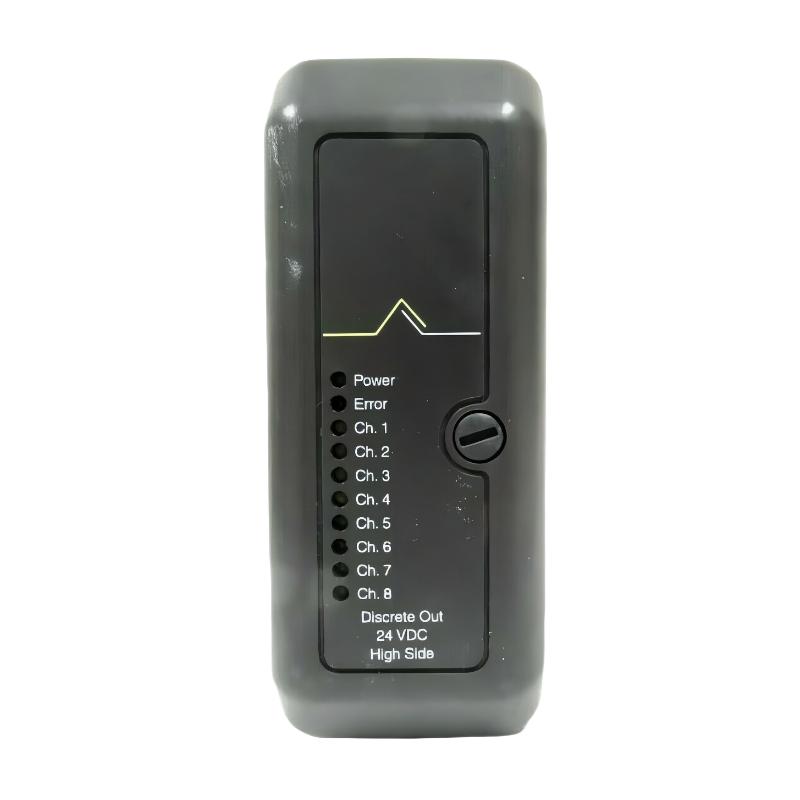
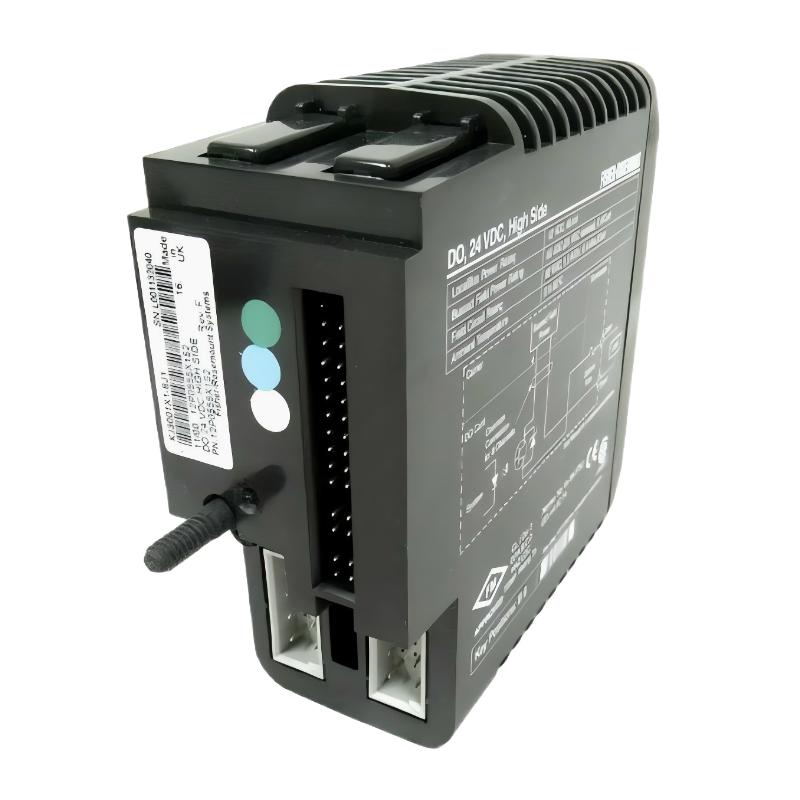
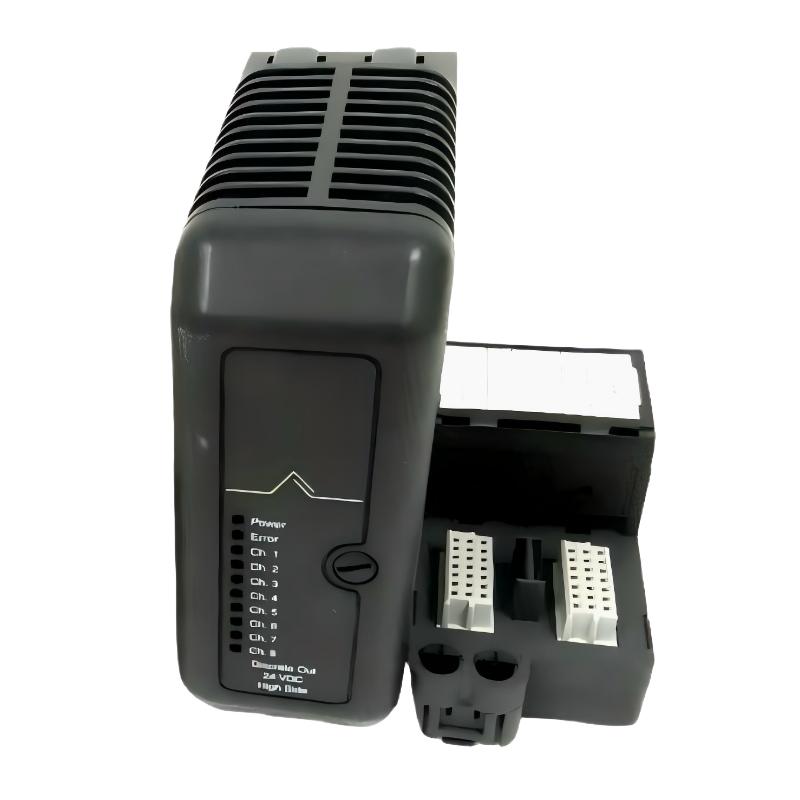
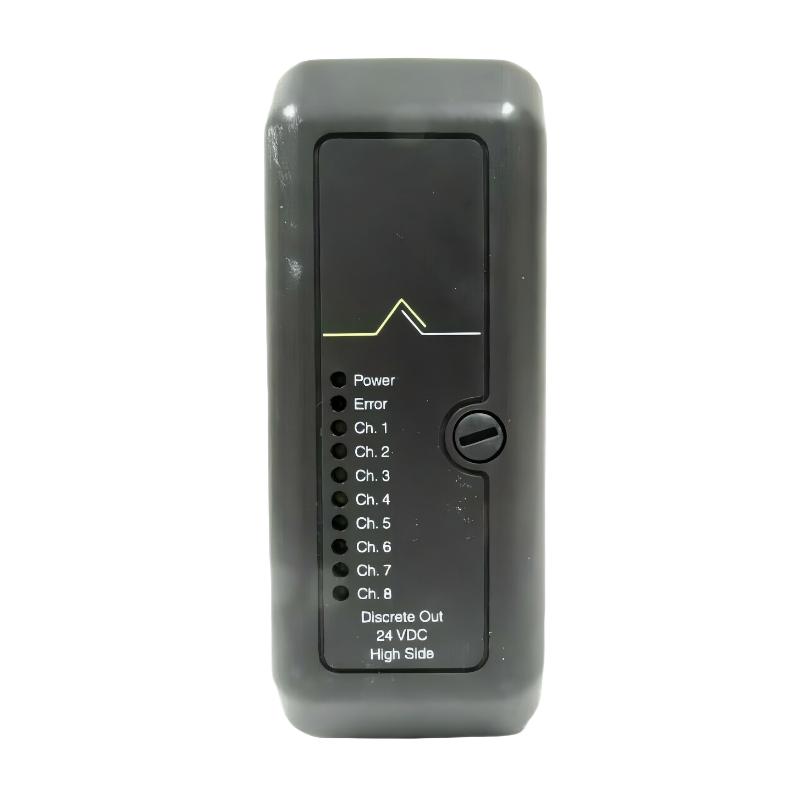
The Emerson VE4002S1T2B1 KJ3001X1-BJ1 Discrete Output Module is an industrial automation I/O component designed to provide dependable digital output control between a process control system and field-level equipment. It is used in distributed process automation architectures where controller commands must be transferred accurately to external devices such as relay interfaces, solenoids, indicators, valve-control circuits, and other suitable discrete loads.
As a discrete output module, the KJ3001X1-BJ1 operates with defined binary states rather than continuously variable analog values. Depending on the control command and configured application, an output point can represent conditions such as ON/OFF, Start/Stop, Enable/Disable, Open/Close, or Energized/De-energized. This makes the module suitable for automation sequences requiring clear and repeatable switching actions.
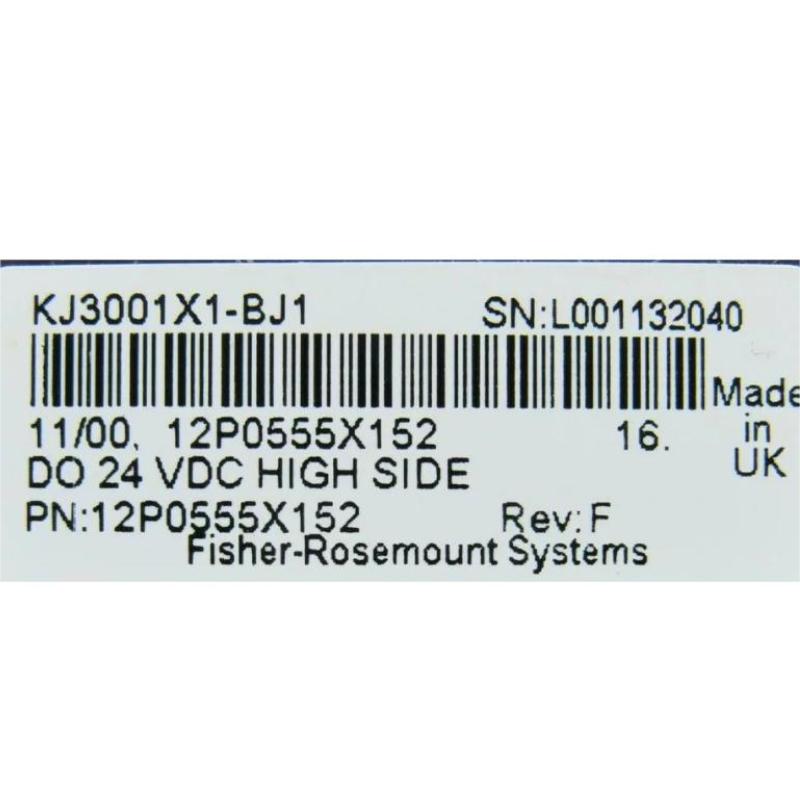
The VE4002S1T2B1 designation identifies the Emerson assembly configuration associated with the KJ3001X1-BJ1 discrete output module. Within a process automation system, the module serves as part of the interface between software-based control decisions and physical plant operations. A controller can evaluate process conditions and generate a command, while the output module provides the electrical interface needed to transfer that command toward the connected field circuit.
With compact dimensions of 107 × 41 × 105 mm and a weight of 0.12 kg, the Emerson VE4002S1T2B1 KJ3001X1-BJ1 is suitable for organized installation in industrial control cabinets where equipment density, accessibility, and efficient spare-parts management are important.
Before installation, commissioning, or replacement, the exact system configuration should be reviewed. Engineers should verify the applicable output characteristics, channel configuration, voltage and current ratings, field wiring, terminal arrangement, load compatibility, and hardware revision according to the requirements of the installed automation system.
Technical Specifications
| Parameter | Details |
|---|---|
| Manufacturer | Emerson |
| Assembly Model | VE4002S1T2B1 |
| Module Part Number | KJ3001X1-BJ1 |
| Product Type | Discrete Output Module |
| I/O Function | Digital / Discrete Output |
| Primary Function | Transfers controller commands to suitable field circuits |
| Signal Type | Binary / Discrete |
| System Role | Controller-to-field I/O interface |
| Installation | Industrial Process Automation I/O System |
| Dimensions (H × W × D) | 107 × 41 × 105 mm |
| Weight | 0.12 kg |
| Typical Applications | Valves, relays, solenoids, alarms and auxiliary equipment |
| Control States | ON/OFF, Start/Stop, Enable/Disable |
| Maintenance Function | Output diagnostics and module replacement |
| Operating Environment | Industrial Automation Environment |
Engineering note: The exact electrical specifications, including channel quantity, output technology, rated voltage, rated current, isolation characteristics, protection features, terminal assignments, and approved load types, should be verified against the applicable Emerson system documentation before connecting field equipment.
What Is the Emerson KJ3001X1-BJ1?
The KJ3001X1-BJ1 is a discrete output module used to provide binary control signals within an industrial automation system.
Its fundamental role is to transfer commands generated by the control system into electrical output states suitable for connection to the appropriate field interface.
A typical output command can represent:
- Start
- Stop
- Open
- Close
- Enable
- Disable
- ON
- OFF
For example, when a controller determines that a process valve should open, it can issue a discrete command through the I/O system. The KJ3001X1-BJ1 provides the associated output state to the field circuit. That circuit may then operate an appropriate relay, solenoid, or actuator interface.
Unlike an analog output module, which may produce a continuously variable control value, a discrete output module is intended for defined switching conditions.
This type of I/O is essential in process control because many field devices perform actions based on binary commands.
Function and Working Principle
The general operating principle can be represented as:
Process Condition → Control Logic → Controller → I/O System → KJ3001X1-BJ1 → Field Interface → Process Equipment
The sequence begins when the automation system receives process information.
A controller evaluates measurements, operator commands, interlocks, sequences, and programmed logic. When the required conditions are satisfied, it generates an output command.
The command is transmitted through the I/O architecture to the discrete output module.
The KJ3001X1-BJ1 then provides the corresponding electrical output state.
The field circuit responds through the appropriate interface, which may involve a relay, solenoid, contactor-control circuit, alarm device, or another compatible actuator.
A simplified operating sequence is:
- Process condition is detected.
- The controller evaluates control logic.
- Permissive conditions are checked.
- The controller issues an output command.
- The KJ3001X1-BJ1 changes the corresponding output state.
- The command reaches the field circuit.
- The connected interface or actuator responds.
- The physical process changes condition.
- Feedback confirms the result where applicable.
The final step is important because an output command does not necessarily guarantee that the physical device has responded correctly.
Role in a Process Automation System
The VE4002S1T2B1 KJ3001X1-BJ1 operates on the output side of the industrial I/O architecture.
A simplified system arrangement is:
HMI / Operator Station
↓
Process Control Strategy
↓
Controller
↓
I/O Communication
↓
VE4002S1T2B1 / KJ3001X1-BJ1
↓
Field Wiring
↓
Relay / Solenoid / Interface Circuit
↓
Field Equipment
The module therefore provides a connection between digital control logic and real-world equipment.
Typical system functions can include:
- Equipment commands
- Valve control
- Pump start/stop signals
- Solenoid control
- Relay activation
- Alarm annunciation
- Sequence commands
- Auxiliary equipment control
- Process enable signals
The module itself does not normally determine when equipment should operate. Instead, it executes the output function commanded by the control strategy.
Typical Industrial Applications
Process Valve Control
The module can be used in output circuits associated with valve-control equipment.
Typical commands include:
- Open valve
- Close valve
- Energize solenoid
- De-energize solenoid
- Enable valve-control circuit
The connected actuator interface must be electrically compatible with the actual output configuration.
Pump Control
Industrial pumping systems frequently require discrete commands.
The output module can provide a control signal to suitable downstream equipment such as an interposing relay or motor-control interface.
Typical functions include:
- Pump start
- Pump stop
- Standby pump selection
- Remote enable
- Auxiliary control
- Sequence operation
The module should not automatically be considered a direct high-power motor switching device.
Compressor Applications
Compressor control systems often require multiple binary outputs for equipment sequencing.
Applications may include:
- Compressor enable
- Auxiliary motor control
- Cooling-system commands
- Lubrication-system control
- Alarm output
- Package sequencing
Water and Wastewater Systems
Discrete output modules can support equipment operation in water-processing facilities.
Examples include:
- Pump commands
- Valve control
- Blower control
- Chemical dosing equipment
- Filter sequencing
- Alarm devices
- Auxiliary systems
HVAC and Utility Systems
HVAC applications commonly require binary output commands for:
- Fan enable
- Damper control
- Pump operation
- Valve solenoids
- Heating equipment
- Cooling equipment
- Alarm indication
Manufacturing Automation
In manufacturing systems, discrete outputs can support:
- Conveyor control
- Pneumatic actuators
- Machine enable signals
- Material handling
- Warning lights
- Auxiliary relays
- Production sequencing
Installation and System Integration
Proper installation is essential for reliable output performance.
Verify the Exact Product Identification
Confirm the assembly and module identification:
VE4002S1T2B1
KJ3001X1-BJ1
When replacing hardware, do not select a module based only on its physical appearance. Similar Emerson modules may have different I/O functions, hardware revisions, electrical characteristics, or system compatibility requirements.
Inspect the Module
Before installation, inspect for:
- Cracked housing
- Damaged connectors
- Bent contacts
- Contamination
- Corrosion
- Signs of overheating
- Mechanical damage
Do not install damaged electronic equipment into an active industrial system.
Verify System Compatibility
Confirm:
- I/O system architecture
- Controller configuration
- Module position
- Hardware revision
- Associated carrier or terminal assembly
- Field wiring
- Output load requirements
Install Correctly
Install the module according to the approved procedure for the associated Emerson automation system.
Ensure that the module is correctly seated and mechanically secured. Avoid excessive force when engaging electrical connectors.
Field Wiring Considerations
Correct field wiring is essential because many apparent I/O failures are caused by external wiring or connected equipment.
Before commissioning, verify:
- Terminal identification
- Wiring continuity
- Correct circuit routing
- Field supply conditions
- Connected load requirements
- Cable condition
- Terminal tightness
- Grounding
- Isolation requirements
Where inductive loads are used, the circuit should incorporate suitable protection or suppression according to the engineering design.
Inductive devices may include:
- Relays
- Solenoids
- Contactors
- Electromechanical actuators
Improper transient control can affect both the connected field circuit and long-term I/O reliability.
Commissioning Procedure
A systematic commissioning process is recommended.
Step 1: Verify Hardware
Confirm that the installed hardware is the correct VE4002S1T2B1 KJ3001X1-BJ1 configuration.
Step 2: Check System Configuration
Verify that the automation system configuration corresponds to the installed I/O hardware.
Step 3: Inspect Wiring
Compare the field wiring with approved electrical drawings.
Step 4: Verify Connected Loads
Confirm that the field devices and interface circuits are compatible with the output requirements.
Step 5: Perform Controlled Output Testing
Where approved by site procedures, command individual outputs under controlled conditions.
Step 6: Verify Physical Response
Confirm that the final field device responds as expected.
Step 7: Check Feedback Signals
Where available, verify that status feedback confirms the commanded action.
Step 8: Test Interlocks
Confirm that relevant safety and process interlocks behave as intended.
Step 9: Return to Normal Operation
Restore the system to its normal operating condition after successful commissioning.
Troubleshooting and Fault Diagnosis
The most effective troubleshooting method is to follow the complete signal path.
Controller → I/O Communication → KJ3001X1-BJ1 → Field Wiring → Interface Device → Final Equipment
This helps prevent unnecessary replacement of functioning modules.
No Output Command
If an output does not activate, first determine whether the controller is actually issuing the command.
Possible causes include:
- Logic condition not satisfied
- Interlock active
- Incorrect sequence state
- Configuration issue
- Controller communication problem
- Output point not commanded
If the controller command is absent, the output module may not be faulty.
Output Appears Active but Field Device Does Not Respond
Check downstream components, including:
- Field wiring
- Terminal connections
- Field power
- Interposing relay
- Contactor interface
- Solenoid
- Actuator
- Local control switches
A correctly functioning I/O module cannot compensate for a failed field device or broken circuit.
Intermittent Output Operation
Possible causes include:
- Loose connectors
- Loose terminals
- Cable damage
- Electrical noise
- Power instability
- Mechanical vibration
- Thermal stress
- Aging interface devices
Intermittent faults should be investigated through both electronic diagnostics and physical inspection.
Unexpected Output State
Unexpected operation can result from:
- Control logic
- Manual override
- Forced output
- Configuration error
- Wiring problem
- External electrical fault
Any investigation involving potentially hazardous equipment should follow approved isolation and safety procedures.
Preventive Maintenance
Preventive maintenance helps improve long-term system reliability.
Recommended practices include:
- Inspect modules for contamination and physical damage.
- Maintain clean control cabinet conditions.
- Monitor cabinet temperature and ventilation.
- Check field terminals during planned maintenance.
- Investigate recurring output faults.
- Keep controller and I/O documentation updated.
- Test critical output circuits according to the plant maintenance schedule.
Repeated failure of the same output point may indicate an external field-circuit problem rather than a defective I/O module.
Compatible System Components
The exact system configuration should always be verified, but a typical automation architecture can include the following component categories:
| Component | Function |
|---|---|
| Process Controller | Executes control strategy and generates commands |
| I/O Communication System | Transfers signals between controller and I/O |
| Discrete Input Module | Receives field feedback and equipment status |
| KJ3001X1-BJ1 Output Module | Provides discrete output commands |
| Terminal Assembly | Connects field wiring to the I/O architecture |
| Interposing Relay | Provides suitable electrical interface where required |
| Solenoid Valve | Performs binary process actuation |
| Contactor / Starter Interface | Controls suitable motor power equipment |
| HMI | Provides operator monitoring and command functions |
| Engineering Workstation | Supports configuration and diagnostics |
Compatibility must be confirmed according to the actual Emerson system architecture, hardware revision, and installed I/O arrangement.
Recommended Related Modules
| Model | Product Type | Typical Function |
|---|---|---|
| KJ3001X1-BJ1 | Discrete Output Module | Digital field control |
| KJ3201X1-BA1 | Discrete Input Module | Field status monitoring |
| KJ3203X1-BA1 | Discrete Input Module | Binary process input acquisition |
| KJ4001X1 Series | Terminal Block / Interface Component | Field I/O connection |
| KJ2003X1 Series | Controller / Automation Component | Process control and system integration |
The exact interchangeability and compatibility of individual components should be verified before replacement.
Physical Dimensions and Weight
The supplied physical specifications are:
Dimensions: 107 × 41 × 105 mm
Weight: 0.12 kg
These compact dimensions support practical installation in industrial I/O cabinets and are useful for:
- Cabinet layout planning
- Replacement preparation
- Spare-parts storage
- Shipping and handling
- Maintenance access
When planning installation space, engineers should also consider field wiring, connector clearance, adjacent modules, cable routing, and access for future maintenance.
Key Advantages
The Emerson VE4002S1T2B1 KJ3001X1-BJ1 Discrete Output Module offers several practical advantages:
- Dedicated discrete output functionality
- Reliable controller-to-field signal interface
- Suitable for binary control applications
- Compact industrial module design
- Supports ON/OFF and Start/Stop control functions
- Suitable for relay and solenoid interface circuits
- Supports valve and auxiliary equipment control
- Useful for automated process sequences
- Compact 107 × 41 × 105 mm physical dimensions
- Lightweight 0.12 kg construction
- Supports organized control cabinet installation
- Practical for maintenance and spare-parts management
- Supports systematic output and field-circuit diagnostics
Technical FAQs
What is the Emerson VE4002S1T2B1 KJ3001X1-BJ1?
It is a Discrete Output Module used in industrial automation systems to transfer binary control commands from a process control system to suitable field circuits.
What is the main function of the KJ3001X1-BJ1?
Its primary function is to provide discrete output states for external equipment, supporting commands such as ON/OFF, Start/Stop, Open/Close, and Enable/Disable.
Is this an analog output module?
No. It is identified as a discrete output module and is intended for binary switching functions rather than continuously variable analog control.
What equipment can it control?
Depending on the specific system configuration and electrical compatibility, it can interface with suitable relays, solenoids, valve-control circuits, indicators, contactor-control circuits, and auxiliary equipment.
Can it directly power a large motor?
It should not automatically be considered a high-power motor switching device. Larger motors normally require appropriate contactors, starters, drives, or dedicated power-control equipment.
What are the dimensions?
The supplied dimensions are 107 × 41 × 105 mm.
What is the weight?
The supplied weight is 0.12 kg.
What should be checked before installation?
Verify the exact model numbers, system architecture, module position, hardware revision, output characteristics, field wiring, terminal arrangement, and connected load requirements.
How should a failed output be diagnosed?
Follow the complete signal path from the controller command to the I/O status, output module, field wiring, interface device, and final equipment.
Conclusion
The Emerson VE4002S1T2B1 KJ3001X1-BJ1 Discrete Output Module is a compact industrial automation component designed to provide the output interface between process control logic and field-level equipment. By transferring binary commands from the automation system to suitable external circuits, it supports essential functions including valve control, relay operation, solenoid activation, equipment enable signals, auxiliary control, and automated process sequencing.
With dimensions of 107 × 41 × 105 mm and a weight of 0.12 kg, the module provides a space-efficient solution for industrial I/O installations and control cabinet applications. Its compact design also supports practical handling, replacement, and spare-parts management.
For reliable operation, correct system integration remains essential. Engineers should verify the exact output configuration, electrical characteristics, terminal assignments, hardware revision, field wiring, and connected load requirements before commissioning.
When correctly integrated into the appropriate Emerson process automation architecture, the VE4002S1T2B1 KJ3001X1-BJ1 provides a dependable discrete output interface for industrial control systems requiring accurate and repeatable digital field commands.