

ProductPRODUCT
Featured products
Contact Us
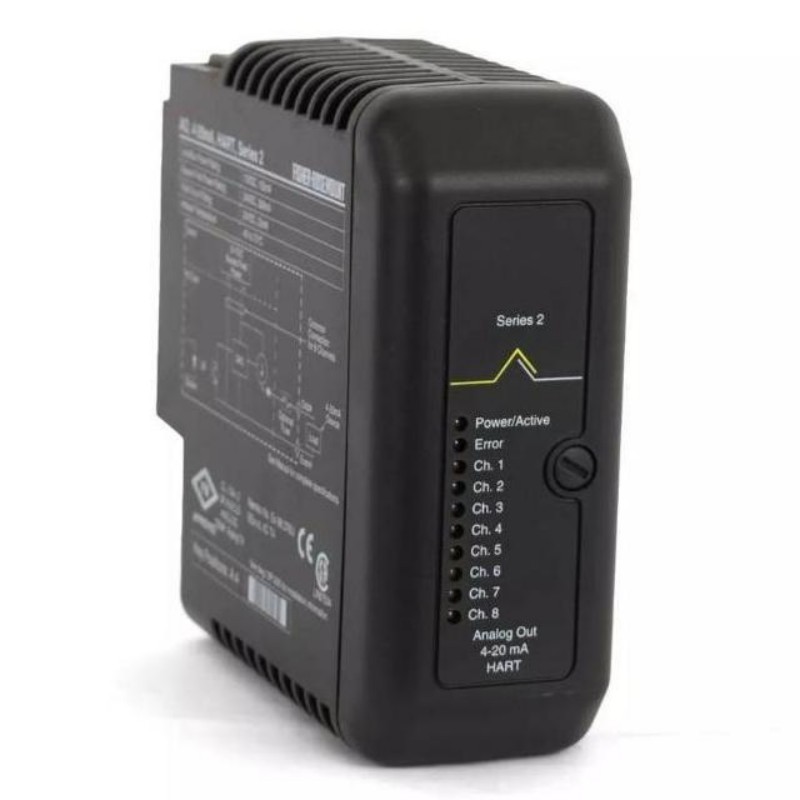
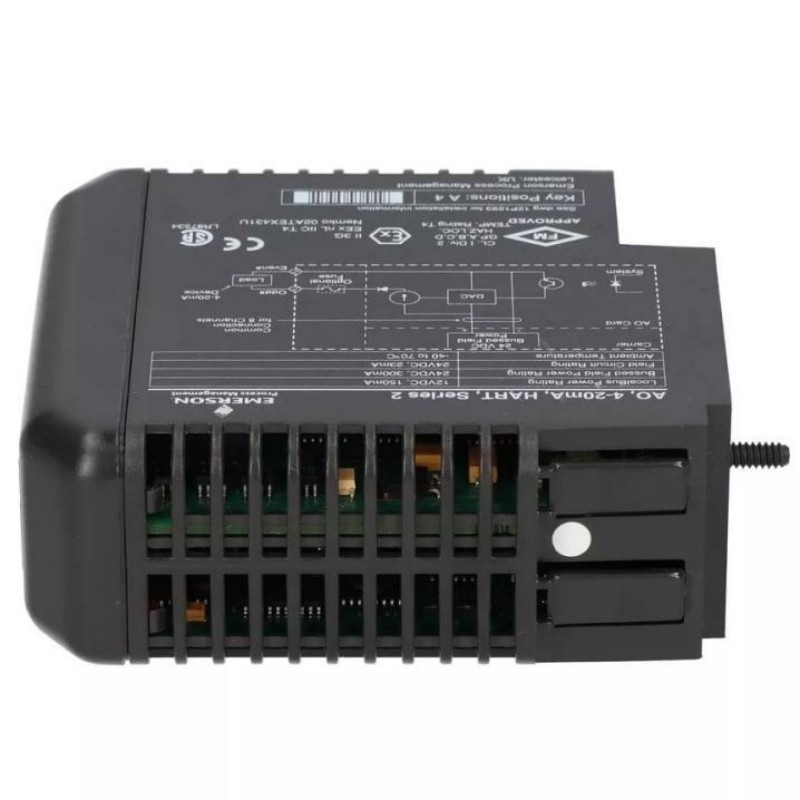
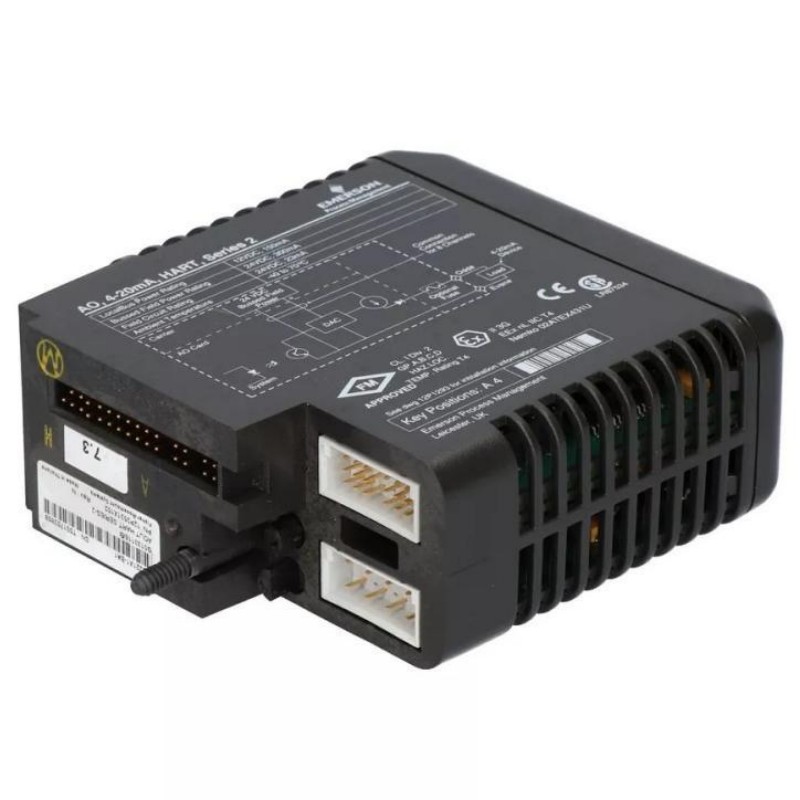
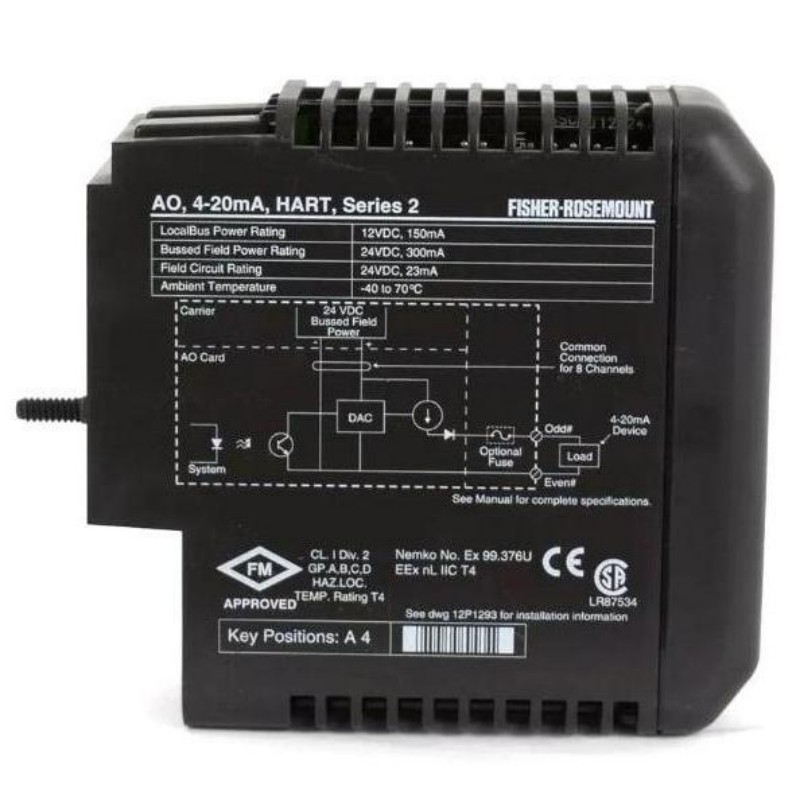
- Emerson
- VE4001S2T1B2 KJ3206X1-BA1
- Discrete Input Card
- USA
- 107 × 41 × 105 mm
- 1.21 kg
- Xiamen, China
- New & In Stock
- T/T, PayPal, Western Union
- 1 Year
- 1-3 Working Days
- DHL, UPS, TNT, FedEx and EMS.
- 24-Hour Service
- COO
- 4
Our advantage

Global Logistics
We have a 10-year logistics and express cooperation agreement, so our products can be shipped to any place in the world.

Brand new and original
Our products are imported in bulk from the place of origin. Because of the cooperative relationship, our products are all original and 100% new.

24-hour service
We provide 7*24 hours service to our customers. We will be there whenever you need us.

Price advantage
All our products are priced very favorably because we have our own warehouse and supply.
| Company Information | |||
| [email protected] | |||
| Mobile | +8615980777398 | ||
| +8615980777398 | |||
| 15980777398 |
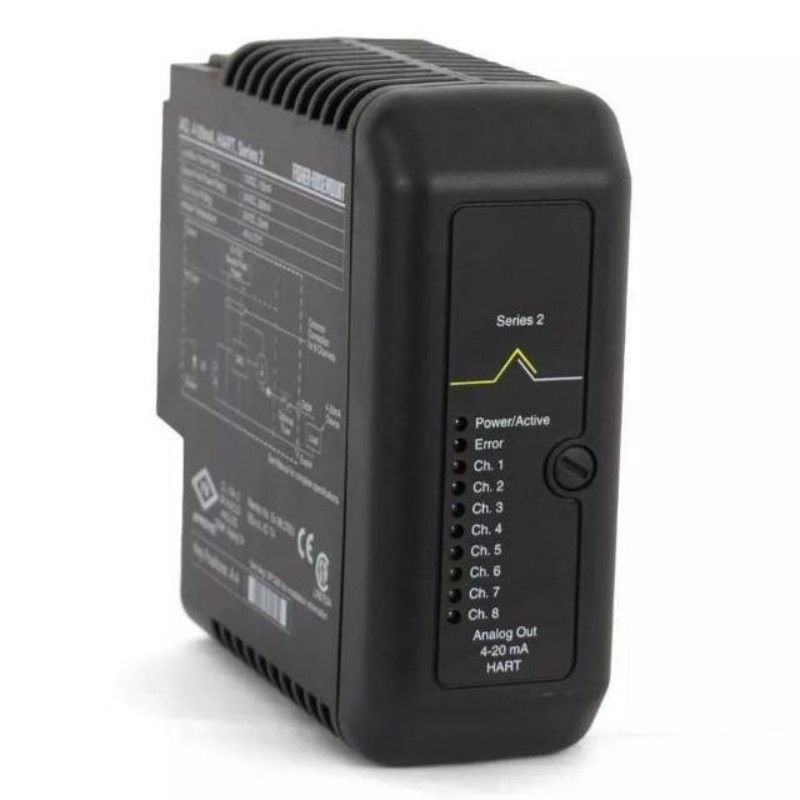
Product Overview
The Emerson VE4001S2T1B2 KJ3206X1-BA1 is a DeltaV M-series Traditional I/O Discrete Input Card used to bring conventional binary field signals into a DeltaV process control system. It forms part of the I/O layer between field devices and the DeltaV control environment, allowing equipment status and discrete process conditions to be incorporated into control strategies.
Typical signals handled at this level include motor running feedback, valve limit indications, equipment fault contacts, permissive conditions, shutdown signals, and process switch states. Once acquired by the I/O system, these signals can be used by the DeltaV controller for sequencing, interlocks, alarming, equipment monitoring, and operator displays.
The VE4001S2T1B2 is intended for installations using traditional field wiring rather than relying entirely on intelligent field instruments. This makes the card applicable to established process plants where conventional switches, relay contacts, and equipment feedback circuits remain part of the control architecture.
In a DeltaV cabinet, the card works together with the associated I/O infrastructure, controller, engineering tools, and field termination equipment. Its practical function is to maintain a clear signal path from individual plant devices to the control logic that acts on their status.
Technical Specifications
| Parameter | Specification |
|---|---|
| Manufacturer | Emerson |
| Model / Part Number | VE4001S2T1B2 KJ3206X1-BA1 |
| Product Type | DeltaV M-series Traditional I/O Discrete Input Card |
| Series | DeltaV M-series |
| I/O Type | Discrete Input |
| Application | Process control and discrete field signal acquisition |
| Dimensions | 107 × 41 × 105 mm |
| Weight | 1.21 kg |
Product Features
- DeltaV M-series Traditional I/O — Integrates conventional discrete field signals into a DeltaV process automation architecture.
- Binary signal acquisition — Collects ON/OFF information from switches, contacts, equipment feedback circuits, and similar field devices.
- Equipment status monitoring — Suitable for monitoring motors, valves, pumps, compressors, and other plant equipment.
- Control logic integration — Input states can be incorporated into sequencing, permissive, interlock, and alarm functions.
- Traditional field interface — Fits process installations where hardwired discrete signals remain a core part of the instrumentation system.
- DeltaV system integration — Works within a broader architecture containing controllers, I/O infrastructure, operator workstations, and engineering tools.
- Point-level troubleshooting — A structured I/O signal path helps maintenance personnel trace abnormal status indications from the field device toward the control application.
Working Principle
The VE4001S2T1B2 receives discrete signals generated by field devices and makes their states available to the DeltaV control system.
A typical signal path is:
Field Device → Field Wiring → I/O Termination → VE4001S2T1B2 → DeltaV Controller → Control Strategy → Operator Interface
For example, a motor starter may provide an auxiliary running contact. When the motor changes operating state, the corresponding contact changes the discrete input condition. The signal passes through the field termination arrangement and into the I/O card, after which the DeltaV application can use the resulting status for equipment confirmation, sequencing, alarm generation, or interlock logic.
A valve position switch can operate in a similar way. When the valve reaches a defined position, the discrete state changes and the control application can determine whether the expected process step has been completed.
This approach allows conventional field information to be incorporated into software-based control strategies without requiring the individual field device to perform the complete control function itself.
Role in a DeltaV M-series Control Architecture
The VE4001S2T1B2 operates at the discrete field-interface layer of a DeltaV M-series architecture.
Field Contacts / Switches → Traditional I/O Termination → VE4001S2T1B2 → DeltaV Controller → Control Logic → Operator Workstation
| System Element | Function |
|---|---|
| Field Contacts and Switches | Generate binary status information from plant equipment |
| Field Wiring | Carries discrete signals between equipment and the I/O system |
| I/O Termination | Provides the physical connection between field circuits and the I/O infrastructure |
| VE4001S2T1B2 | Acquires discrete input states for the DeltaV system |
| DeltaV Controller | Processes input information according to the configured application |
| Control Logic | Uses discrete states for sequences, permissives, alarms, and interlocks |
| Operator Workstation | Displays equipment states and relevant process alarms |
| Engineering Workstation | Supports configuration, diagnostics, commissioning, and maintenance |
The separation between field acquisition and application logic makes it possible to organize plant signals systematically while keeping the control strategy centralized within the DeltaV environment.
Industrial Applications
| Application | Typical Use |
|---|---|
| Pump Stations | Pump running feedback, fault contacts, permissives, and local status |
| Compressor Systems | Running indications, shutdown contacts, auxiliary status, and equipment alarms |
| Valve Control Systems | Open/closed feedback and limit-switch monitoring |
| Process Skids | Sequence conditions, equipment permissives, and discrete alarm signals |
| Chemical Processing | Interlocks, equipment states, and process switch indications |
| Oil and Gas Facilities | Shutdown signals, valve feedback, equipment status, and alarm inputs |
| Water and Utility Systems | Pump status, level switch conditions, valve positions, and equipment faults |
| General Process Automation | Conventional binary field signals connected to DeltaV control strategies |
Installation and Maintenance
- Verify the complete identification — Confirm both VE4001S2T1B2 and KJ3206X1-BA1 against the approved system documentation before installation.
- Check the I/O architecture — Verify that the card belongs in the intended DeltaV M-series I/O arrangement and that associated interface components are correctly matched.
- Inspect the field wiring — Check cable identification, conductors, terminals, and wiring records before connecting the card to the field circuits.
- Confirm point assignments — Match every physical field point with its corresponding DeltaV configuration to prevent incorrect status indications.
- Inspect termination connections — Ensure that field wiring and termination connections are secure and correctly identified.
- Verify discrete circuits — Confirm that switches, contacts, and equipment feedback circuits operate correctly before commissioning.
- Check I/O system communication — Verify that the I/O subsystem and associated DeltaV controller are communicating normally.
- Test individual points — Activate representative field devices or approved test signals and confirm that the expected status is displayed in DeltaV.
- Verify application response — Check that changes in input state generate the intended sequence, permissive, interlock, or alarm response.
- Review diagnostics — Use DeltaV diagnostic information together with field measurements when an input remains in an unexpected state.
- Inspect during scheduled maintenance — Check terminals, connectors, cabinet conditions, and wiring for looseness, contamination, or physical damage.
- Maintain configuration backups — Keep current I/O lists, wiring documentation, application configuration, and replacement records available for troubleshooting and future service.
Compatible System Components
| Component Type | Typical Role |
|---|---|
| DeltaV M-series Controllers | Process discrete input information and execute configured control strategies |
| DeltaV M-series I/O Infrastructure | Provides the architecture connecting I/O cards with the controller system |
| Traditional I/O Termination Components | Interface conventional field wiring with the I/O card |
| DeltaV Engineering Workstation | Supports configuration, commissioning, diagnostics, and maintenance |
| DeltaV Operator Workstation | Displays equipment states, alarms, and process information |
| Motor Auxiliary Contacts | Provide running, stopped, or fault status |
| Valve Limit Switches | Provide open and closed position feedback |
| Equipment Status Relays | Supply binary equipment conditions to the control system |
Recommended Related Models
| Model | Product Type | Typical Relationship |
|---|---|---|
| Emerson VE4001S2T1 | DeltaV M-series Traditional I/O Discrete Input Card | Related M-series discrete input card |
| Emerson VE4001S2T1B1 | DeltaV M-series Traditional I/O Discrete Input Card | Related discrete input variant within the same family |
| Emerson VE4002S1T1 | DeltaV M-series Traditional I/O Discrete Output Card | Complementary discrete output function |
| Emerson VE4003S2B1 | DeltaV M-series Traditional I/O Analog Input Card | Related Traditional I/O card for analog field acquisition |
| Emerson VE4005S2B1 | DeltaV M-series Traditional I/O Analog Output Card | Related Traditional I/O card for analog output applications |
| Emerson VE4006P2 | DeltaV M-series Traditional I/O Interface | Associated M-series I/O architecture component |
Key Advantages
- Integrates conventional discrete field signals into DeltaV control strategies
- Suitable for equipment status, permissive, alarm, and interlock monitoring
- Fits DeltaV M-series Traditional I/O architectures
- Provides a structured path from field contacts to controller logic
- Supports centralized monitoring of binary process conditions
- Works with established hardwired field instrumentation
- Simplifies point-level signal tracing during commissioning and maintenance
Technical FAQs
What is the VE4001S2T1B2 KJ3206X1-BA1 used for?
It is used to acquire conventional discrete field signals and make their states available to a DeltaV control system. Typical applications include equipment feedback, valve position, permissive signals, fault contacts, and other binary process indications.
What is the relationship between VE4001S2T1B2 and KJ3206X1-BA1?
Both identifiers are associated with the same product entry used for identification and ordering within the DeltaV M-series Traditional I/O context. When replacing the hardware, the complete identification should be checked against the installed system documentation.
What should be checked if a field status does not appear correctly in DeltaV?
Check the field device first, followed by the field wiring, termination connections, I/O configuration, and controller-side point assignment. If the physical signal is correct but the DeltaV status remains incorrect, review the I/O diagnostics and application configuration.
Can the card be replaced while retaining the existing control strategy?
The existing control strategy may remain in use when the replacement is compatible with the configured I/O architecture, but the hardware identification, termination arrangement, point configuration, and field wiring should be verified before commissioning the replacement.