

ProductPRODUCT
Featured products
Contact Us
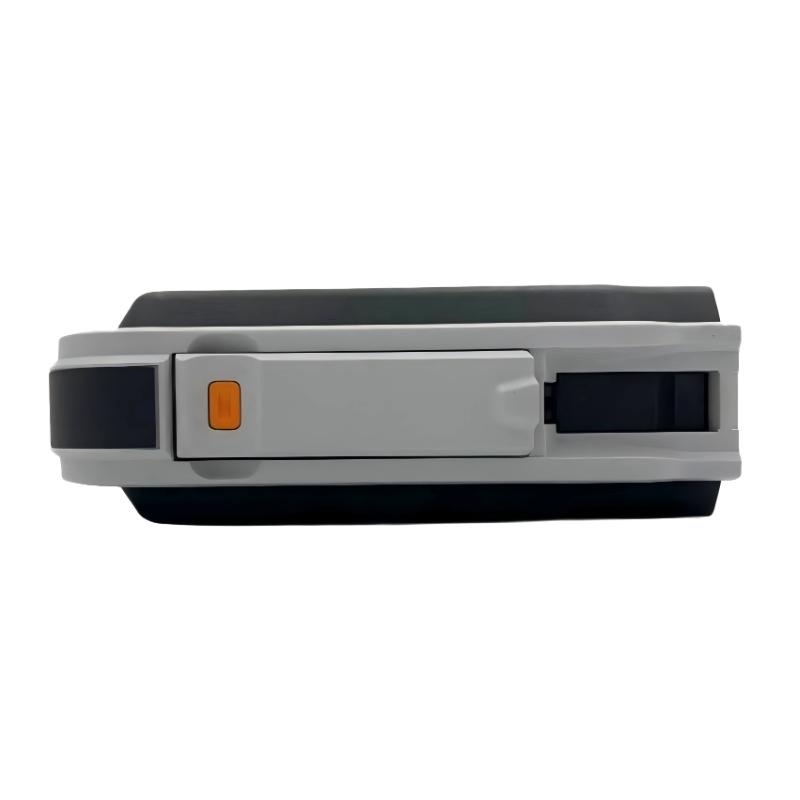
- Emerson
- SE4031S2T2B7
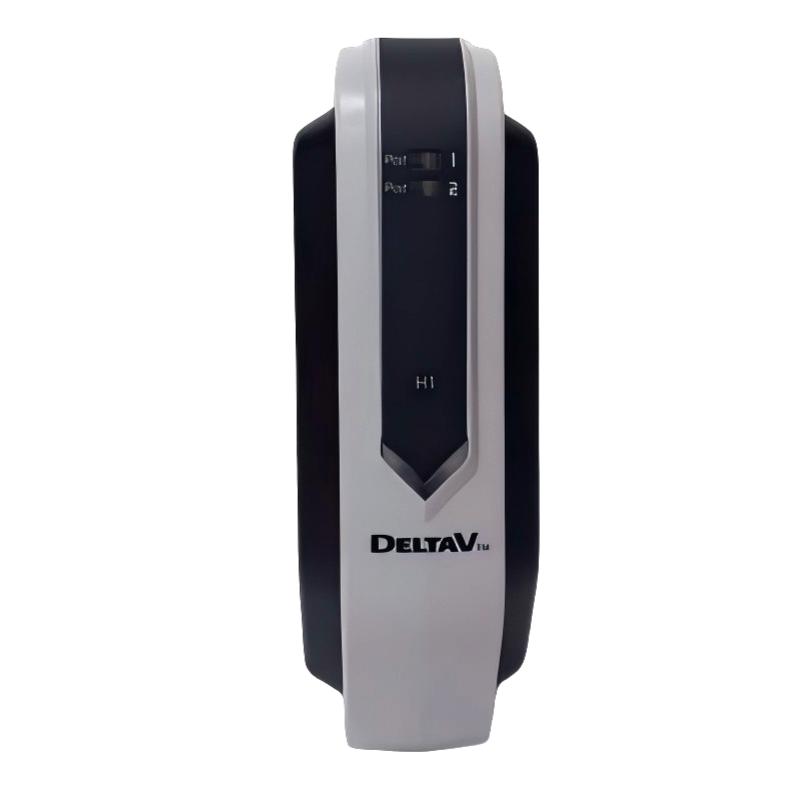
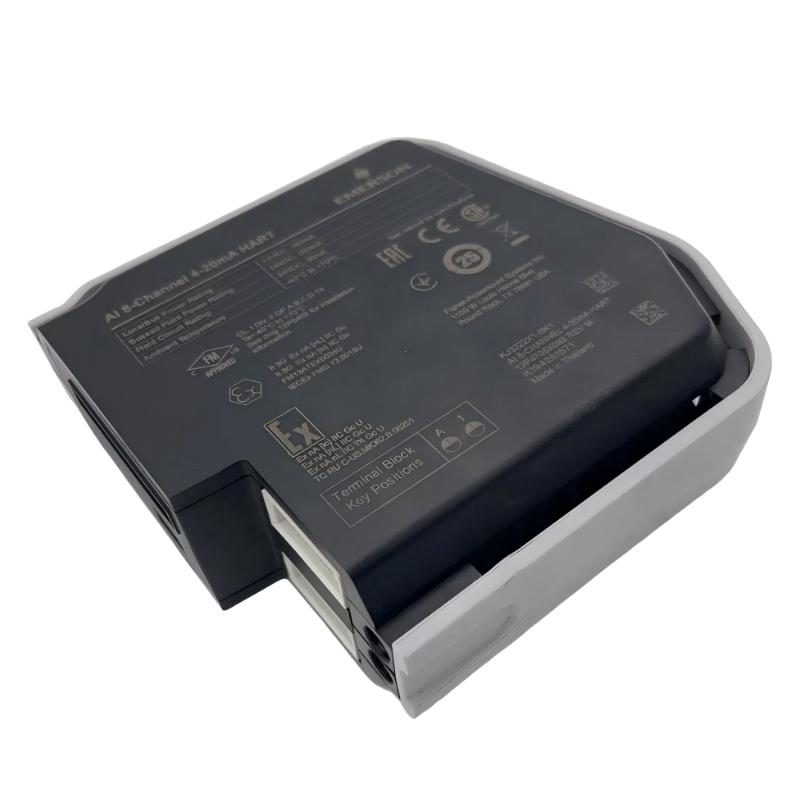
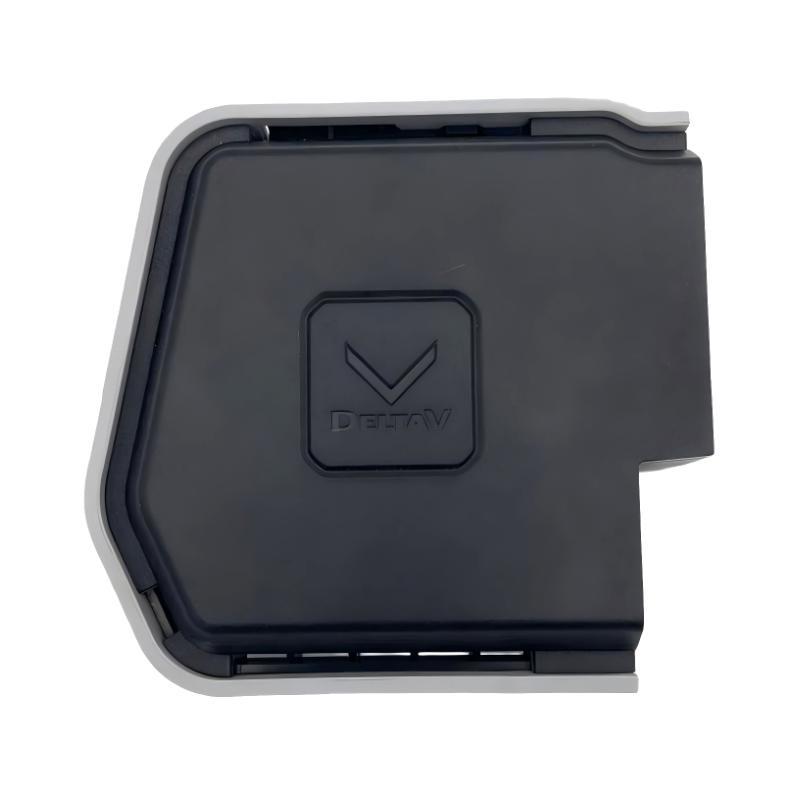
- Redundant Discrete Input Card
- USA
- 131 × 41.8 × 130.8 mm
- 0.45 kg
- Xiamen, China
- New & In Stock
- T/T, PayPal, Western Union
- 1 Year
- 1-3 Working Days
- DHL, UPS, TNT, FedEx and EMS.
- 24-Hour Service
- COO
- 46
Our advantage

Global Logistics
We have a 10-year logistics and express cooperation agreement, so our products can be shipped to any place in the world.

Brand new and original
Our products are imported in bulk from the place of origin. Because of the cooperative relationship, our products are all original and 100% new.

24-hour service
We provide 7*24 hours service to our customers. We will be there whenever you need us.

Price advantage
All our products are priced very favorably because we have our own warehouse and supply.
| Company Information | |||
| [email protected] | |||
| Mobile | +8615980777398 | ||
| +8615980777398 | |||
| 15980777398 |
Product Overview
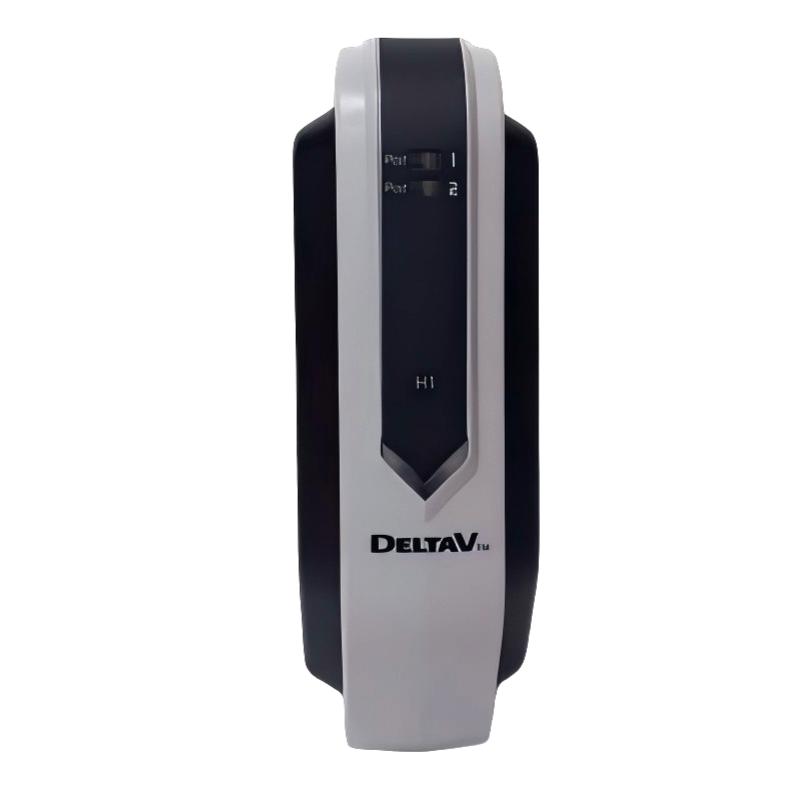
The Emerson SE4031S2T2B7 DeltaV S-series Redundant Discrete Input Card is used for redundant acquisition of discrete field signals in a DeltaV S-series control system. It is suited to applications where the status of switches, contacts, alarms, interlocks, and other binary field devices needs to remain available even when an individual I/O card encounters a fault.
The SE4031S2T2B7 belongs to the redundant discrete input configuration of the DeltaV S-series I/O platform. Instead of treating the input function as a single card path, the redundant arrangement uses paired discrete input cards so that the control system can continue monitoring field status with greater tolerance to an individual card failure.
Typical field signals include equipment running status, motor feedback, valve position contacts, pressure switches, level switches, permissive contacts, and process alarms. These signals are transferred into the DeltaV control system for sequencing, interlocking, alarm handling, and operator display.
For maintenance work, the redundant configuration is particularly useful in process areas where shutting down the associated equipment simply to replace an I/O card would introduce unnecessary operational risk. Correct card pairing, terminal-block configuration, slot arrangement, and channel assignment should be verified during installation or replacement.
Technical Specifications
| Parameter | Specification |
|---|---|
| Product Type | Redundant Discrete Input Card |
| Product Series | DeltaV S-series |
| Model | SE4031S2T2B7 |
| Number of Input Channels | 8 |
| Input Type | Discrete Input |
| Configuration | Redundant |
| Card Arrangement | 2 × Discrete Input Cards |
| Application | Discrete Status and Process Input Monitoring |
| Dimensions | 131 × 41.8 × 130.8 mm |
| Weight | 0.45 kg |
Product Features
- Redundant discrete input configuration for applications requiring continued status monitoring during an individual card fault.
- Provides 8-channel discrete input acquisition within the DeltaV S-series I/O architecture.
- Uses a paired-card arrangement rather than a single independent input card.
- Suitable for monitoring equipment status, interlocks, permissives, alarms, and switch contacts.
- Integrates with DeltaV control logic for sequencing and process supervision.
- Supports maintenance strategies where I/O availability is important to plant operation.
- Works with the associated redundant terminal-block arrangement.
- Suitable for distributed process-control applications with a large number of discrete field signals.
Working Principle
The SE4031S2T2B7 receives discrete field-state information through the associated terminal arrangement and transfers that information through the redundant I/O card configuration into the DeltaV control system.
Field Contacts → Redundant Terminal Block → SE4031S2T2B7 Card Pair → DeltaV I/O System → Controller / Control Logic
The signal path normally operates as follows:
- A field device changes state, such as a motor auxiliary contact closing or a valve position switch changing condition.
- The field signal reaches the associated redundant terminal block.
- The two discrete input card paths acquire the corresponding input information.
- DeltaV evaluates the redundant input status and associated diagnostics.
- The controller application uses the resulting state for interlocks, alarms, sequences, permissives, or operator indications.
- A detected card fault can be handled through the redundant I/O architecture without treating the entire input function as an immediately unavailable single path.
The redundancy is implemented at the I/O card level, so correct pairing and system configuration are essential for the intended fault-tolerant behavior.
Role in a DeltaV S-series Control Architecture
The SE4031S2T2B7 operates at the discrete field-input layer of a DeltaV S-series control architecture, collecting equipment status and binary process conditions before they are evaluated by the DeltaV controller.
Field Devices → Redundant Terminal Block → SE4031S2T2B7 → DeltaV Controller → Control Logic / Alarm / HMI
| System Element | Typical Function |
|---|---|
| Field Contacts | Provide binary equipment or process status |
| Redundant Terminal Block | Routes field signals to the redundant input arrangement |
| SE4031S2T2B7 | Acquires discrete input states through redundant card paths |
| DeltaV Controller | Executes control, sequence, and interlock logic |
| Engineering Station | Provides system configuration and diagnostics |
| Operator Station | Displays equipment states, alarms, and process conditions |
| Control Logic | Uses discrete states for permissives, trips, sequences, and interlocks |
| Plant Network | Transfers control and supervisory information |
Industrial Applications
| Application | Typical Use |
|---|---|
| Process Plants | Monitoring equipment running status, alarms, and permissive contacts |
| Oil and Gas | Acquisition of valve position, motor status, and process switch signals |
| Chemical Processing | Monitoring interlocks, equipment states, and process alarms |
| Power and Utilities | Discrete status acquisition from pumps, fans, breakers, and auxiliary equipment |
| Compressor Systems | Monitoring running feedback, trips, permissives, and protection contacts |
| Pump Stations | Acquisition of pump status, level switches, pressure switches, and alarm contacts |
| Water Treatment | Monitoring pump, valve, blower, and process equipment states |
| Manufacturing | Discrete feedback from production machinery and auxiliary systems |
| Distributed Process Units | Redundant monitoring of critical binary field conditions |
Installation and Maintenance
- Verify that the SE4031S2T2B7 is the correct redundant discrete input configuration for the DeltaV S-series system.
- Confirm that the required redundant terminal block and associated field wiring are available.
- Install the paired input cards according to the DeltaV S-series redundant I/O slot arrangement.
- Check that the two card positions correspond to the intended redundant channel configuration.
- Verify field wiring against the approved channel assignment before energizing the I/O.
- Confirm the field devices and contact circuits are suitable for the selected discrete input configuration.
- Check terminal connections for looseness, corrosion, or damaged conductors.
- Confirm the card pair is correctly recognized by the DeltaV system.
- Verify channel status and diagnostics from the DeltaV engineering or operator environment.
- Test representative field contacts after installation to confirm that their state changes are correctly detected.
- If one card reports a fault while the other remains operational, investigate the affected card and its connection without immediately disturbing the healthy redundant path.
- If several channels become abnormal simultaneously, inspect the terminal block, field supply, common wiring, card seating, and system configuration.
- During planned maintenance, inspect both redundant cards and their associated connections rather than checking only the active path.
A missing or incorrect discrete indication does not necessarily mean that the input card itself has failed. Field contact problems, terminal connections, configuration errors, card pairing, and common wiring should be checked as part of the complete signal path.
Related Components
| Component | Function |
|---|---|
| DeltaV S-series Controller | Executes control, sequencing, and interlock logic |
| Redundant Terminal Block | Provides the field connection for the redundant input arrangement |
| S-series I/O Carrier | Provides the physical and system-level interface for S-series I/O |
| 24 VDC Field Supply | Supplies compatible discrete field circuits |
| Discrete Field Contacts | Generate equipment and process status signals |
| Motor Auxiliary Contacts | Provide motor running or contactor feedback |
| Valve Position Switches | Indicate open or closed equipment status |
| DeltaV Engineering Station | Used for configuration, diagnostics, and maintenance |
| DeltaV Operator Station | Displays discrete states and alarms |
| Interlock Logic | Uses discrete signals for permissives, trips, and protective sequences |
Recommended Related Models
| Model / Series | Product Type | Typical Application |
|---|---|---|
| SE4031S2T2B7 | DeltaV S-series Redundant Discrete Input Card | Redundant 8-channel discrete input monitoring |
| SE4031S2T2B1 | DeltaV S-series Redundant Discrete Input Card | Redundant discrete input applications |
| SE4001S2T2B1 | DeltaV S-series Discrete Input Card | Standard discrete field-status acquisition |
| SE4001S2T2B2 | DeltaV S-series Discrete Input Card | Discrete process input monitoring |
| SE4001S2T2B3 | DeltaV S-series Discrete Input Card | Discrete field-status applications |
| SE4001S2T1B1 | DeltaV S-series Discrete Input Card | Traditional discrete input applications |
| SE4031S2T2B7 / S-series | Redundant Discrete I/O | Critical process-status monitoring |
| DeltaV S-series I/O | Modular I/O Platform | Distributed process-control applications |
Key Advantages
- Redundant input architecture reduces dependence on a single discrete input card.
- Supports continuous monitoring of critical binary field conditions.
- Eight input channels cover common equipment-status and process-interlock requirements.
- Fits the DeltaV S-series I/O architecture used in distributed process-control systems.
- Suitable for applications where I/O availability and maintenance continuity are important.
- Can support structured fault diagnosis at the redundant I/O level.
- Useful for critical process signals such as permissives, alarms, running feedback, and equipment-position status.
Technical FAQs
What makes SE4031S2T2B7 different from a standard DeltaV discrete input card?
The SE4031S2T2B7 is intended for a redundant discrete input configuration, using paired card paths rather than treating the input function as a single standalone card. This makes it more suitable for critical status signals where continued I/O availability is required.
Does the SE4031S2T2B7 provide 16 independent discrete inputs?
No. The redundant configuration should not be interpreted as 16 independent input channels. The paired cards support redundancy for the associated input functions rather than simply doubling the number of independently usable field inputs.
Why must the two redundant cards be installed in the correct positions?
DeltaV redundancy depends on the system recognizing the cards as the intended redundant pair. Incorrect slot arrangement, card pairing, or terminal-block configuration can prevent the redundancy from operating as expected even when both cards are individually functional.
What should be checked if one redundant card reports a fault?
Check the card seating, slot assignment, terminal-block connections, system diagnostics, and the affected field wiring first. The healthy redundant path should not be disturbed unnecessarily. If the fault remains localized to one card, replacement can be considered after confirming that the problem is not caused by configuration or connection issues.