

ProductPRODUCT
Featured products
Contact Us
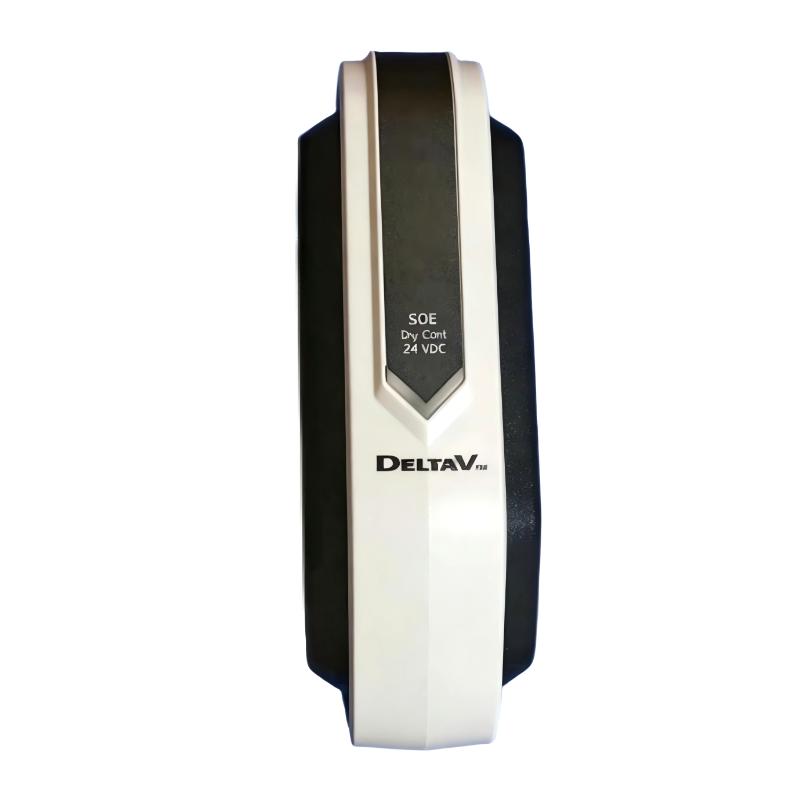
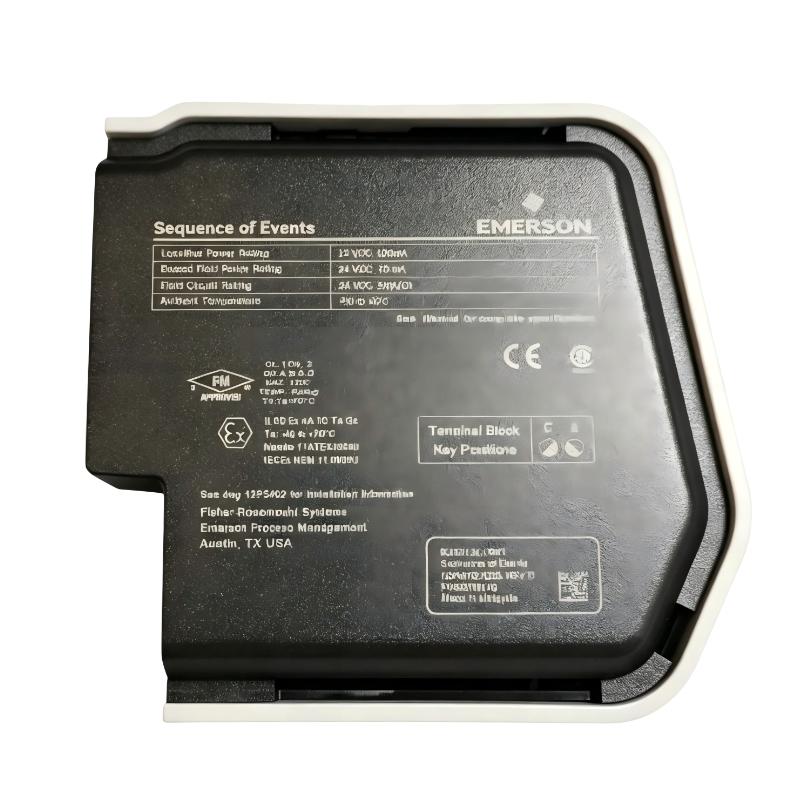
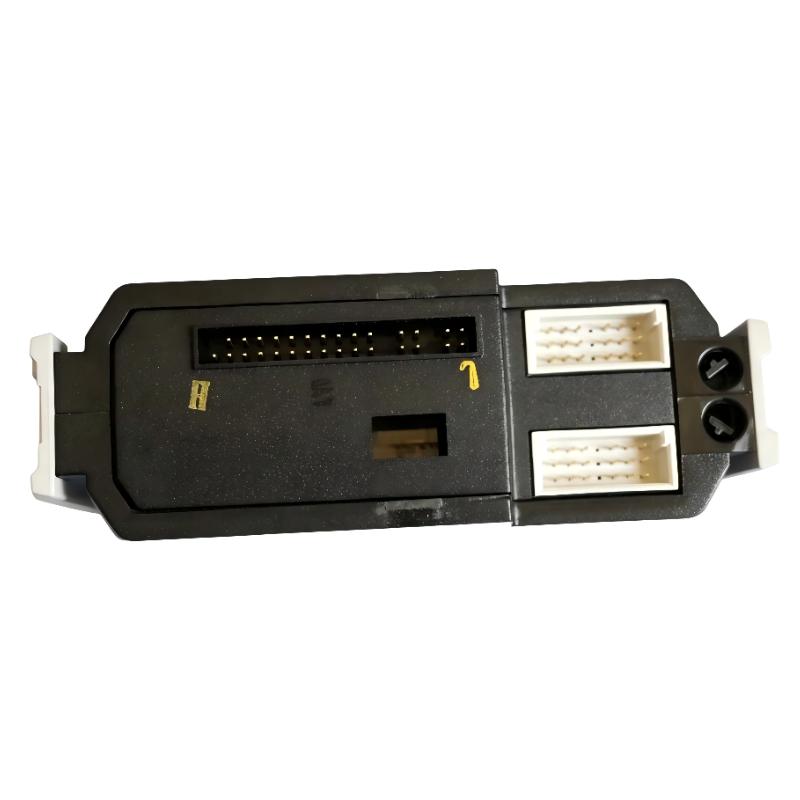
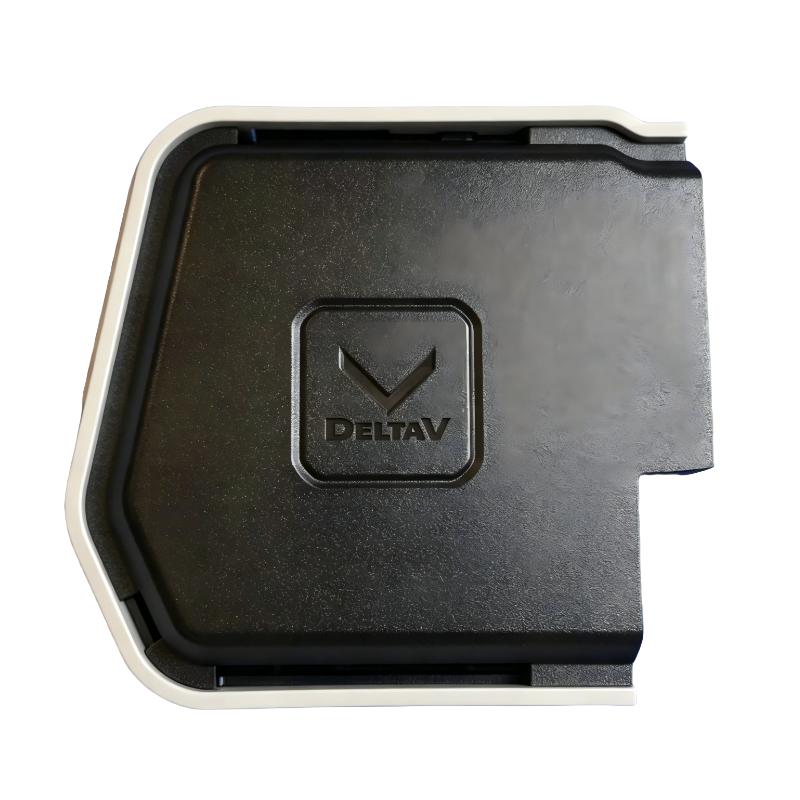
- Emerson
- SE4002S1T1B3
- Discrete Output Card
- USA
- 131 × 41.8 × 130.8 mm
- 0.4 kg
- Xiamen, China
- New & In Stock
- T/T, PayPal, Western Union
- 1 Year
- 1-3 Working Days
- DHL, UPS, TNT, FedEx and EMS.
- 24-Hour Service
- COO
- 59
Our advantage

Global Logistics
We have a 10-year logistics and express cooperation agreement, so our products can be shipped to any place in the world.

Brand new and original
Our products are imported in bulk from the place of origin. Because of the cooperative relationship, our products are all original and 100% new.

24-hour service
We provide 7*24 hours service to our customers. We will be there whenever you need us.

Price advantage
All our products are priced very favorably because we have our own warehouse and supply.
| Company Information | |||
| [email protected] | |||
| Mobile | +8615980777398 | ||
| +8615980777398 | |||
| 15980777398 |
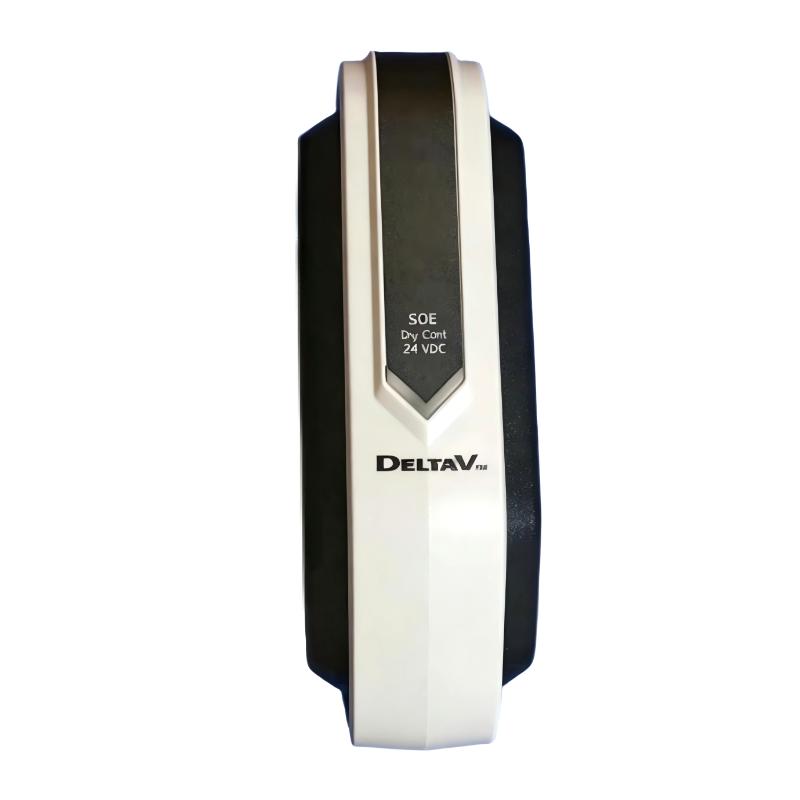
Product Overview
The Emerson SE4002S1T1B3 DeltaV S-series Discrete Output Card belongs to the DeltaV S-series I/O family and is used to transfer discrete control commands from the DeltaV system to field-side equipment.
In a process-control installation, the controller frequently needs to issue simple state commands rather than continuously varying signals. Examples include commanding a motor to start, instructing a valve actuator to move, energizing a solenoid, resetting a field device, or operating an interposing relay.
The SE4002S1T1B3 sits between the DeltaV application and these field circuits. When the control strategy determines that an output action is required, the corresponding output channel changes state and the signal is routed through the appropriate termination and field wiring.
A common operating sequence might be:
Process Condition → DeltaV Logic → SE4002S1T1B3 → Field Circuit → Equipment Action
For example, a process sequence may require a valve to open only after several permissives have been satisfied. DeltaV evaluates those conditions, issues the configured command, and the discrete output channel transfers the command toward the valve-control circuit.
This makes the card relevant not only to basic ON/OFF control but also to interlocks, equipment sequencing, permissive logic, shutdown functions, and automated operating procedures.
During maintenance, engineers should verify the complete output path rather than treating an unexpected field response as proof of an I/O-card failure. Output channel configuration, termination hardware, wiring, relays, solenoids, actuators, and equipment feedback can all affect the final result.
Technical Specifications
| Parameter | Specification |
|---|---|
| Manufacturer | Emerson |
| Model | SE4002S1T1B3 |
| Product Family | DeltaV S-series |
| Product Type | Discrete Output Card |
| Primary Function | Discrete Field Command Output |
| System Role | Field Output Interface |
| Application | Industrial Automation / Process Control |
| Installation | Emerson DeltaV Control System |
| Dimensions | 131 × 41.8 × 130.8 mm |
| Weight | 0.4 kg |
Product Features
The SE4002S1T1B3 is used where DeltaV control logic must initiate discrete actions in the field.
- Emerson DeltaV S-series Discrete Output Card
- Model SE4002S1T1B3
- Discrete command output
- Interfaces DeltaV logic with field circuits
- Suitable for binary equipment commands
- Applicable to motor and valve control circuits
- Useful for solenoid and relay applications
- Supports automated process sequences
- Suitable for interlock-related control functions
- Applicable to industrial process-control systems
- Useful for maintenance and replacement applications
The connected field device and its electrical interface should always be checked against the installed system configuration.
Working Principle
The SE4002S1T1B3 takes a discrete command generated by the DeltaV application and transfers the corresponding output state toward the field circuit.
The operating relationship can be represented as:
DeltaV Application → Output Channel → Termination → Field Circuit → Final Device
For a valve application, the process may look like:
Open Command → SE4002S1T1B3 → Output Wiring → Valve Control Circuit → Valve Moves
For a motor-control application:
Start Command → Output Channel → Control Circuit → Motor Starter / Interface → Motor Starts
The important point is that the output card represents the command side of the system. Whether the commanded equipment actually reaches the requested state depends on the downstream field circuit.
In applications with feedback, the control system can compare the command with a separate status signal:
Output Command → Equipment → Feedback Input → DeltaV
For example, DeltaV may issue a valve-open command through the discrete output card and then expect a valve-open feedback signal. If the feedback does not arrive within the configured sequence, the application can identify a failure to reach the expected state.
This command-and-feedback relationship is particularly useful for automated process sequences.
Output Control in a DeltaV Process
Discrete outputs are often associated with actions that have clear operating states.
A single output may be involved in functions such as:
- Equipment start
- Equipment stop
- Valve actuation
- Solenoid energization
- Relay operation
- Device reset
- Sequence initiation
- Auxiliary equipment control
The actual function of an output channel depends on the DeltaV application configuration.
For example, during an automated startup, several conditions may need to be satisfied before an output command is permitted. Once the logic reaches the appropriate step, the SE4002S1T1B3 transfers the configured discrete state to the field circuit.
This creates a clear separation between control decision-making in the DeltaV application and electrical command transmission through the I/O system.
Role in a DeltaV S-series Control Architecture
The SE4002S1T1B3 belongs on the output side of the control-system signal path.
A simplified architecture is:
Operator / Automatic Sequence → DeltaV Controller → SE4002S1T1B3 → Field Interface → Actuator / Equipment
| System Element | Function |
|---|---|
| SE4002S1T1B3 | Sends discrete commands to field circuits |
| DeltaV Controller | Executes control and sequence logic |
| S-series I/O Infrastructure | Connects the controller with field I/O |
| Termination Hardware | Provides the field wiring interface |
| Interposing Relay | Interfaces the output with external circuits |
| Solenoid | Converts an electrical command into mechanical action |
| Motor Control Circuit | Receives equipment start/stop commands |
| Valve Actuator | Executes valve movement |
| Feedback Input | Confirms equipment state |
| HMI | Displays commands and equipment status |
The presence of feedback is particularly useful when the process requires confirmation that a commanded action has actually occurred.
Command and Feedback Relationship
In practical process automation, an output command is often paired with an input feedback signal.
For example:
DeltaV → SE4002S1T1B3 → Pump Start Circuit
followed by:
Pump Running Contact → Discrete Input → DeltaV
The first path tells the equipment what to do. The second path tells the control system what actually happened.
This arrangement allows application logic to detect situations such as:
- Start command issued but motor remains stopped
- Valve commanded open but open feedback does not arrive
- Reset command issued but fault remains active
- Equipment command removed but running feedback remains present
Such conditions can then be handled according to the configured control strategy.
Industrial Applications
| Application | Typical Use |
|---|---|
| Oil and Gas | Pump and valve commands |
| Chemical Processing | Solenoid and actuator control |
| Power Generation | Auxiliary equipment control |
| Water Treatment | Pump and valve operation |
| Petrochemical Plants | Interlock-driven commands |
| Manufacturing | Machine start/stop functions |
| Process Plants | Automated sequence control |
| Material Handling | Conveyor and motor commands |
The exact use depends on the field equipment and DeltaV application configuration.
Installation and Maintenance
Because a discrete output can initiate physical equipment movement, maintenance should be performed with appropriate process isolation and approved testing procedures.
Recommended practices include:
- Confirm the complete SE4002S1T1B3 model.
- Verify the intended DeltaV I/O position.
- Review the channel configuration.
- Identify the field device associated with the output.
- Record existing wiring before removal.
- Inspect termination connections.
- Check the output-side wiring.
- Verify associated relays or interface components.
- Inspect solenoids, actuators, or control circuits where applicable.
- Review the DeltaV output configuration.
- Inspect the I/O card and connectors.
- Follow the approved equipment isolation procedure.
- Install the replacement card correctly.
- Restore field connections.
- Check output-channel diagnostics.
- Perform controlled output testing.
- Verify the field device responds correctly.
- Check associated feedback inputs.
- Confirm alarms and interlocks.
- Test the relevant automatic sequence.
- Document the completed maintenance work.
If the DeltaV output command changes but the field device does not respond, trace the circuit systematically:
Output Channel → Termination → Wiring → Relay / Interface → Actuator → Equipment
This helps identify whether the fault is located in the I/O system or further downstream.
Compatible System Components
The SE4002S1T1B3 normally works with several components across the DeltaV control and field layers.
| Component | Function |
|---|---|
| Emerson SE4002S1T1B3 | DeltaV S-series Discrete Output Card |
| DeltaV Controller | Executes output logic |
| S-series I/O Infrastructure | Provides system I/O connectivity |
| Termination Assembly | Interfaces field wiring |
| Interposing Relay | Switches or isolates external circuits |
| Solenoid Valve | Performs discrete actuation |
| Motor Control Circuit | Receives start/stop commands |
| Valve Actuator | Executes open/close commands |
| Discrete Input Card | Returns equipment feedback |
| HMI | Displays equipment and command status |
| Field Wiring | Carries output signals |
Recommended Related Models
The recommendations below focus on DeltaV discrete I/O used together for command, feedback, and event monitoring, which is more useful for system-level SEO than simply listing products from the same family.
| Model / Product Family | Product Type | Typical Application |
|---|---|---|
| Emerson SE4002S1T1B3 | DeltaV S-series Discrete Output Card | Discrete field command output |
| Emerson SE4002S1T1B1 | DeltaV S-series Discrete Output Card | Discrete equipment control |
| Emerson SE4001S3T2B2 | DeltaV S-series Discrete Input Card | Equipment status feedback |
| Emerson SE4001S5T2B5 | DeltaV S-series Sequence of Event Input Card | Sequence-of-event monitoring |
| Emerson SE4001S2T2B4 | DeltaV S-series Discrete Input Card | Discrete field-state acquisition |
| Emerson SE4001S2B3 | DeltaV M-series Discrete Input Card | General discrete input applications |
| Emerson SE4001S2T2B6 | DeltaV M-series Discrete Input Plus Card | Enhanced discrete input applications |
Key Advantages
- Emerson DeltaV S-series Discrete Output Card.
- Model SE4002S1T1B3.
- Sends discrete commands from DeltaV to field circuits.
- Suitable for equipment start/stop and actuator control.
- Applicable to valves, relays, solenoids, and motor-control circuits.
- Useful for automated sequences and interlock functions.
- Can be used alongside discrete feedback inputs.
- Suitable for process-control maintenance and replacement.
Technical FAQs
What role does the SE4002S1T1B3 have when controlling a valve?
The card transfers the configured discrete command from the DeltaV application toward the valve-control circuit. The actual valve movement depends on the downstream interface, such as a relay, solenoid, or actuator, and on the mechanical condition of the valve.
Why is output feedback important in an automated sequence?
A command only indicates what the control system requested. Feedback confirms whether the equipment reached the expected state. For example, a pump-start output can be paired with a running-status input so DeltaV can distinguish between a successful start and a failed start.
What could cause an output command to appear correct while the field equipment remains inactive?
Possible causes include a termination problem, damaged field wiring, an inactive relay, an open fuse or protection device, a failed solenoid, actuator problems, or an equipment-side fault. The entire output circuit should be checked before replacing the I/O card.
How should an SE4002S1T1B3 be checked after replacement?
First verify the I/O channel and output indication, then perform a controlled test of the connected field circuit. Confirm that the equipment responds correctly and, where feedback is available, verify that the corresponding status input changes as expected. Associated alarms, permissives, and interlocks should also be checked.